Scrap Metal Baler Troubleshooting Guide: How to Fix Common Hydraulic Pressure Loss


Introduction to Scrap Metal Baler Troubleshooting
In the high-stakes world of metal recycling and fabrication, the scrap metal baler serves as the heartbeat of the operation. When this machine experiences hydraulic pressure loss, production grinds to a halt, leading to significant downtime and lost revenue. Understanding the nuances of Scrap Metal Baler Troubleshooting: Fix Common Hydraulic Pressure Loss is essential for any facility manager or maintenance technician looking to maintain peak operational efficiency. HARSLE provides this comprehensive guide to help you navigate the complexities of hydraulic systems.
Hydraulic systems are the backbone of modern metal fabrication equipment. They rely on the precise application of fluid power to compress dense materials into manageable bales. When that pressure drops, the baler loses its ability to compact material effectively, resulting in loose bales, increased cycle times, and potential damage to the structural integrity of the machine. By mastering the diagnostic process, you can prevent minor leaks from becoming catastrophic failures.
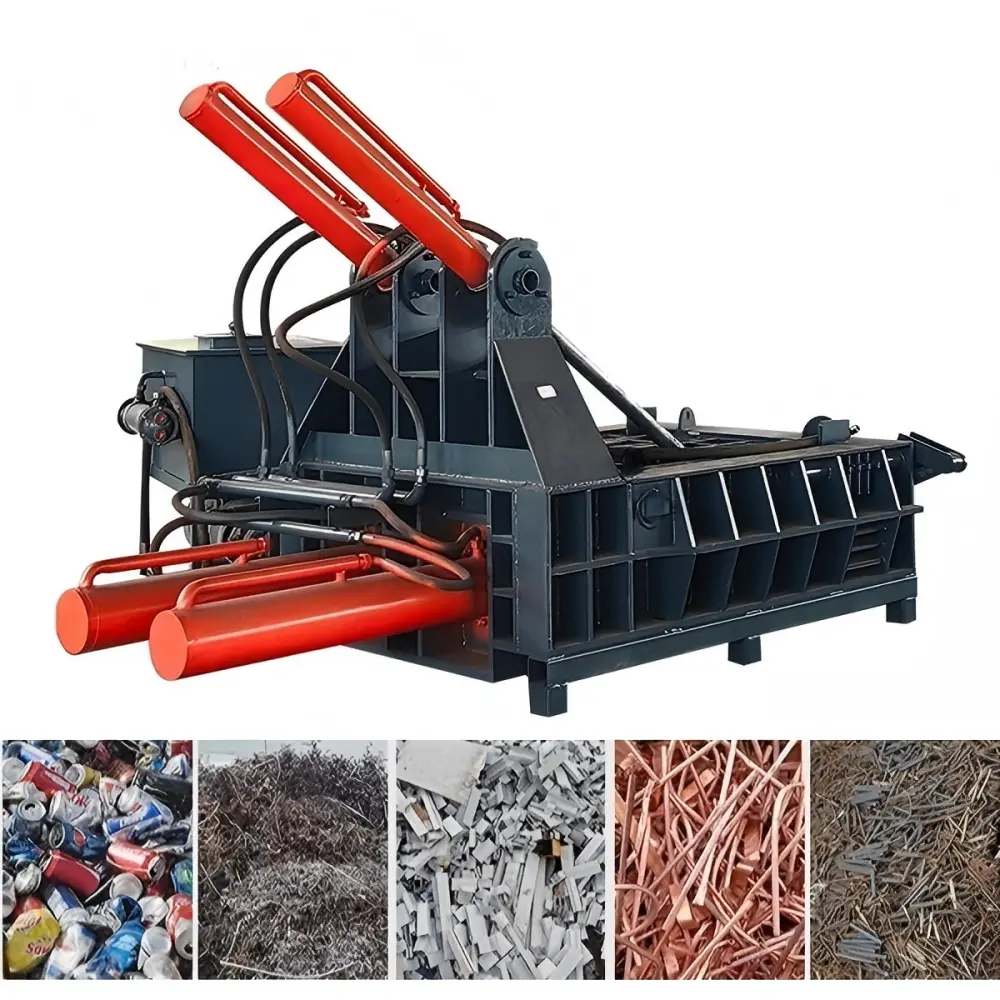
This guide explores the mechanical and hydraulic intricacies that lead to pressure drops. We will cover everything from pump health and valve integrity to seal degradation and fluid contamination. Whether you are operating a heavy-duty 160T scrap metal baler or a smaller recycling unit, the principles of hydraulic maintenance remain consistent. Proper troubleshooting is not just about fixing a problem; it is about understanding the system’s health to ensure longevity.
At HARSLE, we believe that informed operators are the best defense against equipment failure. By following the steps outlined in this article, you will be better equipped to perform routine inspections, identify early warning signs of pressure loss, and implement corrective measures that keep your scrap metal baler running at its maximum capacity. Let us dive into the technical aspects of maintaining your hydraulic investment.
Key Considerations for Hydraulic System Integrity
The first step in any Scrap Metal Baler Troubleshooting: Fix Common Hydraulic Pressure Loss process is to understand the environment in which the machine operates. Hydraulic systems are sensitive to temperature, fluid quality, and mechanical wear. If your baler is located in an area with extreme temperature fluctuations, the viscosity of your hydraulic oil may change, directly impacting pressure output. Always ensure that the oil grade matches the manufacturer’s specifications for your specific climate.
Contamination is the silent killer of hydraulic systems. Even microscopic particles of metal shavings or dust can score the internal surfaces of pumps and valves, leading to internal leakage. Internal leakage is particularly insidious because it does not always manifest as an external puddle on the floor. Instead, it causes the system to work harder to achieve the same pressure, leading to overheating and accelerated component wear. Regular oil analysis is a critical maintenance step that should never be skipped.
Another key consideration is the condition of your hoses and fittings. Over time, high-pressure cycles cause fatigue in rubber hoses, leading to micro-cracks that allow air to enter the system. Air in the hydraulic lines is a major cause of pressure instability, often resulting in a ‘spongy’ feel during the compression cycle. Inspecting all connections for signs of weeping or vibration-induced loosening is a fundamental part of your daily maintenance checklist.
Finally, consider the role of the operator. Improper loading techniques, such as overfilling the chamber or attempting to bale materials that exceed the machine’s design specifications, can put undue stress on the hydraulic pump. When the pump is forced to operate at its relief pressure limit consistently, it will eventually fail. Training your team on the limitations of the scrap metal baler is just as important as the mechanical maintenance itself.
Technical Details: Diagnosing Pressure Loss
When you encounter a drop in pressure, the diagnostic process should be systematic. Start by checking the hydraulic pump. The pump is the heart of the system, and if it is failing, the entire baler will suffer. Use a pressure gauge to test the output directly at the pump port. If the pressure is low here, the pump is likely worn out or the intake filter is clogged. A clogged intake filter creates cavitation, which sounds like gravel rattling inside the pump and is a clear indicator of impending failure.
Next, examine the relief valves. The relief valve is designed to protect the system from over-pressurization, but if it is stuck in a partially open position, it will bleed off pressure back to the reservoir. This is a common culprit in Scrap Metal Baler Troubleshooting: Fix Common Hydraulic Pressure Loss scenarios. Carefully remove the relief valve, inspect the seat for debris or scoring, and ensure the spring is not broken or fatigued. Cleaning or replacing the relief valve cartridge is often a quick fix that restores full system pressure.
Check the hydraulic cylinders for internal bypass. If the seals inside the main compression cylinder are worn, the hydraulic fluid will leak from the high-pressure side to the low-pressure side of the piston. You can often diagnose this by feeling the cylinder barrel; if one side is significantly hotter than the other during a cycle, it is a strong sign of internal fluid bypass. Replacing the cylinder seals is a labor-intensive but necessary task to restore the baling force required for high-density metal bales.
Finally, inspect the directional control valves. These valves direct the flow of oil to the various cylinders. If a spool is not seating correctly, or if the solenoid is failing to fully actuate, the oil may be diverted away from the main cylinder. Use a multimeter to check the electrical signals to the solenoids and ensure that the mechanical linkages are free of debris. A simple cleaning of the valve block can often resolve issues that appear to be major hydraulic failures.
Selection Advice: Choosing the Right Equipment
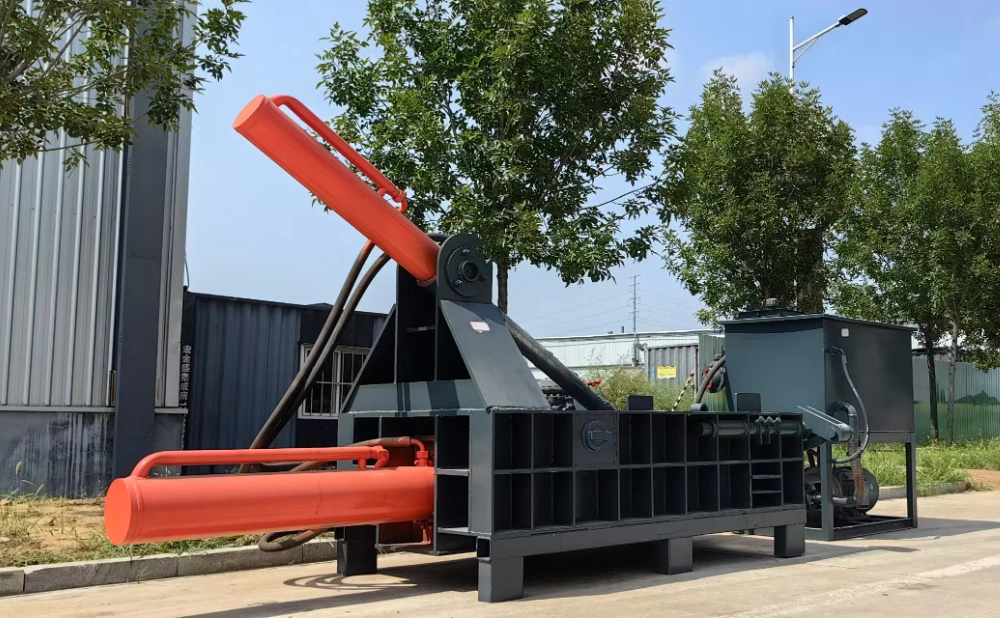
When selecting a scrap metal baler, it is vital to consider the hydraulic capacity relative to your throughput requirements. A machine that is undersized for your volume will be pushed to its limits, leading to the very pressure loss issues we are discussing. HARSLE recommends evaluating your daily tonnage and the type of metal you are processing before making a purchase. A 160T baler might be perfect for heavy steel, but overkill for aluminum cans, and vice versa.
Look for machines that feature high-quality hydraulic components from reputable manufacturers. The quality of the pump, the precision of the valves, and the durability of the hoses are all factors that determine how often you will need to perform troubleshooting. Investing in a machine with an integrated oil cooling system is also a wise choice, as heat is the primary enemy of hydraulic seals and fluid longevity.
Consider the ease of maintenance when selecting your baler. Can the hydraulic pump be accessed easily? Are the filters located in a position that encourages regular replacement? A well-designed machine will have a clear, accessible layout for all major hydraulic components. This design philosophy reduces the time required for inspections and repairs, ultimately lowering your total cost of ownership.
Finally, ensure that the manufacturer provides comprehensive documentation and technical support. A Scrap Metal Baler Troubleshooting Guide is only as good as the support behind it. HARSLE prides itself on providing detailed manuals and responsive technical assistance to ensure that our clients can resolve issues quickly and safely. When buying, ask about the availability of spare parts and the lead time for critical hydraulic components.
Common Troubleshooting FAQ
- Q: Why does my baler lose pressure only when the oil gets hot?
A: This is usually a sign of internal leakage in the pump or cylinder seals. As the oil heats up, it becomes thinner (lower viscosity), making it easier for it to leak past worn seals. You likely need to replace the seals or the pump cartridge. - Q: How often should I change my hydraulic fluid?
A: Generally, hydraulic fluid should be changed every 1,000 to 2,000 operating hours, or annually. However, if your oil analysis shows high levels of contaminants or oxidation, you should change it sooner. - Q: Can I use any hydraulic oil in my scrap metal baler?
A: No. Always use the grade and viscosity recommended by the manufacturer. Using the wrong oil can cause pump cavitation, seal degradation, and poor performance in cold or hot weather. - Q: What is the most common cause of a sudden pressure drop?
A: A sudden drop is often caused by a stuck relief valve or a burst internal hose. Check the relief valve first, as it is the easiest to inspect and repair. - Q: How do I know if my hydraulic pump is cavitating?
A: Cavitation often produces a distinct, loud grinding or rattling noise, similar to marbles in a metal container. If you hear this, stop the machine immediately to prevent permanent pump damage.
Conclusion: Maintaining Your Hydraulic Investment
Mastering Scrap Metal Baler Troubleshooting: Fix Common Hydraulic Pressure Loss is a journey of continuous learning and proactive maintenance. By understanding the relationship between hydraulic fluid, pump health, valve integrity, and seal condition, you can ensure that your HARSLE scrap metal baler remains a productive asset for years to come. Remember that the goal is not just to fix problems as they arise, but to create an environment where they are prevented before they start.
Regular inspections, clean hydraulic fluid, and operator training are the three pillars of a successful maintenance program. Do not wait for a total system failure to address minor leaks or unusual noises. By taking a proactive approach, you protect your investment, ensure the safety of your team, and maintain the efficiency of your recycling operations. If you ever find yourself facing a challenge that exceeds your internal capabilities, reach out to the HARSLE technical support team for expert guidance.
As the metal fabrication industry continues to evolve, the demand for reliable, high-performance machinery will only grow. Your scrap metal baler is a critical component of that ecosystem. By applying the technical insights provided in this guide, you are positioning your facility for long-term success and operational excellence. Keep your systems pressurized, your oil clean, and your production moving forward.