Scrap Metal Baler Cost Vs ROI: Is It Worth the Investment?

Price Range Overview
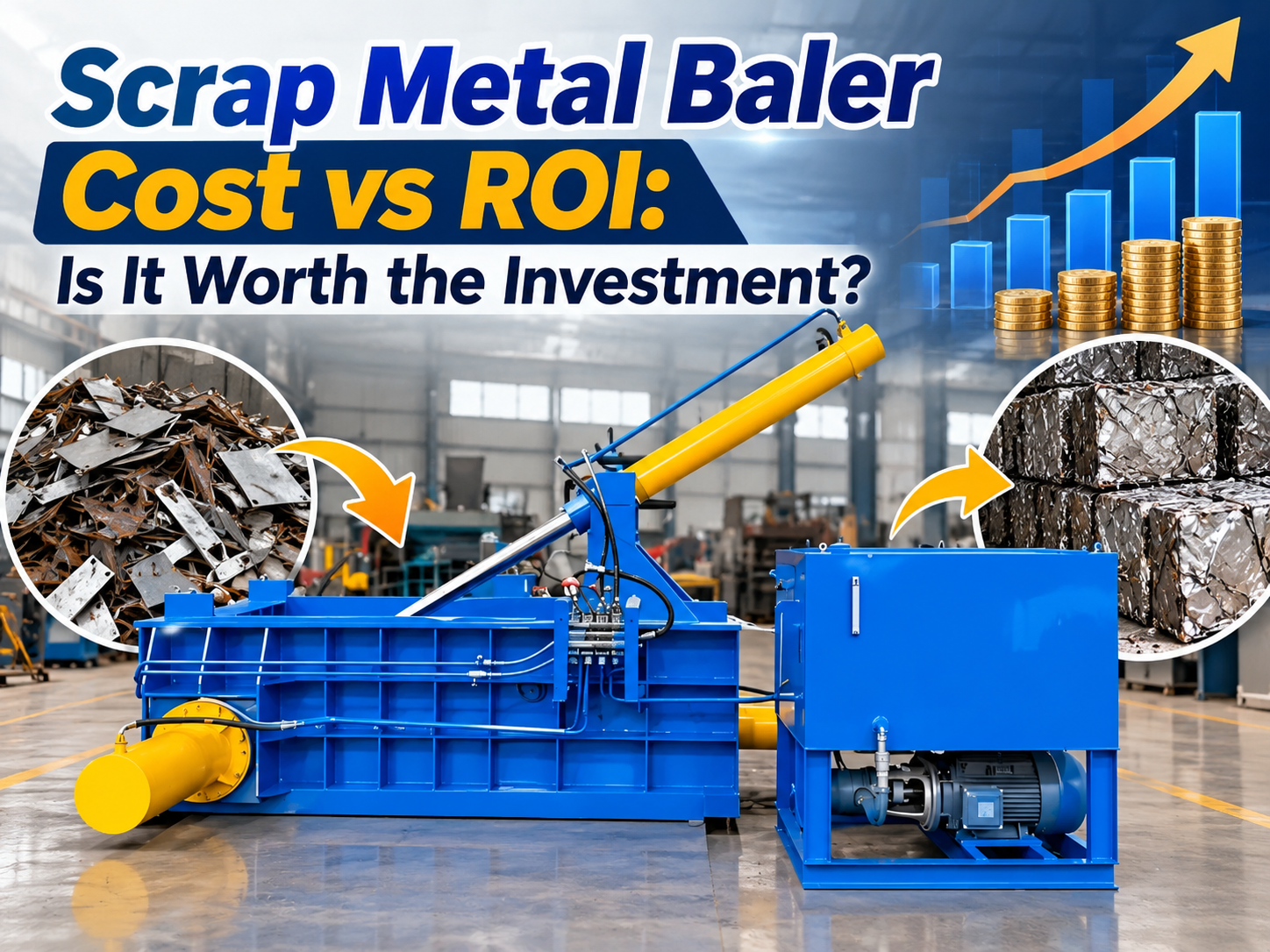
When evaluating the Scrap Metal Baler Cost Vs ROI Is It Worth Investment?, the first hurdle for any facility manager is understanding the vast price spectrum of industrial baling equipment. Scrap metal balers are not one-size-fits-all solutions; they range from compact, manually operated units for small workshops to massive, fully automated hydraulic systems for large-scale recycling centers. Generally, entry-level vertical balers can start as low as $5,000 to $15,000, while high-capacity horizontal balers with automated tying systems can easily exceed $100,000 to $250,000.
The price variance is primarily dictated by the throughput capacity, the force of the hydraulic ram, and the level of automation integrated into the machine. For a small metal fabrication shop, a lower-cost vertical baler might be sufficient to manage daily offcuts. However, for a scrap yard processing tons of material daily, the initial capital expenditure (CAPEX) is significantly higher due to the need for heavy-duty structural steel, advanced PLC controls, and high-pressure hydraulic pumps.
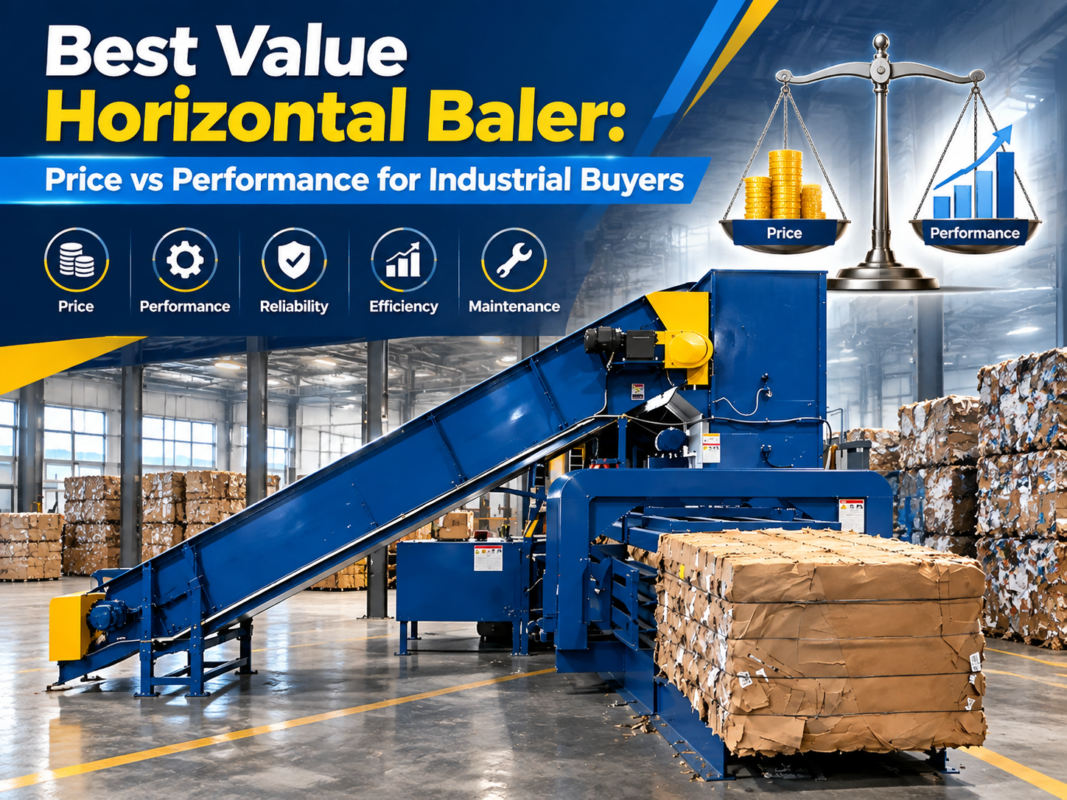
It is essential to view these prices not merely as expenses, but as capital investments in operational efficiency. A cheaper machine might seem attractive on a balance sheet, but if it lacks the structural integrity to handle high-density metals like steel or copper, the maintenance costs will quickly erode any initial savings. HARSLE emphasizes that the right machine should be chosen based on the specific volume and type of metal scrap generated, ensuring that the price paid aligns with the actual operational demands.
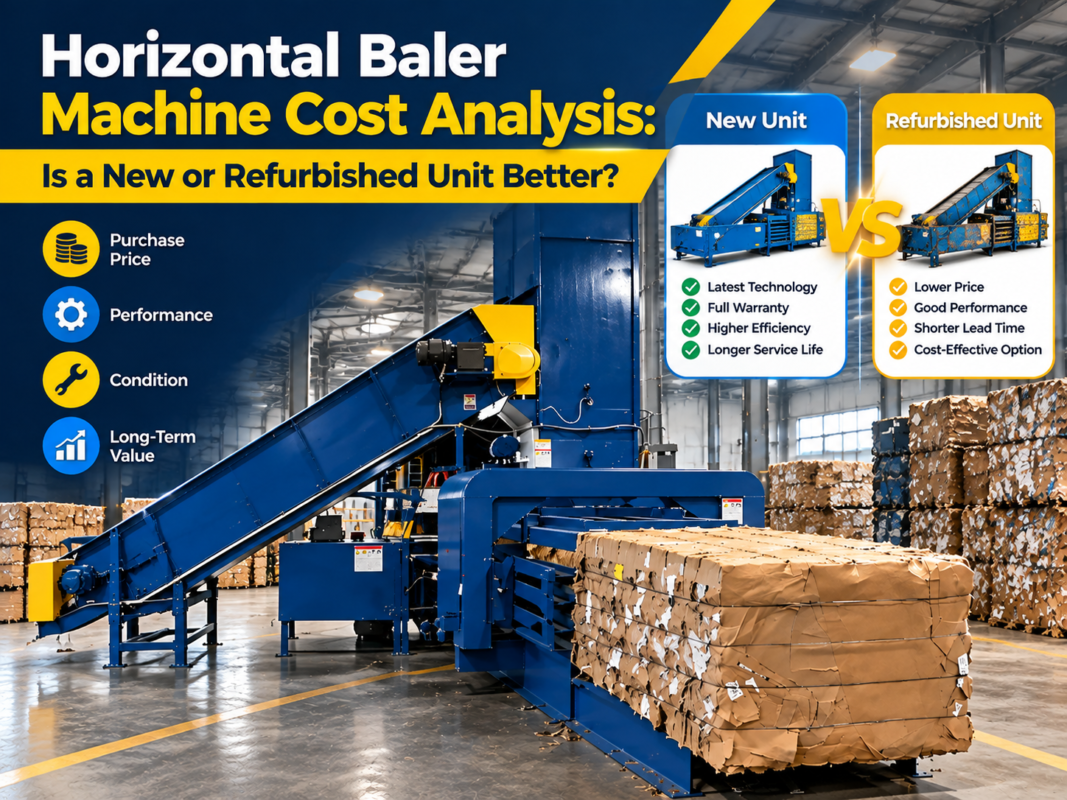
Furthermore, the market for scrap metal balers includes both new and refurbished units. While refurbished machines offer a lower entry price, they often lack the latest energy-efficient motors and safety features found in modern HARSLE equipment. When calculating the Scrap Metal Baler Cost Vs ROI Is It Worth Investment?, businesses must weigh the lower upfront cost of used machinery against the potential for higher downtime and the lack of manufacturer warranties.
Main Cost Drivers
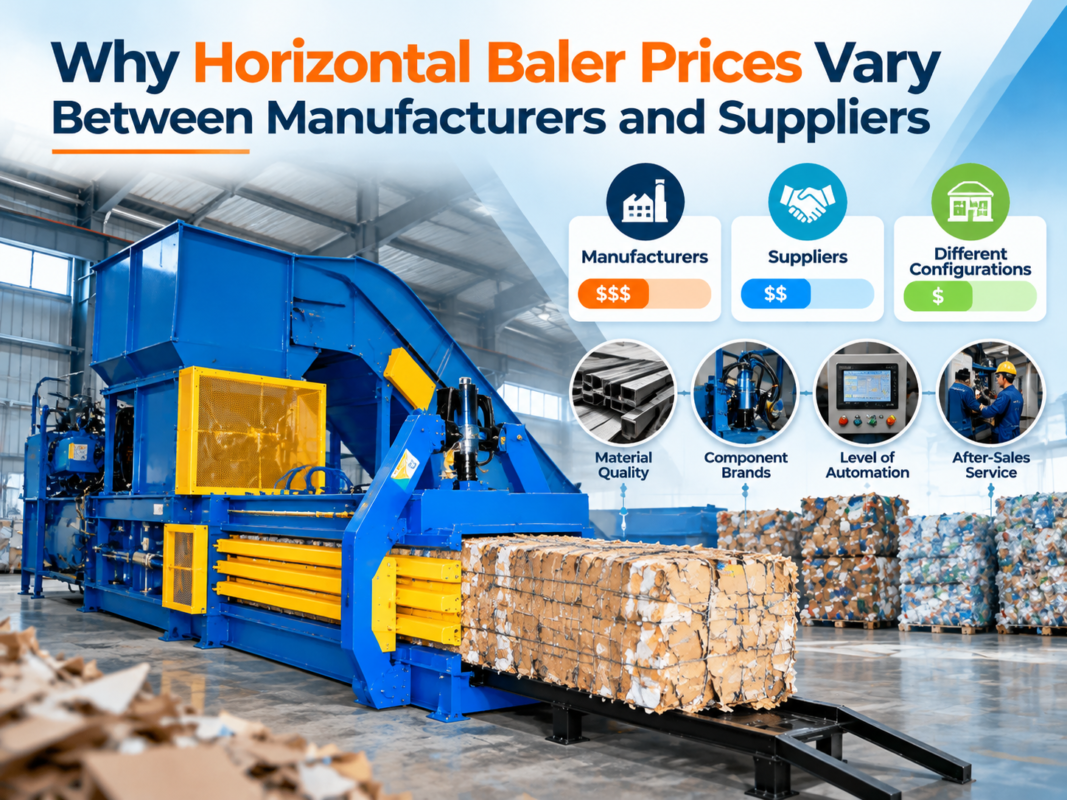
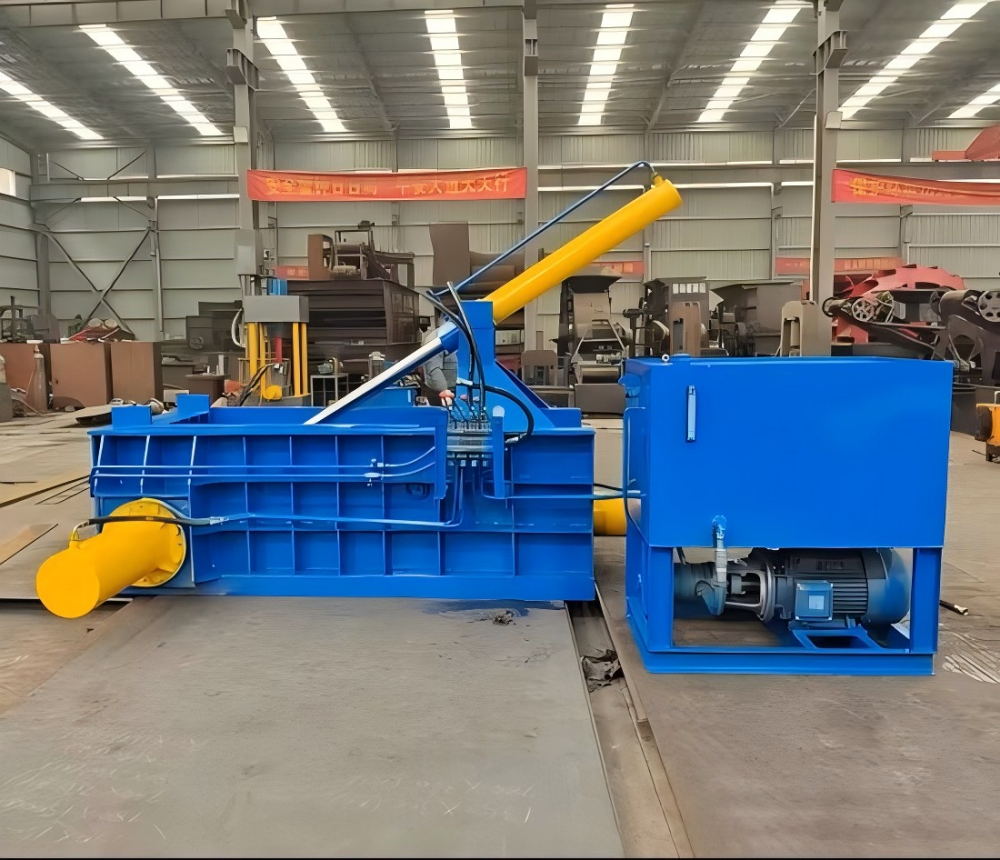
Understanding what drives the price of a scrap metal baler is crucial for making an informed purchase. The primary cost driver is the hydraulic system. High-quality balers utilize robust hydraulic cylinders and pumps that can exert immense pressure—often measured in tons—to compress metal into dense, transportable bales. The quality of the steel used in the chamber and the ram face also plays a significant role, as these components must withstand the abrasive nature of metal scrap without deforming.
Automation level is another major factor. Manual balers require significant labor time for loading, tying, and ejecting bales. Semi-automatic and fully automatic balers, while more expensive, drastically reduce labor costs and increase throughput. Features like automatic wire tying, conveyor belt integration, and remote monitoring systems add to the initial cost but provide long-term value by streamlining the entire recycling workflow.
The motor and electrical components also contribute to the total cost. Modern balers often feature variable frequency drives (VFDs) that optimize power consumption based on the load. While these components increase the purchase price, they significantly lower the operational expenditure (OPEX) over the machine’s lifespan. Investing in high-efficiency motors is a key strategy for improving the overall ROI of your scrap metal processing operation.
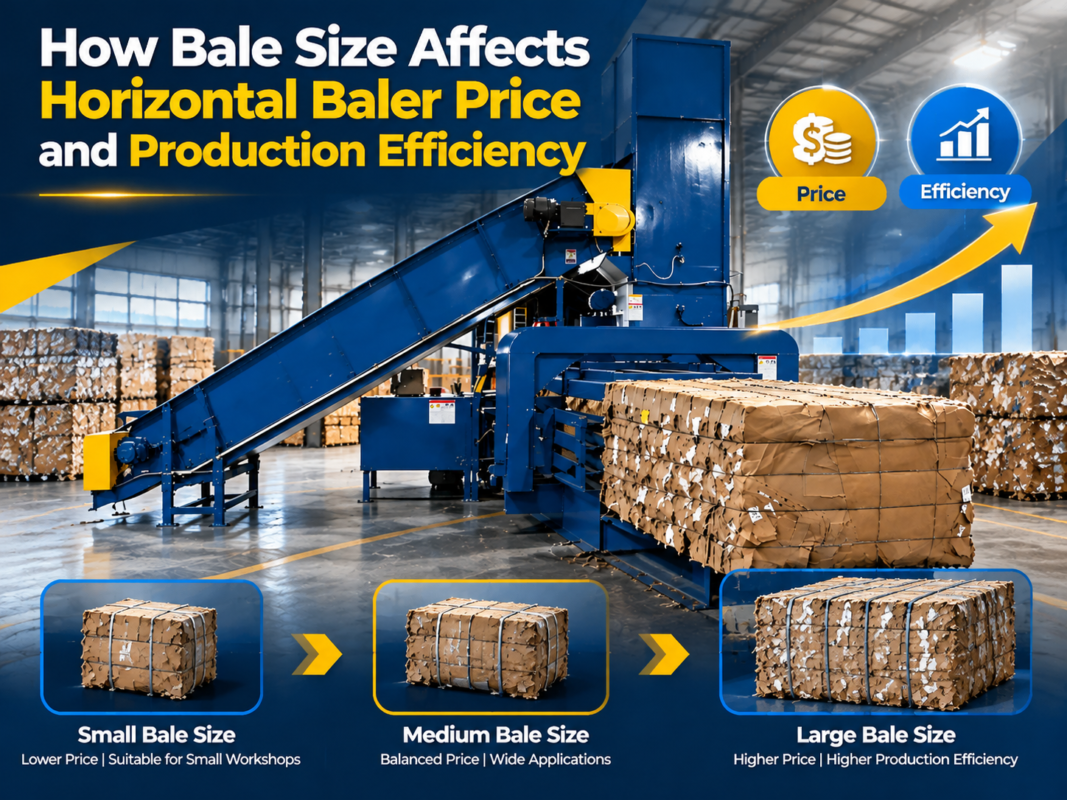
Finally, the size and footprint of the machine influence the price. Larger machines require more raw materials for construction and more complex shipping logistics. However, a larger machine often allows for larger bale sizes, which can command higher prices from scrap metal buyers who prefer standardized, high-density bales. Balancing the physical size of the machine with the available floor space and the desired output is a critical step in the procurement process.
Configuration Impact
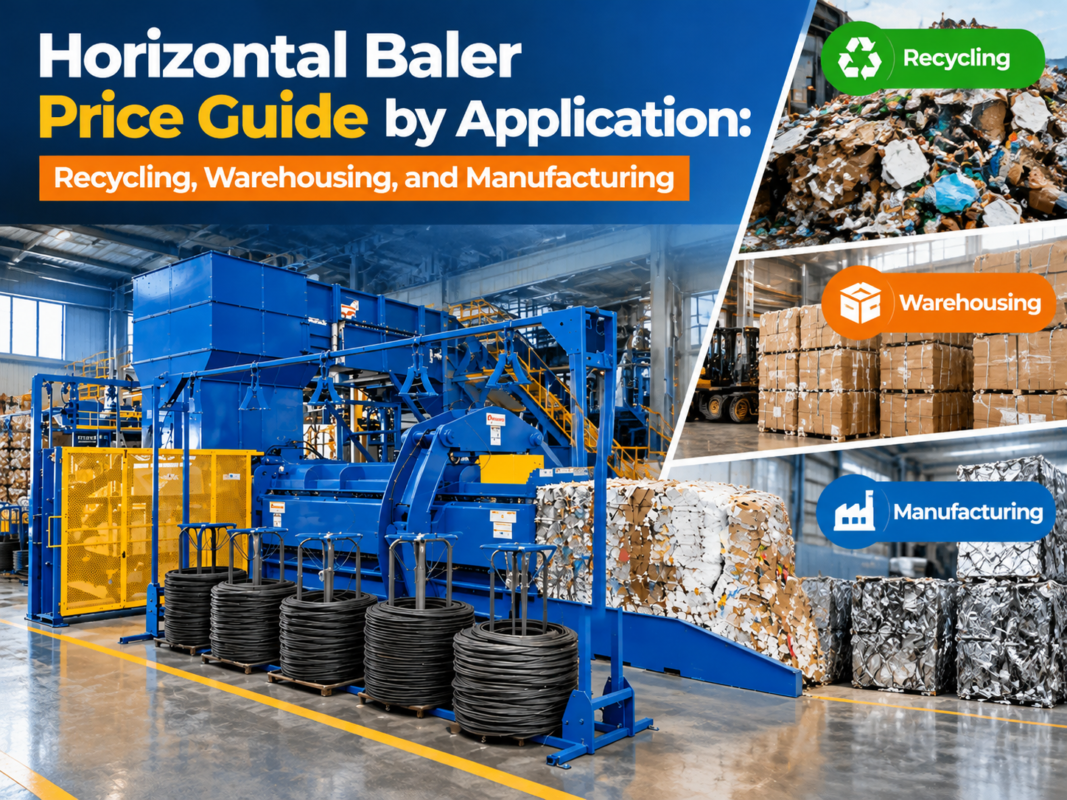
The configuration of your scrap metal baler directly impacts its performance and, consequently, its ROI. Vertical balers are typically chosen for their small footprint and lower cost, making them ideal for facilities with limited space. They are excellent for baling aluminum cans, copper wire, and light steel offcuts. However, their throughput is limited by the manual loading process, which can create a bottleneck in high-volume environments.
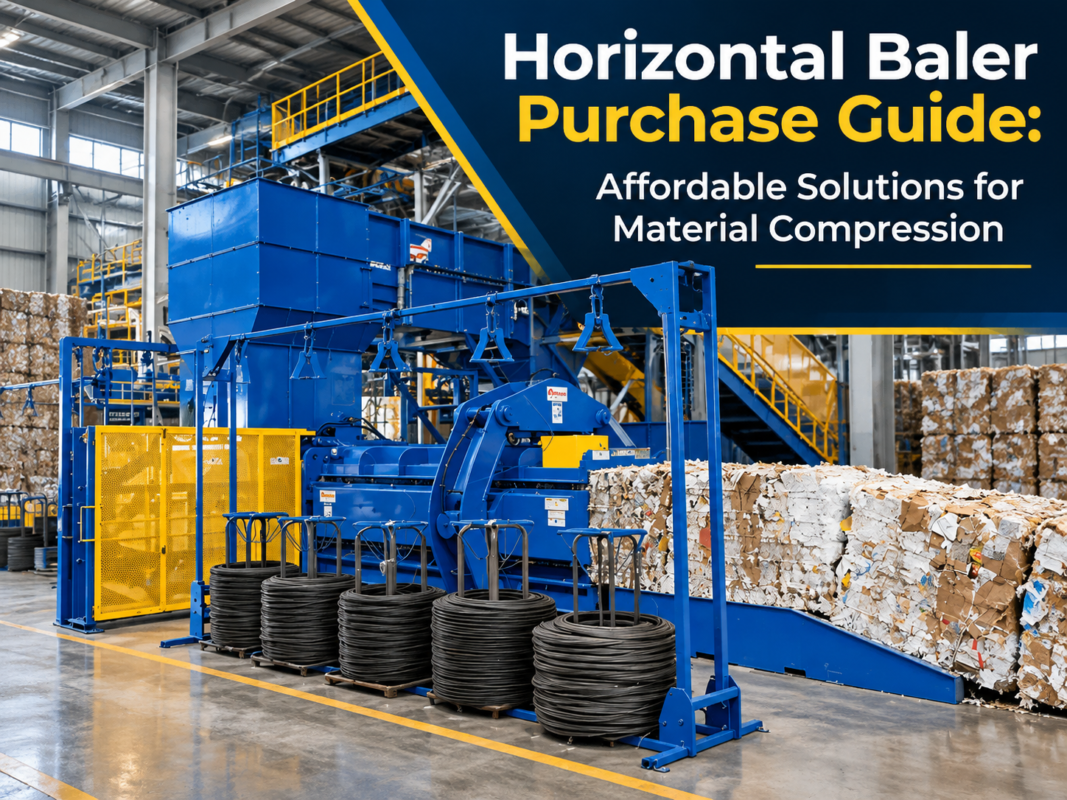
Horizontal balers, on the other hand, are designed for continuous operation. They can be fed via conveyor belts or even front-end loaders, making them the gold standard for high-volume scrap yards. The configuration of the feed opening, the ram stroke length, and the bale ejection method can be customized to suit specific material types. For instance, a baler configured for heavy steel plate scrap will require a much more robust ram and chamber design than one intended for thin-gauge aluminum sheets.
Another configuration aspect is the tying system. Manual tying is labor-intensive and slow. Automatic tying systems, while adding to the upfront cost, ensure that bales are tightly secured and uniform in size. This uniformity is highly valued by metal refineries, often allowing the seller to negotiate better pricing for their scrap. When considering the Scrap Metal Baler Cost Vs ROI Is It Worth Investment?, the ability to produce high-quality, dense bales is a major factor in maximizing revenue.
Safety configurations also impact the final price. Modern industrial standards require advanced safety features such as light curtains, emergency stop buttons, and interlocked access doors. While these features are non-negotiable for compliance, they also protect the workforce and reduce the risk of costly accidents. HARSLE integrates these safety features into the core design of every baler, ensuring that the investment is not only profitable but also safe for long-term operation.
Hidden Costs
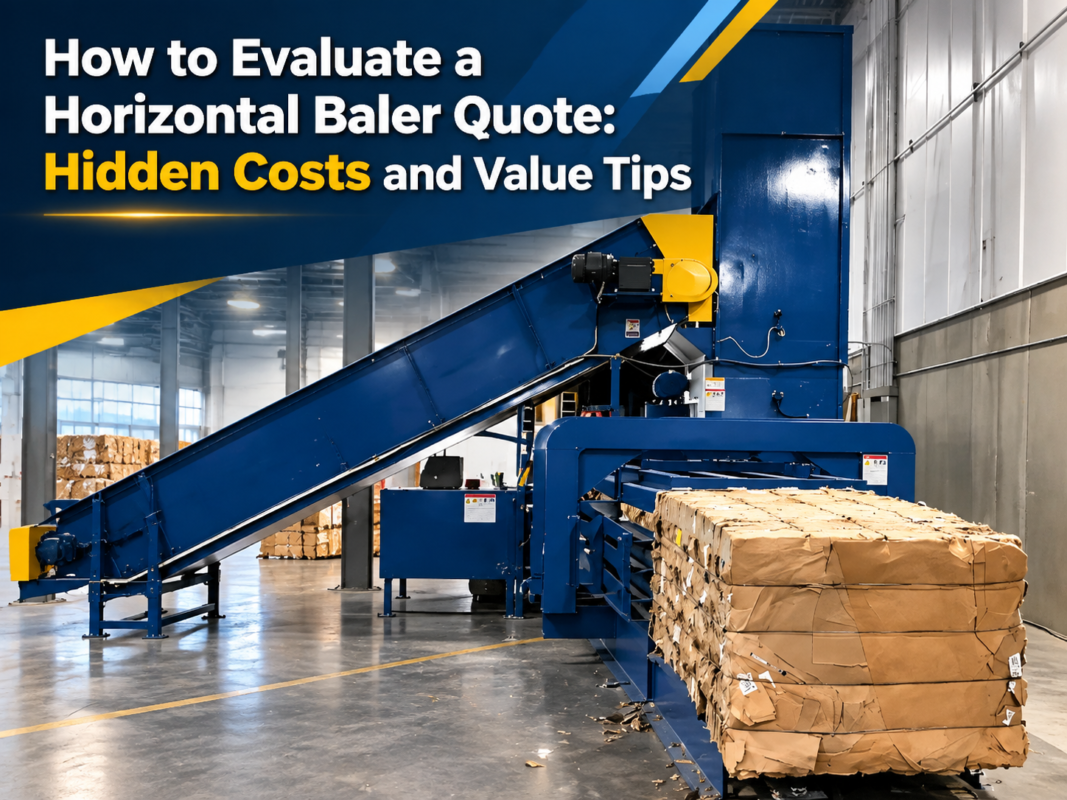
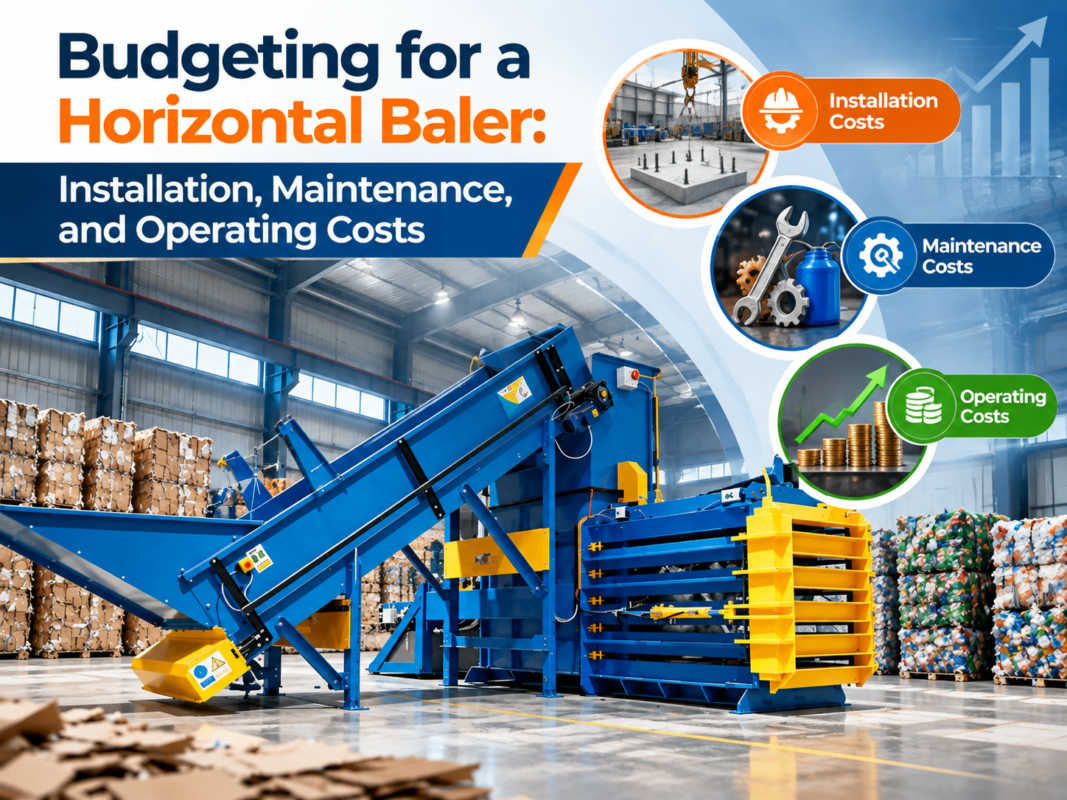
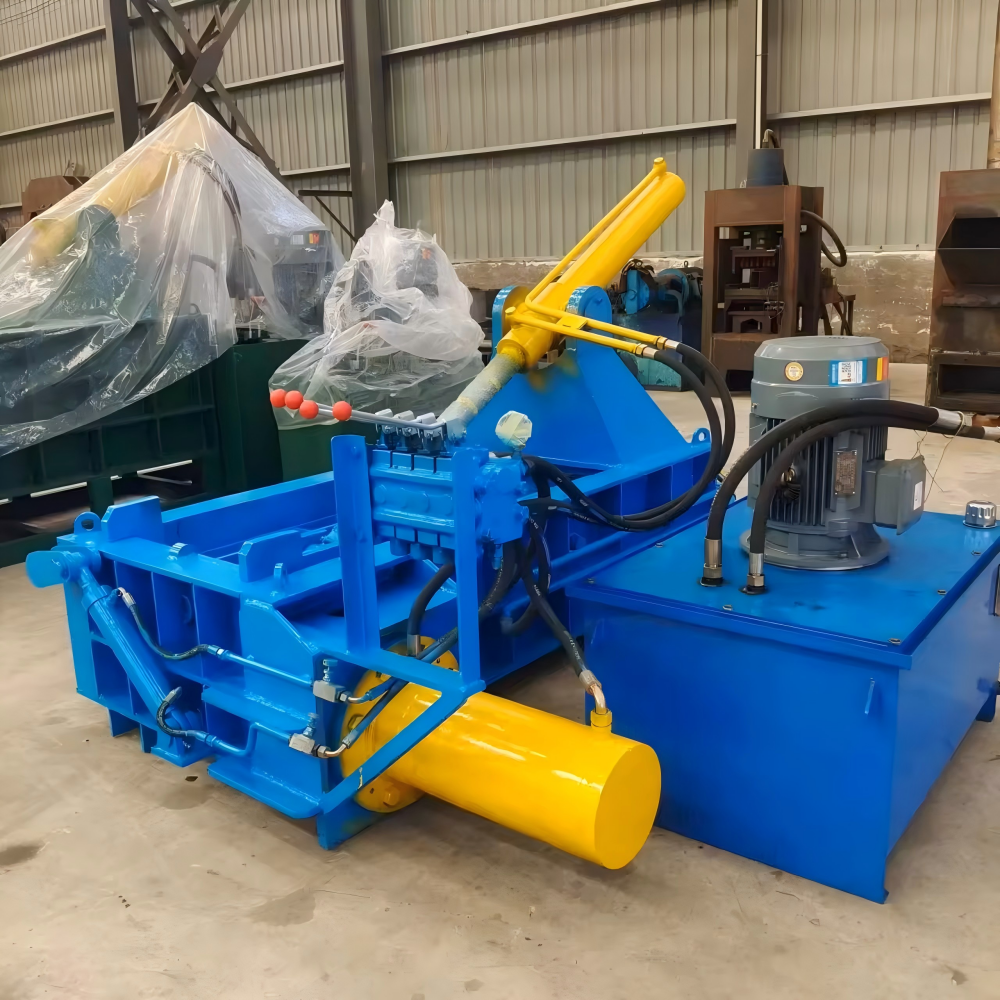
When analyzing the Scrap Metal Baler Cost Vs ROI Is It Worth Investment?, many buyers overlook the hidden costs associated with installation and ongoing maintenance. Installation is not just about placing the machine on the floor; it often requires specialized electrical work, concrete foundation reinforcement, and potentially the installation of a conveyor system. These site preparation costs can add thousands of dollars to the initial investment.
Maintenance is another critical hidden cost. Hydraulic systems require regular oil changes, filter replacements, and seal inspections. If these tasks are neglected, the machine will experience downtime, which is the most expensive cost of all. A machine that is down for repairs is not generating revenue, and it may even cause a backlog of scrap that disrupts the entire production floor. Budgeting for a preventative maintenance contract is a smart way to manage these costs.
Consumables such as baling wire or strapping material are ongoing expenses that must be factored into the ROI calculation. The type of wire used—whether galvanized or high-tensile—can affect both the cost per bale and the structural integrity of the finished product. Choosing the wrong consumables can lead to broken bales, which are difficult to transport and less valuable to buyers.
Finally, energy consumption is a hidden cost that accumulates over time. Older or poorly maintained machines can be incredibly inefficient, drawing excessive power even when not under load. By selecting a HARSLE baler with energy-efficient hydraulic components and smart standby modes, you can significantly reduce your monthly utility bills, thereby improving the long-term ROI of your investment.
ROI Calculation
Calculating the ROI of a scrap metal baler involves comparing the total cost of ownership (TCO) against the revenue generated from selling baled scrap and the savings achieved through reduced logistics and labor costs. The TCO includes the purchase price, installation, maintenance, energy, and labor. The revenue side includes the premium prices paid for high-density bales compared to loose scrap, as well as the reduced transportation costs resulting from higher load density.
Transportation is a major factor in the scrap metal industry. Loose scrap is bulky and inefficient to transport, meaning you pay to ship mostly air. By baling your scrap, you can fit significantly more weight into a single truckload. This reduction in the number of shipments required can lead to massive savings in logistics costs, which often pays for the baler within a few years. This is a central argument in the Scrap Metal Baler Cost Vs ROI Is It Worth Investment? discussion.
Labor savings are equally significant. Manual handling of scrap is time-consuming and physically demanding. An automated baling system allows your staff to focus on higher-value tasks, such as sorting and grading metal, which can further increase the value of your scrap. By reducing the time spent on waste management, you improve the overall productivity of your facility.
To calculate your specific ROI, start by determining your monthly volume of scrap and the current market price for loose versus baled material. Factor in your current labor costs for waste handling and your current transportation expenses. Subtract the projected operating costs of the new baler from the total savings and revenue gains. In most industrial settings, a well-chosen HARSLE baler will provide a positive ROI within 18 to 36 months, depending on the volume and type of material processed.
Buying Advice
When you are ready to invest, the first step is to conduct a thorough audit of your waste stream. What types of metal are you generating? What is the daily volume? Are there space constraints in your facility? Answering these questions will help you narrow down the options. HARSLE recommends working with a consultant or a sales representative who can analyze your specific needs and recommend a machine that is neither underpowered nor unnecessarily complex.
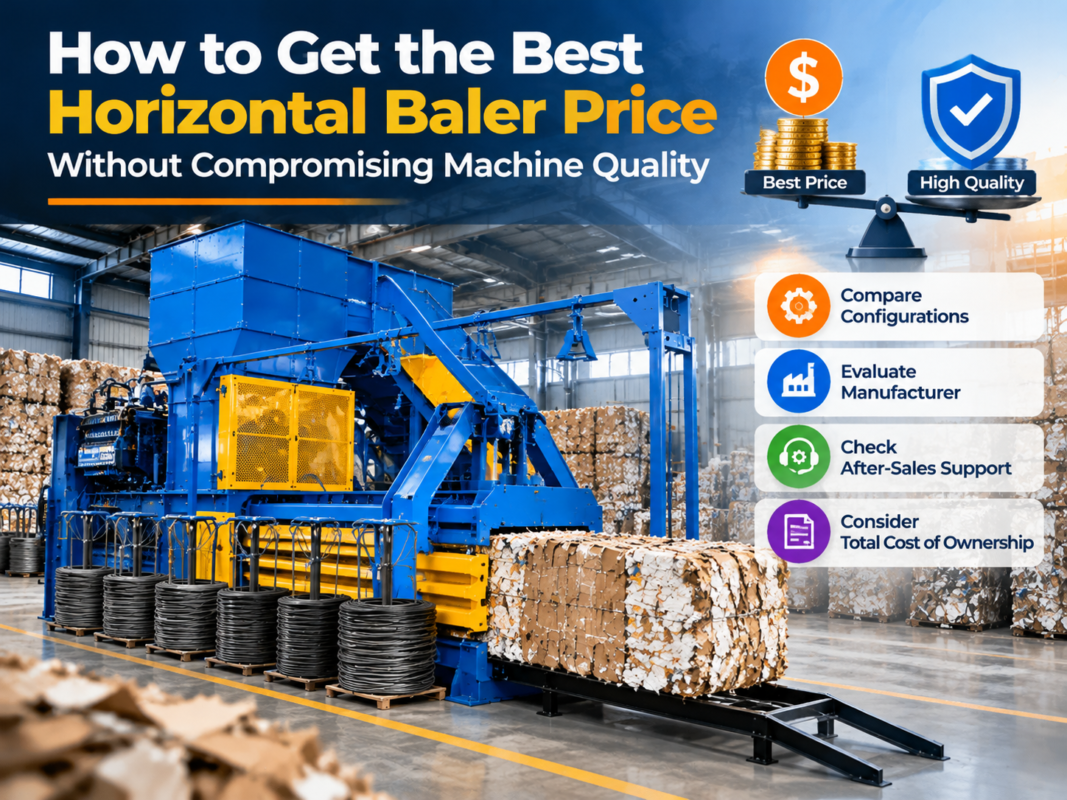
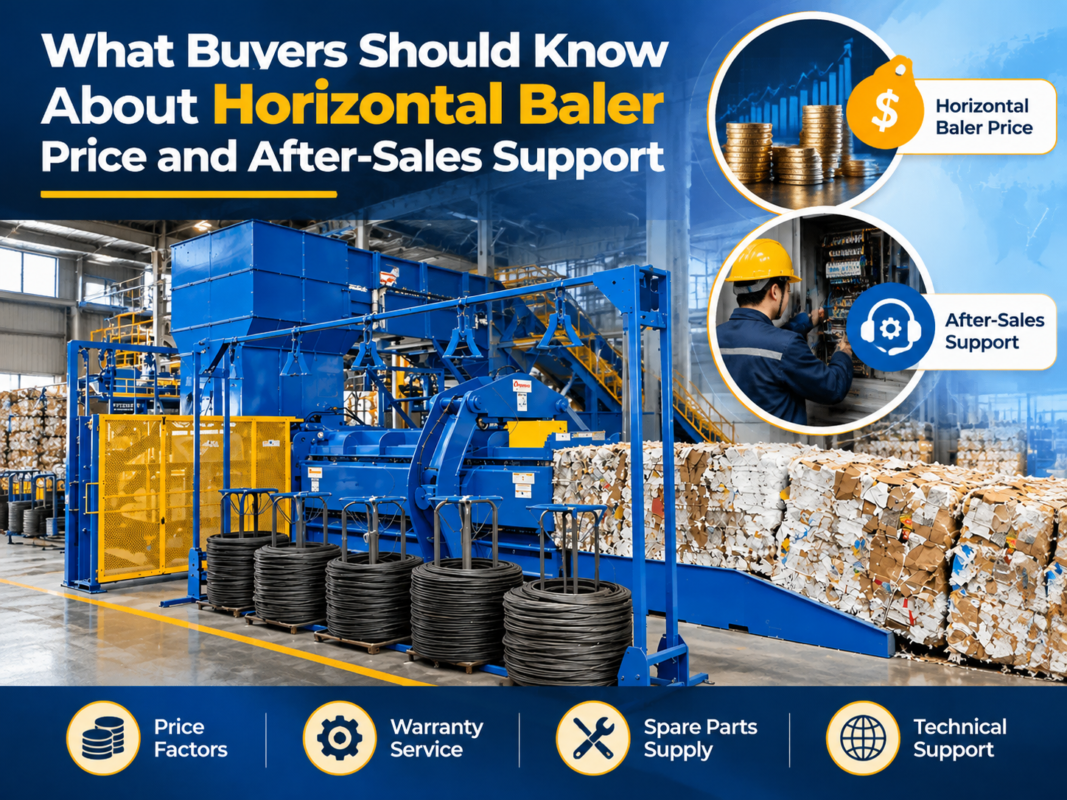
Always prioritize build quality over the lowest price. A scrap metal baler is a long-term asset that will be subjected to extreme forces daily. Look for manufacturers that use high-grade steel, reputable hydraulic components, and offer strong after-sales support. A machine that is easy to service and has readily available spare parts will always be a better investment than a cheaper, proprietary system that is difficult to maintain.
Consider the future growth of your business. If you expect your scrap volume to increase, it may be worth investing in a machine with higher capacity than you currently need. Scaling up your infrastructure now is often cheaper than replacing a machine in three years because it can no longer keep up with your production output. Future-proofing your investment is a key component of the Scrap Metal Baler Cost Vs ROI Is It Worth Investment? analysis.
Finally, don’t ignore the importance of training. Even the best baler will perform poorly if the operators are not trained on proper loading techniques and daily maintenance routines. Ensure that your purchase includes comprehensive training for your staff. A well-trained team will maximize the efficiency of the machine, minimize downtime, and ensure that your investment pays off as quickly as possible.
FAQ
- Is a scrap metal baler worth the investment for a small shop? Yes, if you generate enough volume to justify the space and cost. The increased value of baled scrap and reduced logistics costs often make it a profitable move.
- How long does a typical scrap metal baler last? With proper maintenance, a high-quality industrial baler can last 10 to 20 years or more.
- What is the biggest factor in ROI? The biggest factor is usually the reduction in transportation costs due to higher bale density, followed by the premium price paid for baled scrap.
- Can I bale different types of metal in the same machine? Most balers can handle various metals, but you must ensure the machine’s pressure rating is sufficient for the hardest material you intend to process.
- How often should I perform maintenance? Daily checks are recommended, with professional servicing performed every 3 to 6 months depending on usage intensity.
- Does HARSLE provide installation support? Yes, HARSLE offers comprehensive support, including installation guidance and training, to ensure your machine is set up for success.