How to Solve Abnormal Noise In A Four-Shaft Shredder: A Comprehensive Maintenance Guide


Introduction to Four-Shaft Shredder Maintenance
In the demanding world of industrial recycling and metal fabrication, the four-shaft shredder stands as a cornerstone of efficiency. These robust machines are designed to process complex materials, from electronic waste to bulky scrap metal, with high torque and precision. However, even the most durable HARSLE machinery can encounter operational challenges over time. One of the most common indicators that your equipment requires attention is the emergence of unusual sounds during operation.
When operators ask how to solve abnormal noise in a four-shaft shredder, they are often looking for more than just a quick fix; they are seeking to prevent catastrophic failure. Abnormal noise is the machine’s way of communicating that internal components are under stress, misaligned, or suffering from wear. Ignoring these auditory warnings can lead to costly downtime, damaged shafts, and compromised production schedules.
This guide provides a deep dive into the root causes of shredder noise and offers actionable solutions to restore your equipment to peak performance. By understanding the mechanical interplay between the four shafts, the gearbox, and the cutting chamber, maintenance teams can effectively diagnose issues before they escalate into major repairs. Proper maintenance is not merely a reactive task; it is a proactive strategy to extend the lifespan of your metal fabrication equipment.
Key Considerations for Identifying Noise Sources
Before attempting to solve abnormal noise in a four-shaft shredder, it is critical to categorize the type of sound being produced. Is the noise a rhythmic clicking, a high-pitched screech, or a deep, grinding rumble? Each sound profile points toward a different mechanical subsystem. Rhythmic clicking often suggests a foreign object trapped in the cutting chamber or a loose bolt on a cutter disc, while a high-pitched screech is frequently associated with bearing failure or belt slippage.
The location of the noise is equally important. If the sound originates from the gearbox, the issue likely involves lubrication or gear tooth wear. If the noise is localized within the shredding chamber, the problem is almost certainly related to the shafts, spacers, or the cutting blades themselves. Operators should perform a systematic audit of the machine while it is idling versus when it is under load to isolate the source of the disturbance.
Environmental factors also play a significant role in noise generation. Dust accumulation, metal shavings, and debris can infiltrate seals and bearings, creating friction that manifests as abnormal noise. Regular cleaning cycles are essential to ensure that external contaminants do not interfere with the internal mechanics of the shredder. Furthermore, checking the foundation and mounting bolts is a simple yet often overlooked step in noise reduction.
Finally, consider the material being processed. If the shredder is designed for specific types of scrap metal, feeding it oversized or excessively hardened materials can cause the shafts to deflect, leading to contact between blades or between blades and the chamber walls. Always ensure that the material feed matches the machine’s specifications to prevent unnecessary mechanical stress.
Technical Details: Troubleshooting the Cutting Chamber
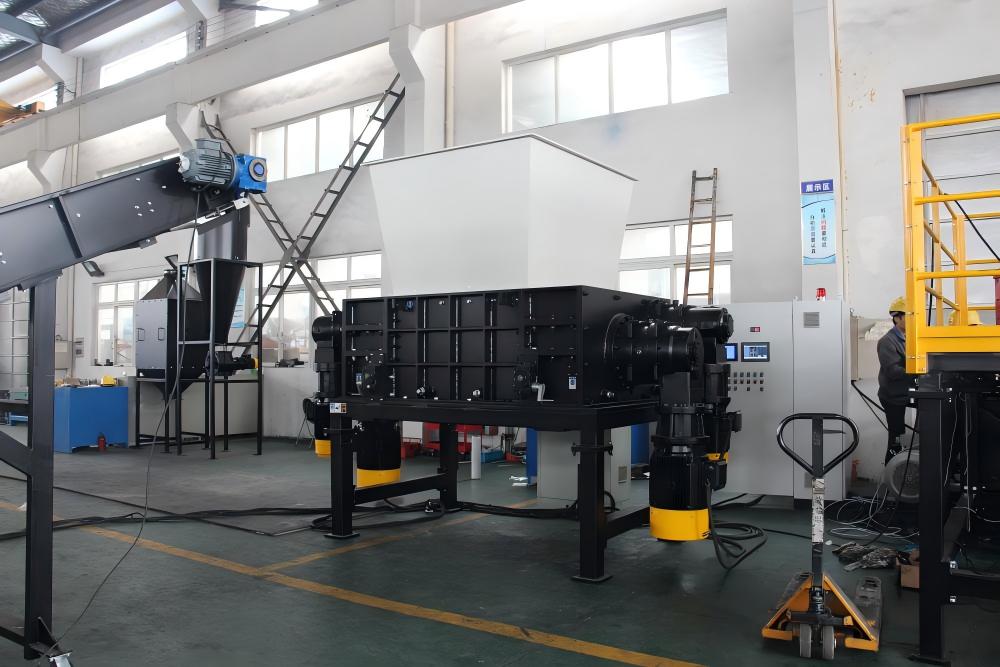
The heart of the four-shaft shredder is its cutting chamber. When you need to solve abnormal noise in a four-shaft shredder, this is the first area to inspect. The four-shaft design utilizes two main shafts and two auxiliary shafts to pull, tear, and cut material. If the clearance between these shafts is compromised, the blades may collide, creating a loud, metallic clanging sound that is unmistakable.
Check the cutter discs for signs of chipping or excessive wear. Over time, the edges of the blades dull, which increases the force required to shred material. This increased force puts additional strain on the drive system and can cause the shafts to vibrate, resulting in a rattling noise. If the blades are worn, they must be sharpened or replaced according to the manufacturer’s guidelines to maintain optimal shredding efficiency.
The spacers between the cutter discs are also vital. If these spacers become loose or worn, the cutter discs can shift along the shaft. This lateral movement causes the discs to rub against each other or against the side walls of the shredding chamber. Tightening the shaft nut and ensuring that all spacers are properly seated is a standard procedure to eliminate this type of noise. If the spacers are damaged, they should be replaced immediately to prevent further damage to the shafts.
Shaft alignment is another technical aspect that requires precision. If the shafts are not perfectly parallel, the gear mesh will be uneven, leading to noise and premature wear on the gear teeth. Using laser alignment tools or precision gauges, maintenance technicians should verify that the shafts remain within the tolerances specified by HARSLE. Any deviation here will not only cause noise but will also lead to a significant drop in shredding throughput.
Lubrication and Gearbox Maintenance
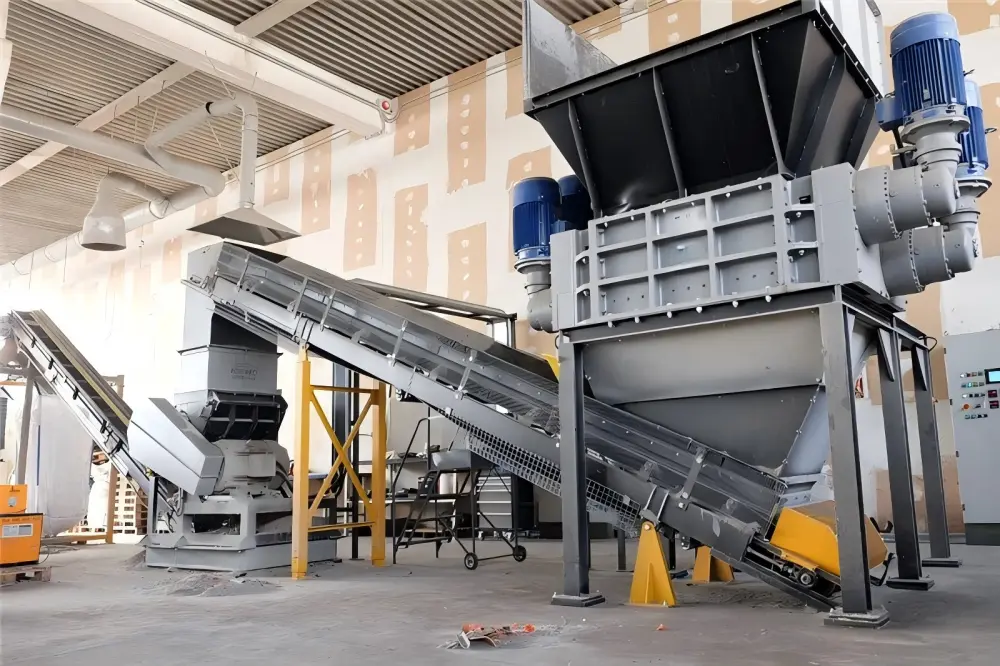
The gearbox is the powerhouse of the shredder, and it is a common source of abnormal noise if not properly maintained. Insufficient lubrication leads to metal-on-metal contact within the gear train, which produces a distinct grinding or whining sound. It is imperative to use the correct grade of lubricant as recommended by the manufacturer and to adhere to a strict oil change schedule. Contaminated oil, containing metal particles from gear wear, can accelerate the degradation of the entire transmission system.
Inspect the gearbox seals for leaks. If oil is escaping, it is likely that contaminants are entering, which will quickly lead to bearing failure. A failing bearing often starts as a low-frequency hum and progresses to a loud, irregular growl. If you suspect a bearing issue, use a vibration analysis tool to confirm the diagnosis. Replacing bearings before they seize is essential to prevent damage to the gear shafts and the gearbox housing.
The drive system, including couplings and belts, should also be inspected for wear. A loose drive belt can slap against the housing, creating a rhythmic flapping sound. Conversely, a misaligned coupling can cause vibrations that resonate through the entire machine frame. Ensure that all drive components are properly tensioned and aligned to minimize noise and maximize power transmission efficiency.
Temperature monitoring is a useful diagnostic tool. If the gearbox or bearing housings are running hotter than normal, it is a clear sign of internal friction. Use an infrared thermometer to check the operating temperatures of these components regularly. By keeping the lubrication system clean and the drive components properly tensioned, you can solve abnormal noise in a four-shaft shredder and prevent long-term mechanical failure.
Selection Advice: Choosing the Right Shredder for Your Needs
When investing in metal fabrication equipment, selecting the right four-shaft shredder is the first step in avoiding future noise and maintenance issues. HARSLE offers a range of models designed for different throughput requirements and material types. Choosing a machine that is underpowered for your specific application will lead to constant overloading, which is the primary cause of premature wear and abnormal noise.
Consider the material density and volume you intend to process. A shredder designed for light aluminum scrap will not perform well—and will likely become noisy and unstable—if used for heavy steel plate. Always consult with HARSLE technical experts to match the shredder’s torque, shaft speed, and blade configuration to your specific industrial requirements. A well-matched machine operates smoothly and quietly, significantly reducing the maintenance burden.
Look for features such as automatic reverse functions. When a shredder encounters an object that is too hard or too large, the automatic reverse feature allows the shafts to back up and clear the obstruction before resuming operation. This prevents the machine from stalling and reduces the shock loads that can cause internal damage and noise. Modern HARSLE shredders are equipped with advanced PLC controls that manage these cycles automatically.
Finally, consider the ease of maintenance. A machine that is designed with modular components allows for faster inspection and replacement of wear parts. When you can easily access the cutting chamber and the gearbox, you are more likely to perform the routine maintenance that keeps the machine running quietly. Prioritize equipment that offers clear maintenance documentation and accessible service points to ensure your team can effectively solve abnormal noise in a four-shaft shredder whenever it arises.
الأسئلة الشائعة
- Q: How often should I lubricate the bearings to prevent noise?
A: Lubrication intervals depend on the intensity of use. Generally, bearings should be greased every 200-500 operating hours. Refer to your HARSLE manual for the specific grease type and frequency. - Q: Can I sharpen the blades myself to stop the noise?
A: While minor sharpening can be done, it is recommended to have blades professionally ground to ensure the correct profile and clearance are maintained. Improper sharpening can lead to uneven shredding and increased noise. - Q: Why does my shredder make a loud banging noise when starting?
A: This is often caused by excessive clearance between the gear teeth or a loose coupling. Check the drive train components for wear and ensure all mounting bolts are tightened to the specified torque. - Q: Is it normal for the shredder to vibrate during operation?
A: Minor vibration is normal, but excessive shaking or rattling indicates an imbalance. This could be due to uneven blade wear or material buildup on the shafts. Clean the shafts and inspect the blades for damage. - Q: What should I do if the noise persists after maintenance?
A: If you have performed all routine maintenance and the noise continues, contact HARSLE technical support. There may be an internal issue with the gearbox or shaft alignment that requires specialized diagnostic tools.
Conclusion: Maintaining Peak Performance
Learning how to solve abnormal noise in a four-shaft shredder is an essential skill for any maintenance team working with industrial metal fabrication equipment. By systematically inspecting the cutting chamber, monitoring the lubrication system, and ensuring that the machine is not being overloaded, you can effectively mitigate the risks of mechanical failure. Remember that abnormal noise is rarely a random occurrence; it is a diagnostic signal that, when addressed promptly, can save your facility from significant downtime and repair costs.
HARSLE is committed to providing high-quality, durable shredding solutions that stand the test of time. By following the guidelines outlined in this article, you can ensure that your four-shaft shredder remains a reliable asset in your production line. Regular maintenance, combined with a proactive approach to troubleshooting, will not only keep your equipment quiet but will also maximize its efficiency and longevity. Invest in the health of your machinery today to secure the productivity of your operations tomorrow.