How Scrap Metal Baler Size Impacts Machine Price: A Comprehensive Industrial Guide

Price Range Overview
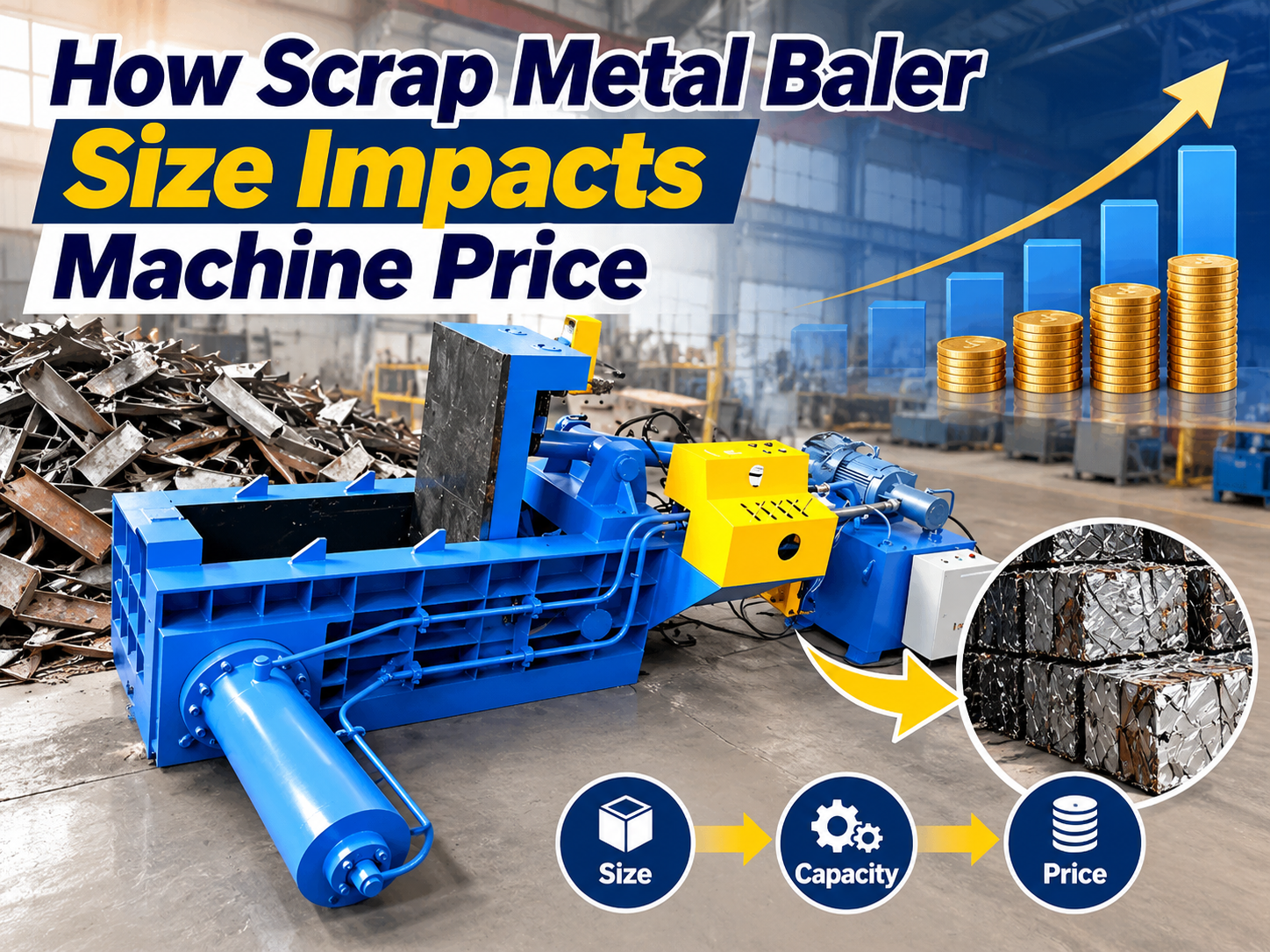
When investing in industrial recycling equipment, understanding how scrap metal baler size impacts machine price is the first step toward a sound capital expenditure. The market for scrap metal balers is vast, ranging from compact, vertical units designed for small workshops to massive, fully automated horizontal balers capable of processing tons of material per hour. Generally, entry-level vertical balers can start as low as $5,000 to $15,000, while high-capacity industrial horizontal balers can easily exceed $150,000 to $500,000 depending on the specifications.
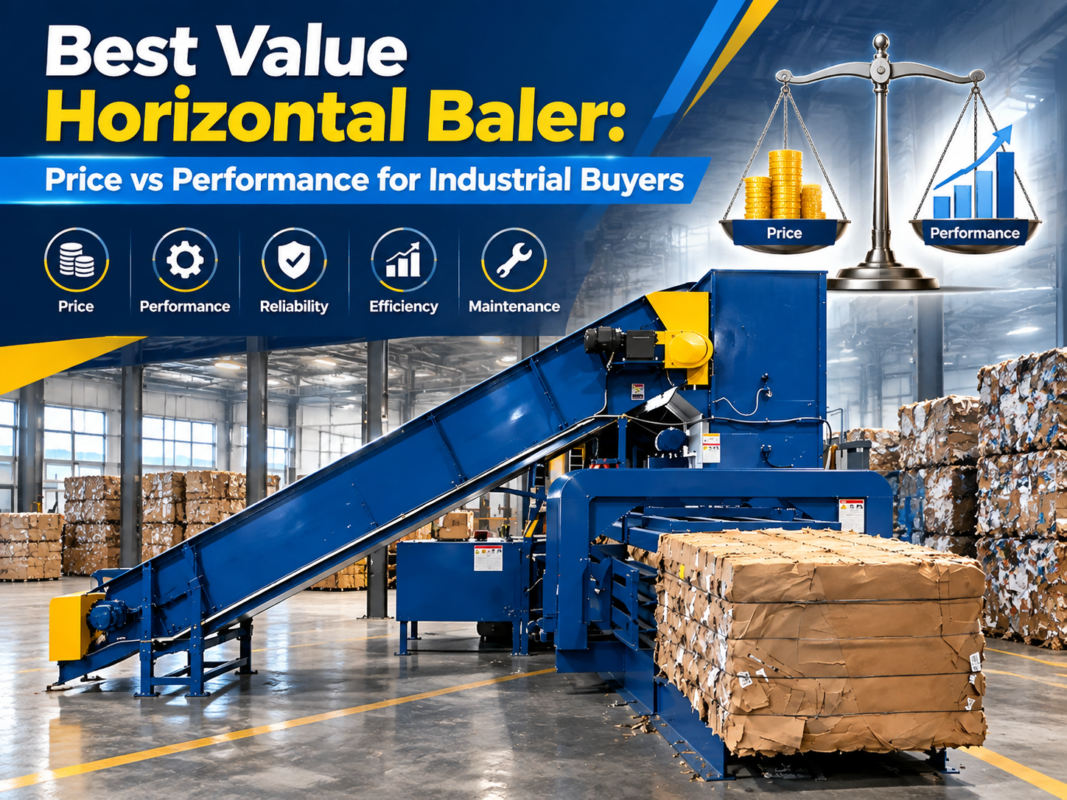
The price variance is not merely a reflection of the physical footprint of the machine. It is a direct correlation between the machine’s throughput capacity, the structural integrity of the compression chamber, and the complexity of the hydraulic systems required to densify various metal types. For a business owner, the goal is to find the “sweet spot” where the machine size matches the volume of scrap generated without overpaying for unused capacity or under-investing in a machine that becomes a bottleneck.
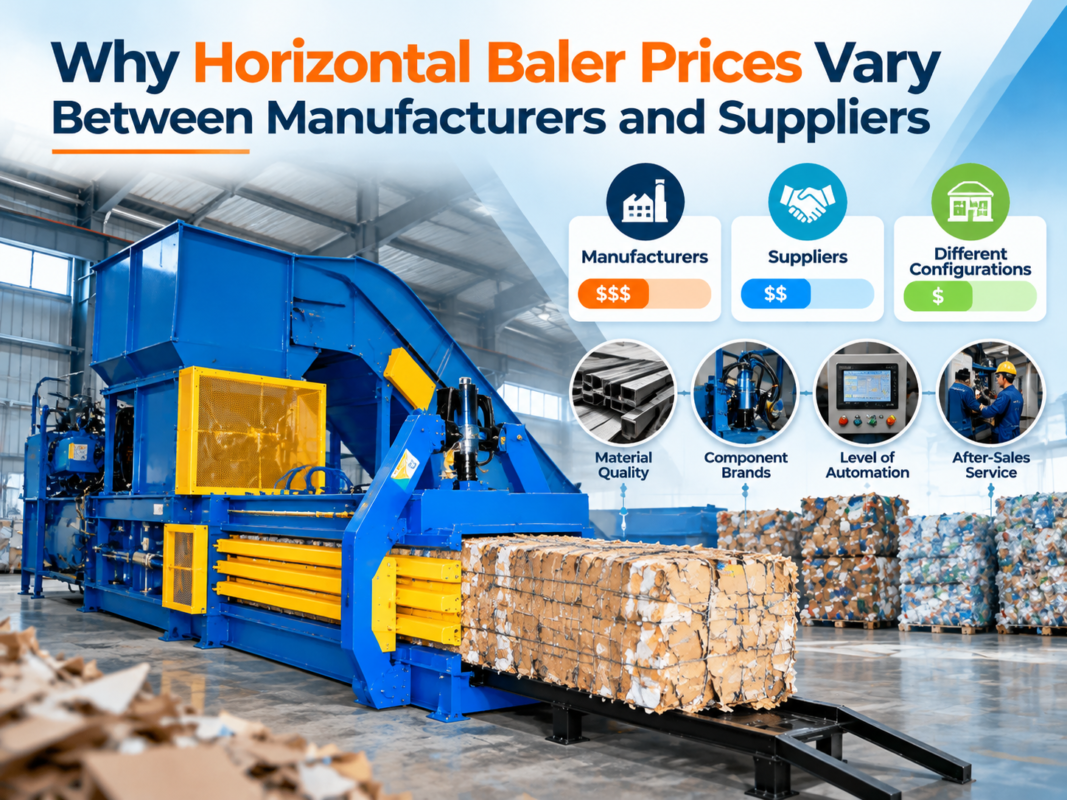
HARSLE provides a diverse range of baling solutions, and we often advise clients that the initial purchase price is only one component of the total cost of ownership. A larger machine often commands a higher price because it utilizes thicker steel plates, more powerful hydraulic cylinders, and more sophisticated control systems. These components are essential for maintaining structural integrity under the immense pressure required to bale dense ferrous and non-ferrous metals.
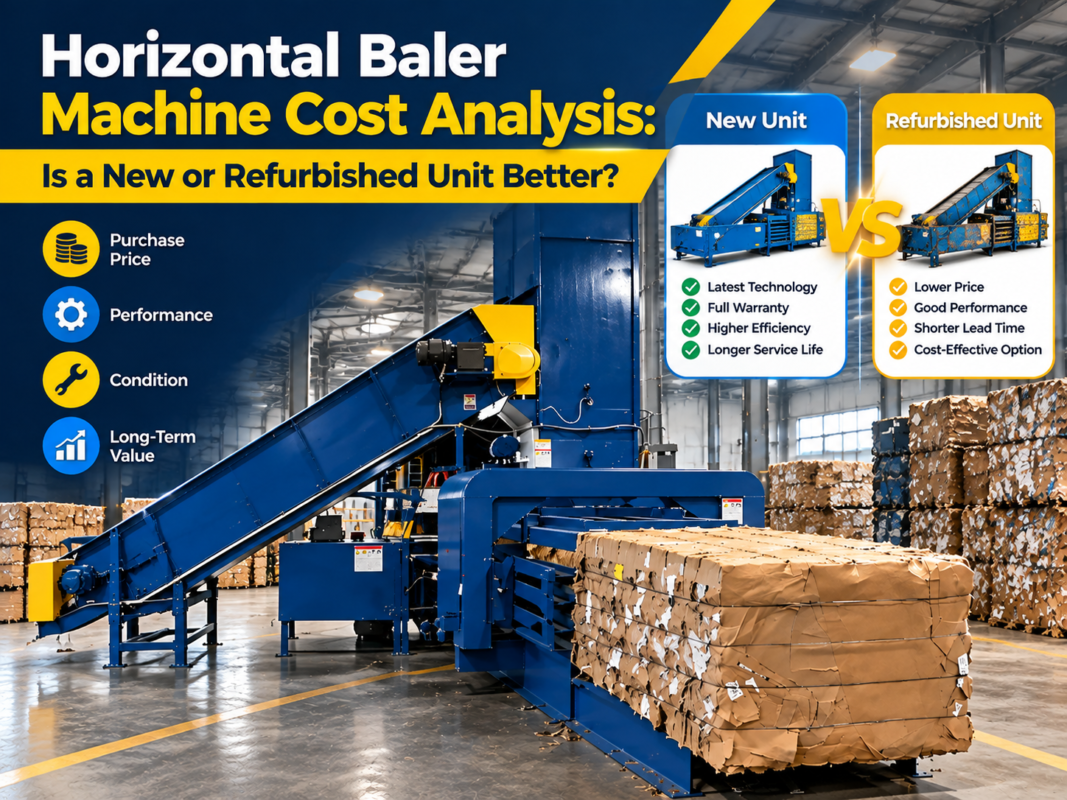
Furthermore, the market for used versus new equipment also plays a role in the price range. While a smaller, refurbished unit might seem attractive, the long-term maintenance costs associated with older, smaller machines can quickly negate the initial savings. When evaluating how scrap metal baler size impacts machine price, it is crucial to look at the machine’s duty cycle. A larger machine running at 50% capacity will often outlast a smaller machine running at 100% capacity, providing better long-term value.
Ultimately, the price range is dictated by the engineering requirements of the specific application. Whether you are processing aluminum cans, copper wire, or heavy steel offcuts, the size of the feed opening and the compression force are the primary drivers of the final invoice. By understanding these variables, you can better align your budget with your operational requirements.
Main Cost Drivers
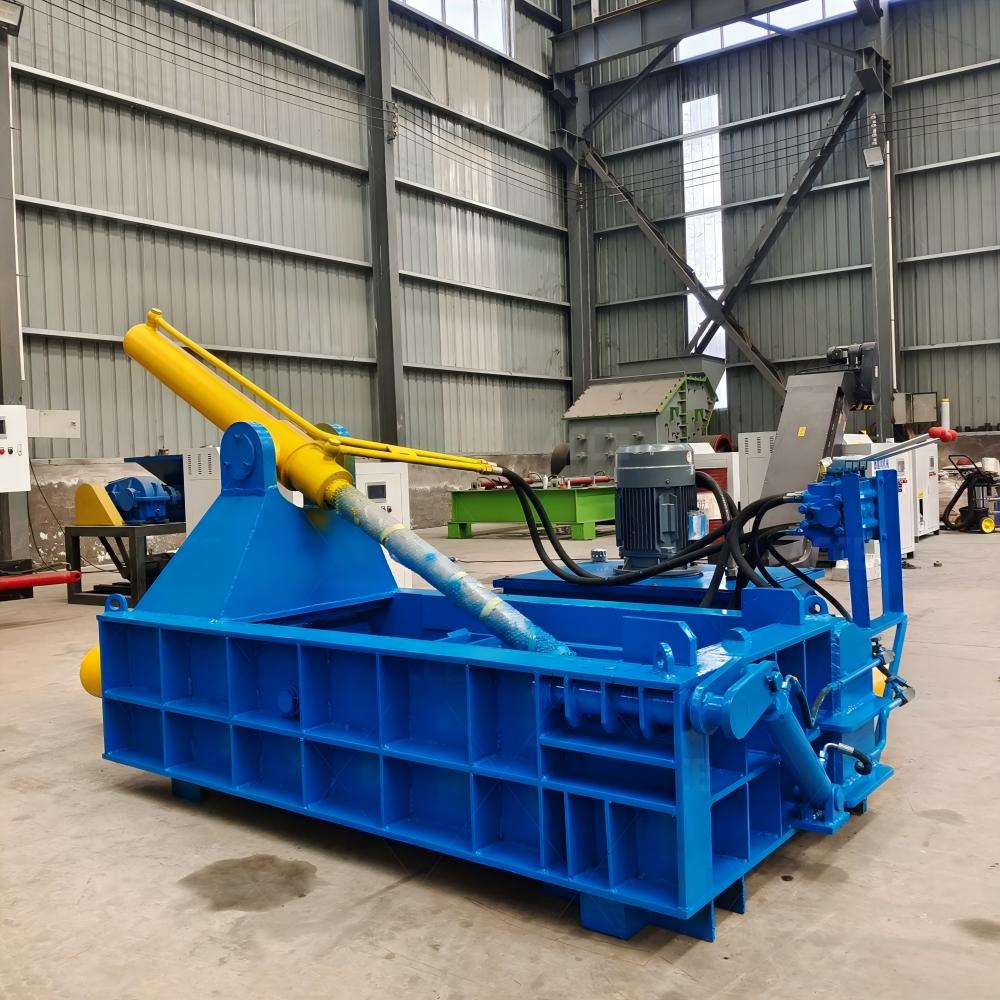
The primary factor influencing the cost of a scrap metal baler is the hydraulic system’s power and the structural steel used in the construction. As the size of the baler increases, so does the requirement for thicker, high-tensile steel to prevent the chamber from bowing or cracking under pressure. This increase in material volume directly correlates to higher manufacturing costs, which are passed on to the end-user.
Another significant cost driver is the motor and pump configuration. Larger balers require more powerful electric motors and high-flow hydraulic pumps to move the ram at an efficient speed. These components are significantly more expensive than those found in smaller, slower-cycling machines. Additionally, the cooling systems required to keep these larger hydraulic systems from overheating add to the overall complexity and price of the equipment.
The size of the feed opening is also a critical cost driver. A larger feed opening allows for the processing of bulkier, irregular scrap without the need for pre-cutting or shredding. Designing a machine that can handle large, awkward pieces of metal while maintaining a safe and efficient cycle time requires advanced engineering, which increases the R&D and manufacturing costs associated with the unit.
Automation features also scale with the size of the machine. Larger balers are almost always equipped with sophisticated programmable logic controllers (PLCs), automated bale ejection systems, and conveyor feed interfaces. These electronic components and the software required to run them add a layer of cost that is often absent in smaller, manually operated vertical balers.
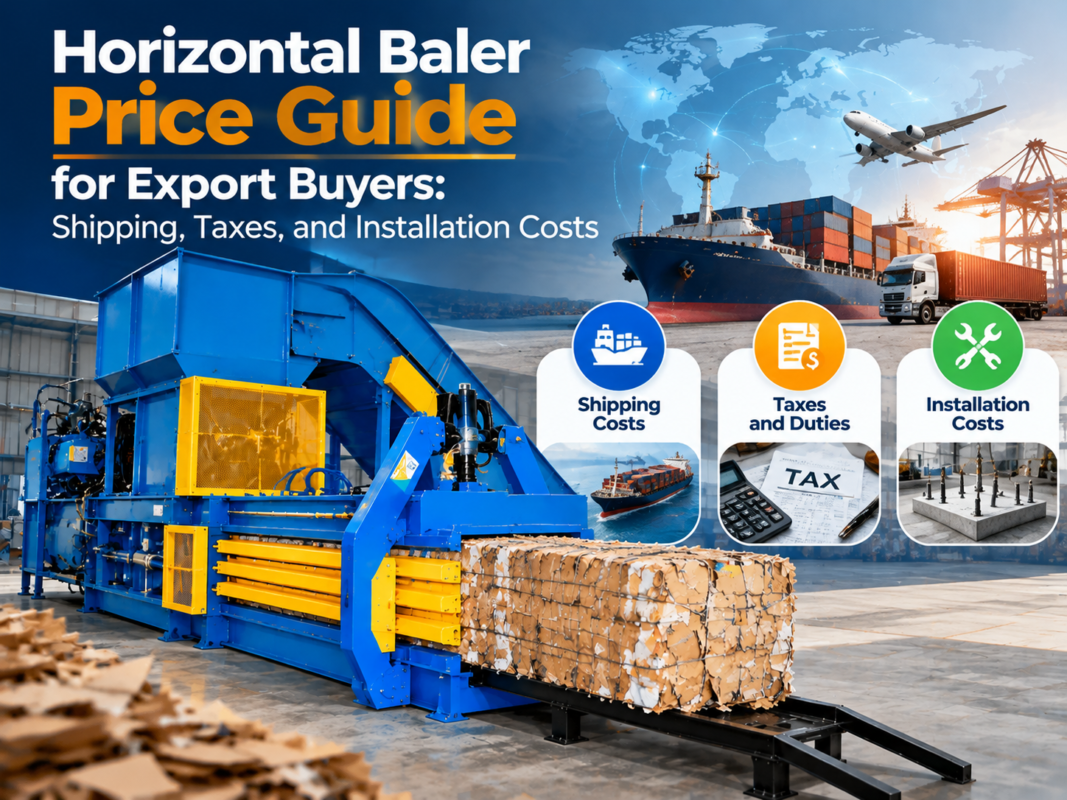
Finally, shipping and installation costs are heavily influenced by the size of the machine. A large horizontal baler may require multiple flatbed trucks for transport and a specialized team for assembly and commissioning. When calculating how scrap metal baler size impacts machine price, you must consider the logistics of getting the machine from the factory floor to your facility, as larger machines inherently carry higher freight and installation premiums.
Configuration Impact
Configuration is where the relationship between size and price becomes most apparent. A standard vertical baler is compact and designed for limited space, making it a cost-effective solution for facilities with lower volumes. However, as you move toward horizontal balers, the configuration options expand significantly. You can choose between open-end balers, closed-end balers, and two-ram balers, each serving different purposes and carrying different price tags.
The two-ram baler is a prime example of how configuration impacts price. These machines are larger, more complex, and designed for high-volume, multi-material processing. Because they feature a second ram to compress the bale from the side, they can produce much denser, more uniform bales that command higher prices from scrap dealers. The added complexity of the dual-ram system, combined with the larger physical footprint, makes these machines significantly more expensive than single-ram horizontal balers.
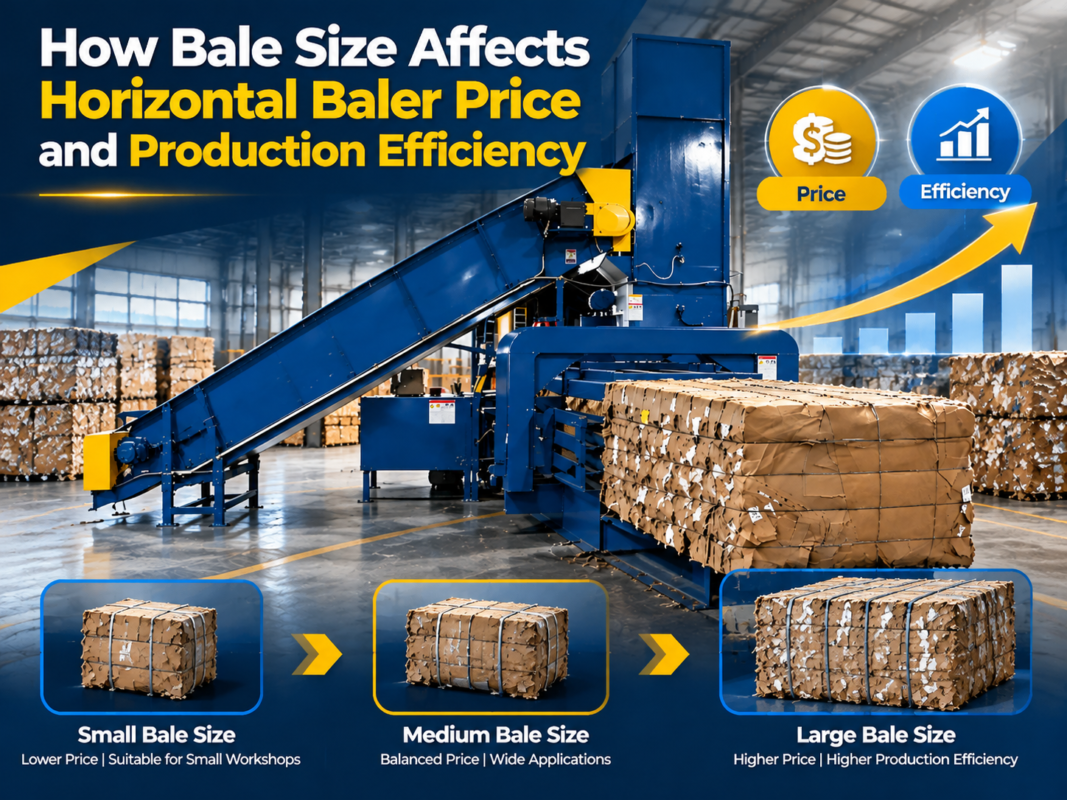
Another configuration factor is the bale size and weight. If your downstream logistics require a specific bale size to fit into shipping containers or onto flatbed trucks, you may need a larger baler to achieve those dimensions. Customizing the chamber size to meet these specific requirements often involves bespoke engineering, which adds to the machine’s price compared to off-the-shelf, standard-sized models.
The integration of conveyors and sorting systems also changes the configuration and the price. A large baler integrated into an automated sorting line is a major capital investment. The size of the baler must be sufficient to handle the output of the entire line, meaning that as your processing line grows, your baler must grow with it. This creates a cascading effect where the size of the baler is dictated by the overall facility configuration.
HARSLE offers modular configurations that allow businesses to start with a smaller setup and expand as their needs grow. This approach can help mitigate the initial impact of machine size on price, allowing for a phased investment strategy. However, it is important to ensure that the base frame of the machine is capable of supporting future upgrades, as retrofitting a smaller machine to handle larger volumes is rarely cost-effective.
Hidden Costs
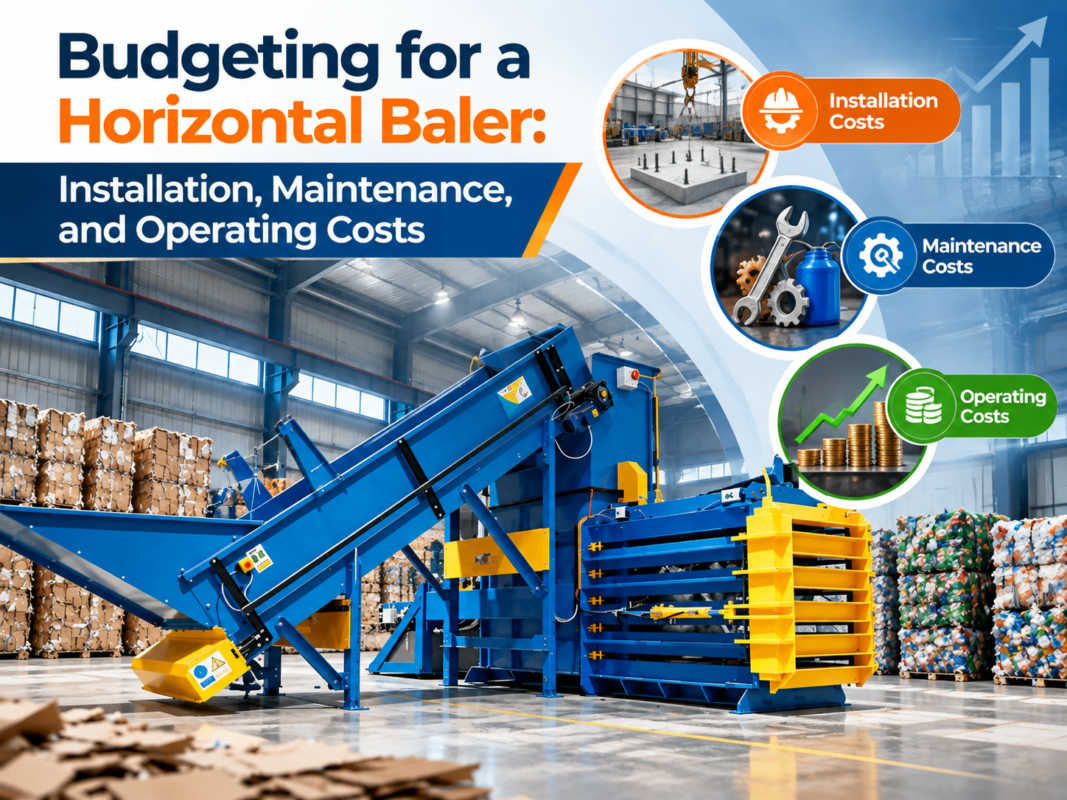
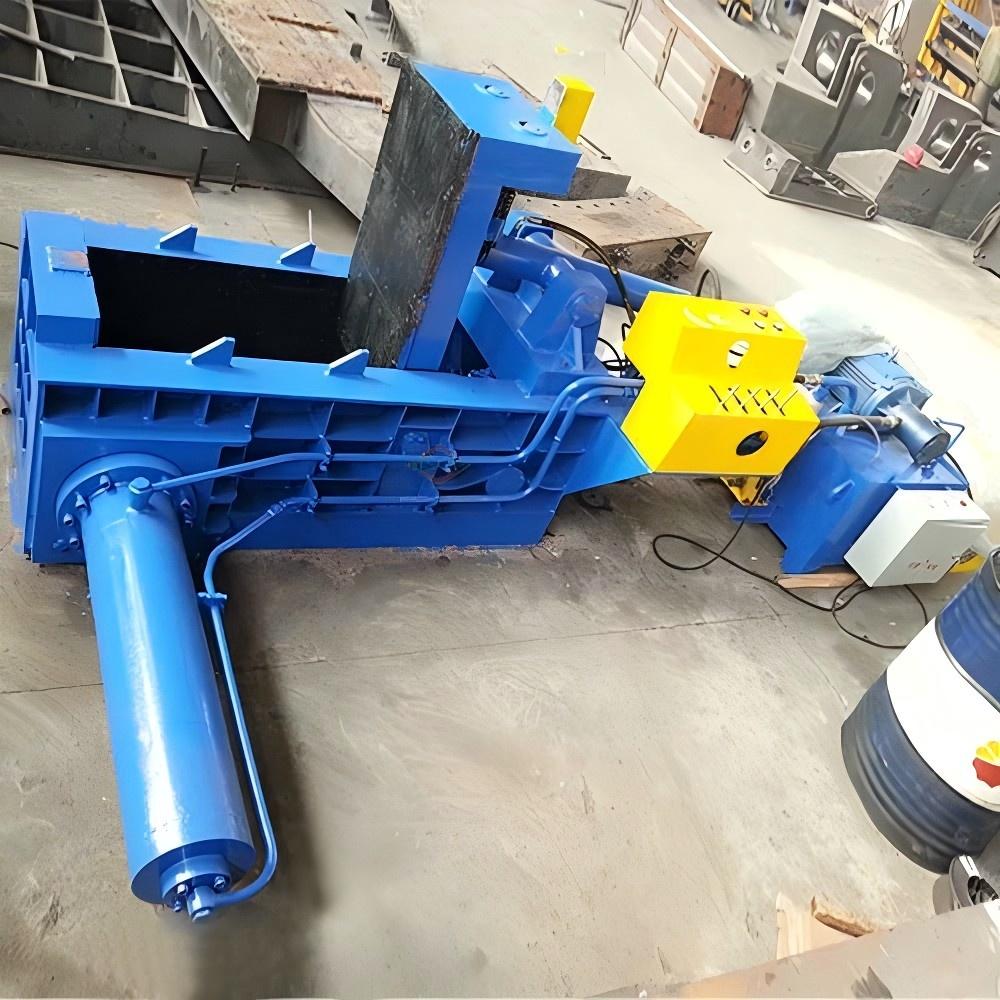
When analyzing how scrap metal baler size impacts machine price, many buyers overlook the hidden costs associated with larger equipment. The most immediate hidden cost is the facility preparation. A large horizontal baler requires a reinforced concrete foundation to support its weight and the vibration generated during the compression cycle. If your existing floor is not rated for this load, you will face significant civil engineering expenses.
Electrical infrastructure is another hidden cost. Larger balers often require high-voltage, three-phase power supplies. If your facility is not already equipped with the necessary electrical capacity, you may need to install new transformers or upgrade your main distribution panel. These costs can be substantial and should be factored into the total budget before purchasing a larger machine.
Maintenance and spare parts are also scaled by size. Larger hydraulic cylinders, heavier ram guides, and more complex electrical systems require specialized maintenance. You may need to invest in training for your staff or enter into a service contract with the manufacturer to ensure the machine remains operational. These ongoing costs are often higher for larger, more complex machines than for smaller, simpler units.
Consumables, such as baling wire or strapping, also become a factor. Larger balers produce larger, heavier bales that require higher-tensile wire or more frequent wire usage. Over the course of a year, the cost of these consumables can add up, and the size of the machine dictates the type and quantity of consumables required. It is essential to calculate these operational costs when comparing different machine sizes.
Finally, consider the cost of downtime. A larger machine is often a critical piece of infrastructure. If it goes down, your entire processing line may stop. The cost of lost productivity during a breakdown is significantly higher for a large-scale operation than for a smaller one. Therefore, the “hidden” cost of a larger machine includes the need for a more robust preventative maintenance program and a larger inventory of critical spare parts kept on-site.
ROI Calculation
Calculating the Return on Investment (ROI) for a scrap metal baler requires looking beyond the purchase price. The primary driver of ROI is the increase in the value of your scrap. Loose scrap metal is bulky and expensive to transport, which lowers the price you receive from recyclers. By baling your scrap, you increase its density, which reduces transportation costs and makes the material more attractive to buyers, often resulting in a higher price per ton.
To calculate the ROI, start by determining the volume of scrap you produce and the current cost of disposal or the current revenue from loose scrap. Then, estimate the revenue increase from selling baled scrap. Subtract the operational costs—including electricity, labor, wire, and maintenance—from this increased revenue. The difference is your annual savings or profit increase.
When considering how scrap metal baler size impacts machine price, remember that a larger machine can process more material in less time, potentially reducing labor costs. If a larger baler allows you to process your daily volume in two hours instead of six, you are saving four hours of labor per day. Over a year, this labor saving can be substantial and may justify the higher initial cost of a larger machine.
Another factor in the ROI calculation is the reduction in floor space usage. Loose scrap takes up a significant amount of valuable warehouse space. By baling it, you free up that space for more productive activities. Assigning a dollar value to the square footage reclaimed can be a powerful argument for investing in a more efficient, higher-capacity baler.
Finally, consider the longevity of the machine. A high-quality, appropriately sized baler will have a longer service life and a higher resale value than a smaller, overworked machine. When calculating ROI over a 5-to-10-year period, the durability of the equipment is a major factor. A machine that lasts 15 years provides a much better return than one that needs to be replaced after 5 years due to excessive wear and tear.
Buying Advice
When you are ready to purchase, start by conducting a thorough audit of your scrap volume and the types of metal you process. Do not guess; measure your daily output in both weight and volume. This data is the foundation for determining the size of the baler you need. HARSLE recommends choosing a machine that can handle your peak volume, not just your average volume, to ensure you don’t face bottlenecks during busy periods.
Consult with the manufacturer about the specific characteristics of your scrap. Different metals have different compression ratios. For example, aluminum requires different pressure settings than steel. A machine that is perfectly sized for aluminum might be underpowered for steel. Be transparent about your material mix so that the manufacturer can recommend the correct hydraulic force and chamber size.
Consider the future growth of your business. If you expect your scrap volume to increase by 20% or 30% over the next few years, it is often wiser to invest in a slightly larger machine now rather than having to replace it later. The incremental cost of moving up one size is usually much lower than the cost of buying a second machine or upgrading the entire system in the future.
Always ask for references and case studies from the manufacturer. Seeing a machine of a similar size and configuration in operation at a facility like yours can provide invaluable insights. Ask the current owners about their maintenance experiences, the actual throughput they achieve, and whether they would choose the same size machine again if they had to do it over.
Finally, prioritize support and service. A baler is a long-term investment. Ensure that the manufacturer has a strong service network, readily available spare parts, and a responsive technical support team. The best-sized machine in the world is useless if it is down for weeks waiting for a part from overseas. HARSLE prides itself on providing comprehensive support to ensure our clients get the maximum value from their equipment.
FAQ
- Does a larger baler always mean higher productivity? Not necessarily. Productivity is a balance of feed rate, cycle time, and bale density. A larger baler is only more productive if your material flow can keep up with its capacity.
- How does metal type affect the required baler size? Denser metals like steel require significantly more hydraulic force to compress than lighter metals like aluminum. You may need a larger, more powerful machine to achieve the same bale density for steel.
- Can I use a smaller baler for high-volume scrap? You can, but you will likely face high maintenance costs and frequent downtime due to the machine being pushed beyond its design limits. It is rarely a cost-effective long-term strategy.
- What is the most important spec to look at besides size? The compression force (measured in tons) and the cycle time are critical. These determine how dense your bales will be and how quickly you can process your material.
- How often should I perform maintenance on a large baler? Large balers require a strict preventative maintenance schedule, typically involving daily inspections, weekly lubrication, and quarterly hydraulic system checks to ensure longevity.