How One Metal Fabrication Shop Increased Recycling Revenue with a Briquetting Machine

Introduction
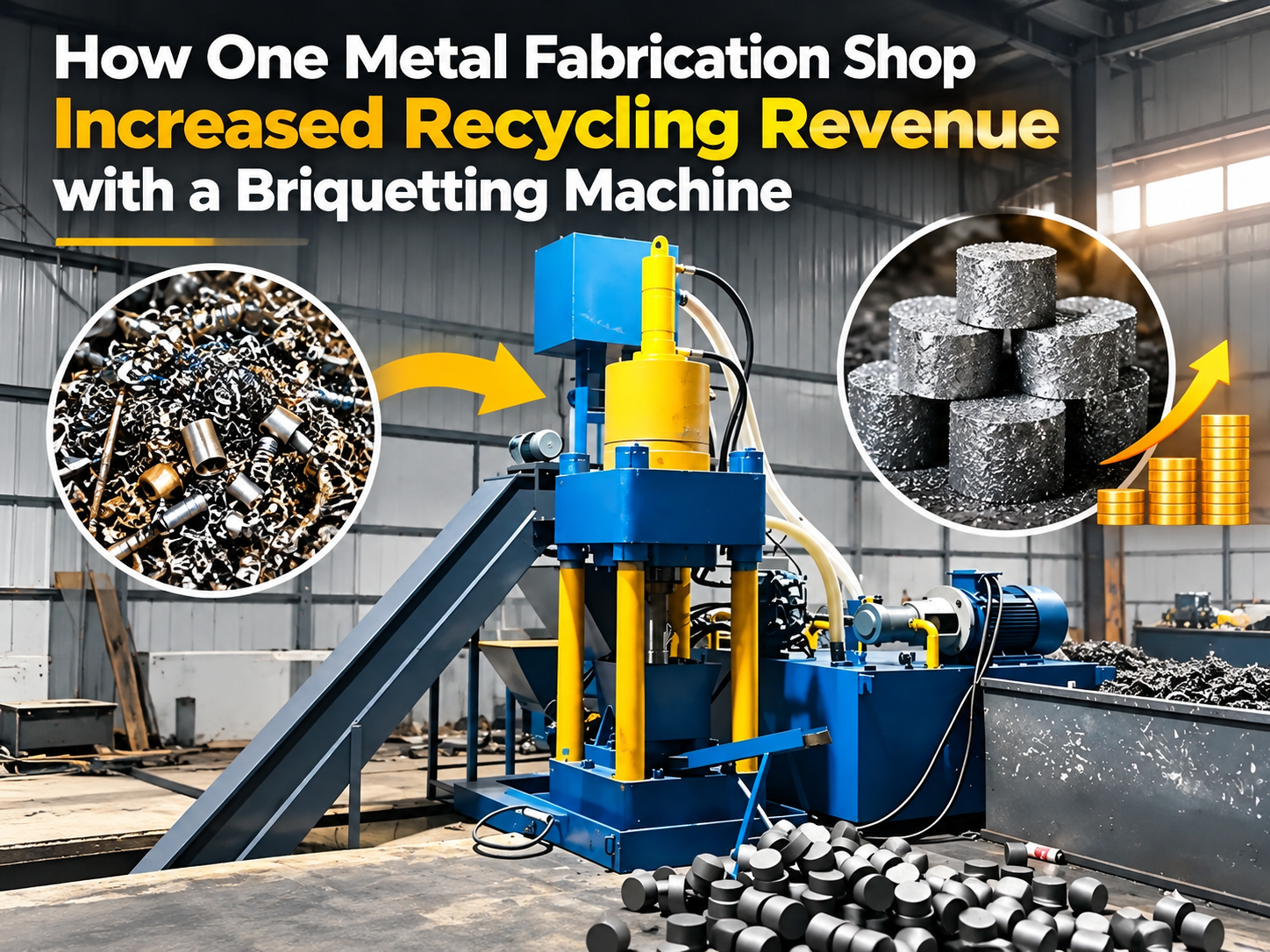
In the competitive landscape of modern metal fabrication, profit margins are often squeezed by rising raw material costs and the logistical burden of waste management. For many shops, metal chips, turnings, and shavings are viewed merely as a disposal problem—a messy byproduct that occupies valuable floor space and incurs high hauling fees. However, a paradigm shift is occurring as forward-thinking manufacturers realize that these byproducts are actually high-value assets in disguise. This article explores how one metal fabrication shop increased recycling revenue with a briquetting machine, transforming their waste stream into a consistent secondary revenue source.
The process of metal briquetting involves compressing loose, bulky metal chips into dense, solid pucks using high-pressure hydraulic systems. By removing cutting fluids and reducing the volume of the scrap, shops can significantly increase the market value of their waste. This case study examines the operational transition from traditional scrap handling to an optimized briquetting workflow, highlighting the technical and financial advantages that HARSLE machinery brings to the fabrication floor.
For many facility managers, the initial investment in a briquetting machine is often met with skepticism regarding ROI. Yet, when analyzing the total cost of ownership—including reduced labor, lower transportation costs, and higher scrap prices—the financial argument becomes undeniable. This guide provides a comprehensive look at the mechanics, selection criteria, and strategic implementation of briquetting technology for industrial metal fabrication shops.
As we delve into the specifics of this transformation, we will look at how the integration of a HARSLE briquetting system streamlines the shop floor, improves environmental compliance, and creates a cleaner, safer working environment. By turning loose chips into compact briquettes, shops not only reclaim valuable coolant but also command a premium price from metal recyclers who prefer high-density, clean scrap over loose, contaminated turnings.
Key Considerations for Implementing Briquetting Technology
Before investing in a briquetting machine, shop owners must evaluate their current waste volume and composition. Not all scrap is created equal; the density, material type (aluminum, steel, brass, or cast iron), and the presence of cutting fluids all dictate the type of equipment required. A shop processing high volumes of aluminum chips will have different requirements than one handling hardened steel turnings, particularly regarding the compression force needed to achieve optimal density.
Space optimization is another critical factor. Traditional scrap bins are notoriously inefficient, often containing more air than metal. By installing a briquetting machine, a shop can consolidate its waste footprint by up to 90%. This reclaimed floor space can then be repurposed for additional production machinery or improved workflow logistics. The goal is to integrate the briquetting unit as close to the source of the chips—such as CNC lathes or milling machines—as possible to minimize manual handling.
Operational safety and environmental impact are also key drivers for adoption. Loose metal chips are sharp, hazardous to handle, and often dripping with coolant, which creates slip hazards and potential environmental liabilities. Briquetting machines effectively extract these fluids, which can then be filtered and recycled back into the production process. This dual benefit of coolant recovery and waste reduction significantly lowers the shop’s overall environmental footprint, aligning with modern sustainability mandates.
Finally, the logistics of scrap removal change entirely once a briquetting system is in place. Instead of frequent, costly pickups of bulky, low-value scrap, the shop can store dense briquettes in smaller, more manageable containers. This allows the shop to hold onto scrap until market prices are favorable, rather than being forced to sell at the mercy of the recycler’s schedule. This strategic control over inventory is a major factor in how one metal fabrication shop increased recycling revenue with a briquetting machine.
Technical Details of HARSLE Briquetting Systems
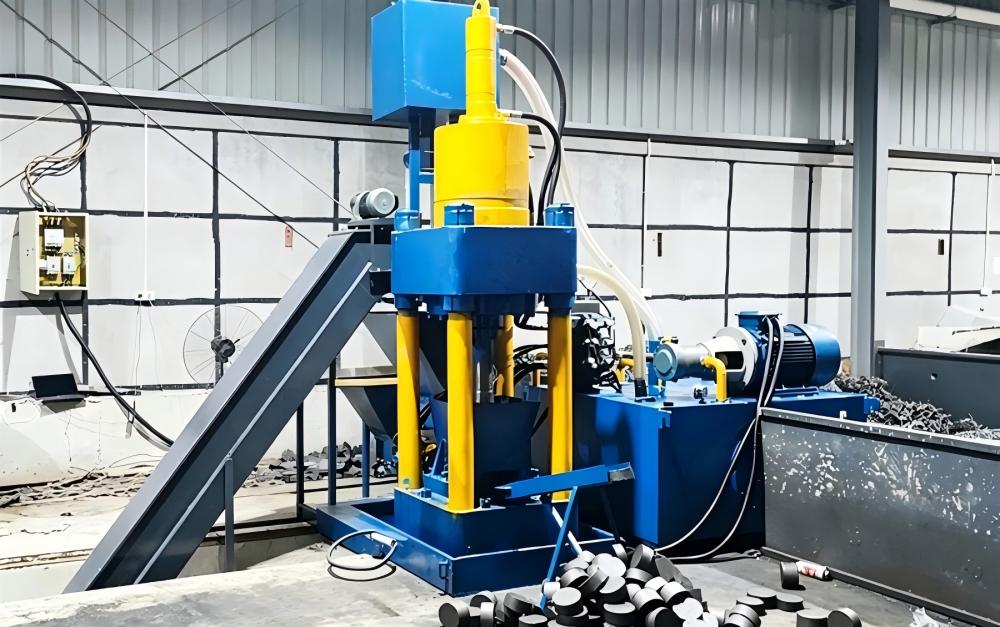
HARSLE briquetting machines utilize advanced hydraulic engineering to exert immense pressure on loose metal chips. The process begins with a hopper that feeds the chips into a compression chamber. A hydraulic ram then cycles to compress the material, forcing out trapped air and residual cutting fluids. The result is a solid, uniform briquette that is easy to transport and highly desirable to smelters and foundries.
The hydraulic system is the heart of the machine. HARSLE units are designed with high-efficiency pumps and robust seals to handle the abrasive nature of metal chips. The compression force is adjustable, allowing operators to fine-tune the density of the briquettes based on the specific metal alloy being processed. This level of control ensures that the machine operates at peak efficiency without unnecessary energy consumption, extending the lifespan of the hydraulic components.
Coolant recovery is a standout technical feature of these systems. As the chips are compressed, the extracted fluid is channeled through a filtration system. This recovered fluid is often of high quality and can be reused in the machine tools, leading to significant savings on chemical and lubricant costs. This closed-loop approach is a hallmark of modern industrial efficiency, reducing the need for constant replenishment of expensive cutting fluids.
Automation plays a vital role in the modern fabrication shop. HARSLE briquetting machines can be equipped with automated feeding conveyors and discharge chutes, allowing for a continuous, “lights-out” operation. By integrating sensors and PLC controls, the machine can monitor its own performance, alerting operators to maintenance needs or potential blockages before they become critical issues. This level of automation ensures consistent output quality and minimizes the need for manual intervention.
Selection Advice: Choosing the Right Machine
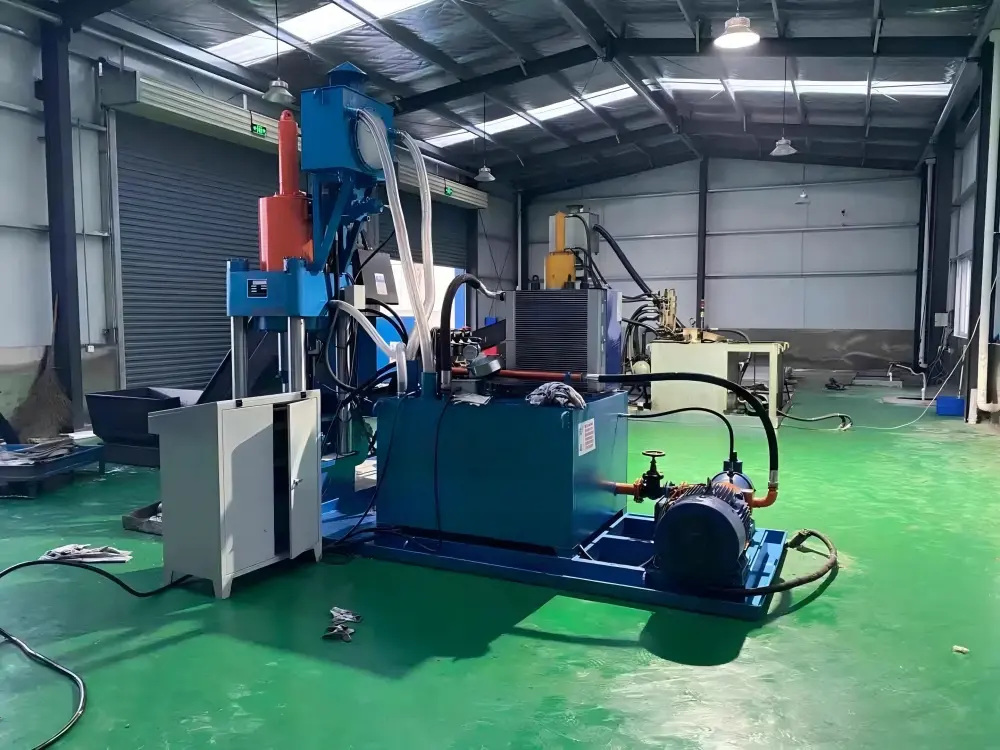
When selecting a briquetting machine, the first step is to conduct a thorough audit of your scrap output. Calculate the daily or weekly volume of chips produced by your CNC machines. A machine that is too small will create a bottleneck, while an oversized machine represents an unnecessary capital expenditure. HARSLE offers a range of models, from compact vertical units to high-capacity horizontal systems, ensuring there is a solution for every scale of operation.
Consider the material characteristics. Steel chips, for example, require significantly higher pressure to briquette than aluminum. If your shop handles a variety of materials, look for a machine with variable pressure settings and robust construction that can handle the toughest alloys. It is also important to consider the size of the chips; long, stringy turnings may require a pre-crusher or shredder to ensure they feed properly into the briquetting chamber.
Maintenance accessibility is another crucial factor. A machine that is difficult to clean or service will inevitably lead to downtime. Look for designs that offer easy access to the compression chamber, hydraulic filters, and electrical panels. HARSLE prioritizes user-friendly design, ensuring that routine maintenance tasks—such as checking fluid levels and cleaning the hopper—can be performed quickly and safely by shop personnel.
Finally, evaluate the support and service network of the manufacturer. A briquetting machine is a long-term investment, and you need a partner who can provide technical support, spare parts, and training. HARSLE provides comprehensive documentation and expert guidance to help shops integrate their new equipment seamlessly into existing workflows. By choosing a reputable manufacturer, you ensure that your investment continues to deliver returns for years to come.
FAQ: Common Questions About Briquetting
1. How much can a shop realistically save with a briquetting machine?
Savings come from three main areas: increased scrap value (briquettes sell for higher prices than loose chips), reduced coolant disposal costs, and lower logistics/hauling fees. Many shops see a return on investment within 12 to 24 months, depending on their volume.
2. Does the briquetting process affect the quality of the metal?
No, the process is purely mechanical. It does not alter the chemical composition of the metal, making the briquettes highly valuable to foundries that prefer clean, dense material for their furnaces.
3. Can one machine handle different types of metal?
Yes, but it is important to avoid cross-contamination. If you process different metals, you may need to clean the hopper and chamber between batches, or dedicate specific machines to specific material types to maintain the purity of your scrap.
4. How much maintenance does a briquetting machine require?
Routine maintenance includes checking hydraulic fluid levels, inspecting seals, and cleaning the filter systems. HARSLE machines are designed for durability, but regular preventative maintenance is key to long-term performance.
5. Is it difficult to train staff to operate the machine?
Modern briquetting machines are designed with intuitive interfaces. Most operators can be trained to run the machine and perform basic maintenance in a single day.
Conclusion
The story of how one metal fabrication shop increased recycling revenue with a briquetting machine is a testament to the power of industrial innovation. By viewing scrap not as waste, but as a resource, the shop was able to transform its bottom line while simultaneously improving its operational efficiency and environmental credentials. The transition to briquetting is more than just a purchase of equipment; it is a strategic move toward a more sustainable and profitable future.
HARSLE remains committed to providing the metal fabrication industry with the tools necessary to thrive in an increasingly competitive market. Our briquetting solutions are engineered to meet the rigorous demands of modern manufacturing, offering the perfect balance of performance, reliability, and ease of use. Whether you are a small job shop or a large-scale production facility, the benefits of briquetting are clear and measurable.
As you evaluate your own shop’s waste management strategy, consider the long-term impact of continuing with traditional scrap disposal. The costs of labor, logistics, and lost material value add up quickly. By investing in a HARSLE briquetting machine, you are not just buying a piece of equipment; you are investing in a cleaner, more efficient, and more profitable operation. Contact our team today to learn how we can help you turn your metal waste into a valuable asset.