Container Shear Machine Cost Comparison: Manual, Semi-Automatic, and Fully Automatic Models

Price Range Overview
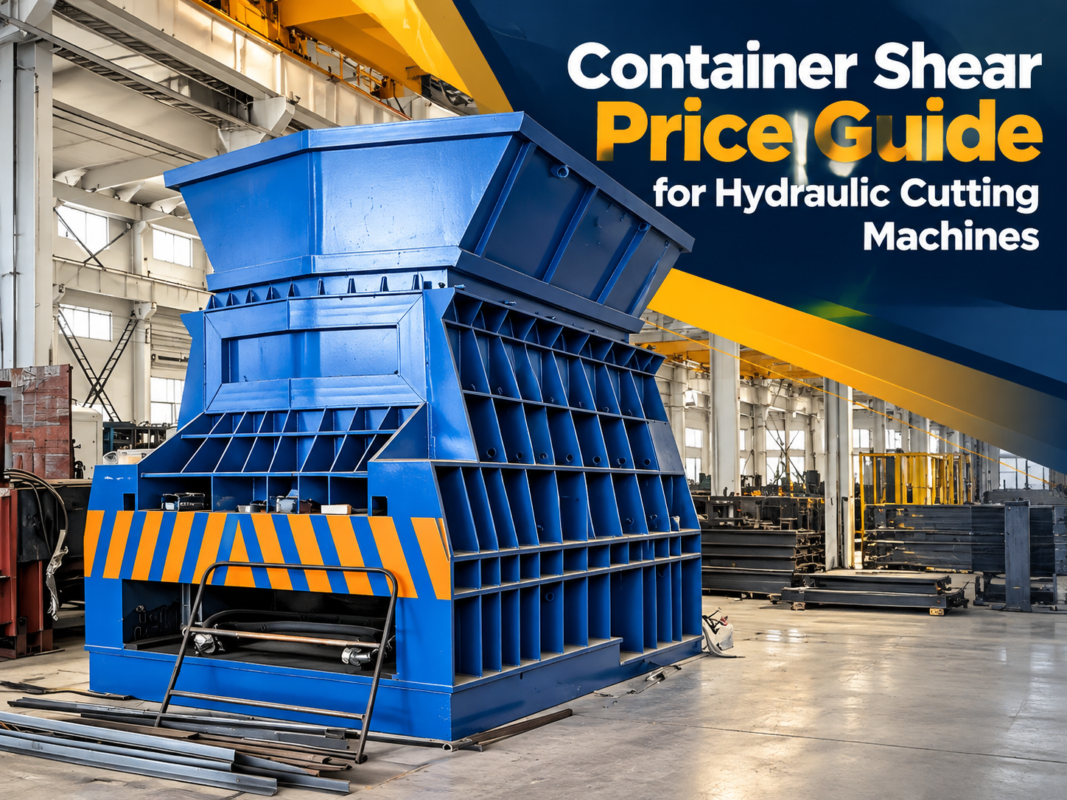
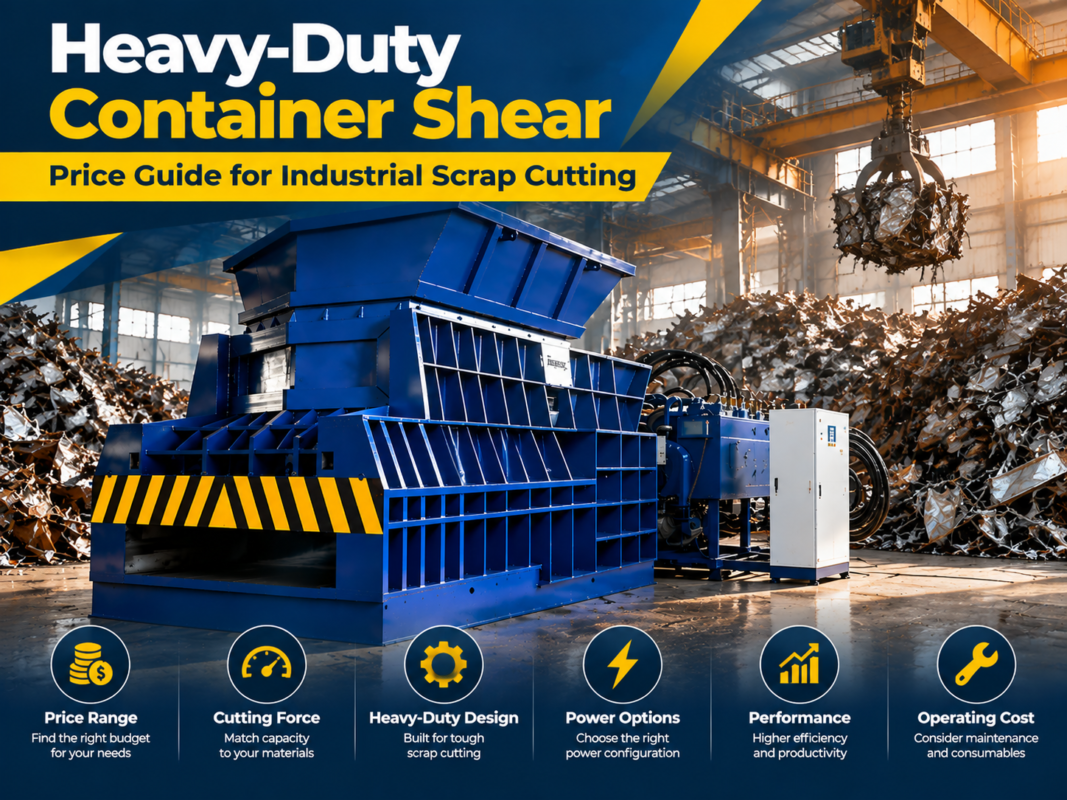
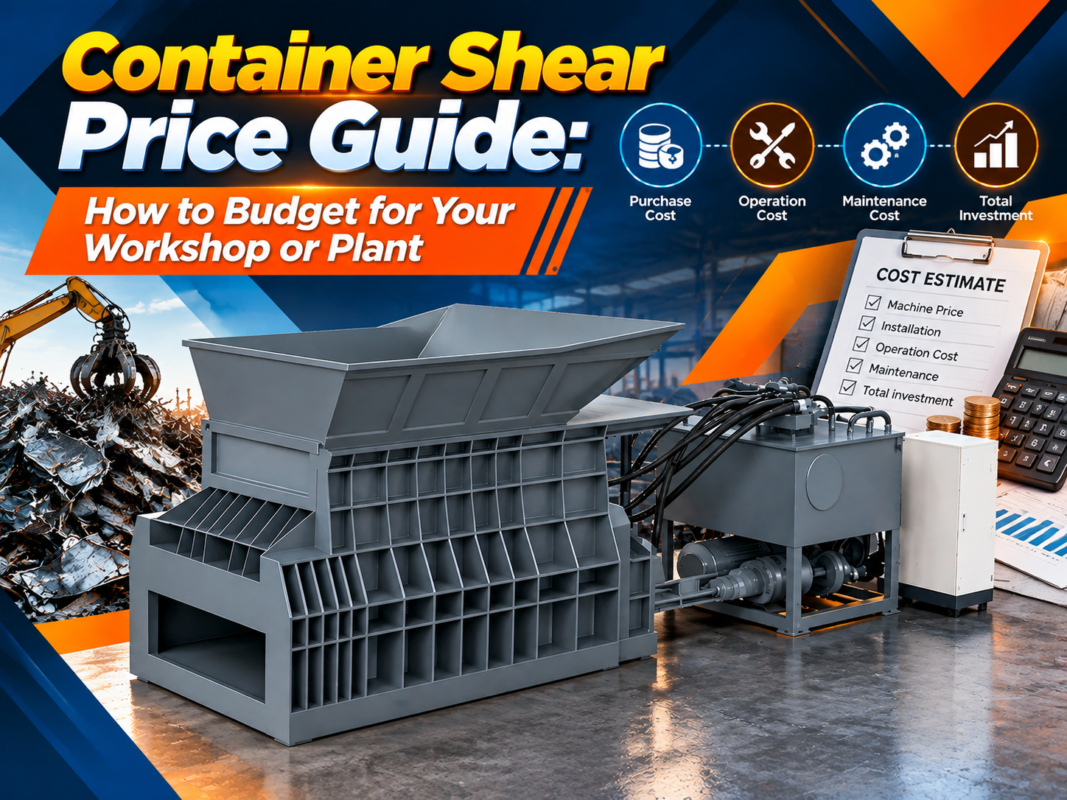
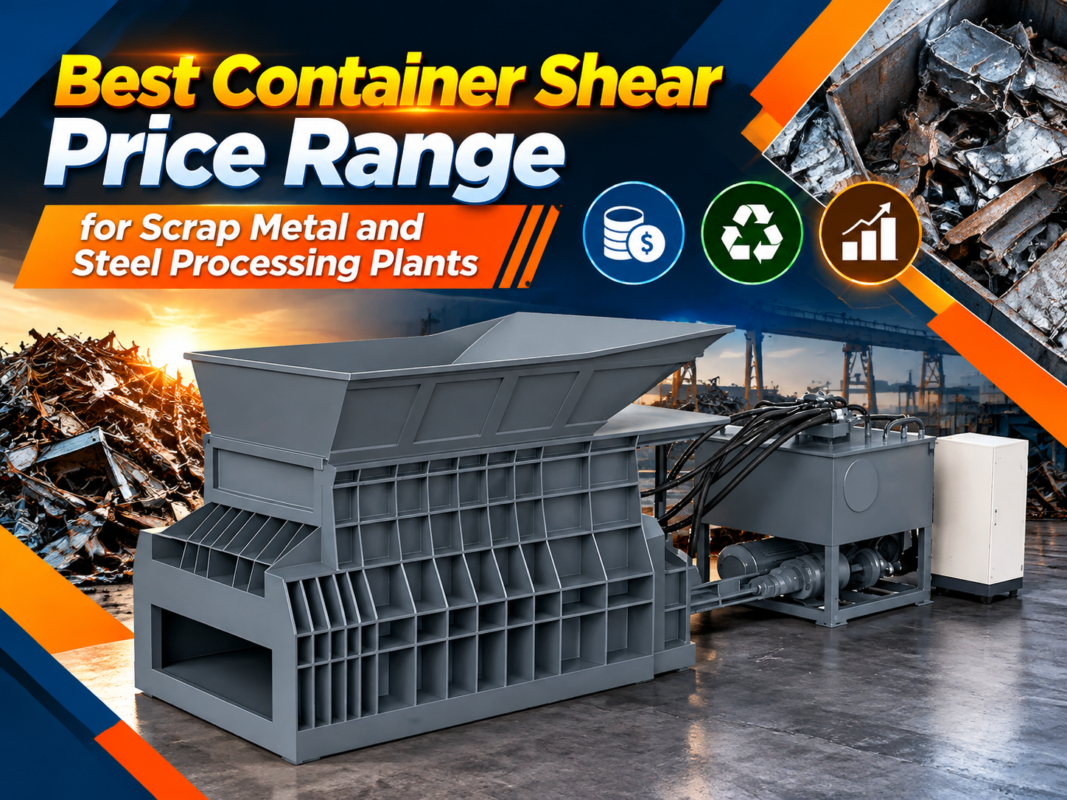
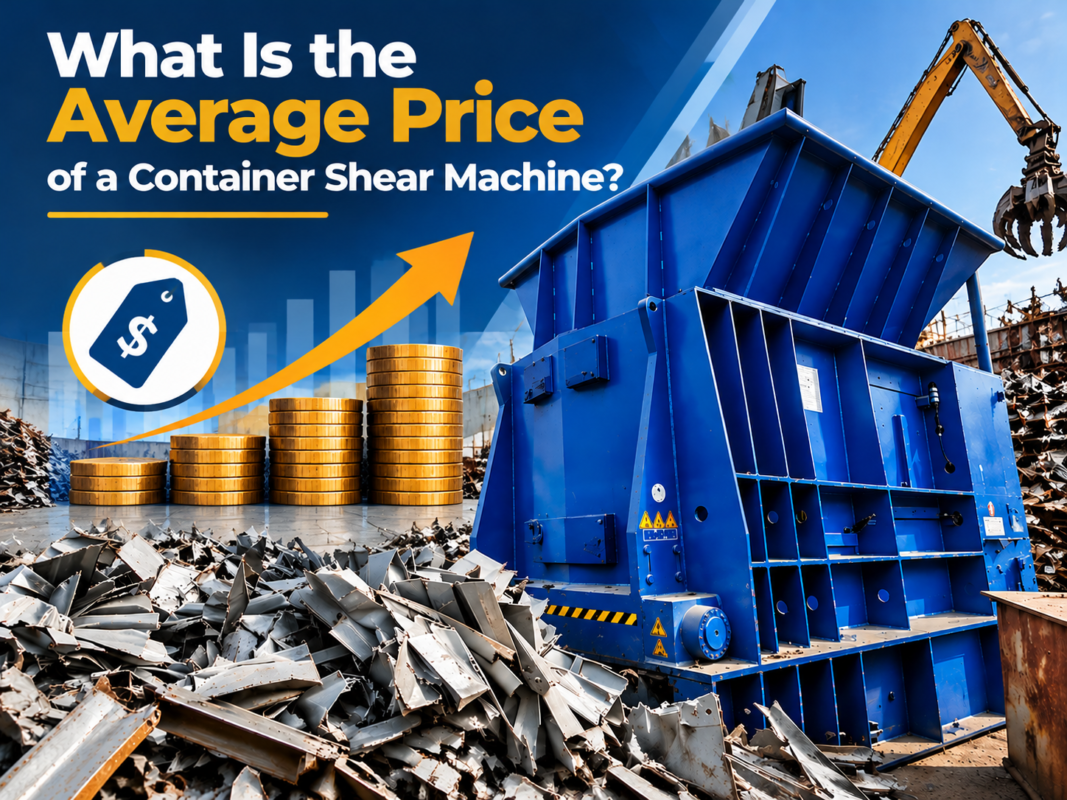
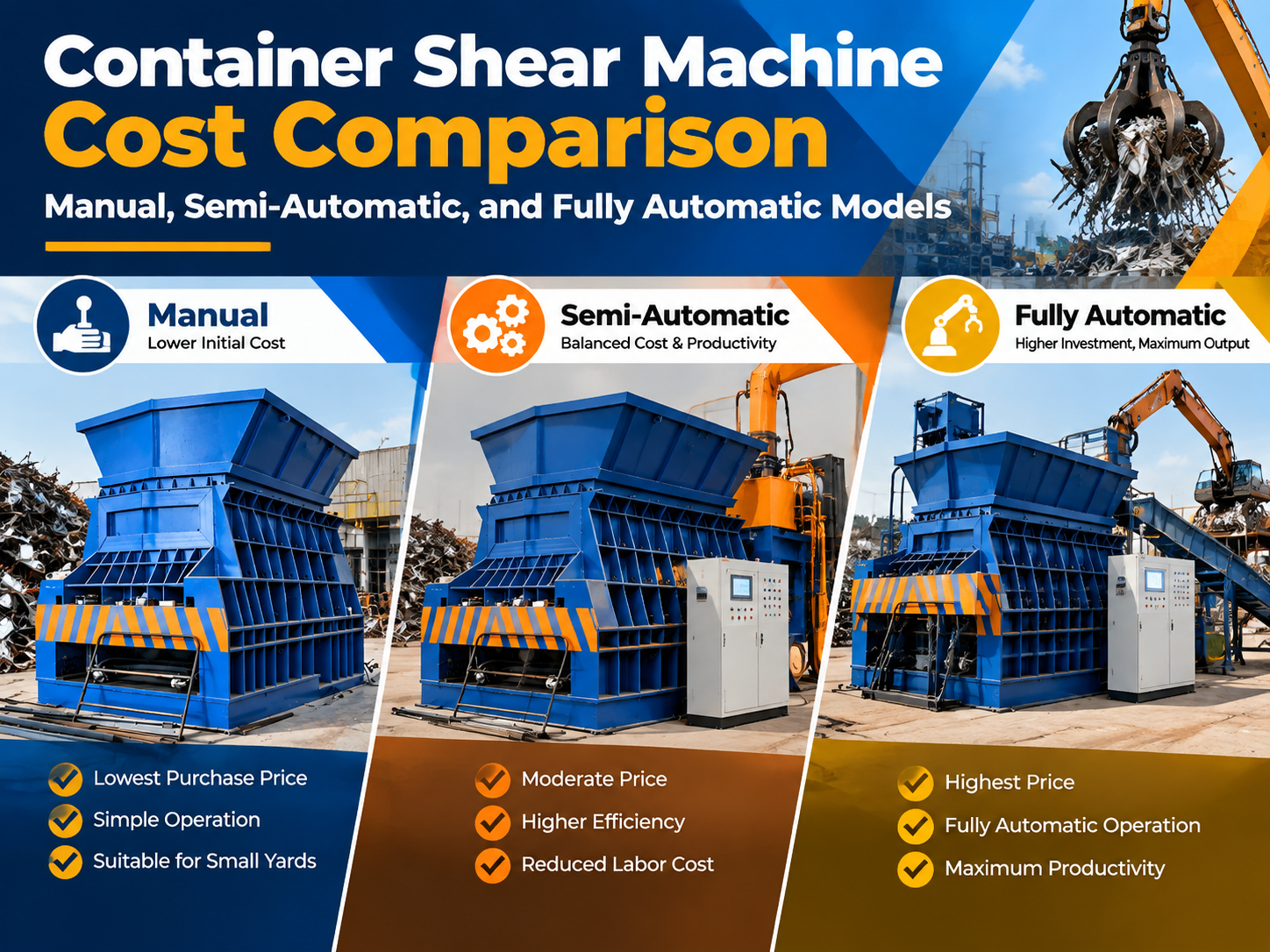
Investing in a container shear machine is a significant capital expenditure for any scrap processing or metal fabrication facility. Understanding the Container Shear Machine Cost Comparison: Manual, Semi-Automatic, Fully Automatic Models is essential for aligning your budget with your operational throughput requirements. Generally, these machines are categorized by their level of automation, which directly dictates the initial purchase price, labor requirements, and long-term maintenance costs.
Manual container shears, while becoming increasingly rare in high-volume industrial settings, represent the lowest entry point. These units often require significant manual intervention for material feeding and positioning, making them suitable for small-scale operations or specialized low-volume recycling centers. Prices for these entry-level units typically range from $30,000 to $60,000, depending on the cutting force and build quality.
Semi-automatic models bridge the gap between manual labor and full automation. They often feature automated cutting cycles but require an operator to manage the loading and positioning of the scrap metal. These machines are the workhorses of medium-sized scrap yards, offering a balance between cost and efficiency. You can expect to invest between $80,000 and $180,000 for a robust semi-automatic system from a reputable manufacturer like HARSLE.
Fully automatic container shear machines represent the pinnacle of industrial shearing technology. These systems are designed for continuous, high-throughput operations, often integrating conveyor systems, automated feeding, and sophisticated PLC controls. While the initial investment is substantial—ranging from $200,000 to over $500,000—the reduction in labor costs and the increase in processing speed often justify the premium for large-scale industrial facilities.
Main Cost Drivers
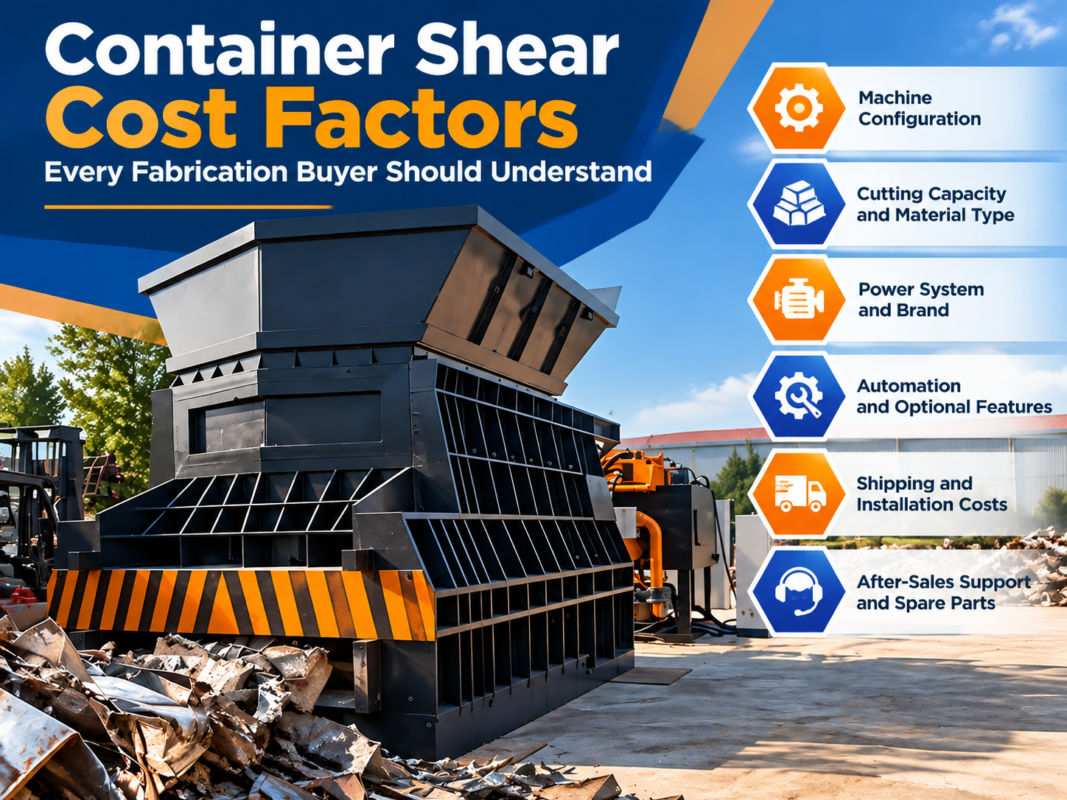
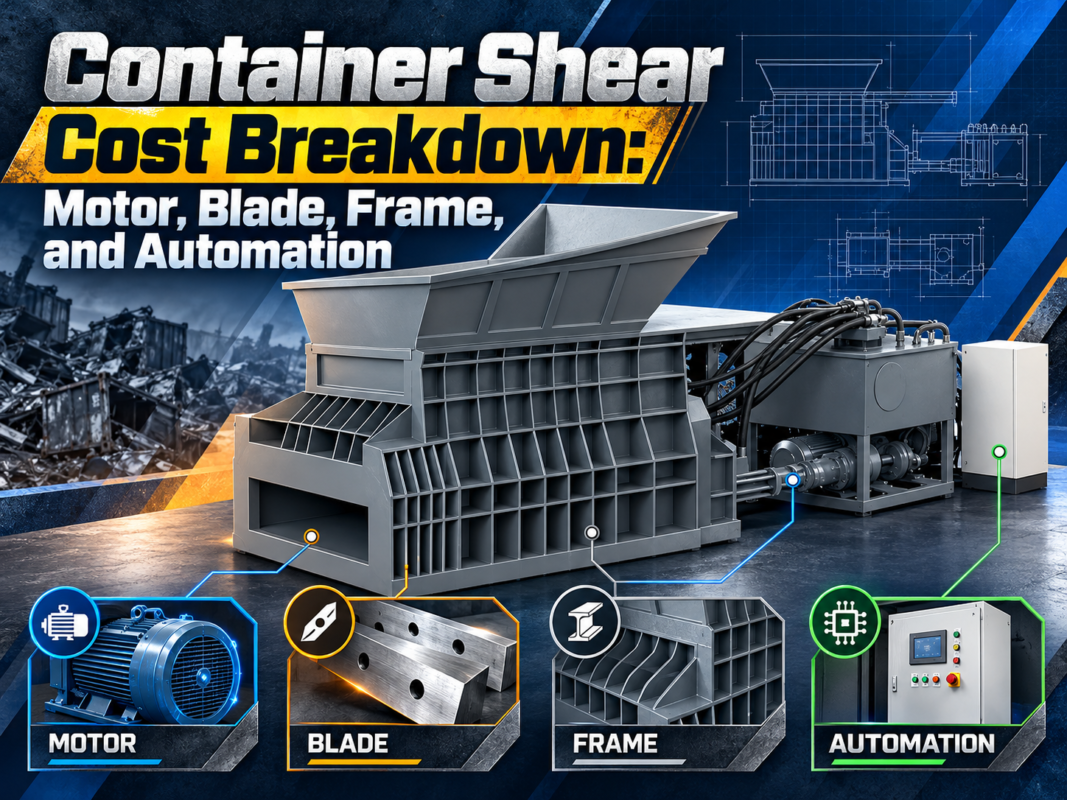
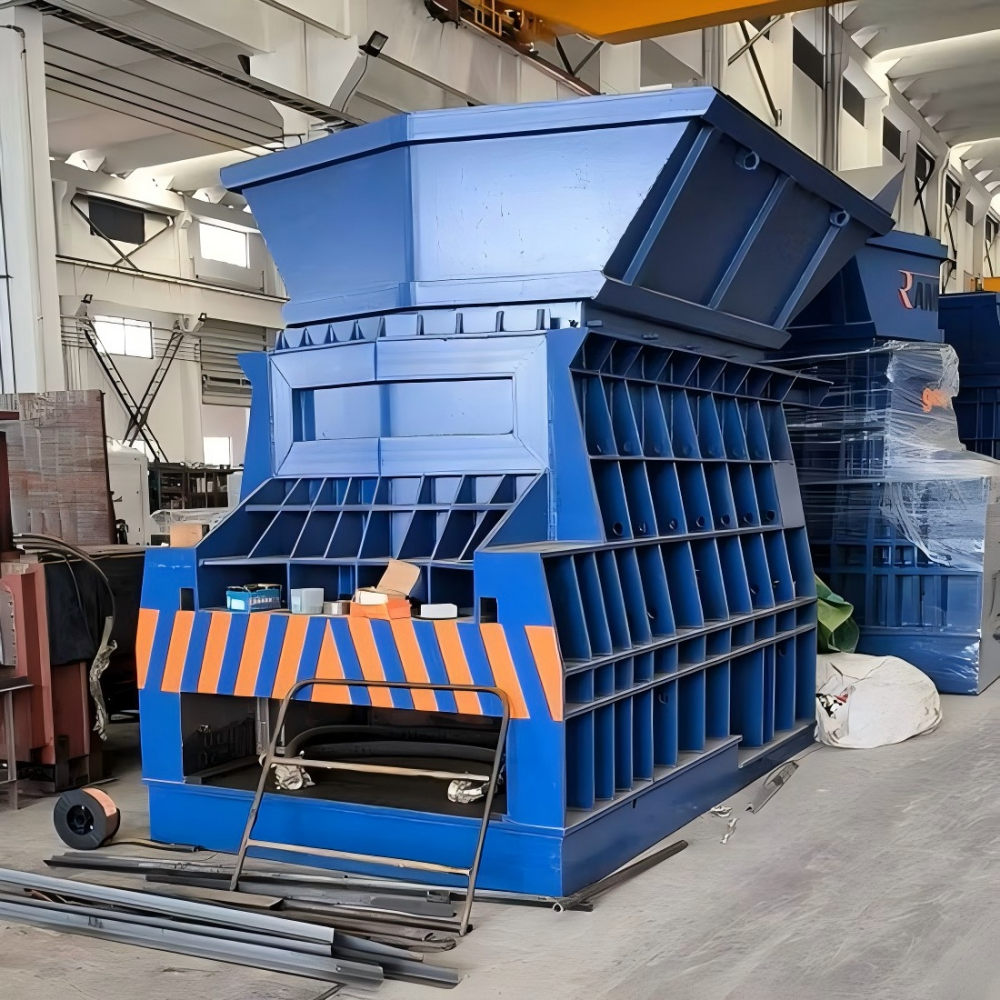
The primary cost driver for any container shear is the cutting force, measured in tons. Higher cutting force allows the machine to process thicker, denser, and more resilient materials, such as heavy structural steel or railroad tracks. As the required tonnage increases, the structural integrity of the machine frame, the size of the hydraulic cylinders, and the power of the electric motors must all scale up, leading to higher manufacturing costs.
Hydraulic system complexity is another major factor. High-end machines utilize advanced variable displacement pumps and proportional valve technology to optimize energy consumption and cycle times. These components are significantly more expensive than standard fixed-displacement pumps found in budget models. Furthermore, the quality of the shear blades—often made from high-carbon, high-chromium tool steel—impacts the long-term cost of ownership due to replacement frequency and sharpening requirements.
The control system architecture plays a critical role in the price. A basic relay-based control system is inexpensive but offers limited diagnostic capabilities and operational flexibility. Conversely, a modern PLC-based system with HMI (Human-Machine Interface) allows for precise control over blade gap, stroke length, and cycle timing. These digital systems not only improve safety but also allow for remote monitoring and predictive maintenance, which adds to the initial cost but reduces downtime.
Material handling integration is often overlooked during the initial quote but is a major cost component. Whether the machine is fed by a crane, a conveyor belt, or a pre-load box, the mechanical infrastructure required to move heavy scrap into the shear throat adds significant value and cost. Customization of the feed box size and the integration of automated sorting systems can easily add 20% to 40% to the base price of the machine.
Configuration Impact
When analyzing the Container Shear Machine Cost Comparison: Manual, Semi-Automatic, Fully Automatic Models, the configuration of the shear head is paramount. A guillotine-style shear offers a clean, straight cut, which is ideal for preparing scrap for high-end smelting. These configurations are generally more expensive due to the precision required in the blade guides and the hydraulic synchronization needed to prevent jamming.
The size of the feed box is another configuration variable that dictates price. A larger feed box allows for the processing of bulky, non-compacted scrap, reducing the need for pre-processing steps like torch cutting. However, a larger box requires a more robust frame and more powerful hydraulic cylinders to compress the material before the shear stroke, directly increasing the machine’s footprint and cost.
Safety features and environmental compliance configurations are non-negotiable in modern industrial settings. Machines equipped with light curtains, emergency stop zones, and noise-dampening enclosures command a higher price. These features are essential for meeting international safety standards and reducing insurance premiums, making them a wise investment despite the higher upfront cost.
Finally, the integration of data logging and IoT capabilities is becoming a standard configuration for fully automatic models. The ability to track the number of cuts, hydraulic pressure fluctuations, and blade wear in real-time allows facility managers to optimize their production schedules. While this adds to the initial software and sensor costs, the data-driven insights provided can lead to significant operational savings over the machine’s lifecycle.
Hidden Costs
Beyond the sticker price, buyers must account for installation and commissioning costs. Heavy-duty container shears require reinforced concrete foundations to withstand the vibration and force generated during the shearing process. Depending on the soil conditions and the machine weight, foundation work can cost anywhere from $10,000 to $50,000. Neglecting this step can lead to structural damage to the machine and void the manufacturer’s warranty.
Electrical infrastructure upgrades are another common hidden cost. High-capacity shears often require dedicated high-voltage power lines and industrial-grade transformers. If your facility’s current electrical grid cannot handle the surge current required by the hydraulic motors, you may face significant utility upgrade fees. It is crucial to consult with an electrical engineer before finalizing your purchase.
Maintenance and spare parts inventory represent ongoing costs that vary by model. Fully automatic machines require specialized technicians for repairs, which can be more expensive than general maintenance. Additionally, stocking high-wear items like shear blades, hydraulic seals, and filters is necessary to minimize downtime. A comprehensive maintenance contract with the manufacturer can mitigate these risks but should be factored into the total cost of ownership.
Shipping and logistics for large-scale shearing equipment are often substantial. Because these machines are oversized and heavy, they require specialized flatbed transport and, in some cases, crane services for offloading and positioning. International shipping, customs duties, and import taxes can add a significant percentage to the final cost, especially when sourcing high-quality machinery from global leaders like HARSLE.
ROI Calculation
To determine the true value of a container shear, you must calculate the Return on Investment (ROI) based on your specific throughput goals. Start by calculating the cost per ton of processed scrap. This includes labor, electricity, maintenance, and the amortized cost of the machine. A fully automatic machine may have a higher initial cost, but if it processes 50 tons per day compared to a manual machine’s 10 tons, the cost per ton will likely be significantly lower.
Labor savings are the most immediate benefit of moving from manual to automatic systems. If a manual shear requires three operators and a semi-automatic system requires only one, the labor savings alone can pay for the price difference within two to three years. When calculating ROI, include the cost of benefits, training, and the potential for human error, which can lead to machine damage or safety incidents.
Increased scrap value is another factor. High-quality shears produce cleaner, more uniform cuts that are highly sought after by steel mills. This can allow you to command a premium price for your processed scrap compared to competitors who use less precise equipment. Over time, this price premium can significantly accelerate the payback period of your investment.
Finally, consider the resale value of the equipment. Well-maintained industrial machinery from reputable brands retains its value remarkably well. When performing your ROI analysis, assume a residual value for the machine after 10 years of service. This often overlooked factor can make a higher-end, more durable machine a more attractive financial proposition than a cheaper, lower-quality alternative.
Buying Advice
When selecting a container shear, start by auditing your current scrap stream. Are you processing light gauge sheet metal, or are you dealing with heavy structural beams? The material type will dictate the necessary shear force and blade configuration. Do not over-specify your machine, as paying for capacity you do not use is a waste of capital, but do not under-specify, as this will lead to frequent jams and premature wear.
Always prioritize manufacturers that offer local support and spare parts availability. A machine that is down for two weeks waiting for a part from overseas is costing you money every hour. HARSLE provides extensive documentation and a global support network, which is a critical advantage for international buyers. Check for the availability of remote diagnostics, which can often resolve minor software or sensor issues without the need for a site visit.
Request a demonstration or visit a facility that currently uses the model you are considering. Seeing the machine in action allows you to assess its cycle time, noise levels, and ease of operation. Ask the current owner about their experience with maintenance and the manufacturer’s responsiveness. Real-world feedback is often more valuable than any brochure or sales pitch.
Finally, consider the scalability of your operation. If you anticipate growth, look for modular systems that allow for the addition of extra conveyors or sorting equipment later. A machine that can grow with your business is a better long-term investment than one that will need to be replaced as soon as your volume increases. Always ensure the machine complies with local safety and environmental regulations to avoid future legal or operational headaches.
FAQ
What is the main difference between a manual and a fully automatic container shear?
The main difference lies in the material feeding and the cutting cycle. Manual shears require an operator to physically position the scrap and trigger the cut, whereas fully automatic shears use sensors and conveyors to feed and process material continuously without human intervention.
How often should I replace the shear blades?
Blade life depends on the type of material being processed and the frequency of use. Typically, blades should be inspected weekly. With proper maintenance and correct blade gap adjustment, high-quality blades can last for several months of heavy-duty operation.
Can I upgrade a semi-automatic shear to a fully automatic one later?
Some modular systems allow for upgrades, but it is generally more cost-effective to purchase the level of automation you need from the start. Retrofitting a machine with full automation requires significant changes to the PLC, hydraulic system, and material handling components.
What is the most important factor when choosing a container shear?
The most important factor is the required throughput and the type of material you are processing. Matching the machine’s cutting force and feed box size to your specific scrap profile is the key to operational efficiency and long-term profitability.
Does HARSLE provide installation support?
Yes, HARSLE offers comprehensive installation and commissioning support, including on-site training for your operators to ensure the machine is used safely and efficiently from day one.