Case Study: Hammer Shredder Performance in High-Volume Metal Waste Reduction

Introduction
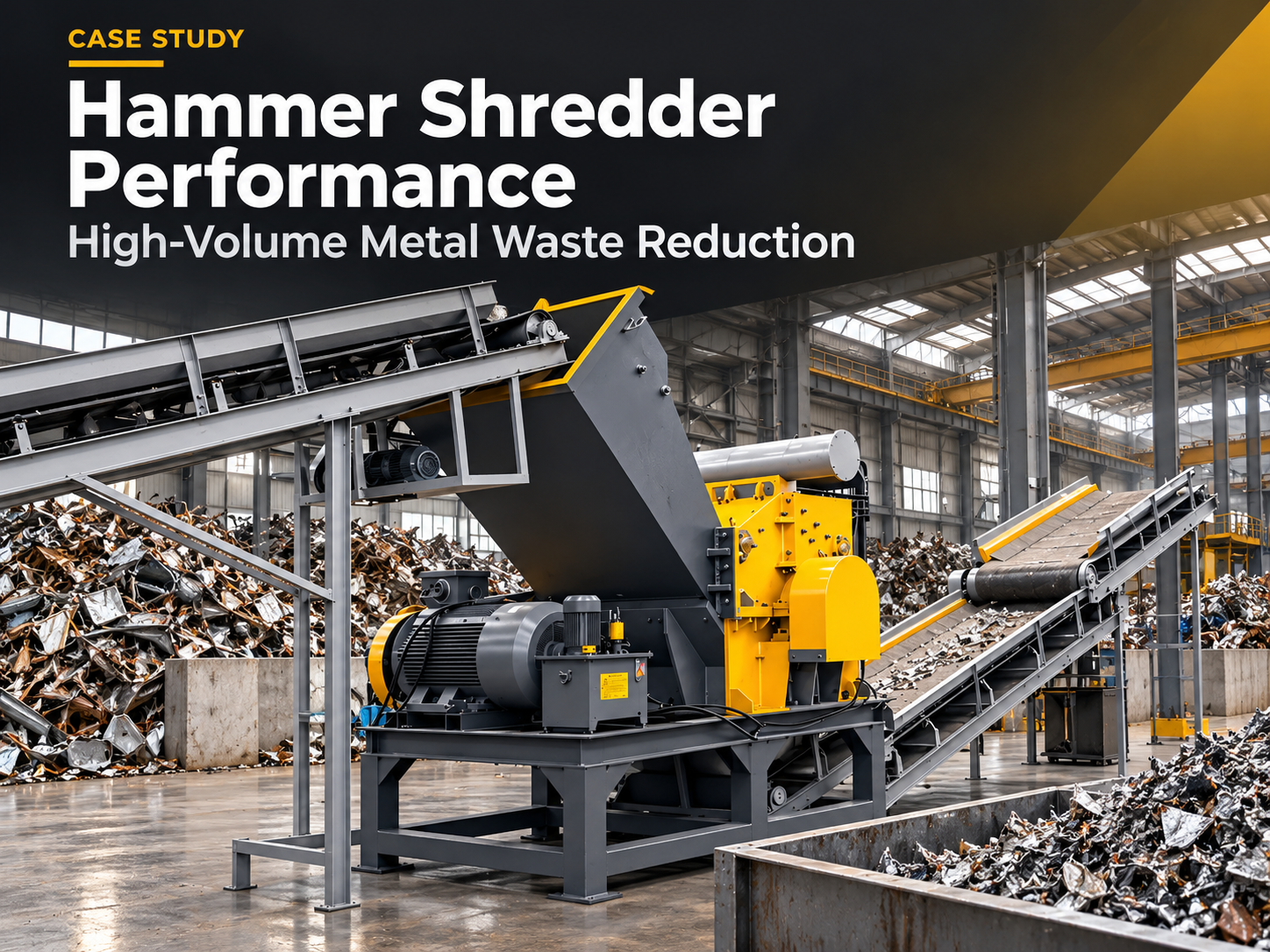
In the modern landscape of metal fabrication and industrial manufacturing, the efficient management of scrap metal is no longer just a logistical necessity—it is a critical component of operational profitability. As production volumes scale, the accumulation of metal offcuts, defective parts, and industrial waste poses significant challenges in terms of storage, transportation, and recycling. This is where the implementation of advanced processing technology becomes essential. This article presents a comprehensive Case Study: Hammer Shredder Performance In High-Volume Metal Waste Reduction, highlighting how HARSLE engineering solutions transform bulky scrap into high-value, manageable raw materials.
The primary objective of this case study is to analyze the operational impact of high-capacity hammer shredders within a large-scale fabrication facility. By examining the transition from manual scrap handling to automated shredding processes, we can quantify the improvements in throughput, energy efficiency, and material density. For facility managers and procurement officers, understanding these metrics is vital for justifying capital expenditure on heavy-duty metal fabrication equipment.
HARSLE has long been at the forefront of designing machinery that bridges the gap between raw industrial waste and circular economy participation. Our hammer shredders are engineered to handle diverse metal types, from light-gauge aluminum sheets to heavy steel components. By reducing the physical footprint of metal waste, these machines enable facilities to optimize their logistics, reduce carbon footprints associated with transport, and command higher prices from recycling centers due to the improved purity and density of the shredded output.
Throughout this analysis, we will explore the technical nuances that define superior shredder performance. We will look at the mechanical stress factors, the importance of hammer metallurgy, and the integration of smart control systems that prevent downtime. Whether your facility is dealing with high-volume automotive scrap or general fabrication waste, the insights provided here serve as a benchmark for evaluating your current waste management strategy.
Key Considerations for High-Volume Metal Waste Reduction
When approaching the challenge of high-volume metal waste, the first consideration must be the material composition. Not all scrap is created equal; the hardness, ductility, and size of the input material dictate the required torque and hammer configuration. A facility processing thin-gauge stainless steel requires a different shredding profile than one handling heavy structural steel beams. HARSLE emphasizes a modular design approach, allowing operators to adjust the grate size and hammer speed to match specific material streams, ensuring optimal throughput without compromising the structural integrity of the machine.
Operational throughput is the second critical factor. In high-volume environments, bottlenecks at the shredding stage can ripple through the entire production line. If the shredder cannot keep pace with the output of your press brakes, laser cutters, or stamping machines, you face a dangerous accumulation of waste on the shop floor. Our case study data suggests that a well-calibrated hammer shredder should operate at 85-90% of its rated capacity to maintain a balance between speed and wear-and-tear management. Overloading the system leads to premature motor failure and excessive heat generation, which must be mitigated through intelligent load-sensing technology.
Logistics and space utilization represent the third pillar of effective waste management. Shredded metal, or ‘fragmentized scrap,’ occupies significantly less volume than loose, jagged offcuts. This density increase is a game-changer for transportation costs. By reducing the number of truckloads required to clear the facility, companies can see a direct impact on their bottom line. Furthermore, high-density shredded material is often easier to sort using magnetic separators or eddy current systems, allowing for better separation of ferrous and non-ferrous metals, which significantly increases the resale value of the scrap.
Finally, safety and environmental compliance cannot be overlooked. High-volume shredding generates noise, dust, and vibration. Modern HARSLE shredders are equipped with advanced sound-dampening enclosures and dust extraction ports that meet stringent industrial safety standards. By integrating these systems, facilities not only protect their workforce but also ensure compliance with local environmental regulations, avoiding potential fines and operational shutdowns. This holistic approach to waste reduction is what separates industry leaders from those struggling with inefficient, legacy disposal methods.
Technical Details of HARSLE Hammer Shredders
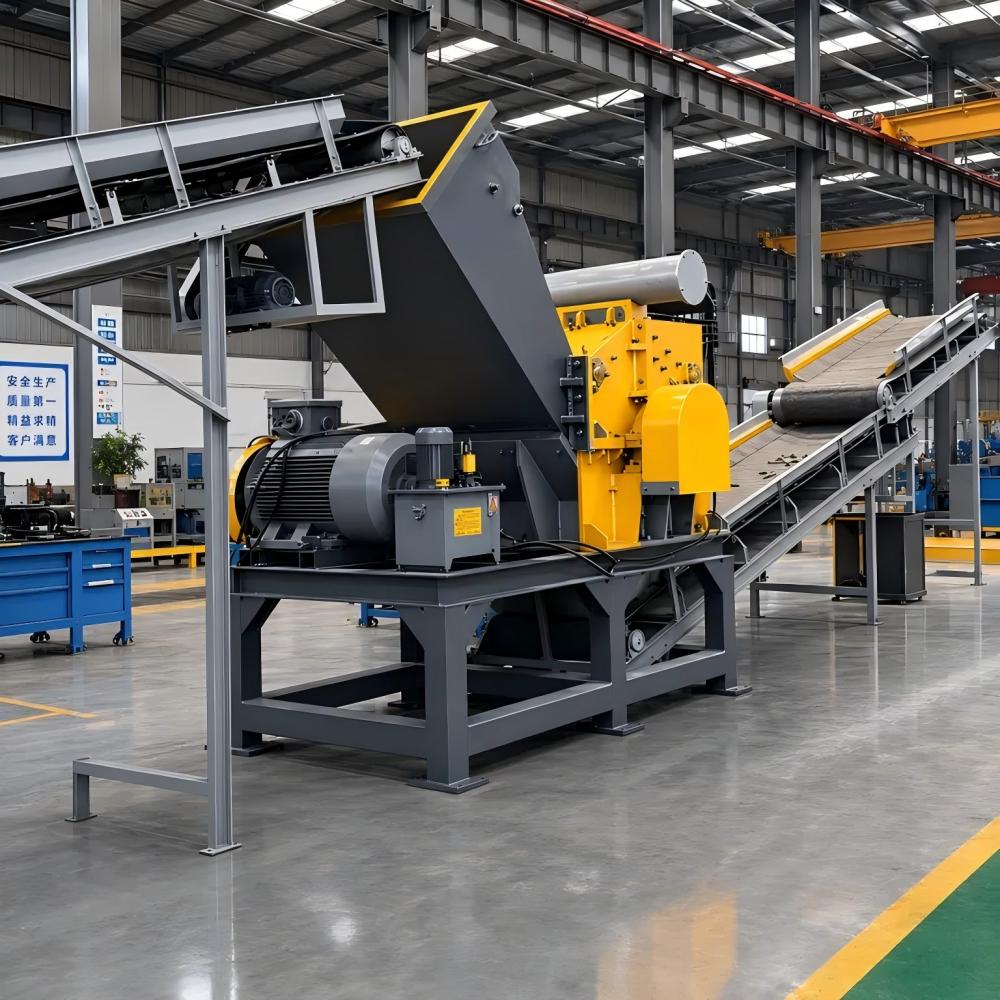
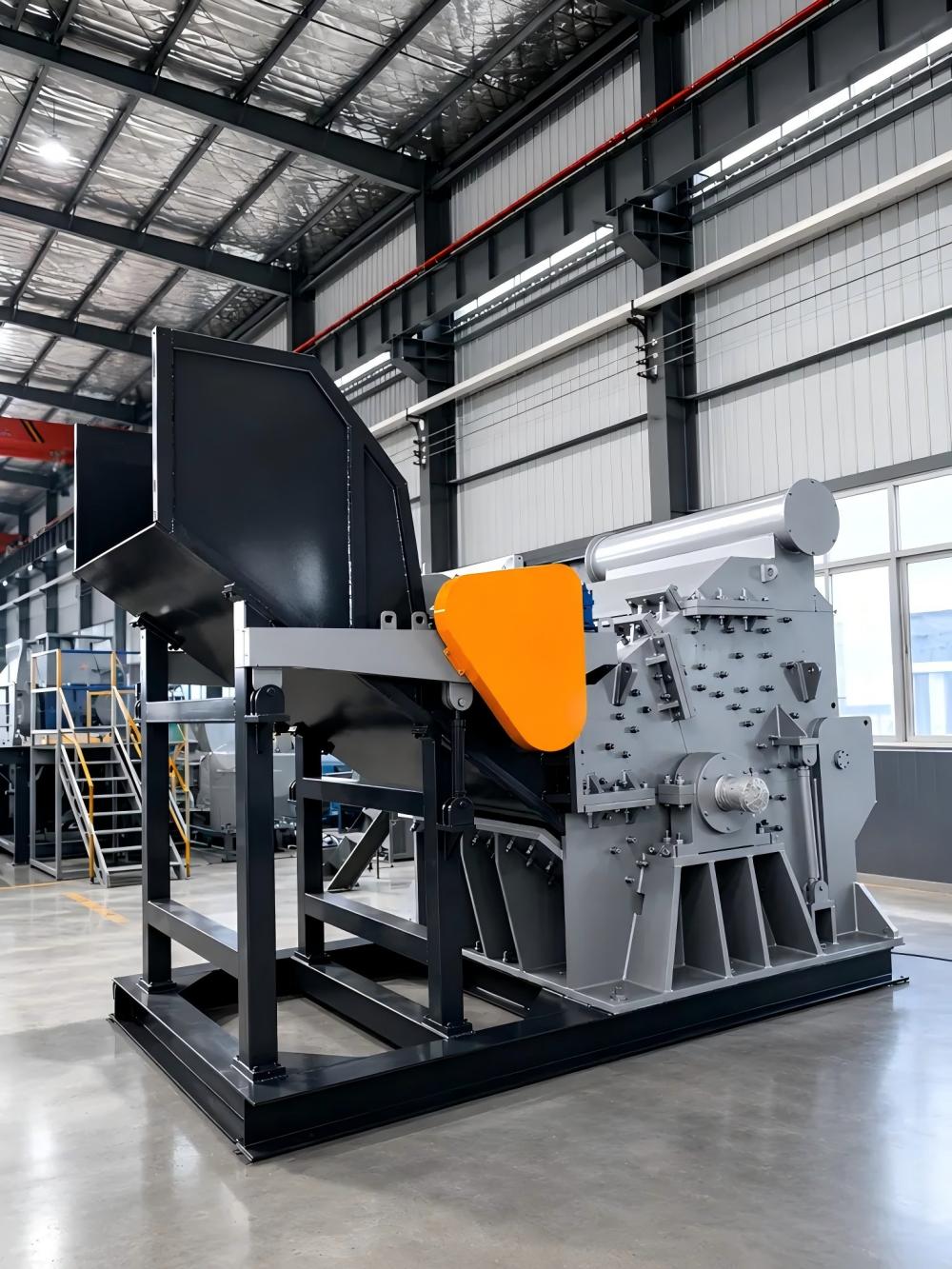
The core of the HARSLE hammer shredder lies in its robust rotor assembly. The rotor is the heart of the machine, designed to withstand the immense kinetic energy required to break down heavy metal objects. We utilize high-chromium alloy hammers that are heat-treated for maximum hardness and impact resistance. These hammers are mounted on a heavy-duty shaft supported by oversized, self-aligning bearings, ensuring that the machine can handle the shock loads inherent in shredding thick steel without suffering from mechanical fatigue.
The drive system is another area where technical precision is paramount. HARSLE utilizes high-torque, energy-efficient electric motors coupled with heavy-duty gearboxes. This configuration provides the necessary force to initiate the shredding process while maintaining a consistent rotational speed. Our variable frequency drives (VFDs) allow for precise control over the rotor speed, which is essential when switching between different types of scrap. By adjusting the speed, the operator can optimize the shredding process for either maximum throughput or maximum material density, depending on the specific requirements of the recycling buyer.
The discharge grate system is the final arbiter of output quality. The grate consists of a series of hardened steel bars with specific spacing. The material remains in the shredding chamber until it is small enough to pass through these openings. HARSLE offers a variety of grate configurations, allowing users to customize the particle size of the output. Smaller grate openings produce finer material, which is ideal for secondary processing or smelting, while larger openings are better suited for general scrap recycling where volume reduction is the primary goal.
Integration with smart monitoring systems is a hallmark of modern HARSLE equipment. Each shredder is equipped with sensors that monitor motor temperature, vibration levels, and current draw. This data is fed into a centralized control panel, providing real-time feedback to the operator. If the system detects an un-shreddable object—such as a large piece of hardened tool steel—the auto-reverse function triggers immediately, preventing damage to the hammers and the rotor. This predictive maintenance capability is essential for minimizing downtime in high-volume environments.
Selection Advice for Industrial Shredding Equipment
Selecting the right hammer shredder requires a thorough audit of your current and projected waste streams. Start by categorizing your scrap: identify the maximum thickness, the average size of the pieces, and the total volume generated per shift. It is often a mistake to purchase a machine that perfectly matches your current volume; instead, look for a shredder that offers 20-30% headroom for future growth. This ensures that your investment remains relevant as your production capacity scales over the next five to ten years.
Consider the power requirements and utility infrastructure of your facility. A high-volume hammer shredder is a power-intensive piece of equipment. Ensure that your electrical grid can handle the startup current and the continuous load of the motor. If your facility is located in an area with unstable power, consider adding a soft-start system or a dedicated transformer to protect the shredder’s electronics. Additionally, evaluate the physical footprint of the machine and the surrounding area needed for loading and unloading. A well-designed layout should include a conveyor system for automated feeding and a discharge belt for efficient material removal.
Maintenance accessibility is a crucial, yet often overlooked, selection criterion. A shredder will eventually require hammer replacement and grate cleaning. Choose a model that features a split-housing design or hydraulic access doors, which allow maintenance teams to reach the rotor assembly quickly and safely. HARSLE provides comprehensive maintenance manuals and training, but the machine design itself should facilitate routine inspections. A shredder that is difficult to maintain will inevitably lead to neglected upkeep, which is the primary cause of catastrophic failure in industrial machinery.
Finally, evaluate the manufacturer’s support network. When you invest in heavy-duty metal fabrication equipment, you are entering a long-term partnership. Look for a supplier that offers local technical support, readily available spare parts, and remote diagnostic capabilities. HARSLE prides itself on a global service network that ensures our clients can minimize downtime. Before finalizing your purchase, ask for references from other facilities in your industry. Hearing about their experience with the machine’s performance and the manufacturer’s responsiveness can provide invaluable peace of mind.
الأسئلة الشائعة
1. What is the primary advantage of using a hammer shredder over a shear?
Hammer shredders are generally better for high-volume, mixed-metal waste reduction. While shears are excellent for cutting long, uniform pieces, hammer shredders excel at breaking down bulky, irregular scrap into a uniform, high-density product that is easier to transport and sell.
2. How often do the hammers need to be replaced?
Hammer lifespan depends on the abrasiveness and hardness of the material being processed. In a standard fabrication environment, hammers typically last for several hundred hours of operation. HARSLE provides wear-monitoring guidelines to help you schedule replacements before performance drops.
3. Can a hammer shredder handle non-metallic contaminants?
While designed for metal, our shredders can handle minor non-metallic contaminants. However, for high-volume processing, we recommend pre-sorting to remove large plastic, wood, or concrete debris to prevent damage to the hammers and ensure the purity of the final metal output.
4. How does the shredder impact the resale value of my scrap?
Shredded metal is significantly more valuable than loose scrap. It is easier for recyclers to process, and the increased density allows for more efficient shipping. Furthermore, by using a shredder to separate different metal types, you can often sell your scrap at a premium price compared to mixed, unsorted loads.
5. Is the shredder noisy?
Industrial shredding is inherently loud. However, HARSLE machines are designed with sound-attenuating materials and enclosures to keep noise levels within acceptable industrial standards. We also recommend installing the machine in a dedicated, sound-isolated area if possible.
Conclusion
The Case Study: Hammer Shredder Performance In High-Volume Metal Waste Reduction demonstrates that the transition to automated shredding is a strategic move for any growing metal fabrication business. By investing in high-quality HARSLE machinery, facilities can transform their waste management from a cost center into a value-added process. The combination of increased material density, improved logistics, and higher scrap resale value provides a clear return on investment that justifies the initial capital expenditure.
As we have explored, the success of this transition relies on selecting the right equipment, understanding the technical requirements of your specific waste stream, and committing to a proactive maintenance schedule. HARSLE remains dedicated to providing the industrial machinery guide and support necessary for our clients to succeed in an increasingly competitive market. By prioritizing efficiency and durability, you ensure that your fabrication facility remains productive, profitable, and environmentally responsible for years to come.
If you are ready to optimize your metal waste reduction strategy, we invite you to contact our engineering team. We can conduct a site assessment and help you choose the hammer shredder configuration that best fits your operational needs. Let HARSLE help you turn your scrap into a competitive advantage.