Briquetting Machine In Action: A Real Case Of Handling Iron Chip Waste More Efficiently

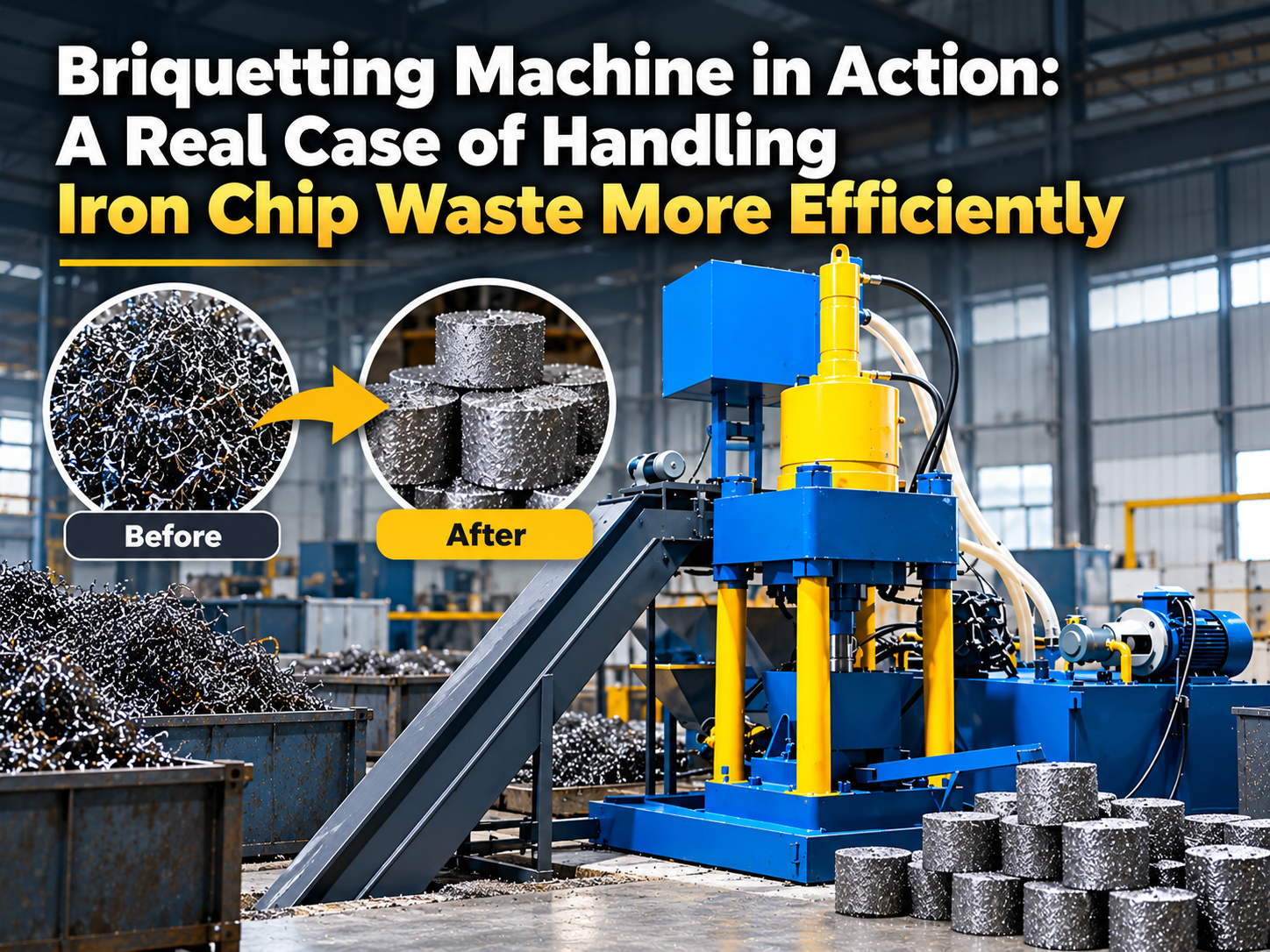
Introduction: The Hidden Cost of Metal Swarf
In the modern metal fabrication industry, efficiency is measured not just by the precision of the final product, but by the management of the entire production cycle. One of the most overlooked aspects of this cycle is the handling of metal swarf—the iron chips, shavings, and turnings generated during milling, turning, and drilling processes. For many workshops, these chips are viewed as a nuisance, a bulky waste product that occupies valuable floor space and incurs high logistics costs for disposal. However, forward-thinking manufacturers are turning this waste into a revenue stream using the HARSLE briquetting machine.
When iron chips are left in their raw, loose state, they possess a high volume-to-weight ratio. This makes them incredibly expensive to transport, as you are essentially paying to ship air. Furthermore, loose chips are often saturated with cutting fluids and coolants, which are not only hazardous to the environment but also represent a significant loss of expensive chemical resources. By implementing a briquetting solution, factories can reclaim these fluids and transform loose waste into dense, high-value briquettes.
This article explores a real-world case study of a mid-sized automotive parts manufacturer that integrated a HARSLE briquetting machine into their production line. We will examine the technical challenges they faced, the operational shifts required, and the measurable ROI achieved through this transition. By understanding the ‘Briquetting Machine In Action: A Real Case Of Handling Iron Chip Waste More Efficiently,’ you can better evaluate how similar technology can optimize your own facility’s waste management strategy.
The transition from a traditional disposal model to a briquetting-focused model is more than just an equipment upgrade; it is a fundamental shift in operational philosophy. By treating metal chips as a raw material rather than trash, companies can significantly reduce their carbon footprint while simultaneously improving their bottom line. Let’s dive into the mechanics of how this process works and why it is becoming an industry standard for sustainable metal fabrication.
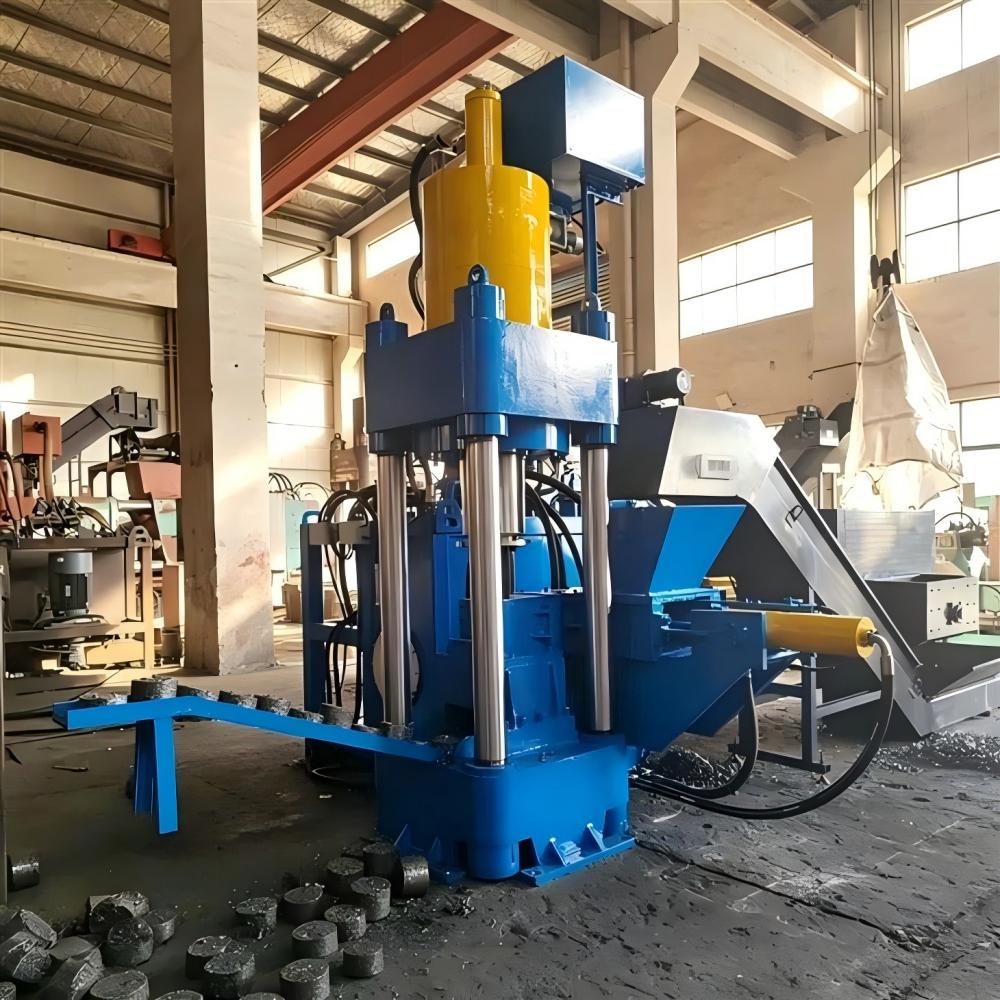
Key Considerations for Waste Management Efficiency
Before investing in a briquetting machine, it is essential to analyze the current state of your waste management. The primary consideration is the volume of metal chips produced daily. If your facility generates a consistent stream of iron, steel, aluminum, or copper chips, the logistics of storing and removing these materials can be a major bottleneck. A briquetting machine acts as a volume reduction system, often shrinking the volume of the waste by up to 90%, which drastically simplifies storage and handling.
Another critical factor is the presence of cutting fluids. In many machining operations, chips are soaked in coolant. When these chips are stored in bins, the coolant drains to the bottom, creating a mess and potential safety hazards. A high-quality briquetting machine is designed to press these chips with extreme force, effectively squeezing out the coolant. This recovered fluid can be filtered and reused, leading to substantial savings on chemical procurement costs over time.
Environmental compliance and safety are also paramount. Loose metal chips are sharp and can cause injuries to workers handling them. Furthermore, the oil-soaked nature of the chips poses a fire risk and potential soil contamination issues. By compacting these chips into solid, dry briquettes, you eliminate the risk of oil leakage and create a safer, cleaner working environment for your staff. This shift often leads to lower insurance premiums and better adherence to environmental regulations.
Finally, consider the market value of your scrap. Smelters and foundries prefer dense, clean briquettes over loose, oily chips. Briquettes are easier to melt, have a higher yield, and are free from the impurities that often plague loose scrap. By selling briquettes instead of raw chips, manufacturers can often command a higher price per ton from metal recyclers. This transformation turns a disposal cost into a profitable secondary revenue stream, making the briquetting machine a self-funding investment.
Technical Details: How the HARSLE Briquetting Machine Works
The HARSLE briquetting machine operates on the principle of high-pressure hydraulic compaction. The process begins with the collection of metal chips, which are fed into a hopper. From there, an auger or a conveyor system moves the material into a compression chamber. The machine’s hydraulic cylinder then exerts immense pressure on the chips, forcing them into a dense, cylindrical shape. This mechanical force is sufficient to overcome the elasticity of the metal, ensuring the briquette remains intact after ejection.
One of the standout features of HARSLE equipment is the precision of the hydraulic system. The pressure can be adjusted based on the type of metal being processed. For instance, cast iron chips require different compression settings compared to ductile steel or aluminum. The machine’s PLC (Programmable Logic Controller) allows operators to fine-tune these parameters, ensuring that every briquette produced meets the density requirements of the end-user or the foundry. This level of control is vital for maintaining consistent quality.
The fluid recovery system is another technical highlight. As the hydraulic press compresses the chips, the trapped coolant is forced out through specialized drainage channels. This fluid is then collected in a dedicated tank, where it can be processed through a centrifuge or filtration system to remove fine metal particles. This closed-loop approach ensures that the coolant remains clean and effective for longer periods, extending the life of your cutting tools and reducing the frequency of fluid changes.
Durability is at the core of HARSLE’s engineering. The compression chamber is typically lined with wear-resistant materials to withstand the abrasive nature of metal chips. The hydraulic seals and valves are sourced from top-tier suppliers to ensure long-term reliability under continuous operation. Maintenance is simplified through modular design, allowing for quick access to critical components for routine inspections and parts replacement, ensuring that your production line experiences minimal downtime.
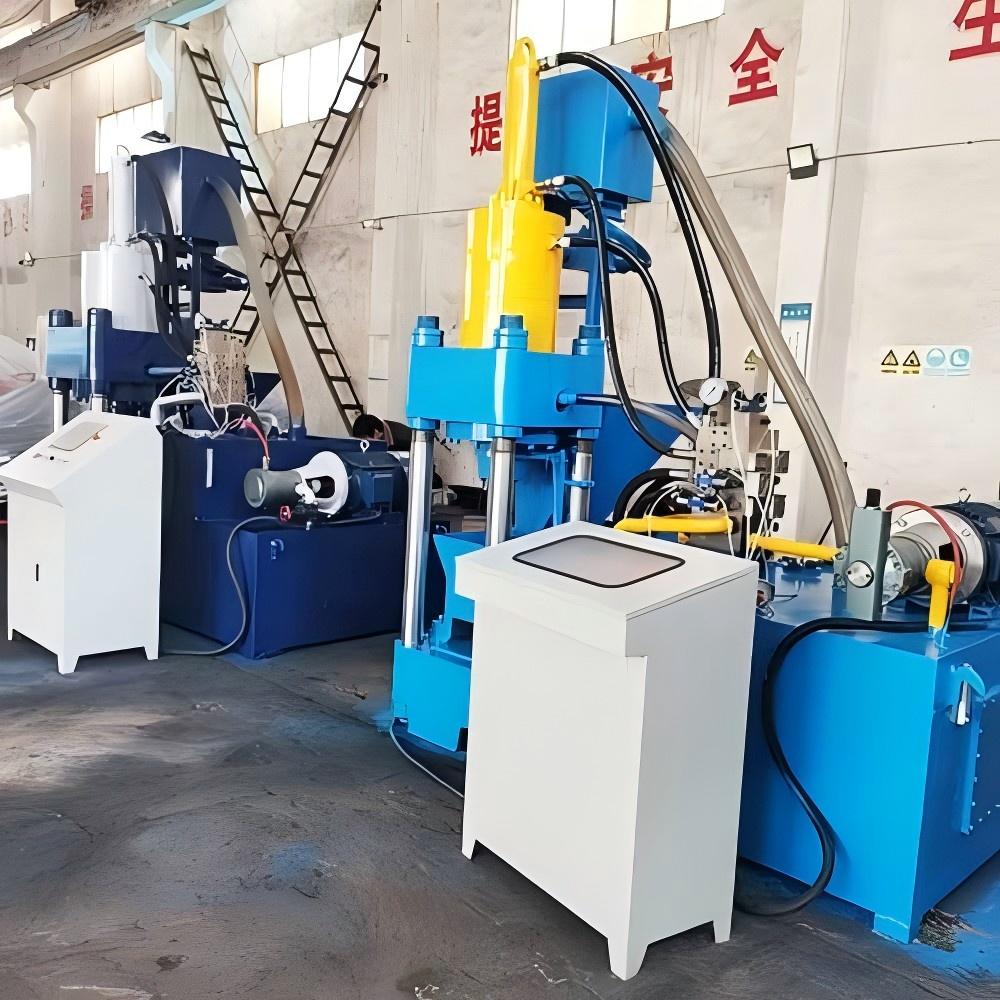
Case Study: A Real-World Transformation
In our case study, a mid-sized automotive component manufacturer was struggling with the logistics of their iron chip waste. They were generating nearly 15 tons of loose, oily iron chips per month. The cost of hiring a specialized waste disposal company to haul away these bulky, hazardous materials was eating into their profit margins. Additionally, they were spending thousands of dollars annually on new cutting fluids, as the old fluid was being discarded along with the chips.
After installing a HARSLE briquetting machine, the results were immediate. The volume of their waste was reduced by 85%, meaning they only needed to arrange for a pickup once every three months instead of weekly. The space previously occupied by massive, overflowing chip bins was repurposed for an additional CNC machining center, directly increasing their production capacity. The floor became cleaner, and the safety incidents related to sharp chips and slippery oil spills dropped to zero.
The financial impact was equally impressive. By recovering 80% of the cutting fluid from the chips, the company reduced their annual coolant procurement costs by nearly 40%. Furthermore, the local foundry, impressed by the high density and cleanliness of the briquettes, agreed to pay a premium price for the scrap. The ROI for the machine was achieved in just 14 months, far exceeding the company’s initial expectations for the project.
This case study demonstrates that the ‘Briquetting Machine In Action: A Real Case Of Handling Iron Chip Waste More Efficiently’ is not just a theoretical concept. It is a practical, proven strategy for any facility looking to modernize its operations. By focusing on the recovery of resources and the reduction of waste volume, the manufacturer was able to turn a logistical headache into a competitive advantage, proving that sustainability and profitability go hand in hand.
Selection Advice: Choosing the Right Machine for Your Facility
Selecting the right briquetting machine requires a careful assessment of your specific operational needs. Start by identifying the type of metal you process most frequently. While most machines can handle various materials, some are optimized for specific alloys. If you process a mix of materials, ensure that the machine you choose has a quick-change die system or a flexible PLC program that can handle different compression profiles without requiring extensive manual recalibration.
Capacity is another critical selection criterion. You should calculate your peak chip generation rate to ensure the machine can keep up with your production flow. It is often wise to choose a machine with a slightly higher capacity than your current needs to allow for future growth. A machine that is constantly running at 100% capacity will experience faster wear and tear, whereas one that operates at 70-80% capacity will provide a longer service life and more consistent performance.
Consider the footprint of the machine. In many fabrication shops, floor space is at a premium. HARSLE offers various configurations, including compact models that can be placed directly next to a CNC machine, as well as larger, centralized systems that process chips from multiple sources via a conveyor network. Evaluate your shop layout to determine which configuration will minimize material handling and maximize workflow efficiency.
Finally, look for a manufacturer that provides comprehensive support. A briquetting machine is a significant investment, and you need a partner who offers reliable technical support, readily available spare parts, and training for your operators. HARSLE prides itself on its customer-centric approach, providing detailed documentation and remote diagnostic capabilities to ensure that your machine remains operational and efficient throughout its entire lifecycle.
الأسئلة الشائعة
1. What types of metal can be processed by a HARSLE briquetting machine?
HARSLE briquetting machines are versatile and can process a wide range of metal chips, including iron, steel, aluminum, copper, brass, and even some exotic alloys. The key is to ensure the machine is configured correctly for the specific density and hardness of the material.
2. How much space does a briquetting machine save?
On average, a briquetting machine can reduce the volume of loose metal chips by 80% to 90%. This allows you to store significantly more material in the same footprint and reduces the frequency of waste collection trips.
3. Is the recovered cutting fluid reusable?
Yes. The fluid recovered during the briquetting process is typically high-quality coolant. Once it passes through a filtration or centrifuge system to remove fine metal particles, it can be safely returned to your machine tools, significantly reducing your annual coolant costs.
4. How long does it take to see a return on investment?
The ROI depends on your volume of waste, the cost of disposal, and the value of the recovered fluid. Most of our clients see a full return on their investment within 12 to 24 months through a combination of reduced disposal fees, increased scrap value, and lower coolant procurement costs.
5. Does the machine require specialized maintenance?
Routine maintenance is straightforward and involves checking hydraulic fluid levels, inspecting seals, and cleaning the compression chamber. HARSLE provides a detailed maintenance schedule and training to ensure your team can handle these tasks efficiently.
Conclusion: The Future of Sustainable Fabrication
The integration of a briquetting machine is a hallmark of a modern, efficient, and environmentally responsible metal fabrication facility. As we have seen through the case study of our automotive client, the benefits extend far beyond simple waste reduction. By reclaiming valuable fluids, optimizing storage space, and increasing the market value of scrap, manufacturers can transform a traditional cost center into a source of recurring revenue.
HARSLE is committed to providing the technology and expertise necessary to help our clients achieve these goals. Our briquetting machines are designed for durability, precision, and ease of use, ensuring that your transition to a more efficient waste management system is as seamless as possible. In an industry where every percentage point of efficiency matters, investing in the right equipment is the most effective way to stay ahead of the competition.
As you evaluate your own production processes, consider the hidden potential in your metal swarf. Are you paying to dispose of a valuable resource? Is your shop floor cluttered with inefficient waste bins? If so, it is time to consider the ‘Briquetting Machine In Action: A Real Case Of Handling Iron Chip Waste More Efficiently.’ Contact HARSLE today to learn more about how our solutions can be tailored to your specific needs and help you build a more profitable, sustainable future for your business.