Case Study: From Congestion to Efficiency with a Reliable Container Shear

Introduction: The Challenge of Modern Scrap Processing
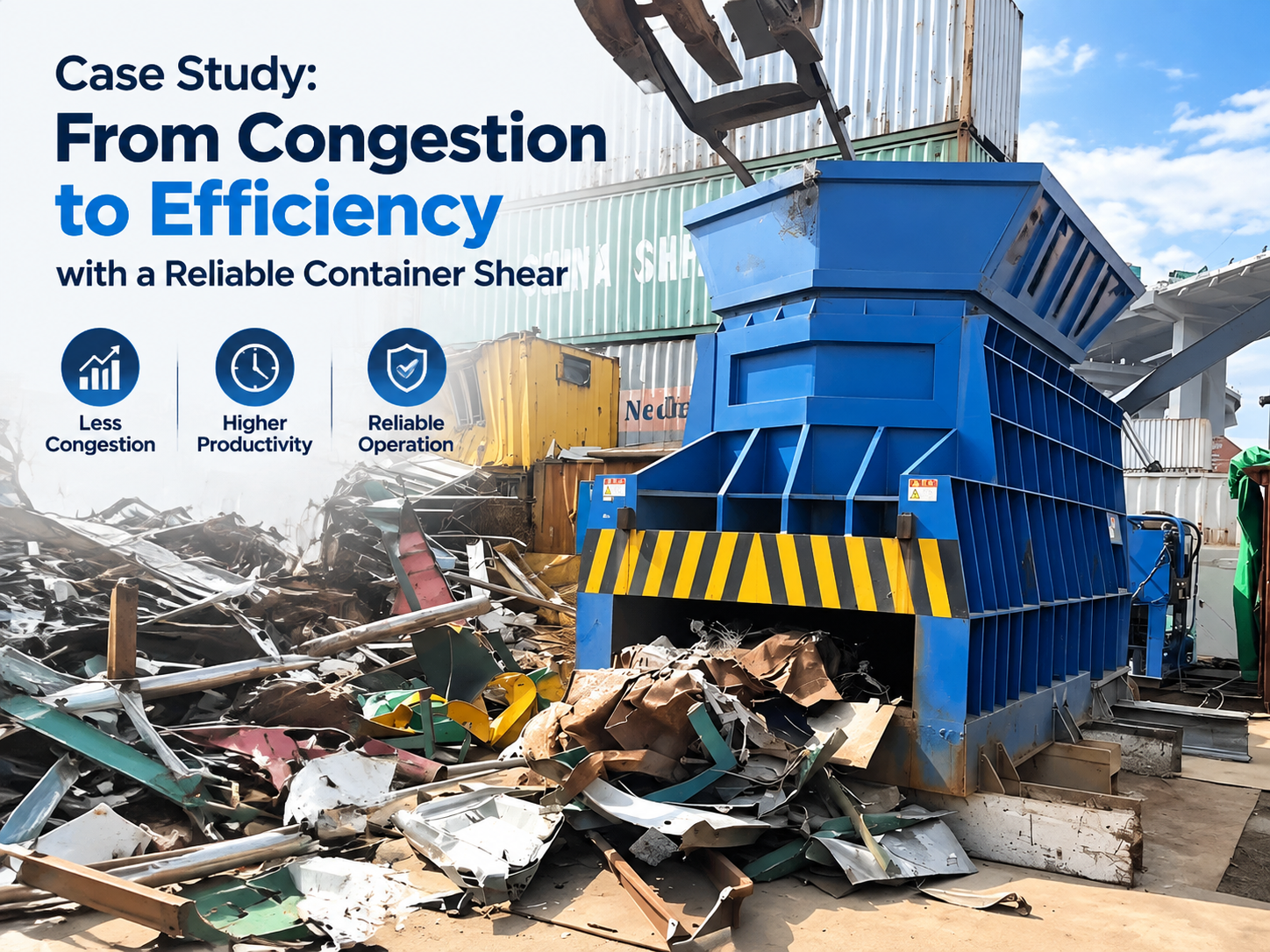
In the fast-paced world of metal recycling and fabrication, the primary enemy of profitability is congestion. For many scrap yards and metal processing facilities, the arrival of bulk materials often leads to a logistical nightmare. When processing speeds cannot keep up with the volume of incoming scrap, the yard becomes cluttered, safety risks increase, and operational costs skyrocket. This article explores a comprehensive Case Study: From Congestion to Efficiency with a Reliable Container Shear, highlighting how HARSLE’s advanced engineering solutions solve these critical industrial bottlenecks.
The facility in question was struggling with a classic industrial dilemma: their legacy shearing equipment was prone to frequent downtime and lacked the force required to process heavy-gauge structural steel. As a result, trucks were left idling for hours, and the processing floor was constantly backed up with unprocessed materials. The management team realized that without a significant upgrade to their primary shearing technology, they would continue to lose market share to more agile competitors.
By integrating a high-capacity HARSLE container shear, the facility underwent a radical transformation. This case study details the transition from a state of chaotic congestion to a streamlined, high-efficiency workflow. We will examine the technical specifications that made this possible, the selection criteria used by the engineering team, and the long-term operational benefits of investing in reliable, heavy-duty metal fabrication equipment.
Understanding the role of a container shear is essential for any facility manager looking to optimize their throughput. Unlike traditional alligator shears or manual cutting methods, a container shear provides a fully automated, high-force solution that minimizes human intervention while maximizing output. This article serves as an industrial machinery guide for those looking to replicate these results in their own operations.
Key Considerations for Eliminating Operational Bottlenecks
When analyzing the root causes of congestion in a metal processing environment, it is rarely just one factor at play. Often, it is a combination of outdated equipment, poor material flow, and inadequate shearing force. In our Case Study: From Congestion to Efficiency with a Reliable Container Shear, the first step was identifying the specific points of failure. The facility was using a manual sorting process that required heavy machinery to move materials multiple times before they reached the shear, creating a significant “double-handling” penalty.
The second key consideration was the shear force capacity. The facility frequently received oversized structural beams and heavy plate steel that their existing equipment could not handle in a single pass. This necessitated secondary cutting, which doubled the time spent on each load. By switching to a HARSLE container shear, the facility was able to process these materials in a single, continuous cycle, effectively cutting their processing time per ton by over 40%.
Safety and maintenance also played a pivotal role in the decision-making process. Older machines often require frequent manual adjustments and pose higher risks to operators. A modern container shear features integrated safety sensors, automated lubrication systems, and remote diagnostic capabilities. These features ensure that the machine remains operational for longer periods, reducing the frequency of emergency maintenance calls that typically halt production.
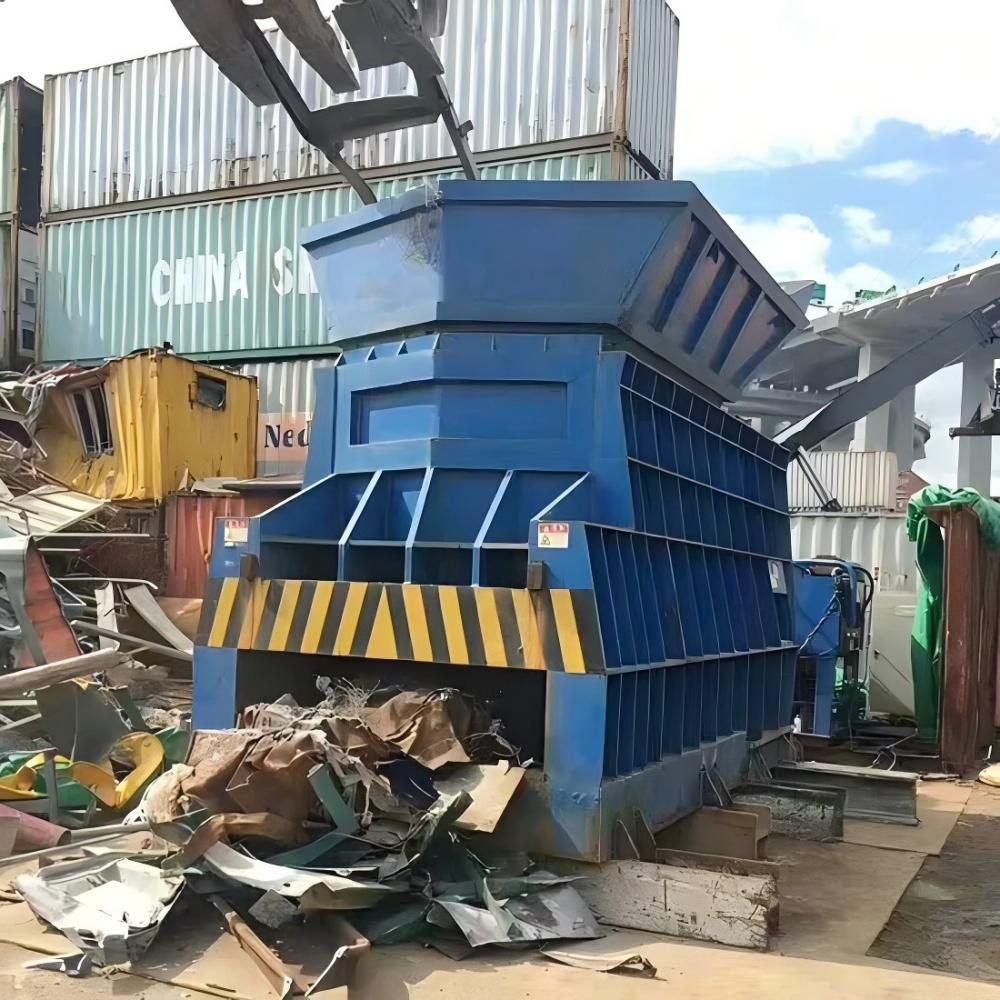
Finally, the spatial footprint of the equipment was a major concern. The yard was already congested, so adding a massive piece of machinery seemed counterintuitive. However, the HARSLE container shear is designed with a compact, integrated footprint that combines the feeding, compressing, and shearing functions into one unit. This allowed the facility to reclaim valuable floor space, which was then repurposed for organized material staging, further reducing congestion.
Technical Details: The Power Behind the Performance
The success of this transition relied heavily on the technical superiority of the HARSLE container shear. At the heart of the machine is a high-pressure hydraulic system capable of delivering immense shearing force. This force is essential for clean, precise cuts on heavy-duty scrap, ensuring that the final product meets the strict size requirements of steel mills and foundries. The hydraulic system is engineered for longevity, featuring high-grade seals and robust pumps that withstand the rigors of 24/7 operation.
The feeding mechanism is another critical technical component. The container shear utilizes a heavy-duty compression chamber that forces bulky scrap into a dense, manageable shape before it reaches the shear blade. This pre-compression is the secret to high-efficiency processing. By densifying the material, the machine ensures that every stroke of the shear blade is utilized to its maximum potential, preventing the “air cutting” that often plagues less sophisticated equipment.
Control systems in modern HARSLE equipment are fully programmable. Operators can select different cutting modes based on the type of material being processed—whether it is light sheet metal or heavy structural steel. This versatility allows the facility to handle a diverse range of incoming scrap without needing to switch between different machines. The PLC (Programmable Logic Controller) interface provides real-time data on cycle times, pressure levels, and maintenance alerts, allowing for proactive management of the machine’s health.
Durability is non-negotiable in this industry. The shear blades are manufactured from specialized, wear-resistant alloys that maintain their edge even after thousands of cycles. In our case study, the facility noted that the frequency of blade sharpening was reduced by 60% compared to their previous equipment. This reduction in downtime is a direct contributor to the increased efficiency and profitability observed after the installation.
Selection Advice: Choosing the Right Shear for Your Facility
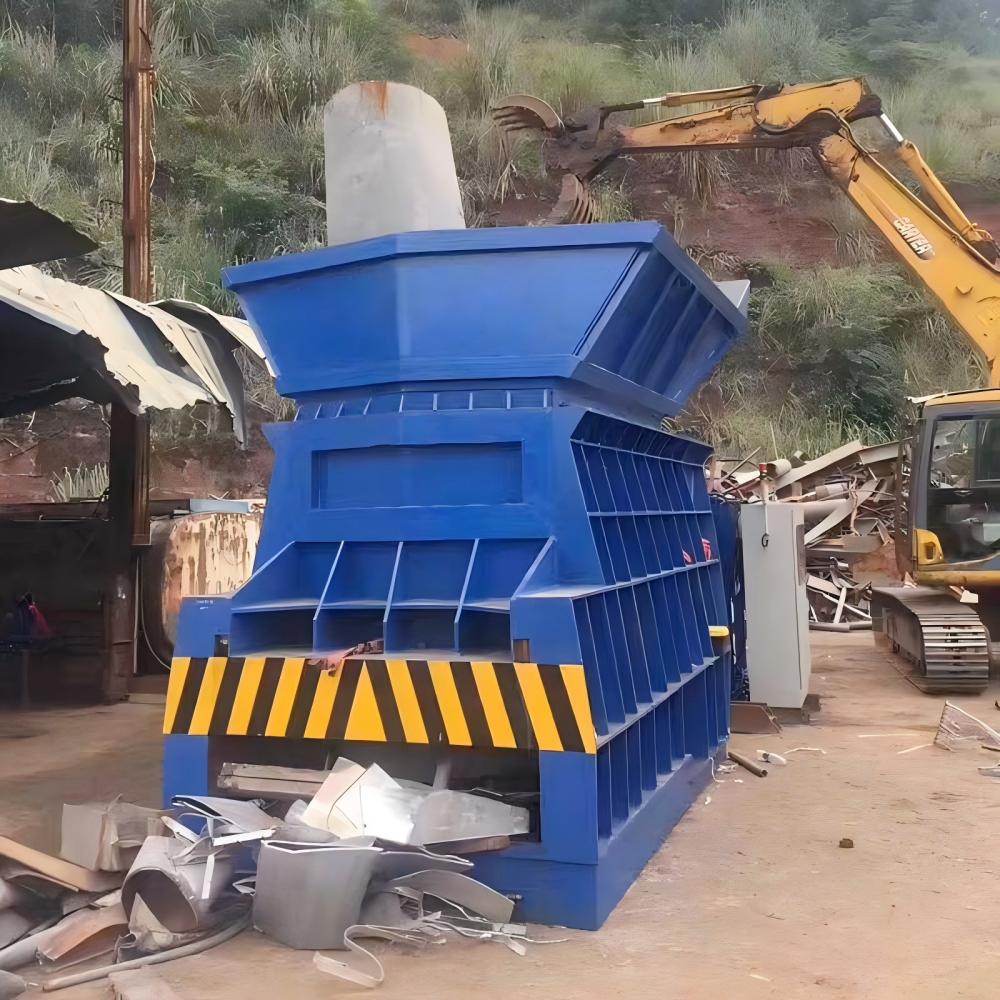
Selecting the right container shear is a significant capital investment that requires careful planning. Based on the Case Study: From Congestion to Efficiency with a Reliable Container Shear, we recommend that facility managers begin by conducting a thorough audit of their material stream. What is the average thickness of the scrap? What is the volume of material processed per day? These metrics will dictate the required shear force and the necessary size of the compression chamber.
Another factor to consider is the power source. While electric-hydraulic systems are standard, some remote locations may require diesel-powered alternatives. HARSLE offers customizable configurations to meet these specific site requirements. Additionally, consider the integration of the shear with your existing material handling equipment, such as cranes or conveyor belts. A seamless integration is vital to maintaining a high-speed workflow.
Do not overlook the importance of after-sales support and spare parts availability. A container shear is a long-term asset, and you need a partner who can provide technical support and replacement parts quickly. HARSLE’s global network ensures that even in remote locations, downtime is minimized through rapid response times and expert guidance. When evaluating quotes, look beyond the initial purchase price and consider the Total Cost of Ownership (TCO), including energy consumption, maintenance costs, and expected lifespan.
Finally, involve your operators in the selection process. They are the ones who will be running the machine daily. Their feedback on the control interface, the ease of loading, and the safety features can be invaluable. A machine that is intuitive to operate will lead to higher productivity and fewer errors, further cementing the efficiency gains achieved by the upgrade.
الأسئلة الشائعة
1. How does a container shear differ from a traditional alligator shear?
A container shear is designed for high-volume, automated processing. It includes a compression chamber that densifies material before shearing, whereas an alligator shear is typically manual and limited to smaller, individual pieces. The container shear is far more efficient for large-scale industrial operations.
2. What maintenance is required for a HARSLE container shear?
Routine maintenance includes checking hydraulic fluid levels, inspecting shear blades for wear, and ensuring the lubrication system is functioning correctly. HARSLE provides a comprehensive maintenance schedule that, when followed, significantly extends the life of the machine.
3. Can a container shear handle mixed scrap?
Yes, HARSLE container shears are designed to handle a wide variety of scrap, including mixed metals, structural steel, and light sheet metal. The programmable controls allow for adjustments based on the material density and hardness.
4. How much space is needed to install a container shear?
While the machine is powerful, its footprint is optimized for efficiency. We recommend a dedicated area with a reinforced concrete foundation to support the weight and vibration of the machine. Our engineering team provides layout assistance to ensure optimal placement within your yard.
5. Is specialized training required to operate the machine?
While the HARSLE interface is user-friendly, we recommend professional training for your operators to ensure they understand the safety protocols, maintenance requirements, and advanced features of the machine. This training is included as part of our commissioning process.
Conclusion: The Path to Sustainable Efficiency
The journey from congestion to efficiency is not merely about buying a new machine; it is about adopting a more intelligent approach to metal processing. As demonstrated in this Case Study: From Congestion to Efficiency with a Reliable Container Shear, the right equipment acts as a catalyst for broader operational improvements. By reducing double-handling, increasing processing speed, and ensuring consistent output quality, the HARSLE container shear allows facilities to transform their scrap yards into high-performance profit centers.
Investing in reliable metal fabrication equipment is a strategic decision that pays dividends in the form of reduced labor costs, improved safety, and higher material throughput. As the industry continues to evolve, the ability to process scrap quickly and accurately will remain a key differentiator for successful businesses. HARSLE remains committed to providing the innovative technology and support necessary to help our clients navigate these challenges and achieve long-term success.
If you are currently facing bottlenecks in your operation, we invite you to reach out to our team for a consultation. Whether you are looking to upgrade a single piece of equipment or overhaul your entire processing line, we have the expertise and the machinery to help you reach your goals. Let us help you turn your congestion into a competitive advantage.