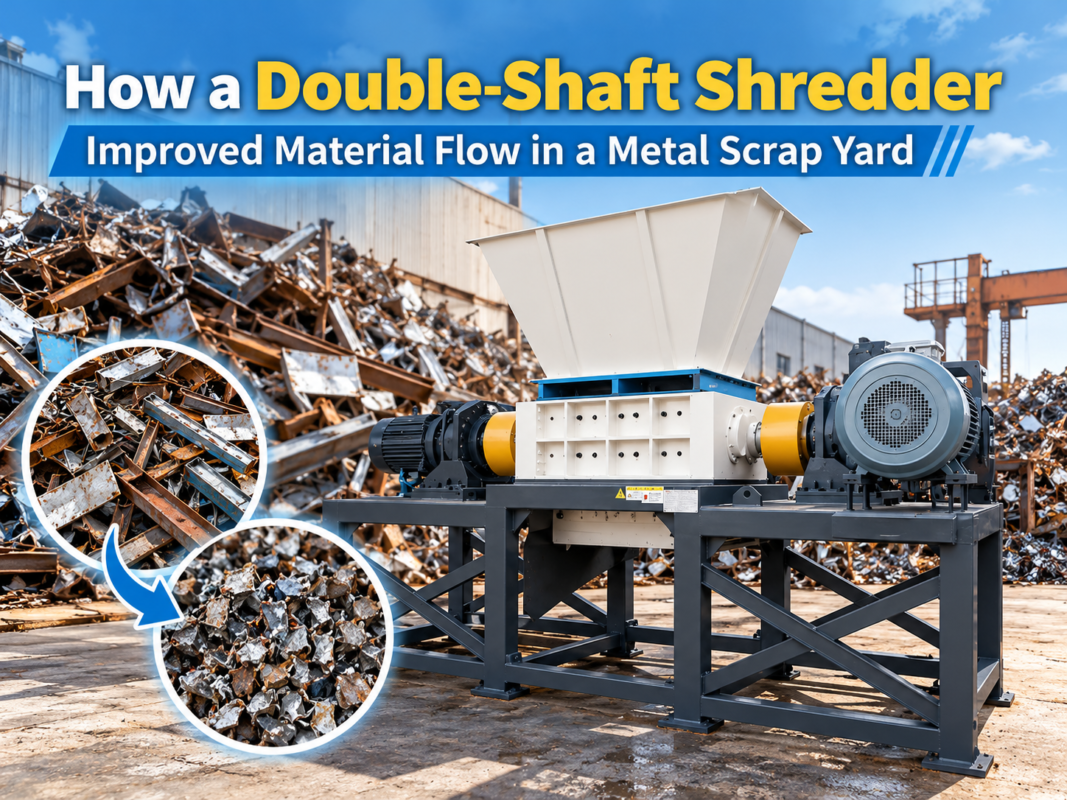
Case Study: Cutting Large Metal Containers More Efficiently with HARSLE Equipment

Introduction
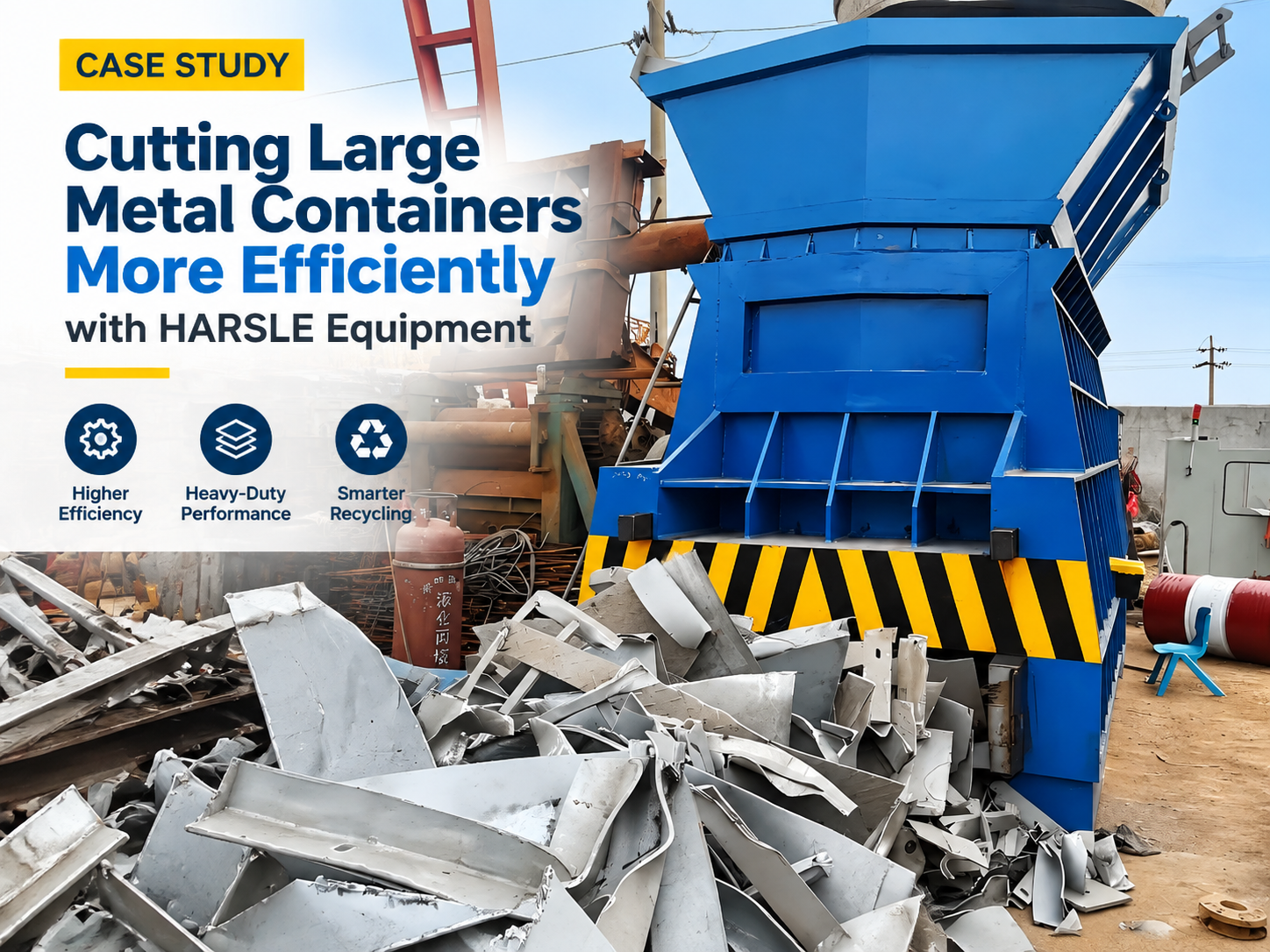
In the modern landscape of metal fabrication and industrial recycling, the ability to process large-scale materials with precision and speed is a critical competitive advantage. Large metal containers, often decommissioned from shipping, logistics, or industrial storage, represent a significant challenge for traditional cutting equipment. The sheer volume, thickness, and structural integrity of these containers require specialized machinery capable of delivering immense force without compromising on safety or operational efficiency. This article explores a comprehensive Case Study: Cutting Large Metal Containers More Efficiently Harsle Equipment, highlighting how HARSLE’s advanced engineering solutions have transformed the workflow for high-volume metal processors.
Efficiency in metal fabrication is not merely about the speed of the cut; it is about the integration of power, material handling, and long-term machine reliability. When a facility transitions from manual or outdated cutting methods to high-performance HARSLE container shears, the impact on throughput is immediate. By analyzing the technical requirements of heavy-duty container processing, we can better understand why HARSLE has become a preferred partner for industrial operations globally. This case study serves as a blueprint for businesses looking to optimize their metal processing lines.
Throughout this analysis, we will examine the specific pain points faced by metal recyclers and fabricators, such as material deformation, excessive downtime, and safety hazards associated with manual cutting. We will then demonstrate how HARSLE’s equipment addresses these issues through intelligent design and robust hydraulic systems. Whether you are managing a scrap yard or a large-scale fabrication plant, the lessons learned from this case study provide actionable insights into scaling your operations effectively.
Key Considerations for Large-Scale Metal Processing
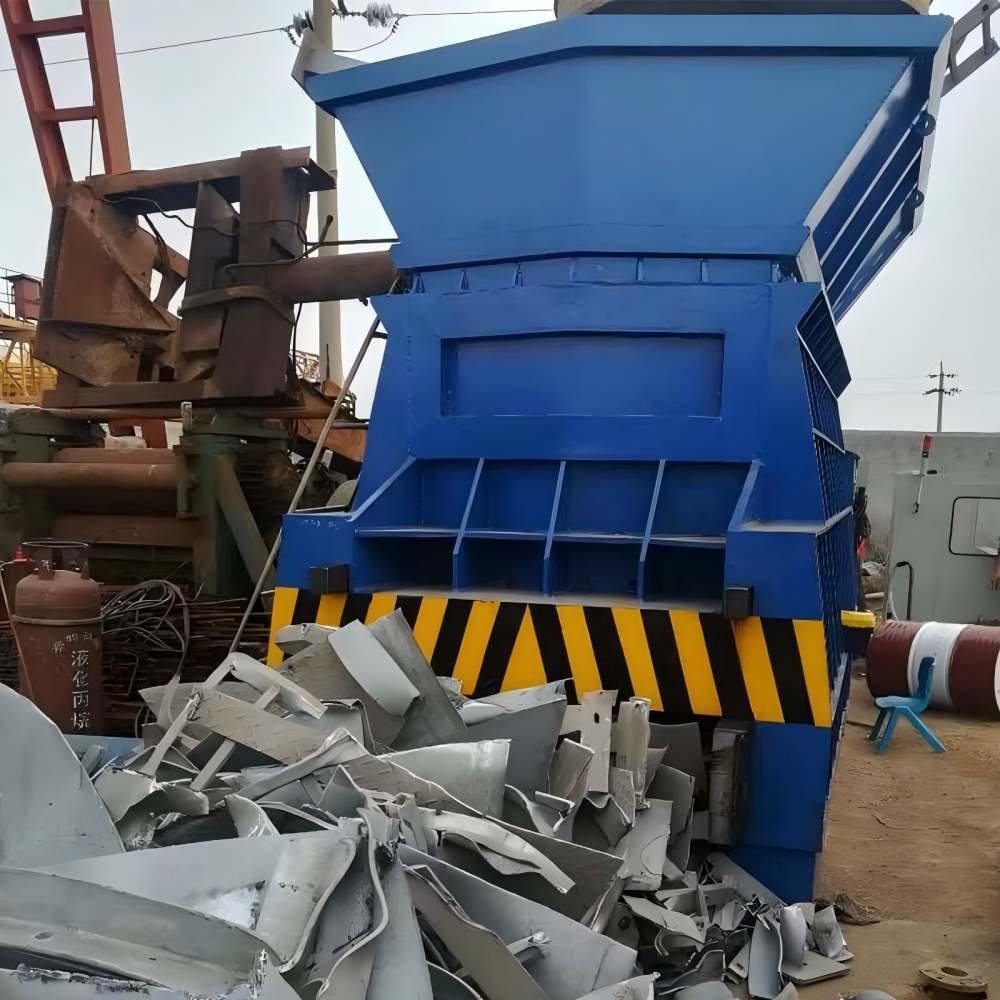
When dealing with large metal containers, the primary consideration is the structural complexity of the material. Shipping containers are designed to withstand extreme environmental conditions, meaning they are constructed from high-tensile steel with reinforced corners and corrugated walls. Processing these requires a machine that can handle variable thicknesses and irregular shapes without requiring constant adjustments. A standard shear often fails to provide the necessary clearance or force, leading to bottlenecks in the production line.
Another critical factor is the safety of the operators. Manual cutting methods, such as plasma torches or handheld grinders, expose workers to hazardous fumes, intense heat, and the risk of structural collapse during the cutting process. By implementing automated HARSLE equipment, facilities can move operators away from the immediate cutting zone, significantly reducing workplace accidents. The integration of safety light curtains and emergency stop systems ensures that the machinery operates within strict safety parameters, which is essential for compliance with international industrial standards.
Operational downtime is the silent killer of profitability in the metal fabrication industry. Frequent blade changes, hydraulic leaks, and mechanical failures can halt production for days. HARSLE equipment is designed with modular components and high-grade wear parts that extend the interval between maintenance cycles. In our case study, the facility noted that by switching to HARSLE, they reduced their maintenance-related downtime by nearly 40%, allowing for a more predictable and consistent output of processed metal.
Finally, the environmental impact and material recovery rates must be considered. Efficient cutting ensures that the metal is sheared into uniform, manageable sizes, which is vital for downstream processing such as smelting or baling. Poorly cut scrap often contains contaminants or is too bulky for efficient transport, increasing logistics costs. HARSLE shears provide clean, precise cuts that maximize the density of the scrap, making it easier to transport and more valuable to end-buyers in the recycling market.
Technical Details of HARSLE Container Shears
The core of the HARSLE advantage lies in the hydraulic power unit and the structural rigidity of the shear frame. These machines are engineered to deliver consistent force throughout the entire stroke, ensuring that even the thickest sections of a container are sliced cleanly. The hydraulic system is equipped with advanced pressure-sensing technology that adjusts the cutting force based on the resistance of the material, preventing unnecessary strain on the machine while ensuring a clean finish.
The blade geometry is another technical highlight. HARSLE utilizes high-alloy tool steel blades that are heat-treated for maximum hardness and toughness. These blades are designed to resist chipping and wear, even when encountering hardened steel reinforcements or welds within the container structure. The clearance between the upper and lower blades is adjustable, allowing operators to fine-tune the machine for different material gauges, which is essential for maintaining cut quality over the lifespan of the equipment.
Control systems in HARSLE equipment are designed for the modern industrial environment. With intuitive PLC (Programmable Logic Controller) interfaces, operators can program specific cutting patterns, monitor hydraulic pressure in real-time, and track machine health diagnostics. This level of automation allows for a “set and forget” workflow where the machine handles the heavy lifting, and the operator focuses on material feeding and quality control. The integration of remote monitoring capabilities also allows HARSLE technicians to assist with troubleshooting, further minimizing potential downtime.
Structural integrity is paramount. The frame of a HARSLE container shear is constructed from stress-relieved, heavy-duty steel plates, ensuring that the machine does not flex under load. This rigidity is what allows for the high precision of the cuts. If a machine frame flexes, the blade clearance changes, leading to burrs and incomplete cuts. HARSLE’s commitment to heavy-duty construction ensures that the machine remains accurate for years, even under the most demanding 24/7 operational cycles.
Selection Advice: Choosing the Right Equipment
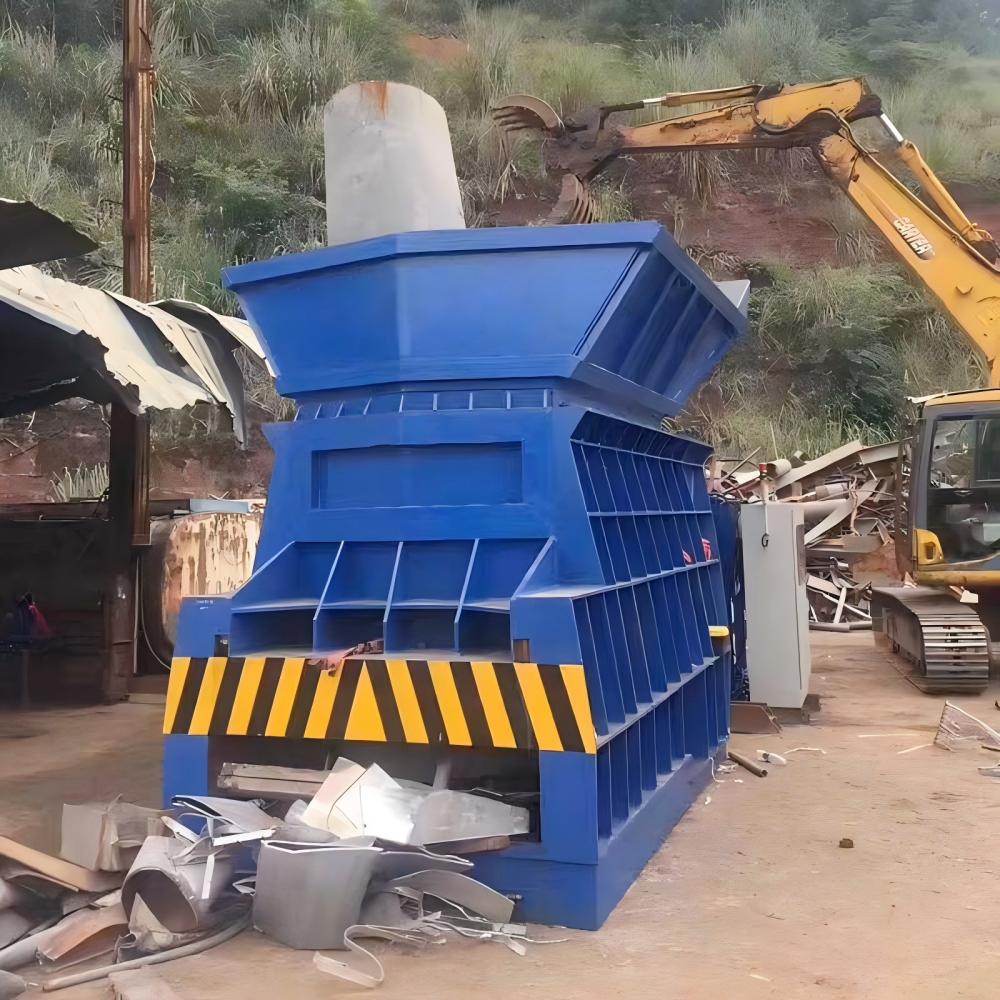
Selecting the right container shear requires a thorough assessment of your current and future throughput requirements. Start by analyzing the average thickness and dimensions of the containers you process. If your facility handles a mix of light-gauge shipping containers and heavy-duty industrial tanks, you need a machine with a versatile cutting capacity and a wide throat depth. HARSLE offers a range of models, and choosing the right one depends on balancing your peak load requirements with your budget.
Consider the footprint of the machine within your facility. Large-scale shears require significant space for material loading and unloading. Evaluate your current floor plan and consider how the material flow will move through the shear. HARSLE provides consultation services to help optimize the layout of your facility, ensuring that the shear is integrated seamlessly into your existing production line. This often involves planning for conveyor systems or crane access to keep the machine fed consistently.
Don’t overlook the importance of after-sales support and spare parts availability. A machine is only as good as the support behind it. HARSLE has built a reputation for providing comprehensive technical support, including training for your staff and a reliable supply chain for wear parts like blades and seals. When evaluating your options, ask about the lead time for critical components and the availability of local service technicians. This is a long-term investment, and the partnership with the manufacturer is just as important as the hardware itself.
Finally, consider the energy efficiency of the hydraulic system. Modern HARSLE shears are designed with energy-saving features, such as variable frequency drives (VFDs) that adjust motor speed based on demand. This not only reduces your electricity costs but also lowers the thermal load on the hydraulic oil, extending the life of the system. When comparing quotes, look beyond the initial purchase price and calculate the total cost of ownership, including energy consumption, maintenance, and expected machine lifespan.
FAQ: Frequently Asked Questions
1. How does a HARSLE container shear improve safety compared to manual cutting?
HARSLE shears remove the need for manual torch cutting, which eliminates risks like fire, toxic fumes, and physical strain. The automated process keeps operators at a safe distance from the cutting zone, and integrated safety sensors prevent operation if the area is compromised.
2. Can HARSLE equipment handle reinforced steel corners on shipping containers?
Yes, HARSLE shears are specifically engineered with high-tensile strength blades and robust hydraulic systems to cut through reinforced structural steel, including the corner castings of standard shipping containers.
3. What is the typical maintenance schedule for these machines?
Maintenance involves routine checks of hydraulic fluid levels, blade clearance adjustments, and periodic sharpening or replacement of the shear blades. HARSLE provides a detailed maintenance manual and digital diagnostics to help you stay on track.
4. Is it possible to integrate HARSLE shears into an automated conveyor line?
Absolutely. HARSLE equipment is designed to be modular and can be easily integrated with automated feeding and discharge conveyor systems to create a fully continuous processing line.
5. How do I determine which model is right for my facility?
The best approach is to contact a HARSLE representative with your specific material data, including the maximum thickness and dimensions of the containers you process. They can perform a capacity analysis to recommend the most efficient model for your needs.
Conclusion
The transition to high-performance machinery is a defining moment for any metal fabrication or recycling business. As demonstrated in this Case Study: Cutting Large Metal Containers More Efficiently Harsle Equipment, the right technology does more than just cut metal—it optimizes the entire operational workflow. By prioritizing safety, structural integrity, and intelligent automation, HARSLE provides a solution that addresses the complex challenges of processing large metal containers.
Investing in HARSLE equipment is an investment in the future of your facility. With reduced downtime, increased throughput, and a safer working environment, the return on investment is clear. As the demand for efficient metal recycling continues to grow, having the right tools to handle large-scale materials will ensure that your business remains at the forefront of the industry. We encourage you to evaluate your current processes and consider how HARSLE’s engineering excellence can help you achieve new levels of productivity and profitability.