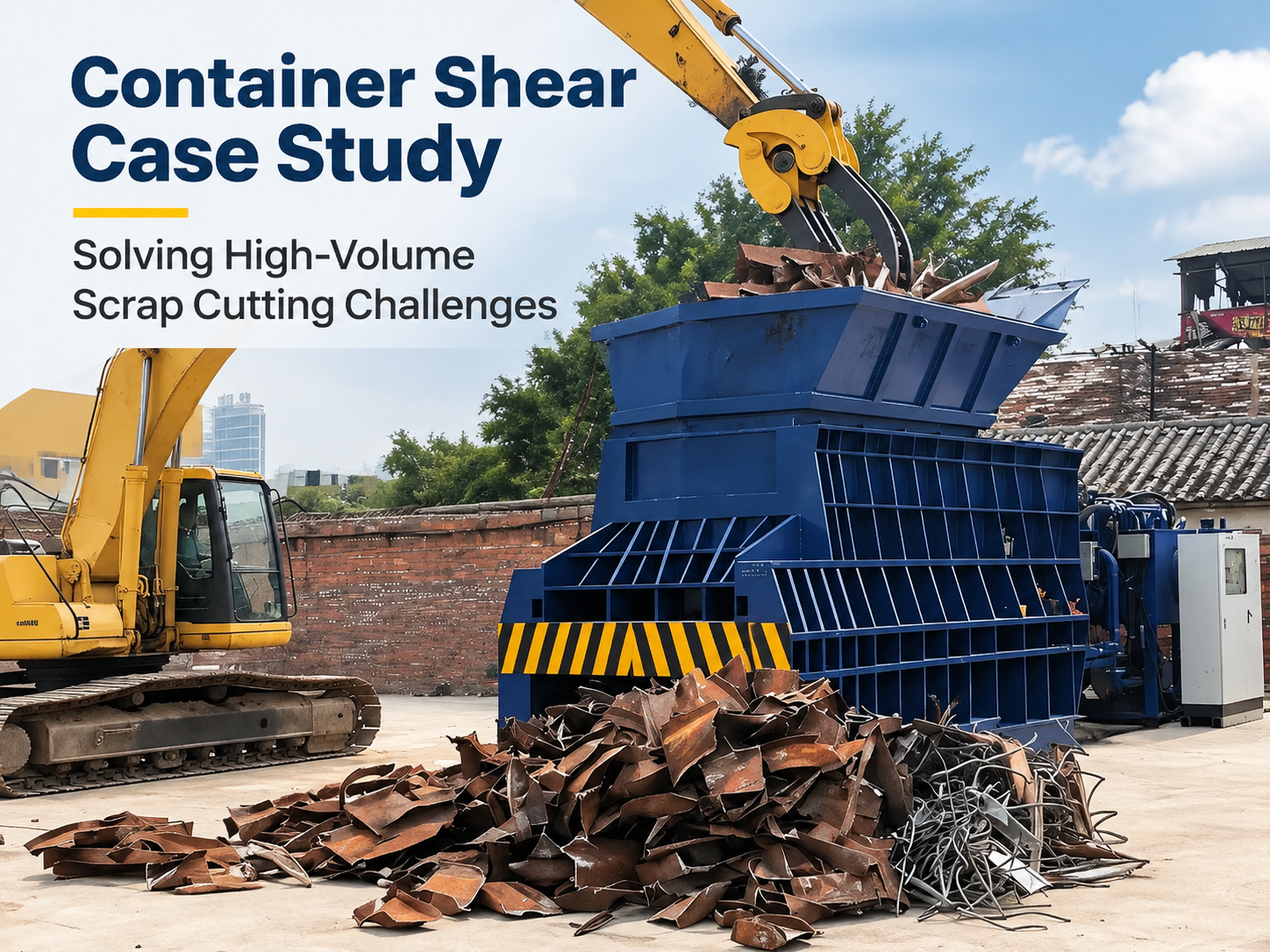
Container Shear Case Study: Solving High-Volume Scrap Cutting Challenges

Introduction: The Evolution of Scrap Metal Processing
In the modern landscape of metal fabrication and recycling, the ability to process scrap metal efficiently is not just a competitive advantage; it is a fundamental requirement for operational viability. As global industrial output increases, so does the volume of metallic waste generated by manufacturing plants, demolition sites, and automotive recycling centers. Managing this volume requires robust, reliable, and high-capacity machinery. This Container Shear Case Study: Solving High-Volume Scrap Cutting Challenges explores how HARSLE has revolutionized the processing capabilities of mid-to-large scale facilities by implementing advanced container shear technology.
The primary challenge faced by most scrap yards and fabrication plants is the bottleneck created by oversized, irregular scrap metal. Traditional cutting methods, such as manual torch cutting or smaller, less powerful shears, are often labor-intensive, hazardous, and incapable of meeting the throughput demands of modern industry. HARSLE’s container shear systems are engineered to address these specific pain points, offering a streamlined, automated solution that transforms bulky scrap into uniform, furnace-ready dimensions with unprecedented speed and precision.
This article provides an in-depth look at how a leading metal recycling facility overcame significant production hurdles by integrating HARSLE’s heavy-duty container shear. By examining the technical specifications, operational workflow, and the tangible ROI achieved through this implementation, we aim to provide a comprehensive guide for facility managers and business owners looking to optimize their scrap processing operations.
Key Considerations for High-Volume Scrap Processing
When evaluating the need for a container shear, facility managers must first assess the nature of their scrap stream. High-volume environments often deal with a mix of light-gauge sheet metal, structural steel beams, and complex automotive components. The diversity of this material requires a machine that is not only powerful but also versatile enough to handle varying densities and thicknesses without constant recalibration or downtime.
Operational safety is another critical consideration. Manual cutting processes expose workers to high temperatures, toxic fumes, and the physical risks associated with handling jagged, heavy metal. A container shear automates the cutting process, keeping operators at a safe distance and significantly reducing the risk of workplace injuries. Furthermore, the enclosed nature of the container shear design helps in noise reduction and debris containment, making it a more environmentally friendly and compliant choice for urban-based facilities.
Throughput efficiency is the metric that dictates the profitability of a scrap yard. The time taken to load, shear, and discharge material directly impacts the bottom line. HARSLE’s systems are designed with high-speed hydraulic cycles and intelligent control systems that minimize idle time. By analyzing the flow of material from the collection point to the final output, facilities can identify bottlenecks that a container shear is uniquely positioned to resolve.
Finally, maintenance and longevity must be factored into the decision-making process. Industrial machinery operating in a scrap environment is subjected to extreme wear and tear. Choosing a machine built with high-grade, wear-resistant steel and featuring accessible maintenance points is essential for ensuring long-term reliability. HARSLE emphasizes modular design, allowing for easier replacement of shear blades and hydraulic components, which keeps the machine running longer and reduces the total cost of ownership.
Technical Details: The HARSLE Advantage
The core of the HARSLE container shear lies in its robust hydraulic architecture. Unlike traditional shears that rely on mechanical linkages, our container shears utilize high-pressure hydraulic cylinders that provide consistent, massive cutting force throughout the entire stroke. This ensures that even the toughest structural steel is sheared cleanly, preventing the jamming issues common in lower-quality equipment.
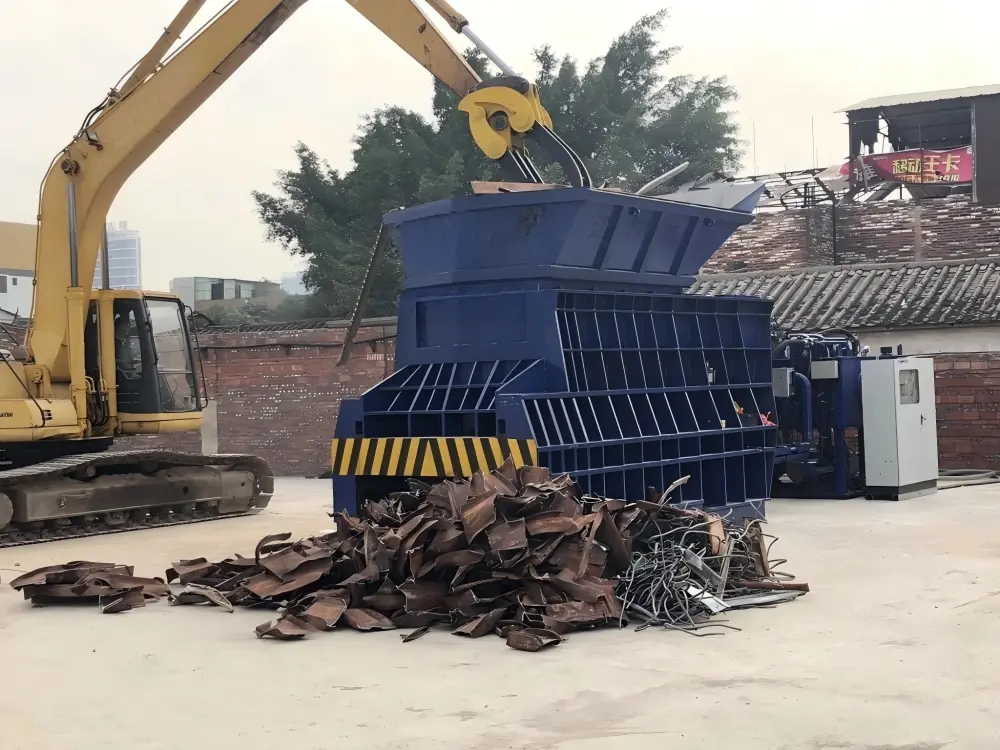
The integration of an automated feeding system is a hallmark of the HARSLE design. The container acts as both a storage unit and a feed mechanism, utilizing a pusher ram to advance the scrap into the cutting zone. This continuous feed process allows for “set it and forget it” operation, where the machine can process large batches of material without requiring constant manual intervention. This level of automation is critical for facilities aiming to scale their operations without proportionally increasing their labor force.
Advanced PLC (Programmable Logic Controller) systems monitor the shear’s performance in real-time. These controllers manage the cutting cycle, adjust pressure based on material resistance, and provide diagnostic feedback to the operator. If a piece of metal is too dense or improperly positioned, the system can automatically reverse the cycle to prevent damage, a feature that significantly extends the lifespan of the blades and the main frame.
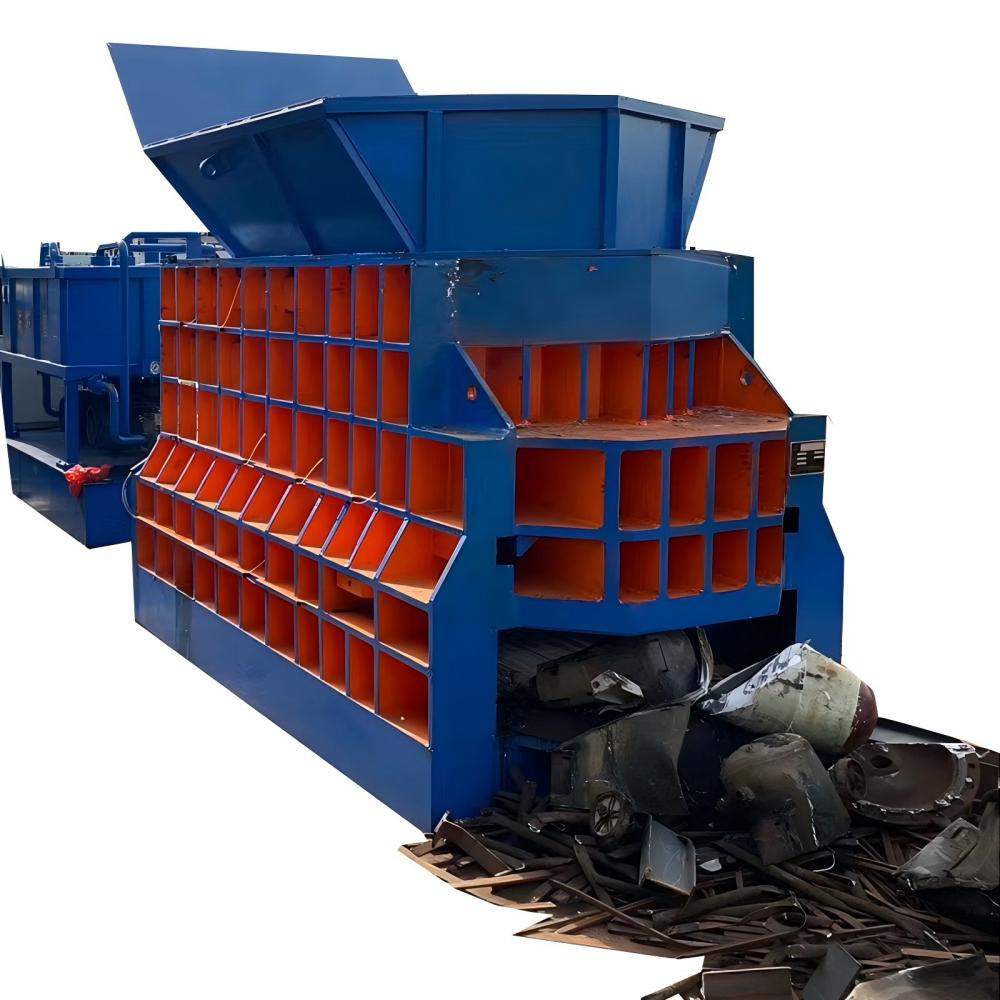
The shear blades themselves are crafted from specialized tool steel, heat-treated to maintain edge sharpness under extreme conditions. The blade clearance is adjustable, allowing operators to fine-tune the machine for different types of metal, from thin aluminum to thick carbon steel. This adjustability ensures that the cut quality remains high, which is essential for maximizing the market value of the processed scrap.
Selection Advice: Choosing the Right Shear for Your Facility
Selecting the right container shear is a strategic investment that requires careful analysis of your current and projected scrap volumes. The first step is to categorize your scrap stream. If your facility primarily processes light-gauge material, a smaller, faster-cycling shear may be more efficient. Conversely, if you are handling heavy structural steel, you will require a machine with a larger throat opening and higher cutting force.
Consider the physical footprint of the machine. While container shears are designed to be compact relative to their output, they still require significant space for loading equipment like excavators or conveyors. Ensure that your facility layout allows for a logical flow of material, minimizing the distance the scrap needs to travel before reaching the shear. HARSLE offers various configurations, including stationary and mobile units, to accommodate different site constraints.
Power requirements should also be evaluated early in the planning phase. High-performance hydraulic systems require substantial electrical power. Before installation, audit your facility’s power grid to ensure it can support the peak load of the shear. HARSLE provides detailed power consumption data to help you prepare your infrastructure, ensuring that the installation process is seamless and free of unexpected electrical upgrades.
Finally, look for a partner, not just a supplier. The support network behind the machinery is as important as the machine itself. HARSLE provides comprehensive training for operators, detailed maintenance manuals, and a responsive technical support team. When evaluating quotes, consider the long-term value of the support package, including the availability of spare parts and the expertise of the service technicians who will assist you throughout the machine’s lifecycle.
الأسئلة الشائعة
- What is the primary benefit of a container shear over a traditional alligator shear?
A container shear offers much higher throughput and automation. While alligator shears are excellent for smaller, manual tasks, container shears are designed for high-volume, continuous processing of large, bulky scrap. - How often do the shear blades need to be replaced?
Blade life depends on the type of material being processed and the volume. However, HARSLE blades are designed for durability, and our adjustable clearance system helps extend their life significantly compared to standard blades. - Can the container shear handle mixed scrap?
Yes, the HARSLE container shear is designed to handle a wide variety of scrap, including mixed metals, provided they are within the machine’s rated cutting capacity. - What kind of maintenance is required for a container shear?
Routine maintenance includes checking hydraulic fluid levels, inspecting blade sharpness, lubricating moving parts, and monitoring the PLC for any diagnostic alerts. HARSLE provides a comprehensive maintenance schedule with every machine. - Is the container shear suitable for outdoor use?
Yes, HARSLE container shears are built with weather-resistant components and can be installed in outdoor scrap yards, provided they are placed on a stable, level foundation.
Conclusion: Transforming Scrap into Profit
The implementation of a HARSLE container shear is more than just an equipment upgrade; it is a fundamental shift in how a facility manages its scrap processing workflow. As demonstrated in this case study, the transition from manual or inefficient cutting methods to a high-capacity, automated container shear system leads to significant improvements in throughput, safety, and overall profitability. By reducing labor costs and increasing the value of processed scrap, the investment pays for itself through operational efficiency.
HARSLE remains committed to providing the metal fabrication and recycling industries with the tools they need to succeed in a demanding market. Our container shears are built to withstand the rigors of heavy-duty use, ensuring that your facility can meet the challenges of high-volume scrap cutting for years to come. We invite you to contact our technical team to discuss your specific requirements and discover how we can help you optimize your scrap processing operations.
In conclusion, the key to solving high-volume scrap cutting challenges lies in the synergy between robust engineering and intelligent automation. With the right equipment, your facility can turn the challenge of scrap management into a streamlined, profitable component of your business. Trust HARSLE to provide the reliability and performance you need to stay ahead of the competition.