النتائج على أرض الواقع: عائد الاستثمار لمكبس هياكل السيارات في منشأة معالجة خردة المعادن

Introduction
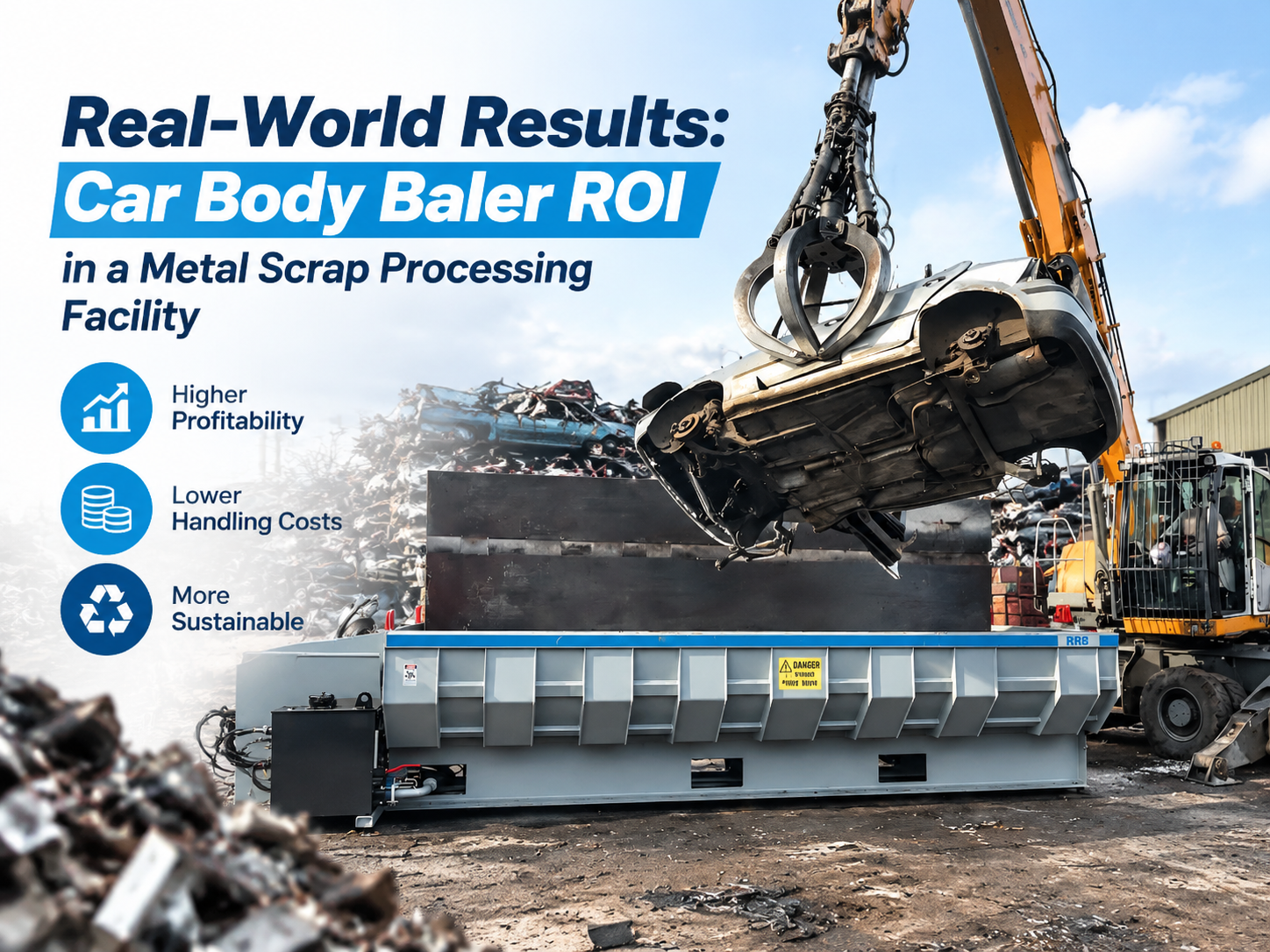
In the modern landscape of metal recycling, the efficiency of a scrap processing facility is directly tied to the density and uniformity of its output. For facilities handling end-of-life vehicles (ELVs), the transition from manual dismantling or inefficient shearing to automated compression is a critical turning point. This article explores the Real-World Results: Car Body Baler ROI In A Metal Scrap Processing Facility, providing a deep dive into how HARSLE machinery optimizes operational costs and maximizes revenue streams.
The economic viability of a scrap yard depends on logistics. Transporting loose, bulky car bodies is prohibitively expensive due to the high volume-to-weight ratio. By utilizing a high-performance car body baler, facilities can compress entire vehicle shells into dense, transportable bales. This not only reduces freight costs by up to 300% but also increases the market value of the scrap, as steel mills prefer high-density, contaminant-free material.
HARSLE has engineered its car body balers to address the specific challenges of the recycling industry, including high throughput requirements, harsh environmental conditions, and the need for low-maintenance operation. Understanding the return on investment (ROI) requires looking beyond the initial purchase price and evaluating the long-term gains in labor reduction, energy efficiency, and logistics optimization.
This guide serves as a comprehensive resource for facility managers and business owners looking to modernize their scrap processing lines. We will examine the technical nuances that drive profitability, the selection criteria for choosing the right equipment, and the real-world metrics that define a successful investment in heavy-duty metal fabrication equipment.

Key Considerations for ROI Analysis
Calculating the ROI of a car body baler involves a multi-faceted approach. The primary driver is the reduction in transportation costs. When a car body is processed into a dense bale, the number of vehicles that can fit onto a single flatbed truck increases significantly. This reduction in the number of trips required to move the same tonnage of metal directly impacts the bottom line, often paying for the machine within the first 18 to 24 months of operation.
Labor savings represent another significant factor. Manual cutting or torching of vehicles is time-consuming, hazardous, and labor-intensive. A hydraulic car body baler automates the compression process, allowing a single operator to process multiple vehicles per hour. By shifting labor hours from manual processing to higher-value tasks like sorting non-ferrous metals or quality control, facilities can achieve a more efficient workforce structure.
Energy consumption and maintenance cycles are critical operational variables. HARSLE balers are designed with energy-efficient hydraulic systems that minimize power draw during idle states and optimize force application during the compression cycle. Furthermore, the durability of the structural steel and the quality of the hydraulic components mean that downtime is minimized, ensuring that the facility maintains a consistent output rate, which is essential for meeting contractual obligations with steel mills.
Finally, the marketability of the processed scrap cannot be overstated. Steel mills and foundries offer better pricing for high-density bales because they are easier to feed into furnaces and have a predictable chemical composition. By producing a superior product, a facility can command a premium price, further accelerating the ROI. When evaluating Real-World Results: Car Body Baler ROI In A Metal Scrap Processing Facility, these factors combine to create a compelling business case for capital investment.
Technical Details of HARSLE Car Body Balers
The technical superiority of HARSLE car body balers lies in their robust hydraulic design and structural integrity. These machines are built to withstand the immense pressure required to compress steel, aluminum, and other alloys found in vehicle frames. The hydraulic cylinders are precision-engineered to provide consistent force, ensuring that every bale meets the density requirements of the end-user.
Key technical features include:
- High-Pressure Hydraulic Systems: Utilizing advanced pump technology to deliver rapid cycle times without sacrificing force.
- Wear-Resistant Liners: The compression chamber is lined with high-tensile, replaceable wear plates that protect the main structure from the abrasive nature of scrap metal.
- Automated Control Systems: PLC-based controls allow for programmable bale sizes and densities, enabling the operator to switch between different material types with ease.
- Safety Interlocks: Comprehensive safety protocols, including emergency stops and light curtains, ensure that the operator is protected during the high-force compression cycle.
The structural design of the baler frame is equally important. HARSLE utilizes finite element analysis (FEA) during the design phase to ensure that the frame can handle the stress of continuous operation. This prevents structural fatigue and cracking, which are common issues in lower-quality machinery. The integration of high-quality seals and hoses further reduces the risk of hydraulic leaks, which are a common source of maintenance headaches in scrap yards.
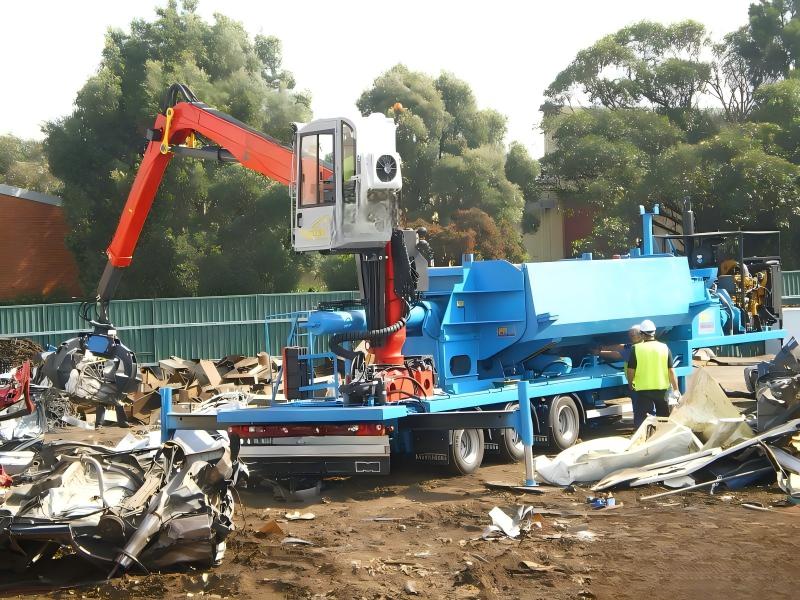
Furthermore, the cooling systems integrated into HARSLE balers are designed for 24/7 operation in extreme temperatures. Overheating is the primary cause of hydraulic failure in industrial balers; by utilizing oversized heat exchangers and high-efficiency cooling fans, HARSLE ensures that the machine remains within optimal operating temperatures, extending the lifespan of the hydraulic fluid and internal components.
Selection Advice: Choosing the Right Equipment
Selecting the right car body baler requires a thorough assessment of your facility’s current and projected throughput. A common mistake is purchasing a machine that is either too small, leading to bottlenecks, or too large, resulting in unnecessary capital expenditure and energy waste. Start by calculating your daily tonnage of ELVs and the desired density of the final bales.
Consider the following selection criteria:
- Throughput Capacity: How many vehicles do you need to process per hour? Ensure the baler’s cycle time aligns with your intake volume.
- Bale Dimensions: Check the requirements of your target steel mills. Some mills have specific size constraints for their furnace charging systems.
- Footprint and Site Layout: Ensure your facility has the space for the baler, the in-feed conveyor, and the bale discharge area.
- Power Availability: Verify that your facility’s electrical infrastructure can support the motor requirements of the baler.
- Support and Service: Choose a manufacturer like HARSLE that provides comprehensive after-sales support, including readily available spare parts and remote diagnostic capabilities.
It is also advisable to request a site visit or a consultation with a HARSLE engineer. They can analyze your specific scrap mix—whether you are processing mostly passenger cars, light trucks, or a mix of white goods and scrap—and recommend a configuration that optimizes your workflow. Don’t just look at the price tag; look at the total cost of ownership over a ten-year period.
Finally, consider the future-proofing of your facility. As environmental regulations tighten, the demand for high-quality, clean scrap will only increase. Investing in a machine that can handle future throughput increases or more complex material types will provide a better long-term ROI than a machine that barely meets your current needs.
FAQ: Common Questions About Car Body Balers
What is the typical lifespan of a HARSLE car body baler?
With proper maintenance and regular replacement of wear parts, a HARSLE car body baler is designed to operate for 15 to 20 years in a demanding industrial environment.
How does a car body baler improve my scrap metal pricing?
Steel mills pay a premium for high-density, uniform bales because they are easier to process and have fewer contaminants. By increasing the density of your scrap, you move from selling “loose scrap” to “processed scrap,” which commands a higher market rate.
What kind of maintenance is required for these machines?
Routine maintenance includes checking hydraulic fluid levels, inspecting hoses for leaks, cleaning the cooling system, and replacing wear liners in the compression chamber as they thin out. HARSLE provides a detailed maintenance schedule with every unit.
Can a car body baler process materials other than cars?
Yes, most HARSLE car body balers are versatile enough to process white goods, light sheet metal, and other non-structural scrap, provided the material does not exceed the machine’s maximum pressure rating.
How long does it take to install and commission a baler?
Installation typically takes 3 to 7 days, depending on the site preparation. HARSLE provides technical guidance for foundation pouring and electrical setup to ensure a smooth commissioning process.
Conclusion
The decision to integrate a car body baler into your scrap processing facility is a strategic move that transcends simple equipment procurement. As demonstrated in our analysis of Real-World Results: Car Body Baler ROI In A Metal Scrap Processing Facility, the benefits of reduced logistics costs, improved labor efficiency, and higher scrap market value create a robust financial foundation for growth. HARSLE remains committed to providing the metal fabrication equipment necessary to keep your operations running at peak performance.
By focusing on high-quality engineering, reliable hydraulic systems, and a deep understanding of the recycling industry, HARSLE ensures that your investment delivers consistent returns. Whether you are a small scrap yard looking to scale or a large processing facility aiming to optimize your throughput, the right baler is the heartbeat of your operation. We invite you to contact our team to discuss how our solutions can be tailored to your specific facility requirements and help you achieve your long-term profitability goals.
In an industry where margins are often tight, efficiency is the ultimate competitive advantage. Don’t let bulky, low-density scrap eat away at your profits. Embrace the power of modern compression technology and transform your facility into a high-output, high-value processing center. With HARSLE, you are not just buying a machine; you are investing in the future of your business.