Case Study: Choosing the Right Vertical Baler for Industrial Packaging Waste

Introduction: The Challenge of Industrial Packaging Waste
In the modern metal fabrication and manufacturing landscape, the accumulation of packaging waste—ranging from cardboard boxes and plastic films to thin-gauge metal scraps—presents a significant operational bottleneck. For many facilities, waste management is often treated as an afterthought, leading to cluttered floor space, increased fire hazards, and rising disposal costs. This article serves as a comprehensive case study on choosing the right vertical baler for industrial packaging waste, highlighting how HARSLE machinery transforms waste management from a logistical burden into a streamlined, cost-effective process.
When a mid-sized automotive parts manufacturer approached HARSLE, they were struggling with the sheer volume of corrugated cardboard and plastic strapping generated daily. Their waste collection area was overflowing, requiring daily pickups that were eating into their operational budget. By analyzing their specific waste stream, we identified that the lack of compaction was the primary culprit. This case study explores the technical and operational decision-making process required to select the optimal vertical baler for such environments.
Choosing the correct equipment is not merely about picking the largest machine available; it is about matching the baler’s force, cycle time, and chamber size to the specific density and volume of the waste produced. In this guide, we will dissect the critical factors that industrial managers must consider to ensure their investment yields a high return on investment (ROI) while improving workplace safety and efficiency.
As we delve into this case study, we will examine the transition from manual waste handling to automated vertical baling. We will look at how HARSLE engineering principles—focused on durability, ease of use, and high compaction ratios—provide the foundation for a sustainable waste management strategy. Whether you are in metal fabrication or general manufacturing, the principles outlined here remain universally applicable to industrial packaging waste.
Key Considerations for Industrial Waste Management
The first step in our case study involved conducting a waste audit. Before selecting a vertical baler, a facility must categorize its waste. Is the material primarily corrugated cardboard (OCC), plastic film (LDPE), or lightweight metal scraps? Each material has a different ‘memory’ and density, which dictates the amount of pressure required to create a stable, stackable bale. For the manufacturer in our study, the mix was 70% cardboard and 30% plastic film, requiring a machine capable of handling both with consistent pressure.
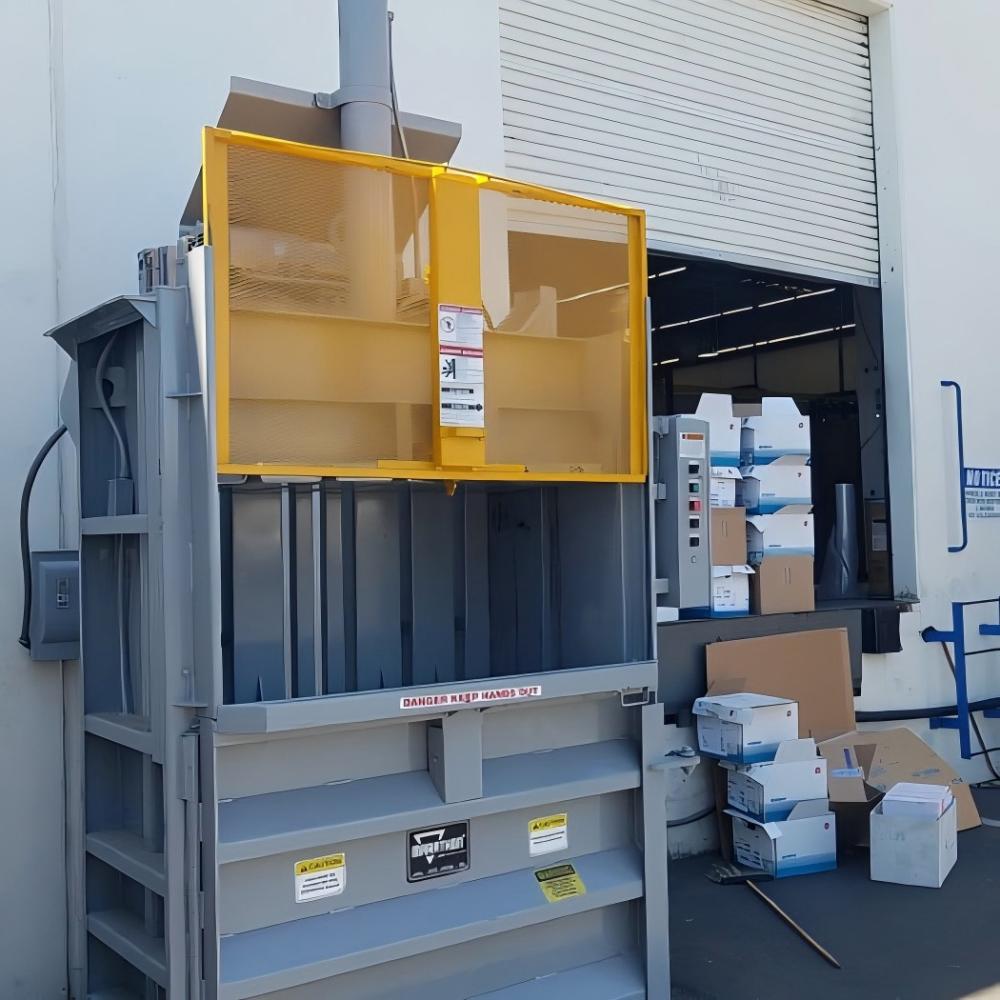
Space constraints are another critical consideration. In many metal fabrication shops, floor space is at a premium. Vertical balers are favored because they occupy a small footprint while providing high-density compaction. We had to evaluate the ceiling height and the proximity of the baler to the production line. Placing the baler too far from the source of waste increases labor costs, as employees spend more time transporting materials rather than focusing on production tasks.
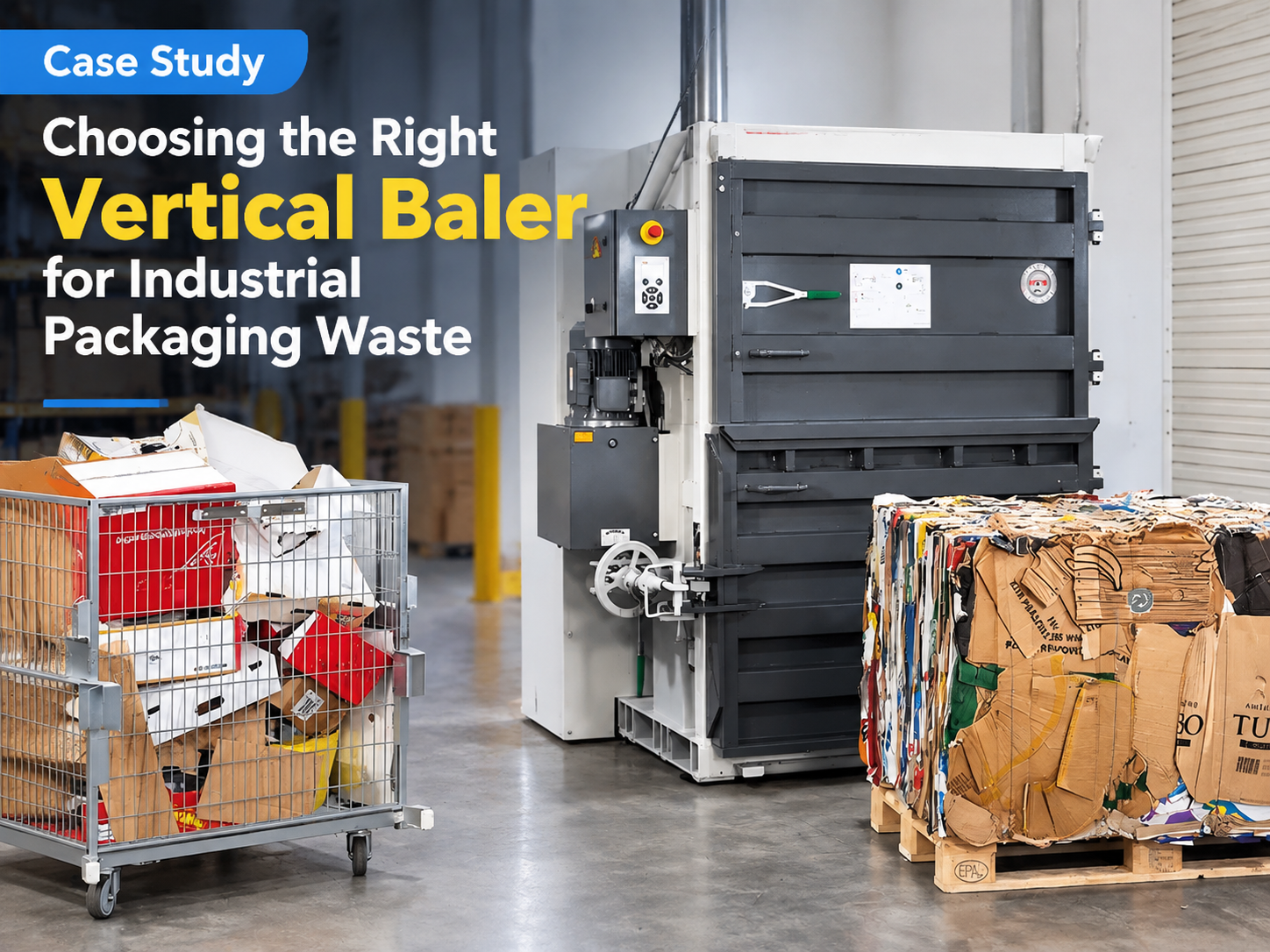
Safety and ergonomics cannot be overlooked. Industrial packaging waste can be heavy and awkward to handle. A vertical baler must feature user-friendly controls, safety interlocks, and an easy-to-use bale ejection system. In our case study, the client opted for a front-loading design with a hydraulic bale ejector, which significantly reduced the physical strain on operators and minimized the risk of workplace injuries associated with manual handling.
Finally, the frequency of waste generation determines the required cycle time. If a facility generates waste continuously throughout an eight-hour shift, a baler with a fast cycle time is essential to prevent bottlenecks. We analyzed the client’s peak production hours and recommended a baler that could keep pace with their output, ensuring that the waste management process remained invisible and efficient, rather than a disruptive task.
Technical Details: Engineering the Perfect Bale
HARSLE vertical balers are engineered with high-grade steel structures to withstand the immense pressure required for industrial-grade compaction. The hydraulic system is the heart of the machine; it must provide consistent force to overcome the spring-back effect of materials like corrugated cardboard. In our case study, we utilized a baler with a 50-ton compaction force, which proved sufficient to create dense, uniform bales that maximized shipping container capacity.
The chamber design is equally important. A deeper chamber allows for larger pieces of cardboard to be loaded without pre-cutting, which saves valuable labor time. Our technical team emphasized the importance of the ‘retaining dogs’—the internal teeth that prevent the material from expanding back up once the ram retracts. These components are critical for maintaining the integrity of the bale during the filling process, especially when dealing with high-memory materials like plastic film.
Control systems have evolved significantly. Modern HARSLE balers utilize PLC (Programmable Logic Controller) systems that allow for automated operation and diagnostic monitoring. In the case study, the PLC allowed the operator to set specific pressure thresholds. Once the bale reached the desired density, the machine would automatically stop and signal the operator, preventing over-compaction and reducing energy consumption by avoiding unnecessary motor operation.
Maintenance accessibility is a technical detail that often gets ignored until a breakdown occurs. We ensured the selected baler featured easy-access panels for hydraulic fluid checks, filter replacements, and electrical inspections. By prioritizing modular design, we ensured that the client could perform routine maintenance in-house, minimizing downtime and extending the service life of the equipment by several years.
Selection Advice: A Buyer’s Checklist
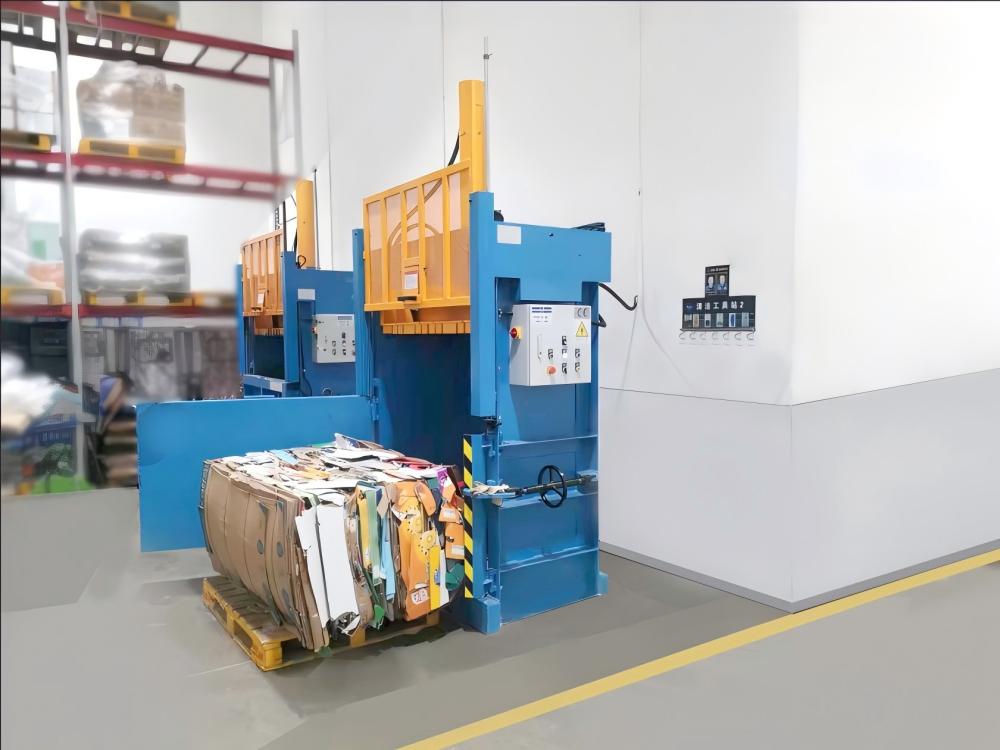
When choosing a vertical baler for industrial packaging waste, start by calculating your daily volume. If you are producing fewer than 10 bales per week, a smaller, semi-automatic unit may suffice. However, for high-volume facilities, a heavy-duty, fully automatic or semi-automatic unit with a large feed opening is necessary. Do not underestimate your growth; always select a machine that can handle at least 20% more than your current peak volume to account for future expansion.
Consider the bale size and weight. Standard bale sizes are often preferred by recycling centers because they fit perfectly into shipping containers or onto standard pallets. If your goal is to sell your baled waste to a recycler, contact them first to ask about their preferred bale dimensions. This simple step can turn your waste stream into a revenue stream, as recyclers often pay a premium for clean, uniform, and high-density bales.
Evaluate the power requirements. Most industrial vertical balers require a 3-phase electrical connection. Ensure your facility has the necessary infrastructure before purchasing. If your facility is older, you may need to factor in the cost of electrical upgrades. Additionally, consider the noise level of the hydraulic pump. While most modern balers are relatively quiet, if the machine is located near office areas, sound dampening or placement considerations are vital.
Finally, look for a manufacturer that offers comprehensive support. A baler is a long-term investment. HARSLE provides not just the hardware, but also installation guidance, operator training, and a robust supply of spare parts. When comparing quotes, look beyond the initial price tag. Consider the total cost of ownership, including energy efficiency, maintenance requirements, and the availability of technical support. A cheaper machine that breaks down frequently will cost significantly more in the long run than a high-quality, reliable HARSLE baler.
الأسئلة الشائعة
1. How do I determine the right compaction force for my waste?
The compaction force depends on the material type and the desired bale density. Cardboard generally requires less force than plastic film or thin metal scraps. We recommend a consultation with our engineers to analyze your specific material density to ensure you don’t over- or under-specify your machine.
2. Can a vertical baler handle mixed waste?
While vertical balers are designed for specific material streams, they can handle mixed packaging waste. However, for the best recycling value, we recommend separating materials at the source. If you must mix, ensure the baler is rated for the toughest material in your mix.
3. How often does a vertical baler require maintenance?
Routine maintenance, such as checking hydraulic levels and cleaning the chamber, should be performed weekly. A professional inspection should occur every 6 to 12 months, depending on usage intensity. HARSLE provides a detailed maintenance schedule with every machine.
4. Is it possible to sell the bales produced?
Yes, high-density bales of corrugated cardboard and plastic are valuable commodities. By producing clean, uniform bales, you can often offset the cost of the baler through the sale of the material to local recycling facilities.
5. What safety features are standard on HARSLE balers?
Our balers come equipped with emergency stop buttons, door interlocks that prevent operation while the chamber is open, and pressure relief valves to prevent hydraulic system overload. Safety is our top priority in all metal fabrication equipment design.
Conclusion: Transforming Waste into Efficiency
The case study of choosing the right vertical baler for industrial packaging waste demonstrates that effective waste management is a strategic advantage. By moving away from loose waste disposal and implementing a HARSLE vertical baling solution, the manufacturer in our study reduced their waste disposal costs by 40% and reclaimed valuable floor space that was previously dedicated to waste bins. This transition not only improved their bottom line but also fostered a cleaner, safer, and more organized work environment.
Selecting the right equipment requires a deep understanding of your waste stream, your operational constraints, and your long-term business goals. By focusing on the technical specifications—such as compaction force, chamber size, and ease of maintenance—and partnering with a reputable manufacturer, you can ensure that your investment provides reliable service for years to come. The vertical baler is more than just a machine; it is a tool for operational excellence.
As industrial standards continue to evolve toward greater sustainability and efficiency, the role of proper waste management will only grow in importance. We encourage all facility managers to audit their current waste processes and consider how a vertical baler can fit into their workflow. With the right approach, you can turn the challenge of industrial packaging waste into a streamlined, profitable component of your manufacturing process. Contact HARSLE today to begin your journey toward a more efficient, waste-free facility.