How a Metal Fabrication Business Reduced Waste Transport Frequency with a Vertical Baler

How a Metal Fabrication Business Reduced Waste Transport Frequency with a Vertical Baler
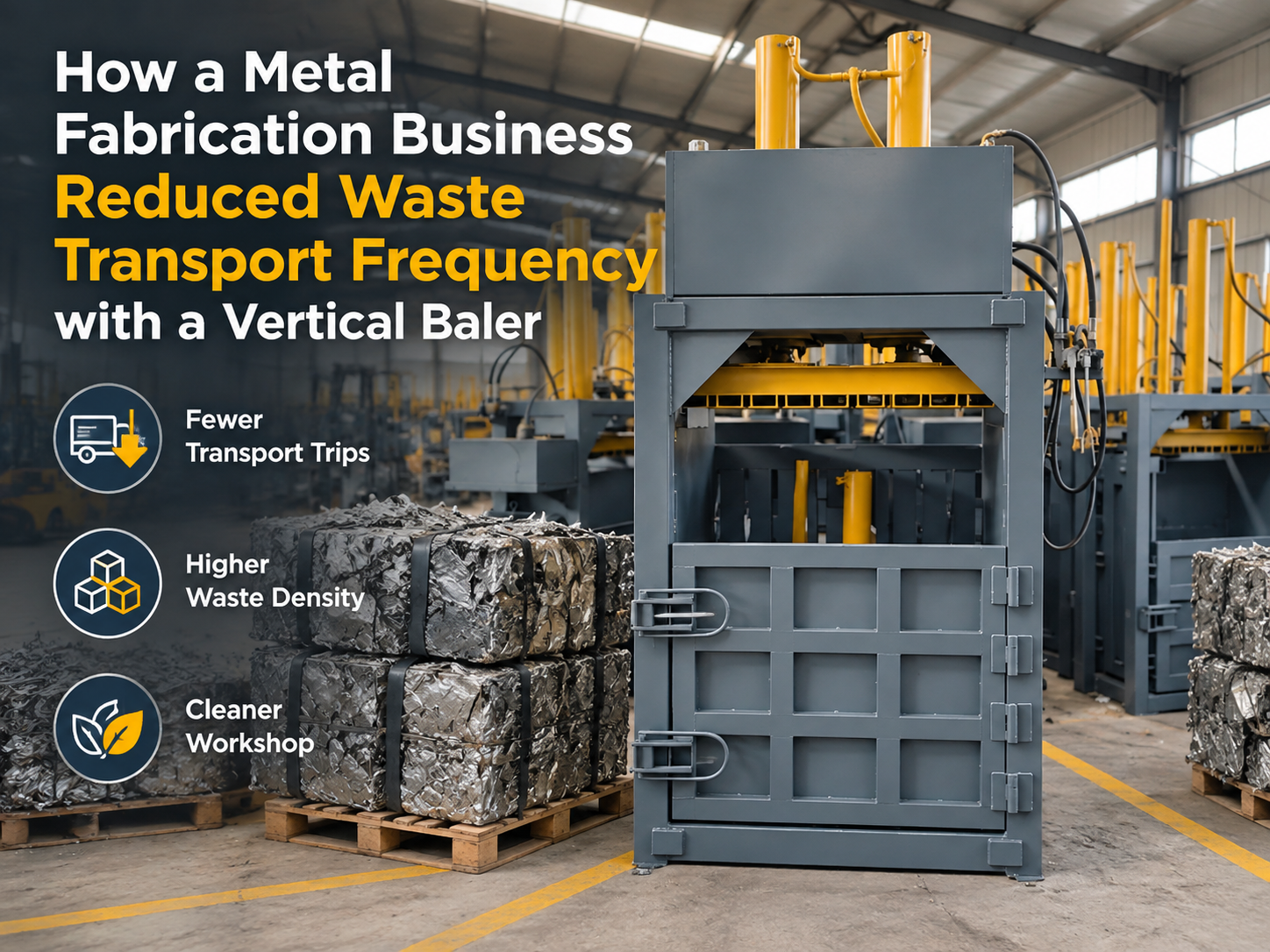
In the high-paced world of metal fabrication, efficiency is measured not just by the precision of a press brake or the speed of a laser cutter, but by the management of the entire production floor. One of the most overlooked operational bottlenecks in fabrication shops is the accumulation of scrap metal, cardboard packaging, and industrial waste. For many owners, the logistical nightmare of frequent waste pickups translates into soaring overhead costs and cluttered workspaces. This article explores how a metal fabrication business reduced waste transport frequency with a vertical baler, transforming their waste management from a liability into a streamlined process.
The integration of a vertical baler is more than just an equipment upgrade; it is a strategic shift in how a facility handles its byproduct. By compressing loose, bulky materials into dense, manageable bales, shops can reclaim valuable floor space and significantly lower the frequency of waste collection services. This guide delves into the technical advantages, operational benefits, and strategic considerations for implementing HARSLE vertical baling solutions in your own facility.
Key Considerations for Waste Management in Fabrication
Before investing in industrial machinery, it is essential to audit your current waste stream. Metal fabrication shops generate a diverse array of waste, ranging from heavy-duty cardboard boxes used for raw material shipments to thin-gauge metal offcuts. When waste is left loose in bins, it occupies a disproportionate amount of space. This “air-to-material” ratio is the primary culprit behind frequent, expensive waste transport pickups. By analyzing the volume and type of waste, a business can determine the necessary compaction force required to optimize their logistics.
Space optimization is another critical factor. In a busy fabrication shop, every square foot of floor space is tied to production capacity. When waste bins overflow, they create safety hazards, obstruct walkways, and slow down material handling. A vertical baler allows for a centralized waste collection point that is compact and efficient. By moving from a decentralized system of multiple bins to a single, high-density baling station, shops can reclaim significant square footage for additional machinery or storage.
Cost reduction is the most compelling argument for adopting baling technology. Waste management companies typically charge based on the number of pickups, not just the weight of the waste. By compressing materials, a business can fit the equivalent of five or six bins of loose waste into a single, dense bale. This reduces the number of trips required by waste haulers, leading to a direct and immediate reduction in monthly disposal fees. Over time, these savings often cover the initial capital expenditure of the baler.
Safety and compliance are also paramount. Loose scrap and cardboard are fire hazards and can lead to workplace injuries if not managed correctly. A vertical baler secures waste in a controlled environment, reducing the risk of fire and improving the overall cleanliness of the shop floor. Furthermore, many local regulations now mandate strict waste separation and recycling protocols. A baler makes it easier to sort materials—such as separating high-value aluminum scrap from cardboard—which can even turn waste into a potential revenue stream through recycling rebates.
Technical Details of HARSLE Vertical Balers
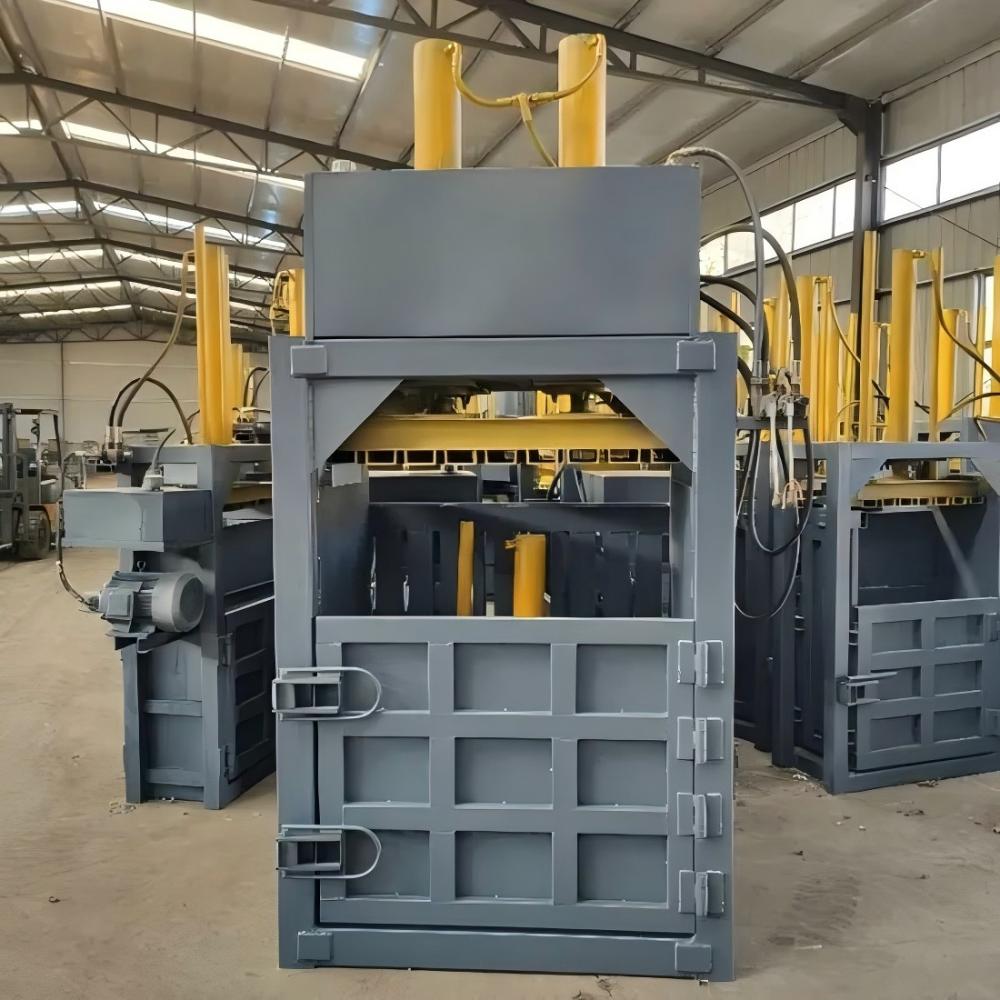
HARSLE vertical balers are engineered with the specific demands of the metal fabrication industry in mind. Unlike standard commercial balers, these machines feature reinforced structural steel frames capable of handling the high-density requirements of industrial waste. The hydraulic systems are designed for durability, ensuring consistent compaction force even under heavy, daily usage. Understanding the technical specifications—such as cylinder bore, stroke length, and system pressure—is vital for selecting the right model for your specific waste volume.
The compaction mechanism is the heart of the vertical baler. HARSLE units utilize high-pressure hydraulic rams that exert force downward, compressing materials into a uniform block. This process is controlled by intuitive PLC interfaces, allowing operators to set specific bale sizes and densities. The inclusion of safety interlocks and emergency stop buttons ensures that the equipment meets international safety standards, providing peace of mind for shop managers and operators alike.
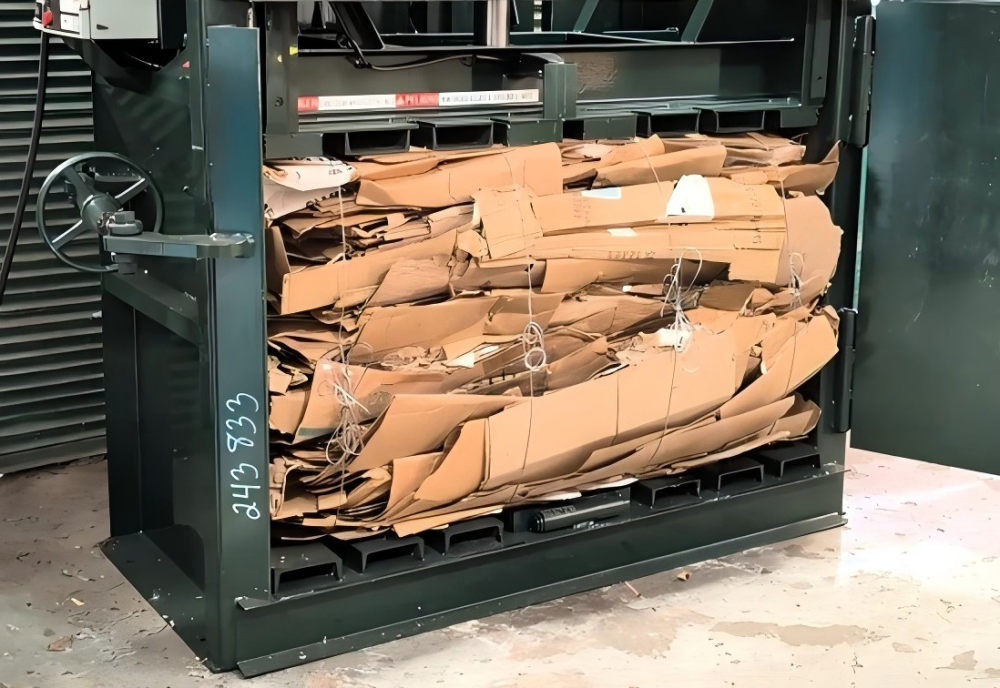
Maintenance of these machines is straightforward but critical. Because metal fabrication environments can be dusty and harsh, HARSLE balers are built with sealed components and easy-access panels for routine inspections. Regular hydraulic fluid checks, ram lubrication, and structural integrity inspections are all that is required to keep the machine running for years. The modular design of these balers also means that parts can be replaced quickly, minimizing downtime during the rare event of a mechanical issue.
Integration into existing workflows is seamless. HARSLE balers are designed to be placed near the source of the waste, such as the shipping and receiving dock or the end of a production line. This minimizes the distance employees have to travel to dispose of waste, further increasing productivity. By streamlining the waste disposal process, the baler becomes an integral part of the shop’s lean manufacturing strategy, reducing non-value-added activities and focusing labor on production.
Selection Advice: Matching Equipment to Your Needs
Choosing the right vertical baler requires a careful assessment of your daily waste output. If you are a small-to-medium-sized fabrication shop, a standard-duty vertical baler may suffice. However, if your facility processes large volumes of heavy-gauge metal or high-density cardboard, a heavy-duty model with a larger chamber and higher compaction force is necessary. It is always better to slightly oversize your equipment to allow for future business growth rather than outgrowing your machine in a few years.
Consider the physical dimensions of the baler in relation to your facility’s layout. Measure your available floor space and the height of your ceilings. Vertical balers are designed to save space, but they still require clearance for the ram to operate and for the operator to load materials safely. Additionally, consider the bale size. A larger bale is more efficient for transport but may require a pallet jack or forklift to move. Ensure your facility has the necessary material handling equipment to manage the finished bales once they are ejected.
Evaluate the power requirements of the baler. Most industrial balers require a dedicated electrical circuit. Check your shop’s power supply—whether it is 220V or 440V—and ensure that the baler you select is compatible. HARSLE offers various configurations to suit different electrical infrastructures, and our technical team can assist in determining the best fit for your specific shop environment.
Finally, look for a partner, not just a supplier. When purchasing industrial machinery, the level of support, training, and spare parts availability is just as important as the machine itself. HARSLE provides comprehensive documentation, installation guidance, and responsive customer support to ensure that your transition to a baled waste system is smooth and successful. Investing in a brand with a proven track record in the metal fabrication industry ensures that your equipment will be a reliable asset for years to come.
Frequently Asked Questions
- How much space does a vertical baler save? A vertical baler can reduce the volume of loose waste by up to 90%, effectively turning a large pile of scrap into a compact, stackable block.
- Can a vertical baler handle metal scrap? Yes, HARSLE offers heavy-duty models specifically designed to compress metal offcuts and thin-gauge sheets, provided the material is within the machine’s rated capacity.
- How often does a vertical baler need maintenance? Routine maintenance, such as checking hydraulic levels and cleaning the chamber, should be performed monthly. A professional inspection once a year is recommended to ensure long-term reliability.
- Is it difficult to operate a vertical baler? No, modern vertical balers are designed with user-friendly controls. Most operators can be trained to use the machine safely and effectively in under an hour.
- Will a baler help me save money on waste disposal? Absolutely. By reducing the number of pickups required, you can significantly lower your monthly waste management costs and potentially earn revenue from recycling high-value scrap.
Conclusion
The story of how a metal fabrication business reduced waste transport frequency with a vertical baler is a testament to the power of lean manufacturing principles. By addressing the hidden costs of waste management, fabrication shops can improve their bottom line, enhance workplace safety, and create a more organized production environment. HARSLE remains committed to providing the high-quality, durable machinery necessary to achieve these goals. Whether you are looking to optimize your floor space or reduce your environmental footprint, a vertical baler is a smart, scalable investment for any modern metal fabrication facility. Contact our team today to learn more about our range of industrial baling solutions and take the first step toward a more efficient future.