Case Study: Solving Space Constraints with a Vertical Baler in a Machinery Workshop

Introduction: The Hidden Cost of Clutter in Metal Fabrication
In the high-stakes environment of a modern metal fabrication workshop, floor space is more than just square footage—it is a critical asset that directly correlates to production throughput and operational safety. For many facility managers, the accumulation of scrap metal, cardboard packaging, and industrial waste creates a logistical bottleneck that hampers efficiency. When a workshop becomes cluttered with loose waste, the flow of raw materials and finished goods is disrupted, leading to increased handling times and potential safety hazards for operators.
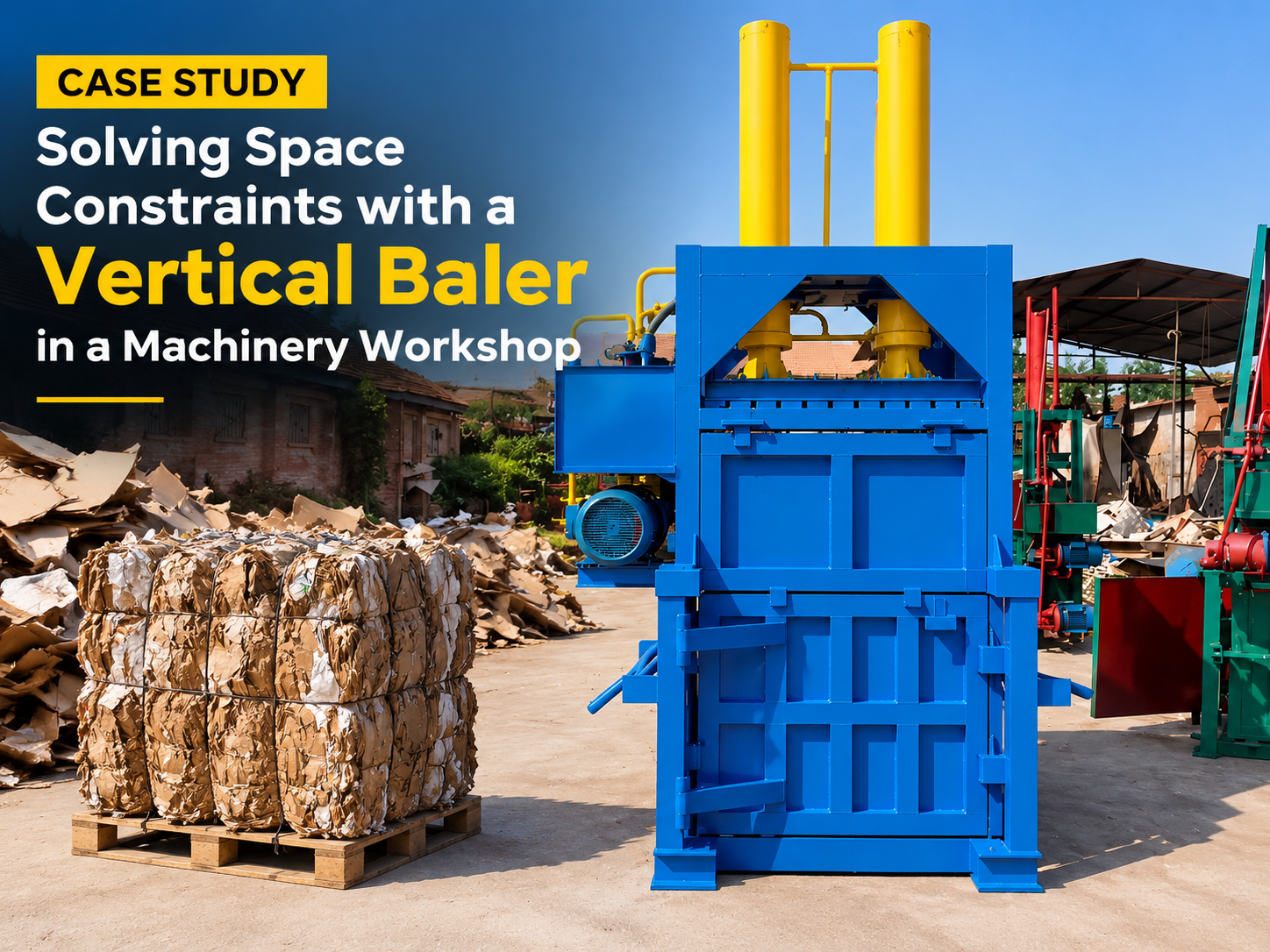
This article explores a comprehensive Case Study: Solving Space Constraints with a Vertical Baler in a Machinery Workshop. By examining the operational challenges faced by a mid-sized fabrication facility, we demonstrate how the strategic integration of a HARSLE vertical baler transforms a chaotic floor plan into a streamlined, high-output environment. We will delve into the technical specifications, the decision-making process, and the long-term benefits of adopting professional-grade baling technology.
The primary challenge for most metal fabrication shops is the sheer volume of waste generated during daily operations. From offcuts of sheet metal to the massive amounts of cardboard used for shipping heavy machinery components, waste management often takes a backseat to production. However, ignoring this aspect leads to “hidden” costs, including increased labor for waste removal, higher disposal fees, and the loss of valuable floor space that could otherwise be utilized for additional machinery or assembly stations.
HARSLE has consistently observed that workshops struggling with space constraints often overlook the vertical dimension of their facility. By utilizing a vertical baler, businesses can consolidate waste into dense, manageable bales, effectively reclaiming floor space that was previously occupied by loose, unorganized debris. This case study serves as a guide for workshop owners looking to optimize their layout and improve their bottom line through smart equipment investment.
Key Considerations for Workshop Space Optimization
When evaluating the need for a vertical baler, the first step is a thorough audit of the workshop’s current waste management workflow. Many facility managers find that they are paying for frequent waste pickups because their bins are filled with “air”—loose, uncompressed materials that take up significant volume. The goal of implementing a vertical baler is to transition from a volume-based disposal model to a weight-based, consolidated model.
Safety is another paramount consideration. In a busy machinery workshop, loose scrap and cardboard are significant fire hazards and trip hazards. By compressing these materials into tight, uniform bales, the workshop floor remains clear, allowing for safer movement of forklifts and personnel. Furthermore, a clean workshop environment is proven to boost employee morale and productivity, as workers spend less time navigating around obstacles and more time focusing on fabrication tasks.
The integration of a vertical baler also requires an assessment of the facility’s power supply and structural requirements. While vertical balers are designed to be compact, they exert significant force during the compression cycle. Ensuring that the floor can support the weight of the machine and that the electrical infrastructure is compatible with the baler’s hydraulic system is essential. HARSLE provides detailed installation guidelines to ensure that the equipment is positioned for maximum operational efficiency.
Finally, the long-term return on investment (ROI) must be calculated. Beyond the immediate space savings, many workshops find that they can actually sell their baled scrap metal or high-quality cardboard to recycling centers. This turns a waste management cost center into a potential revenue stream. When considering the Case Study: Solving Space Constraints A Vertical Baler In A Machinery Workshop, it becomes clear that the equipment pays for itself not just through space reclamation, but through improved waste disposal economics.
Technical Details of HARSLE Vertical Balers
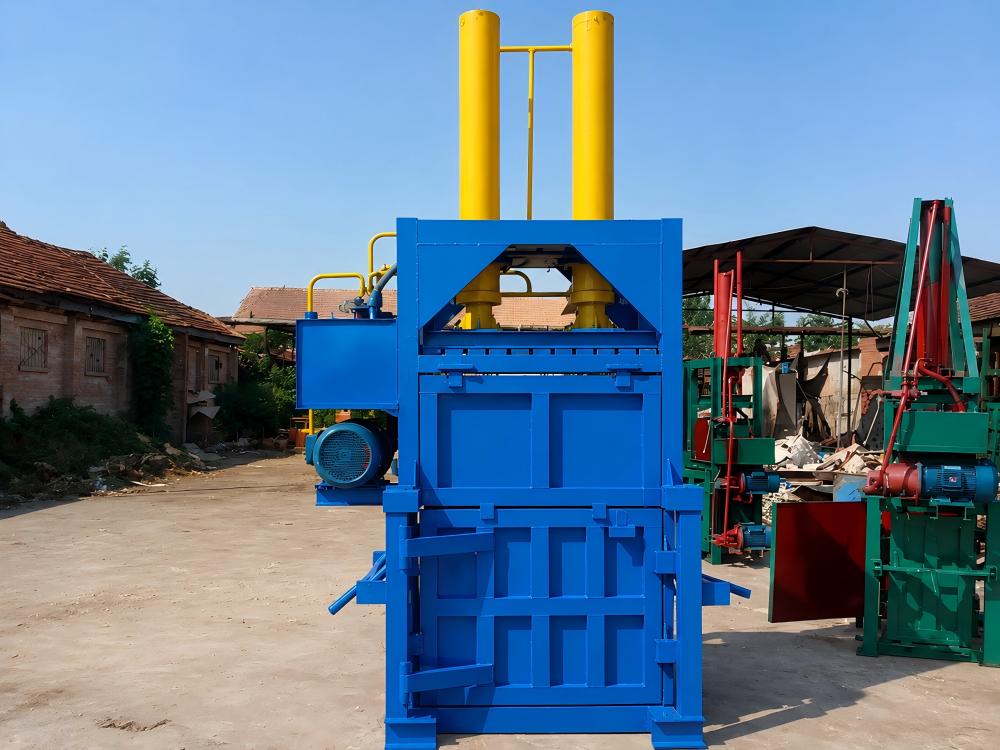
HARSLE vertical balers are engineered with precision to meet the rigorous demands of industrial environments. At the core of these machines is a high-performance hydraulic system that delivers consistent pressure to ensure maximum bale density. The structural integrity of the baler is reinforced with heavy-duty steel, allowing it to withstand the abrasive nature of metal offcuts and the high-pressure requirements of cardboard compaction.
One of the standout technical features of our balers is the user-friendly control interface. Operators can easily adjust the compression force and cycle time based on the material being processed. This versatility is crucial for workshops that handle a variety of waste streams, from thin aluminum sheets to thick corrugated cardboard. The safety interlocks and emergency stop mechanisms are integrated into the PLC system, ensuring that the machine meets international safety standards for industrial machinery.
The vertical design itself is a masterpiece of space-saving engineering. By utilizing a vertical stroke, the machine occupies a minimal footprint while providing a large loading aperture. This allows operators to load bulky waste items without the need for pre-processing or cutting, saving valuable time. The ejection system is also designed for efficiency, utilizing a hydraulic or manual bale-out mechanism that makes the removal of finished bales a quick and safe process.
Maintenance is a critical aspect of technical performance. HARSLE balers are designed with accessible hydraulic components and modular electrical panels, making routine inspections and servicing straightforward. By minimizing downtime, these machines ensure that the workshop’s waste management process remains uninterrupted. Detailed technical manuals and support from HARSLE’s engineering team ensure that every installation is optimized for the specific needs of the client’s facility.
Selection Advice: Choosing the Right Baler for Your Workshop
Selecting the right vertical baler involves more than just picking a model from a catalog. It requires a deep understanding of your workshop’s daily throughput and the types of materials you generate. For workshops dealing primarily with light cardboard and plastic, a standard-duty baler may suffice. However, for facilities processing metal offcuts or heavy-duty packaging, a heavy-duty hydraulic baler with reinforced chambers is necessary.
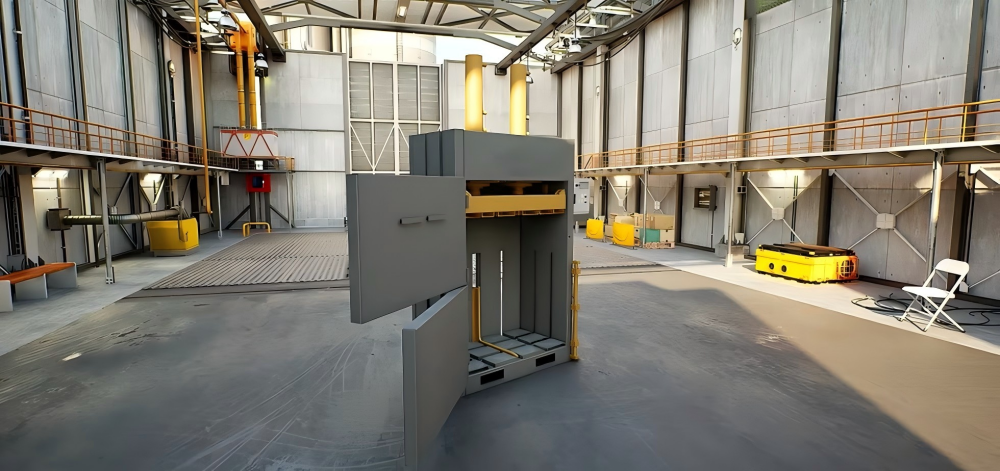
Consider the dimensions of your available space. While vertical balers are compact, you must account for the clearance required for loading and the space needed to maneuver a pallet jack or forklift when removing the finished bale. HARSLE consultants often recommend mapping out the “waste flow” in the workshop—from the point of generation (e.g., the press brake or laser cutter) to the baler location—to ensure the most efficient path.
Another factor is the bale size and weight. If your facility plans to sell the baled material, you should check the requirements of your local recycling partner. Some recyclers prefer specific bale dimensions to fit their transport trucks. HARSLE offers a range of models with varying bale sizes, allowing you to choose a machine that aligns with both your space constraints and your downstream recycling logistics.
Finally, do not overlook the importance of after-sales support. A vertical baler is a long-term investment. Choosing a manufacturer like HARSLE, which provides comprehensive training, readily available spare parts, and responsive technical support, ensures that your machine remains operational for years to come. When reviewing a Case Study: Solving Space Constraints A Vertical Baler In A Machinery Workshop, the success of the project often hinges on the quality of the partnership between the manufacturer and the end-user.
الأسئلة الشائعة
- How much space does a typical vertical baler require? Most HARSLE vertical balers require a footprint of approximately 2 to 4 square meters, plus additional clearance for operation and bale removal.
- Can a vertical baler handle both metal and cardboard? Yes, but it is important to select a model with the appropriate pressure rating. Metal requires higher compression force than cardboard.
- What is the maintenance frequency for a HARSLE baler? We recommend a monthly inspection of hydraulic levels, seals, and safety interlocks, with a more comprehensive service every six months.
- Is special training required to operate the baler? While our machines are designed for ease of use, we provide comprehensive training manuals and video guides to ensure all operators follow safety protocols.
- How does a baler improve workshop safety? By consolidating loose waste, you eliminate trip hazards and reduce the risk of fire, creating a cleaner and more organized workspace.
- Can I customize the baler for my specific workshop layout? HARSLE offers various configurations, including different loading door orientations, to suit the unique layout of your facility.
Conclusion: Transforming Your Workshop with HARSLE
The journey toward a more efficient, organized, and profitable metal fabrication workshop often begins with addressing the most overlooked aspect of production: waste management. As demonstrated in this Case Study: Solving Space Constraints with a Vertical Baler in a Machinery Workshop, the implementation of a HARSLE vertical baler is a strategic move that yields immediate and long-term benefits. By reclaiming valuable floor space, enhancing workplace safety, and potentially creating a new revenue stream, businesses can focus on what they do best—fabricating high-quality products.
HARSLE remains committed to providing the metal fabrication industry with the tools necessary to overcome modern operational challenges. Our vertical balers are more than just machines; they are solutions designed to integrate seamlessly into your workflow, providing the reliability and performance that your business demands. Whether you are a small job shop or a large-scale manufacturing facility, we have the expertise to help you optimize your space and streamline your operations.
We invite you to contact our team to discuss your specific requirements. By analyzing your current waste output and floor plan, we can recommend the ideal vertical baler configuration to solve your space constraints. Investing in the right equipment today is the first step toward a more productive and organized tomorrow. Let HARSLE be your partner in industrial efficiency and excellence.
In summary, the transition to a baling-based waste management system is a proven strategy for growth. As workshops continue to evolve, the ability to manage resources—including space—will distinguish the industry leaders from the rest. With HARSLE’s advanced technology and dedicated support, your workshop can achieve the operational standards required to compete in today’s global market.