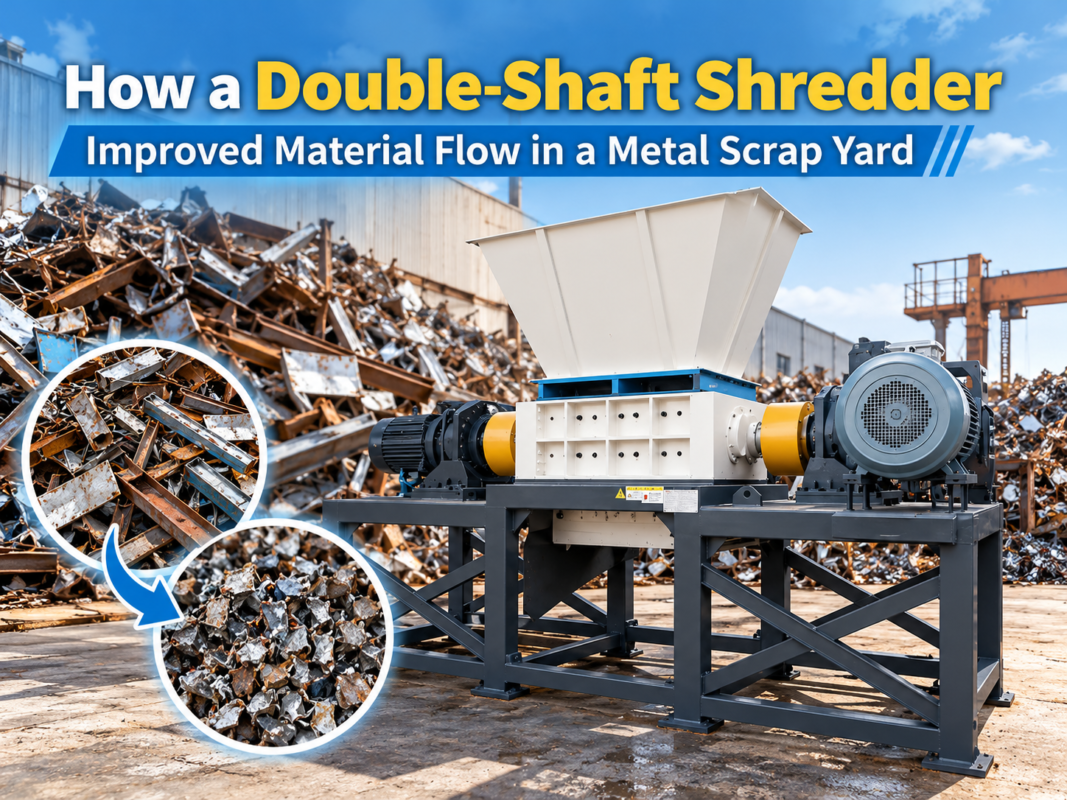
How a Vertical Baler Improved Waste Management ROI in a Precision Engineering Workshop

Introduction: The Hidden Cost of Waste in Precision Engineering
In the high-stakes world of precision engineering, every square foot of floor space and every hour of labor counts toward the bottom line. While managers often focus on optimizing CNC machining cycles or reducing material scrap during the cutting process, one area frequently overlooked is the management of post-production waste. For many workshops, the accumulation of cardboard, plastic packaging, and light metal offcuts creates a logistical bottleneck that drains resources. This is where the strategic implementation of industrial equipment becomes a game-changer.
The narrative of how a vertical baler improved waste management ROI in a precision engineering workshop is not just about cleaning up the shop floor; it is about transforming a cost center into a revenue stream. By compacting loose, bulky waste into dense, manageable bales, workshops can drastically reduce the frequency of waste collection services, minimize storage requirements, and even sell high-quality baled scrap to recycling facilities. HARSLE has observed that workshops integrating these machines often see a return on investment within the first 12 to 18 months of operation.
This article explores the technical and financial implications of adopting vertical baling technology. We will examine how these machines function, the specific benefits they offer to precision engineering environments, and the criteria you should use when selecting the right equipment for your facility. By understanding the mechanics of waste volume reduction, shop owners can reclaim valuable space and streamline their internal logistics.
Ultimately, the goal of this guide is to provide a comprehensive overview of why vertical balers are essential for modern fabrication shops. We will look at the transition from manual waste handling to automated compaction, the safety improvements associated with modern balers, and the long-term sustainability benefits that align with modern environmental regulations. Whether you are dealing with high volumes of cardboard from incoming raw materials or light metal scrap, the right baler is a critical component of a lean manufacturing strategy.
Key Considerations for Waste Management ROI
When analyzing how a vertical baler improved waste management ROI in a precision engineering workshop, the first metric to consider is labor efficiency. In a typical workshop without a baler, employees spend significant time breaking down boxes, stacking loose materials, and managing overflowing bins. This manual labor is not only time-consuming but also takes skilled technicians away from high-value production tasks. A vertical baler centralizes this process, allowing for rapid compaction that requires minimal operator intervention.
Space optimization is another critical factor. In precision engineering, floor space is premium real estate. Loose waste occupies a disproportionate amount of space, often leading to cluttered aisles and safety hazards. By compacting waste into dense bales, a workshop can reduce its waste footprint by up to 90%. This reclaimed space can then be repurposed for additional machinery, inventory storage, or improved workflow paths, directly contributing to the overall productivity of the facility.
Transportation and disposal costs represent a significant portion of operational overhead. Waste management companies charge based on the number of pickups, not just the weight of the waste. Because loose waste is mostly air, you are essentially paying to transport empty space. A vertical baler allows you to store more material in a smaller area, meaning you can wait longer between pickups or switch to a more cost-effective collection schedule. Over time, these savings compound, significantly improving the workshop’s bottom line.
Finally, there is the potential for revenue generation. Many precision engineering workshops generate significant amounts of recyclable materials, such as aluminum offcuts or high-grade cardboard. When these materials are loose, they have little to no market value. However, when baled to industry standards, they become a commodity that recycling centers are eager to purchase. By turning waste into a sellable product, the baler effectively pays for itself while simultaneously reducing disposal fees.
Technical Details: How HARSLE Balers Function
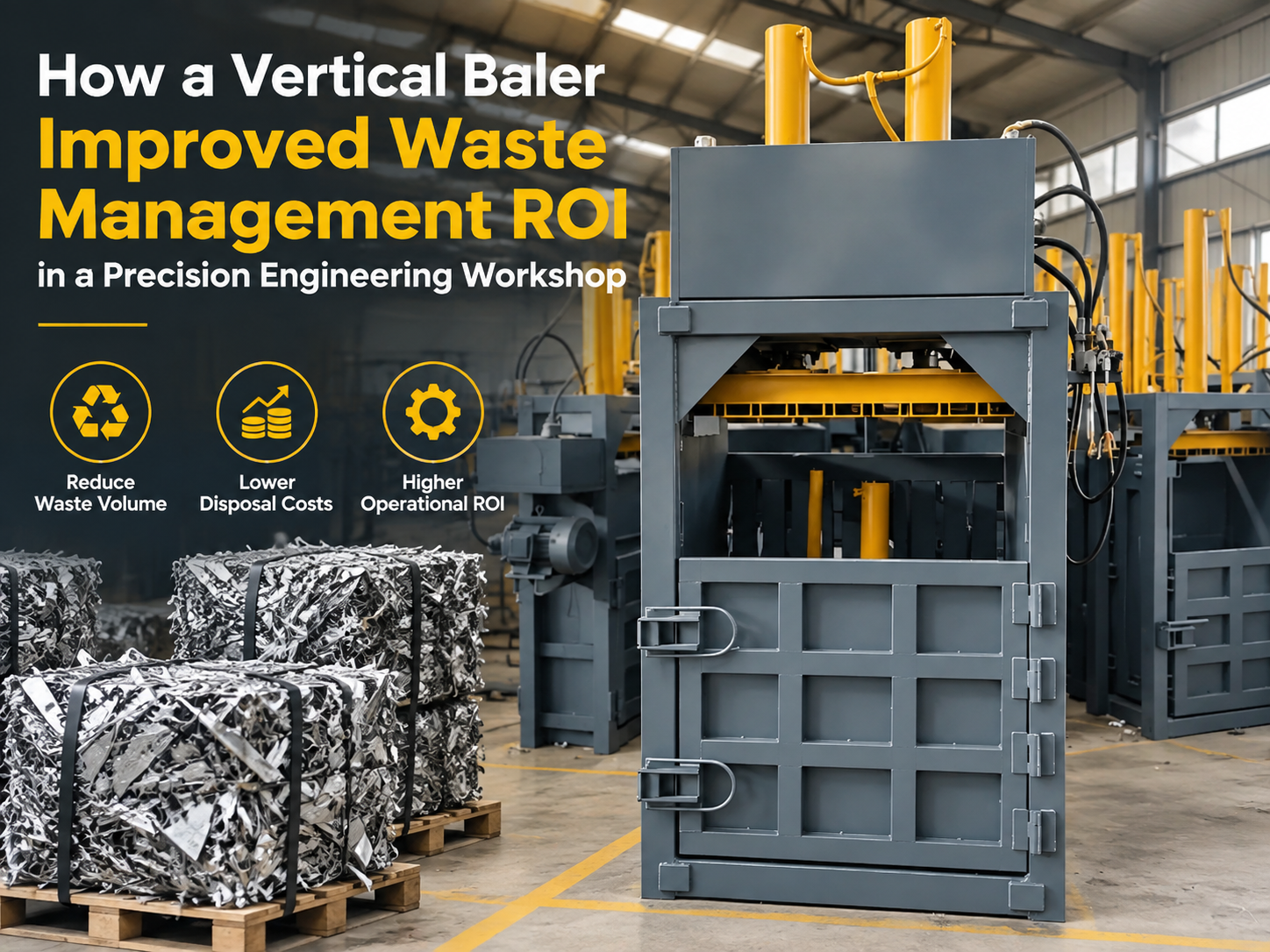
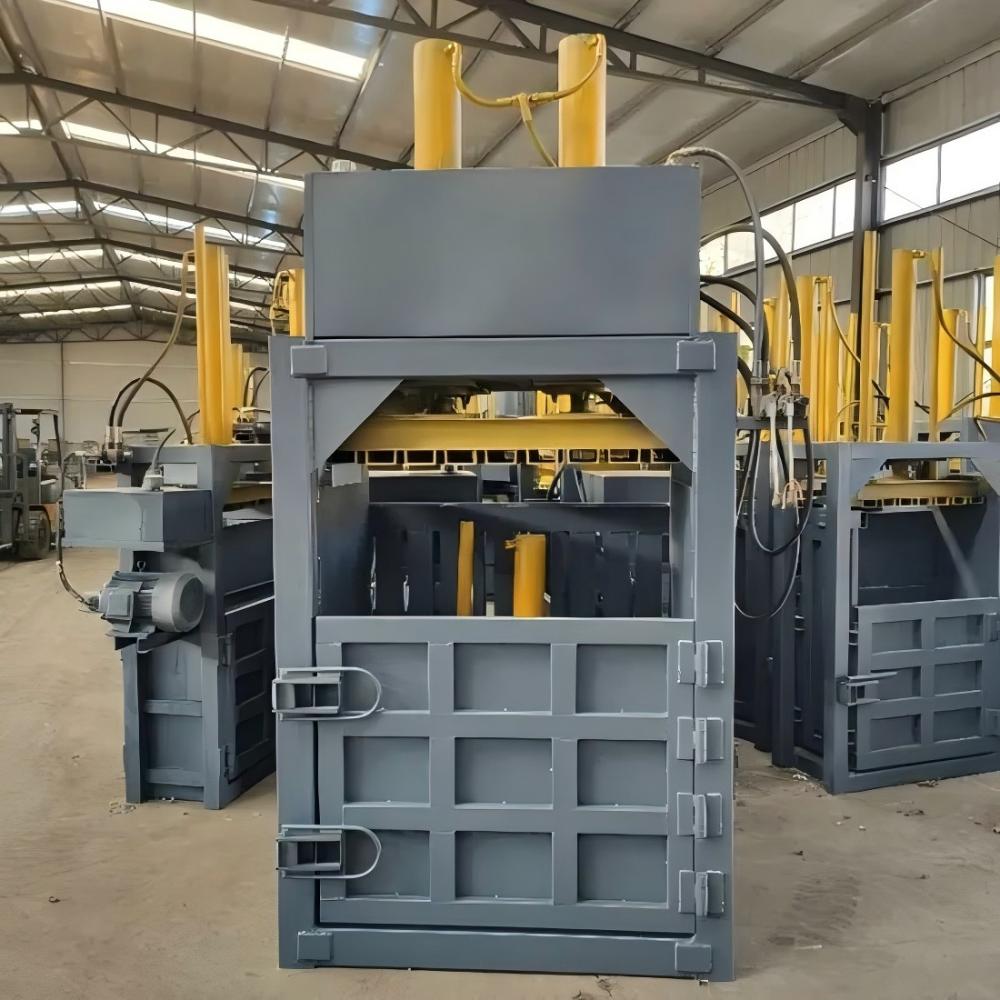
HARSLE vertical balers are engineered for durability and ease of use in industrial environments. At the core of the machine is a high-pressure hydraulic system that drives a heavy-duty platen downward. This platen exerts consistent force on the material placed within the chamber, compressing it into a compact, rectangular block. The design ensures that even the most resilient materials, such as thick corrugated cardboard or light-gauge metal sheets, are compressed into a stable bale that will not expand once the pressure is released.
The structural integrity of the baler is paramount. HARSLE utilizes reinforced steel frames and high-quality hydraulic cylinders to ensure that the machine can withstand the rigors of daily operation. Safety features are integrated into every aspect of the design, including dual-hand controls to ensure the operator’s hands are clear of the compression chamber, emergency stop buttons, and safety interlocks that prevent the machine from operating while the door is open. These features are essential for maintaining a safe working environment in a busy engineering shop.
Ease of operation is achieved through intuitive control panels. Operators can easily monitor the pressure levels, cycle times, and bale completion status. Many models also feature automated bale ejection systems, which simplify the process of removing the finished bale from the machine. This reduces the physical strain on workers and ensures that the baling process remains fast and efficient, even during peak production periods.
Maintenance is another technical highlight. HARSLE balers are designed with accessibility in mind, allowing for routine inspections and lubrication of moving parts. By utilizing high-grade hydraulic fluids and robust seals, these machines minimize the risk of leaks and mechanical failure. Regular maintenance schedules are straightforward, ensuring that the machine remains operational for years, which is a key factor in maintaining a high ROI over the life of the asset.
Selection Advice: Choosing the Right Equipment
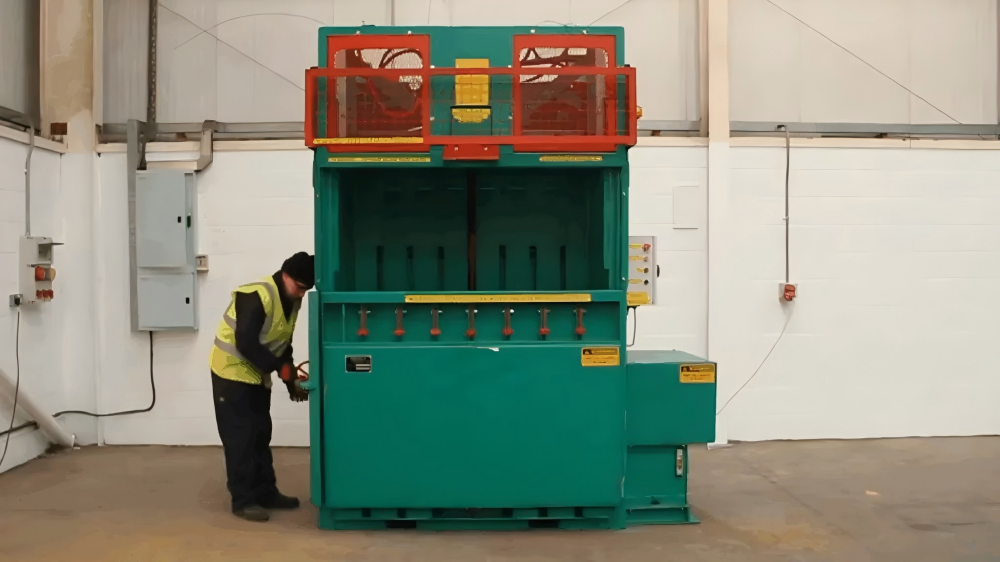
Selecting the right vertical baler requires a thorough assessment of your workshop’s waste output. Start by auditing the types of materials you generate. If your waste is primarily cardboard and plastic film, a standard vertical baler will suffice. However, if you are dealing with light metal scrap or high-density materials, you may require a heavy-duty model with higher compaction force and reinforced chamber walls. HARSLE offers a range of models tailored to different material densities and throughput requirements.
Consider the dimensions of the baler relative to your available floor space. While vertical balers are designed to have a small footprint, you must ensure there is enough clearance for the operator to load the material and for the finished bale to be removed. Measure your ceiling height as well, as some high-capacity models require significant vertical clearance. It is also important to consider the power requirements; ensure your facility has the appropriate electrical supply to support the hydraulic motor of the baler.
Think about the volume of waste you produce on a daily or weekly basis. A small workshop may only need a baler that produces one or two bales a week, while a high-output fabrication facility might require a machine that can handle multiple cycles per day. Choosing a baler that is undersized will lead to bottlenecks, while an oversized machine may be an unnecessary capital expenditure. HARSLE consultants can help you analyze your waste volume to recommend the optimal model size.
Finally, look for long-term support and serviceability. A vertical baler is a long-term investment, and you want to ensure that spare parts are readily available and that technical support is accessible. HARSLE provides comprehensive documentation and support, ensuring that your team can operate and maintain the equipment effectively. Always prioritize build quality and safety certifications over the lowest initial price, as the cost of downtime and maintenance will quickly outweigh any initial savings on a lower-quality machine.
الأسئلة الشائعة
1. How does a vertical baler improve ROI specifically?
A vertical baler improves ROI by reducing waste disposal fees, minimizing labor costs associated with manual waste handling, reclaiming valuable floor space, and potentially creating a new revenue stream through the sale of baled recyclable materials.
2. What types of materials can be processed in a HARSLE vertical baler?
HARSLE vertical balers are versatile and can process a wide range of materials, including corrugated cardboard, plastic film, PET bottles, textiles, and light-gauge metal offcuts commonly found in precision engineering workshops.
3. Is special training required to operate a vertical baler?
While HARSLE balers are designed for ease of use, basic training is required to ensure operator safety and proper machine maintenance. We provide comprehensive manuals and can offer guidance on safe operating procedures.
4. How much space does a vertical baler typically require?
Vertical balers are designed for efficiency and usually have a footprint of approximately 1.5 to 3 square meters. However, you must account for additional space for loading and bale removal, as well as adequate ceiling height.
5. How often does a vertical baler require maintenance?
Routine maintenance, such as checking hydraulic fluid levels, inspecting hoses, and lubricating moving parts, should be performed according to the schedule outlined in the user manual. Generally, a monthly inspection is recommended for high-use environments.
Conclusion: Investing in Efficiency
The journey of how a vertical baler improved waste management ROI in a precision engineering workshop is a testament to the power of process optimization. By addressing the often-ignored challenge of waste management, workshops can unlock significant financial and operational benefits. The transition from loose, unmanaged waste to a structured, baled system is a hallmark of a modern, lean-thinking facility.
HARSLE remains committed to providing the industrial machinery necessary for workshops to thrive in a competitive market. Our vertical balers are more than just equipment; they are strategic assets that enhance safety, improve floor space utilization, and contribute to a healthier bottom line. By carefully selecting the right machine and integrating it into your daily workflow, you can turn your waste management process into a model of efficiency.
As you evaluate your workshop’s needs, remember that the best investment is one that offers long-term reliability and measurable results. Whether you are looking to reduce your environmental footprint or simply want to reclaim the space currently occupied by waste bins, a HARSLE vertical baler provides the performance and durability required to achieve your goals. Take the step toward a more organized and profitable workshop today by exploring our range of industrial baling solutions.