كيفية استكشاف أخطاء لوحة تحكم آلة القولبة وإصلاحها: دليل شامل من HARSLE

Introduction to Briquetting Machine Control Systems
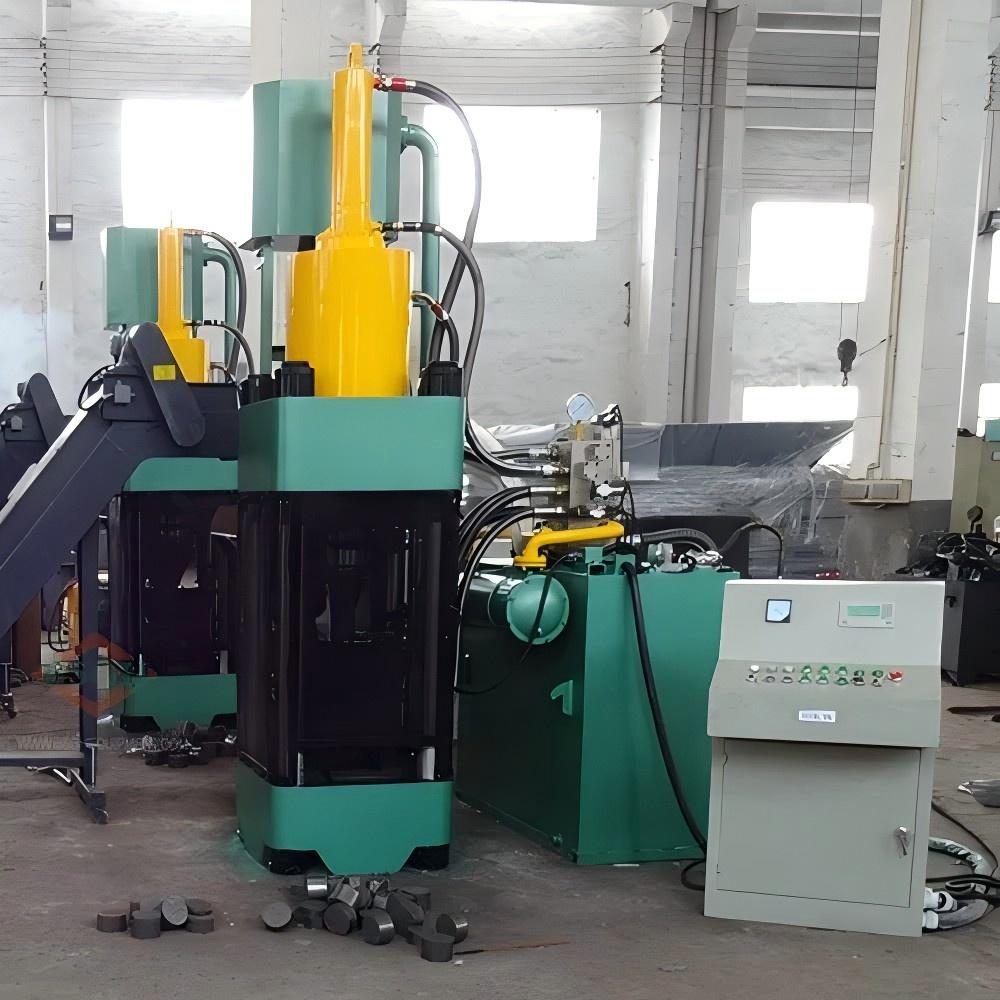
In the modern metal fabrication landscape, efficiency and waste management are paramount. Briquetting machines play a critical role in transforming loose metal chips, shavings, and swarf into dense, manageable briquettes. However, like any sophisticated piece of industrial machinery, these units rely heavily on complex control panels to manage hydraulic pressure, cycle times, and safety interlocks. When a control panel displays an error or fails to respond, it can bring your entire production line to a standstill.
Understanding how to troubleshoot briquetting machine control panel errors is not just a maintenance task; it is a vital skill for ensuring operational continuity. At HARSLE, we emphasize that most control panel issues stem from either sensor misalignment, electrical fluctuations, or logic errors within the Programmable Logic Controller (PLC). By systematically approaching these problems, operators can often resolve minor glitches without the need for expensive external service calls.
This guide is designed to provide a deep dive into the diagnostic processes required to keep your HARSLE briquetting equipment running at peak performance. Whether you are dealing with a simple communication timeout or a complex hydraulic pressure alarm, the following sections will walk you through the logical steps to identify and rectify the issue.
Key Considerations for Control Panel Diagnostics
Before diving into the technical wiring or software settings, it is essential to establish a safe and structured environment for troubleshooting. The first consideration is always safety. Briquetting machines operate under high hydraulic pressure and involve moving mechanical parts. Always ensure the machine is in an emergency stop state and that the main power supply is locked out before opening any electrical cabinets.
Secondly, documentation is your best friend. Every HARSLE machine comes with a detailed electrical schematic and a manual that lists specific error codes. Before attempting to troubleshoot briquetting machine control panel errors, ensure you have the correct manual for your specific model. Comparing the current error code against the manufacturer’s documentation is the most efficient way to narrow down the potential root cause.
Environmental factors also play a significant role in control panel health. Metal fabrication shops are often dusty, humid, or subject to extreme temperature fluctuations. Dust accumulation inside the control cabinet can lead to overheating or short circuits. Regularly inspecting the cooling fans and air filters of your control panel is a proactive step that prevents many common electronic errors from occurring in the first place.
Finally, consider the human element. Often, control panel errors are triggered by incorrect operator input or sequence errors. Before assuming a hardware failure, verify that the machine’s operating parameters—such as pressure settings or cycle duration—are within the recommended range. Sometimes, a simple reset of the control system is all that is required to clear a transient software glitch.
Technical Details: Identifying and Resolving Common Errors
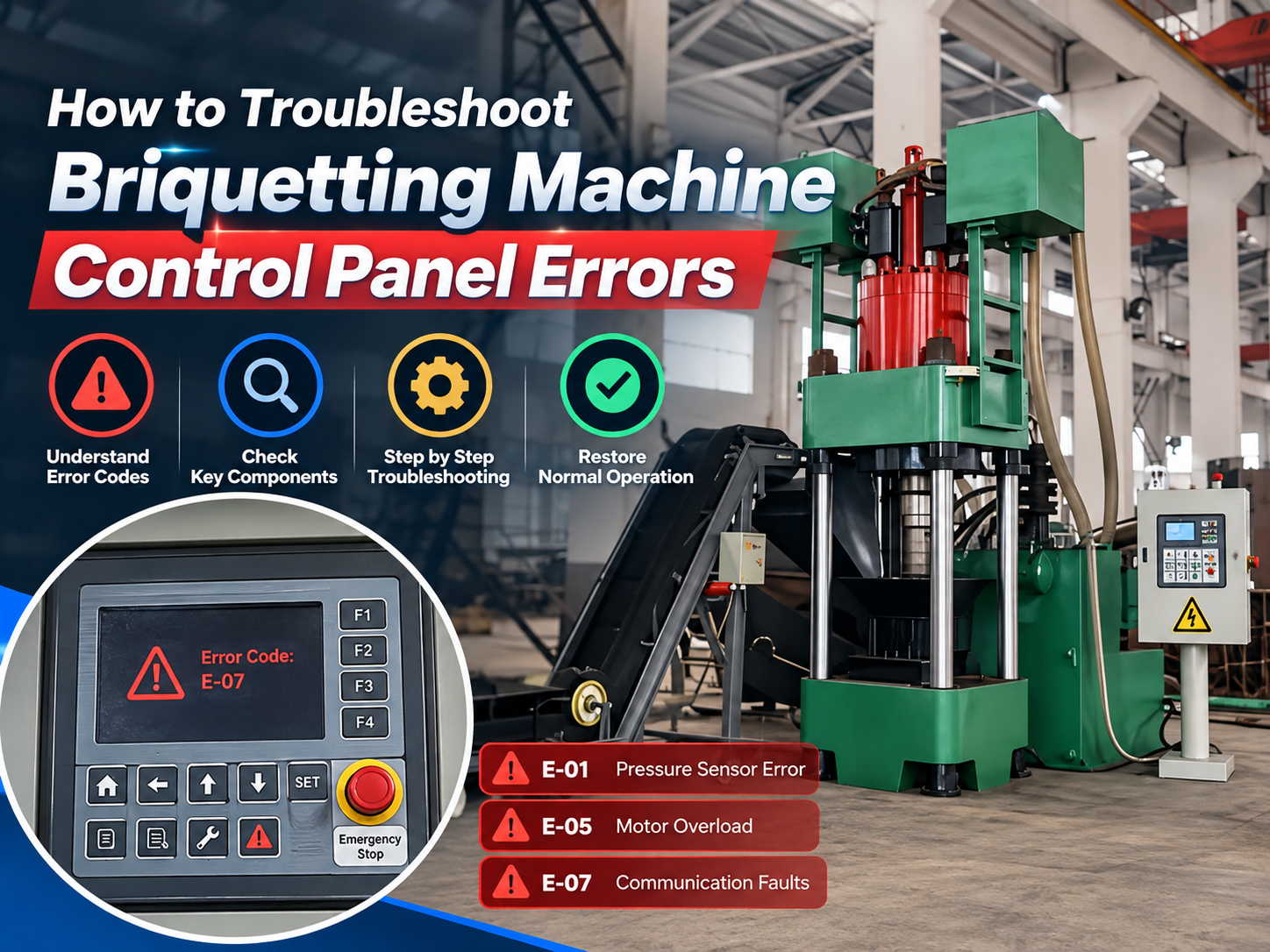
When you encounter an error on your briquetting machine, the first step is to categorize the alarm. Most modern control panels use a PLC-based system that displays alphanumeric codes. For instance, a ‘Pressure Sensor Fault’ usually indicates that the hydraulic system is not reaching the required threshold within the allotted time, or the sensor itself has failed. To troubleshoot this, check the hydraulic fluid levels and inspect the pressure transducer wiring for loose connections.
Communication errors between the PLC and the Human Machine Interface (HMI) are another common issue. These often manifest as a ‘Communication Timeout’ or a frozen screen. This is frequently caused by electromagnetic interference (EMI) from nearby high-power motors or faulty communication cables. Ensure that your signal cables are shielded and properly grounded, and check that the communication ports are free of debris or oxidation.
Limit switch failures are a frequent culprit in mechanical movement errors. If the control panel indicates that a cylinder has not reached its home position, the limit switch may be physically blocked by metal chips or may have shifted out of alignment. Carefully clean the area around the limit switches and use a multimeter to verify that the switch is sending a signal when triggered. If the switch remains ‘open’ or ‘closed’ regardless of position, it likely needs replacement.
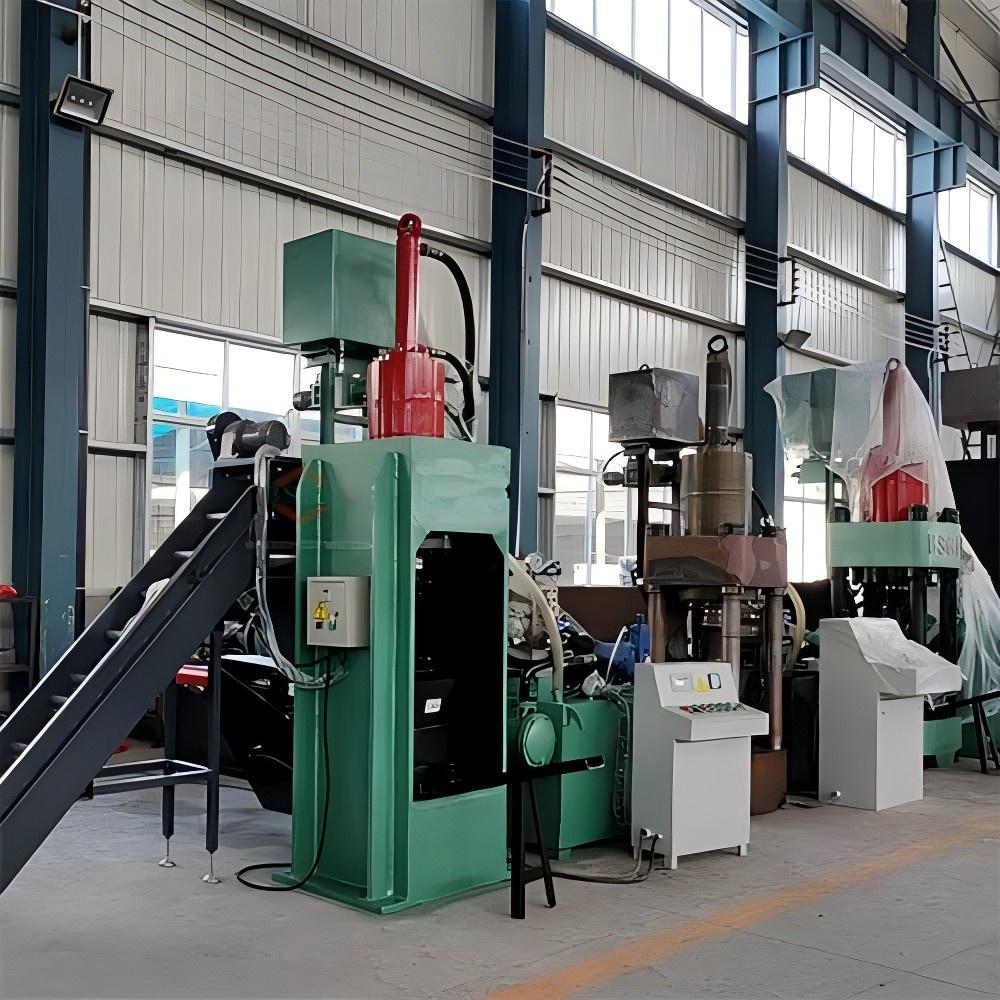
Power supply fluctuations can also trigger erratic behavior in the control panel. If the machine experiences random restarts or flickering displays, check the incoming voltage stability. A dedicated power stabilizer or an Uninterruptible Power Supply (UPS) can protect the sensitive PLC components from voltage spikes common in industrial environments. Always verify that the ground connection is robust, as poor grounding is a leading cause of ‘ghost’ errors in industrial control systems.
Selection Advice: Choosing Reliable Control Systems
When investing in new metal fabrication equipment, the quality of the control system should be a primary selection criterion. A briquetting machine is only as good as its ability to execute commands reliably. Look for machines that utilize industry-standard PLC components, such as Siemens, Schneider, or Mitsubishi. These systems are not only more reliable but also easier to troubleshoot and source parts for in the long run.
Consider the user interface design. A well-designed HMI should provide clear, descriptive error messages rather than obscure codes. HARSLE prioritizes intuitive interfaces that allow operators to see real-time data, such as hydraulic pressure, cycle count, and temperature. This transparency makes it significantly easier to troubleshoot briquetting machine control panel errors because the operator can see exactly where the process is stalling.
Scalability and connectivity are also important. Modern briquetting machines should ideally support remote diagnostics. This allows HARSLE technicians to connect to your machine’s control system via a secure network connection to diagnose issues remotely. This capability can save days of downtime and eliminate the need for on-site visits for minor software-related issues.
Finally, evaluate the build quality of the electrical cabinet. It should be IP-rated to protect against dust and moisture ingress. High-quality components, such as labeled wiring, organized cable trays, and high-grade contactors, are indicators of a machine that will provide years of trouble-free service. When you invest in a machine with a robust control architecture, you are essentially buying peace of mind for your production floor.
FAQ: Frequently Asked Questions
- Q: Why does my briquetting machine show a ‘Hydraulic Pressure Low’ error?
A: This is usually due to low hydraulic oil levels, a clogged filter, or a failing hydraulic pump. Check the oil level first, then inspect the filters and pressure relief valves. - Q: How often should I clean the control cabinet?
A: Depending on the shop environment, we recommend cleaning the cabinet filters and checking for dust buildup every 3 to 6 months to prevent overheating. - Q: Can I replace a PLC module myself?
A: While possible, PLC replacement requires specific software configuration and parameter loading. We recommend contacting HARSLE support to ensure the new module is correctly programmed for your machine. - Q: What should I do if the HMI screen is blank?
A: Check the power supply to the HMI unit and ensure the fuse has not blown. If the power is present, the HMI unit itself may have suffered a hardware failure. - Q: Are there specific tools needed to troubleshoot the control panel?
A: A high-quality digital multimeter, a set of insulated screwdrivers, and the machine’s electrical schematic are the essential tools for any diagnostic task.
Conclusion
Troubleshooting briquetting machine control panel errors is a systematic process that combines mechanical knowledge with electrical diagnostic skills. By maintaining a clean environment, keeping detailed records of error codes, and utilizing the resources provided by HARSLE, you can minimize downtime and maximize the lifespan of your metal fabrication equipment. Remember that the control panel is the brain of your machine; treating it with care and performing regular preventative maintenance will ensure that your briquetting operations remain efficient and profitable.
If you encounter an error that you cannot resolve using the steps outlined in this guide, do not hesitate to reach out to the HARSLE technical support team. Our experts are dedicated to helping you get back to production as quickly as possible. Investing time in understanding your machine’s control system today will pay dividends in operational stability tomorrow.