How to Troubleshoot Briquetting Machine Cylinder Failure: A Comprehensive Industrial Guide

Introduction
In the high-pressure environment of metal fabrication, the briquetting machine serves as a critical asset for waste management and material recycling. By compressing loose metal chips and swarf into dense, manageable briquettes, these machines significantly reduce storage costs and increase the resale value of scrap metal. However, the heart of this operation is the hydraulic cylinder. When you need to troubleshoot briquetting machine cylinder failure, time is of the essence. Downtime in a production line can lead to significant financial losses and operational bottlenecks.
Understanding the anatomy of a hydraulic cylinder and how it interacts with the rest of the briquetting system is the first step toward effective maintenance. Whether you are dealing with a loss of pressure, fluid leaks, or erratic movement, identifying the root cause requires a systematic approach. This guide is designed to help maintenance teams and plant managers diagnose and resolve common cylinder issues, ensuring your HARSLE equipment remains in peak operating condition.
Troubleshooting is not merely about fixing a broken part; it is about understanding the lifecycle of your machinery. Hydraulic systems are sensitive to contamination, temperature fluctuations, and mechanical wear. By mastering the diagnostic process, you can prevent catastrophic failures before they occur. In the following sections, we will explore the technical nuances of cylinder failure, providing you with the knowledge to maintain high productivity levels in your metal fabrication facility.
As we delve into the complexities of hydraulic systems, remember that safety is paramount. Always ensure that the machine is locked out and tagged out before performing any physical inspections or repairs. With the right tools and a structured methodology, you can effectively troubleshoot briquetting machine cylinder failure and extend the lifespan of your industrial investment.
Key Considerations for Hydraulic System Health
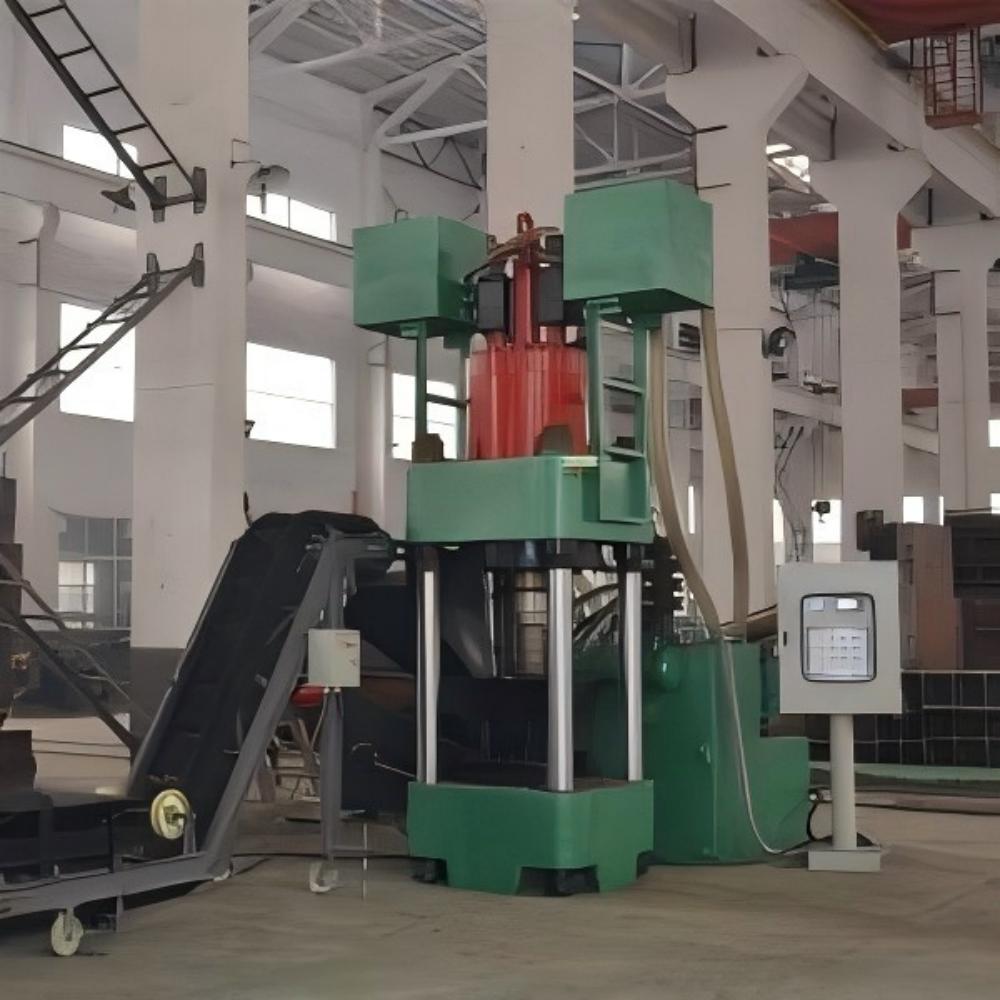
The hydraulic cylinder is the primary actuator in a briquetting machine, responsible for applying the immense force required to compress metal chips. Before jumping into complex repairs, it is essential to consider the environmental and operational factors that contribute to cylinder health. The most common culprit behind premature failure is hydraulic fluid contamination. Even microscopic particles can score the internal walls of the cylinder, leading to internal bypass and loss of force.
Temperature management is another critical factor. Hydraulic oil that operates at consistently high temperatures will degrade rapidly, losing its lubricating properties and damaging the seals within the cylinder. If your briquetting machine is running in a hot environment, ensure that the cooling system is functioning correctly. Monitoring the oil temperature during peak operation can provide early warning signs of an impending failure.
Seal integrity is the third pillar of hydraulic health. Seals are the barrier between the high-pressure fluid and the external environment. Over time, these components naturally wear out due to friction and chemical exposure. A proactive maintenance schedule that includes regular seal inspections can prevent minor leaks from escalating into major hydraulic system failures. Always use manufacturer-approved seals to ensure compatibility with your specific HARSLE machine model.
Finally, consider the mechanical alignment of the cylinder. If the cylinder is not perfectly aligned with the ram or the compression chamber, it will experience side-loading. Side-loading places uneven stress on the piston rod and the internal bearings, leading to rapid wear and potential structural failure. Regularly checking the mounting bolts and the alignment of the ram assembly is a simple yet effective way to prevent long-term damage.
Technical Details: How to Troubleshoot Briquetting Machine Cylinder Failure
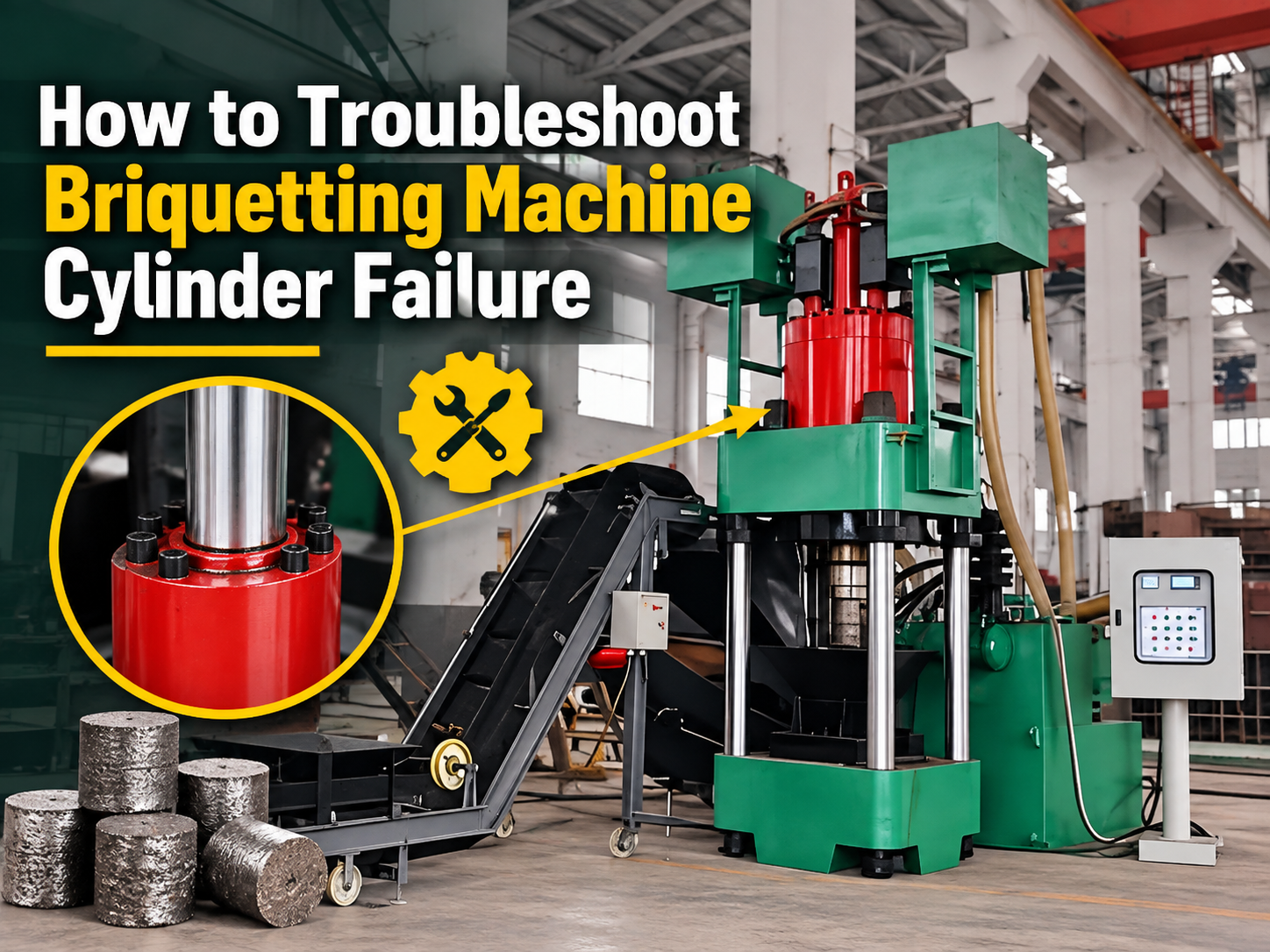
When you begin to troubleshoot briquetting machine cylinder failure, the first step is to categorize the symptoms. Is the cylinder failing to extend? Is it drifting under load? Or is there an external leak? Each symptom points to a different area of the hydraulic circuit. Start by checking the hydraulic pressure at the pump and comparing it to the pressure at the cylinder port. If the pump is producing the required pressure but the cylinder is not, the issue is likely internal to the cylinder itself.
Internal leakage, or “bypassing,” is a common issue where fluid leaks past the piston seals from the high-pressure side to the low-pressure side. To test for this, retract the cylinder fully and disconnect the hose from the rod-end port. Plug the port and then attempt to extend the cylinder. If fluid flows out of the open port, the piston seals are compromised and must be replaced. This test is a definitive way to isolate internal seal failure from external valve or pump issues.
External leaks are easier to spot but require careful attention to detail. Inspect the rod gland area for signs of oil seepage. If the rod seal is leaking, it may be due to a scored piston rod. Run your fingernail along the surface of the rod; if you feel any nicks or scratches, the rod will need to be re-chromed or replaced, as a damaged rod will continue to destroy new seals immediately upon installation.
Another technical aspect to consider is the hydraulic valve block. Sometimes, the cylinder is not at fault; rather, the directional control valve may be sticking or failing to shift completely. If the cylinder moves slowly or erratically, check the solenoid coils and the pilot pressure. A lack of pilot pressure can prevent the main spool from shifting, resulting in sluggish cylinder performance that mimics a mechanical failure.
Selection Advice: Choosing the Right Components
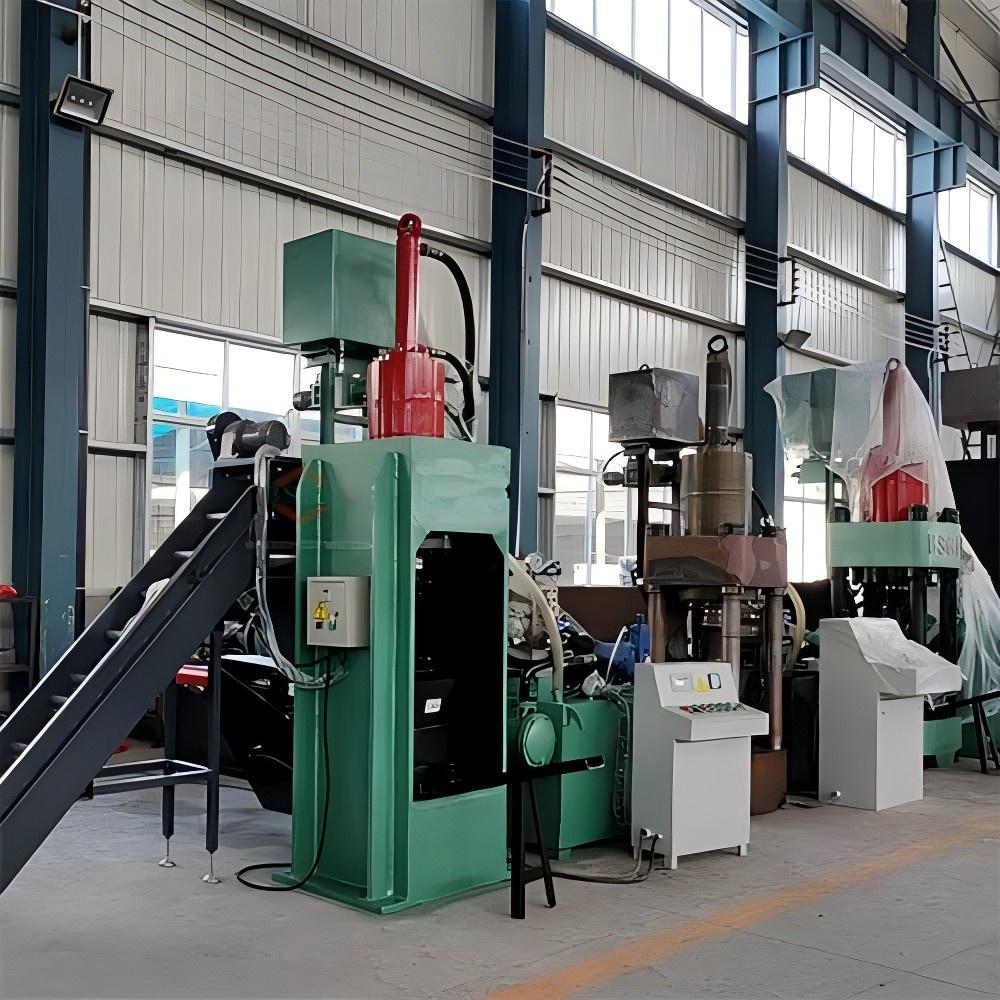
When the time comes to replace a cylinder or its internal components, quality should be your primary concern. Not all hydraulic cylinders are created equal. For heavy-duty metal fabrication, you need cylinders designed for high-cycle applications. Look for features such as induction-hardened piston rods, high-grade steel barrels, and premium-quality seals that are resistant to the specific types of hydraulic fluids used in your facility.
Compatibility is equally important. Always consult your HARSLE machine manual to identify the exact specifications for your cylinder. Using a generic replacement might seem cost-effective in the short term, but it often leads to mounting issues, incorrect stroke lengths, or pressure rating mismatches that can damage the rest of your machine. When in doubt, reach out to the manufacturer or an authorized distributor to ensure you are getting the correct part.
Consider the environment in which the machine operates. If you are processing abrasive materials or working in a dusty environment, consider adding protective bellows or rod wipers to your cylinder. These simple additions can significantly extend the life of the rod seal by preventing contaminants from reaching the critical sealing surface. Investing in these small upgrades during a repair can save you from having to troubleshoot the same issue again in the future.
Finally, evaluate the warranty and support provided by the supplier. A high-quality hydraulic cylinder is a significant investment. Ensure that the component comes with a comprehensive warranty and that the supplier offers technical support. Having access to expert advice can be invaluable when you are in the middle of a complex repair or trying to optimize your machine’s performance for a new type of metal scrap.
الأسئلة الشائعة
1. How often should I inspect the hydraulic cylinder seals?
We recommend a visual inspection of the cylinder area during every shift change. A full maintenance check, including pressure testing and seal inspection, should be performed every 500 to 1,000 operating hours, depending on the intensity of the machine usage.
2. Why is my briquetting machine losing pressure?
Loss of pressure can be caused by a failing hydraulic pump, a leaking relief valve, or internal bypassing in the cylinder. Use the test methods described in this article to isolate the cylinder from the rest of the hydraulic circuit.
3. Can I repair a scored piston rod?
Minor scratches can sometimes be polished out, but deep scores usually require the rod to be re-chromed or replaced. If the rod is damaged, it will continue to tear through new seals, so it is best to address the rod surface immediately.
4. What type of hydraulic fluid is best for HARSLE machines?
Always refer to your specific machine manual for the recommended viscosity and grade of hydraulic oil. Using the wrong fluid can lead to cavitation, overheating, and premature seal failure.
5. What are the signs of air in the hydraulic system?
Air in the system often causes jerky or spongy movement of the cylinder. If you notice this, check for leaks on the suction side of the pump and ensure that the hydraulic reservoir is filled to the correct level.
Conclusion
Learning how to troubleshoot briquetting machine cylinder failure is an essential skill for anyone involved in metal fabrication maintenance. By understanding the relationship between hydraulic pressure, seal integrity, and mechanical alignment, you can transform your approach from reactive to proactive. Remember that the longevity of your HARSLE equipment depends on consistent care, the use of high-quality replacement parts, and a commitment to regular inspection schedules.
When you encounter issues, do not rush the diagnostic process. Take the time to isolate the problem, check the fluid quality, and inspect the physical components for signs of wear. Whether it is a simple seal replacement or a more complex cylinder overhaul, following the steps outlined in this guide will help you restore your machine to full operational capacity as quickly and safely as possible.
Ultimately, the goal of troubleshooting is to minimize downtime and maximize the efficiency of your metal recycling operations. By keeping your hydraulic systems in top shape, you ensure that your briquetting machine continues to provide value for years to come. If you ever find yourself facing a failure that exceeds your internal maintenance capabilities, do not hesitate to contact HARSLE support for professional assistance. Your investment deserves the best care, and with the right knowledge, you are well-equipped to provide it.