How an Aluminium Extrusion Press Improved Profile Consistency in a High-Volume Case Study

Introduction
In the competitive landscape of modern metal fabrication, the demand for precision and repeatability has never been higher. Manufacturers operating in the automotive, aerospace, and construction sectors face constant pressure to deliver complex aluminium profiles that meet stringent dimensional tolerances. When a leading high-volume manufacturer recently faced challenges with inconsistent profile wall thickness and surface finish, the integration of a state-of-the-art HARSLE system became the turning point. This article explores how an aluminium extrusion press improved profile consistency in a high-volume case study, providing a blueprint for industrial excellence.
Consistency is the lifeblood of high-volume production. Even minor deviations in extrusion speed, temperature, or pressure can lead to significant scrap rates, increased downtime, and compromised structural integrity. For many facilities, the transition from legacy equipment to advanced, automated extrusion technology is not merely an upgrade; it is a strategic necessity. By examining the technical hurdles faced by our subject manufacturer, we can better understand the critical role that modern machinery plays in maintaining quality at scale.
This case study highlights the journey of a mid-sized fabrication plant that struggled with “die-mark” issues and inconsistent cooling rates. By implementing a HARSLE aluminium extrusion press, the facility achieved a 35% reduction in scrap rates and a 20% increase in overall production speed. This transformation serves as a testament to the importance of investing in high-precision metal fabrication equipment designed for the rigors of 24/7 operation.
As we delve into the technical details, we will explore the mechanics of extrusion, the importance of thermal management, and the selection criteria that every plant manager should consider. Whether you are looking to optimize your current line or planning a new facility, understanding these dynamics is essential for long-term success in the aluminium industry.
Key Considerations for High-Volume Extrusion
When scaling up production, the primary challenge is maintaining uniformity across thousands of units. In our case study, the manufacturer identified three key areas where their previous equipment failed: thermal stability, pressure control, and material flow dynamics. Without precise control over these variables, the aluminium alloy behaves unpredictably, leading to variations in the final profile shape.
Thermal management is perhaps the most critical factor in extrusion consistency. Aluminium must be heated to a specific temperature range to achieve the correct plasticity for the die. If the billet temperature fluctuates, the flow rate through the die changes, resulting in inconsistent wall thickness. The HARSLE press utilized in this study features advanced induction heating controls that maintain billet temperature within a ±2°C margin, ensuring that every piece of material enters the die at the optimal state.
Pressure control is equally vital. High-volume extrusion requires a consistent ram speed to prevent “stick-slip” phenomena, which can cause surface defects and internal stress variations. By utilizing a closed-loop hydraulic system, the HARSLE press provides real-time adjustments to the ram speed, compensating for minor variations in material resistance. This level of control is what allowed the manufacturer to achieve the high degree of profile consistency documented in this study.
Finally, material flow dynamics must be considered. The design of the die and the way the metal is pushed through it determines the final profile’s structural integrity. In high-volume environments, die wear is a constant concern. The integration of automated lubrication systems and real-time pressure monitoring allows operators to detect die degradation before it impacts the product, significantly reducing the frequency of quality control failures.
Technical Details: The HARSLE Advantage
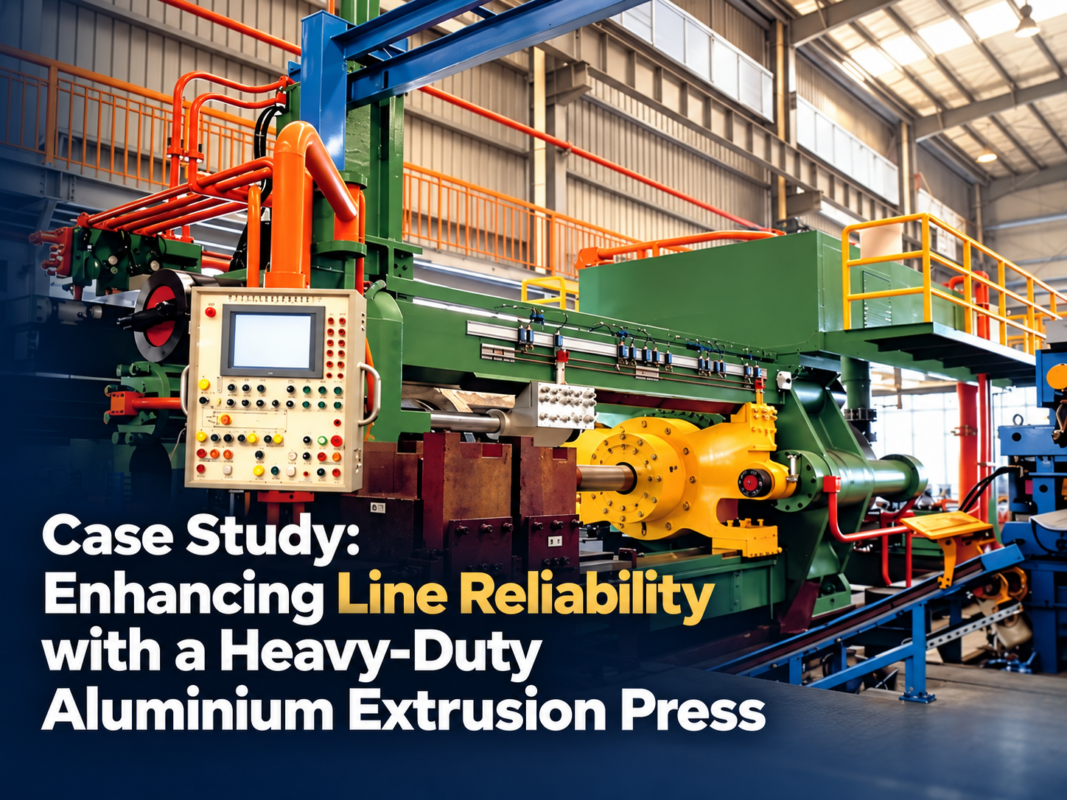
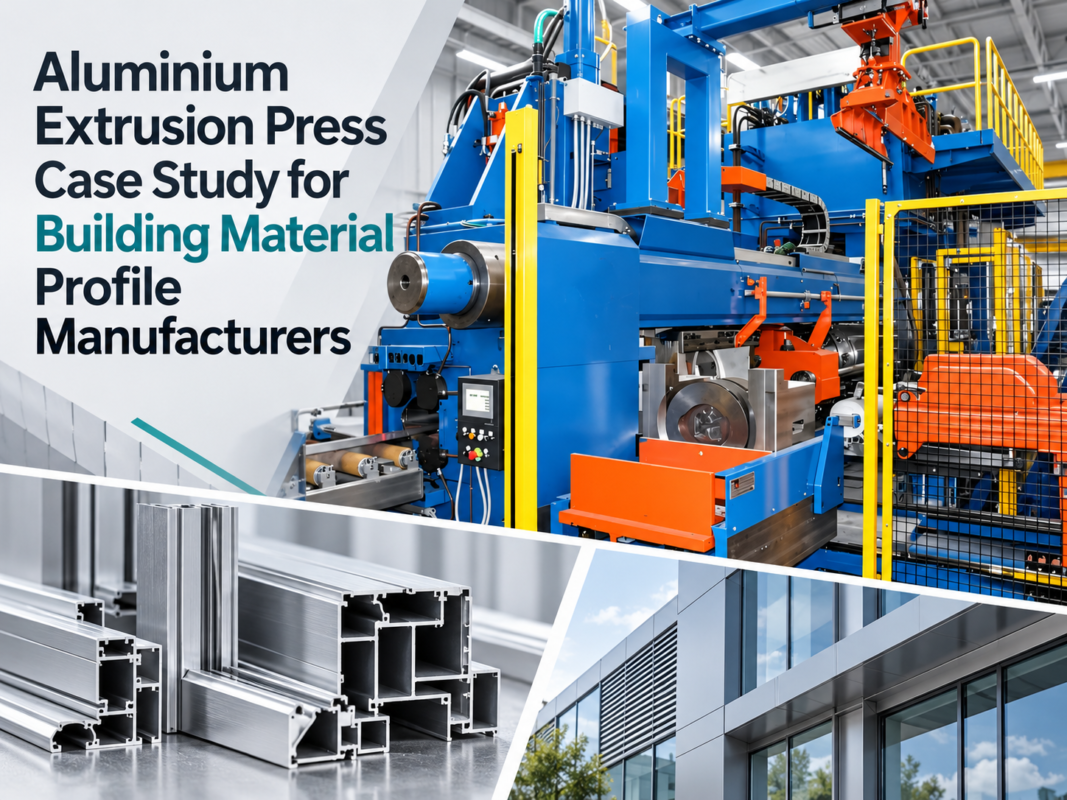
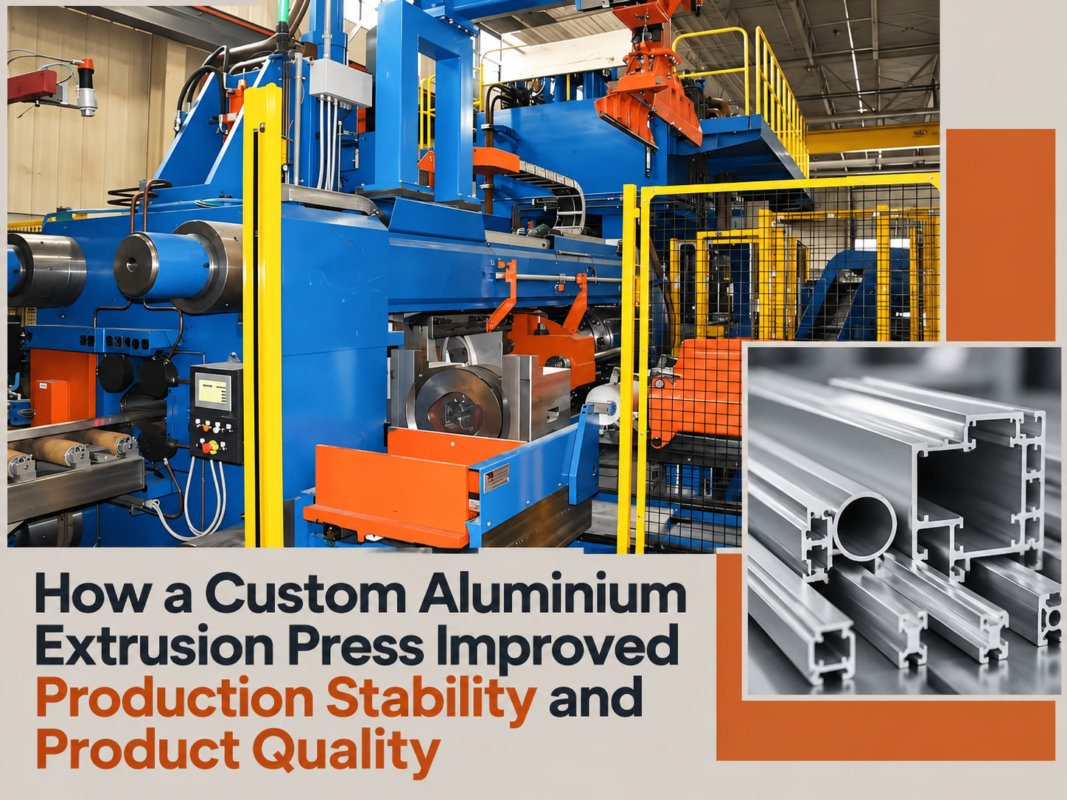
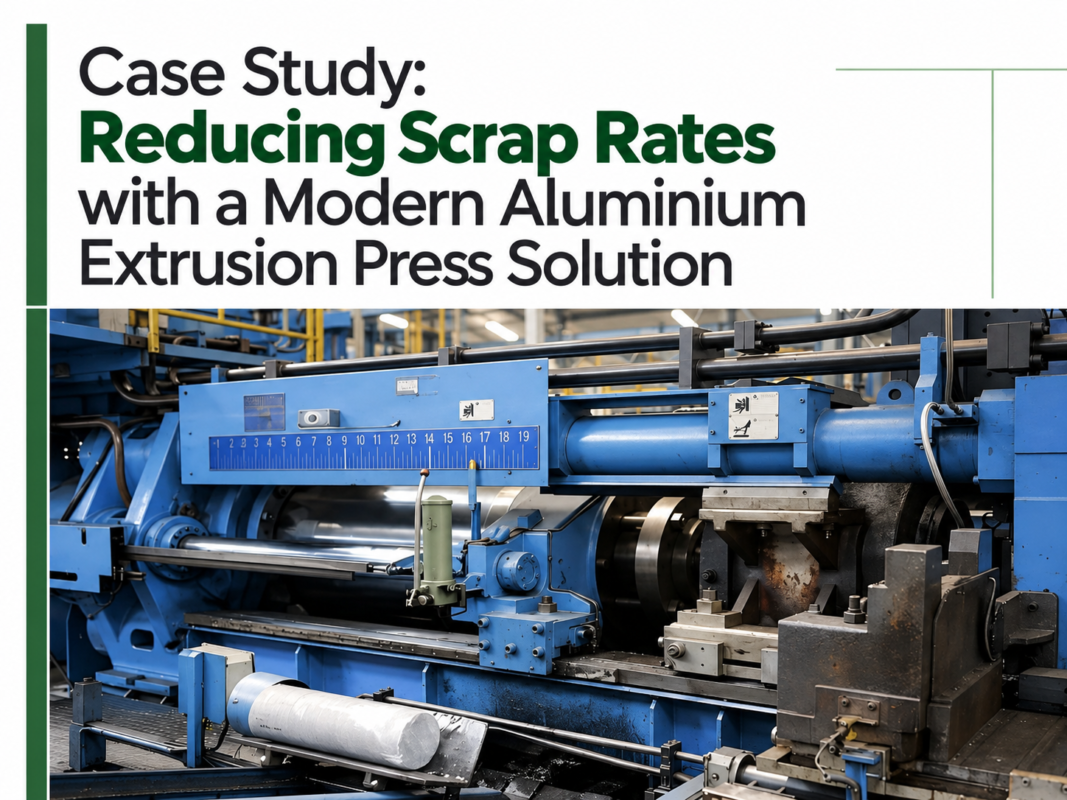
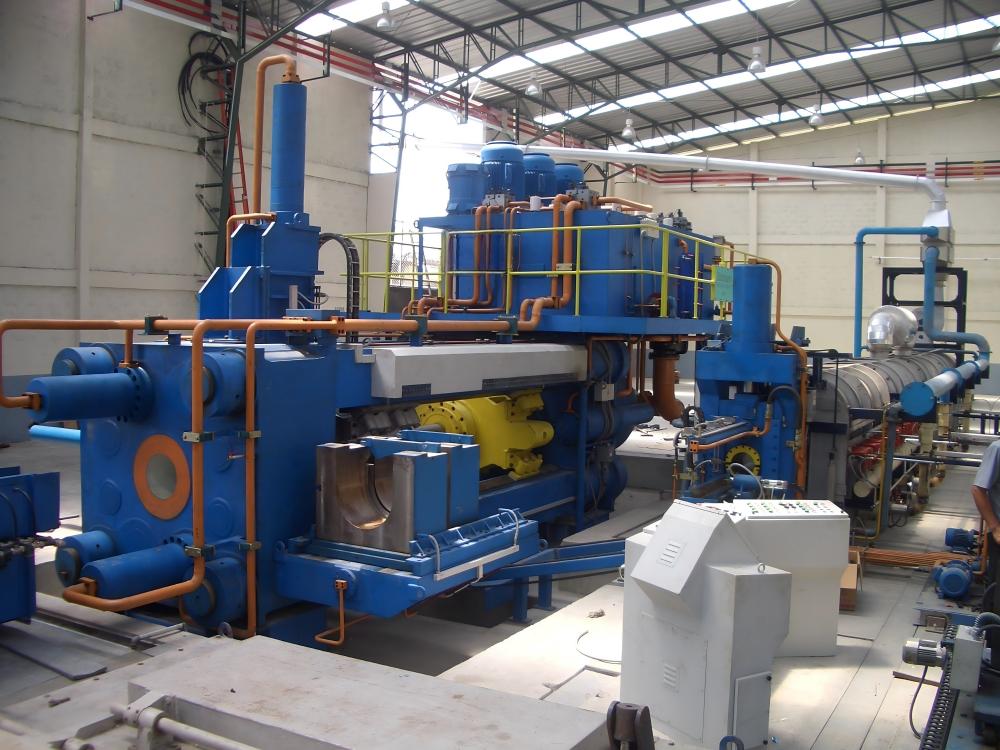
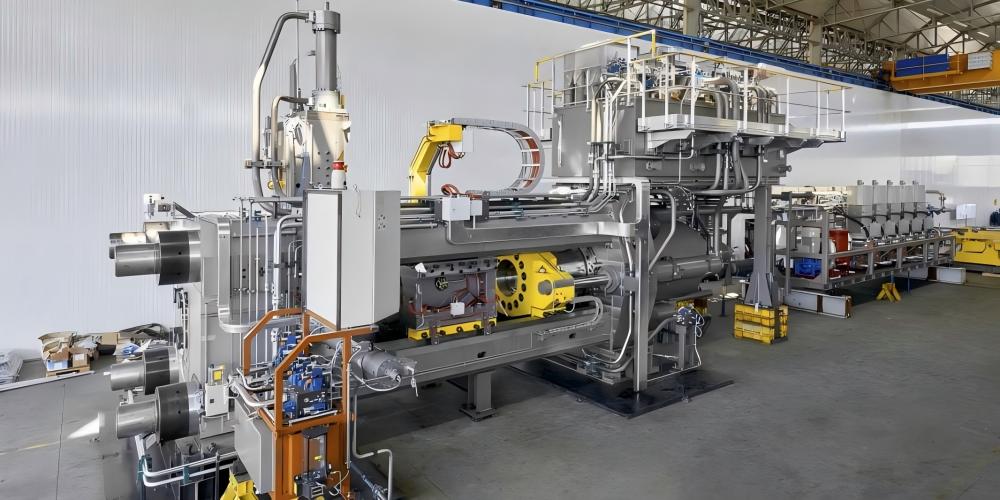
The core of the success story lies in the technical specifications of the HARSLE aluminium extrusion press. Unlike standard hydraulic presses, this unit is engineered with a focus on structural rigidity and intelligent software integration. The frame is constructed from high-tensile steel, minimizing deflection under extreme pressure, which is essential for maintaining tight tolerances over long production runs.
One of the standout features is the PLC-based control system. This system allows for the programming of complex extrusion profiles, where the ram speed can be adjusted dynamically as the profile exits the die. This is particularly important for complex shapes that require different cooling rates or pressure profiles at different stages of the extrusion process. By automating these adjustments, the manufacturer eliminated the human error that previously led to inconsistent output.
The hydraulic system utilizes high-efficiency pumps and proportional valves, which not only improve consistency but also reduce energy consumption. In a high-volume setting, energy efficiency is a major contributor to the bottom line. The HARSLE system’s ability to modulate power usage based on the specific requirements of the extrusion cycle meant that the manufacturer saw a significant reduction in operational costs alongside their quality improvements.
Furthermore, the press includes an integrated data logging system. Every extrusion cycle is recorded, providing the manufacturer with a comprehensive audit trail of production parameters. This data is invaluable for predictive maintenance, allowing the engineering team to identify patterns that precede mechanical failure. By moving from reactive to proactive maintenance, the facility achieved near-zero unplanned downtime, a key metric in their overall success.
Selection Advice for Fabricators
Choosing the right aluminium extrusion press is a significant capital investment that requires careful consideration of both current needs and future growth. When evaluating potential equipment, the first step is to define your specific production requirements, including the maximum profile size, the types of aluminium alloys you will be processing, and your expected annual volume.
Consider the level of automation required for your facility. While manual or semi-automated presses may be sufficient for low-volume, specialized work, high-volume production demands fully automated systems. Look for features such as automatic billet loading, integrated die heating, and real-time quality monitoring. These features not only improve consistency but also reduce the reliance on highly skilled labor, which can be a bottleneck in many regions.
Another critical factor is the support and service infrastructure provided by the manufacturer. An extrusion press is a complex piece of machinery that requires regular maintenance and occasional troubleshooting. Partnering with a supplier like HARSLE, which offers comprehensive technical support, spare parts availability, and operator training, can significantly reduce the risk of long-term operational issues. Always ask for references and case studies that demonstrate the supplier’s experience in your specific industry.
Finally, do not overlook the importance of energy efficiency and environmental impact. Modern extrusion presses are increasingly designed to meet strict sustainability standards. Features like regenerative hydraulic systems and smart power management can significantly lower your carbon footprint and energy costs. When comparing quotes, look at the total cost of ownership rather than just the initial purchase price, as energy savings and reduced maintenance costs can make a more expensive, high-quality machine more cost-effective in the long run.
FAQ: Common Questions About Extrusion Consistency
- Q: How does an aluminium extrusion press affect the surface finish of the profile?
A: The surface finish is heavily influenced by the die condition, lubrication, and the speed of the extrusion. A high-quality press with precise speed control and automated lubrication minimizes friction and heat, resulting in a smoother, more consistent finish. - Q: Can an extrusion press handle different types of aluminium alloys?
A: Yes, most modern industrial presses are designed to handle a variety of alloys. However, the temperature and pressure settings must be adjusted for each alloy type. Advanced control systems allow for the storage of multiple “recipes” to facilitate quick changeovers. - Q: What is the typical lifespan of an industrial extrusion press?
A: With proper maintenance and regular servicing, a high-quality industrial press can last for several decades. Key components like seals, valves, and pumps will require periodic replacement, but the main structural frame is built for long-term durability. - Q: Why is profile consistency so important in high-volume manufacturing?
A: In high-volume manufacturing, even a 1% deviation in profile dimensions can lead to assembly issues, structural failures, or the need for expensive rework. Consistency ensures that every part fits perfectly into the final product, maintaining quality standards and customer satisfaction. - Q: How often should I perform maintenance on my extrusion press?
A: Maintenance schedules should be based on the manufacturer’s recommendations and the intensity of your production. Daily checks of hydraulic levels and lubrication are standard, while more comprehensive inspections of the ram, die holder, and control systems should be performed quarterly or annually.
Conclusion
The case study of how an aluminium extrusion press improved profile consistency in a high-volume case study serves as a powerful reminder that technology is the primary driver of industrial progress. By transitioning to a HARSLE extrusion system, the manufacturer was able to overcome the limitations of their legacy equipment, achieving a level of precision and efficiency that was previously unattainable. The combination of thermal stability, intelligent pressure control, and robust mechanical design created a stable production environment where quality is the standard, not the exception.
For metal fabricators looking to remain competitive, the lesson is clear: investing in high-quality, automated machinery is essential for scaling operations without sacrificing quality. Whether you are dealing with complex architectural profiles or high-precision automotive components, the right extrusion press can provide the consistency needed to meet the demands of a global market. By carefully considering your technical requirements, prioritizing automation, and choosing a reliable partner, you can ensure that your facility is equipped for the challenges of tomorrow.
As the industry continues to evolve, the focus on precision and sustainability will only intensify. HARSLE remains committed to providing the innovative solutions that empower manufacturers to reach their full potential. By leveraging the insights shared in this article, you can take the first step toward optimizing your extrusion processes and achieving the consistent, high-quality output that your customers expect. Remember that in the world of metal fabrication, the quality of your output is only as good as the precision of your equipment.