How a Hammer Shredder Reduced Downtime in an Industrial Scrap Yard: Case Study

Introduction
In the high-stakes environment of industrial scrap metal processing, efficiency is not merely a goal; it is the primary determinant of profitability. Scrap yards face constant pressure to process massive volumes of mixed metal waste while maintaining strict safety standards and minimizing operational interruptions. For many facilities, the bottleneck often lies in the primary shredding stage, where outdated or underpowered equipment frequently leads to costly downtime. This article explores how a hammer shredder reduced downtime in an industrial scrap yard: case study, highlighting the transformative impact of HARSLE’s advanced engineering on operational continuity.
Downtime in a scrap yard is a multifaceted problem. It is not just the time spent repairing a broken machine; it is the cascading effect of idle labor, missed shipping deadlines, and the accumulation of unprocessed material that clogs the entire supply chain. When a facility relies on legacy shredding technology, the frequency of mechanical failures—often caused by non-shreddable materials or excessive wear on internal components—can cripple production schedules. By transitioning to modern, high-torque hammer shredder systems, operators can achieve a level of reliability that was previously unattainable.
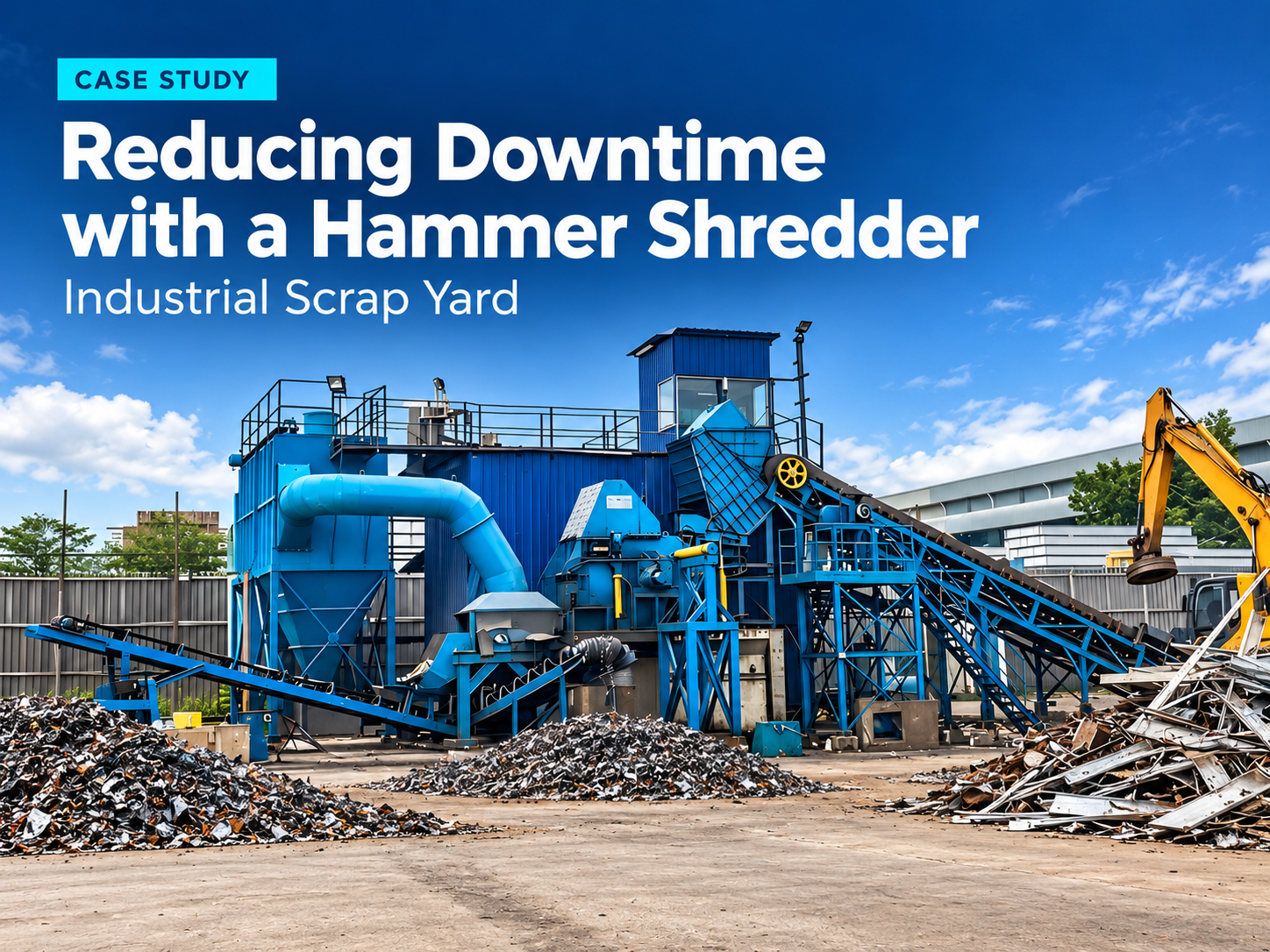
The following case study examines a mid-sized industrial scrap yard that struggled with a 25% monthly downtime rate due to frequent hammer mill jams and motor failures. By integrating a HARSLE industrial hammer shredder, the facility was able to streamline its workflow and significantly enhance its throughput. We will delve into the technical specifications, the strategic selection process, and the long-term maintenance benefits that allowed this facility to turn a profit-draining problem into a competitive advantage.
Understanding the mechanics of how a hammer shredder reduced downtime in an industrial scrap yard: case study requires looking beyond the machine itself and considering the entire ecosystem of metal fabrication equipment. A shredder is the heart of a scrap yard; if the heart stops, the entire operation dies. This article serves as a comprehensive guide for facility managers and procurement officers looking to modernize their recycling operations and mitigate the risks associated with equipment failure.
Key Considerations for Scrap Yard Efficiency
When evaluating the performance of a scrap yard, the primary metric is the ‘uptime-to-throughput’ ratio. Many facilities operate on thin margins, meaning that even a few hours of unexpected downtime can erase the profits of an entire week. The first key consideration is the material composition. Scrap yards rarely receive uniform input; they deal with a chaotic mix of light gauge steel, heavy structural beams, and occasional contaminants like concrete or non-ferrous alloys. A shredder must be robust enough to handle these variations without requiring constant manual intervention.
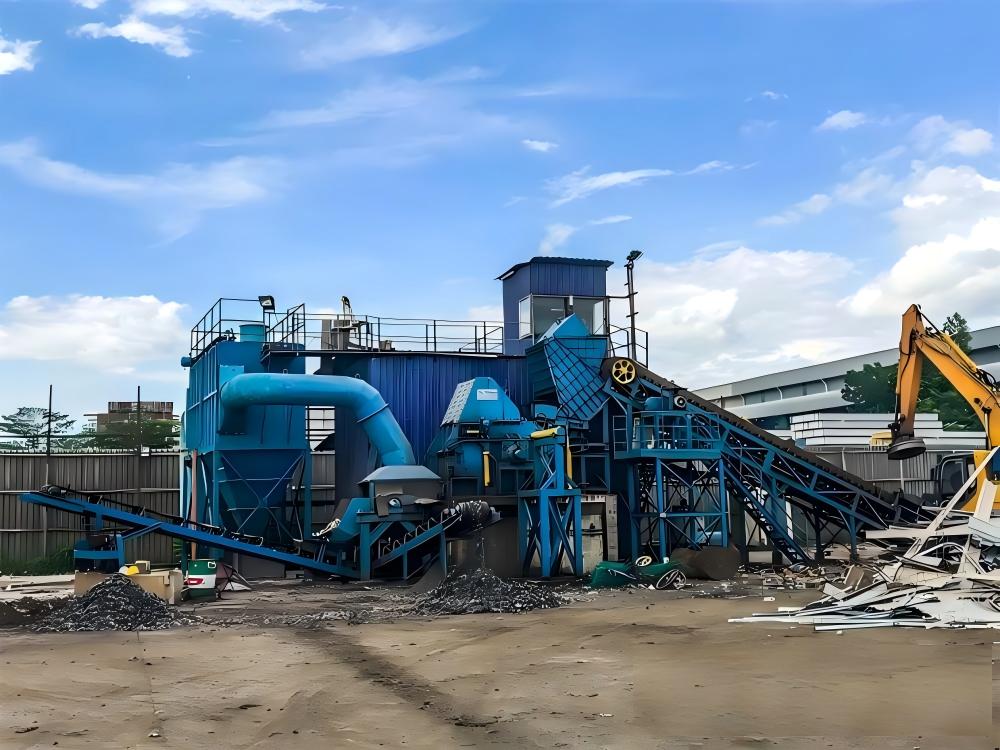
Another critical factor is the integration of the shredder into the existing material handling system. If the shredder is faster than the conveyor system, or if the discharge mechanism cannot keep up with the output, the machine will inevitably choke. The case study facility identified that their previous equipment lacked the intelligent load-sensing technology required to adjust feed rates automatically. By upgrading to a system with advanced PLC controls, they ensured that the motor load remained within optimal parameters, preventing the thermal shutdowns that had plagued their previous operations.
Maintenance accessibility is a third pillar of efficiency. In traditional shredders, changing hammers or clearing a jam could take an entire shift, requiring heavy lifting equipment and specialized labor. Modern HARSLE hammer shredders are designed with modular components and hydraulic access doors, allowing maintenance teams to perform routine inspections and part replacements in a fraction of the time. This shift from reactive to proactive maintenance is the cornerstone of reducing downtime.
Finally, energy efficiency and noise pollution management play a role in operational longevity. Facilities that operate under strict environmental regulations often face fines or forced shutdowns if their equipment exceeds noise thresholds or consumes excessive power. By choosing a hammer shredder that utilizes high-efficiency motors and sound-dampening housing, the facility not only reduced its downtime but also improved its standing with local regulatory bodies, ensuring a more stable and sustainable business environment.
Technical Details of the HARSLE Hammer Shredder
The HARSLE hammer shredder utilized in this case study features a heavy-duty rotor assembly designed to withstand the extreme impact forces required to break down dense metal scrap. The rotor is equipped with high-manganese steel hammers, which are engineered for both hardness and toughness. This specific material composition allows the hammers to resist cracking under high-impact loads while maintaining a sharp cutting edge for longer periods, directly contributing to the reduction of downtime associated with frequent part replacements.
At the core of the machine’s performance is the intelligent control system. The shredder is equipped with sensors that monitor the motor current and vibration levels in real-time. If the system detects a potential jam—such as an oversized piece of steel entering the chamber—the control system automatically reverses the feed conveyor or adjusts the rotor speed to clear the obstruction before it causes a mechanical failure. This ‘smart’ intervention is a primary reason why a hammer shredder reduced downtime in an industrial scrap yard: case study.
The discharge grate system is another technical highlight. The size of the output material is determined by the grate configuration, which can be swapped out depending on the desired end-product density. In the case study, the facility utilized a multi-stage grate system that allowed for consistent particle sizing, which in turn improved the efficiency of downstream magnetic separators. By producing a cleaner, more uniform product, the facility reduced the wear and tear on subsequent conveyor belts and sorting equipment, creating a ripple effect of reliability throughout the entire yard.
Furthermore, the lubrication and cooling systems are integrated into a centralized maintenance hub. The HARSLE design emphasizes sealed bearings that are protected from the fine metal dust and debris that typically infiltrate and destroy standard industrial machinery. By keeping the internal components clean and well-lubricated, the facility extended the service life of the main drive components by over 40%, significantly reducing the frequency of major overhauls.
Selection Advice for Scrap Yard Managers
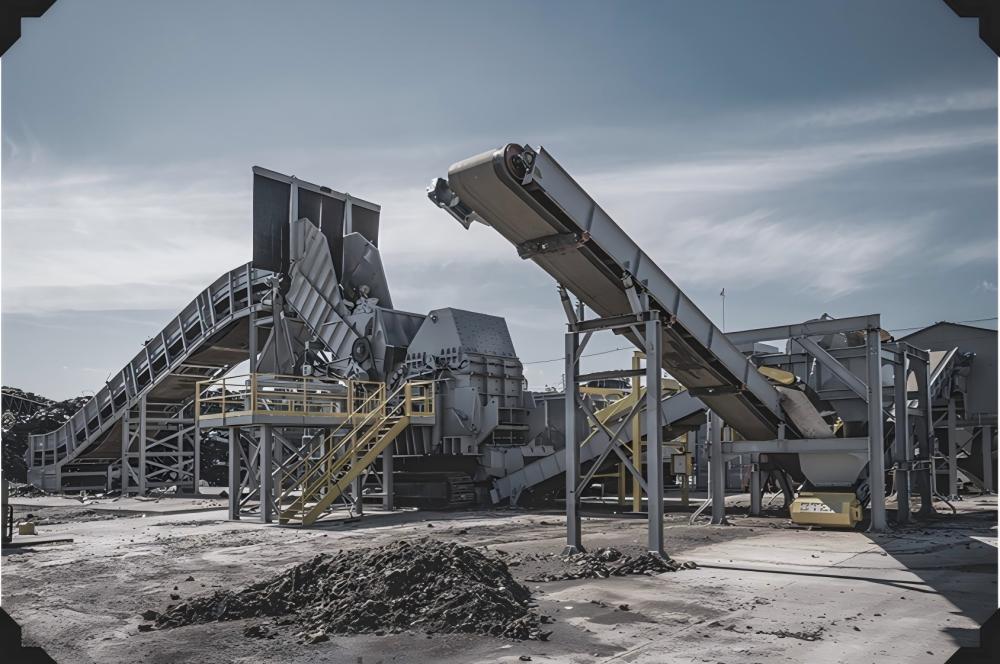
Selecting the right hammer shredder is a significant capital investment that requires a deep understanding of your facility’s specific needs. The first step is to conduct a thorough audit of your input material. Are you processing mostly automotive scrap, or are you dealing with industrial demolition waste? Automotive scrap requires a shredder with high torque at lower speeds to tear through chassis components, whereas demolition waste might require a higher-speed rotor to handle bulky, irregular shapes. Matching the shredder’s torque curve to your material profile is essential.
Capacity planning is equally important. It is tempting to purchase the largest machine available, but an oversized shredder running at 30% capacity is inefficient and can lead to material ‘bouncing’ inside the chamber, which causes premature wear on the liners. Conversely, an undersized machine will be constantly pushed to its limit, leading to overheating and frequent downtime. HARSLE consultants recommend a ‘sweet spot’ analysis, where the machine is sized to operate at 75-80% of its rated capacity during peak hours, providing enough headroom for surges without sacrificing energy efficiency.
Consider the availability of spare parts and technical support. A hammer shredder is a high-wear machine; even the best equipment will eventually need new hammers, grates, and liners. When evaluating manufacturers, look for those with a robust local supply chain and a commitment to rapid parts delivery. The case study facility chose HARSLE specifically because of their reputation for providing comprehensive technical documentation and 24/7 remote support, which proved invaluable during the initial installation and training phase.
Finally, do not overlook the importance of operator training. Even the most advanced hammer shredder can be misused if the operators do not understand the nuances of the control system. Investing in a training program that covers daily inspection routines, proper startup and shutdown procedures, and basic troubleshooting can prevent 80% of the common issues that lead to downtime. A well-trained team is the best insurance policy for your industrial machinery investment.
FAQ: Optimizing Shredder Performance
How often should I inspect the hammers in my shredder?
For high-volume scrap yards, a visual inspection of the hammers should be performed daily. A more comprehensive measurement of wear patterns should be conducted weekly. If you notice a significant drop in throughput or an increase in vibration, inspect the hammers immediately, as uneven wear can lead to rotor imbalance.
What is the biggest cause of shredder downtime?
The most common cause of downtime is the introduction of ‘non-shreddables’—items like massive engine blocks, thick concrete, or sealed pressure vessels that the machine is not rated to process. Implementing a rigorous pre-sorting process is the most effective way to prevent these items from reaching the shredder.
Can a hammer shredder handle non-ferrous metals?
Yes, but the shredding parameters must be adjusted. Non-ferrous metals often have different ductility and hardness characteristics than steel. Using the correct grate size and rotor speed is critical to achieving a clean separation and preventing the material from ‘smearing’ inside the chamber.
How does HARSLE ensure long-term reliability?
HARSLE focuses on heavy-duty construction, using high-grade alloys for all wear parts and integrating advanced PLC systems that protect the motor from overload. Our commitment to modular design also ensures that when parts do need replacing, the process is fast and straightforward.
Conclusion
The evidence is clear: when a hammer shredder reduced downtime in an industrial scrap yard: case study, the results were not just incremental—they were transformative. By moving away from legacy equipment and embracing the precision, durability, and intelligent control systems offered by HARSLE, the facility was able to stabilize its production, reduce maintenance costs, and significantly increase its bottom line. The transition to modern metal fabrication equipment is not merely an upgrade; it is a strategic necessity for any scrap yard looking to remain competitive in a demanding global market.
As we have explored, the key to success lies in a combination of proper machine selection, rigorous maintenance protocols, and a commitment to operator training. The HARSLE hammer shredder serves as the backbone of this efficiency, providing the power to process diverse material streams while maintaining the reliability required for 24/7 operations. For those currently struggling with the hidden costs of downtime, the path forward is clear: invest in technology that works with you, not against you.
We invite you to review your current shredding operations and consider how a HARSLE solution could be tailored to your specific needs. Whether you are looking to increase throughput, improve product quality, or simply stop the cycle of constant repairs, our team of experts is ready to assist you in designing a system that delivers measurable results. Remember, in the world of industrial scrap, time is the most valuable commodity—don’t let your equipment waste it.