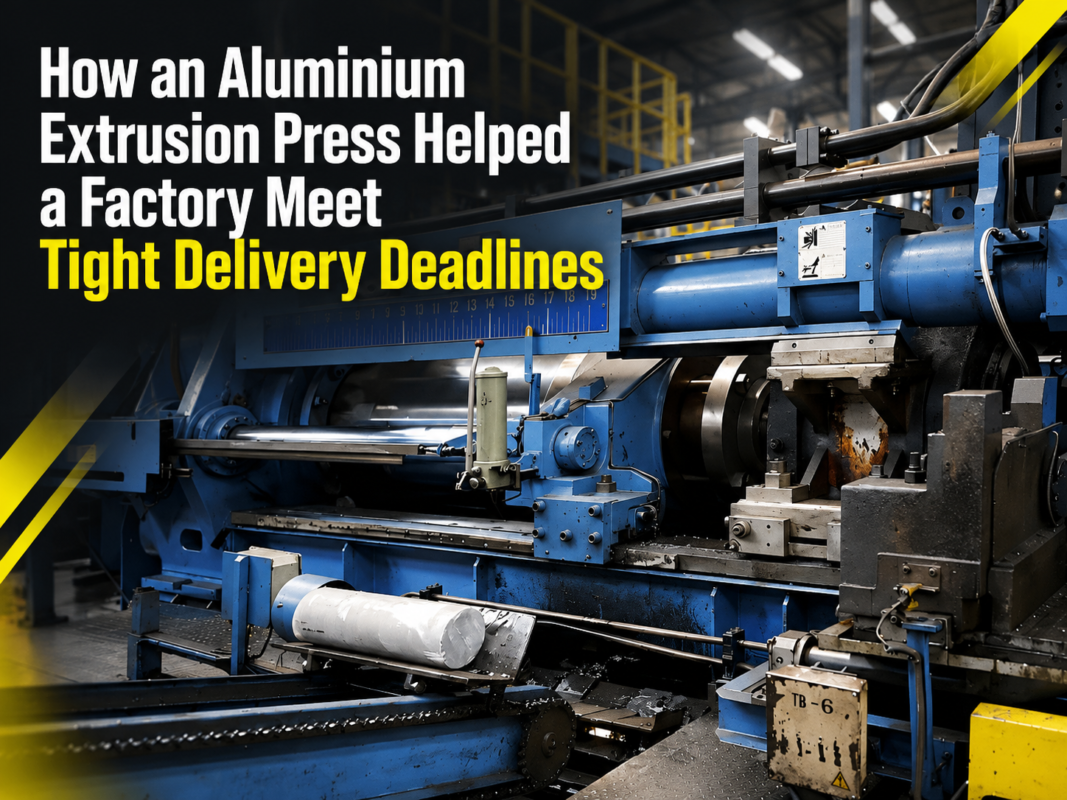
Case Study: Choosing a Hammer Shredder for Better Scrap Metal Pre-Processing

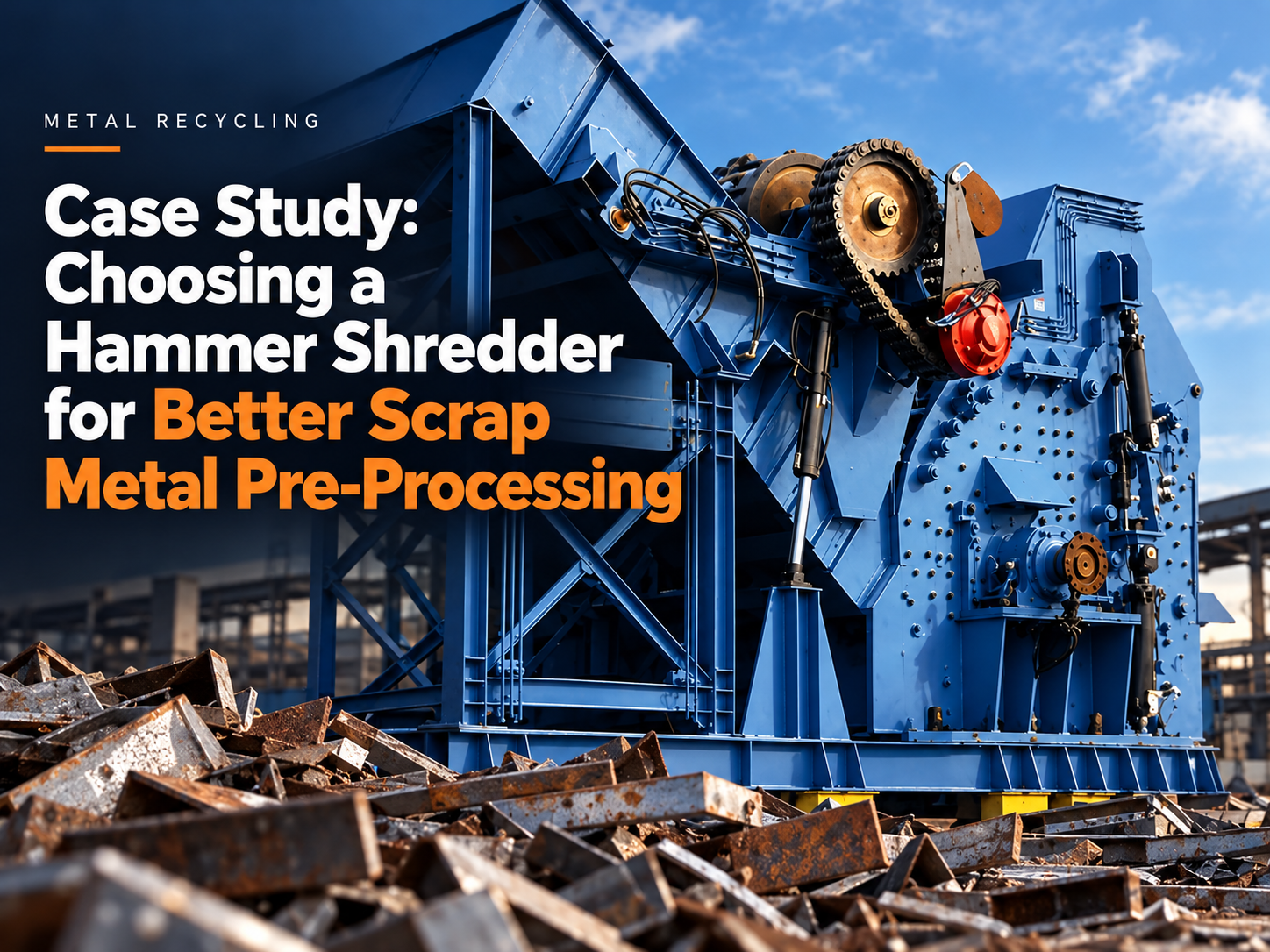
Introduction to Scrap Metal Pre-Processing Efficiency
In the modern metal fabrication and recycling landscape, the efficiency of pre-processing determines the overall profitability of the entire operation. As scrap metal volumes increase, facilities are constantly seeking ways to reduce bulk, improve material density, and prepare feedstock for downstream smelting or separation processes. This is where the strategic implementation of a high-performance hammer shredder becomes a game-changer for industrial plants.
This article presents a comprehensive case study: Choosing a Hammer Shredder for Better Scrap Metal Pre-Processing. By examining the operational challenges faced by a mid-sized metal recycling facility, we uncover the technical requirements, decision-making criteria, and long-term benefits of integrating advanced shredding technology. HARSLE provides the industrial expertise necessary to navigate these complex equipment selections.
Effective pre-processing is not merely about breaking down metal; it is about creating a uniform, high-density product that maximizes furnace efficiency and reduces transportation costs. When a facility transitions from manual shearing or basic cutting to automated hammer shredding, the throughput capacity often triples, while labor costs associated with material handling drop significantly.
Throughout this guide, we will explore the technical nuances that make a hammer shredder the preferred choice for diverse metal streams. From thin-gauge sheet metal to bulky automotive components, understanding the mechanics of impact-based shredding is essential for any plant manager looking to optimize their scrap processing workflow.
Key Considerations for Selecting Industrial Shredding Equipment
When embarking on the journey of selecting a hammer shredder, the first consideration must be the specific composition of the scrap stream. Not all metal is created equal; a facility processing aluminum cans requires a vastly different hammer configuration and motor torque compared to one processing heavy steel beams or mixed industrial scrap. Understanding the density and hardness of the input material is the foundation of the selection process.
Throughput requirements serve as the second pillar of the decision. A facility must calculate its daily tonnage and peak load capacity. Choosing a machine that is undersized leads to excessive wear and frequent downtime, while an oversized machine results in unnecessary capital expenditure and higher energy consumption. HARSLE recommends conducting a thorough audit of current material flow before finalizing any equipment specifications.
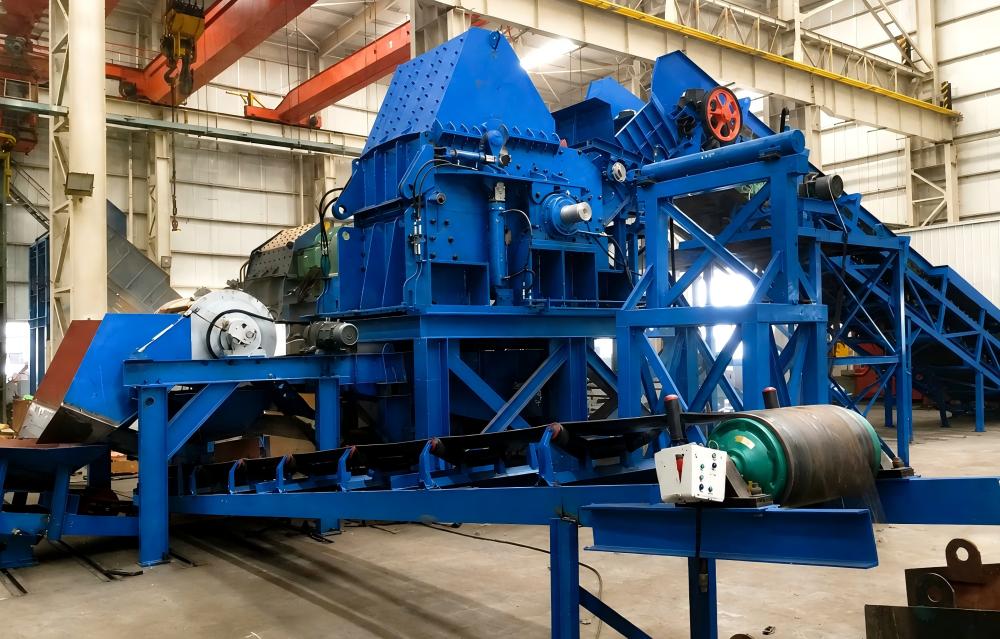
Space constraints and site integration are often overlooked until the installation phase. A hammer shredder is a heavy-duty piece of equipment that requires a robust foundation, specialized electrical infrastructure, and adequate space for in-feed conveyors and out-feed magnetic separation systems. Planning for the entire footprint—not just the shredder itself—is critical for operational flow.
Finally, the maintenance ecosystem must be evaluated. Hammer shredders operate under extreme stress, and the hammers themselves are consumable parts. A facility must consider the ease of access for hammer replacement, the availability of spare parts, and the manufacturer’s support network. Choosing a machine with a modular design allows for faster maintenance cycles, ensuring that the shredder remains a productive asset rather than a bottleneck.
Technical Details: How Hammer Shredders Transform Scrap
The core mechanism of a hammer shredder relies on high-speed impact. A series of heavy-duty hammers, mounted on a rotating rotor, strike the scrap metal against a series of anvil plates or grates. This kinetic energy transfer shatters brittle materials and deforms ductile metals, effectively reducing the volume of the scrap while simultaneously cleaning it of contaminants like paint, plastic, or rubber coatings.
The rotor design is the heart of the machine. In high-performance units, the rotor is balanced to minimize vibration, which protects the bearings and the structural integrity of the shredder housing. HARSLE-recommended shredders utilize hardened alloy steel hammers that are designed to withstand thousands of impacts per hour. The geometry of these hammers can be adjusted based on the desired output size, allowing for a customizable product.
Discharge control is managed through the grate system. The size of the holes in the discharge grate determines the maximum size of the shredded material. By swapping out grates, operators can switch from producing coarse scrap for initial volume reduction to fine, high-density feedstock for secondary processing. This flexibility is a hallmark of a well-engineered hammer shredder.
Furthermore, modern hammer shredders are equipped with advanced drive systems, often featuring soft-start technology and variable frequency drives (VFDs). These systems protect the motor from the massive torque spikes that occur during the initial shredding of dense metal objects. By managing the power delivery, these systems extend the lifespan of the electrical components and reduce the overall energy footprint of the facility.
Selection Advice: A Buyer’s Checklist for Metal Fabrication Equipment
To ensure you are choosing a hammer shredder for better scrap metal pre-processing that aligns with your long-term goals, follow this structured buyer’s checklist. First, define your target output density. If your goal is to maximize the load in a shipping container, you need a shredder capable of producing a high-density, uniform product that eliminates air pockets.
Second, evaluate the safety features. A hammer shredder is a powerful machine that can eject debris if not properly contained. Look for units with integrated explosion venting, heavy-duty feed hoppers with anti-kickback curtains, and automated emergency stop systems. Safety is not just a regulatory requirement; it is a prerequisite for a sustainable operation.
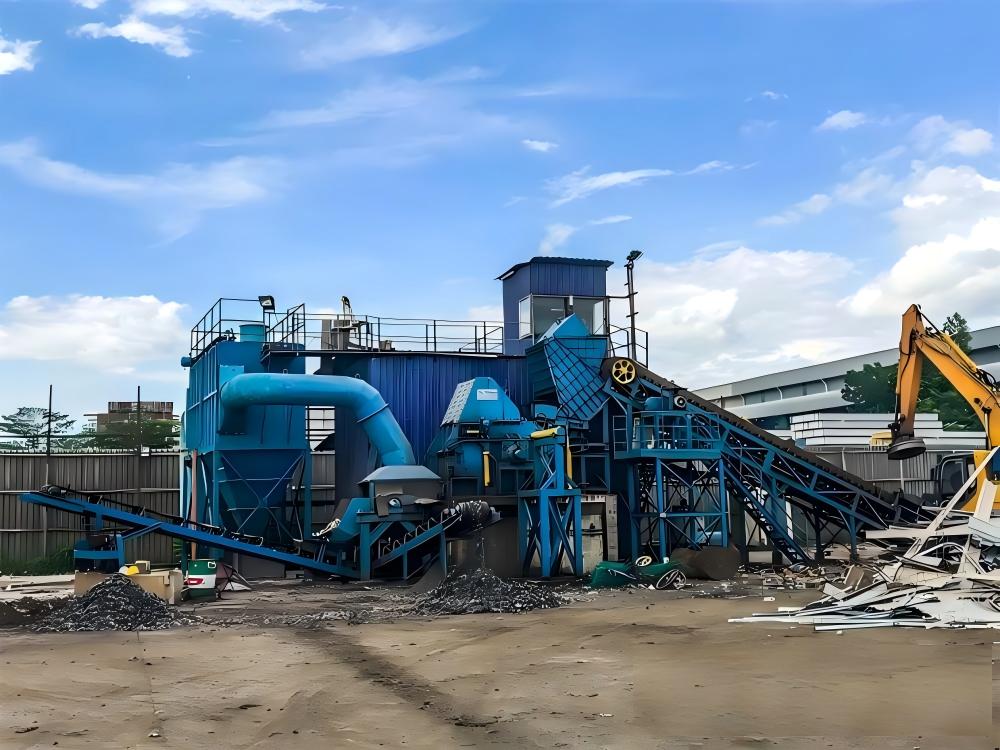
Third, consider the integration of downstream separation technology. A hammer shredder is most effective when paired with magnetic separators and eddy current separators. These systems automatically pull ferrous and non-ferrous metals from the shredded stream, significantly increasing the purity and market value of the output. When buying a shredder, ensure the discharge conveyor is compatible with these separation modules.
Fourth, analyze the total cost of ownership (TCO). This includes the initial purchase price, the cost of electricity, the frequency of hammer replacement, and the cost of labor to operate the machine. A cheaper machine with high maintenance requirements will almost always cost more over a five-year period than a premium, high-efficiency unit. Always prioritize build quality and reliability over the lowest initial bid.
Frequently Asked Questions (FAQ)
What is the primary benefit of using a hammer shredder for scrap metal?
The primary benefit is volume reduction and material densification. By shredding scrap, you can fit significantly more material into a transport container or furnace, which drastically reduces logistics costs and improves the efficiency of smelting processes.
How often should the hammers in a shredder be replaced?
The frequency of hammer replacement depends on the abrasiveness and hardness of the material being processed. In high-volume operations, hammers may need to be rotated or replaced every few weeks. Regular inspection is key to maintaining optimal shredding performance.
Can a hammer shredder process all types of metal?
While hammer shredders are versatile, they are best suited for light to medium-gauge scrap. Extremely thick, hardened steel or massive solid blocks may require a pre-shredder or a different type of shearing technology to prevent damage to the hammer mill.
What safety measures are essential for a hammer shredder?
Essential safety measures include robust feed hoppers, anti-kickback mechanisms, emergency stop buttons, and proper sound attenuation enclosures. Additionally, operators must be trained in lockout/tagout procedures for all maintenance tasks.
Conclusion: Investing in Future-Proof Processing
Choosing a hammer shredder for better scrap metal pre-processing is a strategic investment that pays dividends in operational efficiency, material purity, and overall profitability. By carefully assessing your material stream, throughput needs, and the technical capabilities of the equipment, you can select a solution that transforms your scrap yard into a high-output processing facility.
HARSLE remains committed to providing the metal fabrication industry with the machinery and knowledge required to succeed in a competitive market. Whether you are upgrading an existing line or building a new facility from the ground up, the right hammer shredder serves as the backbone of your pre-processing strategy. Remember that the goal is not just to shred metal, but to create a high-value commodity that meets the rigorous standards of modern industry.
As you move forward with your equipment selection, keep the focus on durability, modularity, and integration. The landscape of metal recycling is evolving, and having the right technology in place ensures that your business is prepared for the challenges and opportunities of tomorrow. For further guidance on selecting the ideal machinery for your specific application, consult with our engineering team to tailor a solution that fits your unique operational requirements.