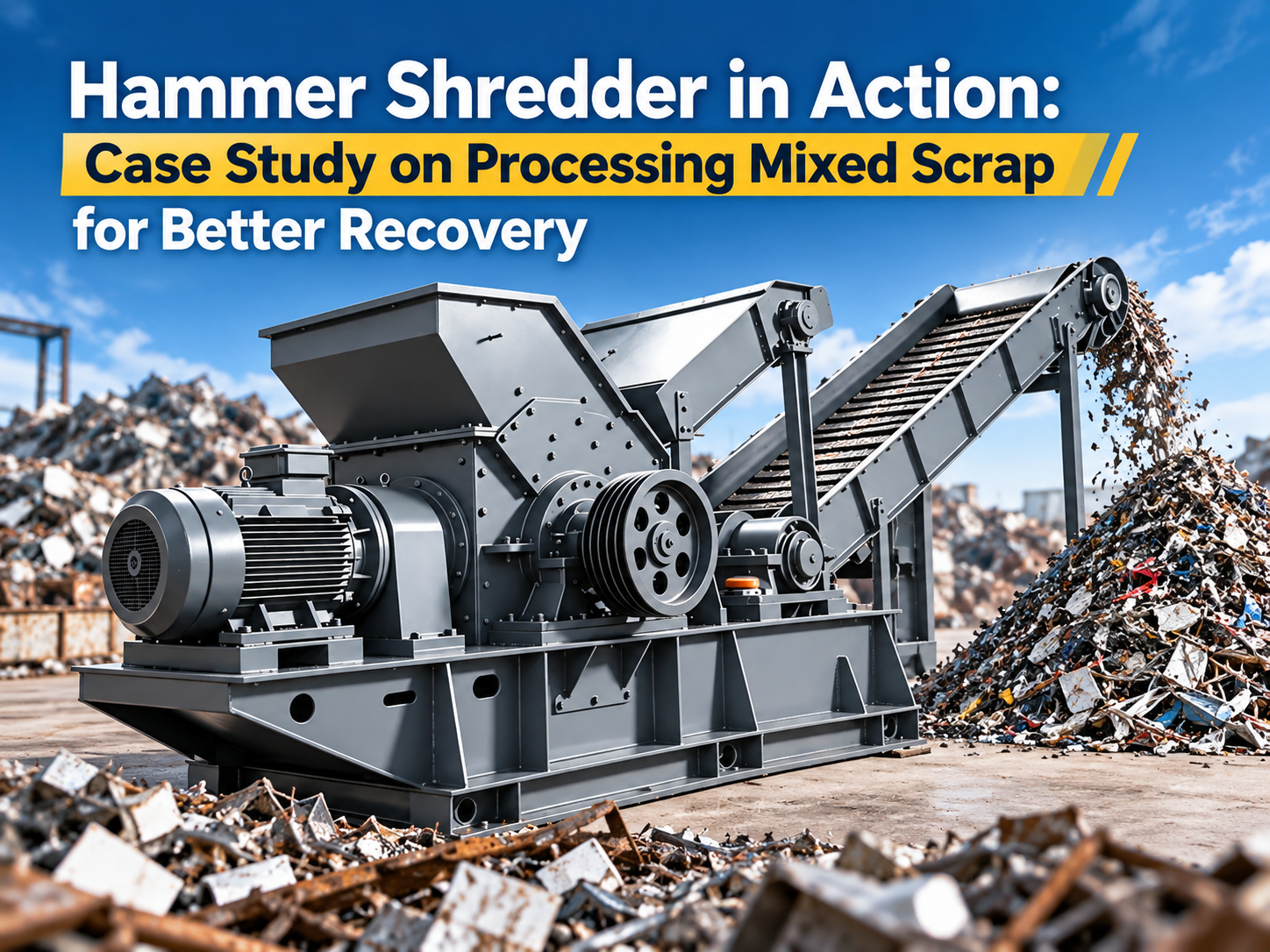
Hammer Shredder In Action: Case Study On Processing Mixed Scrap For Better Recovery

Introduction: The Evolution of Scrap Metal Processing
In the modern landscape of metal fabrication and industrial manufacturing, the efficient management of scrap metal is no longer just a waste disposal necessity—it is a critical component of the circular economy. As raw material costs fluctuate and environmental regulations tighten, businesses are turning to advanced mechanical solutions to maximize the value of their byproduct. The Hammer Shredder In Action: Case Study On Processing Mixed Scrap Better Recovery highlights how HARSLE’s cutting-edge shredding technology transforms heterogeneous waste streams into high-purity, marketable commodities.
Mixed scrap, often consisting of a chaotic blend of ferrous and non-ferrous metals, plastics, rubber, and glass, presents a significant challenge for traditional recycling facilities. Without proper size reduction and liberation, these materials remain trapped in low-value composites. HARSLE’s industrial hammer shredders are engineered to bridge this gap, utilizing high-velocity impact forces to break down complex assemblies, thereby facilitating the subsequent separation processes that are vital for high-recovery yields.
This article explores the technical intricacies of hammer shredding, providing an in-depth look at a real-world case study where a mid-sized fabrication plant integrated HARSLE machinery to revolutionize their scrap handling. By examining the operational mechanics, the selection criteria, and the long-term maintenance requirements, we aim to provide a comprehensive guide for facility managers looking to optimize their metal recovery operations.
As we delve into the Hammer Shredder In Action: Case Study On Processing Mixed Scrap Better Recovery, it becomes clear that the key to profitability lies in the precision of the shredding process. The ability to control output size, minimize fines, and ensure consistent throughput is what separates high-performing recycling lines from inefficient, costly operations. HARSLE remains at the forefront of this evolution, providing the robust equipment necessary to meet the demands of modern industrial recycling.
Key Considerations for Mixed Scrap Processing
When approaching the challenge of mixed scrap, the primary objective is liberation. Liberation refers to the mechanical process of separating different materials from one another so they can be sorted by density, magnetism, or eddy current. In a mixed scrap environment, materials are often bolted, welded, or pressed together. A hammer shredder excels here by applying kinetic energy that shatters brittle components and deforms ductile ones, effectively ‘liberating’ the valuable metal from contaminants.
Another critical consideration is the throughput capacity versus the feed material density. Not all scrap is created equal; light-gauge sheet metal requires different hammer configurations and rotor speeds compared to heavy-duty structural steel or cast iron components. HARSLE engineers emphasize the importance of analyzing the feed stream composition before selecting a shredder model. Failure to match the machine’s torque and impact energy to the material profile can lead to premature wear or, worse, catastrophic mechanical failure.
Contamination management is the third pillar of efficient processing. Mixed scrap often contains hazardous materials, such as batteries, pressurized containers, or non-metallic debris that can damage shredder components. Implementing a pre-sorting phase—utilizing magnetic separators or manual picking lines—before the material enters the hammer shredder is essential for protecting the internal hammers and liners. This proactive approach significantly extends the lifespan of the equipment and ensures a higher quality of the final output.
Finally, the environmental impact and safety protocols must be integrated into the operational workflow. Dust suppression systems, noise attenuation, and fire suppression units are standard requirements for modern shredding facilities. HARSLE integrates these safety features directly into the design of their hammer shredders, ensuring that the facility remains compliant with local environmental regulations while maintaining a safe working environment for operators.
Technical Details: The Mechanics of HARSLE Shredders
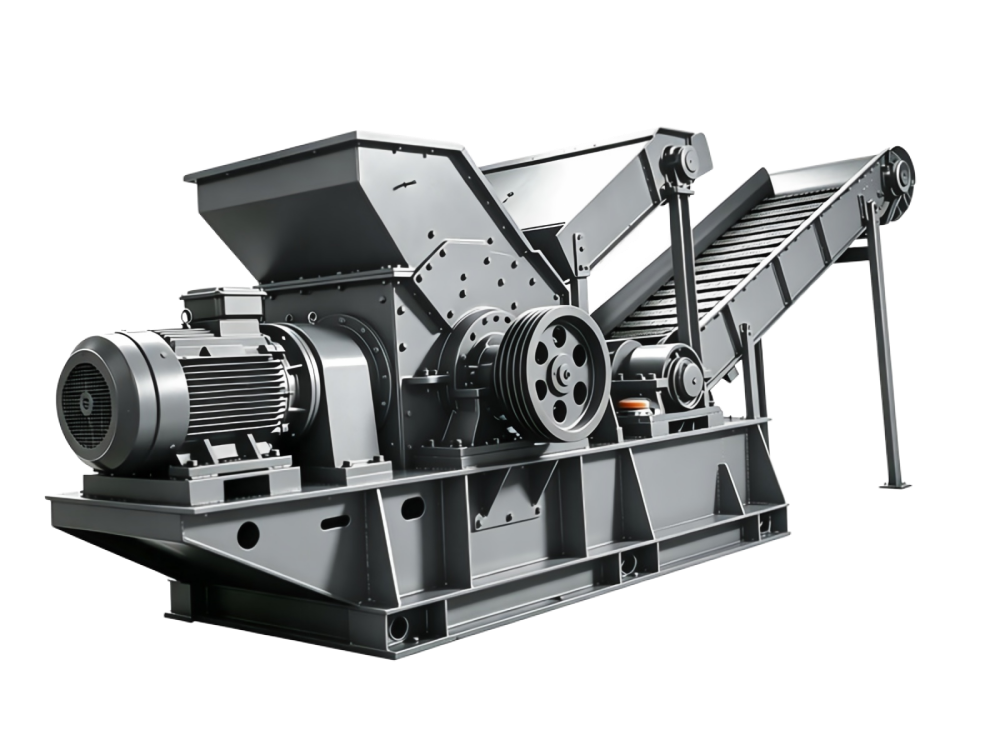
The core of a HARSLE hammer shredder lies in its heavy-duty rotor assembly. This rotor is equipped with a series of swinging hammers made from high-manganese steel or specialized alloys, designed to withstand the immense impact forces generated during the shredding process. As the rotor spins at high RPM, the hammers strike the incoming material against a series of anvil plates and grate bars. This repetitive impact reduces the material to a uniform size, which then passes through the discharge grate.
The grate design is a critical technical feature that dictates the output size. HARSLE offers customizable grate configurations, allowing operators to adjust the discharge opening based on the desired particle size. For applications requiring high-purity recovery, a smaller grate opening ensures that only sufficiently processed material exits the chamber. This precision is vital for downstream sorting equipment, which relies on consistent particle size to function at peak efficiency.
Drive systems in HARSLE shredders are engineered for high torque and reliability. Depending on the scale of the operation, these machines utilize powerful electric motors coupled with heavy-duty gearboxes or direct-drive systems. These systems are designed to handle the ‘shock loading’ that occurs when a particularly dense piece of metal enters the shredding chamber. Advanced sensors monitor motor load and rotor vibration, providing real-time data that allows the control system to adjust feed rates automatically, preventing jams and optimizing energy consumption.
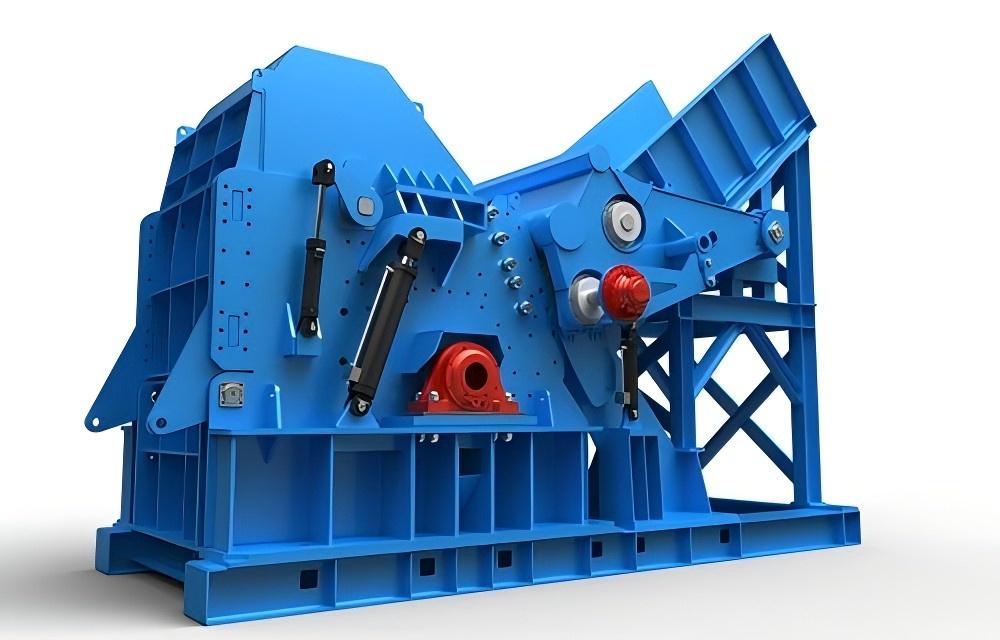
Maintenance accessibility is another hallmark of HARSLE’s technical design. The shredder housing is typically equipped with hydraulic opening mechanisms, allowing for quick and safe access to the rotor and hammers for inspection or replacement. This design philosophy minimizes downtime, ensuring that the shredder remains a productive asset rather than a maintenance burden. By prioritizing modular components, HARSLE ensures that wear parts can be replaced with minimal disruption to the overall production schedule.
Case Study: Optimizing Recovery at a Regional Recycling Facility
In a recent project, a regional metal recycling facility in Europe faced declining margins due to the high volume of ‘unprocessed’ mixed scrap. Their existing shear-based system was unable to handle the complex, multi-material assemblies, leading to significant amounts of valuable metal being discarded as ‘shredder fluff’ or landfill waste. The facility management decided to implement a HARSLE hammer shredder system to address this bottleneck.
The implementation process began with a detailed audit of the facility’s waste stream. HARSLE engineers identified that the primary issue was the lack of liberation in the scrap. By installing a high-capacity hammer shredder, the facility was able to process the mixed scrap into a uniform, 50mm-minus product. This size reduction was the catalyst for a massive improvement in their downstream magnetic and eddy-current separation efficiency, which had previously been hampered by large, composite pieces of scrap.
The results were immediate and measurable. Within the first six months of operation, the facility reported a 22% increase in ferrous metal recovery and a 15% increase in non-ferrous metal recovery. Furthermore, the volume of material sent to the landfill was reduced by 40%, significantly lowering disposal costs. The consistency of the shredded output also allowed the facility to command higher prices from smelters, who preferred the high-density, clean feedstock provided by the new shredding line.
This case study serves as a testament to the effectiveness of the Hammer Shredder In Action: Case Study On Processing Mixed Scrap Better Recovery. By investing in the right technology, the facility transformed a low-value waste stream into a high-value revenue source. The success of this project underscores the importance of matching the shredder’s capabilities to the specific challenges of the material, a core competency of the HARSLE engineering team.
Selection Advice: Choosing the Right Shredder for Your Facility
Selecting the right hammer shredder is a significant capital investment that requires careful planning. The first step is to define your throughput requirements. Are you processing 5 tons per hour or 50? HARSLE offers a range of models, from compact units for small fabrication shops to massive industrial-grade shredders for large-scale recycling centers. Over-specifying leads to unnecessary capital expenditure, while under-specifying leads to bottlenecks and premature equipment failure.
Consider the material composition of your scrap. If your feed consists primarily of thin-gauge aluminum and light steel, a high-speed, lighter-duty hammer shredder may suffice. However, if you are processing heavy engine blocks, structural steel, or thick-walled pipes, you will require a high-torque, slow-speed shredder or a heavy-duty hammer mill designed for high-impact resistance. Always consult with HARSLE’s technical team to conduct a material analysis before finalizing your purchase.
Energy efficiency is another critical selection factor. Modern hammer shredders are energy-intensive, and the cost of electricity can significantly impact your operational margins. Look for machines with variable frequency drives (VFDs) that allow for precise control over motor speed and energy consumption. HARSLE’s latest models incorporate smart-grid compatibility and energy-saving modes that reduce power draw during idle periods, contributing to a lower total cost of ownership.
Finally, consider the support and service infrastructure provided by the manufacturer. A shredder is a high-wear machine; you will need access to spare parts, technical support, and maintenance training. HARSLE provides comprehensive after-sales support, including on-site training for your maintenance staff and a readily available inventory of wear parts like hammers, liners, and grates. Choosing a partner that stands behind their equipment is just as important as the machine itself.
FAQ: Common Questions About Hammer Shredders
1. How often should I replace the hammers in my shredder?
The lifespan of hammers depends on the abrasiveness and density of the material being processed. In a standard mixed scrap application, hammers typically require inspection every 200–500 operating hours. HARSLE provides wear-monitoring guidelines to help you schedule maintenance before performance drops.
2. Can a hammer shredder process non-metallic materials?
Yes, hammer shredders are highly effective at processing wood, plastics, and rubber. However, if you are processing a mix of metal and non-metal, ensure your downstream separation system is equipped to handle the resulting mixture, as the shredder will reduce everything to a similar size.
3. What is the difference between a shear shredder and a hammer shredder?
A shear shredder uses low-speed, high-torque blades to cut and tear material, which is ideal for bulky items like tires or large appliances. A hammer shredder uses high-speed impact to shatter and crush material, which is superior for liberating metals from mixed scrap and achieving high-density output.
4. How do I prevent fires in the shredding chamber?
Fires are a risk when shredding certain materials. HARSLE recommends installing an integrated fire suppression system, utilizing water mist or inert gas, and ensuring that the feed stream is free of flammable liquids or pressurized canisters through rigorous pre-sorting.
5. Is it possible to upgrade the capacity of my existing HARSLE shredder?
In many cases, yes. HARSLE’s modular design allows for certain upgrades, such as installing higher-horsepower motors or different rotor configurations, depending on the specific model. Contact our technical support team to discuss your current setup and future needs.
Conclusion: Investing in Future-Proof Recovery
The transition toward more efficient scrap processing is inevitable as industries strive for sustainability and higher profitability. As demonstrated in the Hammer Shredder In Action: Case Study On Processing Mixed Scrap Better Recovery, the integration of high-performance hammer shredders is the most effective way to unlock the hidden value in mixed metal waste. By choosing HARSLE, you are not just purchasing a machine; you are investing in a robust, scalable solution backed by decades of industrial expertise.
The path to better recovery starts with a clear understanding of your material, a commitment to proper maintenance, and the selection of equipment that aligns with your long-term goals. Whether you are a small fabrication shop looking to reduce waste disposal costs or a large recycling facility aiming to maximize commodity purity, HARSLE has the technology and the support to help you succeed. We invite you to explore our full range of metal fabrication equipment and discover how we can help you turn your scrap into a competitive advantage.
As the industry continues to evolve, HARSLE remains dedicated to innovation, constantly refining our shredding technology to handle the increasingly complex materials of the future. By staying ahead of the curve, we ensure that our clients are always equipped with the tools they need to lead in their respective markets. Contact us today to learn more about our hammer shredder solutions and how we can assist in optimizing your scrap processing operations.