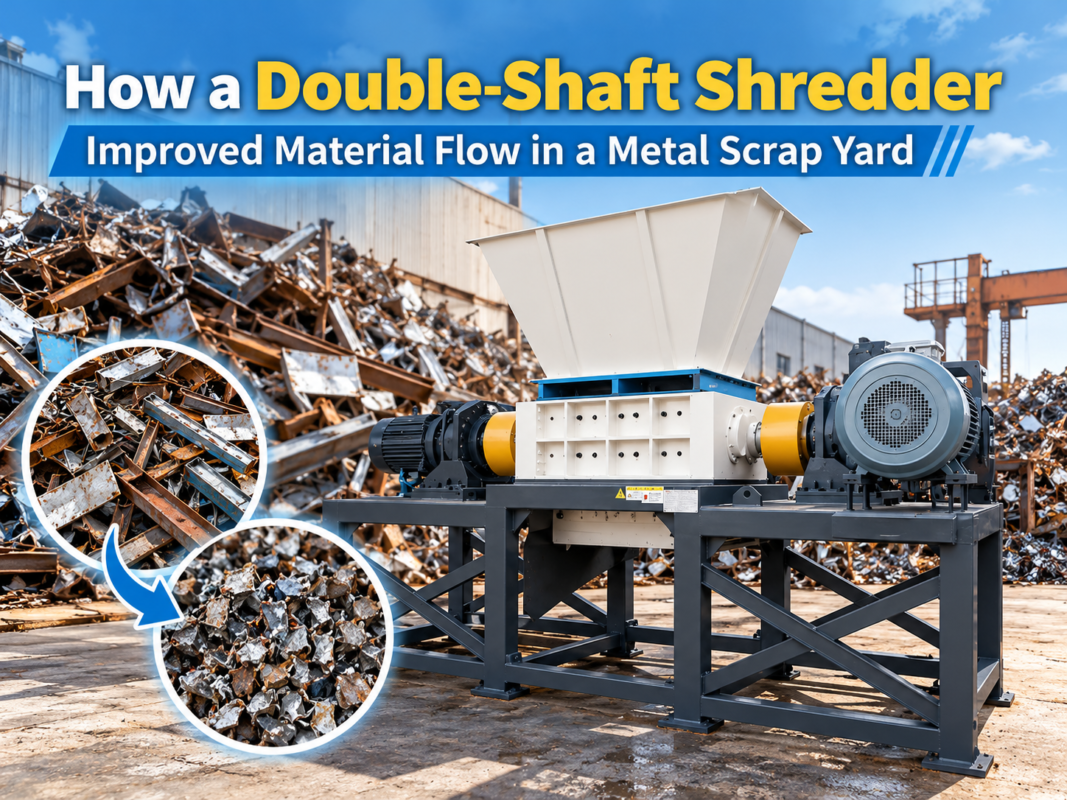
Double-Shaft Shredder Case Study: Reducing Industrial Waste Volume for Higher Recycling Value

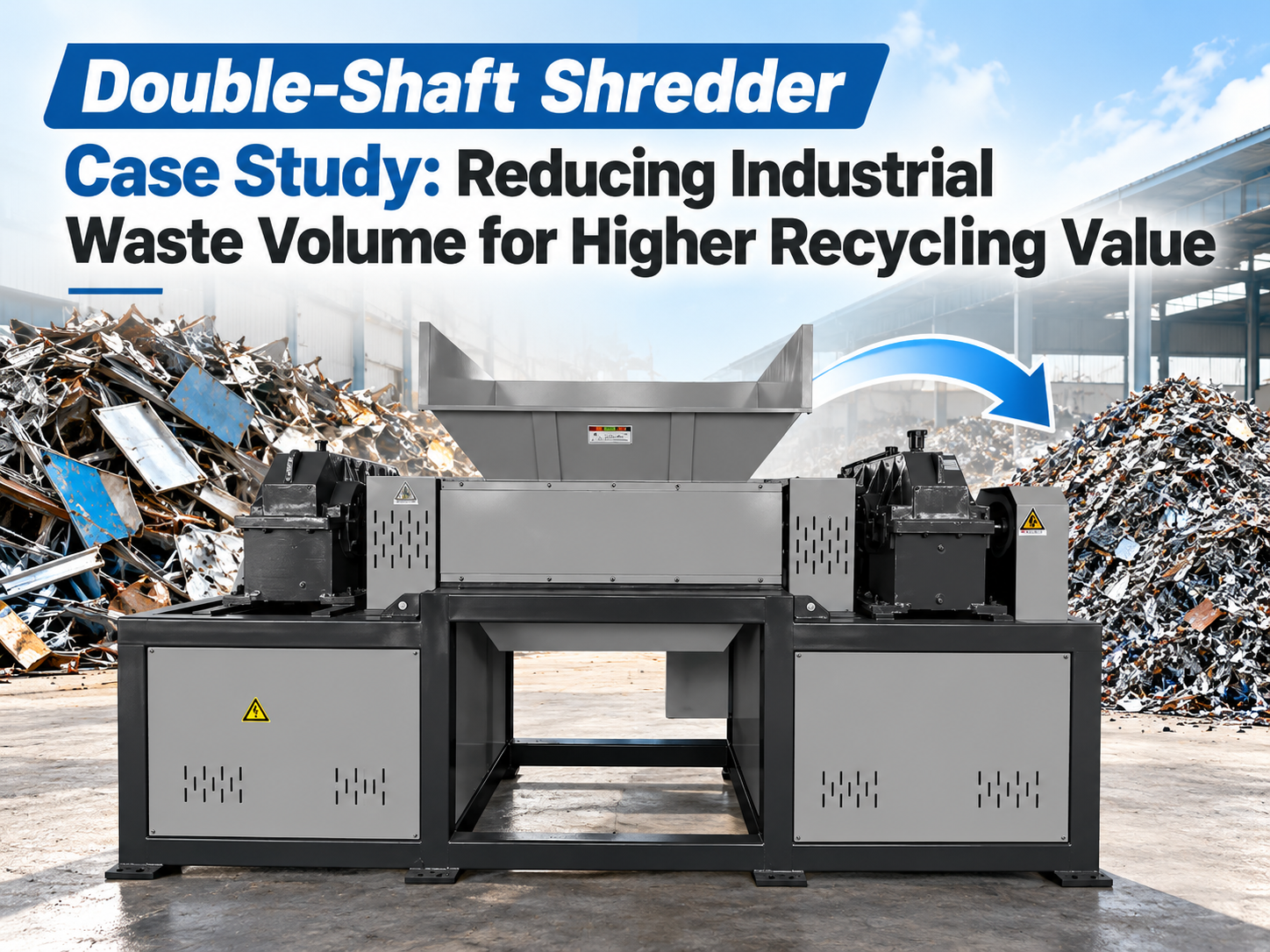
Introduction: The Economic Imperative of Waste Reduction
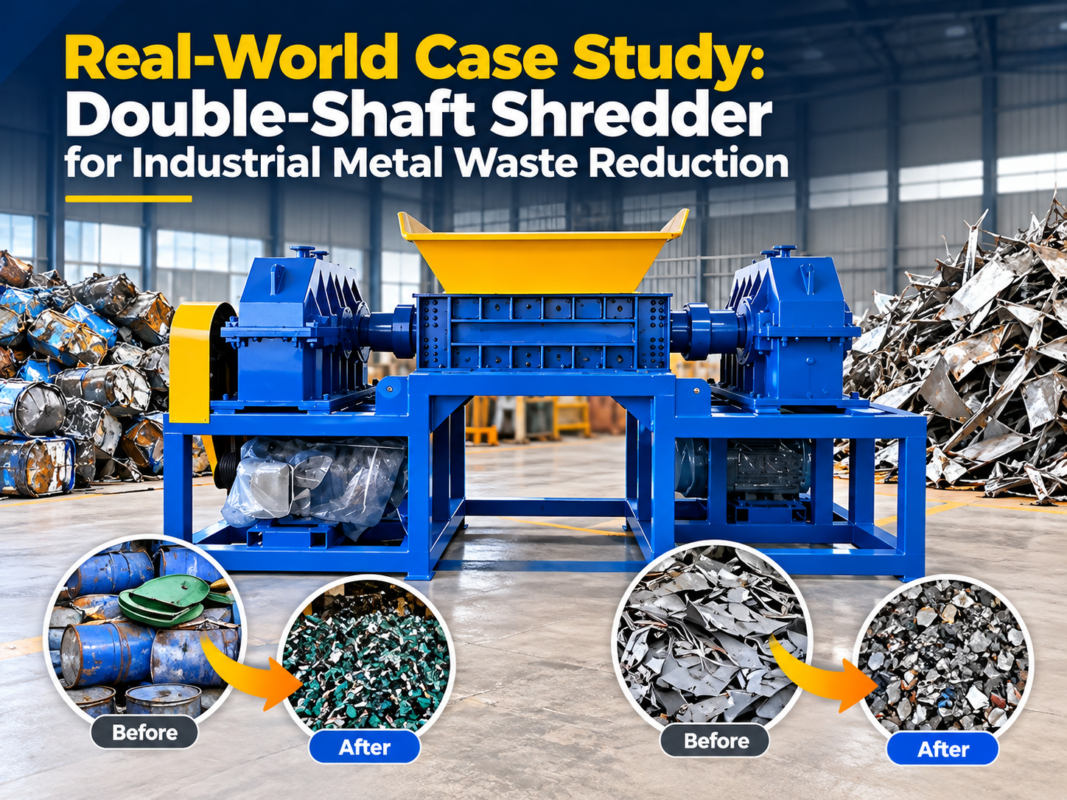
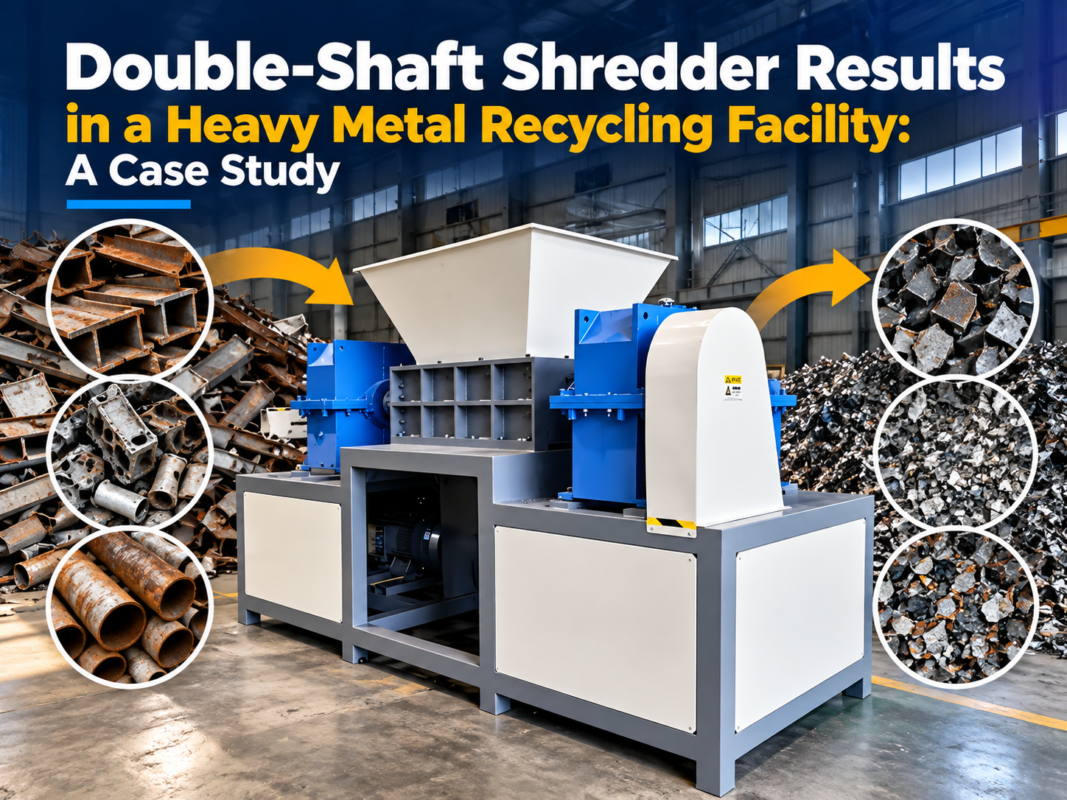
In the modern landscape of metal fabrication and industrial manufacturing, waste management has evolved from a logistical necessity into a core profit center. Companies are increasingly turning to advanced processing equipment to handle the massive influx of scrap metal, plastics, and composite materials generated daily. A Double-Shaft Shredder Case Study: Reducing Industrial Waste Volume Higher Recycling Value reveals that the difference between a cost-heavy disposal process and a revenue-generating recycling stream lies in the initial size reduction phase.
HARSLE has observed that industrial facilities often struggle with the sheer bulk of waste materials. Large, irregular scrap pieces occupy significant floor space, increase transportation costs, and complicate the sorting process. By implementing a high-torque double-shaft shredder, manufacturers can transform unmanageable scrap into uniform, high-density material. This article explores how this transition optimizes logistics and enhances the market value of recycled commodities.
The focus of this analysis is on the technical and economic advantages of utilizing HARSLE’s industrial shredding solutions. We will examine how the mechanical shearing action of dual shafts provides the necessary force to process even the most resilient industrial waste. Through this case study, we aim to provide a roadmap for facility managers looking to improve their sustainability metrics while simultaneously boosting their bottom line.
Key Considerations for Industrial Waste Management
Before investing in shredding technology, facility managers must evaluate the specific nature of their waste stream. Not all waste is created equal; the hardness, density, and volume of the material dictate the required shredder specifications. For instance, processing thin-gauge aluminum sheets requires a different blade configuration and torque profile compared to shredding thick steel beams or mixed industrial composites.
Logistics and transportation efficiency represent a primary consideration. When waste is shredded, its bulk density increases significantly. This means that a single shipping container or truck can carry a much higher weight of material, drastically reducing the number of trips required to transport scrap to recycling centers. This reduction in logistics overhead is often the fastest way to achieve a return on investment for shredding equipment.
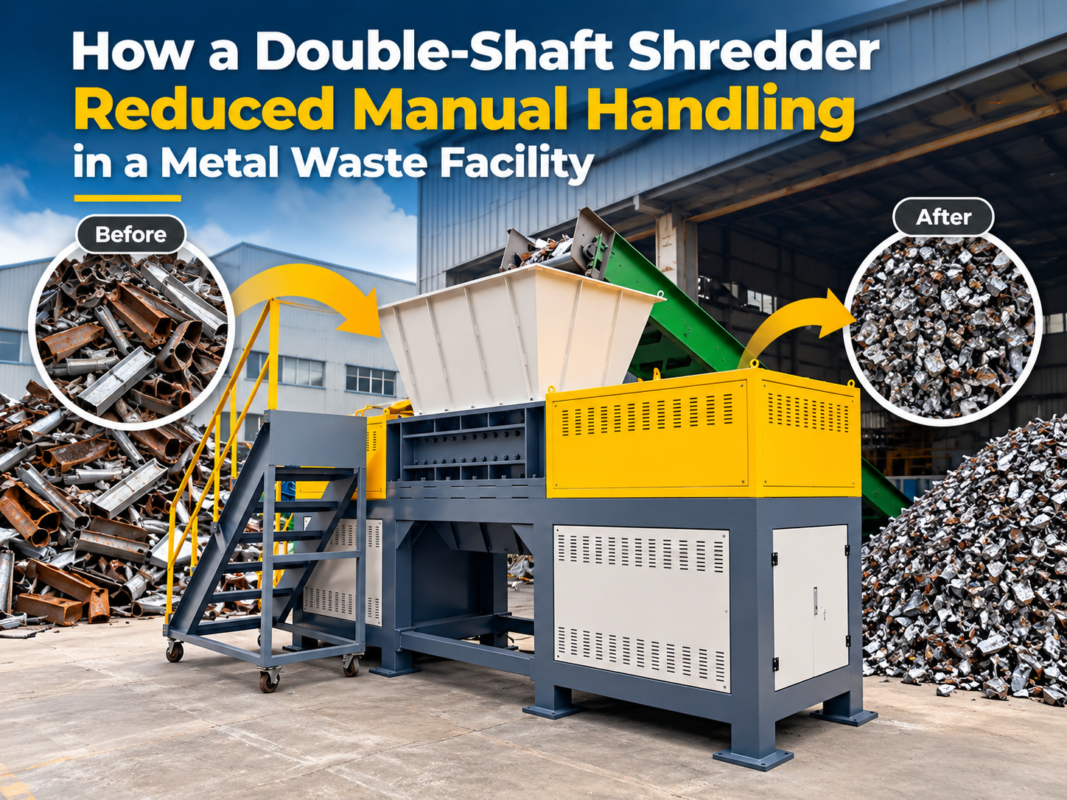
Safety and environmental compliance are equally critical. Industrial waste often contains hazardous residues or sharp edges that pose risks to personnel. A closed-loop shredding system minimizes manual handling, thereby reducing workplace injuries. Furthermore, by preparing material for efficient recycling, companies can better meet local environmental regulations and corporate sustainability goals, which are increasingly important for maintaining a competitive edge in the global market.
Finally, the integration of a shredder into existing production lines must be planned carefully. Space constraints, power availability, and the flow of material from the fabrication floor to the shredder are vital. A well-integrated system ensures that waste is processed as it is generated, preventing the accumulation of scrap piles that can obstruct workflows and create fire hazards in a busy metal fabrication environment.
Technical Details: How Double-Shaft Shredders Function
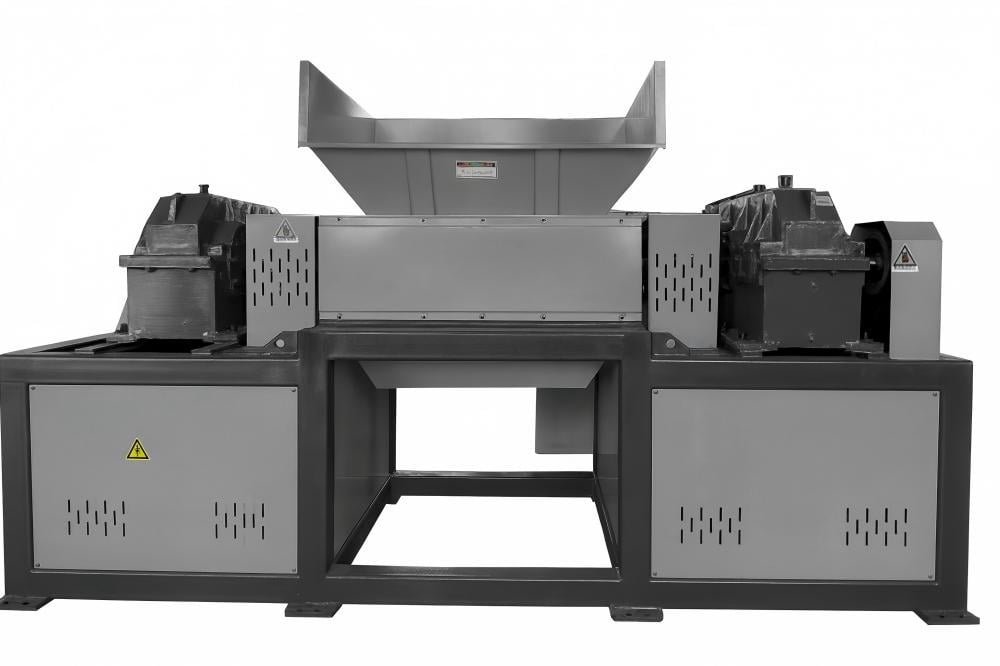
The core of the HARSLE double-shaft shredder lies in its low-speed, high-torque design. Unlike high-speed granulators that rely on impact, the double-shaft shredder utilizes a shearing action. Two counter-rotating shafts equipped with hardened steel blades intermesh to grab, tear, and cut material into smaller pieces. This mechanical advantage allows the machine to process heavy-duty materials without the excessive noise and dust associated with high-speed alternatives.
The blades themselves are the most critical component. HARSLE utilizes specialized alloy steels that are heat-treated for maximum wear resistance. Depending on the application, these blades can be configured with different hook profiles—some designed for aggressive grabbing of large items, others for fine shredding of thin materials. The gap between the shafts is precisely engineered to ensure that material is pulled through the cutting zone effectively, preventing jamming and ensuring consistent output size.
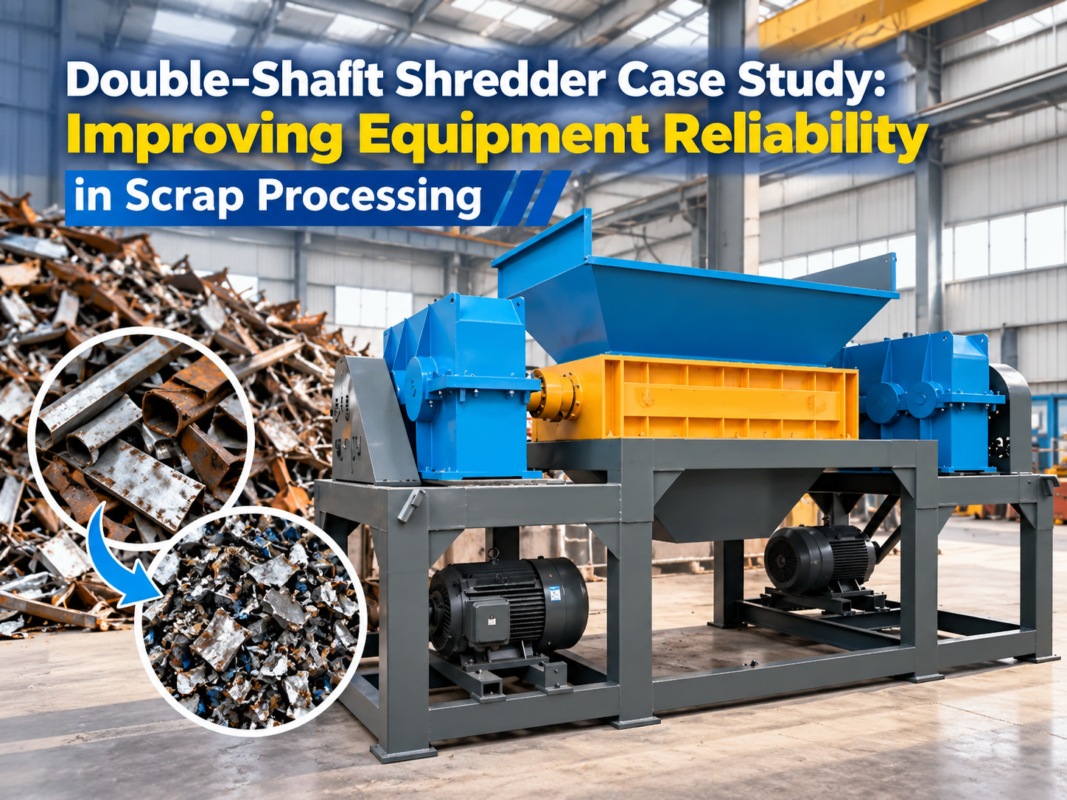
Control systems play a vital role in the operational efficiency of these machines. Modern HARSLE shredders are equipped with intelligent PLC (Programmable Logic Controller) systems that monitor motor load in real-time. If the shredder encounters an exceptionally tough piece of material, the system automatically triggers an auto-reverse function. This prevents motor burnout and protects the mechanical components from damage, ensuring long-term reliability even in 24/7 industrial environments.
Maintenance accessibility is another technical hallmark. HARSLE designs its shredders with modular components, allowing for easier inspection and replacement of blades, shafts, and bearings. By minimizing downtime during routine maintenance, the shredder maintains a high throughput rate, which is essential for facilities processing large volumes of scrap metal or industrial waste on a daily basis.
Selection Advice: Choosing the Right Equipment
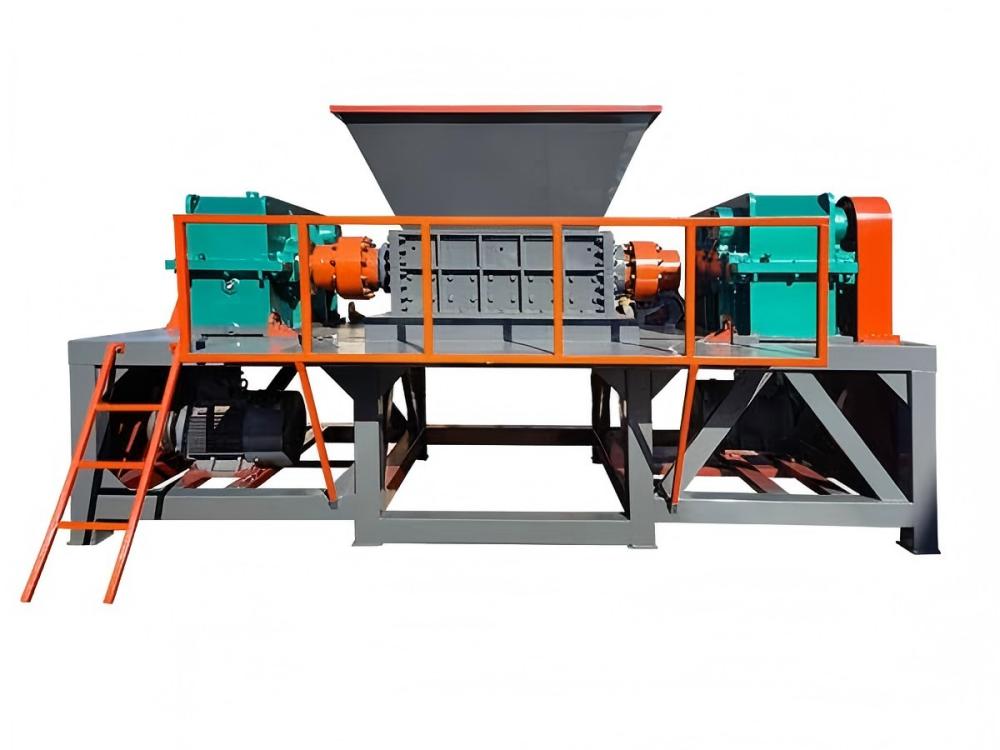
Selecting the correct double-shaft shredder requires a thorough audit of your current waste output. Start by categorizing your waste: is it primarily ferrous metal, non-ferrous, plastic, or a mix? The material composition will determine the required motor power and the specific blade geometry. A machine that is underpowered will lead to frequent jams, while an overpowered machine represents an unnecessary capital expenditure.
Consider the throughput requirements of your facility. If your fabrication shop generates several tons of scrap per shift, you need a shredder with a large hopper capacity and a robust feeding system. Conveyor belt integration is highly recommended for high-volume operations, as it allows for a continuous, controlled feed of material into the shredder, maximizing the machine’s duty cycle and preventing operator fatigue.
Think about the required output size. Are you shredding for volume reduction only, or do you need to meet specific size requirements for downstream sorting or smelting? Some applications require a secondary screen to ensure that no oversized material passes through the shredder. Discussing these requirements with a HARSLE technical representative can help you customize the machine configuration to meet your specific recycling targets.
Finally, evaluate the total cost of ownership rather than just the initial purchase price. This includes energy consumption, the cost of replacement parts, and the ease of maintenance. A high-quality machine from a reputable manufacturer like HARSLE may have a higher upfront cost, but it will offer superior durability and lower long-term operating costs, providing a better overall value for your metal fabrication business.
FAQ: Common Questions About Industrial Shredding
- Q: How does a double-shaft shredder increase recycling value?
A: By reducing the volume of waste, you can transport more material per load, lowering logistics costs. Furthermore, shredded material is often easier to sort and process, which allows recycling centers to pay a premium for clean, uniform scrap. - Q: Can these shredders handle mixed materials?
A: Yes, HARSLE double-shaft shredders are designed to handle a variety of materials, including mixed scrap. However, it is important to ensure that the material does not contain excessive amounts of non-shreddable items like large solid steel blocks or concrete. - Q: How often do the blades need to be replaced?
A: Blade life depends on the material being shredded and the volume of throughput. HARSLE uses high-wear-resistant alloys, and with proper maintenance and lubrication, these blades provide a long service life. - Q: Is the shredder noisy?
A: Because double-shaft shredders operate at low speeds, they are significantly quieter than high-speed granulators, making them suitable for indoor factory environments. - Q: What safety features are included?
A: Our machines include emergency stop buttons, overload protection, and safety interlocks on the hopper to ensure operator safety during operation.
Conclusion: Investing in Future-Proof Waste Management
The implementation of a double-shaft shredder is a strategic move for any metal fabrication facility aiming to modernize its waste management practices. As demonstrated in this Double-Shaft Shredder Case Study: Reducing Industrial Waste Volume Higher Recycling Value, the benefits extend far beyond simple volume reduction. By optimizing the physical state of industrial waste, companies can unlock hidden value, reduce operational costs, and contribute to a more sustainable manufacturing ecosystem.
HARSLE remains committed to providing the industrial machinery necessary to meet these challenges. Our double-shaft shredders are built with the precision, power, and reliability that modern industry demands. Whether you are looking to streamline your scrap processing or improve your facility’s environmental footprint, our team is ready to assist you in selecting the right equipment for your specific needs.
As the global focus on circular economy principles intensifies, the ability to effectively recycle industrial waste will become a key differentiator for successful manufacturers. Investing in high-quality shredding technology is not just an operational upgrade; it is an investment in the long-term viability and profitability of your business. Contact HARSLE today to learn more about how our shredding solutions can transform your waste management strategy.