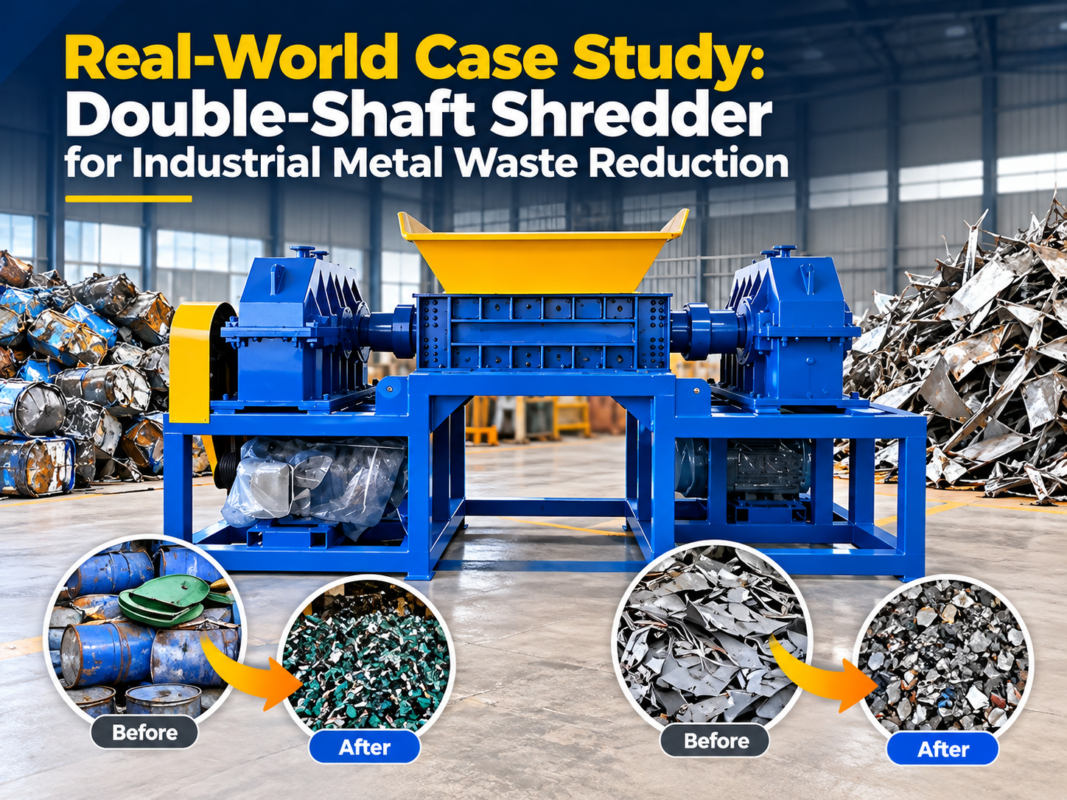
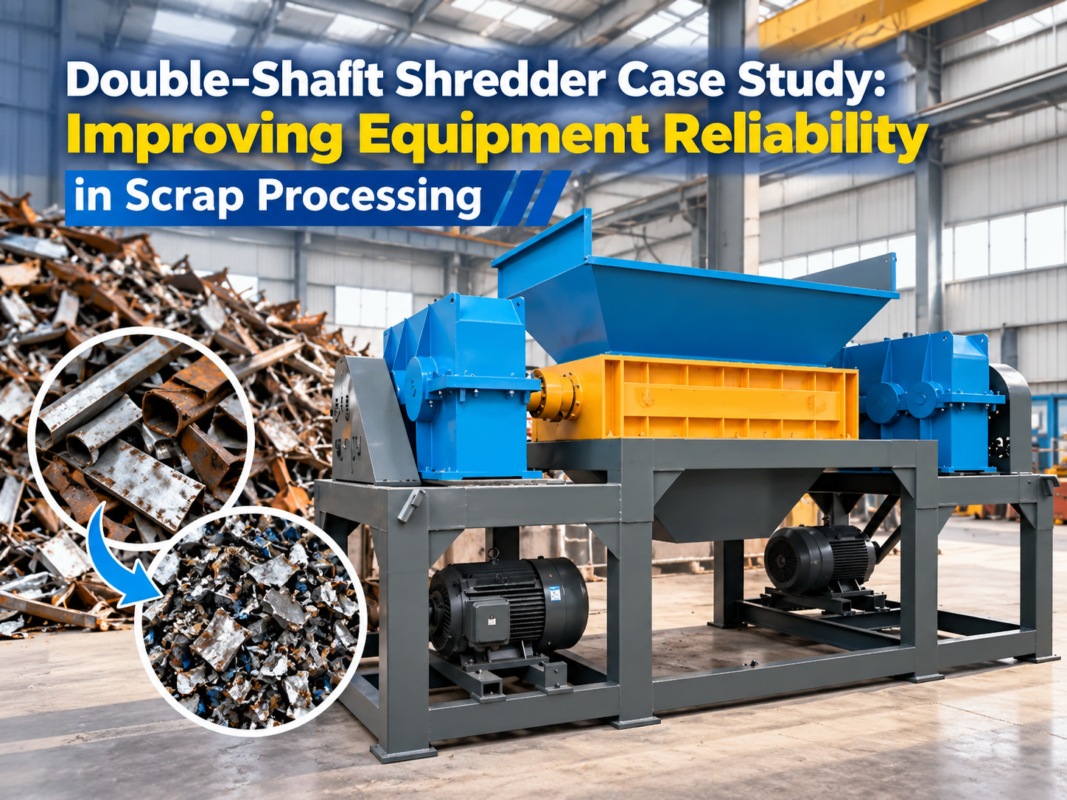
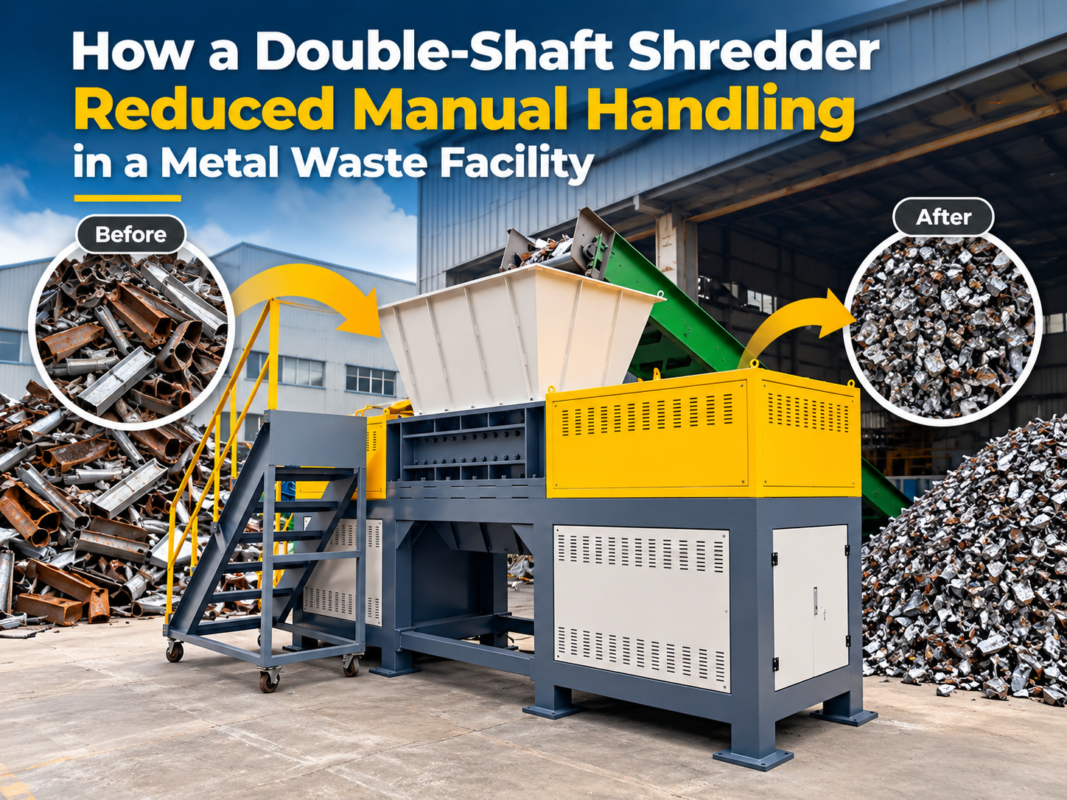
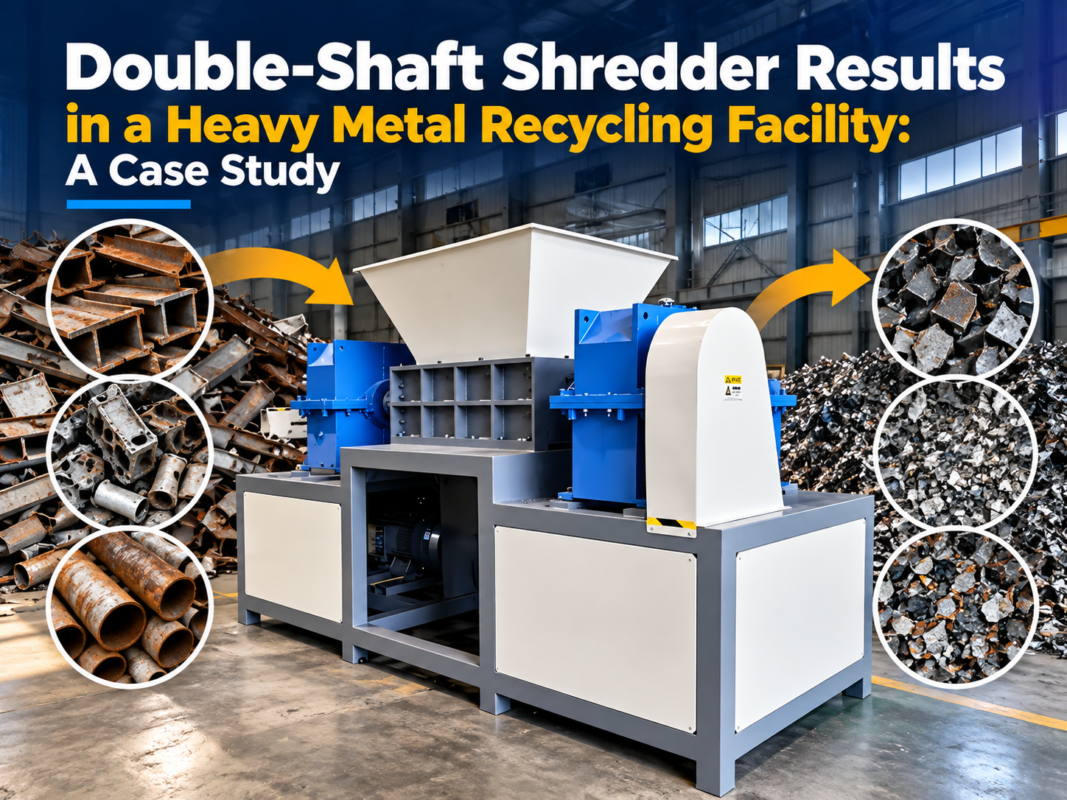
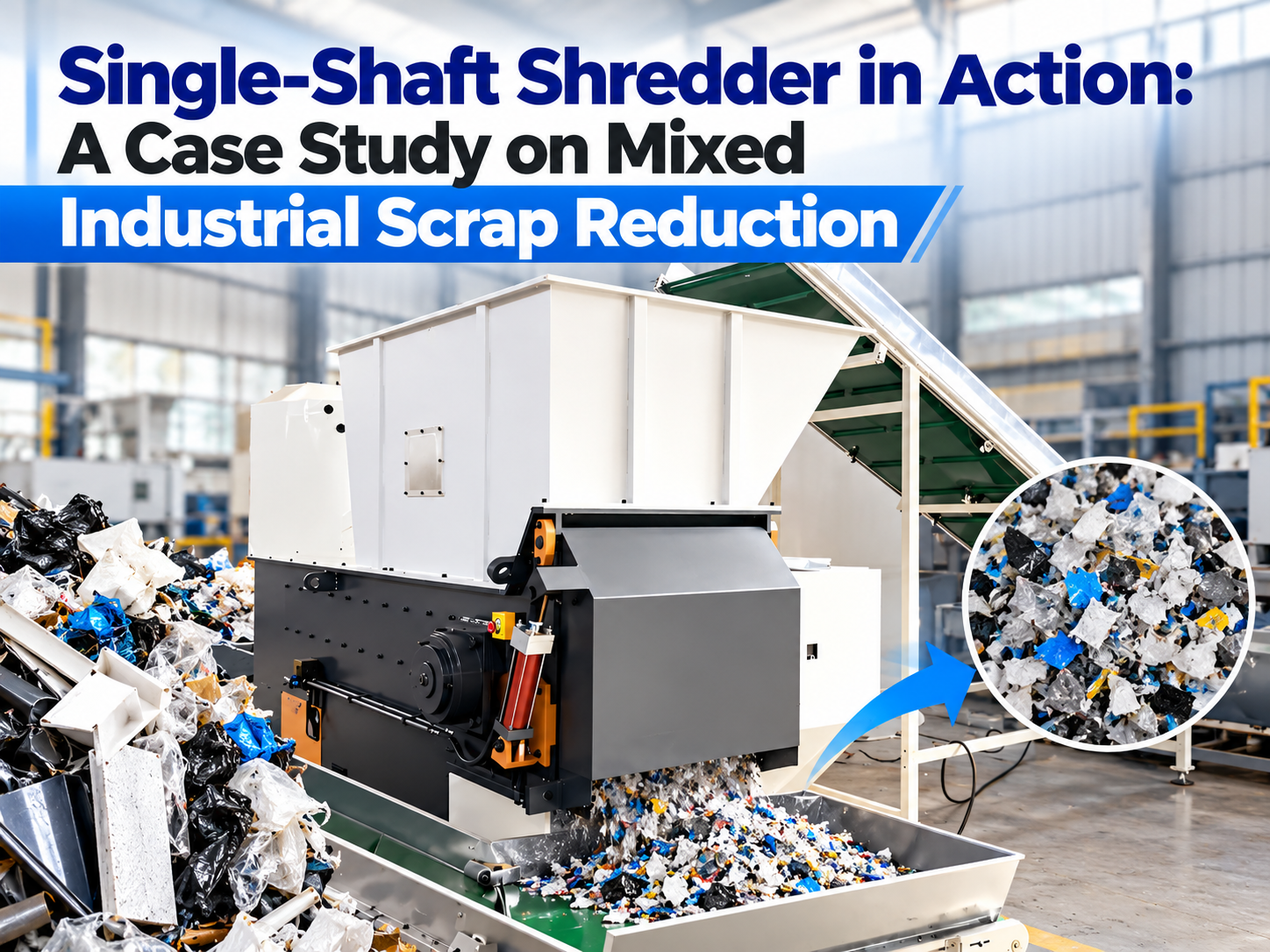
Single-Shaft Shredder In Action: A Case Study On Mixed Industrial Scrap Reduction

Introduction
In the modern landscape of metal fabrication and industrial manufacturing, waste management has transitioned from a logistical afterthought to a core operational strategy. As companies strive for circular economy models, the ability to process mixed industrial scrap efficiently is paramount. This is where the Single-Shaft Shredder In Action: A Case Study On Mixed Industrial Scrap Reduction becomes a critical narrative for plant managers and facility owners looking to optimize their floor space and material recovery rates.
HARSLE has long been at the forefront of providing robust metal fabrication equipment, and our single-shaft shredders represent the pinnacle of size-reduction technology. By utilizing a high-torque, low-speed cutting mechanism, these machines transform bulky, unmanageable scrap into uniform, recyclable feedstock. This article explores the mechanics, strategic advantages, and real-world application of these powerful systems in a high-volume industrial environment.
The challenge of mixed scrap—ranging from light-gauge aluminum sheets to heavy steel offcuts and plastic composites—requires a machine that is both versatile and durable. Unlike dual-shaft shredders, which rely on sheer force and interlocking blades, the single-shaft design offers superior control over output size, making it the preferred choice for downstream sorting and smelting processes.
Throughout this guide, we will dissect the operational lifecycle of a single-shaft shredder, providing a comprehensive look at how HARSLE technology solves the persistent problem of scrap accumulation. Whether you are looking to reduce disposal costs or increase the value of your scrap metal, understanding the technical nuances of these machines is the first step toward operational excellence.

Key Considerations for Industrial Scrap Reduction
When implementing a scrap reduction program, the primary consideration is the heterogeneity of the waste stream. Industrial facilities rarely produce a single type of scrap. A typical fabrication shop will generate a mixture of metal skeletons, rejected parts, and packaging materials. A single-shaft shredder is uniquely equipped to handle this variety because of its adjustable screen sizes and customizable rotor configurations.
Another critical factor is the volume of throughput required. In a high-output environment, downtime is the enemy of profitability. HARSLE shredders are engineered with modular components, allowing for rapid maintenance and blade replacement. By minimizing the time spent on routine upkeep, facilities can maintain a continuous flow of material, ensuring that the shredding process does not become a bottleneck in the production line.
Energy efficiency is also a major concern for modern manufacturers. High-torque motors combined with intelligent control systems allow HARSLE shredders to consume power only when necessary. During periods of low load, the system can adjust its torque output, preventing unnecessary energy expenditure. This not only lowers the carbon footprint of the facility but also significantly reduces monthly utility costs.
Finally, safety and environmental compliance cannot be overlooked. Shredding scrap reduces the physical volume of waste by up to 80%, which drastically lowers transportation costs and the associated carbon emissions from logistics. Furthermore, by creating a cleaner, more organized workspace, the risk of workplace accidents is significantly reduced, fostering a safer environment for all employees.
Technical Details of HARSLE Shredding Technology
The core of the HARSLE single-shaft shredder is its heavy-duty rotor, which is designed to withstand the immense stresses of processing mixed industrial scrap. The rotor is equipped with high-grade, wear-resistant cutting knives that can be rotated or replaced individually. This design choice ensures that the machine remains operational even if one section of the blade array experiences localized wear.
The hydraulic ram system is another technical marvel. It pushes the material against the rotating shaft with constant, controlled pressure. This ensures that even the most awkward shapes—such as large metal frames or tangled wires—are consistently fed into the cutting zone. The PLC (Programmable Logic Controller) manages this interaction, automatically reversing the rotor if it detects an overload, thereby preventing damage to the motor or the drivetrain.
Screen size is the final determinant of output quality. HARSLE offers a variety of screen apertures, allowing the operator to dictate the exact size of the shredded material. For applications requiring high-purity recycling, a smaller screen ensures that the scrap is reduced to a uniform size, which is ideal for magnetic separation or eddy current sorting. This level of precision is what sets our equipment apart in the metal fabrication equipment market.
The structural integrity of the machine is reinforced by a thick-walled steel housing, designed to dampen vibrations and reduce noise levels. This is particularly important in urban or semi-urban industrial zones where noise pollution regulations are strict. By investing in a HARSLE shredder, you are not just buying a machine; you are investing in a sophisticated engineering solution that balances power, precision, and longevity.

Selection Advice: Choosing the Right Shredder
Selecting the right single-shaft shredder requires a thorough audit of your current waste stream. Start by categorizing your scrap: Is it primarily ferrous or non-ferrous? Are there significant amounts of non-metallic contaminants like plastic or rubber? A HARSLE consultant can help analyze these variables to recommend the appropriate rotor speed and knife geometry for your specific needs.
Consider the physical footprint of the machine. In many fabrication shops, floor space is at a premium. HARSLE offers compact models that provide high throughput without requiring a massive installation area. Additionally, consider the integration of peripheral equipment such as conveyor belts, magnetic separators, and dust collection systems. A holistic approach to the shredding line will yield better results than looking at the shredder in isolation.
Budgeting for the long term is essential. While the initial investment in a high-quality shredder may be higher than a budget alternative, the total cost of ownership (TCO) is significantly lower. High-quality materials, superior heat treatment on blades, and robust gearboxes mean fewer repairs and a longer service life. When calculating your ROI, factor in the increased value of the shredded scrap, which often commands a higher price from recyclers than loose, un-shredded material.
Finally, look for a partner, not just a vendor. HARSLE provides comprehensive after-sales support, including training for your operators and a readily available supply of spare parts. Understanding how to properly maintain the machine—such as regular lubrication and blade sharpening schedules—is the key to ensuring that your shredder remains a productive asset for years to come.
FAQ: Common Questions About Industrial Shredding
- What materials can a single-shaft shredder handle? HARSLE shredders are designed for a wide range of materials, including aluminum, steel, copper, plastic, wood, and paper. However, they are not intended for hardened tool steel or extremely thick solid blocks.
- How often do the blades need to be sharpened? This depends on the material being processed. Generally, blades should be inspected every 500-1000 operating hours. Using the correct blade material for the specific scrap type will extend this interval.
- Can the shredder be integrated into an automated line? Yes, our shredders are designed with PLC interfaces that allow them to communicate with conveyors, sensors, and other automated systems for seamless integration.
- What is the main advantage of a single-shaft over a dual-shaft shredder? The single-shaft shredder provides a more uniform output size due to the screen, whereas dual-shaft shredders are better for high-volume, low-precision primary shredding.
- How much noise does the machine produce? HARSLE shredders are built with sound-dampening features, but noise levels will vary based on the material being shredded. We recommend installing the machine in a dedicated area with appropriate acoustic insulation if necessary.
Conclusion
The implementation of a single-shaft shredder is a transformative step for any metal fabrication facility. By turning chaotic scrap piles into a manageable, high-value commodity, businesses can improve their bottom line while contributing to a more sustainable industrial future. As demonstrated in this Single-Shaft Shredder In Action: A Case Study On Mixed Industrial Scrap Reduction, the combination of HARSLE’s engineering expertise and the right operational strategy creates a powerful synergy.
We encourage facility managers to evaluate their current scrap handling processes and consider the long-term benefits of investing in professional-grade size reduction equipment. From reducing logistics costs to improving the efficiency of downstream recycling, the advantages are clear. HARSLE remains committed to providing the metal fabrication equipment necessary to keep your operations running smoothly, efficiently, and profitably.
If you are ready to take the next step in optimizing your scrap management, contact our technical team today. We can provide a customized assessment of your facility’s needs and help you select the perfect shredder to meet your production goals. Let us help you turn your scrap into a strategic asset.