How a Single-Shaft Shredder Increased Throughput in an HDPE Recycling Plant: A HARSLE Case Study

Introduction
In the modern circular economy, the efficiency of plastic recycling facilities is paramount. High-Density Polyethylene (HDPE) is one of the most widely used plastics globally, found in everything from milk jugs to industrial piping. However, processing this material at scale presents significant challenges, particularly regarding volume reduction and material consistency. For many facility managers, the question of how to optimize output while maintaining quality is constant. This article explores the transformative impact of HARSLE’s advanced shredding technology, specifically focusing on how a single-shaft shredder increased throughput in an HDPE recycling plant.
The transition from manual or outdated shredding methods to high-performance, automated single-shaft systems represents a major leap in operational capacity. By integrating precision-engineered machinery, recycling plants can achieve a more uniform particle size, which is critical for downstream processes like extrusion and pelletizing. This guide delves into the technical mechanics, strategic benefits, and operational considerations that make the single-shaft shredder an indispensable asset in the HDPE recycling value chain.
As global regulations tighten and the demand for recycled plastic resin grows, the pressure on recycling plants to increase throughput without compromising the integrity of the material has never been higher. HARSLE has been at the forefront of this evolution, providing robust, metal-fabricated shredding solutions designed to withstand the rigors of continuous industrial use. By examining a real-world case study, we will uncover the specific operational metrics that shift when a facility upgrades its primary size-reduction equipment.
Understanding the role of the shredder is the first step in optimizing a recycling line. It is not merely a machine that cuts plastic; it is the heart of the material preparation process. When the shredder performs optimally, the entire plant benefits from reduced downtime, lower energy consumption per ton, and higher-quality output. Let us explore the technical nuances that allow these machines to redefine productivity in the HDPE sector.
Key Considerations for HDPE Processing
HDPE is a semi-crystalline thermoplastic known for its toughness and chemical resistance. While these properties make it excellent for consumer products, they also make it difficult to process. The material is prone to heat buildup during the shredding process, which can lead to melting or ‘smearing’ if the machinery is not properly calibrated. Therefore, the first key consideration is the thermal management of the shredding chamber. HARSLE’s single-shaft shredders are designed with advanced cooling systems and high-torque, low-speed motors that prevent excessive heat generation.
Another critical factor is the contamination level of the HDPE feedstock. Post-consumer HDPE often arrives with labels, caps, and residual liquids. A high-quality shredder must be capable of handling these contaminants without frequent jamming or blade damage. The integration of a smart PLC (Programmable Logic Controller) system allows the machine to detect resistance and automatically reverse the rotor, preventing mechanical stress and ensuring continuous operation. This feature alone is a primary reason why a single-shaft shredder increased throughput in an HDPE recycling plant.
Throughput is also heavily dependent on the screen size and rotor design. In an HDPE recycling plant, the goal is to produce a consistent flake size that can be easily washed and dried. If the shredder produces too many ‘fines’ (dust-like particles), the material loss increases, and the quality of the final pellet drops. HARSLE engineers focus on blade geometry to ensure clean cuts rather than tearing, which minimizes dust and maximizes the yield of usable material.
Finally, maintenance accessibility is a vital consideration for any industrial plant. Downtime is the enemy of throughput. HARSLE designs its shredders with modular components, allowing for quick blade changes and screen replacements. By reducing the time required for routine maintenance, plants can keep their lines running for longer shifts, directly contributing to the overall increase in daily output.
Technical Details of HARSLE Shredding Solutions
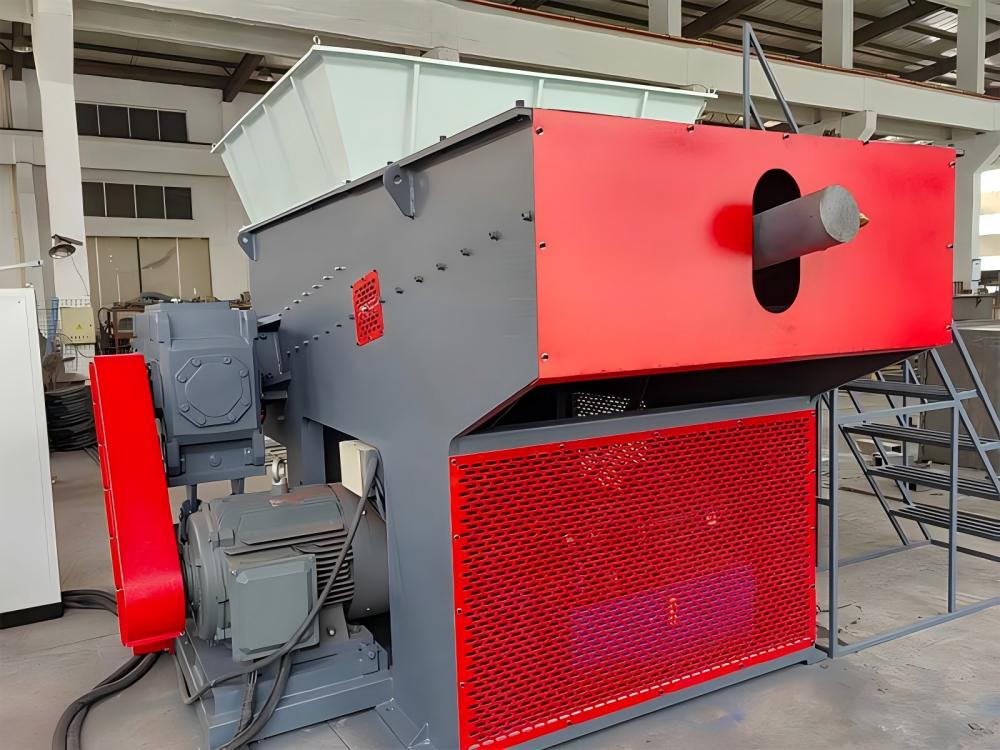
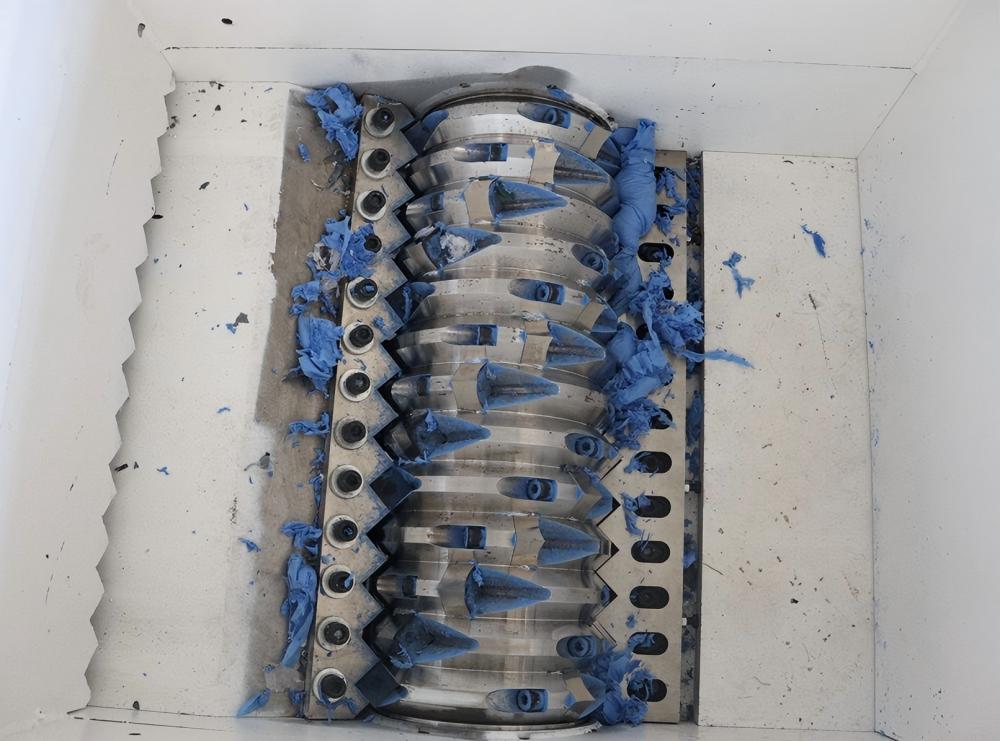
The core of the HARSLE single-shaft shredder is its heavy-duty rotor, which is forged from high-grade alloy steel and treated for maximum wear resistance. This rotor is equipped with replaceable, indexable cutting inserts. These inserts are designed to be rotated or replaced easily, ensuring that the cutting edge remains sharp throughout the machine’s lifecycle. This precision engineering is the foundation of how a single-shaft shredder increased throughput in an HDPE recycling plant, as it maintains consistent cutting force even after thousands of hours of operation.
The hydraulic ram system is another technical marvel. Unlike gravity-fed shredders, the HARSLE system uses a controlled hydraulic pusher to force the HDPE material against the rotating blades. This ensures that the material is shredded at a constant rate, regardless of the bulk density of the input. The pressure of the ram can be adjusted based on the type of HDPE being processed—whether it is rigid blow-molded containers or flexible film—providing the versatility required for modern recycling facilities.
The drive system utilizes high-efficiency gearboxes coupled with robust electric motors. By utilizing a high-torque, low-speed configuration, the shredder can process thick-walled HDPE parts that would stall lesser machines. This configuration also reduces noise levels and vibration, contributing to a safer and more stable working environment. The integration of frequency inverters allows operators to fine-tune the rotor speed, optimizing the machine for specific material types and throughput requirements.
Safety and automation are integrated into every aspect of the machine. The shredder features multiple emergency stop points, overload protection, and a sophisticated sensor array that monitors bearing temperature and motor load. These sensors feed data back to the central control panel, allowing for predictive maintenance. By identifying potential issues before they lead to a breakdown, the plant can schedule repairs during planned downtime, ensuring that the shredder remains a reliable workhorse for the facility.
Selection Advice for Recycling Facilities
Choosing the right shredder requires a thorough analysis of your facility’s specific needs. The first step is to define your target throughput in tons per hour. It is important to select a machine that operates at 70-80% of its maximum capacity during normal production. This ‘headroom’ allows the machine to handle surges in material volume without stalling or overheating, which is a common mistake when facilities undersize their equipment.
Consider the physical dimensions of your feedstock. If you are processing large HDPE drums or pipes, you will need a shredder with a larger feed hopper and a wider rotor. Conversely, if you are processing small, uniform containers, a more compact model may suffice. HARSLE offers a range of sizes, and our technical team works closely with clients to perform a material analysis before recommending a specific model. This consultative approach ensures that the equipment is perfectly matched to the application.
Another aspect to consider is the integration with existing plant infrastructure. Does the shredder need to feed directly into a conveyor system? Is there a need for a magnetic separator to remove metal contaminants before the material reaches the shredder? These peripheral systems are just as important as the shredder itself. A well-designed system will have a seamless flow of material, preventing bottlenecks at the input or output stages.
Finally, look at the total cost of ownership rather than just the initial purchase price. This includes energy consumption, the cost of replacement blades, and the availability of spare parts. HARSLE prides itself on providing comprehensive support, including training for your maintenance staff and a readily available supply of wear parts. Investing in a high-quality machine from a reputable manufacturer like HARSLE is a long-term strategy that pays dividends in reliability and operational efficiency.
FAQ: Optimizing HDPE Shredding
- Q: Why is a single-shaft shredder better for HDPE than a double-shaft shredder?
A: Single-shaft shredders offer better control over particle size, which is crucial for HDPE recycling. They produce a more uniform output, reducing the need for secondary grinding. - Q: How often should the blades be sharpened?
A: This depends on the volume and cleanliness of the HDPE. Generally, HARSLE blades are designed for long intervals, but we recommend a visual inspection every 200-500 operating hours. - Q: Can the shredder handle contaminated HDPE?
A: Yes, our shredders are designed to handle common contaminants. However, removing large metal objects is recommended to extend the life of the cutting inserts. - Q: How does the hydraulic ram improve throughput?
A: The ram ensures constant, uniform feeding of material to the rotor, preventing the ‘bridging’ effect where material gets stuck in the hopper, thus maintaining a steady flow. - Q: What is the typical lifespan of a HARSLE shredder?
A: With proper maintenance and regular lubrication, our industrial shredders are built to provide 10-15 years of reliable service in demanding environments.
Conclusion
The case for upgrading to high-performance shredding technology is clear. As demonstrated by the success of facilities that have made the switch, a single-shaft shredder increased throughput in an HDPE recycling plant by providing the consistency, reliability, and power required to handle modern waste streams. By focusing on precision engineering, thermal management, and smart automation, HARSLE provides the tools necessary to turn plastic waste into a valuable commodity.
Investing in the right machinery is not just about meeting current production targets; it is about future-proofing your business. As the recycling industry continues to evolve, the ability to process material efficiently will be the defining factor between success and stagnation. HARSLE remains committed to supporting the recycling sector with robust, metal-fabricated equipment that stands the test of time. Whether you are looking to expand your current capacity or optimize an existing line, our team is ready to help you achieve your throughput goals.
In summary, the transition to a high-capacity single-shaft shredder is a strategic move that enhances every aspect of the recycling process. From the initial feed to the final output, the efficiency gains are measurable and significant. We invite you to contact HARSLE to discuss how our shredding solutions can be tailored to your specific HDPE recycling requirements, ensuring that your plant operates at peak performance for years to come.