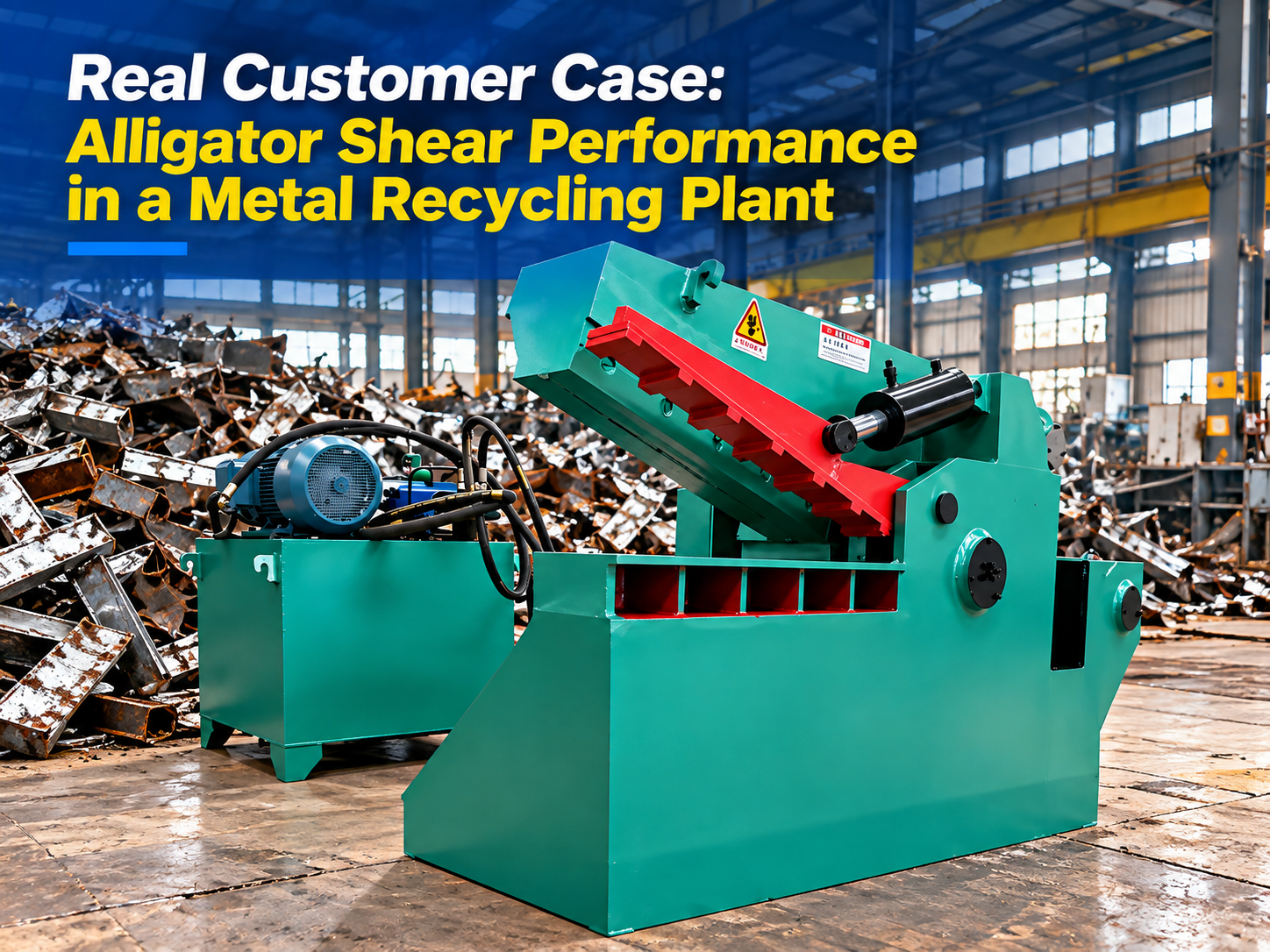
Real Customer Case: Alligator Shear Performance In A Metal Recycling Plant

Introduction
In the high-stakes world of metal recycling, efficiency is not just a goal—it is the primary driver of profitability. Scrap yards and recycling facilities face the constant challenge of processing diverse materials, from bulky structural steel to intricate automotive components, into manageable sizes for smelting or resale. Among the various tools available for this task, the alligator shear remains a cornerstone of the industry due to its robust design and high-speed operation. This article explores a Real Customer Case: Alligator Shear Performance In A Metal Recycling Plant, highlighting how HARSLE’s advanced shearing technology solved critical operational bottlenecks.
For many recycling plants, the transition from manual cutting or inefficient hydraulic systems to a high-performance HARSLE alligator shear represents a significant leap in productivity. This case study examines a mid-sized recycling facility that struggled with downtime and inconsistent cut quality. By integrating a specialized HARSLE hydraulic alligator shear, the plant was able to streamline its workflow, reduce energy consumption, and significantly increase the throughput of high-density scrap metal.
Understanding the performance metrics of such equipment requires a deep dive into the technical specifications and the real-world application of these machines. Throughout this article, we will analyze the specific challenges faced by the facility, the technical advantages of the HARSLE solution, and the long-term benefits observed after implementation. Whether you are a plant manager looking to optimize your scrap processing line or a procurement officer evaluating new machinery, this guide provides actionable insights into the power of alligator shears.
As we navigate through the technical details and selection criteria, it is important to remember that the right equipment is an investment in the longevity of your business. The following sections will break down why the alligator shear is the preferred choice for many, how to maintain peak performance, and what factors you should consider when upgrading your own facility’s metal fabrication equipment.

Key Considerations for Metal Recycling Efficiency
When evaluating the performance of an alligator shear, the first consideration is the material composition of the scrap being processed. Recycling plants often deal with a mix of carbon steel, stainless steel, and non-ferrous metals. Each material has different shear strength requirements, meaning the machine must be capable of handling varying thicknesses without stalling or damaging the blade. In our case study, the client struggled with “jamming” when processing mixed-grade steel, which led to frequent maintenance stops.
Another critical factor is the throughput volume. A recycling plant’s profitability is directly tied to how many tons of scrap can be processed per hour. The HARSLE alligator shear addressed this by offering a higher cycle rate compared to the client’s previous equipment. By optimizing the hydraulic pump flow and the blade geometry, the machine allowed for faster cuts, which translated into a 30% increase in daily output. This throughput efficiency is essential for plants operating on thin margins where every minute of operation counts.
Safety and operator ergonomics are often overlooked but are vital for long-term plant success. Alligator shears are inherently powerful, and without proper safety features, they pose significant risks. The HARSLE units installed at the facility featured advanced foot-pedal controls, emergency stop mechanisms, and protective guarding that met international safety standards. These features not only protected the workers but also boosted morale, as operators felt more secure and comfortable during long shifts.
Finally, the footprint and mobility of the equipment play a role in plant layout. Recycling yards are dynamic environments where the location of processing stations may need to change based on the incoming flow of scrap. The HARSLE alligator shear’s compact, self-contained design allowed the client to reposition the unit closer to the sorting area, reducing the time spent transporting raw materials across the yard. This logistical optimization is a key component of the overall performance improvement observed in this real customer case.
Technical Details of the HARSLE Alligator Shear
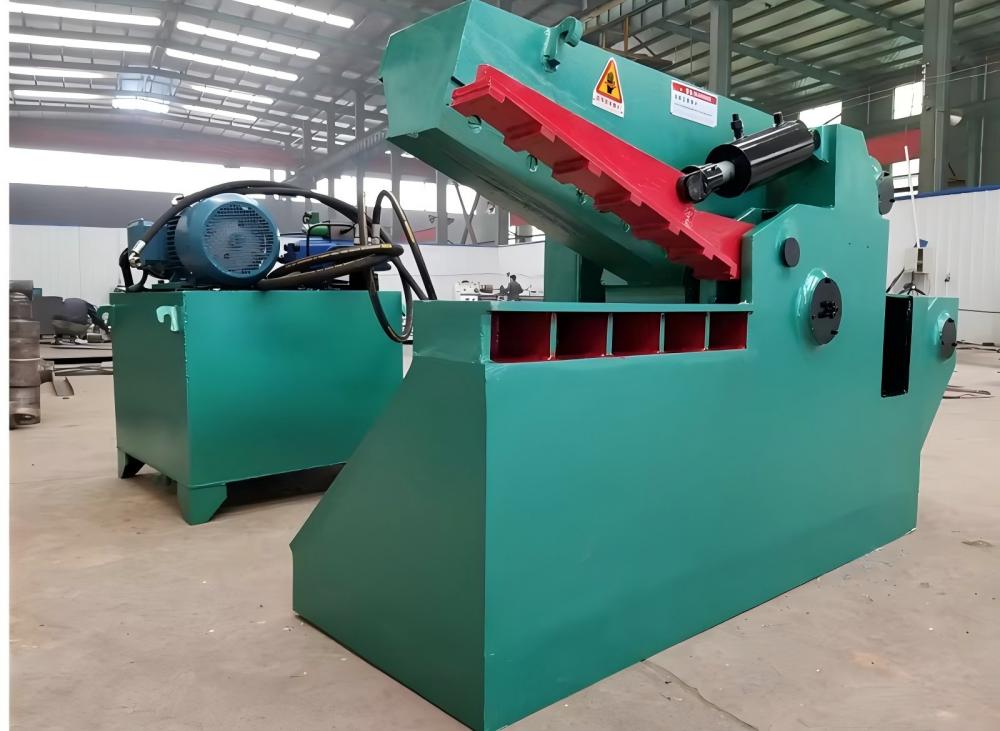
The technical superiority of the HARSLE alligator shear lies in its robust hydraulic system and precision-engineered blade assembly. At the heart of the machine is a high-pressure hydraulic cylinder that delivers consistent force throughout the entire cutting stroke. Unlike mechanical shears that rely on flywheels and clutches, the hydraulic alligator shear provides a smooth, controlled cut that minimizes shock to the machine frame, thereby extending the lifespan of the structural components.
The blade design is another area where HARSLE excels. The blades are manufactured from high-grade, wear-resistant tool steel, heat-treated to maintain a sharp edge even after thousands of cycles. In the case study, the client noted that the blade life was significantly longer than their previous equipment, reducing the frequency of blade sharpening and replacement. This durability is crucial for minimizing downtime and keeping operational costs low in a high-volume recycling environment.
The control system of the HARSLE shear is designed for both manual and automatic operation. For smaller, repetitive tasks, the automatic cycle mode allows the operator to focus on material feeding while the machine handles the cutting. For complex or oversized pieces, the manual mode provides precise control over the blade position, allowing the operator to “nibble” or adjust the material as needed. This flexibility is a hallmark of HARSLE’s engineering philosophy, ensuring that the machine adapts to the operator rather than the other way around.
Furthermore, the hydraulic power unit is equipped with an efficient cooling system to prevent overheating during continuous operation. In the recycling plant, where the machine often runs for 8 to 10 hours a day, thermal management is essential. The HARSLE system maintains optimal oil temperatures, which preserves the integrity of the seals and valves, preventing leaks and pressure drops. This level of technical detail ensures that the equipment remains reliable even under the most demanding conditions.
Selection Advice for Recycling Facilities
Choosing the right alligator shear requires a thorough assessment of your specific scrap profile. Before purchasing, you must determine the maximum thickness and tensile strength of the materials you process most frequently. If your yard primarily handles thin-gauge sheet metal, a smaller, high-speed shear might be sufficient. However, if you are processing heavy structural beams or thick plate, you will need a machine with a larger jaw opening and higher cutting force.
Consider the power source and energy efficiency of the machine. Hydraulic shears are generally more energy-efficient than older mechanical models, but the efficiency can vary between manufacturers. Look for machines with variable-speed drives or energy-saving hydraulic pumps that reduce power consumption when the machine is idle. This can lead to substantial savings on electricity bills over the life of the machine, especially in regions with high energy costs.
Maintenance accessibility is another factor that is often ignored during the buying process. Ask the manufacturer about the ease of changing blades, checking hydraulic fluid levels, and accessing the internal components for routine service. A machine that is difficult to maintain will inevitably lead to neglected maintenance, which results in costly repairs down the line. HARSLE’s design prioritizes modular components, making it easier for maintenance teams to perform quick inspections and repairs.
Finally, consider the support and training provided by the manufacturer. A piece of industrial machinery is only as good as the support behind it. When selecting a supplier, look for companies that offer comprehensive training for your operators, readily available spare parts, and responsive technical support. In the case of the recycling plant we studied, the availability of HARSLE’s local support team was a deciding factor, as it ensured that any minor issues were resolved before they could escalate into major production delays.
Maintenance and Longevity Tips
To ensure the long-term performance of your alligator shear, a proactive maintenance schedule is non-negotiable. Daily checks should include inspecting the hydraulic hoses for leaks, verifying that the blade bolts are tight, and ensuring that the lubrication points are properly greased. These simple tasks take only a few minutes but can prevent catastrophic failures that could halt your entire production line.
Blade maintenance is perhaps the most critical aspect of keeping your shear in top condition. Even the best blades will eventually dull. It is essential to monitor the cut quality; if you notice burrs on the edges of the cut or if the machine seems to struggle to penetrate the material, it is time to sharpen or replace the blades. Operating with dull blades puts excessive stress on the hydraulic system and the machine frame, leading to premature wear.
The hydraulic system itself requires regular attention. The hydraulic oil should be changed according to the manufacturer’s recommendations, and the filters must be replaced to prevent contamination. Contaminated oil is the leading cause of valve failure in hydraulic systems. By keeping the oil clean and at the correct temperature, you can significantly extend the life of the pump and the cylinders, ensuring that your machine continues to perform like new for years.
Finally, keep the area around the machine clean. Scrap metal debris, dust, and oil spills can create hazards and interfere with the machine’s operation. A clean workspace not only improves safety but also makes it easier to spot potential issues, such as small leaks or loose fasteners, before they become serious problems. Implementing a “clean-as-you-go” policy is a simple yet effective way to maintain the overall health of your recycling equipment.
Frequently Asked Questions (FAQ)
- What is the primary advantage of a hydraulic alligator shear over a mechanical one?
Hydraulic shears offer superior control, overload protection, and a smoother cutting action, which reduces wear and tear on the machine frame and increases safety for the operator. - How often should I sharpen the blades on my HARSLE alligator shear?
The frequency depends on the volume and type of material processed. Generally, you should inspect the blades weekly and sharpen them as soon as you notice a decrease in cut quality or increased burring. - Can an alligator shear process non-ferrous metals like copper and aluminum?
Yes, alligator shears are excellent for processing non-ferrous metals. However, ensure that the blade clearance is adjusted correctly for the specific material to achieve a clean cut. - What safety features should I look for in an alligator shear?
Look for emergency stop buttons, foot-pedal guards, blade safety covers, and clear operational manuals. HARSLE machines include these as standard to ensure operator safety. - How do I determine the right size shear for my recycling plant?
Assess your maximum material thickness and daily tonnage requirements. Consult with a HARSLE representative to match your specific needs with the appropriate model size and cutting force. - Is it difficult to find spare parts for HARSLE machinery?
HARSLE maintains a robust supply chain and global support network, ensuring that spare parts are readily available to minimize downtime for our customers.
Conclusion
The Real Customer Case: Alligator Shear Performance In A Metal Recycling Plant demonstrates that the right equipment is the backbone of a successful recycling operation. By choosing a high-performance HARSLE alligator shear, the facility was able to overcome the limitations of its previous setup, resulting in increased throughput, reduced maintenance costs, and a safer working environment. The combination of advanced hydraulic engineering, durable blade design, and user-friendly controls makes HARSLE a leader in the metal fabrication equipment industry.
Investing in quality machinery is not just about the initial purchase price; it is about the total cost of ownership and the long-term value the machine brings to your business. As the recycling industry continues to evolve, the demand for efficient, reliable, and safe processing equipment will only grow. By focusing on the key considerations outlined in this guide—material profile, throughput, safety, and maintenance—you can make an informed decision that will support your plant’s growth for years to come.
We encourage you to evaluate your current processes and consider how an upgrade to HARSLE’s specialized shearing technology could transform your operations. Whether you are looking to increase your capacity or simply improve the reliability of your daily tasks, our team is here to provide the technical expertise and support you need. Contact HARSLE today to learn more about our range of alligator shears and how we can help you achieve peak performance in your metal recycling plant.