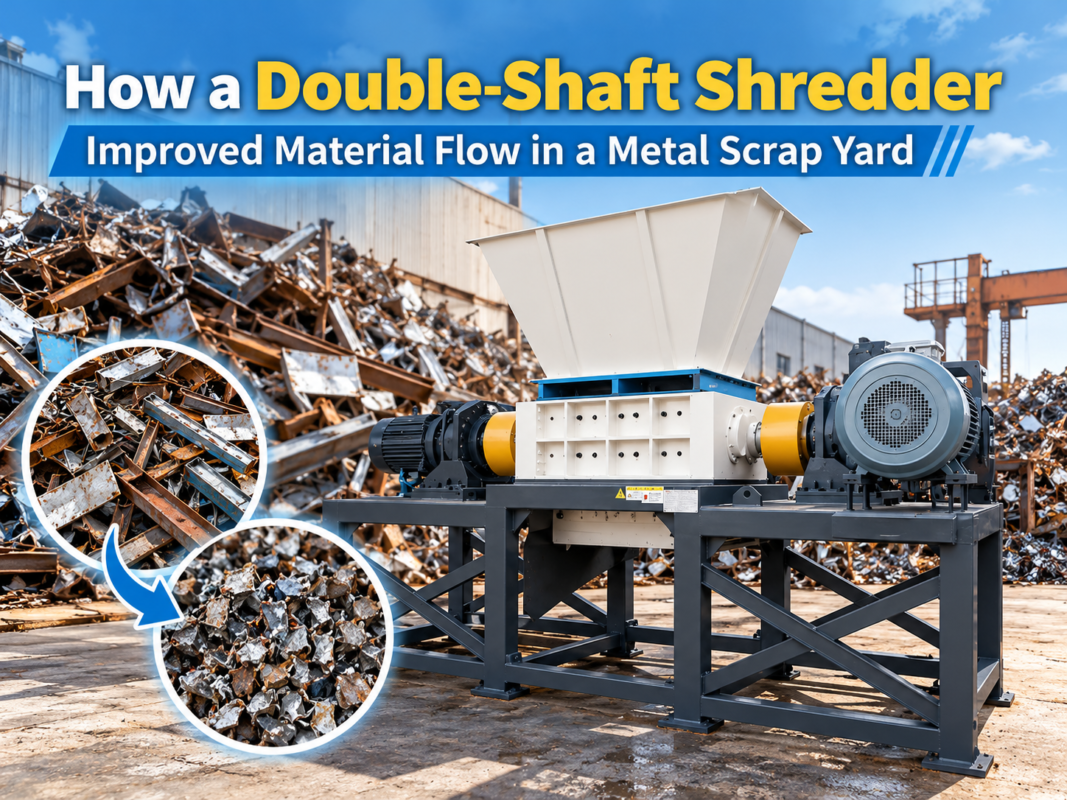
How an Alligator Shear Helped a Contractor Handle Rebar and Beam Offcuts: A Case Study in Efficiency

Introduction: The Challenge of Scrap Management
In the fast-paced world of construction and structural steel fabrication, waste management is often the difference between a profitable project and a budget overrun. For many contractors, the accumulation of rebar and beam offcuts represents a significant logistical headache. These materials are heavy, awkward to transport, and difficult to process using traditional cutting methods like oxy-fuel torches or portable angle grinders. This is where the implementation of specialized machinery becomes a game-changer.
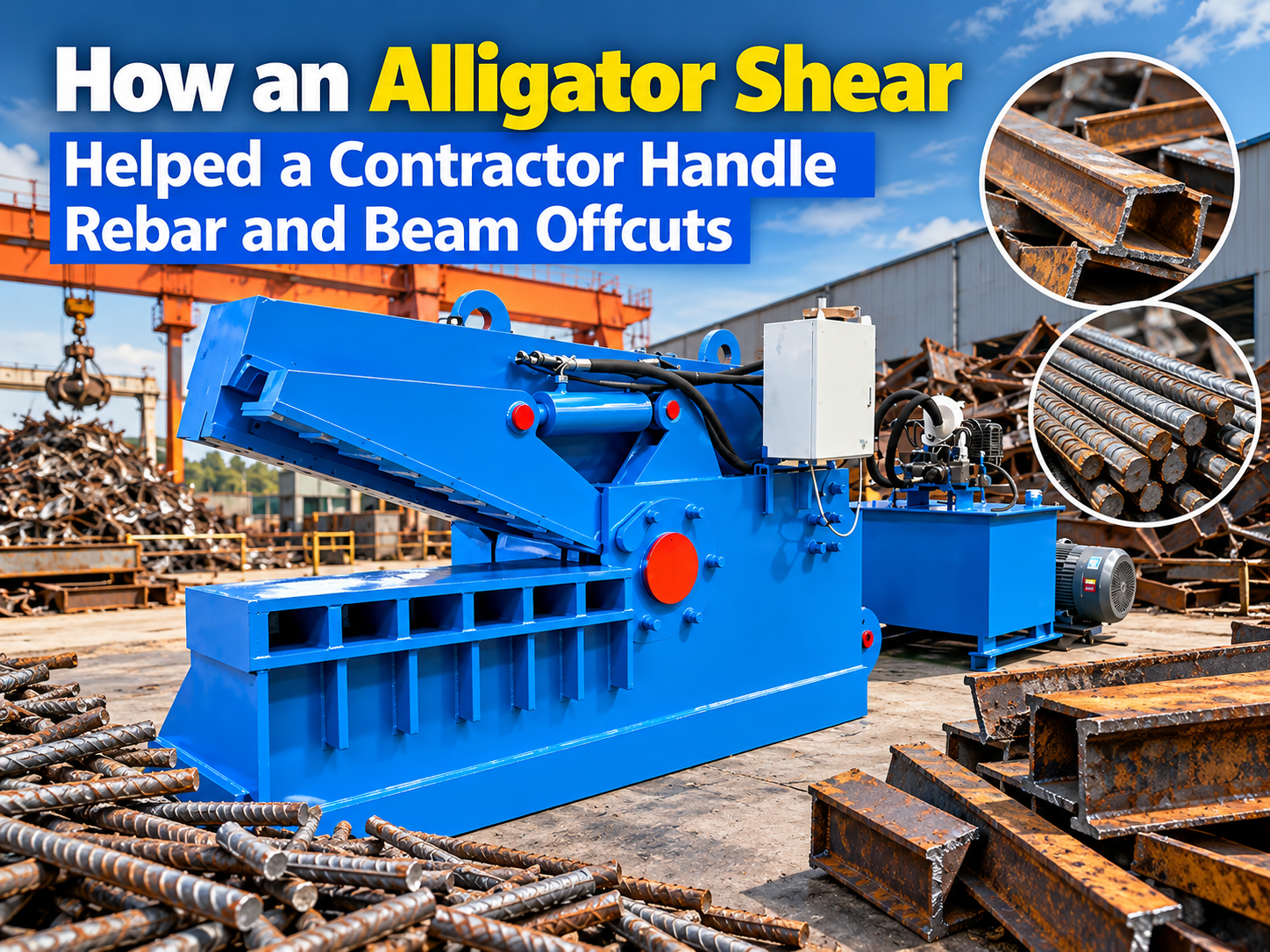
We recently spoke with a mid-sized structural contractor who faced mounting costs due to the accumulation of steel waste. By integrating a high-performance HARSLE alligator shear into their workflow, they transformed their scrap yard from a liability into a revenue stream. This article explores how an alligator shear helped a contractor handle rebar and beam offcuts, detailing the technical advantages and operational shifts that made this transition successful.
The primary issue for this contractor was the sheer volume of high-tensile steel offcuts. Manual cutting was labor-intensive, dangerous, and slow, leading to a backlog of material that occupied valuable floor space. By analyzing their specific needs, we can see why the alligator shear—a machine designed specifically for high-force, repetitive cutting—became the ideal solution for their site.
Throughout this guide, we will examine the technical specifications that make these machines indispensable, the safety protocols required for operation, and the long-term economic benefits of investing in industrial-grade shearing equipment. Whether you are a scrap yard operator or a construction firm, understanding the utility of the alligator shear is essential for modern metal processing.
Key Considerations for Scrap Processing
When evaluating how an alligator shear helped a contractor handle rebar and beam offcuts, one must first understand the limitations of traditional cutting methods. Oxy-fuel cutting, while versatile, is slow and produces hazardous fumes. Furthermore, the heat-affected zone (HAZ) created by torches can alter the metallurgical properties of the steel, making it less desirable for recycling centers. Mechanical shearing, by contrast, provides a clean, cold cut that preserves the integrity of the metal.
The first consideration for any contractor is the throughput requirement. How much material is being generated daily? An alligator shear is designed for high-cycle operation, allowing operators to feed material continuously. Unlike a band saw, which requires precise clamping and slow feed rates, the alligator shear allows for rapid, “snip-and-go” processing. This speed is critical when dealing with high volumes of rebar that would otherwise take hours to cut down to size.
Safety is the second major consideration. Manual cutting of rebar often involves sparks, flying debris, and the risk of burns. An alligator shear, particularly those equipped with modern safety guards and foot-pedal controls, keeps the operator at a safe distance from the cutting blade. This reduction in workplace hazards not only protects employees but also lowers insurance premiums and reduces downtime associated with accidents.
Finally, the economic value of the scrap must be considered. Recycling centers pay significantly more for “prepared” scrap—material cut to specific lengths—than for “unprepared” or “oversized” scrap. By using an alligator shear to process beams and rebar into uniform, manageable lengths, the contractor was able to move their material into a higher price bracket, effectively paying for the machine through increased scrap revenue.
Technical Details of HARSLE Alligator Shears
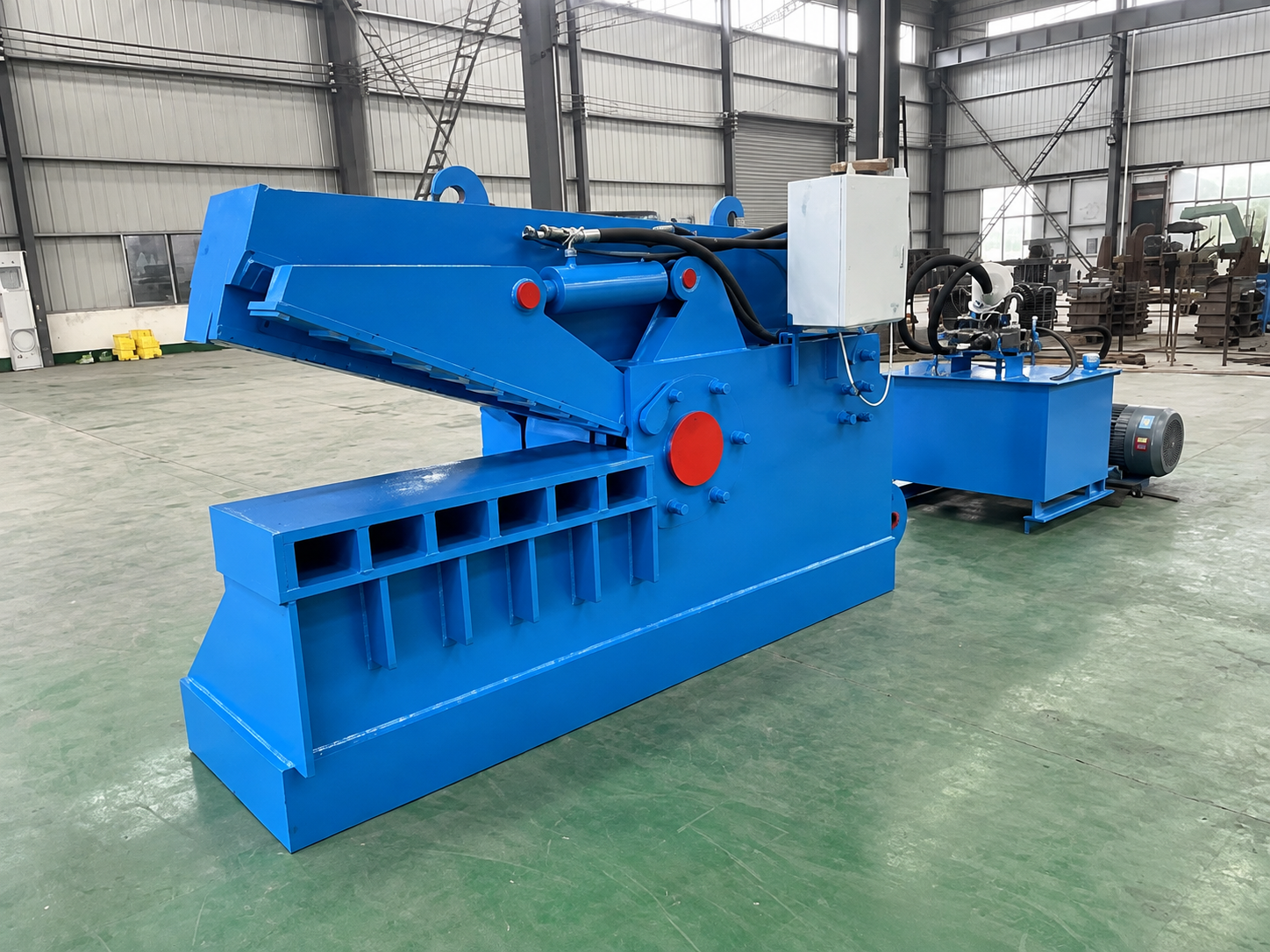
HARSLE alligator shears are engineered for durability and precision. At the heart of these machines is a robust hydraulic system that delivers consistent force regardless of the material thickness. The shearing action is achieved through a pivoting jaw mechanism, which provides a high mechanical advantage, allowing the machine to slice through solid steel bars and structural beams with ease.
The blade material is another critical technical component. HARSLE utilizes high-carbon, high-chromium tool steel for its blades, ensuring they maintain a sharp edge even after processing thousands of tons of abrasive steel. These blades are reversible and adjustable, allowing for extended service life before requiring professional sharpening or replacement. This design choice is vital for contractors who cannot afford frequent maintenance downtime.
The hydraulic system features a high-pressure pump and a large-capacity reservoir, ensuring that the machine does not overheat during continuous operation. The control system is designed for ease of use, often featuring both manual and automatic modes. In automatic mode, the shear cycles continuously, allowing the operator to focus solely on feeding the material into the jaw, which drastically increases productivity.
Structural rigidity is paramount. The frame of a HARSLE alligator shear is constructed from heavy-duty, stress-relieved steel plate. This prevents the machine from flexing under the immense pressure of cutting thick beams. A stable frame ensures that the blade gap remains consistent, preventing the material from jamming or “bending” between the blades rather than being cut cleanly.
Selection Advice: Choosing the Right Model
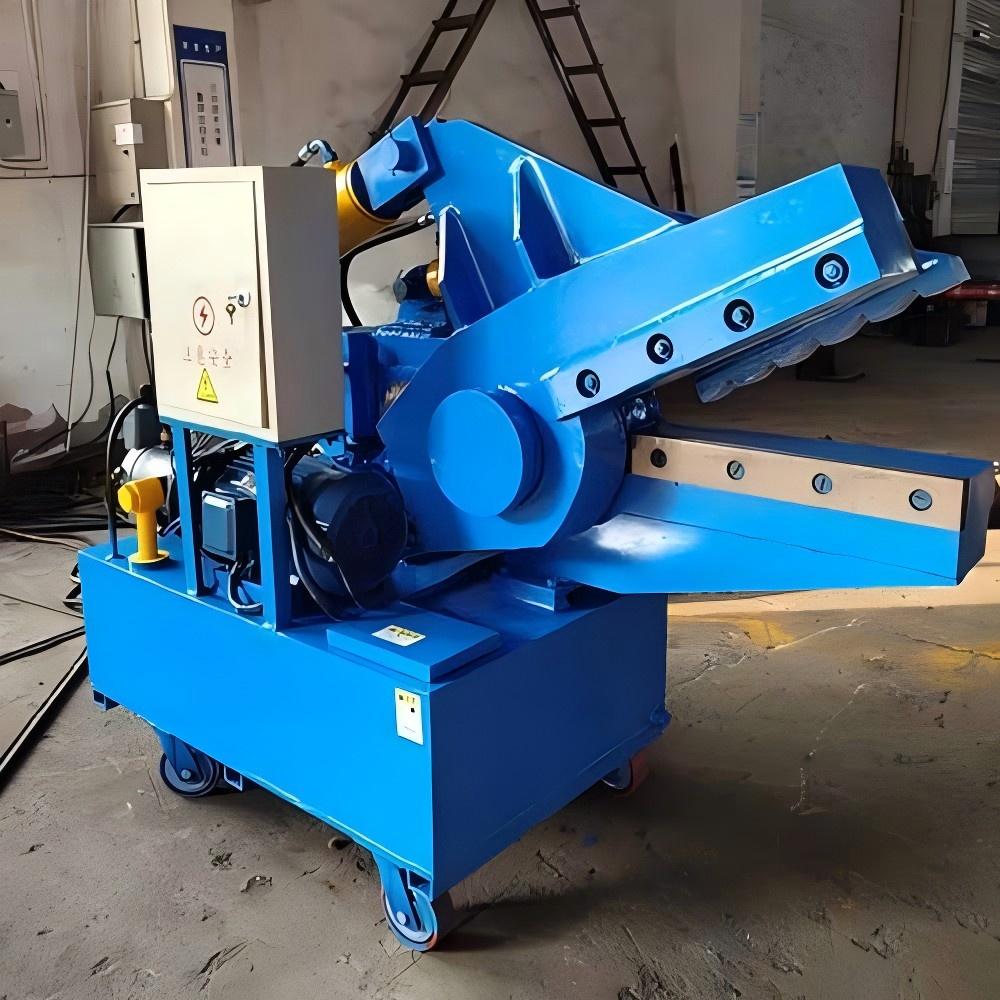
Selecting the right alligator shear requires a careful assessment of your material profile. You must consider the maximum diameter of the rebar and the maximum thickness of the beams you intend to process. HARSLE offers a range of models, from compact units for light-duty recycling to massive, floor-mounted shears capable of cutting heavy structural I-beams.
Consider the jaw opening size. A larger jaw opening allows for the processing of bulky, irregular scrap, but it may come at the cost of cycle speed. If your primary focus is high-volume rebar, a smaller, faster-cycling machine is often more efficient. Conversely, if you are processing large structural offcuts, a machine with a wider jaw and higher tonnage is non-negotiable.
Power source availability is another factor. While most industrial shears are electric-hydraulic, some portable or site-specific models may require specific voltage configurations. Ensure that your facility’s electrical infrastructure can support the motor requirements of the shear. Additionally, consider the footprint of the machine. While alligator shears are relatively compact compared to balers or shredders, they still require a stable, level concrete foundation to operate safely.
Finally, look for after-sales support. A machine is only as good as the service behind it. HARSLE provides comprehensive documentation, spare parts availability, and technical support, which is crucial for contractors who rely on their equipment to meet project deadlines. When you invest in a shear, you are investing in a long-term partnership with the manufacturer.
Operational Best Practices and Maintenance
To ensure the longevity of your alligator shear, a strict maintenance schedule is essential. Daily checks should include inspecting the blade gap, checking hydraulic fluid levels, and ensuring that all safety guards are securely in place. The blade gap is particularly important; if it is too wide, the material will bend rather than shear, putting unnecessary stress on the machine’s pivot pins and hydraulic cylinders.
Lubrication is the lifeblood of the machine. The pivot point of the jaw experiences extreme pressure and must be greased according to the manufacturer’s specifications. Neglecting this can lead to premature wear of the bushings and pins, which are costly to replace. Use high-quality, extreme-pressure grease to ensure smooth operation under heavy loads.
Operator training is equally important. Even the most robust machine can be damaged by improper use, such as trying to cut material that exceeds the shear’s rated capacity or attempting to cut hardened steel that is outside the machine’s design parameters. Operators should be trained to recognize the sound of a machine under strain and to clear the cutting area of debris regularly.
Finally, keep the area around the shear clean. Scrap metal is a tripping hazard and can interfere with the operation of the foot pedal or the feeding process. Implementing a systematic approach to material handling—using conveyors or sorting bins—will further enhance the efficiency gains achieved by the shear itself, creating a streamlined workflow from the scrap pile to the recycling truck.
FAQ: Common Questions About Alligator Shears
- What materials can an alligator shear cut? Alligator shears are designed for ferrous and non-ferrous metals, including rebar, structural beams, pipes, and plates.
- How often should I sharpen the blades? This depends on the volume and hardness of the material. Generally, blades should be inspected weekly and sharpened when the cut quality begins to degrade or burrs appear on the edges.
- Is an alligator shear safe to operate? Yes, when used with proper safety guards, PPE, and operator training, these machines are safe. Always follow the manufacturer’s safety guidelines.
- Can I cut multiple pieces of rebar at once? Yes, many operators bundle smaller rebar pieces to increase throughput, provided the total thickness does not exceed the machine’s rated capacity.
- What is the difference between an alligator shear and a guillotine shear? Alligator shears use a pivoting jaw, making them more portable and better for irregular scrap. Guillotine shears are typically larger, stationary machines used for long, straight cuts on plate metal.
Conclusion: Transforming Scrap into Profit
The story of how an alligator shear helped a contractor handle rebar and beam offcuts is a testament to the power of the right tool for the right job. By moving away from inefficient, manual cutting methods and investing in a HARSLE alligator shear, the contractor was able to reclaim floor space, improve site safety, and significantly increase the value of their scrap metal. The machine paid for itself within the first year through labor savings and higher scrap resale prices.
For any contractor dealing with structural steel waste, the alligator shear is not just an expense; it is a strategic asset. It streamlines the processing of difficult materials, reduces the physical burden on workers, and provides a clear path to better waste management. As the construction industry continues to prioritize efficiency and sustainability, the role of specialized shearing equipment will only grow in importance.
If you are struggling with a backlog of rebar or beam offcuts, consider the operational benefits of an alligator shear. With the right model, proper maintenance, and a commitment to safety, you can turn your scrap yard into a highly efficient, profitable part of your business. HARSLE remains dedicated to providing the industrial machinery necessary to help contractors succeed in an increasingly competitive market.