How a Steel Fabrication Shop Improved Workflow Using an Alligator Shear

Introduction
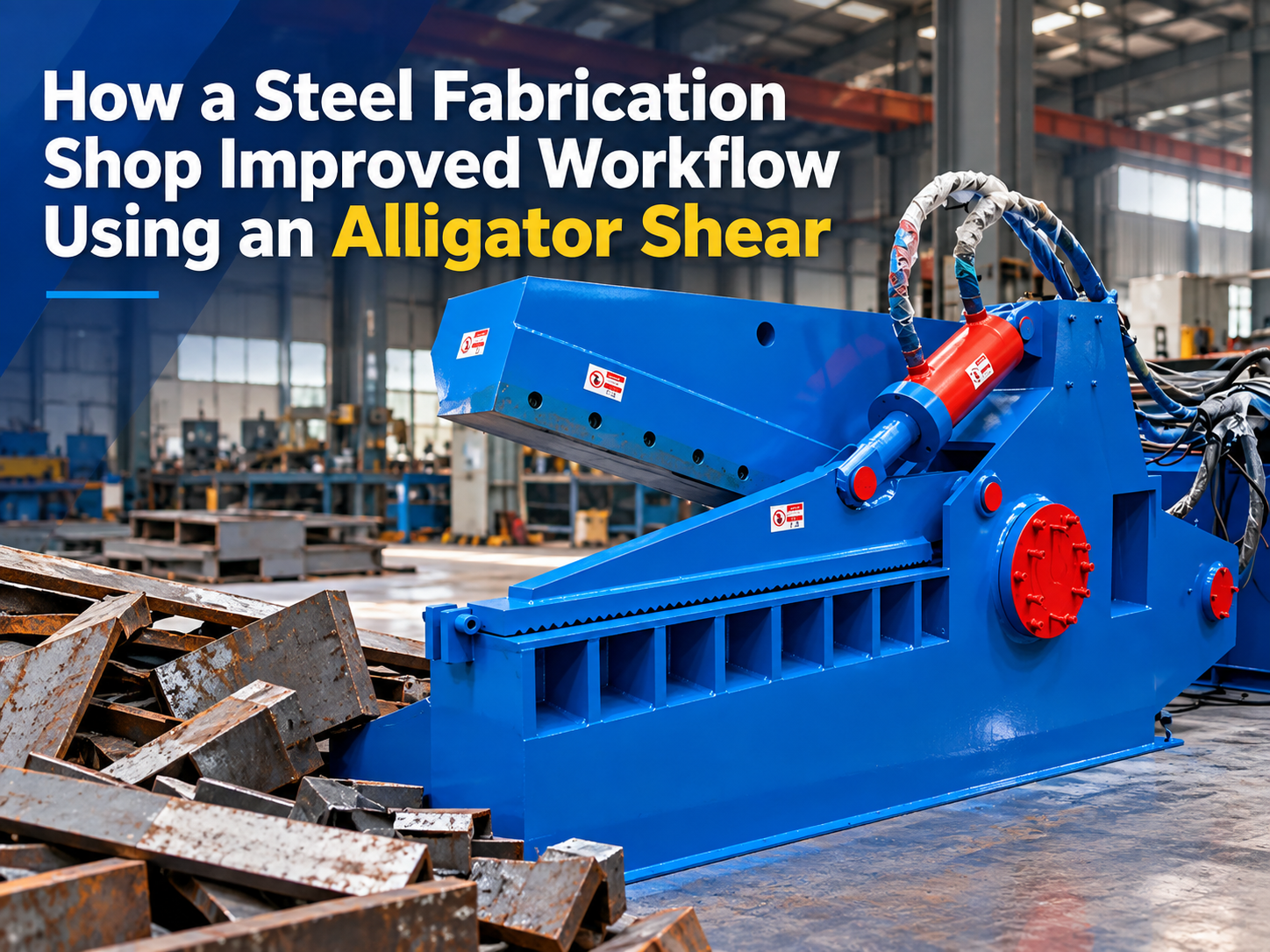
In the fast-paced world of metal fabrication, efficiency is the primary driver of profitability. For many shops, the bottleneck often occurs during the initial stages of material processing—specifically, the cutting and sizing of raw steel stock. Recently, we observed a compelling case study where a mid-sized steel fabrication shop improved workflow using an alligator shear, transforming their production line from a sluggish, labor-intensive operation into a streamlined, high-output facility.
The alligator shear, often overlooked in favor of more complex CNC machinery, remains one of the most robust and reliable tools in the metalworking arsenal. By focusing on the specific needs of scrap processing and structural steel sizing, this shop was able to reduce material handling time by nearly 40%. This article explores the mechanics of this transformation and provides a comprehensive guide for shop owners looking to replicate these results.
When a steel fabrication shop improved workflow using an alligator shear, the primary change was the transition from manual torch cutting or slow band sawing to high-speed, cold-cutting shearing. This shift not only increased throughput but also significantly improved the safety profile of the shop floor. In the following sections, we will break down the technical advantages, operational considerations, and strategic selection criteria for implementing this equipment.
HARSLE has been at the forefront of providing high-performance shearing solutions, and our experience with various industrial clients highlights a recurring theme: the right tool, when placed in the right workflow, eliminates waste. Whether you are dealing with rebar, angle iron, or heavy-duty plates, understanding the capabilities of an alligator shear is essential for modernizing your fabrication processes.
Key Considerations for Workflow Optimization
The decision to integrate an alligator shear into a fabrication workflow is not merely about buying a machine; it is about re-engineering the material flow. The first consideration is the physical layout of the shop. By placing the shear near the material intake zone, the shop can process incoming scrap or stock steel immediately, reducing the need for secondary handling and storage of oversized pieces.
Another critical factor is the reduction of secondary finishing processes. Unlike thermal cutting methods such as plasma or oxy-fuel, an alligator shear provides a clean, cold cut. This eliminates the need for grinding or deburring, which are often the most time-consuming tasks in a fabrication shop. When a steel fabrication shop improved workflow using an alligator shear, they reported that their downstream welding and assembly teams received parts that were ready for immediate use, effectively removing a major bottleneck in the production cycle.
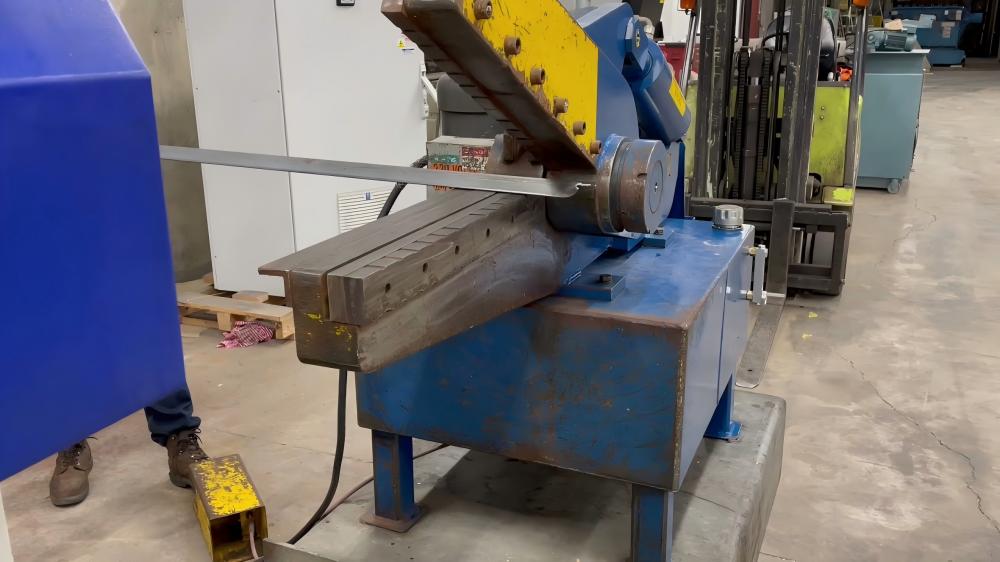
Safety and ergonomics also play a significant role in workflow efficiency. Manual cutting methods often require operators to hold heavy materials for extended periods or work in awkward positions. Alligator shears, particularly those equipped with foot-pedal controls and safety guards, allow operators to maintain a consistent, ergonomic posture. This reduces fatigue, minimizes the risk of workplace injuries, and ensures that the operator can maintain a high level of productivity throughout the entire shift.
Finally, the versatility of the shear allows for multi-purpose utility. A well-integrated alligator shear can handle a wide range of profiles, including round bars, square tubing, and flat plates. By consolidating these tasks into a single, high-speed machine, the shop can reduce the number of machines required for basic cutting, thereby freeing up valuable floor space for more specialized fabrication tasks like press braking or robotic welding.
Technical Details and Operational Mechanics
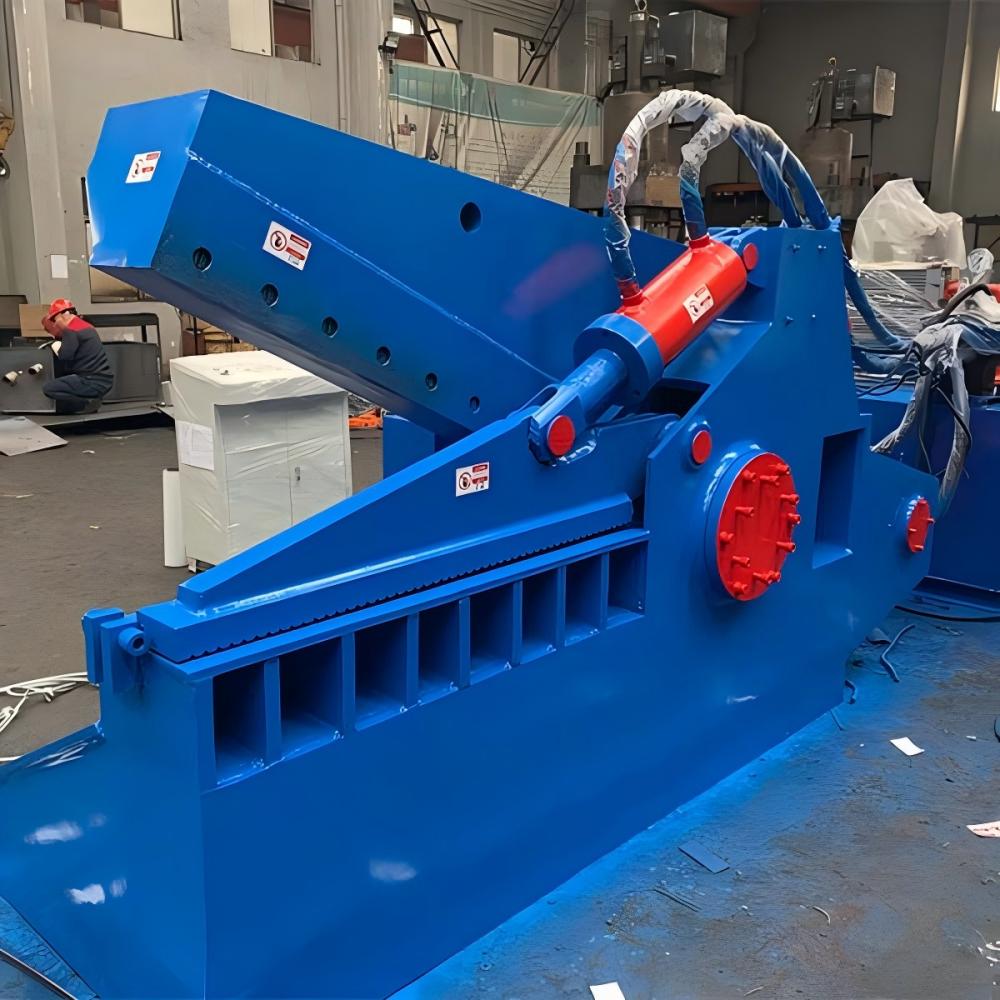
At the heart of the alligator shear is a powerful hydraulic system that drives the upper jaw in a scissor-like motion. This design provides immense cutting force at the tip of the blade, which is ideal for shearing through dense, structural steel. The hydraulic pressure is adjustable, allowing the operator to fine-tune the force based on the material thickness and hardness, which prevents unnecessary wear on the blades and the hydraulic pump.
The blade geometry is a critical technical detail. HARSLE alligator shears utilize high-carbon, high-chrome tool steel blades that are reversible and adjustable. This ensures that the shear remains operational for long periods between sharpening cycles. The gap between the upper and lower blades is also adjustable, which is essential for achieving a clean cut on different material thicknesses without causing deformation or burrs.
Control systems have evolved significantly. Modern alligator shears now feature PLC-based controls that allow for precise stroke adjustment. By limiting the stroke length to the minimum required for the material being cut, the operator can increase the number of cycles per minute, drastically improving output. This level of control is a major reason why a steel fabrication shop improved workflow using an alligator shear; they were able to optimize the machine’s cycle time for specific, repetitive tasks.
Maintenance of the hydraulic system is straightforward but essential. Regular checks of the hydraulic oil levels, filter replacements, and inspection of the cylinder seals ensure that the machine maintains its peak cutting force. Because the alligator shear has fewer moving parts compared to complex CNC machines, the mean time between failures (MTBF) is exceptionally high, making it a reliable workhorse for any industrial environment.
Selection Advice: Choosing the Right Equipment
When selecting an alligator shear, the first metric to evaluate is the cutting capacity. You must identify the maximum thickness and tensile strength of the materials you process most frequently. It is always advisable to choose a machine with a capacity slightly higher than your current requirements to allow for future growth and to prevent the machine from operating at its limit, which can accelerate wear.
The length of the blade is another crucial factor. While a longer blade allows for cutting wider plates, it may require a larger, more powerful hydraulic system. If your shop primarily processes round bars or angle iron, a shorter, more compact blade might be more efficient and cost-effective. Consider the specific profiles you handle daily and match the blade design to those shapes.
Portability and footprint should also be considered. Some shops benefit from mobile alligator shears that can be moved to different areas of the yard or shop floor. However, for high-volume, stationary production lines, a heavy-duty, floor-mounted unit is usually preferred for stability and safety. Ensure that the machine’s base is compatible with your shop’s flooring and that it can be securely anchored to prevent vibrations during operation.
Finally, look for manufacturers that provide comprehensive support and readily available spare parts. HARSLE offers extensive documentation and technical support to ensure that your investment remains productive for years. When evaluating quotes, consider the total cost of ownership, including energy consumption, maintenance requirements, and the expected lifespan of the cutting blades. A slightly higher initial investment in a high-quality machine often pays for itself through reduced downtime and lower maintenance costs.
FAQ: Frequently Asked Questions
1. Why is an alligator shear better than a band saw?
An alligator shear is significantly faster than a band saw, especially for cutting structural shapes like angle iron or rebar. It provides a cold cut without the need for coolant or blade replacements, and it eliminates the time-consuming cleanup associated with metal shavings.
2. Can an alligator shear cut stainless steel?
Yes, provided the machine is rated for the tensile strength of the stainless steel. You may need to adjust the blade gap and hydraulic pressure to ensure a clean cut, but the shear is perfectly capable of processing stainless steel profiles.
3. How often do the blades need to be sharpened?
The frequency of sharpening depends on the material hardness and the volume of cuts. However, because HARSLE blades are reversible and adjustable, you can often get four cutting edges out of a single set of blades before needing a professional regrind.
4. Is specialized training required to operate an alligator shear?
While the operation is straightforward, proper training is essential for safety. Operators should be trained on material positioning, the use of safety guards, and daily maintenance checks to ensure the longevity of the machine.
5. How does an alligator shear impact shop safety?
By automating the cutting process, the shear removes the need for manual torch cutting, which poses fire and fume hazards. Additionally, modern shears include safety interlocks and foot pedals that keep the operator’s hands away from the cutting zone.
Conclusion
The case study of how a steel fabrication shop improved workflow using an alligator shear serves as a blueprint for any facility looking to optimize its production. By replacing inefficient, manual cutting methods with a high-speed, reliable hydraulic shear, the shop was able to reduce labor costs, improve material throughput, and enhance overall safety. The transition to cold-cutting technology not only streamlined the initial processing phase but also had a positive ripple effect on downstream assembly and welding operations.
Investing in the right metal fabrication equipment is a strategic decision that requires careful consideration of your shop’s specific needs, material types, and production volume. As demonstrated, the alligator shear is a versatile and powerful tool that, when properly integrated, provides a significant return on investment. Whether you are a small job shop or a large-scale industrial manufacturer, the efficiency gains offered by this machine are difficult to ignore.
At HARSLE, we are committed to helping our clients achieve operational excellence through superior machinery and expert guidance. If you are ready to modernize your fabrication workflow, we invite you to explore our range of hydraulic alligator shears. By choosing the right equipment and implementing best practices, you can transform your shop floor into a model of efficiency and productivity, ensuring that your business remains competitive in an ever-evolving market.