Case Study: High-Pressure Scrap Metal Baling for Better Material Value

Introduction to High-Pressure Scrap Metal Baling
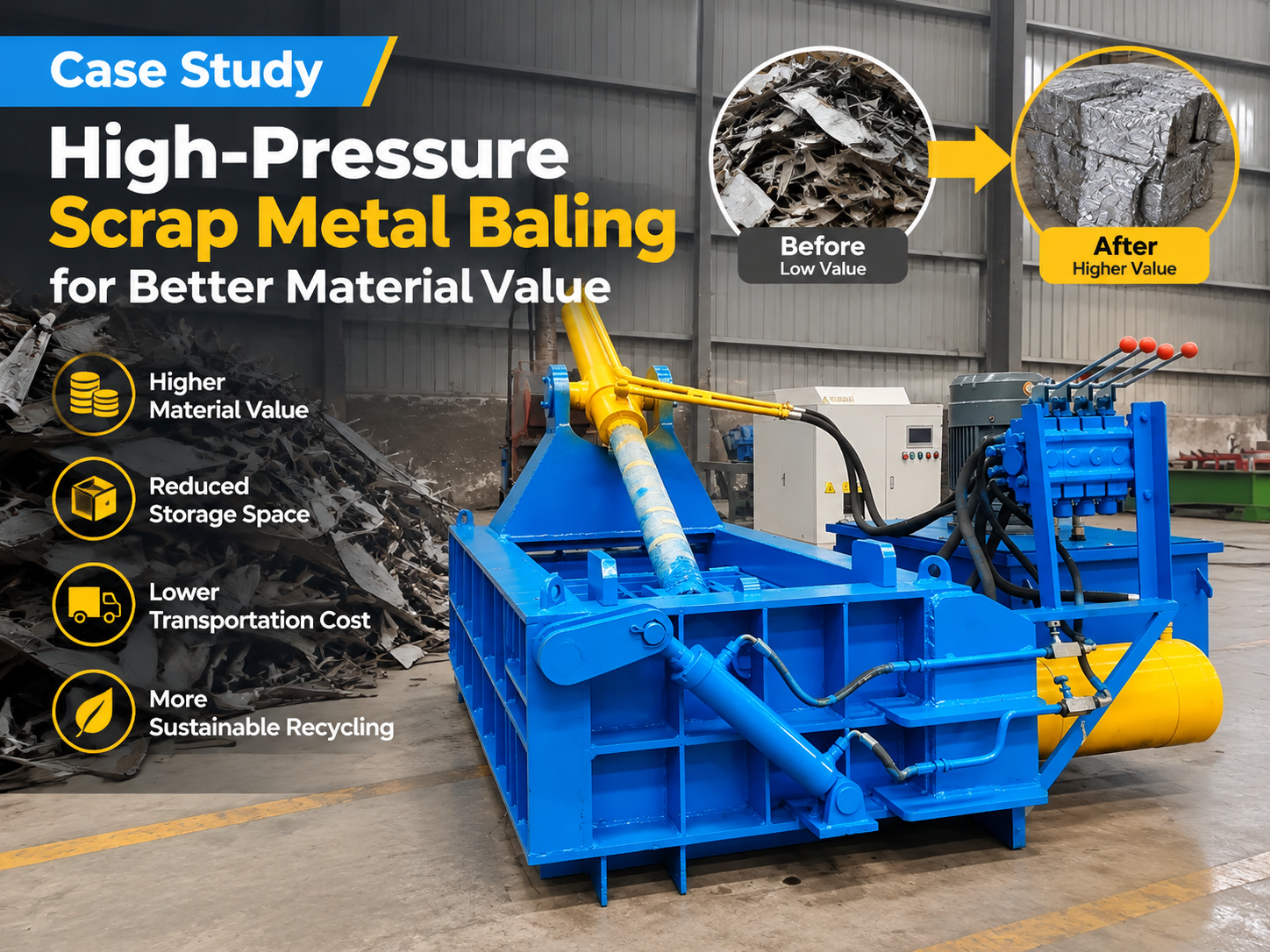
In the modern metal fabrication and recycling industry, the transition from loose scrap to high-density bales is not merely a matter of convenience; it is a fundamental economic strategy. For many facilities, the volume of scrap generated during production—whether from shearing, punching, or laser cutting—can quickly overwhelm floor space and logistics. This article explores a comprehensive Case Study: High-Pressure Scrap Metal Baling Better Material Value, demonstrating how HARSLE machinery transforms waste management into a profitable revenue stream.
When scrap metal is left in its loose, uncompressed state, it occupies significant volume while offering low density. This creates a logistical nightmare for transportation, as shipping companies charge based on both weight and volume. By utilizing a high-pressure scrap metal baler, facilities can drastically increase the density of their waste, ensuring that every truckload is maximized to its legal weight capacity. This simple shift in processing methodology is the cornerstone of modern industrial recycling.
The economic impact of high-density baling extends beyond logistics. Smelters and foundries prioritize high-density scrap because it is easier to handle, safer to charge into furnaces, and results in lower oxidation losses during the melting process. Consequently, scrap yards and fabrication shops that provide high-density, uniform bales can command a premium price for their material. This case study highlights how HARSLE equipment serves as the bridge between low-value waste and high-value industrial feedstock.
Furthermore, the environmental implications of efficient baling cannot be ignored. By reducing the number of transport trips required to move scrap, companies significantly lower their carbon footprint. HARSLE’s commitment to engineering high-pressure systems ensures that energy consumption per ton of baled material is minimized, aligning industrial productivity with sustainable practices. This article will delve into the technical nuances that make this transition possible.
Key Considerations for Scrap Processing Efficiency
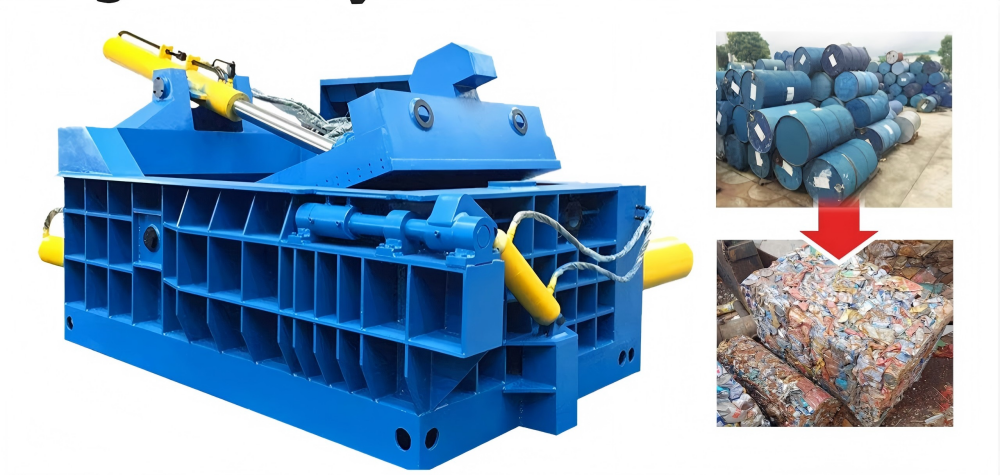
Before investing in a high-pressure baling system, facility managers must evaluate their specific waste stream. Not all scrap is created equal; the physical properties of the metal—such as thickness, ductility, and alloy composition—dictate the required force and cycle time of the baler. A HARSLE expert assessment often begins by categorizing the scrap into light gauge, heavy plate, or mixed industrial waste, as each requires a different hydraulic configuration.
Operational throughput is another critical factor. If a facility generates scrap at a high rate, a manual-feed baler may become a bottleneck. Automated systems, which integrate with conveyor belts or pneumatic scrap removal systems, ensure that the baler operates continuously without human intervention. This level of automation is essential for high-volume fabrication shops where downtime is costly and labor costs must be strictly controlled.
Space constraints often dictate the footprint of the machinery. HARSLE offers vertical and horizontal baling solutions tailored to different spatial requirements. While vertical balers are excellent for smaller shops with limited floor space, horizontal balers provide the high-pressure, continuous processing required for large-scale industrial operations. Understanding the trade-offs between these configurations is vital for long-term operational success.
Finally, maintenance and reliability must be at the forefront of the selection process. A baler that is frequently down for repairs is a liability rather than an asset. HARSLE machines are built with robust hydraulic components and reinforced steel chambers designed to withstand the abrasive nature of metal scrap. Regular maintenance schedules, including hydraulic fluid analysis and wear-plate inspections, are necessary to maintain the high-pressure performance required for maximum material value.
Technical Details of HARSLE High-Pressure Systems
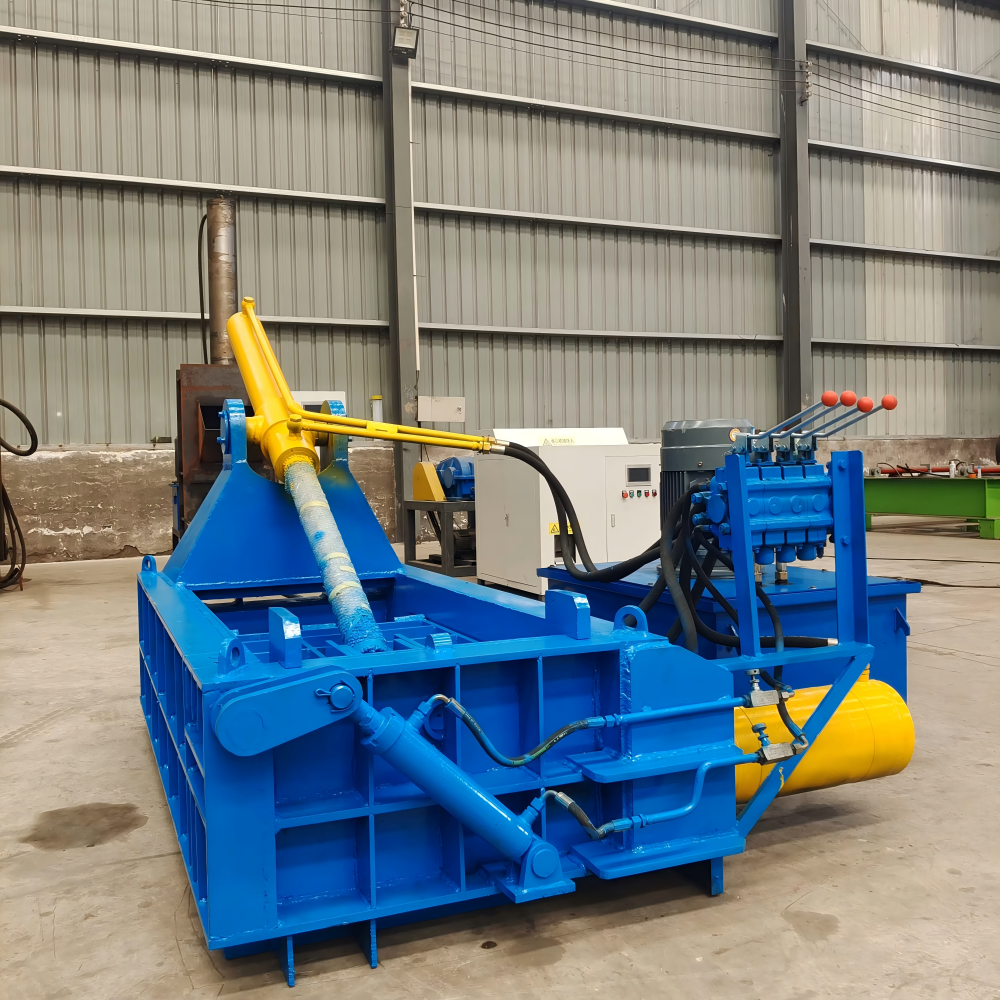
The core of a high-pressure scrap metal baler lies in its hydraulic power unit (HPU). HARSLE utilizes advanced variable-displacement pumps that adjust flow based on the resistance encountered during the compression cycle. This ensures that the machine provides maximum force when the bale is nearly finished, while maintaining high speeds during the initial compaction phase. This intelligent power management is what sets HARSLE apart in the industry.
The compression chamber is engineered with high-tensile wear-resistant liners. These liners are critical because metal scrap, especially steel and aluminum, acts like an abrasive agent against the chamber walls. By using replaceable, hardened steel plates, HARSLE ensures that the structural integrity of the baler remains intact over years of heavy-duty operation. This design choice directly contributes to the consistency of the bale density, which is the primary metric for material value.
Control systems in modern HARSLE balers are fully programmable. Operators can set specific pressure thresholds and bale sizes to meet the requirements of different buyers. For instance, a foundry might require a specific bale dimension to fit their furnace charging mechanism. With a PLC-controlled interface, the operator can switch between different material profiles, ensuring that the output is always optimized for the end-user’s needs.
Safety and integration are also key technical pillars. HARSLE balers are equipped with multi-stage safety interlocks, emergency stops, and light curtains to protect operators. Furthermore, the integration of IoT sensors allows for remote monitoring of machine health. Maintenance teams can receive alerts regarding hydraulic pressure drops or temperature spikes before a failure occurs, ensuring that the baler remains a reliable part of the production line.
Selection Advice: Choosing the Right Baler
When embarking on the journey to improve material value, the first step is to conduct a waste audit. Measure the volume of scrap produced daily and identify the primary material types. If your facility produces a mix of aluminum, copper, and steel, you may need a baler that can handle multiple material profiles without cross-contamination. HARSLE consultants often recommend dedicated balers for high-value non-ferrous metals to ensure purity, which significantly increases resale value.
Consider the bale density requirements of your local scrap buyers. Some buyers pay based on the weight of the bale, while others pay based on the density and size. By aligning your output with the buyer’s specifications, you eliminate the need for them to re-process your scrap, which allows you to negotiate a higher price per ton. This is the essence of the Case Study: High-Pressure Scrap Metal Baling Better Material Value.
Evaluate the total cost of ownership, not just the initial purchase price. This includes energy consumption, spare parts availability, and the cost of labor to operate the machine. HARSLE provides comprehensive training for operators, which reduces the learning curve and minimizes the risk of machine damage due to improper use. Investing in a machine that is easy to maintain and operate is a strategic decision that pays dividends over the machine’s lifespan.
Finally, look for scalability. As your fabrication business grows, your scrap volume will likely increase. Choosing a modular baling system from HARSLE allows you to add components or upgrade hydraulic power units in the future without replacing the entire machine. This forward-thinking approach ensures that your investment remains relevant and productive as your business scales to meet new market demands.
Frequently Asked Questions (FAQ)
How does high-pressure baling increase the value of my scrap metal?
High-pressure baling increases density, which reduces transportation costs and makes the scrap more desirable for smelters. Foundries prefer dense, uniform bales because they melt more efficiently, leading to higher resale prices for the supplier.
What is the difference between a vertical and horizontal baler?
Vertical balers are typically used for lower volumes and have a smaller footprint, while horizontal balers are designed for high-volume, continuous industrial applications, offering higher throughput and automated processing.
How often should I perform maintenance on my HARSLE baler?
Maintenance frequency depends on usage, but we recommend a daily visual inspection, weekly hydraulic fluid checks, and a comprehensive professional service every 500 to 1,000 operating hours to ensure peak performance.
Can a HARSLE baler handle different types of metal?
Yes, our balers are designed to handle various metals, including steel, aluminum, copper, and brass. However, it is important to adjust the pressure settings and ensure the chamber is clean when switching between different alloys to prevent contamination.
What safety features are included in HARSLE balers?
Our balers include emergency stop buttons, safety interlocks on all access doors, light curtains, and pressure relief valves to prevent over-pressurization, ensuring a safe working environment for all operators.
Conclusion
The transition to high-pressure scrap metal baling is a transformative step for any metal fabrication facility. As demonstrated in this Case Study: High-Pressure Scrap Metal Baling Better Material Value, the benefits extend far beyond simple waste reduction. By investing in HARSLE industrial machinery, companies can optimize their logistics, command higher prices for their scrap, and contribute to a more sustainable manufacturing ecosystem.
The combination of robust engineering, intelligent control systems, and a commitment to operational efficiency makes HARSLE the ideal partner for your recycling needs. Whether you are a small fabrication shop or a large-scale industrial recycler, the right baling solution is the key to unlocking the hidden value in your waste stream. We invite you to contact our team to discuss your specific requirements and begin your journey toward a more profitable and efficient future.
Ultimately, the goal of any industrial operation is to minimize waste and maximize output. By treating scrap metal as a valuable commodity rather than a disposal problem, you position your business for long-term success. With the right equipment, the right strategy, and the right partner, you can turn every scrap of metal into a tangible asset, proving that high-pressure baling is not just an expense, but a vital investment in your company’s bottom line.