Briquetting Machine Not Starting? Common Causes and Quick Troubleshooting Steps

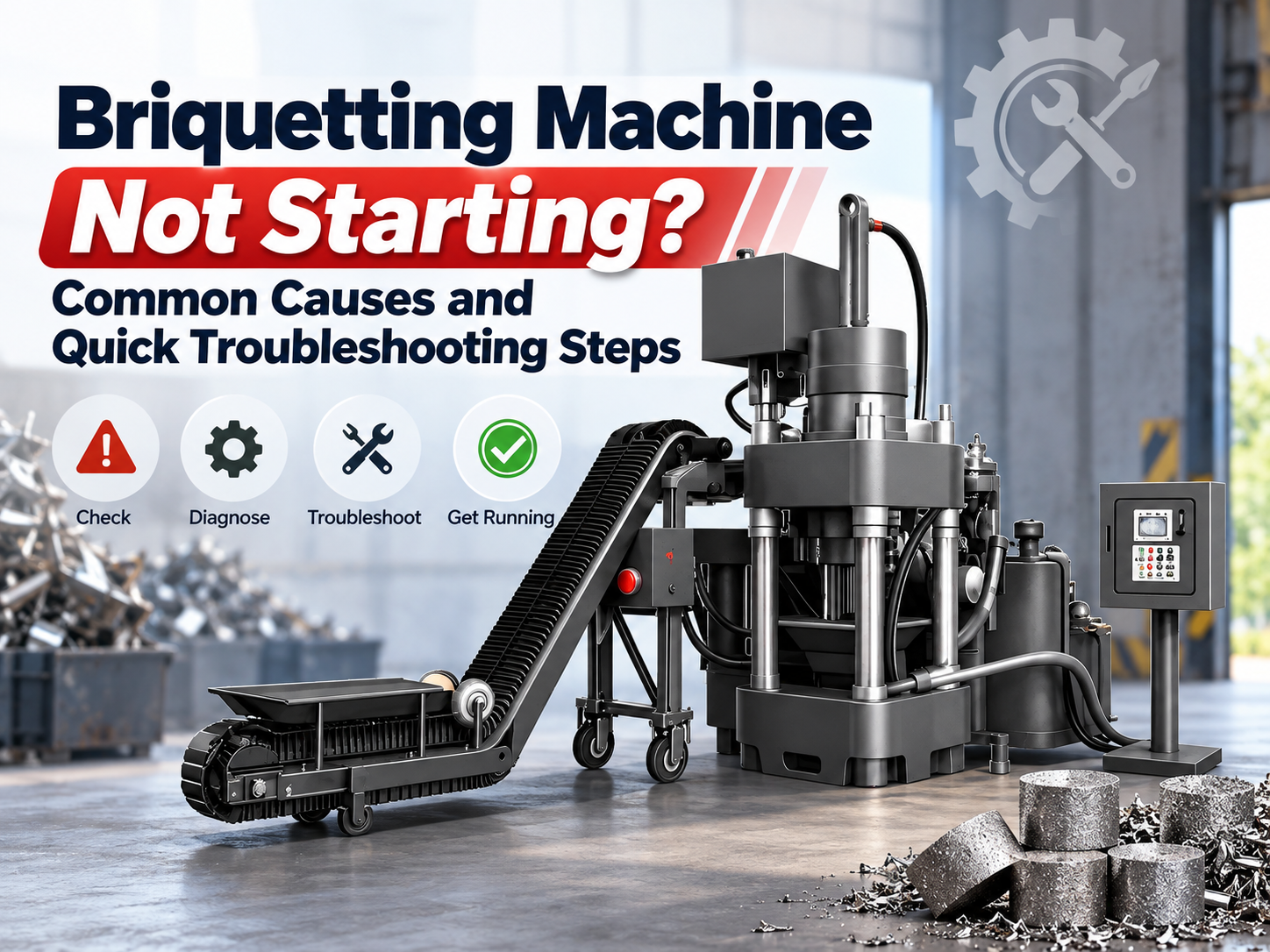
Introduction to Briquetting Machine Troubleshooting
In the high-stakes environment of metal fabrication, efficiency is the cornerstone of profitability. A briquetting machine is a critical asset, designed to transform loose metal chips, turnings, and swarf into dense, manageable briquettes. However, when you find your Briquetting Machine Not Starting? Common Causes Quick Troubleshooting Steps become the most important resource in your facility. Downtime is not just an inconvenience; it is a direct hit to your production schedule and bottom line.
HARSLE understands that industrial machinery requires precise operation and consistent maintenance. When a machine fails to initiate its startup sequence, it is often due to a safety interlock, a power supply issue, or a hydraulic system fault. This guide is designed to help maintenance teams and operators systematically diagnose these issues, ensuring that your metal recycling operations return to peak performance as quickly as possible.
Understanding the internal logic of your briquetting press is essential for long-term reliability. From electrical control panels to hydraulic pressure sensors, every component plays a role in the startup handshake. By following this comprehensive guide, you can identify whether the problem is a simple user error or a more complex mechanical failure that requires professional intervention.
We will explore the common pitfalls that lead to startup failures, provide a step-by-step diagnostic checklist, and offer advice on how to prevent these issues from recurring. Whether you are operating a high-capacity hydraulic briquetting press or a compact unit, the principles of troubleshooting remain consistent across the HARSLE product line.
Key Considerations for Briquetting Machine Startup
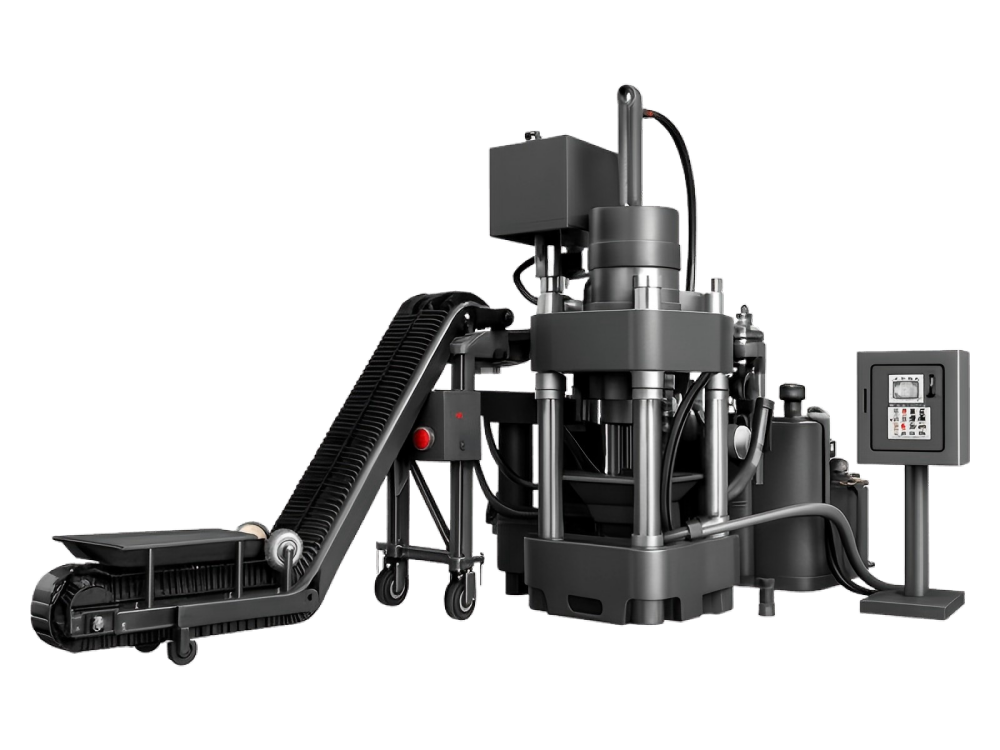
Before diving into complex repairs, it is vital to perform a thorough visual and physical inspection of the machine’s environment. Often, the reason a Briquetting Machine Not Starting? Common Causes Quick Troubleshooting Steps might point to something as simple as an emergency stop button that hasn’t been reset or a tripped circuit breaker in the main facility panel.
Safety interlocks are the most common reason for a machine to refuse to start. Modern briquetting presses are equipped with multiple sensors that monitor door closures, hopper levels, and pressure thresholds. If any of these sensors detect an anomaly, the Programmable Logic Controller (PLC) will prevent the motor from engaging to protect both the operator and the machine components.
Environmental factors also play a significant role in machine health. Dust accumulation, extreme temperatures, and moisture can interfere with electrical contacts and limit switches. Regular cleaning of the control cabinet and sensor areas is a fundamental maintenance task that can prevent many startup issues before they manifest as downtime.
Finally, ensure that the operator interface is displaying the correct status codes. Most HARSLE machines feature a digital HMI (Human-Machine Interface) that provides error messages. Ignoring these codes or failing to interpret them correctly is a common mistake that leads to unnecessary troubleshooting time. Always check the HMI screen first to see if the machine is reporting a specific fault.
Technical Details: Diagnosing Electrical and Hydraulic Failures
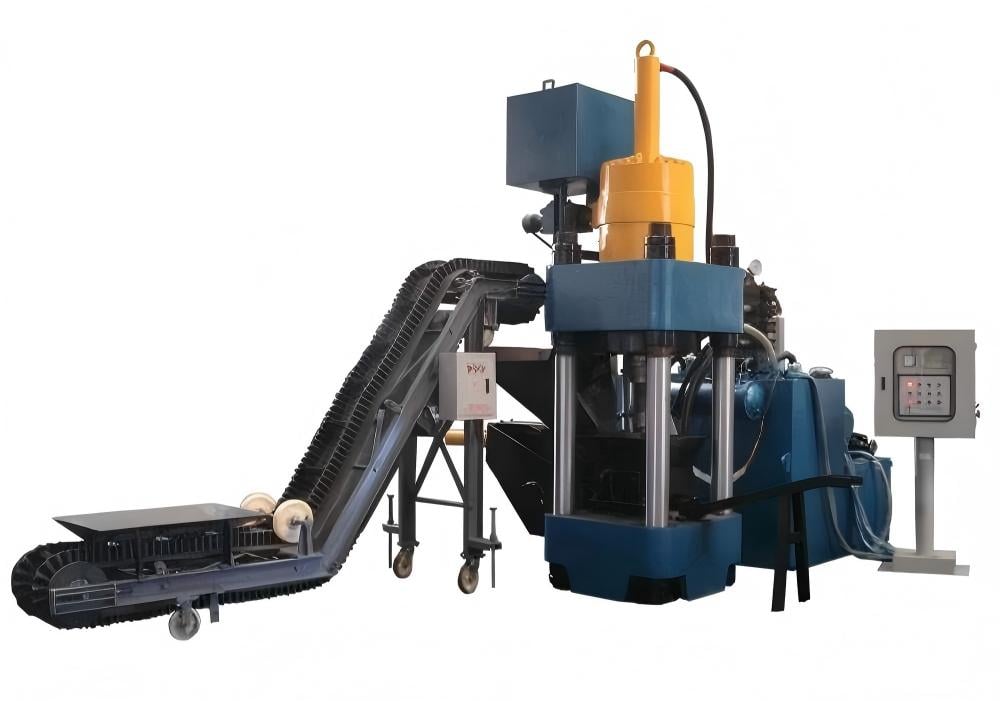
When the machine fails to start, the first technical area to investigate is the electrical power supply. Check the main disconnect switch and verify that all three phases are providing the correct voltage. A single-phase loss in a three-phase system can cause the motor starter to chatter or fail to engage entirely, which is a frequent cause of startup failure in industrial metal fabrication equipment.
Next, examine the hydraulic system. A briquetting machine relies on high-pressure oil to compress metal. If the hydraulic oil level is too low, the oil level switch will trigger a safety shutdown. Furthermore, if the oil temperature is too low—common in cold climates—the viscosity may be too high for the pump to start safely. Many HARSLE systems include oil heaters that must reach a specific temperature before the main motor is allowed to engage.
The PLC and relay logic are the “brains” of the operation. If the electrical and hydraulic checks pass, inspect the control relays for signs of pitting or failure. A stuck relay can prevent the start signal from reaching the motor contactor. Using a multimeter to trace the control circuit voltage can help you pinpoint exactly where the signal is being interrupted.
Pressure transducers and limit switches are also common points of failure. If a pressure transducer is sending a false reading to the PLC, the system may believe the machine is already under load and refuse to start. Similarly, a misaligned limit switch on the compression cylinder can prevent the machine from completing its homing sequence, which is a prerequisite for starting the cycle.
Step-by-Step Troubleshooting Checklist
- Verify Power: Ensure the main power switch is ON and the emergency stop is released.
- Check HMI Alerts: Look for specific error codes or warning lights on the control panel.
- Inspect Safety Gates: Ensure all access doors and safety guards are fully closed and latched.
- Check Hydraulic Levels: Verify that the oil reservoir is filled to the recommended level.
- Test Limit Switches: Manually check if limit switches are obstructed by metal chips or debris.
- Review Motor Overload: Check the thermal overload relay in the electrical cabinet; reset if tripped.
- Check Oil Temperature: Ensure the hydraulic fluid is within the operating temperature range.
Selection Advice: Choosing the Right Briquetting Machine
Selecting the right briquetting machine is the first step in avoiding recurring maintenance issues. When choosing equipment for your metal fabrication shop, consider the volume and type of material you are processing. A machine that is consistently pushed beyond its rated capacity will inevitably suffer from premature component failure, leading to the very startup issues we are discussing.
Look for machines that offer robust PLC diagnostics and easy access to internal components. HARSLE designs its equipment with the maintenance technician in mind, providing modular electrical panels and accessible hydraulic manifolds. This design philosophy significantly reduces the time required to diagnose a Briquetting Machine Not Starting? Common Causes Quick Troubleshooting Steps scenario.
Consider the environmental conditions of your facility. If you are processing abrasive materials or working in a high-dust environment, opt for machines with sealed electrical cabinets and high-grade filtration systems. Investing in a machine with an integrated cooling system can also prevent overheating, which is a leading cause of sensor failure and electrical component degradation.
Finally, evaluate the support and documentation provided by the manufacturer. A comprehensive manual, clear wiring diagrams, and responsive technical support are invaluable when you are facing a machine that won’t start. HARSLE provides extensive documentation to ensure that your team has the knowledge required to maintain the equipment effectively over its entire service life.
Frequently Asked Questions (FAQ)
Why does my briquetting machine hum but not start?
This is often a sign of a motor starter issue or a phase imbalance. If the motor is receiving power but cannot turn, it may be stuck due to a mechanical obstruction or a failed capacitor. Check for debris in the compression chamber first.
How often should I change the hydraulic oil?
Hydraulic oil should be changed according to the manufacturer’s schedule, typically every 2,000 to 4,000 operating hours. Contaminated oil is a leading cause of valve failure and sluggish startup performance.
Can a dirty sensor prevent the machine from starting?
Yes. Metal dust and oil mist can accumulate on proximity sensors, causing them to send false signals to the PLC. Regularly cleaning these sensors with compressed air or a clean cloth is a simple way to prevent startup errors.
What should I do if the HMI shows a “Pressure Fault”?
A pressure fault usually indicates that the system has reached a pressure limit or that the transducer is malfunctioning. Check for blockages in the discharge chute or ensure the material being fed is not too dense for the current settings.
Is it safe to bypass safety interlocks to get the machine running?
Absolutely not. Bypassing safety interlocks is dangerous and can lead to severe injury or permanent damage to the machine. Always troubleshoot the root cause of the interlock trigger rather than attempting to bypass it.
Conclusion
When you encounter a situation where your Briquetting Machine Not Starting? Common Causes Quick Troubleshooting Steps are your best defense against extended downtime. By systematically checking the power supply, safety interlocks, hydraulic levels, and control logic, you can resolve the vast majority of startup issues without the need for external service calls.
Remember that consistent maintenance is the key to longevity. Keeping your HARSLE briquetting machine clean, monitoring your hydraulic fluid quality, and training your operators to interpret HMI error codes will ensure that your equipment remains a productive asset for years to come. If you have exhausted these troubleshooting steps and the machine still fails to start, do not hesitate to contact HARSLE technical support for expert assistance.
Metal fabrication is a demanding industry, and your equipment should be up to the challenge. With the right knowledge and a proactive approach to maintenance, you can minimize the impact of technical failures and keep your production line moving efficiently. Use this guide as a reference in your shop, and always prioritize safety during every inspection and repair procedure.