Vertical Baler Price Comparison: Manual, Semi-Automatic, and Fully Automatic Models

Price Range Overview: Understanding the Investment
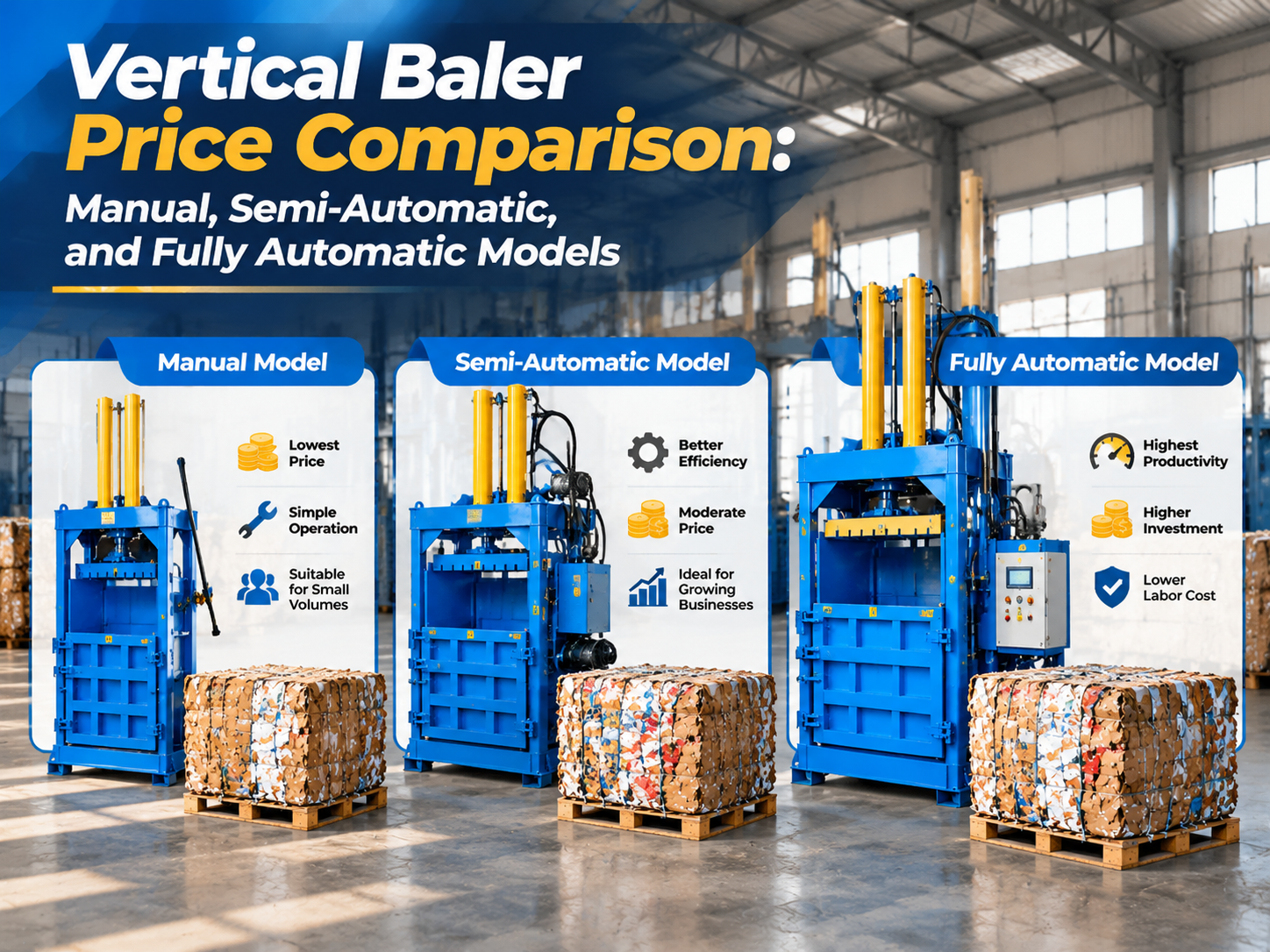
Investing in a vertical baler is a strategic decision for any facility looking to streamline waste management and generate revenue from recyclables. When conducting a Vertical Baler Price Comparison: Manual, Semi-Automatic, and Fully Automatic Models, it is essential to recognize that pricing is not merely a reflection of the machine’s size, but a culmination of engineering complexity, automation levels, and throughput capacity. For small businesses or low-volume facilities, entry-level manual balers often serve as the starting point, while high-output industrial operations require the sophisticated automation of fully automatic systems.
Manual vertical balers typically represent the most accessible price point, often ranging from $3,000 to $8,000. These machines are designed for intermittent use where labor is readily available to handle the manual tying and ejection processes. Because they lack complex electronic control systems and hydraulic automation for bale ejection, they remain cost-effective and durable for light-duty applications.
Semi-automatic vertical balers bridge the gap between affordability and efficiency, generally priced between $8,000 and $18,000. These units often feature hydraulic bale ejection systems, which significantly reduce the physical strain on operators. They are the preferred choice for mid-sized retail stores, distribution centers, and manufacturing plants that produce a consistent stream of cardboard or plastic waste but do not require 24/7 operation.
Fully automatic vertical balers represent the premium tier of the market, with prices ranging from $20,000 to over $50,000 depending on the integration capabilities. These machines are engineered for high-volume environments where throughput speed is critical. They often include automated tying systems, conveyor feed compatibility, and advanced PLC controls that minimize human intervention, making them a long-term capital investment for large-scale industrial facilities.
Main Cost Drivers in Vertical Baler Manufacturing
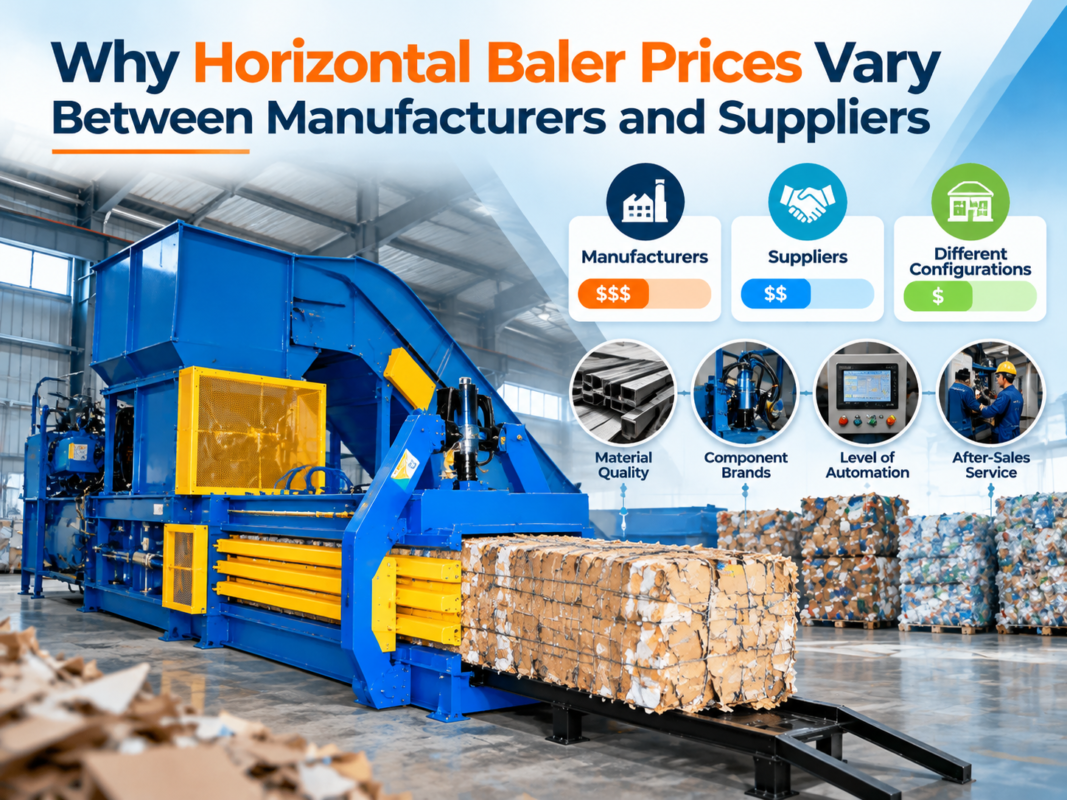
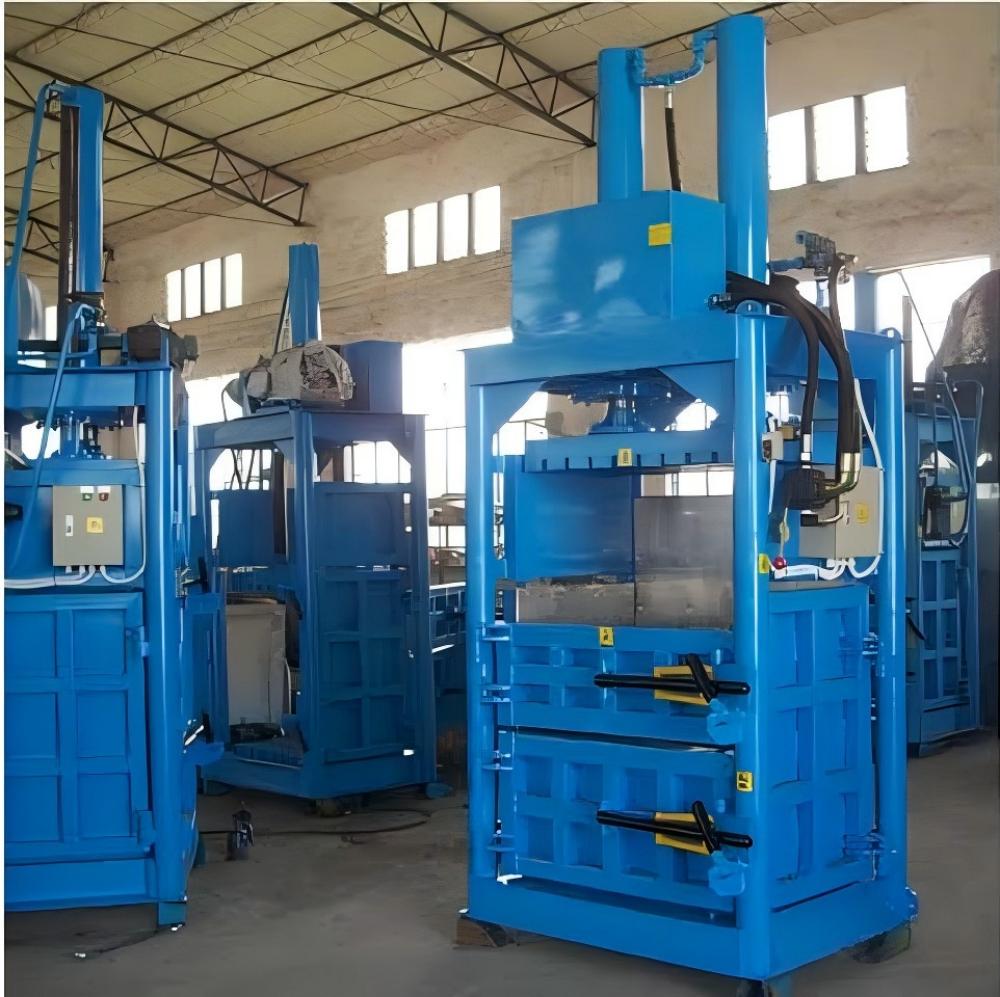
The price of a vertical baler is heavily influenced by the quality of materials and the engineering standards applied during production. HARSLE emphasizes structural integrity, utilizing high-grade steel to ensure the machine can withstand the immense pressure required to compress dense materials like cardboard, plastic, and thin-gauge metal scraps. The thickness of the steel plate, the quality of the welds, and the reinforcement of the door hinges are primary cost drivers that dictate the machine’s lifespan.
Hydraulic components represent another significant portion of the total cost. High-performance hydraulic pumps, cylinders, and valves are the heart of the baler. Cheaper, low-quality hydraulic systems may offer a lower initial price but often lead to frequent leaks, pressure loss, and costly downtime. Investing in premium hydraulic systems ensures consistent cycle times and reliable compression force, which is vital for maintaining bale density and market value.
The control system and safety features also contribute to the final price. Modern vertical balers are equipped with advanced Programmable Logic Controllers (PLCs) that monitor system health, track bale counts, and ensure operator safety through light curtains and emergency stop mechanisms. While these features add to the initial investment, they provide essential data analytics and safety compliance that are non-negotiable in modern industrial settings.
Finally, the motor power and electrical specifications play a role in the cost. Motors must be sized correctly to provide the necessary force without overheating. Energy-efficient motors, while slightly more expensive upfront, offer significant savings in electricity costs over the machine’s operational life. When evaluating a Vertical Baler Price Comparison: Manual, Semi-Automatic, and Fully Automatic Models, always consider the long-term energy efficiency of the motor.
Configuration Impact on Operational Efficiency
The configuration of a vertical baler directly impacts how it integrates into your workflow. Manual models are straightforward but require significant manual labor. The operator must manually load the material, operate the controls, and tie off the bale. This configuration is ideal for low-volume sites where the cost of labor is lower than the cost of an automated machine, but it is rarely efficient for high-throughput environments.
Semi-automatic configurations often include features like hydraulic bale ejection, which pushes the finished bale out of the chamber onto a pallet. This single feature drastically reduces the time required to process a bale and minimizes the risk of workplace injury. Many semi-automatic models also offer adjustable bale sizes, allowing facilities to customize their output based on the specific requirements of their recycling partners.
Fully automatic vertical balers are designed for seamless integration into existing production lines. These machines can be paired with conveyor belts or shredders, allowing for continuous feeding. The automatic tying system is the hallmark of this configuration; it eliminates the need for an operator to enter the chamber or manually thread wires, which is a major safety and efficiency upgrade. This level of automation is essential for facilities that generate tons of waste daily.
Choosing the right configuration requires a thorough audit of your waste stream. If your facility produces a high volume of uniform material, a fully automatic system will pay for itself through labor savings and increased bale density. Conversely, if your waste stream is sporadic or consists of mixed materials, a semi-automatic model provides the necessary flexibility without the premium cost of full automation.
Hidden Costs: Beyond the Sticker Price
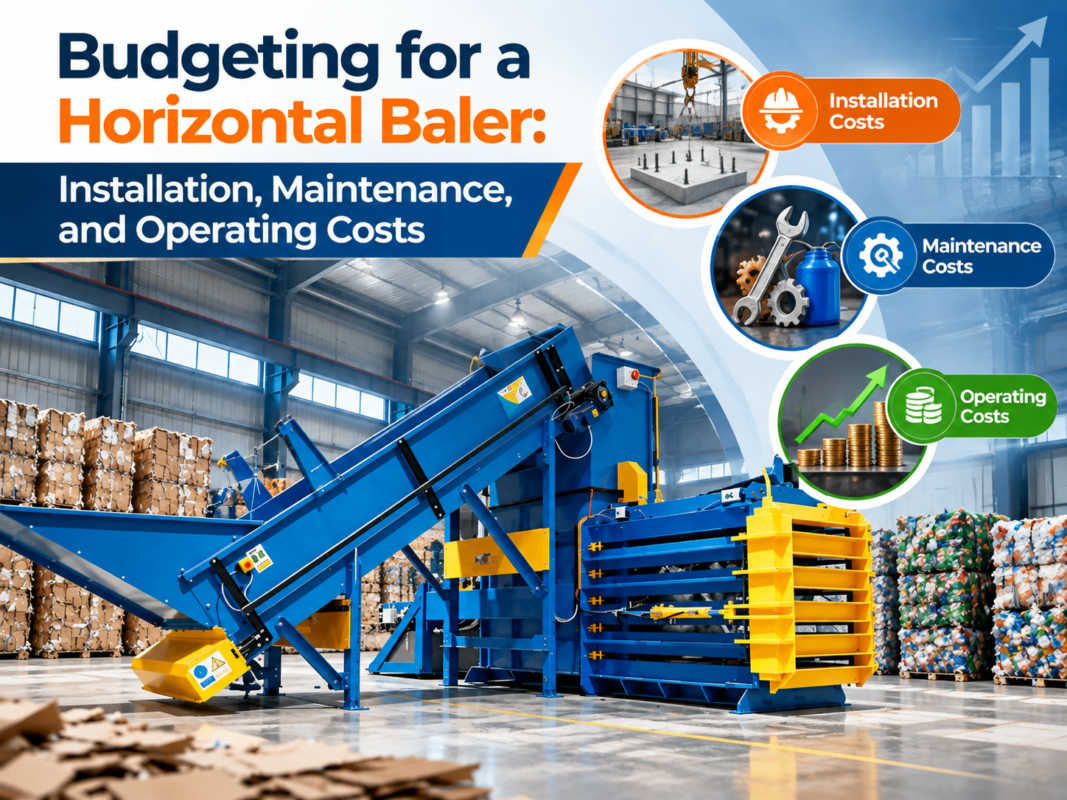
When performing a Vertical Baler Price Comparison: Manual, Semi-Automatic, and Fully Automatic Models, many buyers overlook the hidden costs associated with installation and maintenance. Shipping and rigging are often the first unexpected expenses. Because these machines are heavy and bulky, specialized transportation and forklift services are required to move them into position. Always request a comprehensive quote that includes delivery and on-site installation.
Electrical infrastructure upgrades are another common hidden cost. High-capacity balers often require specific voltage and amperage, which may necessitate an upgrade to your facility’s electrical panel. Before purchasing, consult with a licensed electrician to ensure your site can support the machine’s power requirements. Ignoring this step can lead to significant delays and additional costs after the machine has been delivered.
Maintenance and consumables are ongoing expenses that must be factored into your budget. This includes the cost of baling wire or strapping, hydraulic oil, and periodic inspections. Fully automatic models, due to their complexity, require more frequent professional servicing to keep sensors and automated tying mechanisms in peak condition. Budgeting for a preventive maintenance contract is a smart way to avoid the high cost of emergency repairs.
Finally, consider the cost of training. While manual balers are intuitive, fully automatic systems require operators to be trained on PLC interfaces and safety protocols. Investing in proper training ensures that your team can operate the machine safely and efficiently, preventing damage caused by operator error and ensuring that you get the maximum return on your investment.
ROI Calculation: Justifying the Investment
Calculating the Return on Investment (ROI) for a vertical baler involves more than just looking at the purchase price. Start by calculating the current cost of waste disposal. If you are paying for frequent dumpster pickups, you are essentially paying to transport air. A vertical baler compresses waste into dense, manageable bales, which can significantly reduce the number of pickups required, leading to immediate savings on waste hauling fees.
Next, consider the revenue potential. Baled cardboard, plastic, and metal scraps are commodities. Recycling centers pay a premium for high-density, clean bales because they are easier to transport and process. By baling your waste, you transform a disposal expense into a potential revenue stream. Calculate the weight of your waste stream and multiply it by the current market rate for baled recyclables to estimate your monthly revenue.
Labor savings are a critical component of the ROI for semi-automatic and fully automatic models. If a manual baler takes 30 minutes to process a bale and an automatic model takes 5 minutes, calculate the hourly wage of the operator and multiply it by the time saved per bale. Over the course of a year, these labor savings often exceed the price difference between a manual and an automatic machine.
Finally, factor in the space savings. Loose waste takes up significant floor space, which could be used for production or storage. By compacting waste, you reclaim valuable square footage, which has an indirect but measurable impact on your facility’s operational efficiency. A well-placed baler can optimize your entire logistics flow, making the investment highly justifiable.
Buying Advice: Selecting the Right Model
Selecting the right vertical baler requires a clear understanding of your facility’s needs. Start by analyzing your waste volume. If you produce less than 5 tons of waste per month, a manual baler is likely sufficient. If you produce between 5 and 20 tons, a semi-automatic model is the sweet spot. For facilities producing over 20 tons per month, a fully automatic system is almost always the most economical choice in the long run.
Consider the material type. Cardboard is the most common material, but if you are baling plastic film, aluminum cans, or light metal scraps, you need a machine with higher compression force and potentially specialized features like cross-tying or liquid drainage systems. Always discuss your specific material stream with the manufacturer to ensure the baler’s hydraulic pressure is adequate.
Check the safety certifications. In the metal fabrication and industrial sectors, safety is paramount. Ensure that the baler meets local and international safety standards, such as CE or OSHA requirements. A machine that lacks proper safety interlocks is a liability that no business should accept, regardless of the price savings.
Lastly, evaluate the manufacturer’s support network. A vertical baler is a long-term asset. You need a partner who provides reliable technical support, readily available spare parts, and a clear warranty policy. HARSLE prides itself on offering comprehensive after-sales support, ensuring that your equipment remains operational and productive for years to come. When comparing prices, always weigh the manufacturer’s reputation and support capabilities as heavily as the initial cost.
FAQ: Frequently Asked Questions
- What is the main difference between manual and semi-automatic balers? Manual balers require the operator to perform all tasks, including tying and ejection, while semi-automatic balers feature hydraulic ejection to assist with the process.
- How much space does a vertical baler require? Most vertical balers have a footprint of approximately 4 to 8 square feet, but you must also account for the clearance required for loading and maintenance.
- Can a vertical baler handle metal scraps? Yes, but you must ensure the baler is rated for the specific density and type of metal you are processing. Standard cardboard balers may not have the force required for metal.
- How often should a vertical baler be serviced? We recommend a professional inspection every 6 months, along with regular checks of hydraulic fluid levels and wire tensioners.
- Is it better to buy new or used? While used balers are cheaper, they often lack warranties and may have hidden mechanical issues. New machines offer reliability, the latest safety features, and manufacturer support.
- What is the typical lifespan of a vertical baler? With proper maintenance, a high-quality industrial vertical baler can last 10 to 15 years or more.