New Vs Used Scrap Metal Baler Prices: Which Option Saves More?

Price Range Overview
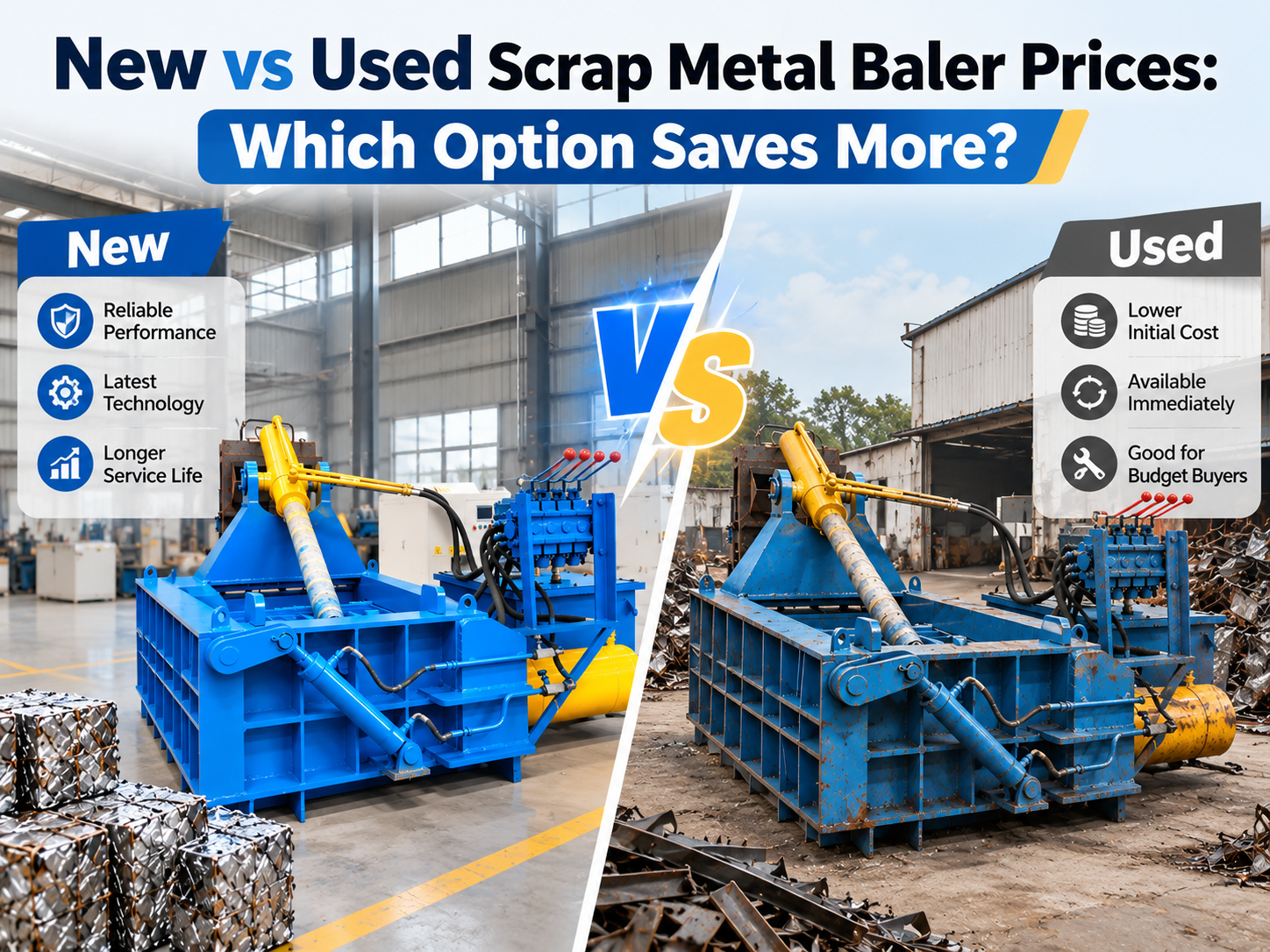
When evaluating the investment for a scrap metal baler, the disparity between new and used equipment prices is often the first hurdle for business owners. New scrap metal balers typically range from $30,000 for entry-level vertical units to upwards of $250,000 for high-capacity horizontal automated systems. These prices reflect the integration of modern PLC controls, advanced hydraulic efficiency, and full manufacturer warranties that provide peace of mind for the first several years of operation.
Conversely, used scrap metal balers can be found for 40% to 60% of the cost of a new machine. While the initial capital outlay is significantly lower, the market for pre-owned equipment is volatile. A machine that appears to be a bargain at $15,000 may require immediate hydraulic seal replacements, electrical board upgrades, or structural welding, quickly narrowing the price gap between the used unit and a brand-new, reliable alternative from a manufacturer like HARSLE.
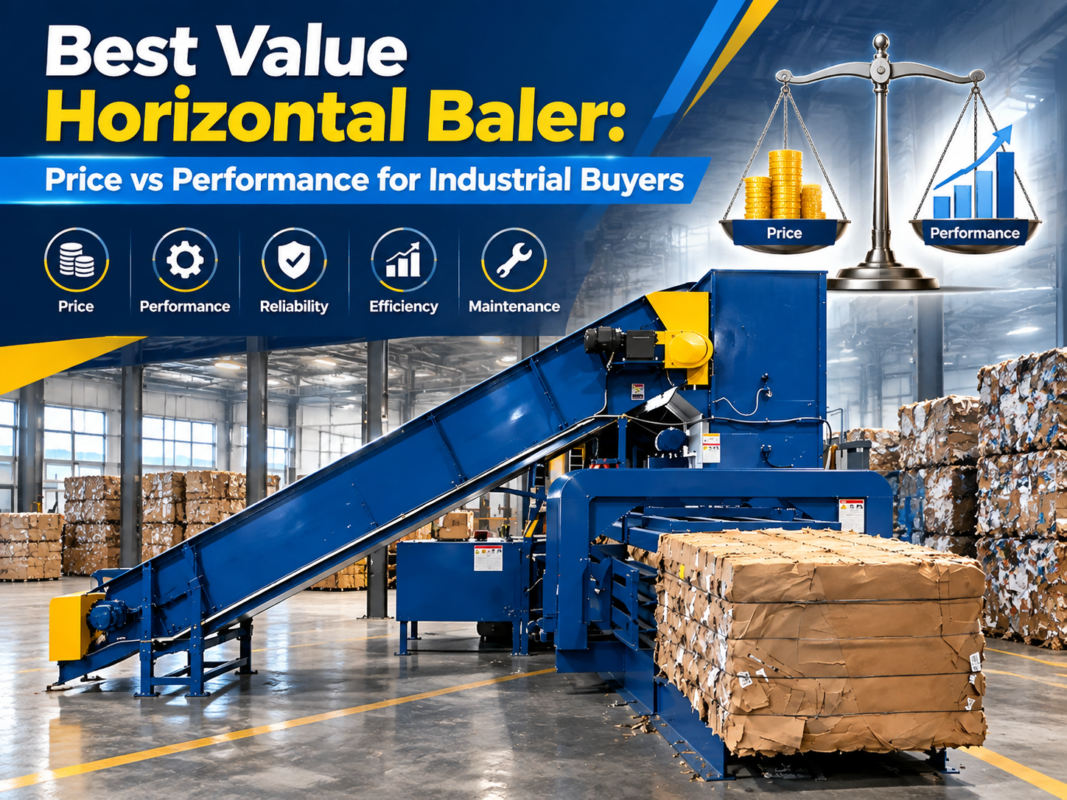
Understanding the price range requires looking beyond the sticker price. New machines are priced based on throughput capacity, material density requirements, and automation levels. Used machines are priced based on age, hours of operation, and the reputation of the original manufacturer. Buyers must weigh the immediate cash flow benefits of a cheaper used machine against the long-term operational stability of a new investment.
Ultimately, the decision hinges on your facility’s specific volume requirements. If your scrap yard processes high volumes of non-ferrous or ferrous metals daily, the downtime associated with a failing used machine can cost thousands of dollars in lost productivity. In such cases, the higher price tag of a new baler is often viewed as an insurance policy against operational interruptions.
Main Cost Drivers
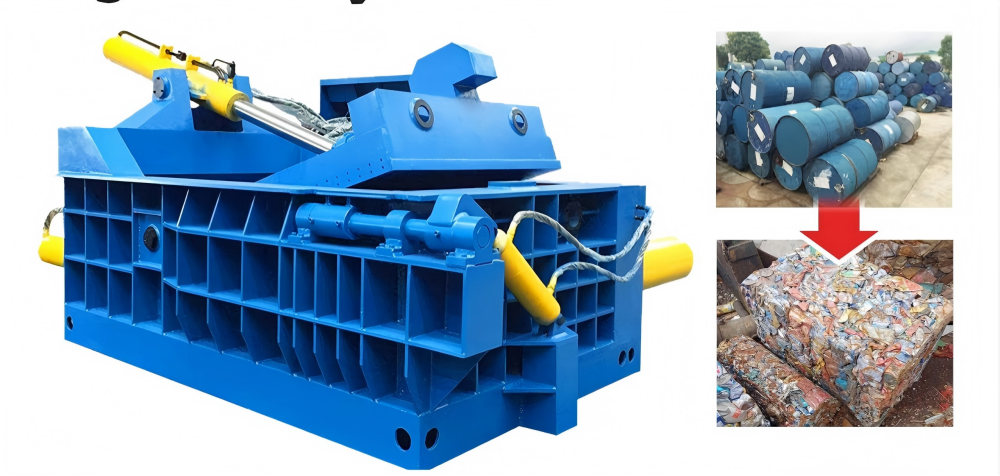
The primary cost driver for any scrap metal baler is the hydraulic system. High-pressure hydraulic pumps, cylinders, and valves are the heart of the machine. In new balers, these components are sourced from reputable manufacturers with guaranteed performance metrics. In used balers, these components are often the first to fail, leading to expensive repairs that are not always covered by the seller.
Another significant cost factor is the structural integrity of the baling chamber. Scrap metal is abrasive and heavy. Over time, the internal walls of a baling chamber experience significant wear and tear. New machines feature reinforced, wear-resistant steel liners that ensure longevity. Used machines may have hidden fatigue cracks or thinned walls that compromise the structural integrity of the bales produced, leading to issues with transport and storage.
Automation and control systems also drive price differences. Modern balers utilize sophisticated PLC (Programmable Logic Controller) systems that optimize cycle times, monitor hydraulic pressure, and provide diagnostic data. These systems reduce labor costs and increase safety. Older used machines often rely on manual relay logic, which is harder to troubleshoot and lacks the efficiency-boosting features found in contemporary HARSLE equipment.
Finally, the motor and electrical infrastructure play a role. New balers are designed with energy-efficient motors that comply with modern environmental standards, reducing electricity consumption. Older machines may have outdated, power-hungry motors that increase your monthly utility bills. When calculating the total cost of ownership, energy efficiency is a critical, often overlooked, variable that favors new equipment.
Configuration Impact
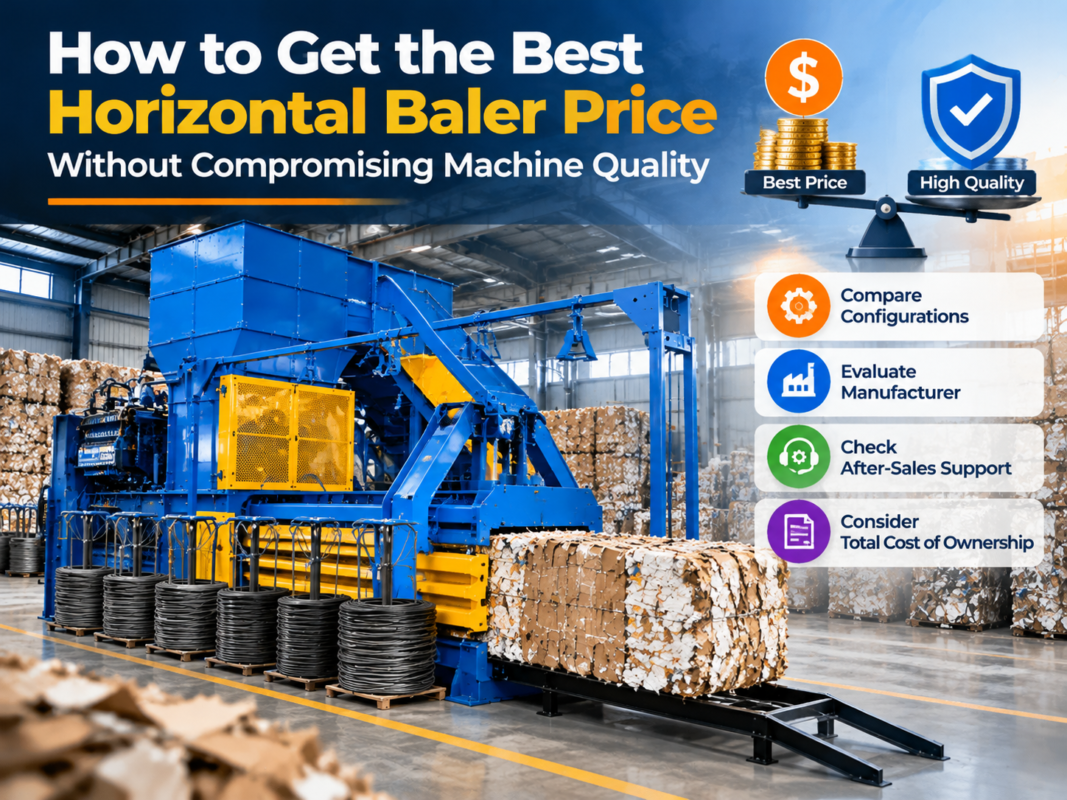
The configuration of the baler—whether it is a vertical, horizontal, or two-ram system—dictates its price and utility. Vertical balers are generally more affordable and suitable for smaller scrap yards or facilities with limited floor space. Because they are simpler in design, the price gap between new and used vertical balers is often smaller, making new units a more attractive and accessible option for many businesses.
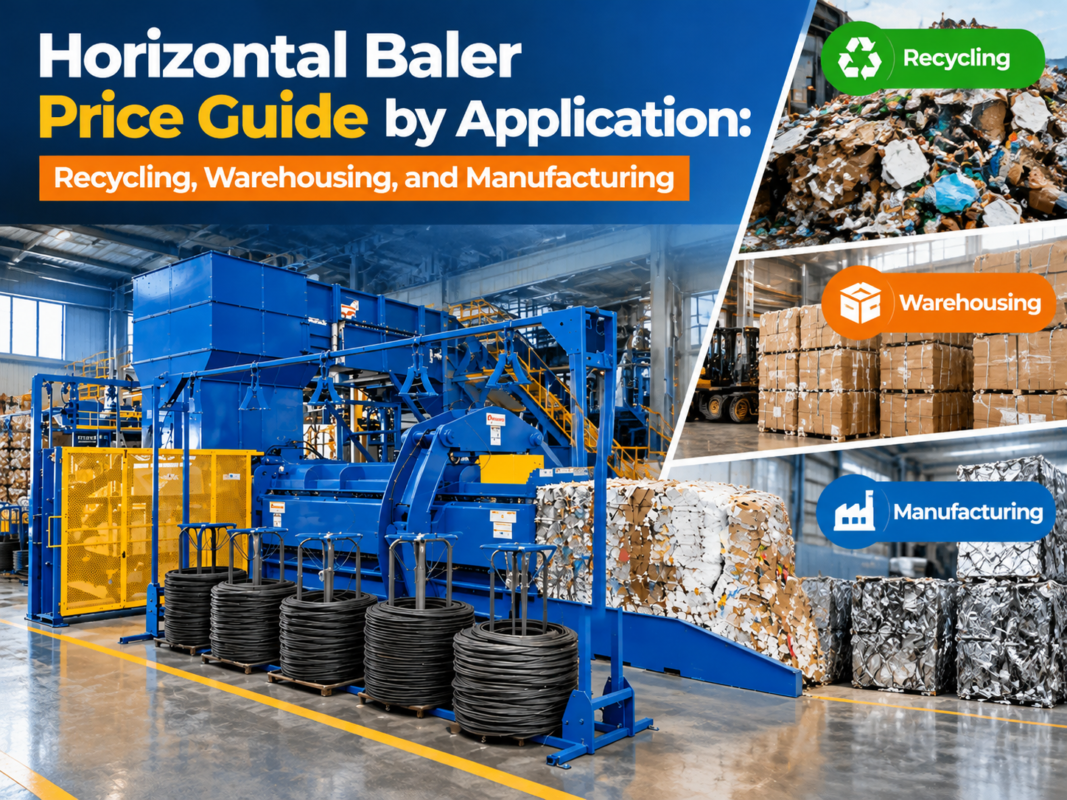
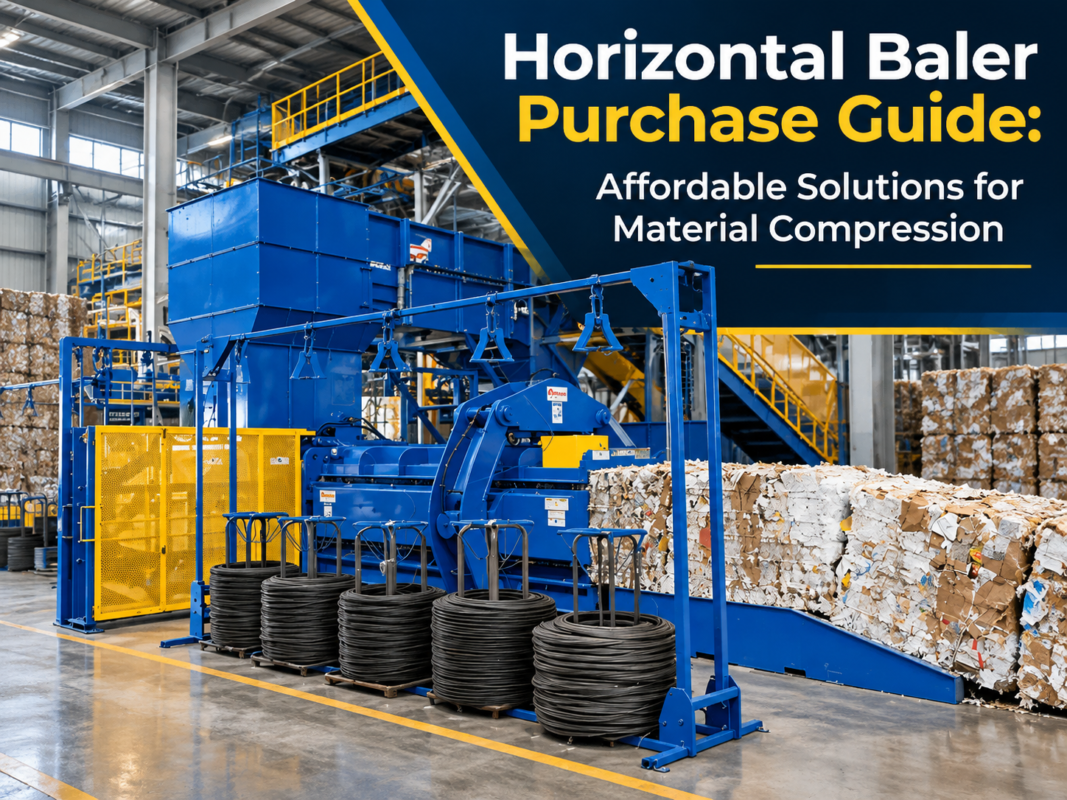
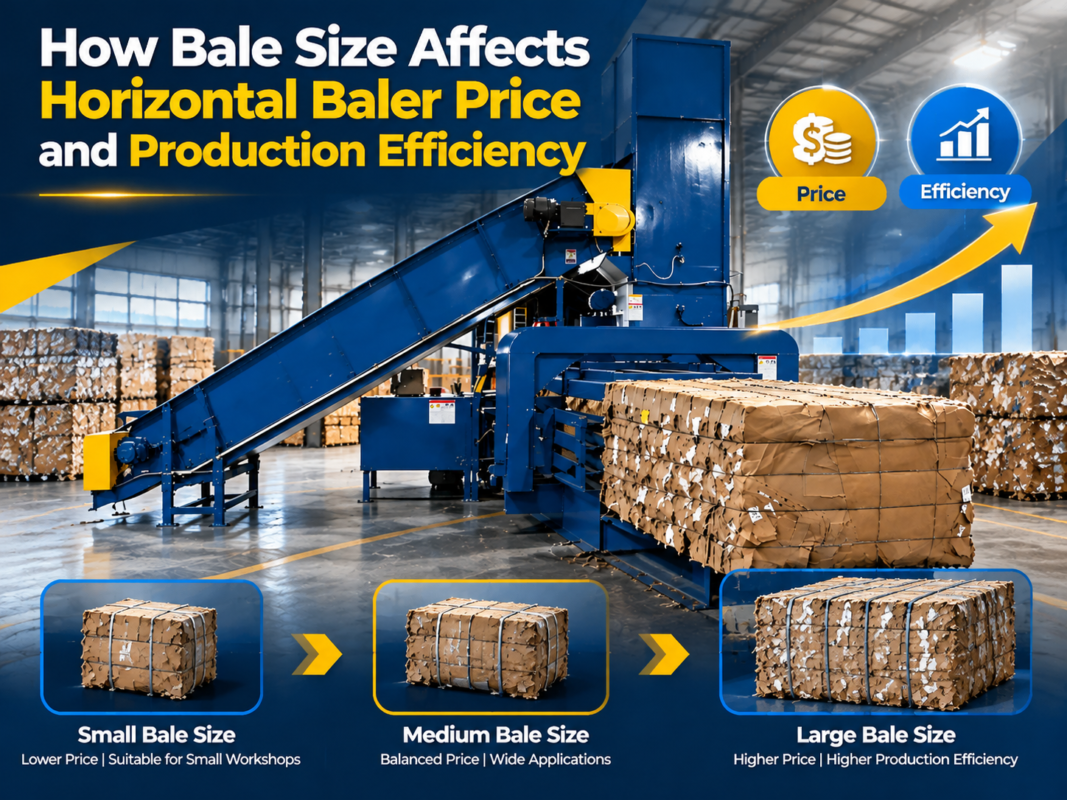
Horizontal balers, which are designed for high-volume, continuous operation, represent a much larger investment. These machines often feature automatic feeding systems and conveyor belts. When buying a used horizontal baler, the complexity of these integrated systems increases the risk of failure. A new horizontal baler ensures that all components—from the conveyor to the bale ejector—are synchronized and calibrated for maximum throughput.
Two-ram balers are the gold standard for high-density baling of diverse materials. These machines are expensive, and finding a reliable used two-ram baler is difficult. Because these machines are typically run until they are near the end of their service life, a used two-ram baler often requires a complete overhaul. Investing in a new two-ram system allows for customization, such as specific bale sizes or material-specific settings that optimize your scrap value.
Configuration also impacts maintenance accessibility. New machines are designed with modular components that are easy to access and replace. Older machines may have obsolete parts that are no longer manufactured, forcing the owner to pay for expensive custom machining or retrofitting. When selecting a configuration, consider not just the current needs, but the potential for future growth and the availability of support for the specific model.
Hidden Costs
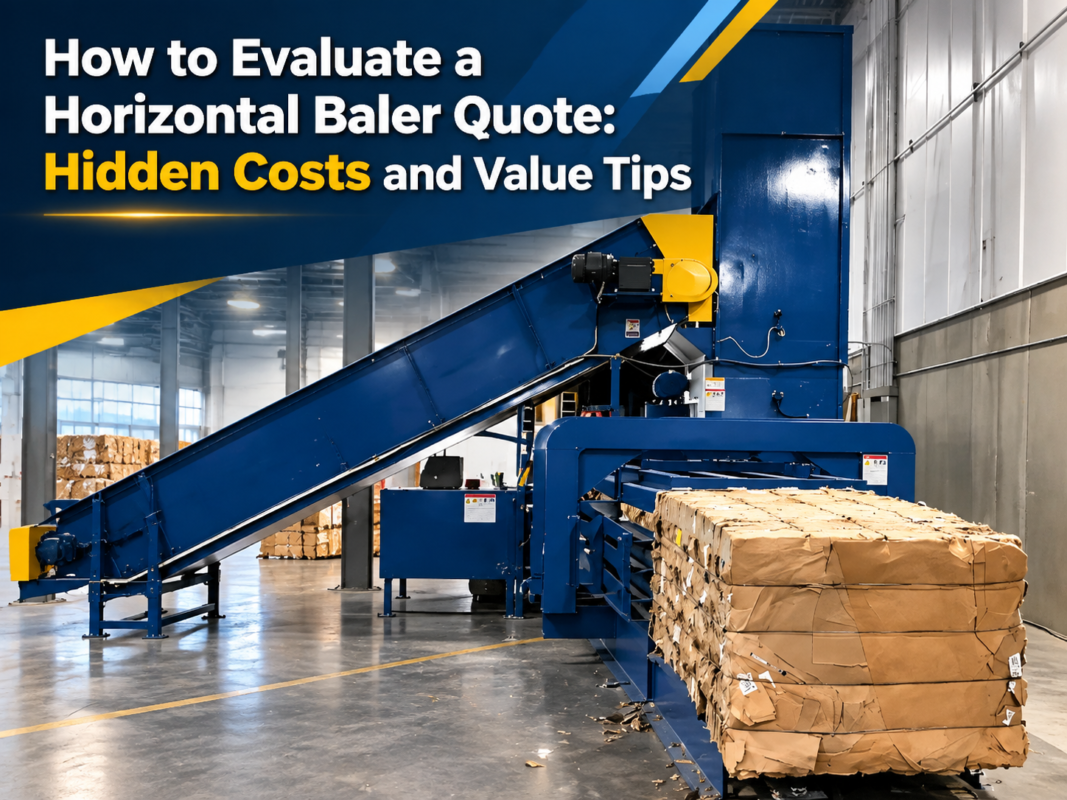
When comparing new vs used scrap metal baler prices, the “hidden costs” of used equipment can be staggering. The most immediate hidden cost is the shipping and installation of a used machine. Unlike new machines, which often come with installation support and training from the manufacturer, used machines require you to hire third-party riggers and technicians. If the machine arrives in poor condition, these installation costs are essentially wasted.
Maintenance and repair costs are the most significant long-term hidden expenses. A used baler may require a complete hydraulic system flush, new hoses, updated wiring, and structural repairs to the chamber. These costs can easily add $10,000 to $20,000 to the purchase price within the first year. Furthermore, the downtime associated with these repairs can lead to a backlog of scrap, forcing you to pay for extra storage or slowing down your revenue stream.
Safety compliance is another hidden cost. New scrap metal balers are built to meet the latest safety standards, including light curtains, emergency stop systems, and interlocked access doors. An older, used machine may not meet current OSHA or local safety regulations. Retrofitting an old machine to meet modern safety standards can be prohibitively expensive and may not even be possible depending on the machine’s original design.
Finally, consider the cost of lost efficiency. New balers are designed to produce denser, more uniform bales. Denser bales mean lower shipping costs, as you can fit more weight into a single truckload. If a used baler produces loose or poorly shaped bales, you are essentially paying more in logistics costs every time you ship your scrap. Over the life of the machine, these logistics inefficiencies can far outweigh the initial savings of buying used.
ROI Calculation
Calculating the Return on Investment (ROI) for a scrap metal baler requires a holistic view of your business operations. Start by calculating the throughput capacity you need. If a new baler allows you to process 20% more material per hour than a used one, that is a direct increase in revenue. Calculate the labor savings as well; modern balers require less manual intervention, allowing your staff to focus on sorting and other value-added tasks.
Factor in the energy savings. New balers with variable frequency drives (VFDs) can reduce electricity consumption by up to 30% compared to older, fixed-speed motors. Over a five-year period, these energy savings can account for a significant portion of the machine’s purchase price. Use a simple formula: (Total Revenue Increase + Total Cost Savings) / Total Investment Cost = ROI.
Consider the resale value. A new, high-quality baler from a reputable brand like HARSLE maintains its value well. If you decide to upgrade or sell your business, a well-maintained, newer machine will fetch a much higher price on the secondary market than an aging, heavily used unit. This residual value should be factored into your initial ROI calculation as a potential future asset.
Lastly, account for the tax benefits. In many jurisdictions, new industrial machinery qualifies for accelerated depreciation or tax credits, which can significantly lower the effective cost of the investment. Consult with your accountant to see how a new capital expenditure compares to the ongoing maintenance expenses of a used machine from a tax perspective. Often, the tax advantages make the new machine the more financially sound choice.
Buying Advice
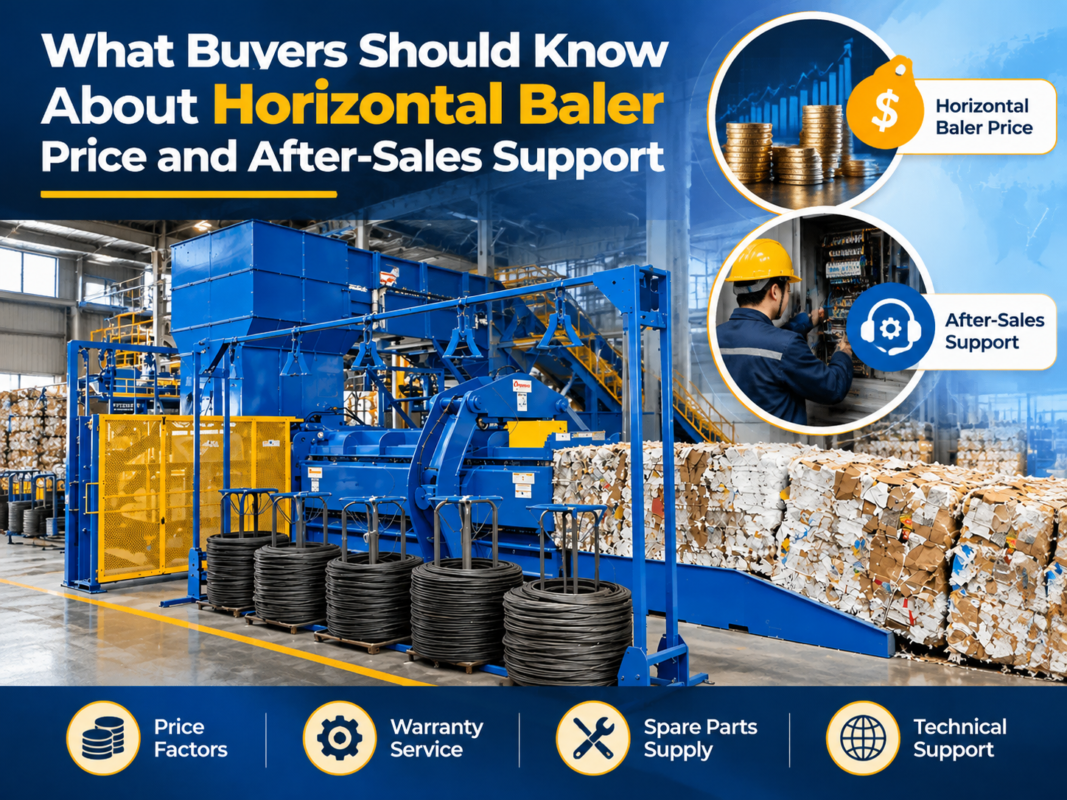
If you decide to purchase a new scrap metal baler, prioritize manufacturers that offer comprehensive after-sales support. HARSLE, for instance, provides detailed documentation, remote diagnostic capabilities, and a network of technicians to ensure your machine stays operational. A machine is only as good as the support behind it; avoid “white label” or obscure brands that may leave you stranded when a part fails.
If you are determined to buy used, follow a strict inspection protocol. Never buy a used baler without seeing it in operation. Check the hydraulic oil for signs of contamination, inspect the chamber for excessive wear, and test the cycle time against the manufacturer’s original specifications. Ask for maintenance logs; a machine without a documented service history is a major red flag.
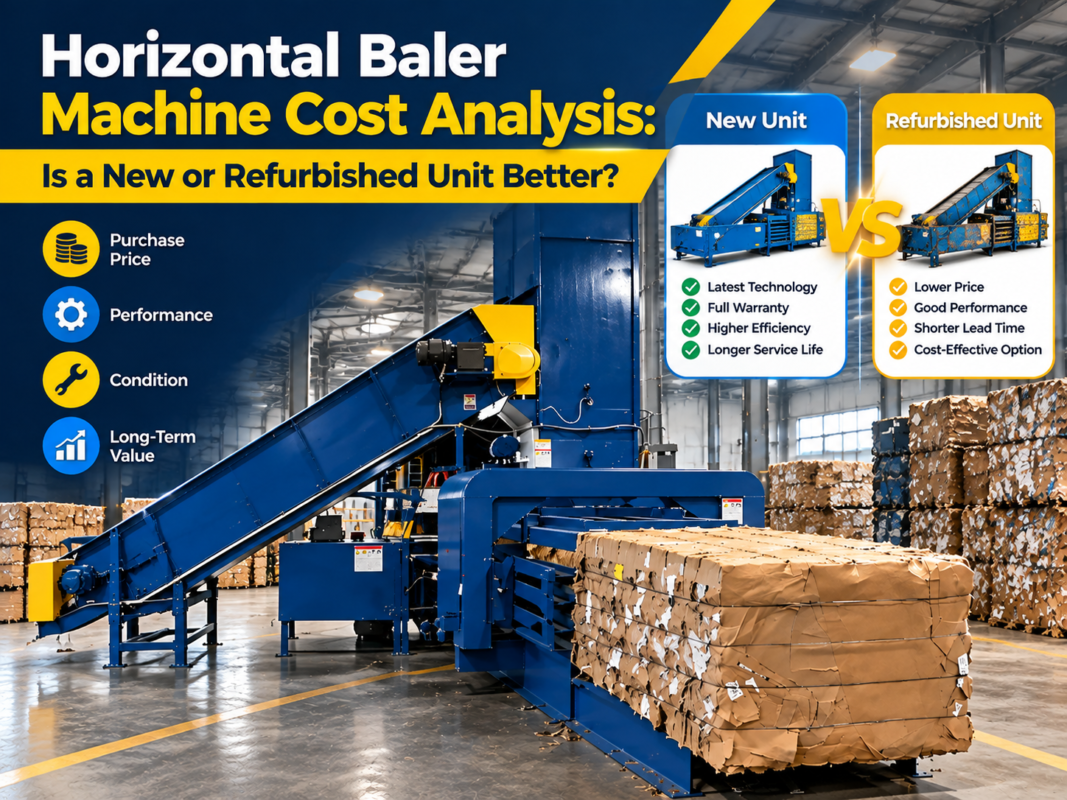
Consider the “middle ground” option: refurbished equipment. Some dealers specialize in refurbishing balers, replacing worn parts, and updating control systems. While more expensive than a raw used machine, a professionally refurbished baler often comes with a limited warranty and provides a better balance of price and reliability than a machine bought “as-is” from a private seller.
Finally, align your purchase with your long-term business strategy. If you are just starting out and have low volume, a smaller, new vertical baler is a safe, low-risk entry point. If you are an established scrap yard looking to scale, investing in a new, high-capacity horizontal baler is a strategic move that will pay dividends in efficiency and reliability for years to come. Always prioritize the machine that fits your growth trajectory, not just your current budget.
FAQ
- Q: How long does a typical scrap metal baler last?
A: With proper maintenance, a high-quality new baler can last 15 to 20 years or more. Used machines vary wildly depending on their previous usage history. - Q: Is it worth buying a used baler for a small business?
A: Only if you have the technical expertise to maintain it or access to affordable, reliable repair services. For most small businesses, a new, smaller-capacity baler is a safer investment. - Q: What is the most important component to check on a used baler?
A: The hydraulic system and the structural integrity of the baling chamber. These are the most expensive parts to repair or replace. - Q: Do new balers really save money on electricity?
A: Yes, modern balers with VFD technology and efficient hydraulic pumps use significantly less power than older models, leading to lower monthly utility bills. - Q: Does HARSLE offer financing for new balers?
A: HARSLE provides various support options for customers looking to invest in new equipment; contact our sales team to discuss current financing and leasing programs.