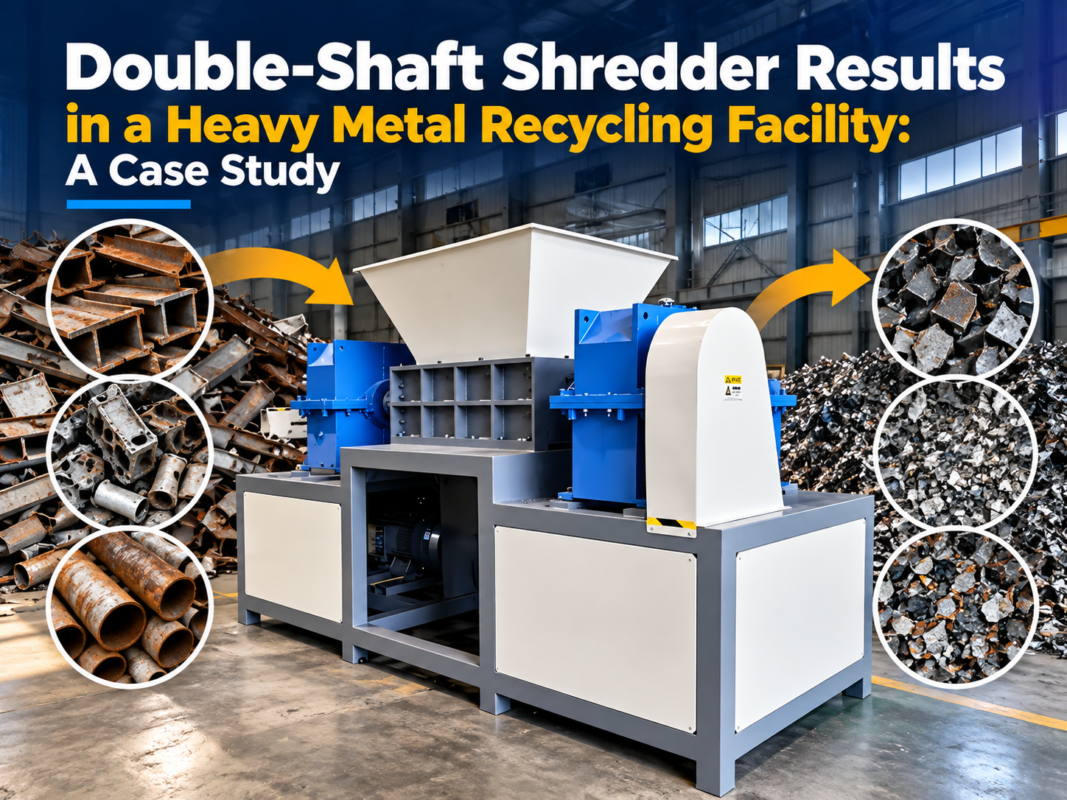
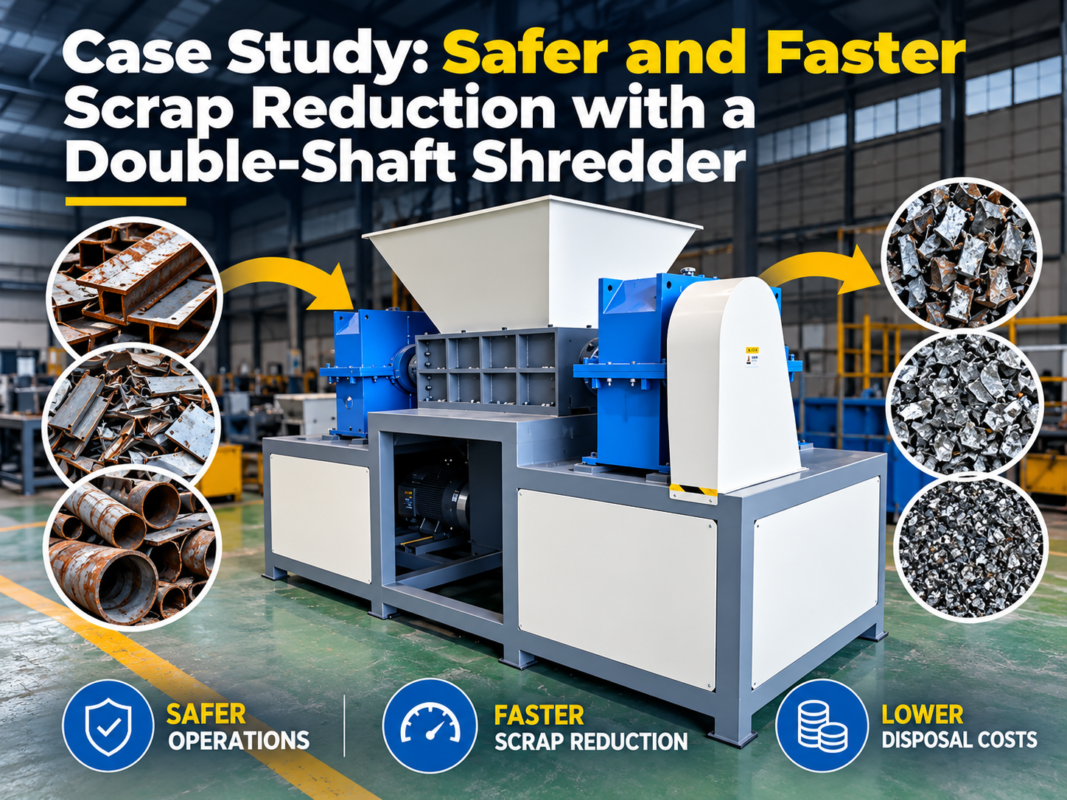
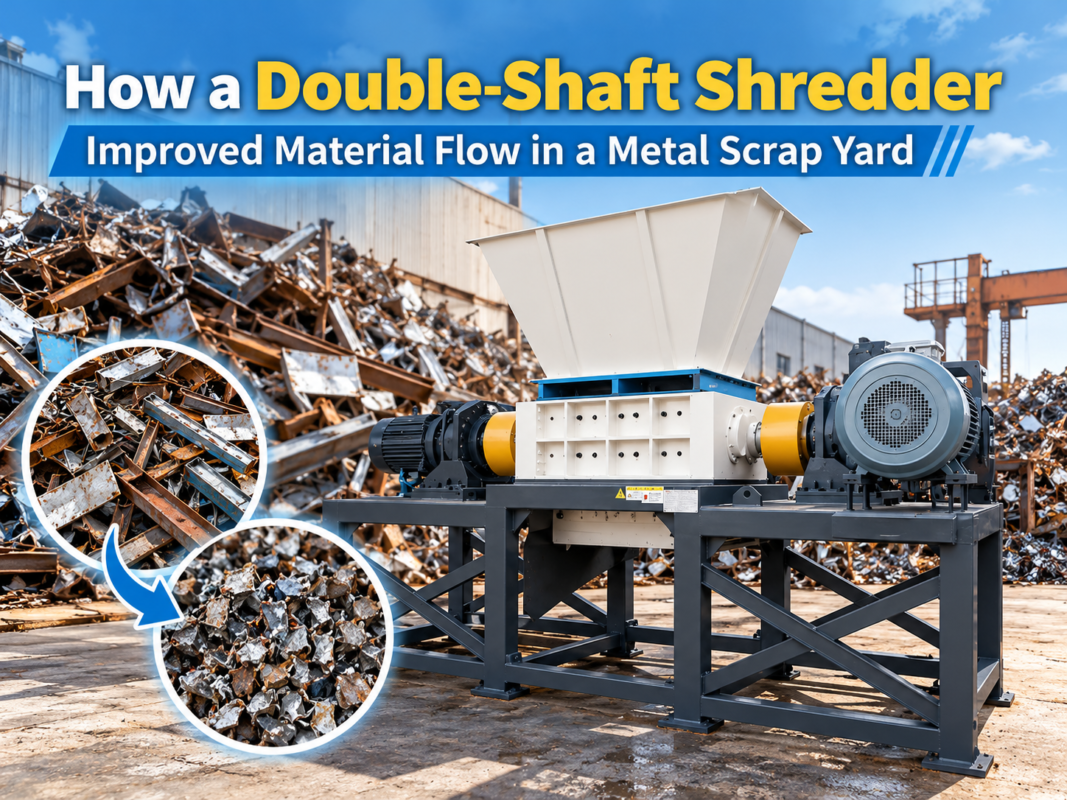
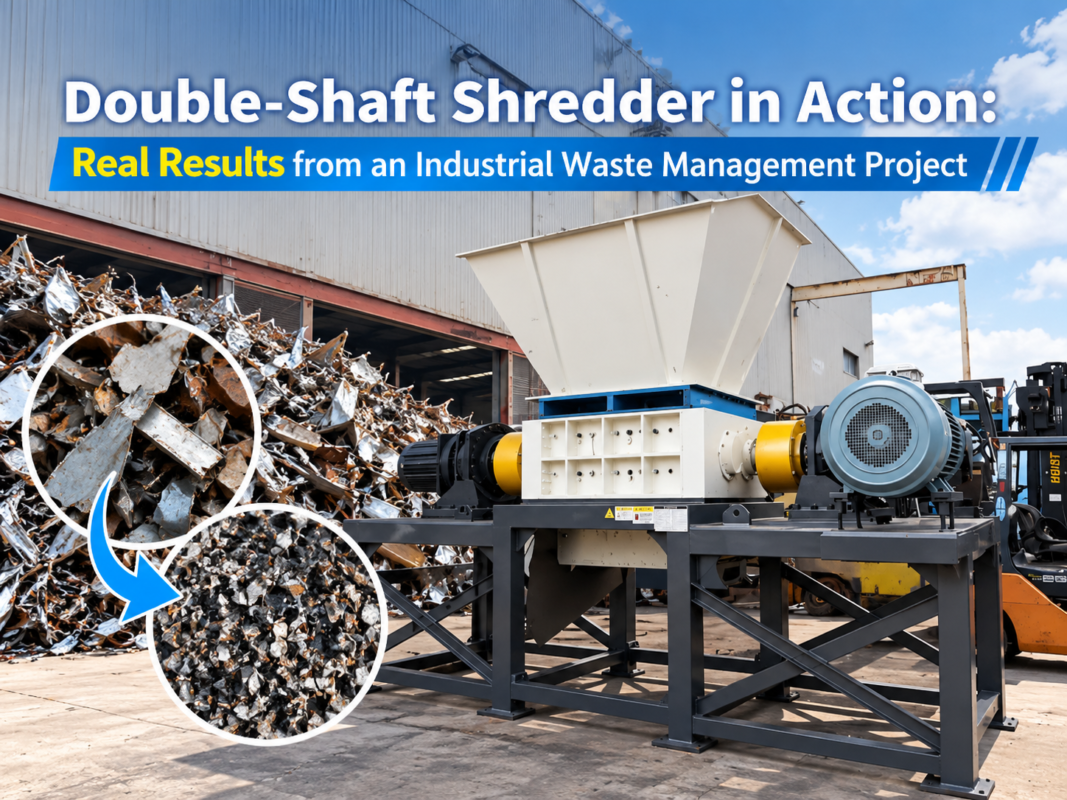
How a Double-Shaft Shredder Solved Oversized Scrap Handling Challenges in Manufacturing

Introduction: The Hidden Cost of Oversized Scrap
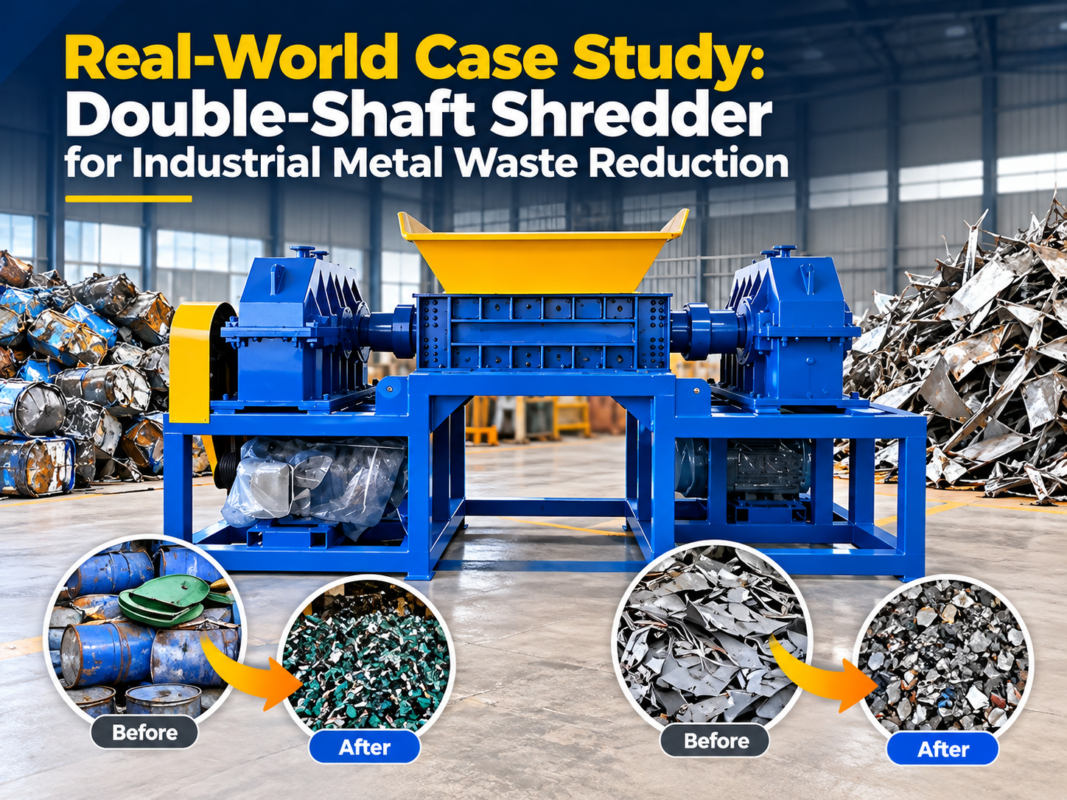
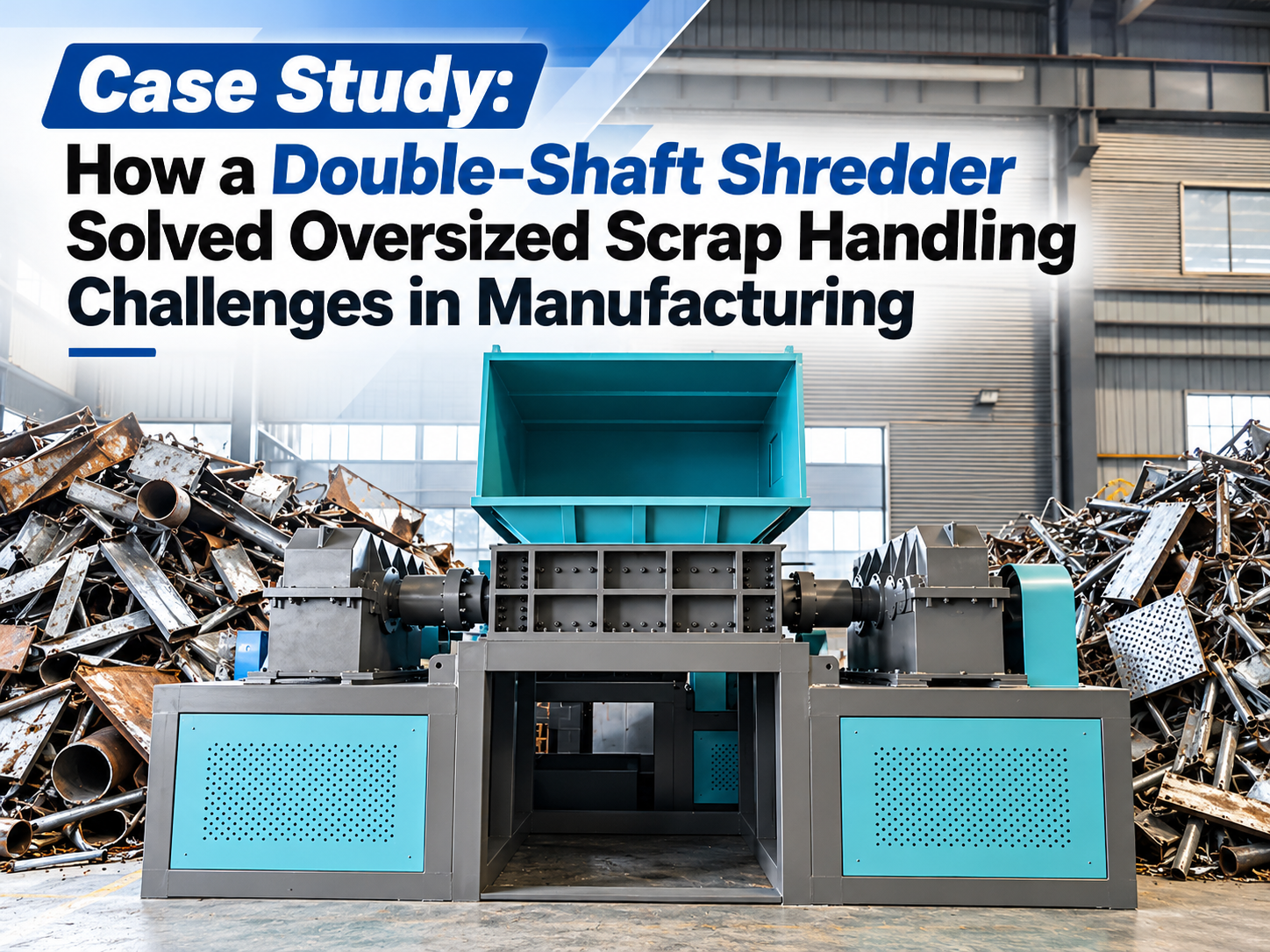
In the high-stakes world of modern metal fabrication, efficiency is measured not only by the precision of the final product but also by the management of the byproduct. For many manufacturers, oversized scrap—ranging from tangled metal skeletons and bulky offcuts to discarded structural components—represents a significant operational bottleneck. When scrap is left in its raw, voluminous state, it consumes valuable floor space, complicates logistics, and increases transportation costs exponentially. This is where the implementation of advanced shredding technology becomes a game-changer.
HARSLE has observed that many facilities struggle with the ‘hidden costs’ of scrap handling. Manual labor required to move bulky metal, the need for frequent dumpster pickups due to low-density waste, and the safety hazards associated with sharp, oversized edges create a drag on productivity. The transition to automated volume reduction is no longer a luxury; it is a necessity for competitive manufacturing. By integrating a robust shredding solution, companies can transform waste management from a logistical nightmare into a streamlined, revenue-generating process.
This article explores how a double-shaft shredder solved oversized scrap handling challenges in manufacturing, providing a deep dive into the mechanics, selection criteria, and strategic advantages of adopting this technology. Whether you are managing a small job shop or a large-scale automotive stamping plant, understanding the role of industrial shredders is critical to optimizing your facility’s material flow.
Key Considerations for Scrap Management
Before investing in shredding equipment, manufacturers must evaluate their current scrap stream. Not all scrap is created equal, and the physical characteristics of your waste—such as thickness, material hardness, and geometry—will dictate the type of shredder required. A primary consideration is the volume-to-weight ratio. Oversized scrap often contains a high percentage of ‘air,’ meaning you are paying to transport empty space. Reducing this volume through shredding allows for denser loading of containers, which directly lowers logistics expenses.
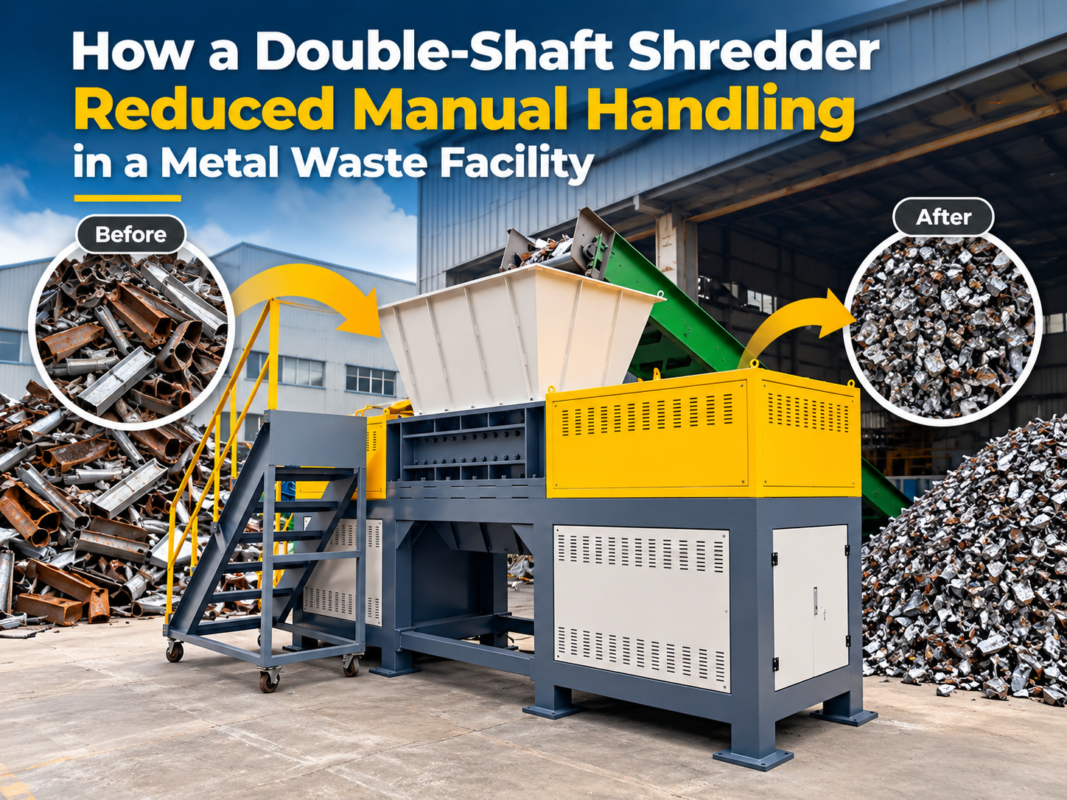
Safety is another paramount concern. Handling large, jagged metal sheets or tangled wire bundles poses a constant risk of injury to floor staff. By automating the reduction process, you remove the human element from the most dangerous aspects of scrap handling. A double-shaft shredder acts as a gatekeeper, processing material in a controlled environment and outputting uniform, manageable pieces that can be easily conveyed or stored.
Furthermore, environmental compliance and sustainability goals are increasingly driving the adoption of shredding technology. Many manufacturers are now required to report on their waste reduction efforts. Shredded metal is significantly easier to sort and recycle, often commanding a higher price from scrap dealers compared to mixed, bulky waste. By processing scrap in-house, you gain better control over your material recovery rates and contribute to a circular manufacturing economy.
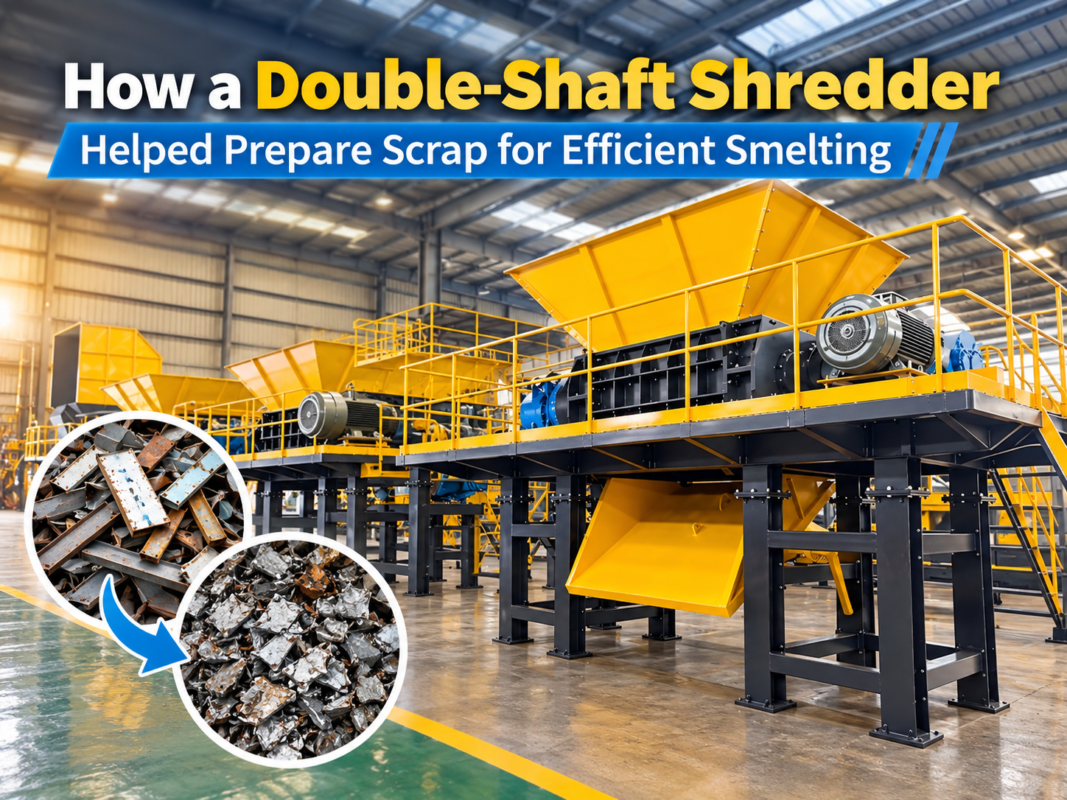
Finally, consider the integration of the shredder into your existing production line. Does the unit need to be mobile to serve different areas of the shop, or should it be a stationary installation at the end of a production line? HARSLE emphasizes the importance of a ‘total system’ approach, where the shredder is not just an isolated machine but a component of a larger material handling strategy that includes conveyors, magnetic separators, and storage hoppers.
Technical Details: How a Double-Shaft Shredder Solved Oversized Scrap Handling Challenges In Manufacturing
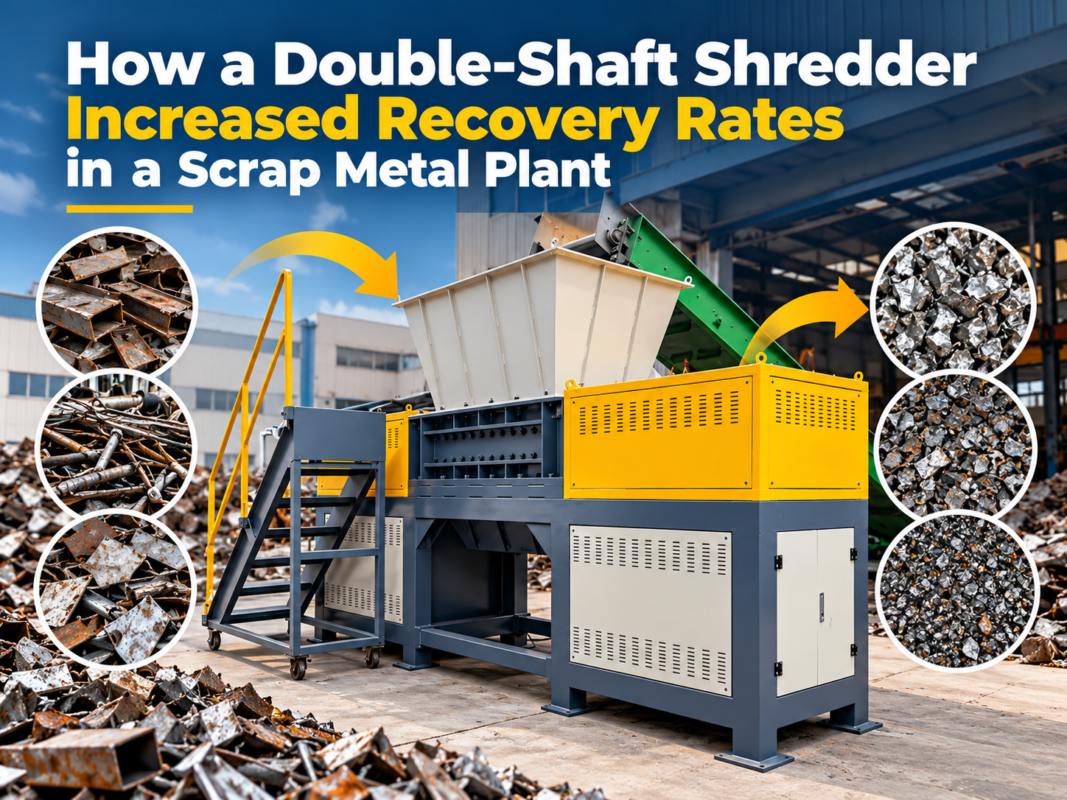
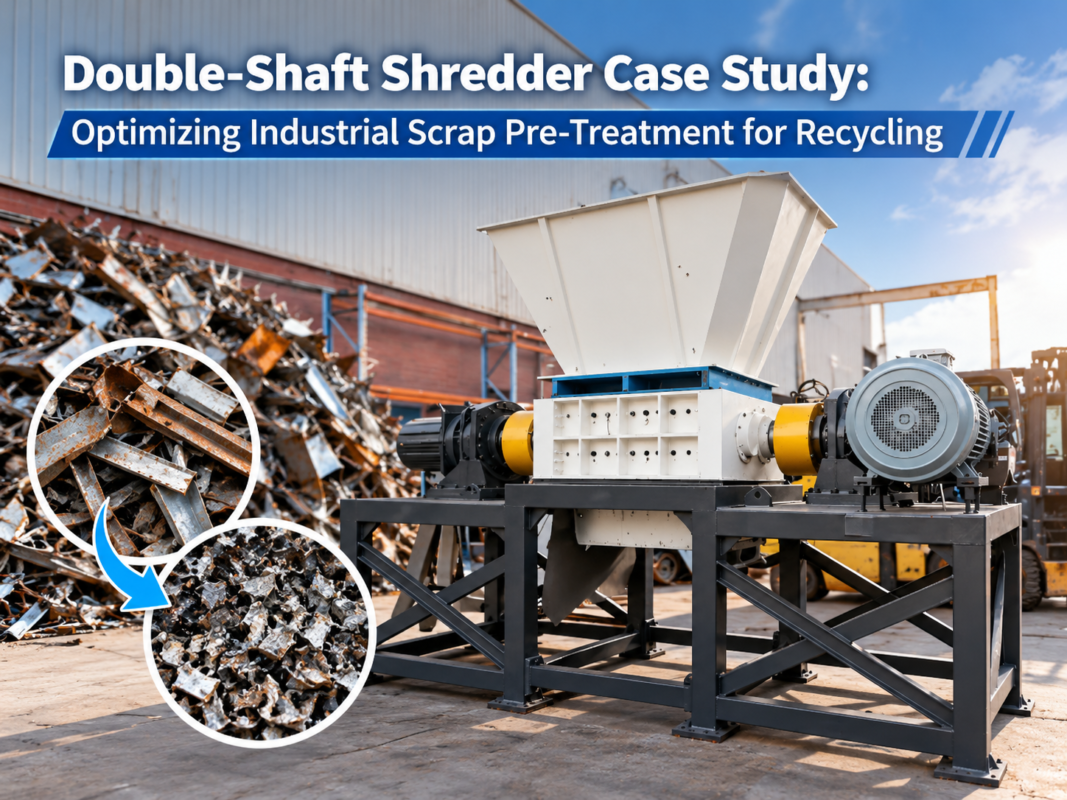
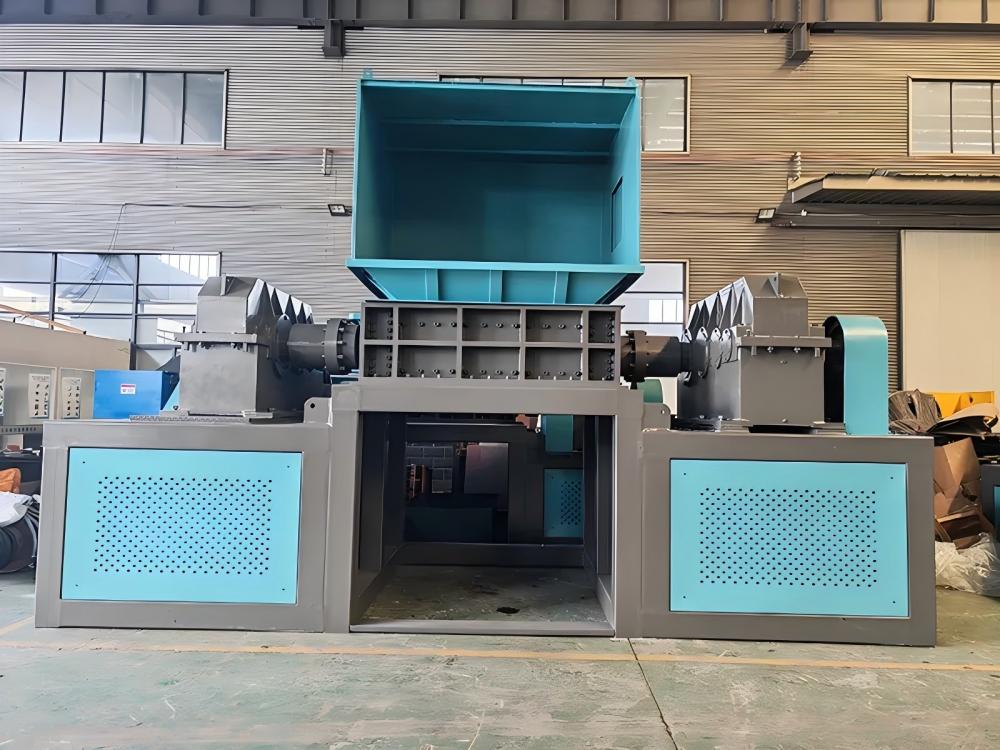
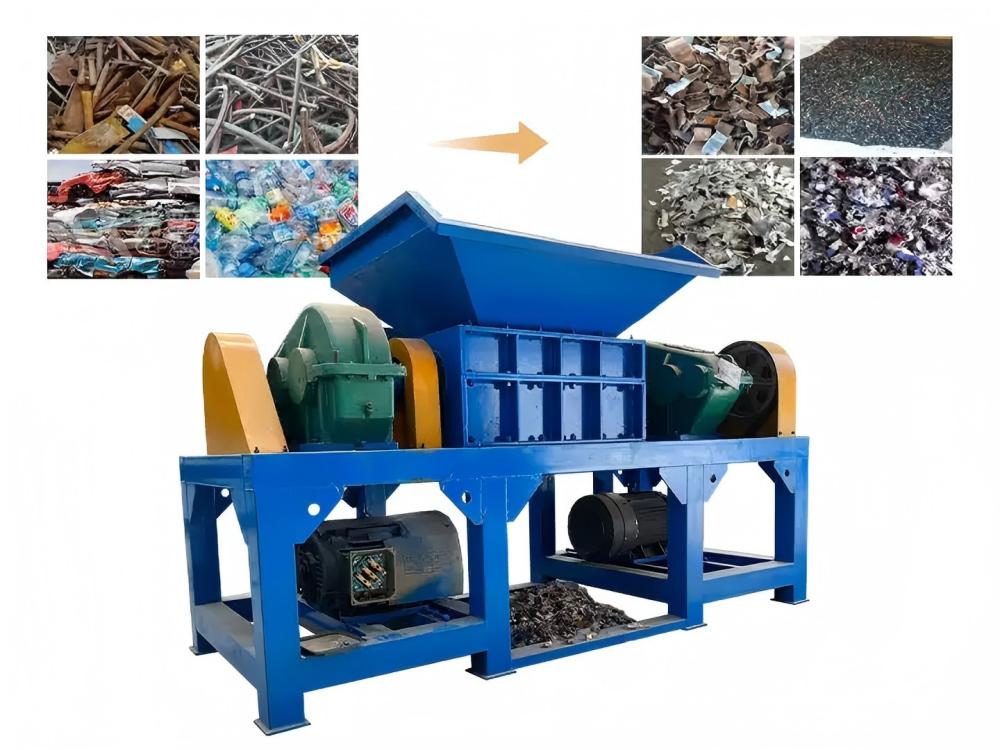
The core of the solution lies in the unique mechanical design of the double-shaft shredder. Unlike single-shaft machines that rely on high-speed rotation and screen-based sizing, double-shaft shredders utilize two counter-rotating shafts equipped with hardened steel blades. These blades intermesh to create a powerful shearing action that can pull in, tear, and cut through thick metal plates, pipes, and complex scrap geometries with high torque and low speed.
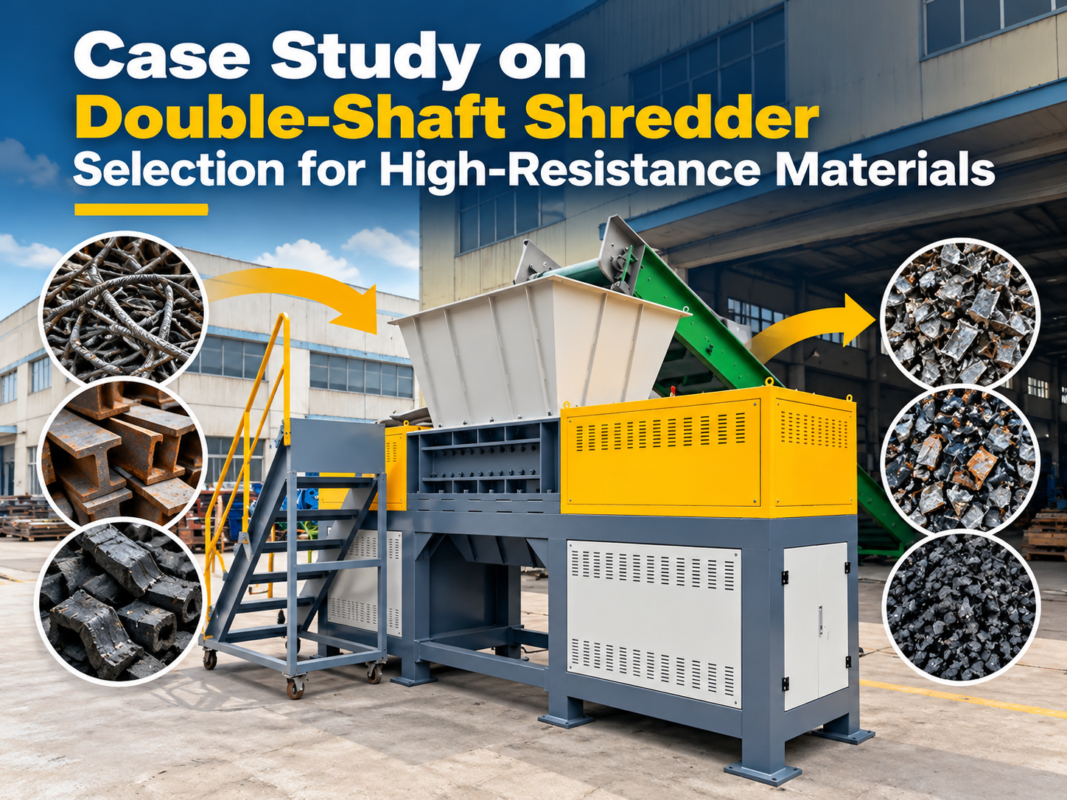
The low-speed, high-torque operation is the secret to its effectiveness. By operating at lower RPMs, the machine generates less heat and dust while maintaining the force necessary to process hardened alloys. This design is inherently more durable than high-speed alternatives, as it is less susceptible to damage from non-shreddable contaminants that might accidentally enter the feed hopper. The intermeshing blades act like a pair of industrial scissors, ensuring that even the most stubborn oversized scrap is reduced to a consistent size.
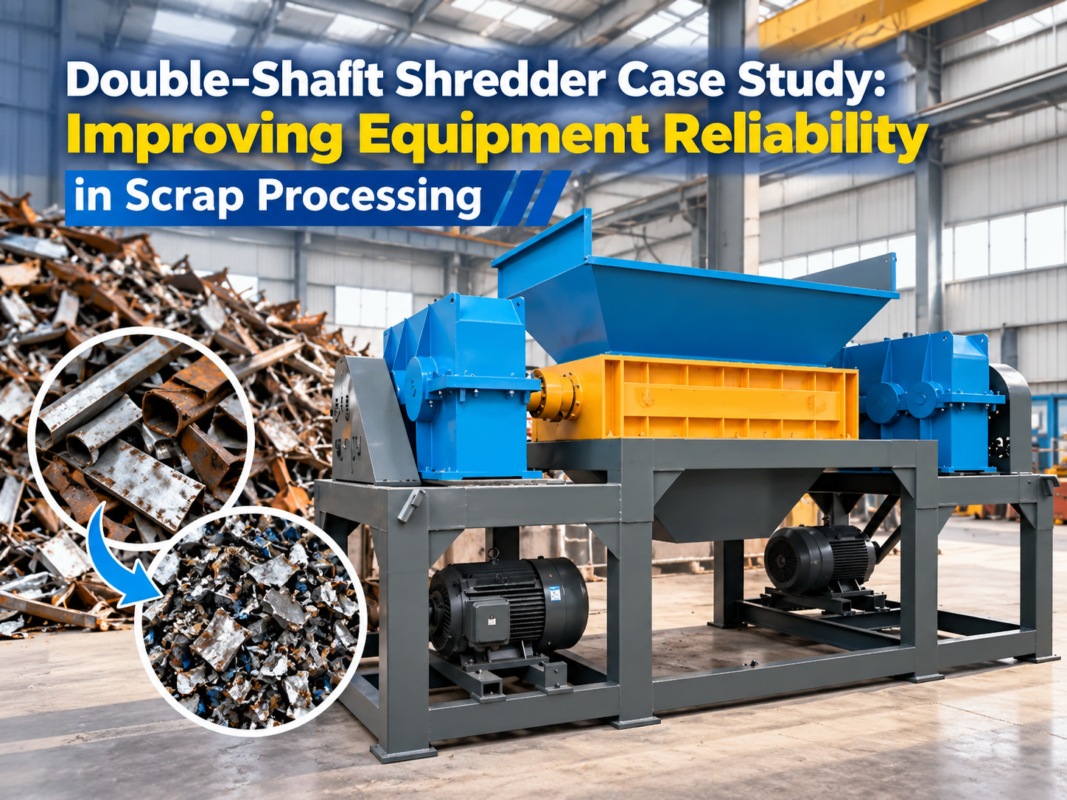
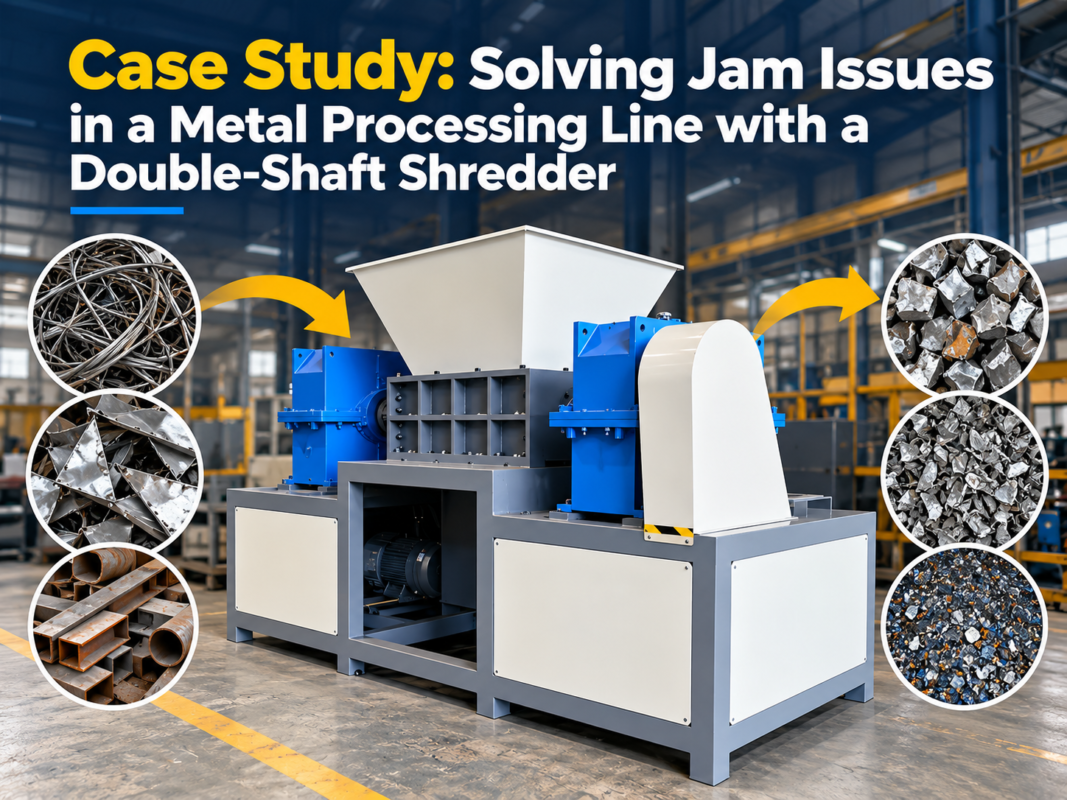
Technical specifications to look for include the motor power, shaft diameter, and blade material. HARSLE utilizes high-grade alloy steel for its blades, which are heat-treated to withstand the abrasive nature of metal scrap. The control system is equally important; modern shredders feature PLC-based logic that monitors motor load. If a piece of material is too thick or jammed, the system automatically reverses the shafts to clear the obstruction before resuming the shredding process, preventing downtime and protecting the drivetrain.
Maintenance is simplified through modular design. The shafts can be easily removed for blade sharpening or replacement, and the lubrication systems are designed for long-term reliability in harsh industrial environments. By understanding these technical nuances, manufacturers can appreciate why a double-shaft shredder is the superior choice for handling the unpredictable nature of oversized scrap in a fabrication setting.
Selection Advice: Choosing the Right Equipment
Selecting the right shredder requires a thorough audit of your scrap output. Start by categorizing your waste: are you dealing primarily with aluminum offcuts, steel skeletons from laser cutting, or heavy-duty structural steel? Each material requires a different blade configuration and torque profile. For instance, thinner materials may require a higher number of teeth on the blades to ensure a clean cut, while thicker materials demand larger, more robust blade profiles.
Capacity requirements are also critical. You must calculate the maximum volume of scrap generated during peak production hours. A shredder that is undersized will become a bottleneck, while one that is significantly oversized may be an unnecessary capital expenditure. HARSLE recommends a capacity buffer of at least 20% to account for future production increases or seasonal spikes in manufacturing volume.
Consider the footprint and installation requirements. Does your facility have the necessary electrical infrastructure to support the high-torque motors? Is there adequate space for a feed conveyor and an output collection system? Many manufacturers overlook the importance of the ‘in-feed’ and ‘out-feed’ logistics. A shredder is only as efficient as the system that feeds it; if your staff is still manually loading the hopper, you are not realizing the full potential of the investment.
Finally, look for a partner, not just a vendor. A reputable manufacturer like HARSLE provides comprehensive support, including site visits, material testing, and customized blade designs. Testing your specific scrap material in a pilot shredder can provide invaluable data on throughput rates and the final particle size, ensuring that the machine you purchase is perfectly calibrated for your specific challenges.
FAQ: Common Questions About Industrial Shredding
1. How does a double-shaft shredder differ from a granulator?
A granulator is typically used for smaller, lighter materials and relies on high-speed blades and a screen to produce a very fine, uniform output. A double-shaft shredder is designed for heavy-duty, oversized scrap, using high torque to tear material apart. It is much more robust and capable of handling materials that would destroy a standard granulator.
2. Can a double-shaft shredder handle non-metal materials?
Yes, while primarily used for metal, double-shaft shredders are versatile. They can process plastics, wood, and composite materials. However, it is essential to consult with the manufacturer if you plan to process a mix of materials, as blade hardness and shaft speed may need to be adjusted.
3. What is the expected lifespan of the shredder blades?
The lifespan depends on the abrasiveness of the material and the volume processed. HARSLE uses premium wear-resistant alloys, but regular maintenance, such as sharpening and proper lubrication, is key to extending blade life. Most users find that blades last for several thousand hours of operation before needing replacement.
4. How much space does a typical shredding system require?
The footprint varies based on the shredder size and the auxiliary equipment (conveyors, hoppers). A compact unit can fit in a 10×10 foot area, while larger, high-capacity systems may require a dedicated room or a section of the warehouse floor. HARSLE offers custom layouts to fit tight spaces.
5. Is the shredding process noisy?
Industrial shredding does produce noise, but modern double-shaft shredders are designed with sound-dampening enclosures and low-speed operation to minimize decibel levels. Proper installation on vibration-dampening pads also helps reduce noise transmission through the factory floor.
Conclusion: Investing in Efficiency
The journey of how a double-shaft shredder solved oversized scrap handling challenges in manufacturing is a testament to the power of targeted engineering. By moving away from the manual, space-consuming methods of the past, manufacturers can reclaim floor space, improve workplace safety, and turn scrap into a more valuable commodity. The double-shaft shredder is not merely a tool for waste management; it is a strategic asset that enhances the overall flow and profitability of the fabrication process.
As you evaluate your own facility’s needs, remember that the goal is to create a seamless, automated loop. From the moment the scrap leaves the press brake or laser cutter to the moment it is loaded for recycling, every step should be optimized. HARSLE remains committed to providing the robust, reliable, and high-performance machinery necessary to meet these challenges head-on. By investing in the right technology today, you are ensuring that your manufacturing operations remain lean, safe, and prepared for the demands of tomorrow.
If you are ready to transform your scrap handling process, start by analyzing your material stream and consulting with experts who understand the complexities of metal fabrication. The transition to an automated shredding solution is a significant step, but one that pays dividends in operational efficiency and long-term sustainability. Let HARSLE help you navigate the path to a more organized and profitable manufacturing environment.