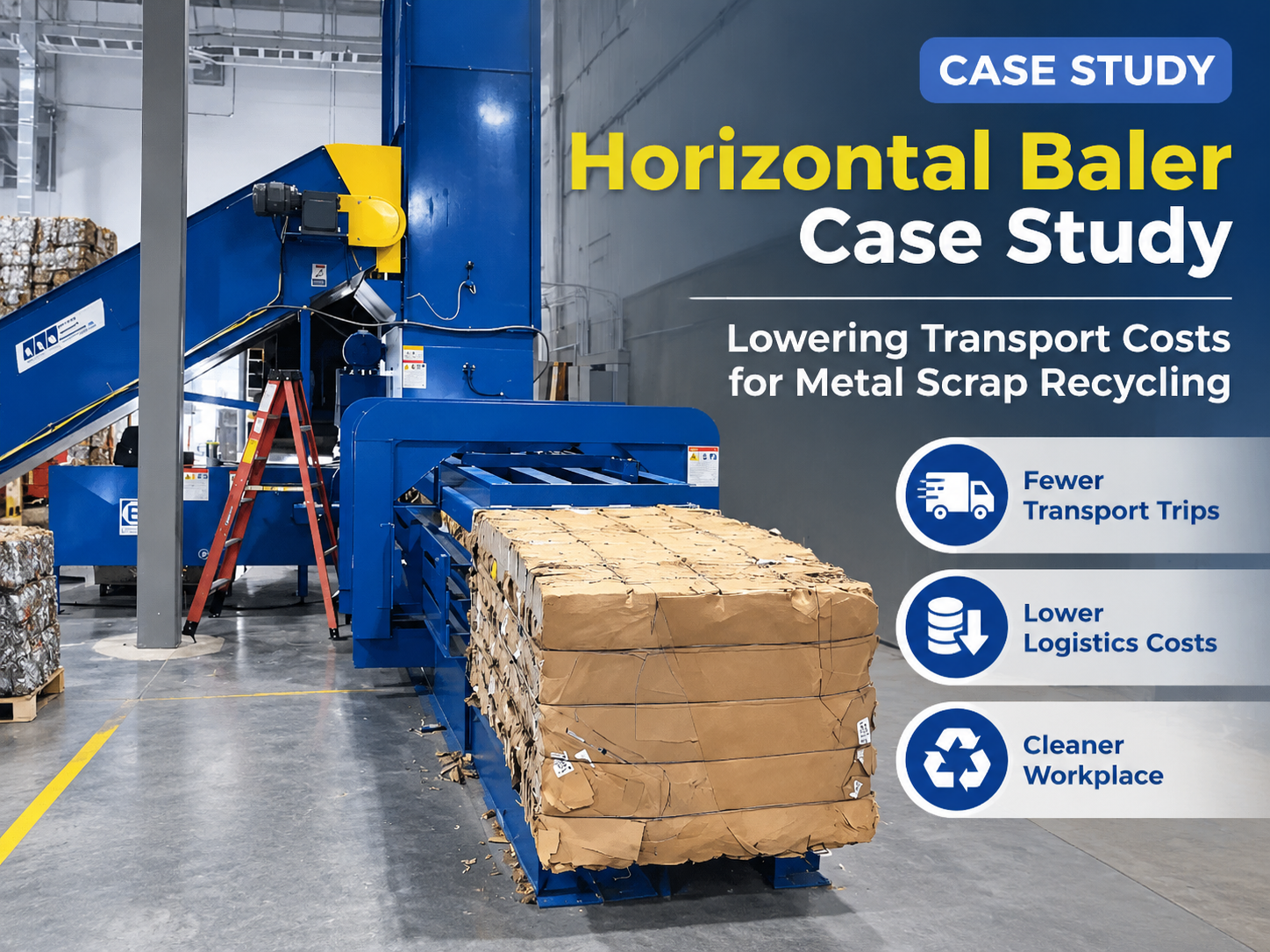
Horizontal Baler Case Study: Lowering Transport Costs for Metal Scrap Recycling

Introduction
In the modern metal fabrication and recycling industry, the efficiency of logistics is often the deciding factor between profitability and operational loss. As scrap metal volumes increase, the challenge of transporting loose, bulky materials becomes a significant financial burden. This Horizontal Baler Case Study: Lowering Transport Costs Metal Scrap Recycling explores how HARSLE’s advanced hydraulic baling technology transforms waste management into a streamlined, cost-effective process for industrial facilities.
For many metal fabrication shops, the primary issue is not the generation of scrap, but the density of that scrap. Loose metal shavings, offcuts, and sheet metal remnants occupy a disproportionate amount of space in shipping containers and trucks. By utilizing a high-performance horizontal baler, companies can compress these materials into dense, uniform bales, effectively maximizing the payload capacity of every transport vehicle. This article delves into the technical and economic advantages of implementing HARSLE baling solutions.
The shift toward automated baling represents a fundamental change in how metal fabrication equipment is utilized. Rather than viewing scrap as a disposal problem, forward-thinking manufacturers now treat it as a logistical asset. By reducing the number of trips required to transport scrap to recycling centers, businesses can drastically cut fuel consumption, labor hours, and vehicle wear and tear. This case study highlights the real-world impact of these operational improvements.
HARSLE has consistently pushed the boundaries of industrial machinery design, focusing on durability, force, and ease of integration. As we examine the transition from manual handling to automated horizontal baling, we will look at the specific metrics that define success in this sector. From increased bale density to improved safety protocols, the benefits of upgrading your scrap handling infrastructure are multifaceted and immediate.
Key Considerations for Scrap Management
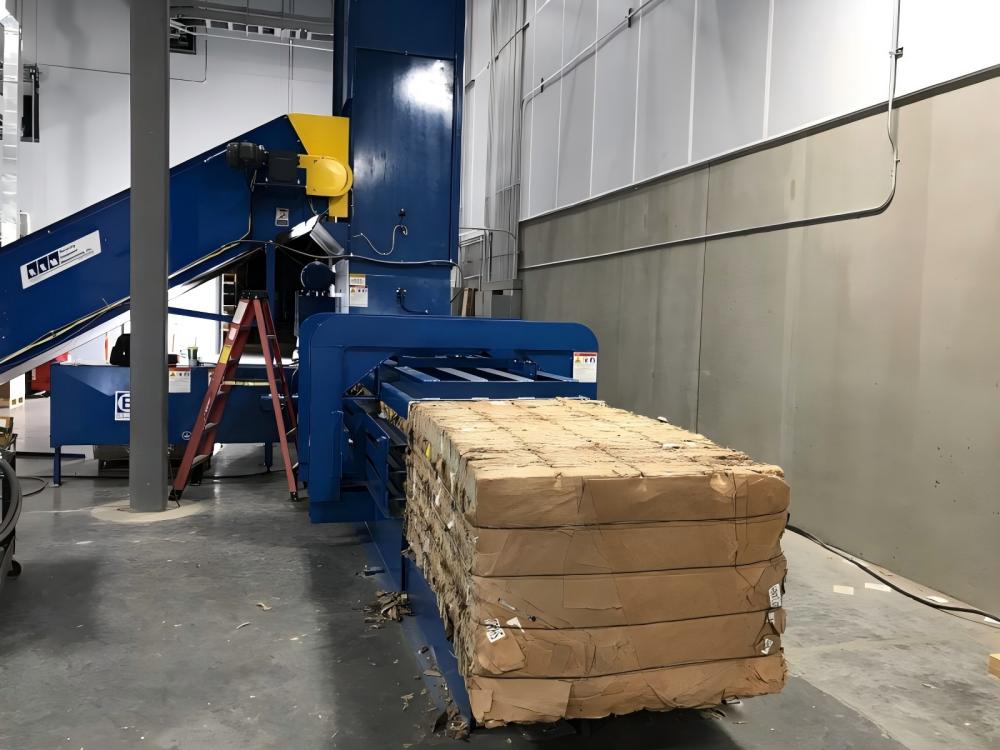
When evaluating the need for a horizontal baler, facility managers must first analyze their current waste stream. The volume, type, and consistency of the metal scrap dictate the required compression force and chamber size. A Horizontal Baler Case Study: Lowering Transport Costs Metal Scrap Recycling reveals that companies often underestimate the hidden costs of “air space” in their shipping containers. Every cubic meter of empty space inside a truck is essentially money lost on transportation fees.
Another critical consideration is the integration of the baler into the existing production line. HARSLE equipment is designed to be modular, allowing for seamless installation alongside laser cutters, punch presses, and shearing machines. By placing the baler at the source of the scrap, companies can eliminate the need for secondary handling, which reduces labor costs and minimizes the risk of workplace injuries associated with moving heavy, sharp metal debris.
Safety and compliance are paramount in the metal recycling industry. Loose scrap metal poses significant hazards, including sharp edges and potential fire risks if oil-soaked shavings are not properly managed. A high-quality horizontal baler not only compacts the material but also helps in containing hazardous fluids, which can then be drained and recycled separately. This dual-benefit approach ensures that the facility remains compliant with environmental regulations while improving overall site safety.
Finally, the long-term return on investment (ROI) must be calculated based on more than just the purchase price of the machinery. Factors such as energy efficiency, maintenance intervals, and the resale value of the compacted metal bales play a significant role. High-density bales are often more attractive to recycling facilities, which may offer better pricing for clean, uniform, and easily transportable scrap. This creates a secondary revenue stream that further justifies the initial capital expenditure.
Technical Details of HARSLE Balers
HARSLE horizontal balers are engineered with robust hydraulic systems that provide consistent, high-pressure compression. The core of the machine is the main cylinder, which is designed to withstand the immense forces required to compact ferrous and non-ferrous metals. These cylinders are equipped with high-grade seals and precision-honed barrels to ensure longevity and prevent hydraulic fluid leaks, which are common failure points in inferior equipment.
The control system is another standout feature of HARSLE technology. Utilizing advanced PLC (Programmable Logic Controller) interfaces, operators can monitor compression cycles, bale size, and system pressure in real-time. This automation allows for consistent bale quality, which is essential for meeting the strict requirements of downstream recycling plants. The ability to adjust settings based on the specific metal type—whether it is aluminum, copper, or steel—ensures optimal performance across diverse production environments.
Structural integrity is achieved through the use of reinforced steel frames and wear-resistant liners. Metal scrap is notoriously abrasive, and HARSLE addresses this by incorporating replaceable AR (Abrasion Resistant) steel plates in the compression chamber. This design choice significantly extends the lifespan of the machine, reducing the frequency of maintenance and the total cost of ownership. The shear blades, which cut excess material during the baling process, are also made from hardened alloy steel to maintain a clean cut over thousands of cycles.
Energy efficiency is a key pillar of HARSLE’s engineering philosophy. Modern horizontal balers utilize variable frequency drives (VFDs) and energy-efficient hydraulic pumps that only consume power when the machine is actively compressing. This intelligent power management reduces electricity consumption by up to 30% compared to older, continuously running models. This efficiency is critical for facilities looking to lower their carbon footprint while simultaneously reducing operational overhead.
Selection Advice for Metal Fabrication Equipment
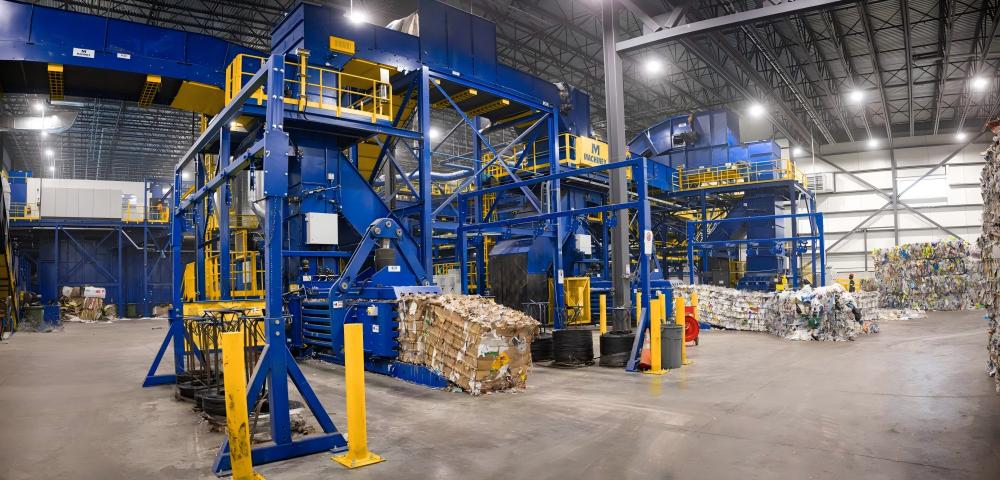
Choosing the right horizontal baler requires a careful assessment of your facility’s throughput. If your production line generates a high volume of scrap daily, a continuous-feed horizontal baler is the most efficient choice. These machines allow for constant loading via conveyor belts, ensuring that the baling process never bottlenecks your production. For smaller shops, a semi-automatic model might suffice, providing a balance between cost and performance.
Consider the dimensions of the bale produced by the machine. Standard shipping containers have specific width and height limitations. A baler that produces bales sized to fit perfectly within a 20-foot or 40-foot container will maximize your shipping efficiency. HARSLE offers customizable chamber sizes to ensure that your bales are optimized for your specific logistics chain, whether you are shipping by road, rail, or sea.
Maintenance support is a crucial factor that is often overlooked during the procurement process. When investing in industrial machinery, you are not just buying a piece of equipment; you are entering a partnership with the manufacturer. HARSLE provides comprehensive technical documentation, remote diagnostic support, and a readily available supply of spare parts. This ensures that if a component needs replacement, your downtime is kept to an absolute minimum, protecting your production schedule.
Finally, evaluate the ease of operation. A machine that is difficult to operate will lead to operator fatigue and potential misuse. HARSLE balers feature intuitive touch-screen controls and ergonomic loading heights, making them user-friendly for staff of all experience levels. Investing in training for your team is just as important as the machine itself; a well-trained operator will maximize the machine’s lifespan and ensure that the baling process is performed safely and efficiently every single day.
FAQ: Horizontal Baler Operations
- What is the primary advantage of a horizontal baler over a vertical one? Horizontal balers are designed for high-volume, continuous operation. They offer higher throughput and can be integrated into automated conveyor systems, whereas vertical balers are typically manual and better suited for lower-volume environments.
- How does a horizontal baler reduce transport costs? By compressing loose scrap into dense, uniform bales, you increase the weight-to-volume ratio. This allows you to fit more metal into a single truckload, reducing the number of shipments required to move the same amount of material.
- Can HARSLE balers handle different types of metal? Yes, HARSLE balers are versatile and can be configured to process various metals, including aluminum, copper, brass, and steel, by adjusting the hydraulic pressure and cycle times.
- What maintenance is required for a horizontal baler? Regular maintenance includes checking hydraulic fluid levels, inspecting seals for leaks, cleaning the compression chamber, and sharpening or replacing shear blades as they wear down.
- How long does it take to see an ROI on a horizontal baler? The ROI depends on your current scrap volume and transport costs. Most facilities see a return on investment within 12 to 24 months due to savings in logistics and increased revenue from higher-quality scrap sales.
Conclusion
The implementation of a HARSLE horizontal baler is a strategic move that addresses the core logistical challenges of the modern metal fabrication industry. As demonstrated in this Horizontal Baler Case Study: Lowering Transport Costs Metal Scrap Recycling, the transition to high-density baling is not merely an operational upgrade; it is a significant financial decision that yields long-term dividends. By optimizing the way scrap is handled, stored, and transported, businesses can reclaim lost space, reduce fuel and labor expenses, and improve their overall environmental impact.
HARSLE remains committed to providing the metal fabrication sector with the tools necessary to thrive in a competitive global market. Our focus on durability, efficiency, and technological innovation ensures that our clients receive machinery that stands the test of time. Whether you are a small fabrication shop or a large-scale industrial recycler, the right baling solution is waiting to transform your waste management process.
We encourage facility managers to conduct a thorough audit of their current scrap handling procedures. Look at your shipping logs, analyze your labor hours, and consider the potential for improvement. When you are ready to take the next step, HARSLE’s team of experts is available to provide tailored advice and support, helping you select the perfect equipment to meet your specific needs. Invest in efficiency, invest in sustainability, and let HARSLE help you turn your scrap into a streamlined success story.