Case Study On Car Body Baler Performance In High-Volume Automotive Scrap Recycling

Introduction
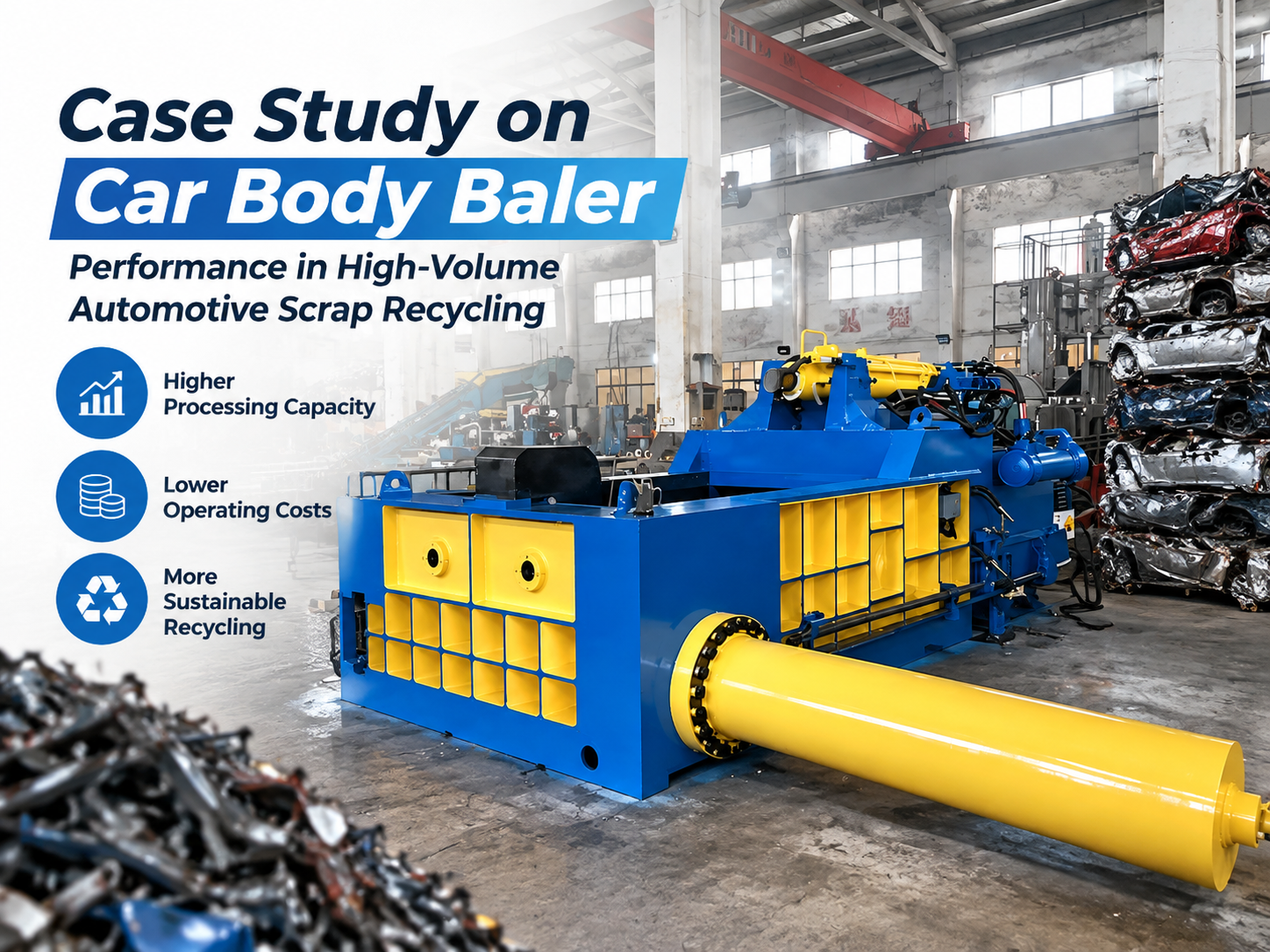
In the rapidly evolving landscape of the automotive industry, the end-of-life vehicle (ELV) sector has become a critical pillar of the circular economy. As global demand for recycled steel and aluminum surges, scrap processing facilities are under immense pressure to increase throughput while maintaining cost-efficiency. This Case Study On Car Body Baler Performance In High-Volume Automotive Scrap Recycling examines how modern hydraulic baling technology, specifically HARSLE’s advanced engineering solutions, transforms the operational dynamics of large-scale recycling centers.
The primary challenge in high-volume automotive scrap recycling is the sheer bulk and irregular geometry of vehicle shells. Without proper compaction, transporting these materials is economically unfeasible, and storage requirements become prohibitive. A high-performance car body baler acts as the heart of the recycling facility, converting bulky, low-density waste into high-density, transportable bales. This article explores the technical benchmarks and performance metrics that define success in this demanding industrial environment.
By analyzing real-world performance data, we can identify the critical factors that differentiate top-tier machinery from standard equipment. HARSLE has consistently focused on cycle times, structural integrity, and energy efficiency to meet the needs of modern scrap yards. This guide serves as a comprehensive resource for facility managers, procurement officers, and engineers looking to optimize their scrap processing workflows through strategic equipment investment.
As we delve into the technical specifications and operational realities of these machines, it becomes clear that the choice of a car body baler is not merely a purchase decision but a long-term strategic commitment. The following sections will break down the key considerations, technical details, and selection criteria necessary to achieve peak performance in automotive recycling operations.
Key Considerations for High-Volume Scrap Recycling
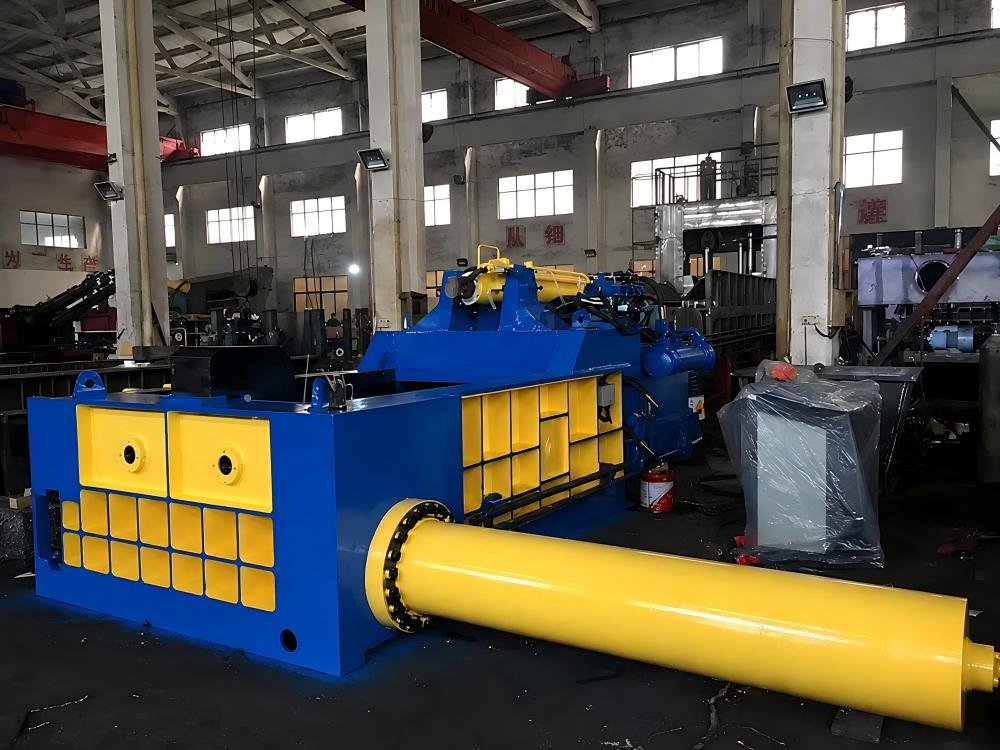
When operating in a high-volume environment, the primary objective is maximizing the density of the output while minimizing the downtime of the equipment. The density of the finished bale directly impacts logistics costs; higher density means more weight per truckload, which significantly reduces the carbon footprint and transportation expenses associated with moving scrap to steel mills.
Another critical consideration is the durability of the baler’s internal components. Automotive scrap is notoriously abrasive and contains contaminants such as glass, plastics, and residual fluids. A high-performance baler must be equipped with wear-resistant liners and robust hydraulic cylinders that can withstand the constant stress of crushing heavy steel frames. HARSLE integrates specialized alloy steel plates in the compression chamber to extend the lifespan of the machine under these harsh conditions.
Operational safety and ease of maintenance are equally vital. High-volume facilities often run multiple shifts, leaving little room for unscheduled repairs. A well-designed car body baler should feature modular components that allow for quick replacement of wear parts. Furthermore, integrated diagnostic systems provide real-time feedback on hydraulic pressure, oil temperature, and cycle counts, allowing maintenance teams to perform predictive maintenance rather than reactive repairs.
Finally, the integration of the baler into the existing facility workflow is paramount. The machine must be compatible with material handling systems such as overhead cranes, conveyor belts, or grapple loaders. A bottleneck at the baler can paralyze the entire yard, so the loading speed and discharge mechanism must be synchronized with the facility’s overall throughput capacity. HARSLE designs its balers with customizable loading apertures to ensure seamless integration into diverse yard layouts.
Technical Details of HARSLE Car Body Balers
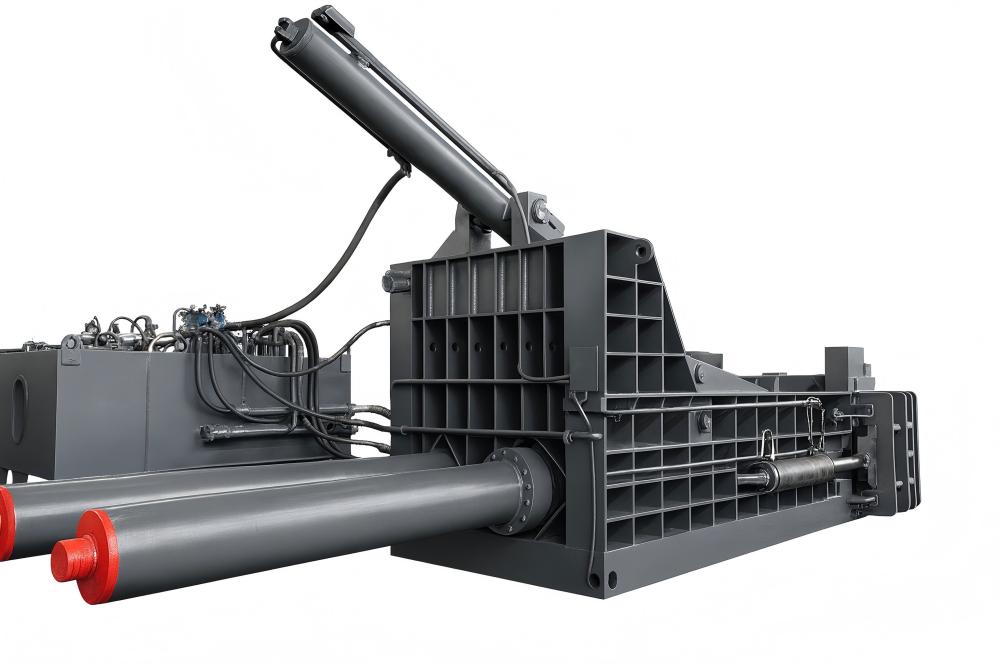
HARSLE’s car body balers are engineered with a focus on high-pressure hydraulic systems that deliver consistent force across the entire compression cycle. The core of the machine is the main compression ram, which is powered by high-capacity hydraulic pumps. These pumps are designed to maintain steady pressure even when dealing with the varying resistance of different vehicle models, from compact sedans to heavy-duty SUVs.
The structural design utilizes a reinforced steel frame that prevents deformation under extreme loads. In high-volume recycling, the baler is subjected to thousands of cycles per month. HARSLE employs advanced finite element analysis (FEA) during the design phase to identify stress points and reinforce them with high-tensile steel, ensuring that the machine maintains its structural integrity over years of continuous operation.
Hydraulic efficiency is another hallmark of HARSLE technology. By utilizing variable displacement pumps and intelligent control valves, the baler consumes energy only when necessary. This not only reduces electricity costs but also minimizes heat generation in the hydraulic fluid, which is a common cause of system failure in high-output environments. The cooling systems are oversized to ensure that the machine can operate at peak performance even in high-ambient-temperature climates.
The control interface is designed for operator efficiency. With programmable logic controllers (PLC), operators can select different baling modes based on the type of scrap being processed. Whether the goal is a standard export bale or a high-density mill-ready bale, the machine can adjust its compression force and cycle time automatically. This level of automation reduces the margin for human error and ensures that every bale meets the strict quality standards required by downstream steel manufacturers.
Selection Advice for Scrap Processing Facilities
Selecting the right car body baler requires a thorough assessment of your facility’s daily throughput and the specific composition of your scrap stream. If your yard processes a high percentage of heavy trucks or industrial equipment, you will need a baler with a larger compression chamber and higher tonnage capacity compared to a facility that primarily processes passenger vehicles.
Consider the footprint of the machine and the space available in your yard. While larger machines offer higher throughput, they require significant foundation work and space for material staging. HARSLE offers a range of models that balance footprint with performance, allowing facilities to choose a machine that fits their existing infrastructure without requiring extensive site modifications.
Another factor is the availability of technical support and spare parts. In the scrap recycling industry, time is money. Choosing a manufacturer like HARSLE, which provides comprehensive after-sales support, remote diagnostics, and a readily available inventory of wear parts, can save thousands of dollars in potential downtime. Always inquire about the manufacturer’s lead time for critical components before finalizing your purchase.
Finally, evaluate the total cost of ownership (TCO) rather than just the initial purchase price. A cheaper machine might have higher energy consumption, lower reliability, and higher maintenance costs over time. By investing in a high-quality, energy-efficient baler, you ensure lower operational expenses and a faster return on investment. Look for machines that offer energy-saving modes and long-term warranties on major structural components.
Maintenance and Operational Best Practices
To maintain the performance levels highlighted in this Case Study On Car Body Baler Performance In High-Volume Automotive Scrap Recycling, a rigorous maintenance schedule is essential. Daily inspections should focus on the condition of the hydraulic hoses, the level and cleanliness of the hydraulic oil, and the integrity of the wear liners. Any signs of leaks or abnormal noise should be addressed immediately to prevent catastrophic failure.
Lubrication is the lifeblood of the baler. Ensure that all moving parts, including the ram guides and door hinges, are lubricated according to the manufacturer’s specifications. Using high-quality lubricants will significantly extend the life of these components and reduce friction, which in turn lowers energy consumption.
Operator training is another critical aspect of maintenance. Operators should be trained not only on how to run the machine but also on how to identify potential issues before they become major problems. A well-trained operator can detect changes in the sound of the pump or the speed of the cycle, which are often the first indicators of a developing fault.
Finally, keep the area around the baler clean. Debris, dirt, and scrap metal fragments can accumulate and interfere with the operation of sensors and moving parts. A clean working environment not only improves safety but also makes it easier to perform routine inspections and maintenance tasks. Implementing a 5S methodology in the baler area can lead to significant improvements in overall facility efficiency.
FAQ
What is the typical cycle time for a HARSLE car body baler?
Cycle times vary based on the model and the density of the material, but most HARSLE car body balers are designed to complete a full compression cycle in under 90 seconds, ensuring high throughput for busy scrap yards.
How does the baler handle non-metallic contaminants in car bodies?
HARSLE balers are designed to compress the entire vehicle shell. While they are primarily for metal, the high-pressure force effectively compacts the vehicle, and the robust design handles the presence of residual materials like plastics and glass without compromising the structural integrity of the machine.
What kind of power supply is required for these machines?
Most industrial-grade car body balers require a three-phase electrical connection. Specific voltage and amperage requirements depend on the motor size of the chosen model. It is recommended to consult with a certified electrician and the HARSLE technical team during the planning phase.
Can the baler be customized for specific bale sizes?
Yes, HARSLE offers customization options for the compression chamber dimensions to meet specific bale size requirements, which is particularly useful for facilities that need to meet the strict loading specifications of different steel mills or export shipping containers.
How often should the hydraulic oil be changed?
The frequency of hydraulic oil changes depends on the machine’s usage intensity and the operating environment. Generally, it is recommended to perform oil analysis every 1,000 to 2,000 operating hours to determine the condition of the fluid and replace it as needed to maintain optimal system performance.
Conclusion
The performance of a car body baler is a defining factor in the profitability and efficiency of any high-volume automotive scrap recycling operation. As demonstrated in this Case Study On Car Body Baler Performance In High-Volume Automotive Scrap Recycling, the integration of advanced hydraulic technology, robust structural engineering, and proactive maintenance strategies is essential for success. HARSLE remains committed to providing the metal fabrication industry with machinery that not only meets but exceeds the rigorous demands of modern recycling.
By carefully considering factors such as throughput capacity, energy efficiency, and long-term support, facility managers can make informed decisions that drive growth and sustainability. Whether you are upgrading an existing facility or establishing a new scrap processing site, investing in high-performance equipment is the most effective way to ensure a competitive edge in the global scrap market. With HARSLE as your partner, you gain access to the expertise and technology required to turn automotive waste into a valuable, high-density commodity.
As the industry continues to move toward more sustainable practices, the role of efficient baling technology will only grow in importance. We encourage all stakeholders in the scrap recycling sector to prioritize quality and reliability in their equipment choices. For further information on our range of car body balers and how they can be tailored to your specific operational needs, please contact the HARSLE technical team today.