Why One Sheet Metal Workshop Chose a Vertical Baler to Improve Recycling Efficiency

Introduction: The Hidden Cost of Scrap in Metal Fabrication
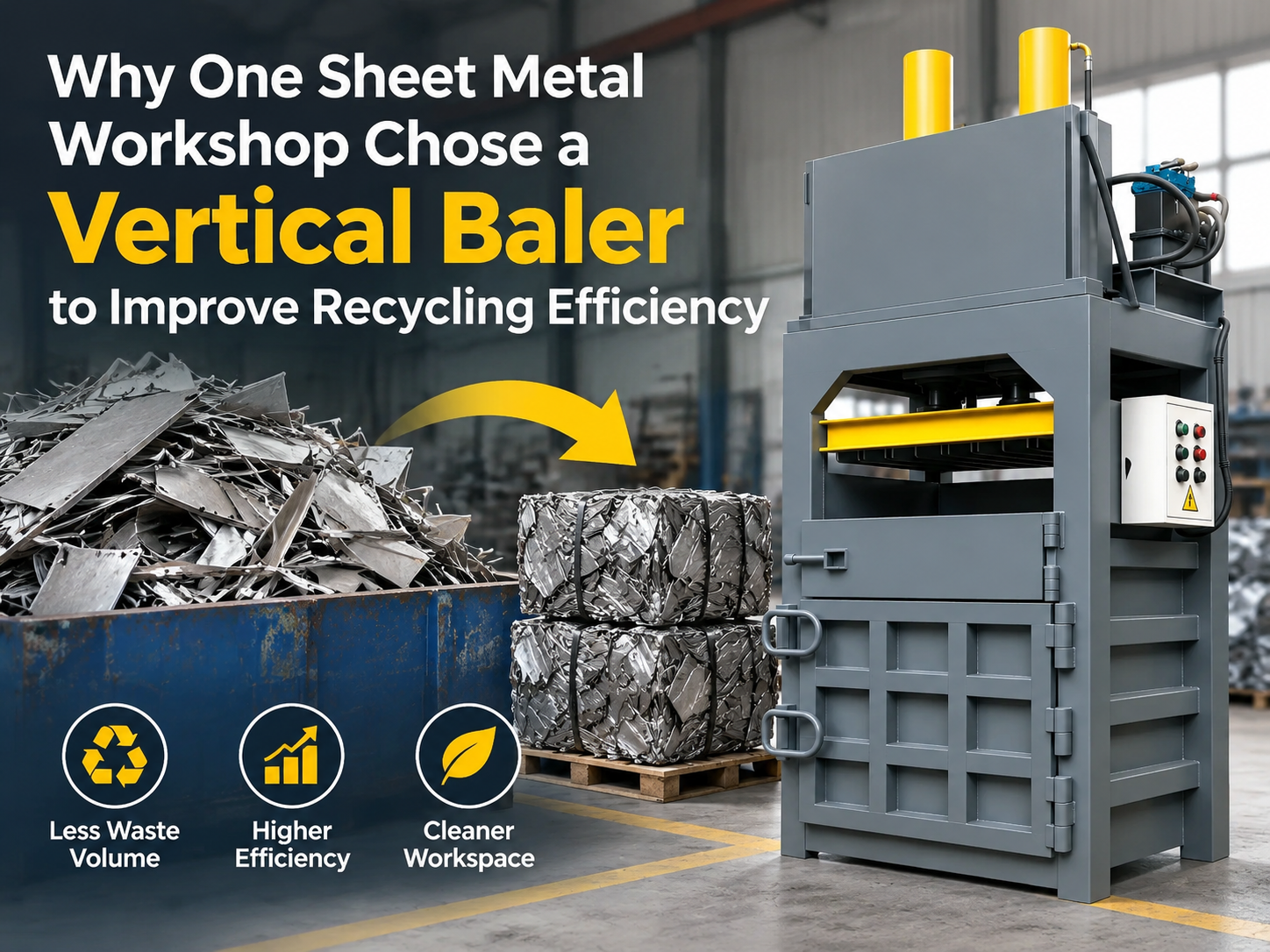
In the high-stakes world of modern metal fabrication, efficiency is often measured by the speed of a laser cutter or the precision of a press brake. However, one of the most overlooked aspects of workshop profitability is the management of scrap metal. For many facilities, the accumulation of offcuts, skeleton sheets, and metal shavings creates a logistical nightmare that consumes valuable floor space and labor hours. This article explores a real-world scenario where one sheet metal workshop chose a vertical baler to improve recycling efficiency, transforming their waste stream into a revenue stream.
The workshop in question, a mid-sized fabrication plant specializing in custom enclosures, found themselves drowning in scrap. Their traditional method of disposal involved manual sorting and loose storage in large, overflowing bins. This not only created safety hazards but also significantly lowered the market value of their scrap due to the high volume-to-weight ratio. By integrating a HARSLE vertical baler, they were able to streamline their operations, reduce transport costs, and maximize the return on their recycled materials.
Understanding the transition from a chaotic scrap pile to a streamlined baling process requires a deep dive into the operational challenges faced by modern fabricators. When a workshop reaches a certain scale, the manual handling of waste becomes a bottleneck. This case study highlights the strategic decision-making process that led to the adoption of industrial baling technology and the subsequent improvements in overall shop floor productivity.
As we examine the technical and economic factors involved, it becomes clear that the decision to invest in a vertical baler is not just about waste management—it is about operational excellence. By focusing on the integration of this equipment, workshops can reclaim lost space, improve worker safety, and contribute to a more sustainable manufacturing ecosystem.
Key Considerations for Waste Management in Metal Fabrication
Before deciding to invest in a vertical baler, the workshop management had to evaluate several critical factors. The primary concern was the sheer volume of scrap generated daily. In a high-output environment, the accumulation of metal offcuts can happen in a matter of hours. Without a compaction system, the workshop was paying for frequent waste removal services that were essentially transporting ‘air’—large, bulky bins filled with loose, lightweight metal scraps.
Another key consideration was the safety of the shop floor. Loose metal offcuts are notoriously sharp and dangerous. Employees navigating around overflowing bins were at constant risk of lacerations and tripping hazards. By choosing a vertical baler, the workshop aimed to centralize their waste processing, moving the scrap from the production line to a dedicated baling station. This containment strategy significantly reduced the risk of workplace accidents and improved the overall organization of the facility.
The economic impact of scrap metal pricing also played a major role. Recyclers pay significantly more for dense, uniform bales of metal than they do for loose, mixed scrap. By compressing their waste into high-density bales, the workshop could store more material in a smaller footprint and command a higher price per ton from scrap dealers. This shift turned a disposal cost into a profitable recycling program.
Finally, the workshop had to consider the ease of integration. They needed a machine that could handle the specific gauge and type of metal they were processing without requiring extensive modifications to their existing workflow. The HARSLE vertical baler offered a compact footprint and user-friendly operation, making it an ideal candidate for their specific spatial constraints and production requirements.
Technical Details: How Vertical Balers Transform Scrap
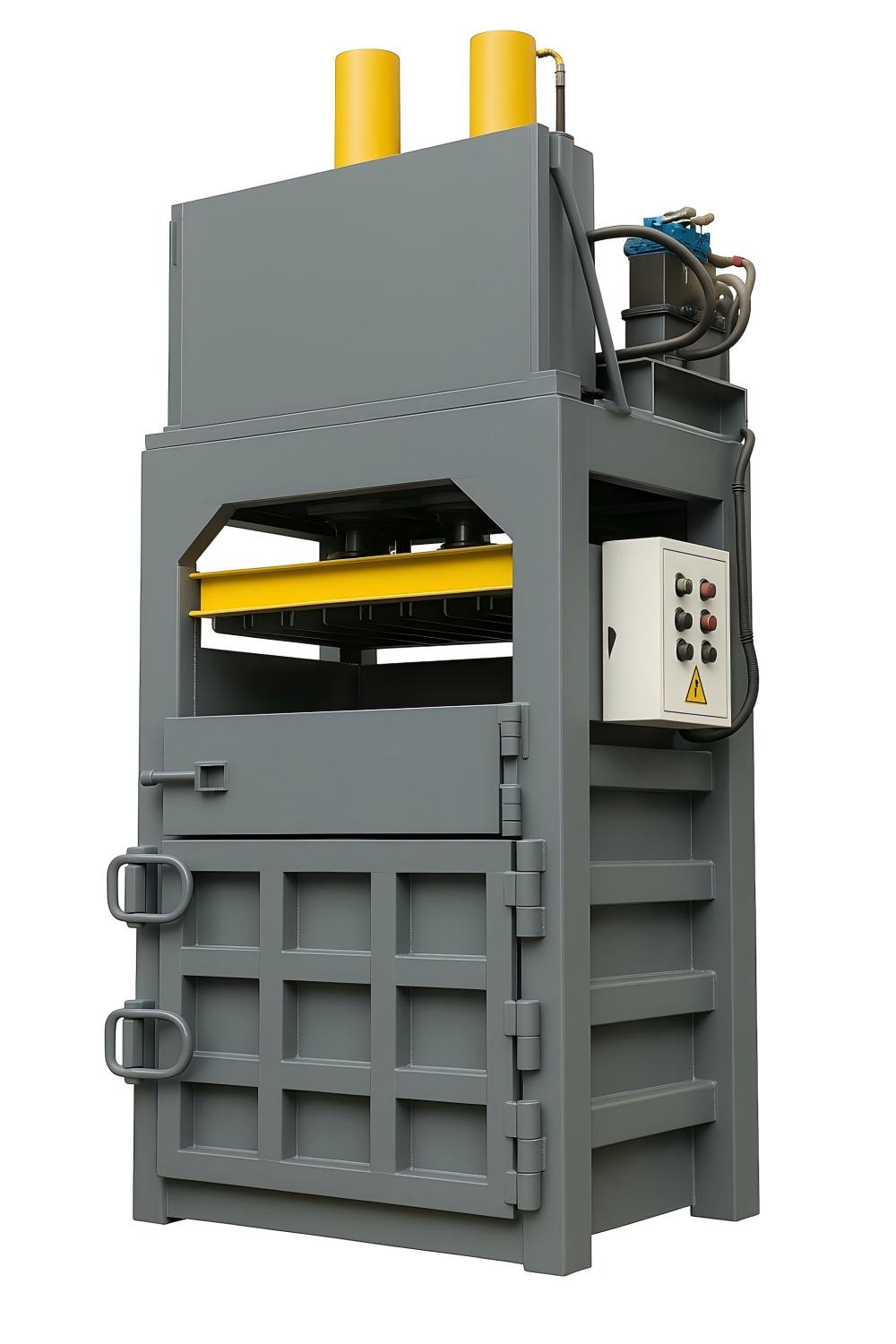
The technical superiority of a vertical baler lies in its hydraulic compaction mechanism. Unlike horizontal balers, which are often designed for massive, continuous throughput, vertical balers are engineered for versatility and space efficiency. They utilize a heavy-duty hydraulic ram to exert immense pressure on the scrap metal, forcing it into a compact, manageable block. This process is essential for materials like aluminum, copper, and thin-gauge steel offcuts.
One of the most important technical features of the HARSLE vertical baler is its adjustable pressure settings. Different metals have different yield strengths; for instance, stainless steel requires significantly more force to compact than aluminum. The ability to calibrate the baling pressure ensures that the machine operates at peak efficiency without unnecessary energy consumption. This precision is vital for workshops that handle a diverse range of materials throughout the week.
Safety interlocks and automated cycles are also critical technical components. Modern vertical balers are equipped with dual-hand controls and emergency stop systems to protect the operator. Furthermore, the automated bale ejection system simplifies the removal of the finished product, allowing a single operator to manage the entire process. This reduces the labor burden and ensures that the workshop can maintain a consistent output of baled scrap.
Maintenance is another technical aspect that cannot be ignored. The HARSLE vertical baler is designed with accessible hydraulic components and robust structural steel frames. Regular maintenance, such as checking hydraulic fluid levels, inspecting seals, and ensuring the ram guide rails are lubricated, is straightforward. This ease of maintenance ensures that the machine remains operational for years, providing a reliable return on investment for the workshop.
Selection Advice: Choosing the Right Equipment for Your Workshop
When selecting a vertical baler, the first step is to conduct a thorough waste audit. You must determine the total volume of scrap generated per week and the physical dimensions of the largest offcuts. If your workshop primarily deals with long, thin strips of metal, you will need a baler with a wider feed opening. Conversely, if you are dealing with small, dense punch-outs, a smaller chamber might suffice.
The second factor is the required compaction force. Force is measured in tons, and it dictates how dense your final bale will be. For light-gauge sheet metal, a 20-to-40-ton baler is often sufficient. However, for heavier steel or thicker aluminum plates, you may need a machine capable of exerting 60 tons or more. Consulting with a HARSLE representative can help you match the machine’s force capacity to your specific material profile.
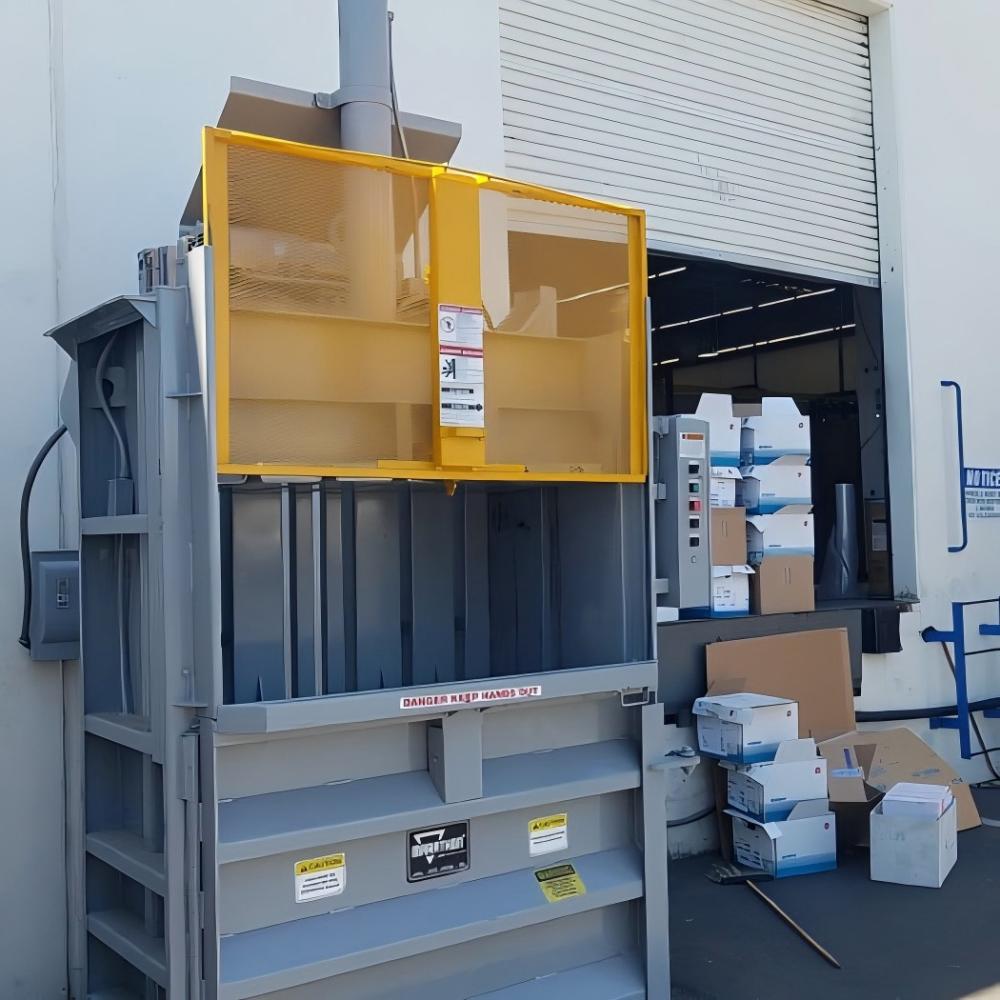
Space availability is the third major consideration. Vertical balers are favored for their small footprint, but you must ensure there is enough clearance for the operator to load the machine and for a pallet jack to remove the finished bale. Consider the ceiling height as well, especially if the baler has an upward-ejecting mechanism. Planning the layout of your scrap processing area is just as important as choosing the machine itself.
Lastly, consider the long-term support and serviceability. A vertical baler is a long-term capital investment. Choosing a reputable manufacturer like HARSLE ensures that you have access to spare parts, technical support, and training resources. Do not base your decision solely on the initial purchase price; factor in the cost of ownership, energy efficiency, and the potential for increased scrap revenue over the next five to ten years.
FAQ: Common Questions About Vertical Balers
- Q: How much space does a vertical baler typically require?
A: Most vertical balers require a footprint of approximately 1.5 to 2.5 square meters. However, you should allow for an additional 1-2 meters of clearance around the machine for safe operation and material loading. - Q: Can a vertical baler handle all types of metal?
A: While vertical balers are excellent for most sheet metal scrap, they are not designed for heavy structural steel or extremely thick plates. Always consult the manufacturer’s specifications regarding the maximum material thickness and hardness. - Q: How long does it take to create a single bale?
A: The cycle time depends on the material type and the operator’s speed. Generally, a cycle can take anywhere from 30 seconds to 2 minutes, with the total time to build a full bale ranging from 30 minutes to an hour depending on the volume. - Q: Is special training required to operate a vertical baler?
A: Yes, operators should be trained on the specific safety protocols, loading procedures, and emergency stop functions of the machine. HARSLE provides comprehensive manuals and guidance to ensure safe operation. - Q: How does a baler improve the value of my scrap?
A: Recyclers prefer dense, uniform bales because they are easier to transport and process. By baling your scrap, you reduce the recycler’s handling costs, which they often pass back to you in the form of a higher price per ton.
Conclusion: A Strategic Move Toward Efficiency
The decision to invest in a vertical baler is a clear indicator of a workshop that is ready to scale and optimize its operations. As demonstrated by the case study of our featured workshop, the benefits extend far beyond simple waste management. By choosing to improve recycling efficiency, they successfully reduced their environmental footprint, enhanced workplace safety, and unlocked a new revenue stream from their scrap metal.
For any fabrication facility, the transition to a baling system represents a commitment to lean manufacturing principles. It removes the clutter from the shop floor, streamlines the logistics of waste removal, and demonstrates a professional approach to resource management. When you partner with a trusted manufacturer like HARSLE, you gain more than just a piece of machinery; you gain a partner dedicated to your long-term success in the competitive metal fabrication industry.
As you evaluate your own workshop’s needs, remember that the most successful businesses are those that look at every aspect of their production—including the waste—as an opportunity for improvement. Whether you are dealing with aluminum, steel, or copper, a vertical baler is a versatile, powerful tool that can help you achieve your goals of higher efficiency and increased profitability. Take the step today to analyze your scrap stream and discover how a vertical baler can transform your workshop floor.