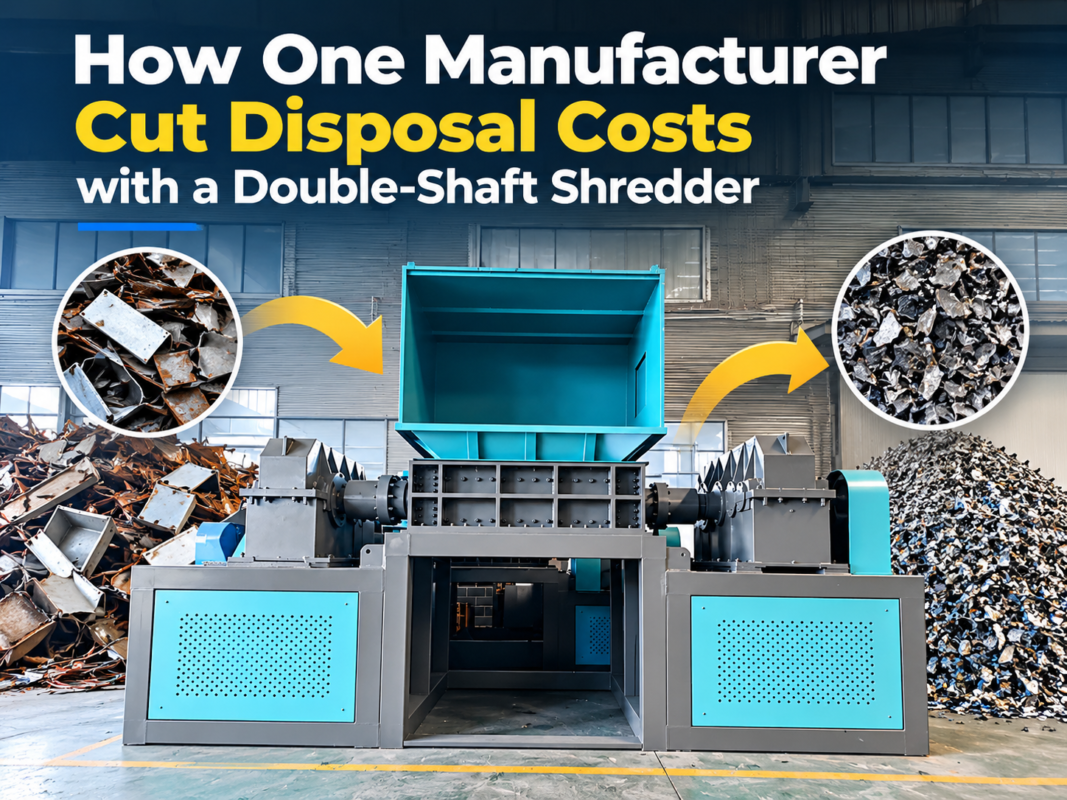
How to Fix Briquetting Machine Overheating During Continuous Operation: A Comprehensive HARSLE Guide

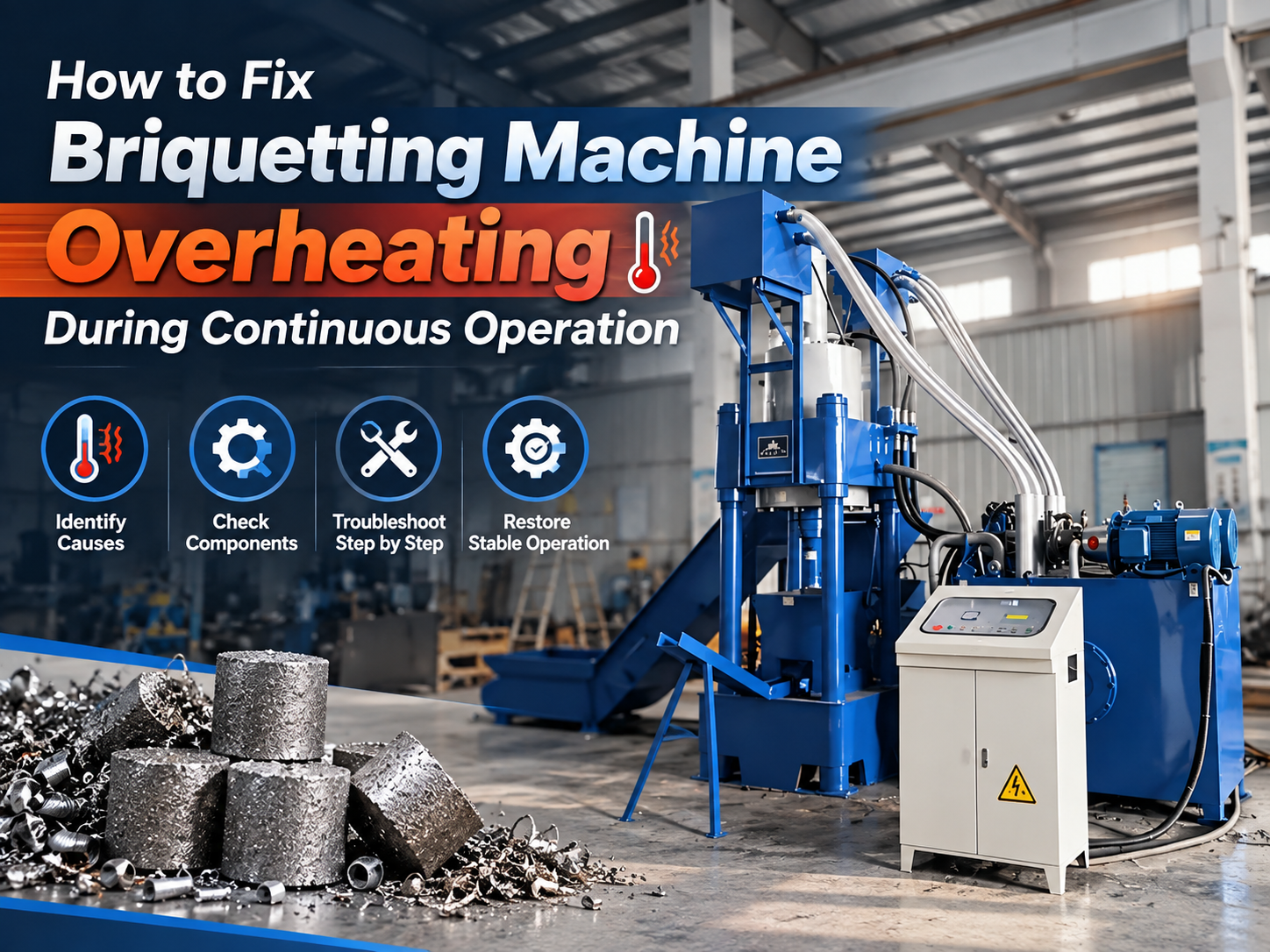
How to Fix Briquetting Machine Overheating During Continuous Operation
In the high-stakes environment of modern metal fabrication, efficiency is measured by uptime. For facilities processing metal chips, turnings, and swarf, the briquetting machine is the heart of the recycling operation. However, when you encounter the challenge of how to fix briquetting machine overheating during continuous operation, it can bring your entire production line to a grinding halt. At HARSLE, we understand that thermal management is not just about maintenance—it is about protecting your capital investment and ensuring consistent output quality.
Overheating is rarely the result of a single catastrophic failure; rather, it is usually the cumulative effect of hydraulic strain, environmental factors, or mechanical friction. When a machine runs continuously, the heat generated by the hydraulic pump, the friction of the compression chamber, and the ambient temperature of the factory floor begin to compound. If the cooling system cannot dissipate this energy faster than it is generated, the oil viscosity drops, seals begin to degrade, and the machine’s control system may trigger an automatic shutdown to prevent permanent damage.
Key Considerations for Thermal Management
The first step in addressing overheating is understanding the thermal balance of your equipment. A briquetting machine operates by applying immense pressure to loose metal scrap, converting it into dense, manageable pucks. This process is inherently exothermic. If your machine is overheating, you must first evaluate the duty cycle. Are you pushing the machine beyond its rated capacity? Continuous operation requires a machine that is specifically engineered for 24/7 cycles, rather than one designed for intermittent batch processing.
Environmental factors play a critical role that is often overlooked. If your briquetting machine is situated in a poorly ventilated corner of the factory, or if it is exposed to direct sunlight or proximity to other heat-generating equipment like furnaces or welding stations, the ambient temperature will significantly impact the cooling system’s efficiency. Ensure that there is at least 1.5 to 2 meters of clearance around the machine to allow for proper airflow. If the intake vents are clogged with dust or metal fines, the cooling fans will be unable to pull in fresh air, leading to a rapid rise in operating temperature.
Hydraulic oil quality is another pillar of thermal stability. As oil ages, it loses its ability to lubricate effectively and its thermal conductivity decreases. If you are using the wrong viscosity grade for your specific climate or operating speed, the internal friction within the hydraulic lines will increase, generating heat as a byproduct. Always adhere to the manufacturer’s specifications regarding oil type and change intervals. A contaminated hydraulic system is a primary culprit for overheating, as sludge and debris can obstruct the flow of oil through the heat exchanger, effectively insulating the heat rather than dissipating it.
Finally, consider the mechanical load. If the briquetting chamber is misaligned or if the compression ram is experiencing excessive friction due to lack of lubrication, the motor must work significantly harder to achieve the same compression force. This increased electrical load translates directly into heat. Regular inspection of the ram guides and the compression die is essential. If you notice unusual vibration or noise, address it immediately, as these are often precursors to the thermal spikes that lead to system failure.
Technical Details: Troubleshooting the Cooling System
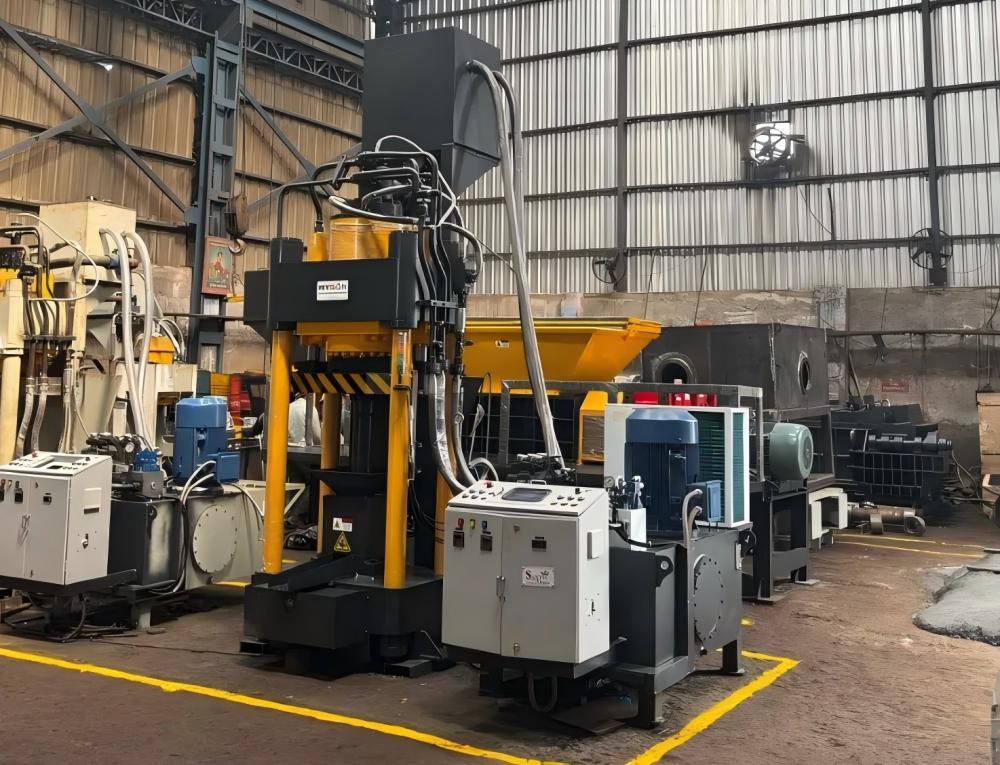
When you need to fix briquetting machine overheating during continuous operation, the hydraulic cooling system is your primary area of focus. Most modern HARSLE briquetting machines are equipped with either air-cooled or water-cooled heat exchangers. If your machine uses an air-cooled system, the radiator fins are the most common point of failure. Over time, these fins become coated in a layer of oil-mist and metal dust, which acts as a thermal blanket. Use compressed air or a specialized cleaning solvent to ensure the fins are completely clear of debris.
Check the cooling fan motor functionality. It is not uncommon for a fan motor to fail or for the fan blades to become damaged, reducing airflow. If the fan is running but the cooling effect is minimal, check the thermostat settings. The thermostat controls when the cooling system engages; if it is set too high, the oil temperature will climb beyond the safe operating range before the cooling system even activates. Calibrating the thermostat to engage at the correct temperature is a vital step in maintaining a stable thermal environment.
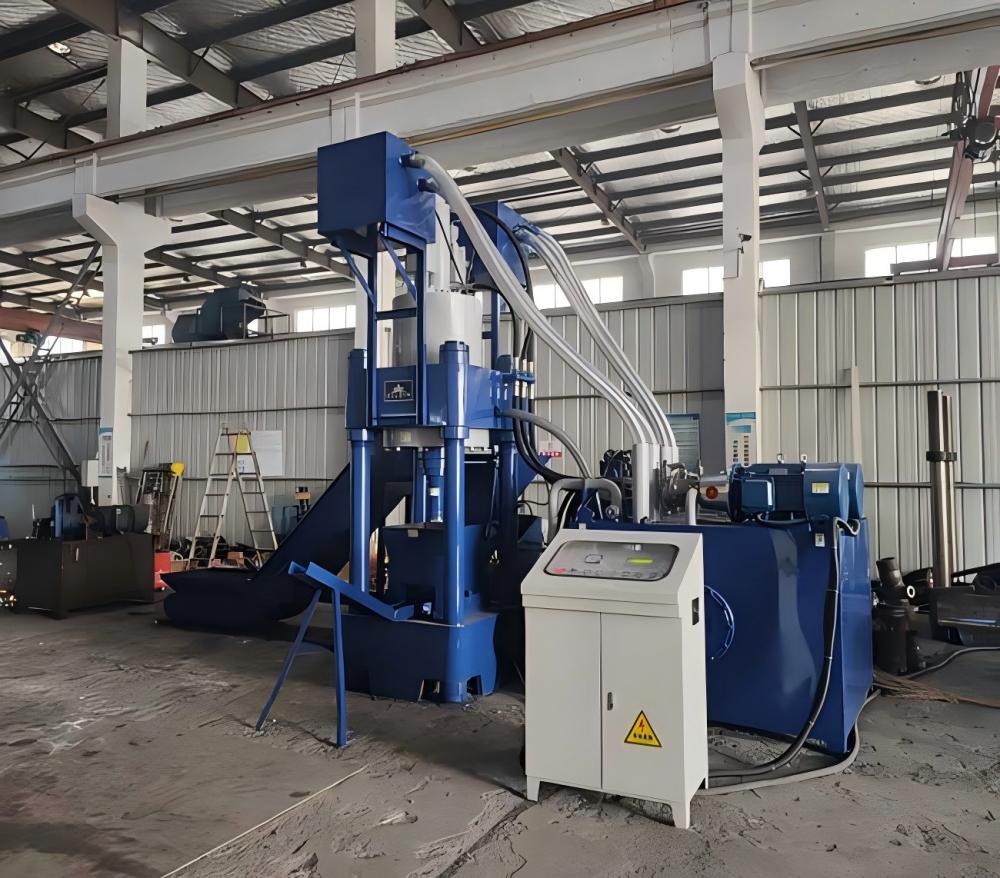
For water-cooled systems, the challenge is often related to water flow and scale buildup. If the water supply is hard, mineral deposits can accumulate inside the heat exchanger, drastically reducing its heat transfer efficiency. Periodically flushing the cooling circuit with a descaling agent can restore performance. Additionally, ensure that the water pump is providing the required flow rate. A drop in water pressure or flow will result in the oil remaining hot, regardless of how long the cooling system runs.
The hydraulic pump itself can be a source of excessive heat if it is experiencing internal leakage. As pumps wear, high-pressure oil can leak back into the low-pressure side, a process that generates significant heat without contributing to the machine’s work output. If you have ruled out external cooling issues and the machine still overheats, perform a flow test on the hydraulic pump. If the output is significantly lower than the rated capacity, it is likely time for a pump rebuild or replacement. This is a technical procedure that should be handled by qualified maintenance personnel to ensure the system is properly bled of air afterward.
Selection Advice for High-Volume Operations
If you find that you are constantly struggling to fix briquetting machine overheating during continuous operation, it may be time to evaluate whether your current equipment is suited for your production volume. Not all briquetting machines are built for 24/7 duty. When selecting a machine for high-volume metal fabrication, look for features that prioritize thermal management. A machine with an oversized hydraulic reservoir, for example, allows the oil more time to cool down before it is recirculated, providing a natural buffer against temperature spikes.
Look for machines that feature integrated oil chillers rather than standard heat exchangers. An active chiller system uses a refrigeration cycle to maintain the hydraulic oil at a precise temperature, regardless of the ambient factory conditions. While this represents a higher initial investment, the reduction in downtime and the extension of the lifespan of your hydraulic components make it a highly cost-effective choice for continuous operations. HARSLE offers various configurations that can be customized to include advanced cooling packages for extreme environments.
Consider the material being processed. If you are briquetting high-density alloys, the compression force required is significantly higher than for aluminum or copper turnings. Ensure that the machine’s tonnage rating is appropriate for the material density. Running a machine at its maximum pressure limit continuously is a recipe for overheating. Selecting a machine with a slightly higher capacity than your current needs allows you to run the system at 70-80% of its maximum load, which significantly reduces heat generation and mechanical wear.
Finally, prioritize machines with advanced PLC (Programmable Logic Controller) monitoring. Modern systems can track oil temperature in real-time and provide alerts before the machine reaches a critical threshold. This allows operators to take preventative measures—such as slowing the feed rate or checking the cooling system—before an automatic shutdown occurs. Investing in smart machinery is the most effective way to prevent the recurring problem of overheating in a high-speed production environment.
FAQ: Frequently Asked Questions
- Q: How often should I check the hydraulic oil for signs of overheating?
A: You should inspect the oil level and clarity daily. If the oil appears dark or has a burnt smell, it has likely been subjected to excessive heat and should be replaced immediately. - Q: Can I use a higher viscosity oil to fix overheating?
A: No. Using the wrong viscosity can actually increase internal friction and make the overheating problem worse. Always follow the HARSLE manual for the recommended oil grade. - Q: Why does my machine overheat only during the afternoon?
A: This is likely due to ambient temperature fluctuations in your facility. Ensure your cooling system is sized for the hottest part of the day, not the average temperature. - Q: Is it normal for the hydraulic tank to feel hot to the touch?
A: The tank will be warm, but if it is too hot to touch comfortably, your oil temperature is likely exceeding 60-70°C, which is the danger zone for most hydraulic seals. - Q: Does the type of metal chip affect machine temperature?
A: Yes. Harder metals require more force to compress, which increases the load on the hydraulic system and generates more heat.
Conclusion
Learning how to fix briquetting machine overheating during continuous operation is a fundamental skill for any maintenance team in the metal fabrication industry. By focusing on environmental factors, maintaining your cooling systems, and ensuring your equipment is properly sized for your production goals, you can eliminate the thermal issues that lead to costly downtime. Remember that heat is the enemy of hydraulic longevity; by managing it proactively, you ensure that your HARSLE briquetting machine remains a reliable, high-output asset for years to come. If you continue to experience issues, do not hesitate to contact our technical support team for a detailed system audit.