How to Troubleshoot Bale Ejection Problems in a Car Body Baler: A Comprehensive HARSLE Guide


Introduction
In the high-stakes world of scrap metal processing, efficiency is measured by the speed and consistency of your output. For facilities utilizing a car body baler, the ejection phase is the critical final step in the production cycle. When this process stalls, it creates a bottleneck that ripples through your entire operation, leading to downtime, increased labor costs, and potential safety hazards. Understanding how to troubleshoot bale ejection problems in a car body baler is essential for any plant manager or maintenance technician looking to maintain peak productivity.
HARSLE has long been at the forefront of metal fabrication equipment, providing robust solutions for the recycling industry. We recognize that even the most advanced hydraulic systems can encounter resistance during the ejection cycle. Whether it is a mechanical obstruction, a hydraulic pressure failure, or a sensor calibration error, identifying the root cause quickly is the difference between a minor adjustment and a costly repair. This guide serves as your definitive resource for diagnosing and resolving these specific mechanical challenges.
As we delve into the technical aspects of these machines, it is important to remember that safety is paramount. Before performing any inspection on a car body baler, ensure that the machine is locked out and tagged out according to standard industrial safety protocols. Never attempt to clear a jammed bale or inspect the ejection ram while the hydraulic system is under pressure or the machine is energized.
By following the systematic approach outlined in this article, you will be able to minimize downtime and extend the lifespan of your heavy-duty equipment. We will explore everything from hydraulic fluid viscosity to structural alignment, ensuring your HARSLE machinery continues to deliver the high-density bales your business demands.
Key Considerations for Ejection Efficiency
The ejection process in a car body baler is a complex interplay of force, friction, and timing. When a bale fails to eject, the first consideration should always be the physical state of the bale itself. If the material is not compressed to the correct density or if the bale dimensions are inconsistent, it can become wedged against the chamber walls. This is often a result of improper loading or incorrect cycle settings, which can lead to excessive friction during the push-out phase.
Another critical factor is the condition of the chamber liners. Over time, the internal walls of the baling chamber can develop burrs, deep scratches, or uneven wear patterns. These imperfections act as anchors for the compressed metal, preventing the ejection ram from sliding the bale out smoothly. Regular inspection of these liners is a fundamental part of preventive maintenance that directly impacts your ability to troubleshoot bale ejection problems in a car body baler.
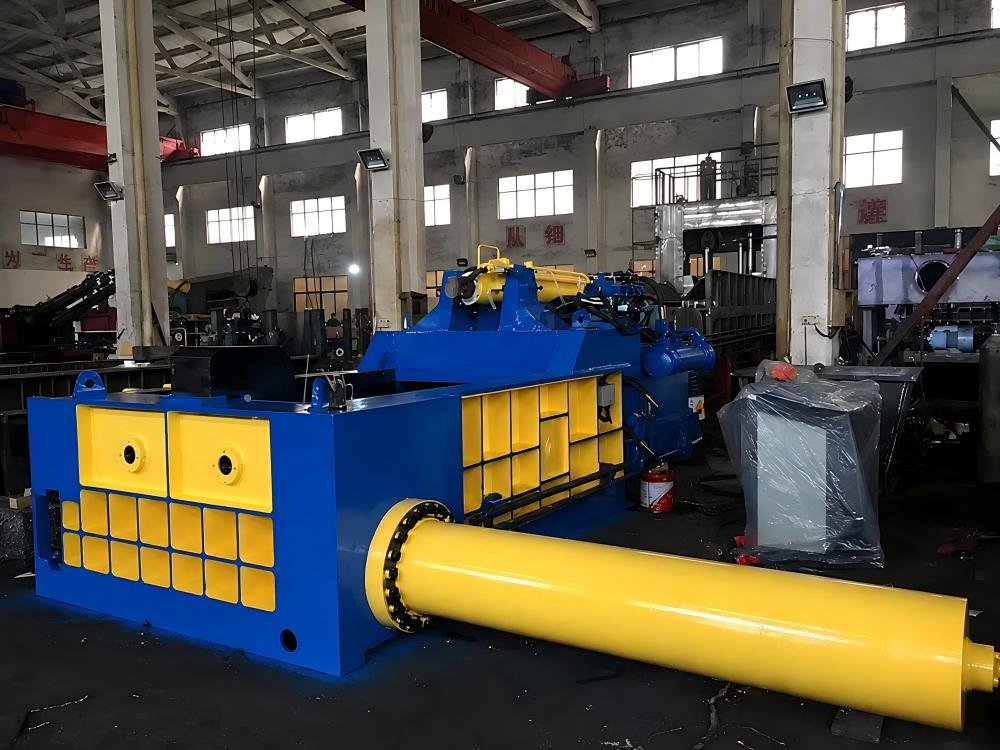
Environmental factors also play a significant role. In colder climates, hydraulic oil can thicken, leading to sluggish ram movement and insufficient force to overcome the static friction of a heavy bale. Conversely, in extreme heat, oil degradation can lead to internal bypass in the cylinders, reducing the effective pressure available for the ejection stroke. Monitoring your hydraulic oil temperature and viscosity is a simple yet effective way to prevent ejection failures before they occur.
Finally, consider the role of the ejection door or gate mechanism. If the door does not open fully or if the locking pins are misaligned, the bale will hit an obstruction before it even leaves the chamber. Ensure that the gate hinges are lubricated and that the hydraulic cylinders responsible for opening the gate are functioning at full stroke. A gate that is only 95% open can be the hidden culprit behind a persistent ejection failure.
Technical Details: Diagnosing Hydraulic and Mechanical Failures
When you need to troubleshoot bale ejection problems in a car body baler, the hydraulic system is usually the first place to look. The ejection ram requires a specific pressure threshold to overcome the resistance of the bale. If your pressure gauge shows a spike followed by a stall, it indicates that the system is hitting a relief valve limit. This could be due to a faulty pressure relief valve that is opening too early or a pump that is failing to provide the necessary flow rate under load.
Electrical and sensor issues are equally common. Modern car body balers rely on a series of limit switches and proximity sensors to coordinate the ejection sequence. If a sensor fails to detect that the ejection door is fully open, the PLC (Programmable Logic Controller) will prevent the main ram from advancing to protect the machine from damage. Check your control panel for error codes and verify that all safety interlocks are receiving the correct signals.

The structural integrity of the ejection ram itself must also be evaluated. If the ram face is bent or if the guide rails are worn, the ram may tilt during the stroke. This misalignment causes the ram to bind against the chamber walls, creating a mechanical lock that no amount of hydraulic pressure can overcome. Use a straight-edge and a level to check for any signs of deformation on the ram face and ensure that the guide shoes are properly shimmed.
Furthermore, examine the hydraulic hoses and fittings for signs of leakage or ballooning. A hose that is failing internally can restrict flow, leading to erratic ram movement. If you notice the ram “stuttering” during the ejection stroke, it is a strong indicator of air in the hydraulic system or a failing cylinder seal. Bleeding the hydraulic lines and performing a cylinder drift test are essential technical steps in your troubleshooting process.
Selection Advice: Choosing the Right Baler for Your Needs
Selecting the right car body baler is the most effective way to avoid ejection problems in the first place. When browsing metal fabrication equipment, prioritize machines with high-quality, replaceable wear liners. These liners are designed to take the brunt of the friction, protecting the main structure of the baler and ensuring that the ejection path remains smooth over years of heavy use.
Consider the total force output of the machine relative to the type of scrap you process. If you are baling heavy-gauge automotive steel, you require a machine with a higher tonnage rating than one designed for light aluminum or thin-gauge sheet metal. A machine that is constantly pushed to its maximum capacity will experience premature wear on the ejection system, leading to the very problems you are trying to avoid.
Look for manufacturers that offer robust PLC integration and remote diagnostic capabilities. HARSLE machines, for example, provide detailed feedback through the control interface, allowing operators to see exactly which stage of the ejection cycle is failing. This level of transparency is invaluable when you need to troubleshoot bale ejection problems in a car body baler, as it eliminates the guesswork and allows for targeted repairs.
Finally, evaluate the availability of spare parts and technical support. A baler is a long-term investment; choosing a brand that maintains a comprehensive inventory of cylinders, seals, and sensors ensures that when a component does fail, you can get back to production quickly. Avoid “bargain” machinery that lacks standardized parts, as these often become impossible to repair once the original manufacturer support ceases.
FAQ: Common Questions About Bale Ejection
- Why does my baler stall halfway through the ejection stroke? This usually indicates a mechanical obstruction or a loss of hydraulic pressure. Check for debris buildup in the chamber or a failing hydraulic pump.
- How often should I lubricate the ejection gate hinges? Depending on usage, we recommend a daily inspection and weekly lubrication with high-pressure grease to prevent binding.
- Can low hydraulic oil levels cause ejection failure? Yes, low oil levels can lead to cavitation in the pump, which results in erratic pressure and insufficient force to push the bale.
- What is the most common cause of sensor errors during ejection? Dust and metal shavings often accumulate on proximity sensors. Cleaning these sensors regularly is a simple fix for most “false” error codes.
- Should I replace my chamber liners if they are scratched? Minor scratches are normal, but deep gouges that catch the bale should be filled or replaced to prevent future jams.
Conclusion
Troubleshooting bale ejection problems in a car body baler does not have to be an overwhelming task. By maintaining a disciplined approach to inspection, focusing on the health of your hydraulic system, and ensuring that your machine is properly configured for the material you are processing, you can keep your facility running at maximum efficiency. Remember that the goal is to identify the root cause—whether it is a simple sensor misalignment or a more complex hydraulic issue—before it leads to extended downtime.
HARSLE is committed to supporting your operations with high-quality metal fabrication equipment and the knowledge required to maintain it. By following the guidelines provided in this article, you are investing in the longevity of your machinery and the profitability of your business. If you encounter persistent issues that go beyond standard troubleshooting, do not hesitate to reach out to our technical support team for expert assistance.
Consistent maintenance is the hallmark of a successful recycling operation. Keep your chamber clean, your hydraulic oil at the correct temperature, and your sensors free of debris. With these practices in place, you will find that your car body baler remains a reliable workhorse, capable of handling the toughest scrap metal challenges with ease.