Why Does A Double-Shaft Shredder Produce Oversized Output? Troubleshooting Tips


Introduction
In the demanding world of metal fabrication and industrial recycling, the double-shaft shredder stands as a cornerstone of efficiency. These machines are engineered to reduce bulky scrap into manageable, uniform sizes, facilitating easier transport and processing. However, operators occasionally face a frustrating challenge: the machine begins to produce output that exceeds the desired particle size specifications. When you ask, “Does a double-shaft shredder produce oversized output? Troubleshooting tips are essential to restoring your production line to peak performance.
Understanding the mechanics behind shredding is the first step in diagnosing why your output quality may be declining. A double-shaft shredder relies on the synchronized interaction of two counter-rotating shafts equipped with hardened steel blades. When these components work in harmony, the material is sheared, torn, and cut into precise dimensions. When the output becomes oversized, it is almost always a symptom of mechanical wear, improper material feeding, or incorrect configuration settings.
At HARSLE, we prioritize the longevity and precision of our industrial machinery. This guide is designed to help facility managers and maintenance technicians identify the root causes of oversized output. By systematically addressing these issues, you can minimize downtime, extend the lifespan of your blades, and ensure that your recycling or fabrication process remains compliant with downstream requirements.
Whether you are processing aluminum profiles, steel scrap, or complex industrial waste, the consistency of your shredder’s output is a direct reflection of its maintenance status. In the following sections, we will explore the technical nuances of shredder operation, common failure points, and the proactive steps you can take to maintain high-quality output standards.
Key Considerations for Shredder Performance
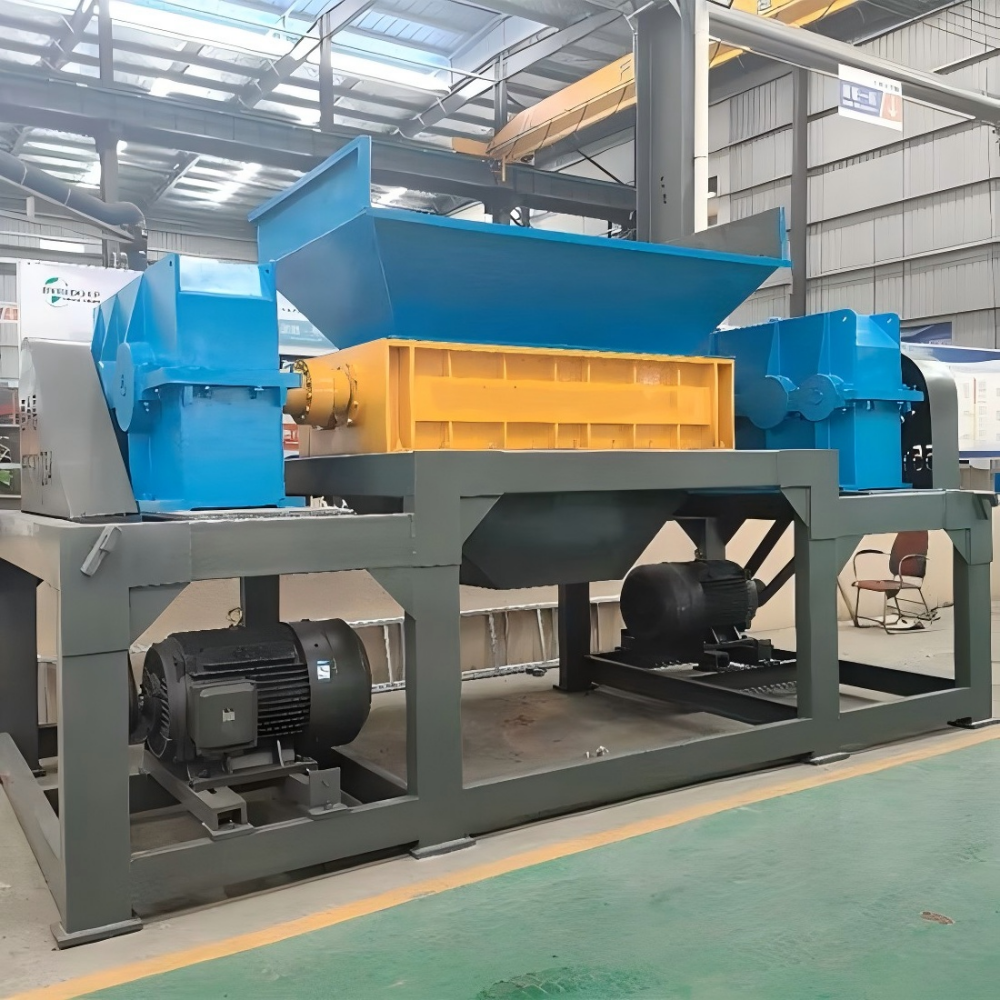
The primary factor influencing output size is the gap between the shredder blades. In a double-shaft shredder, the blades are designed to intermesh with a specific clearance. Over time, the abrasive nature of metal scrap can cause the edges of these blades to round off or the gap between the shafts to widen due to bearing wear. When the clearance increases beyond the manufacturer’s specifications, the material may pass through the cutting chamber without being fully sheared, resulting in larger-than-intended pieces.
Another critical consideration is the material composition. Not all scrap is created equal. If your machine is calibrated for thin-gauge aluminum but is suddenly tasked with processing heavy-duty steel or hardened alloys, the torque requirements change significantly. If the shredder lacks the necessary torque or if the blade geometry is not suited for the material hardness, the machine may “skip” over the material, leading to irregular and oversized output.
Feed rate management is equally vital. Overloading the hopper can cause the material to bridge or clump, preventing the blades from effectively grabbing and cutting individual pieces. When the shredder is choked, the material is often pushed through the cutting zone by the pressure of the material above it rather than being processed by the blades themselves. This “forced throughput” is a common culprit for inconsistent output sizes.
Finally, consider the role of the screen or discharge grate. Many double-shaft shredders are equipped with a sizing screen at the discharge point. If this screen is damaged, missing, or improperly installed, the machine loses its final quality control mechanism. Even if the blades are performing adequately, a compromised screen will allow oversized material to exit the machine, directly impacting the quality of your final product.
Technical Details: Why Does A Double-Shaft Shredder Produce Oversized Output?
To effectively troubleshoot, one must look at the mechanical interaction within the cutting chamber. The most common technical cause for oversized output is blade wear. As the cutting teeth lose their sharpness, they lose the ability to “bite” into the material. Instead of a clean shear, the blades exert a crushing force that can cause the material to bend or deform rather than break. This deformation often results in long, stringy pieces that pass through the shredder intact.
Bearing and shaft alignment also play a significant role. If the main shafts are not perfectly parallel or if the bearings have developed excessive play, the blades will not maintain their optimal intermeshing distance. This misalignment creates “dead zones” within the cutting chamber where the blades do not overlap sufficiently. Material passing through these zones is rarely cut to the desired size, leading to a noticeable increase in oversized output.
The drive system, including the gearbox and motor, must also be evaluated. If the shredder is experiencing frequent stalls or reversals, the control system may be triggering the auto-reverse function too often. While this feature is designed to prevent damage, excessive reversals mean the material is being pushed back and forth without being processed. If the timing of these reversals is not optimized for the specific material density, the shredder may fail to complete the cutting cycle, leaving behind oversized chunks.
Furthermore, the lubrication and cooling systems are often overlooked. High friction within the cutting chamber generates heat, which can soften certain metals or cause the blades to expand slightly. If the lubrication system is failing, the increased friction can lead to erratic machine behavior. Maintaining the correct oil levels and ensuring that the cooling system is functioning prevents thermal expansion from interfering with the precise tolerances required for consistent shredding.
Troubleshooting Tips and Maintenance Strategies
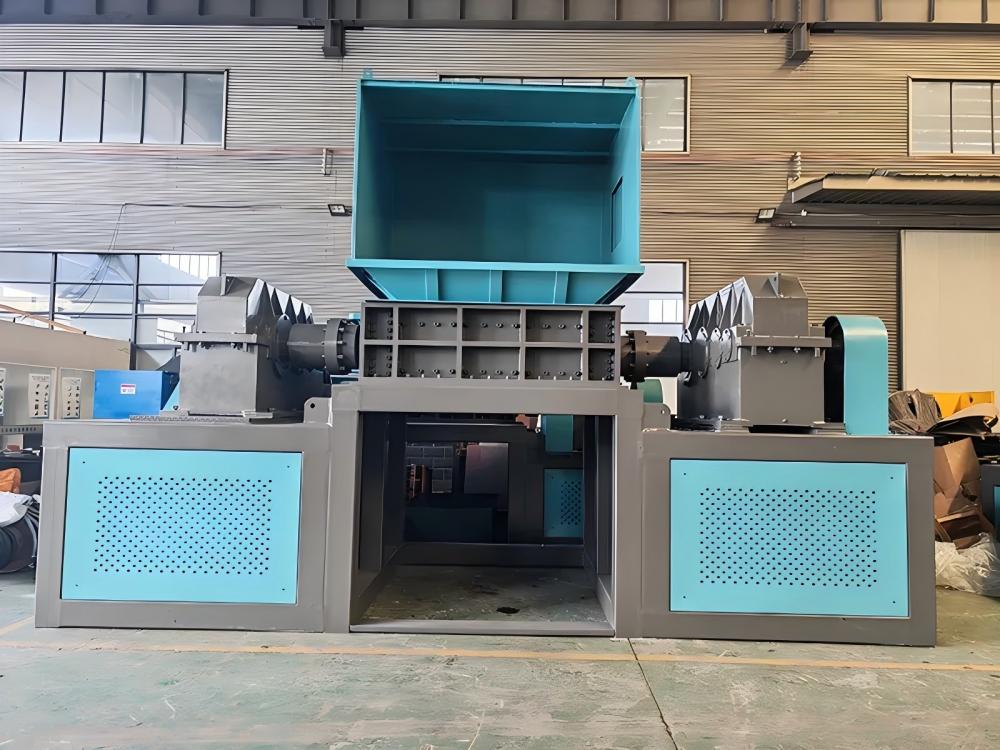
When you notice oversized output, start by performing a visual inspection of the blades while the machine is safely locked out. Look for chipped teeth, rounded edges, or excessive gaps between the intermeshing blades. If the blades show significant wear, they must be sharpened or replaced. At HARSLE, we recommend keeping a spare set of blades on hand to minimize downtime during these essential maintenance intervals.
Check the discharge screen for any signs of structural failure. If the screen has holes or if the mounting hardware is loose, the screen will not be able to catch oversized material. Ensure that the screen is securely bolted and that the mesh size is appropriate for your target output. If you are consistently getting oversized material, you may need to switch to a screen with a smaller aperture to compensate for the wear on the blades.
Review your feeding process. Are you feeding the machine in a controlled, steady stream, or are you dumping large loads at once? Implementing a conveyor system with a variable speed drive can help regulate the flow of material into the shredder. By ensuring a consistent feed rate, you allow the blades to engage with the material properly, which significantly reduces the likelihood of oversized output caused by overloading.
Finally, perform a diagnostic check on the control system. Ensure that the auto-reverse sensitivity is set correctly for the material you are currently processing. If the sensitivity is too high, the machine will reverse at the slightest resistance, preventing it from completing the shredding process. Adjusting these parameters based on the material’s hardness and density can often resolve output issues without requiring mechanical repairs.
Selection Advice: Choosing the Right Shredder for Your Needs
Preventing oversized output begins long before the machine is installed. When selecting a double-shaft shredder, it is crucial to match the machine’s specifications to your specific application. A shredder designed for light plastic recycling will not perform well when tasked with heavy-duty metal fabrication scrap. Always consult with HARSLE engineers to determine the required torque, shaft speed, and blade configuration for your specific material stream.
Consider the modularity of the machine. High-quality industrial shredders often allow for the customization of blade thickness and tooth count. If your output requirements change, having a machine that allows for easy blade configuration changes can save you from having to purchase a new unit. Investing in a machine with a robust, heavy-duty frame and high-quality bearings will also ensure that the cutting chamber remains stable over years of operation, reducing the risk of misalignment.
Think about the integration of the shredder into your wider production line. Does the machine need to be paired with a magnetic separator or a secondary granulator? Sometimes, what appears to be an “oversized output” issue is actually a limitation of the shredder’s single-stage design. In many industrial applications, a two-stage process—where the shredder performs the primary reduction and a granulator performs the final sizing—is the most effective way to ensure consistent, high-quality output.
Lastly, prioritize manufacturer support. A shredder is a long-term investment. Choosing a partner like HARSLE ensures that you have access to technical support, genuine spare parts, and expert advice when troubleshooting complex issues. Our team is dedicated to helping you optimize your machine’s performance, ensuring that your investment continues to deliver value for years to come.
Frequently Asked Questions (FAQ)
1. How often should I sharpen the blades on my double-shaft shredder?
The frequency of blade sharpening depends on the material processed and the daily throughput. Generally, we recommend a visual inspection every 200-500 operating hours. If you notice a decline in output quality or an increase in oversized pieces, it is time to inspect the blades.
2. Can I use a different blade material to reduce wear?
Yes, HARSLE offers various blade materials, including high-alloy steels and hardened tool steels, designed for specific applications. Using the correct material for your scrap type can significantly extend the time between sharpenings.
3. What is the most common cause of oversized output?
The most common cause is blade wear. As the cutting edges dull, the shredder loses its ability to shear material effectively, leading to larger, irregular pieces passing through the cutting chamber.
4. Does the speed of the shafts affect output size?
Yes, shaft speed influences how the material is grabbed and pulled into the cutting zone. In some cases, reducing the shaft speed can provide more torque and better control, leading to more consistent output.
5. How do I know if my discharge screen is the problem?
If you observe that the material is being cut well by the blades but large pieces are still exiting the machine, the discharge screen is likely damaged or has an aperture that is too large for your requirements.
Conclusion
Addressing the question, “Does a double-shaft shredder produce oversized output? Troubleshooting tips are essential,” reveals that maintaining high-quality output is a combination of proper machine selection, regular maintenance, and operational discipline. By monitoring blade wear, ensuring the integrity of the discharge screen, and optimizing your feed rate, you can keep your HARSLE shredder operating at peak efficiency.
Remember that industrial machinery is a system of interconnected parts. When one component, such as a blade or a bearing, begins to fail, it impacts the entire process. Proactive maintenance is not just about fixing problems; it is about preventing them before they lead to costly downtime or inconsistent product quality. By following the guidelines outlined in this article, you can ensure that your metal fabrication equipment continues to meet the rigorous demands of your industry.
If you continue to experience issues with oversized output despite following these troubleshooting steps, do not hesitate to contact the HARSLE technical support team. We are here to provide the expertise and support necessary to keep your production line running smoothly. Investing in your shredder’s health today will pay dividends in productivity and profitability tomorrow.