What Capacity Scrap Metal Baler Fits Your Budget? A Comprehensive Guide

Price Range Overview: Understanding the Investment Landscape
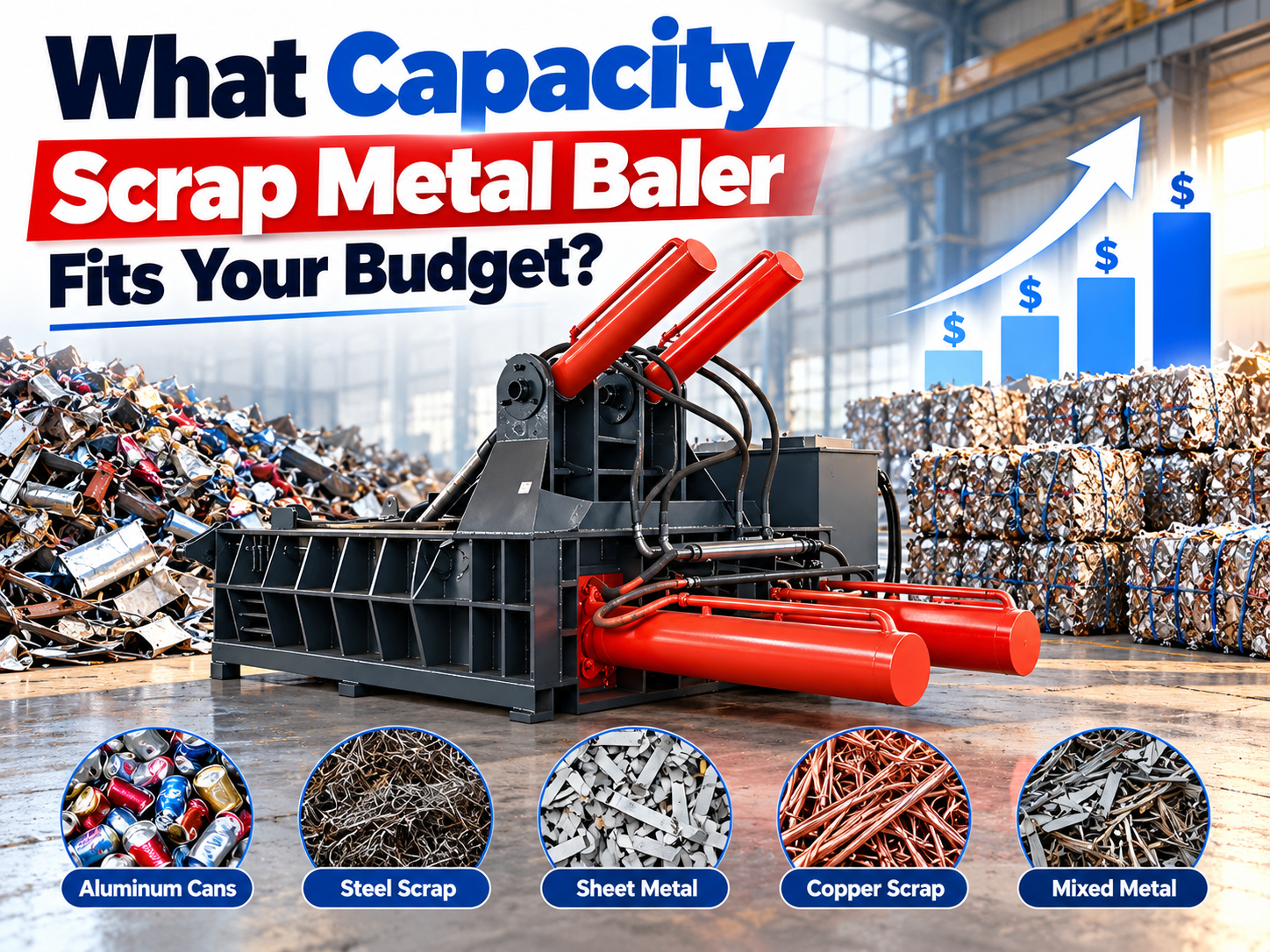
When asking, “What capacity scrap metal baler fits your budget?” the first step is understanding the vast spectrum of the industrial market. Scrap metal balers are not one-size-fits-all; they range from compact, manually operated units for small workshops to massive, fully automated hydraulic systems for large-scale recycling centers. Entry-level balers, typically designed for light-gauge aluminum or copper scrap, can start in the lower thousands, while high-capacity, multi-ram industrial balers can reach six-figure investments.
For small to medium-sized fabrication shops, the budget usually aligns with semi-automatic vertical balers. These machines offer a balance between throughput and cost, allowing businesses to manage their scrap volume without the overhead of a fully automated plant. Understanding where your specific volume falls on this spectrum is critical to avoiding over-investment in capacity you don’t need or under-investment in a machine that will become a bottleneck.
HARSLE provides a tiered approach to pricing, ensuring that whether you are a startup or an established manufacturing facility, there is a configuration that meets your financial constraints. The price range is heavily dictated by the force (measured in tons), the cycle time, and the level of automation integrated into the system. By mapping your current scrap output against these price tiers, you can identify the “sweet spot” for your capital expenditure.
It is also important to consider the secondary market versus new machinery. While used equipment might seem like a budget-friendly alternative, it often comes with hidden maintenance costs and a lack of modern safety features. Investing in a new HARSLE baler ensures you benefit from the latest hydraulic efficiency, energy-saving technology, and a comprehensive warranty, which often provides better long-term value than a cheaper, older unit.
Ultimately, the budget should be viewed as a function of your operational goals. If your goal is simply to clear floor space, a lower-capacity unit may suffice. However, if your goal is to maximize the revenue generated from scrap sales by creating high-density, mill-ready bales, a higher-capacity machine is an investment that pays for itself through improved material pricing and reduced logistics costs.
Main Cost Drivers: What You Are Actually Paying For
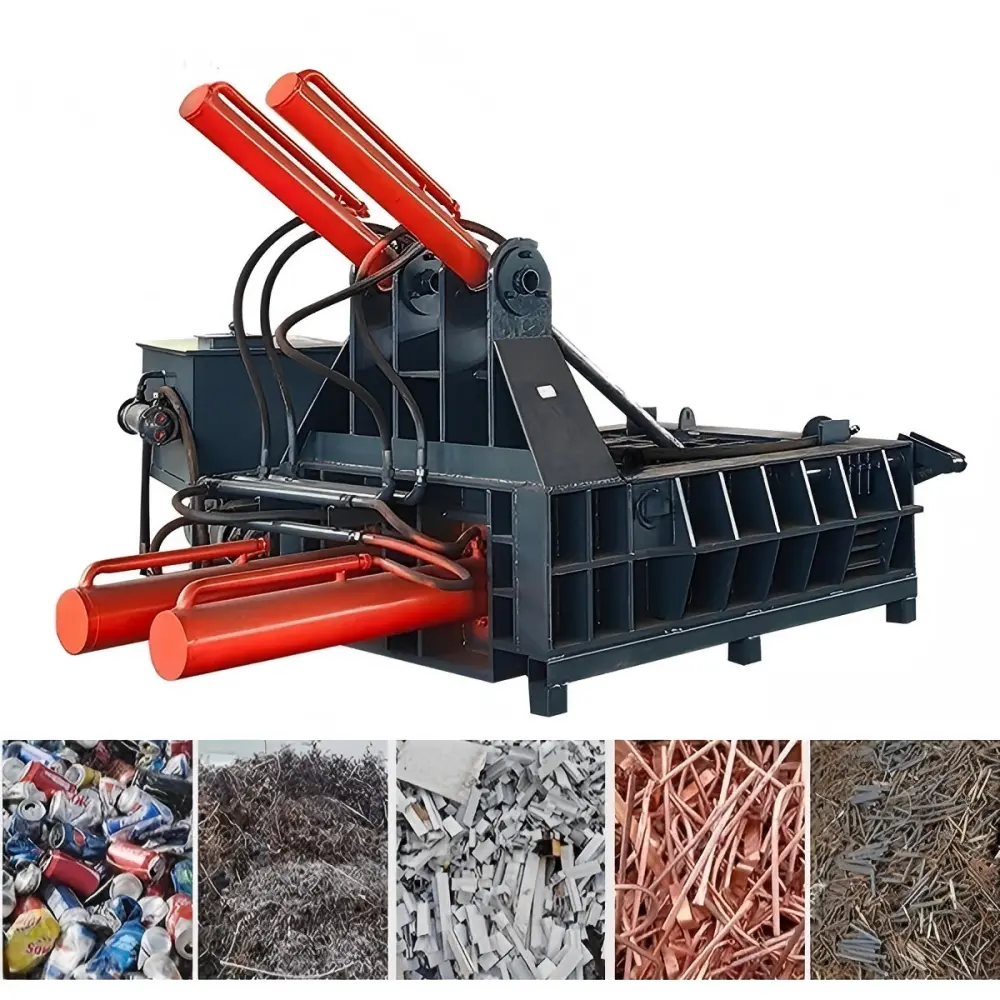
The primary cost driver in any scrap metal baler is the hydraulic system. The power required to compress steel, copper, or aluminum into a dense block is immense. High-quality hydraulic pumps, cylinders, and valves are the heart of the machine; cheaper components may lower the initial price but will inevitably lead to premature failure and costly downtime. When evaluating a quote, look closely at the specifications of the hydraulic power unit (HPU).
Another significant factor is the structural integrity of the baling chamber. The chamber must withstand extreme pressure without deforming or cracking. Heavy-duty steel plating, reinforced welds, and wear-resistant liners are essential for long-term durability. A baler that is built with thinner steel will be cheaper to purchase but will require frequent repairs as the chamber walls begin to bow under the stress of daily operation.
Automation levels also drive the price upward. A manual baler requires an operator to tie off the bales and manually load the material, which is labor-intensive. Semi-automatic models may include features like automatic bale ejection or conveyor feed systems, while fully automatic balers can operate with minimal human intervention. Each layer of automation adds to the initial cost but significantly reduces the long-term labor costs associated with the baling process.
The control system, often featuring Programmable Logic Controllers (PLCs), is another cost component. Modern HARSLE balers utilize advanced PLC systems to optimize cycle times, monitor hydraulic pressure, and provide diagnostic feedback. These systems ensure that the machine operates at peak efficiency, preventing energy waste and reducing the wear and tear on mechanical components. While a simple relay-based control system is cheaper, it lacks the precision and data-gathering capabilities of a modern PLC.
Finally, consider the safety and compliance features. Industrial machinery must meet rigorous safety standards, including emergency stops, light curtains, and interlocked access doors. These features are non-negotiable for workplace safety and regulatory compliance. A reputable manufacturer like HARSLE integrates these into the base price, whereas budget-focused suppliers might offer them as expensive add-ons, making the final price higher than the initial quote suggests.
Configuration Impact: Matching Capacity to Your Needs
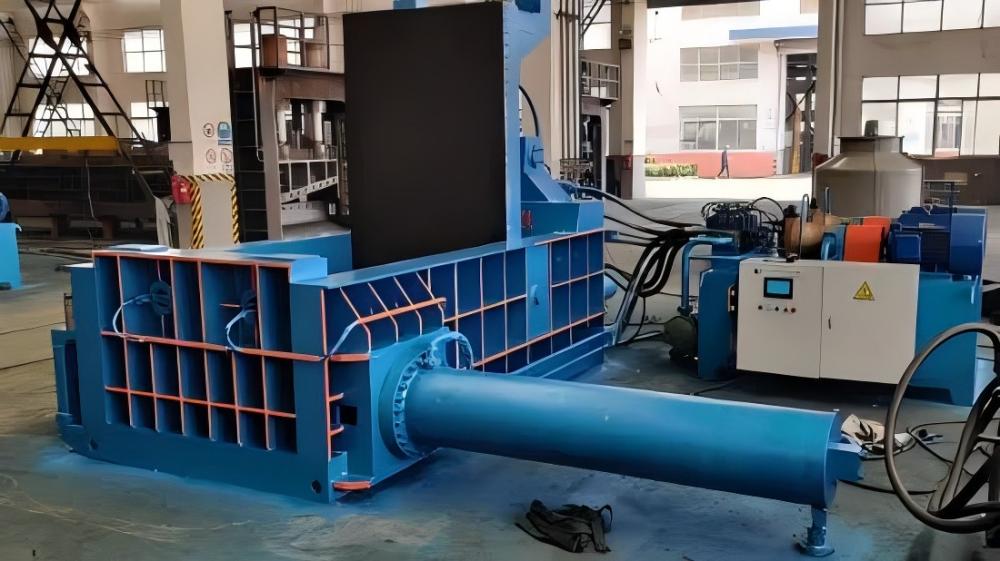
The configuration of your scrap metal baler—specifically whether it is a vertical or horizontal design—will dictate both your budget and your floor space requirements. Vertical balers are generally more affordable and occupy a smaller footprint, making them ideal for shops with limited space and moderate scrap volumes. They are excellent for baling aluminum cans, light sheet metal, and copper wire, but they are generally not suitable for heavy-duty steel scrap.
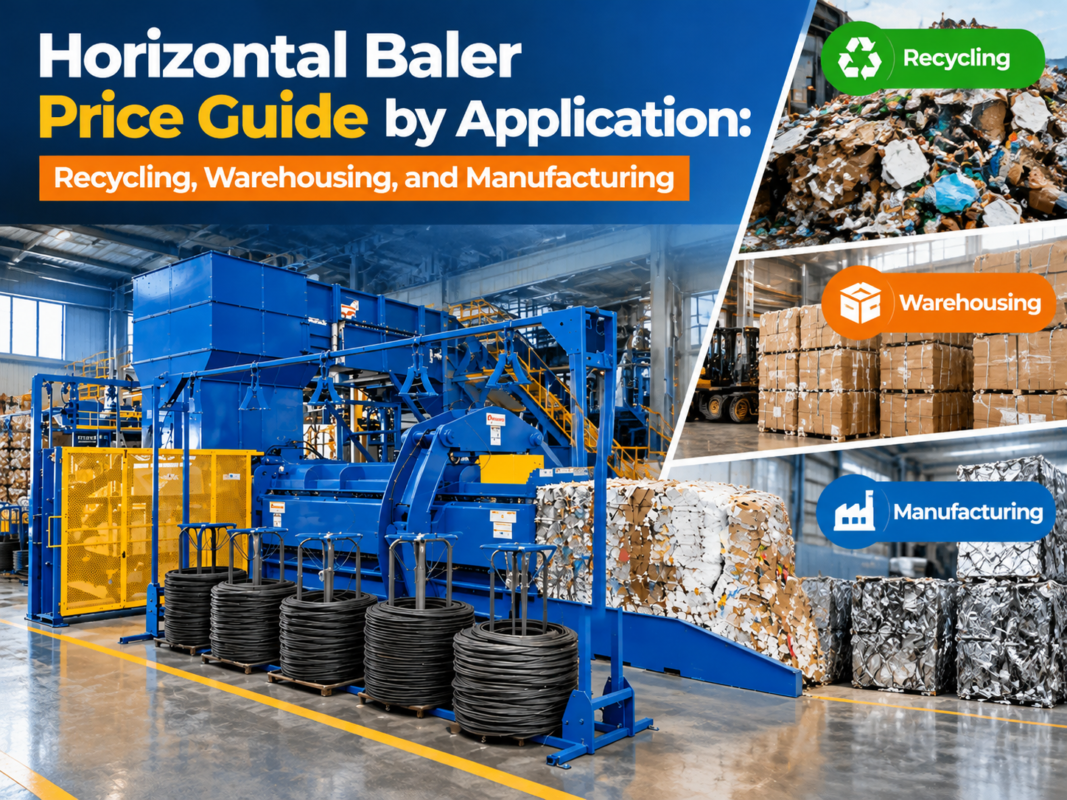
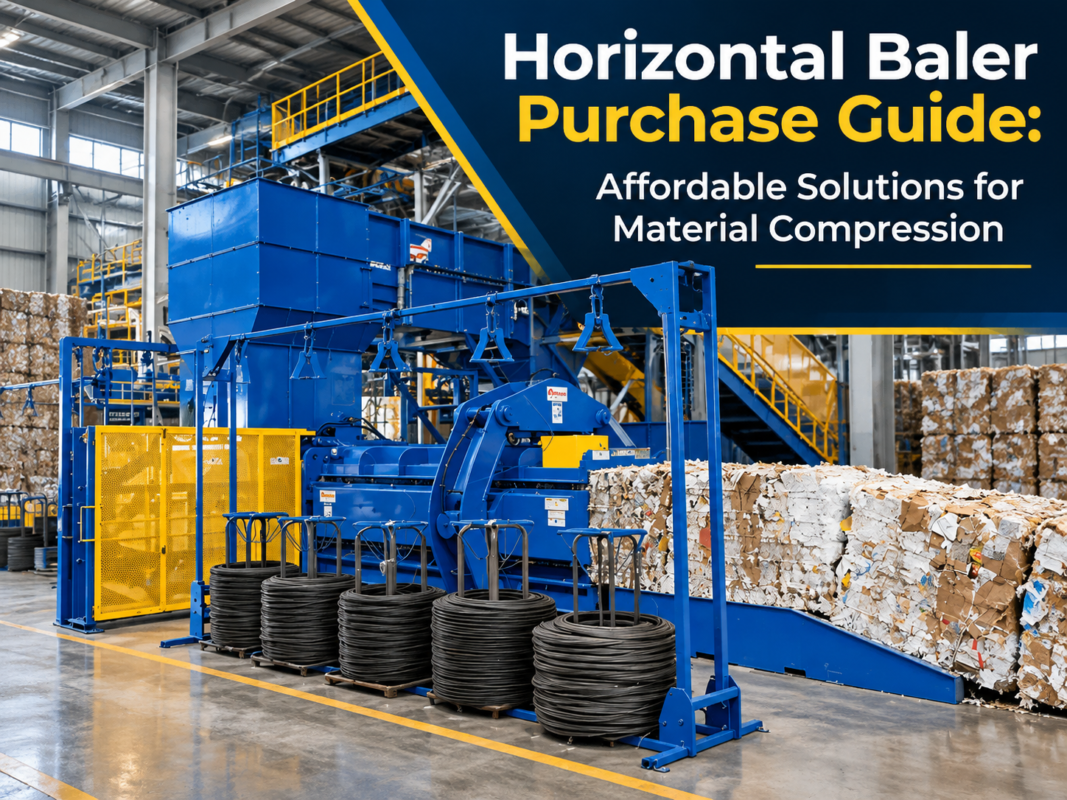
Horizontal balers, on the other hand, are the workhorses of the recycling industry. They are designed for continuous feeding and high-volume output. While they require a larger capital investment and more floor space, their ability to process large quantities of scrap metal quickly makes them the most cost-effective solution for high-volume fabricators. The configuration choice should be based on your daily tonnage and the physical dimensions of your scrap material.
Another configuration factor is the feed method. Will you be loading the baler by hand, using a forklift, or via an automated conveyor system? Hand-loading is the cheapest option but is slow and labor-intensive. Forklift loading requires a hopper or a wider feed opening, which increases the machine’s complexity and cost. Conveyor systems are the most efficient but represent a significant additional investment. Choosing the right feed method is crucial for balancing your budget with your operational throughput.
The bale size and density requirements also impact configuration. Different industries have different requirements for “mill-ready” scrap. If you are selling your scrap to a foundry, they may require specific bale dimensions and densities to fit their furnaces. A baler that produces a bale that is too light or the wrong size may result in lower scrap prices. Therefore, the configuration must be chosen to meet the specific requirements of your scrap buyers to ensure you are getting the best return on your material.
Lastly, consider the power source. While most industrial balers run on three-phase electricity, some smaller units can be configured for single-phase power. If your facility does not have three-phase power, upgrading your electrical infrastructure can be a hidden cost that significantly impacts your total budget. Always consult with an electrician before finalizing your baler configuration to ensure your facility can support the machine’s power requirements.
Hidden Costs: Beyond the Initial Purchase Price
When determining what capacity scrap metal baler fits your budget, it is easy to focus solely on the sticker price. However, the total cost of ownership (TCO) includes several hidden expenses that can quickly derail a budget. Installation costs, for instance, are often overlooked. This includes the cost of a concrete pad, electrical wiring, and potentially the need for a crane or forklift to position the machine. These site preparation costs can add thousands to the project.
Maintenance and consumables are another major hidden cost. Every baler requires regular maintenance, including hydraulic oil changes, filter replacements, and the inspection of wear parts like shear blades and guide rails. If you choose a machine that uses proprietary parts, you will be locked into the manufacturer’s pricing for spares. HARSLE emphasizes the use of standardized, high-quality components to ensure that maintenance remains affordable and parts are readily available.
Energy consumption is a long-term cost that is often ignored during the buying process. A baler that runs inefficiently will consume more electricity over its lifespan, leading to higher utility bills. Modern balers with variable frequency drives (VFDs) can significantly reduce energy usage by adjusting the motor speed based on the load. While these machines have a higher upfront cost, the energy savings over five to ten years can be substantial.
Training and labor costs must also be factored in. A complex machine requires skilled operators who understand how to safely and efficiently run the equipment. If your staff requires extensive training, or if the machine is so complex that it requires a dedicated technician, these are ongoing costs that should be calculated into your budget. A user-friendly interface, like those found on HARSLE equipment, can reduce the training burden and minimize the risk of operator error.
Finally, consider the cost of downtime. If your baler breaks down, how long will it take to get it back up and running? If the manufacturer does not have local support or a robust supply chain for parts, you could be looking at days or weeks of lost productivity. A slightly higher investment in a machine from a reputable manufacturer with strong support infrastructure is often a form of insurance against the high cost of unplanned downtime.
ROI Calculation: Justifying the Investment
To determine if a specific capacity scrap metal baler fits your budget, you must calculate the Return on Investment (ROI). The ROI is driven by three main factors: reduced logistics costs, increased scrap revenue, and improved floor space utilization. By baling your scrap, you significantly increase the density of the material, which means you can fit more weight into a single shipping container or truck. This reduces the number of trips required to transport your scrap, directly lowering your logistics costs.
Increased scrap revenue is the second pillar of ROI. Scrap dealers pay a premium for “mill-ready” bales because they are easier to handle, store, and melt. Loose scrap is bulky and difficult to transport, which often results in lower prices. By converting your loose scrap into dense, uniform bales, you move your material into a higher price bracket. Over time, the difference in the price per ton can be significant, often paying for the baler within 18 to 36 months.
Improved floor space utilization is a less tangible but equally important benefit. Loose scrap takes up a massive amount of valuable floor space in a fabrication shop. By consolidating this waste into compact bales, you free up space for more production equipment or inventory. This allows you to increase your overall shop throughput, which indirectly contributes to your bottom line. When calculating ROI, assign a dollar value to the square footage you reclaim.
To perform a formal ROI calculation, start by estimating your monthly scrap volume in tons. Then, determine the current price you receive for loose scrap versus the price you would receive for baled scrap. Subtract the cost of electricity, maintenance, and labor from the additional revenue generated by the higher scrap price. The resulting figure is your monthly savings. Divide the total cost of the baler by this monthly savings to determine your payback period.
Don’t forget to account for tax incentives and depreciation. Many governments offer tax credits or accelerated depreciation schedules for investments in recycling and waste management equipment. These financial benefits can significantly shorten your payback period and make a higher-capacity, more expensive baler more attractive from a budgetary perspective. Consult with your accountant to understand how these tax advantages apply to your specific business situation.
Buying Advice: Steps to a Successful Purchase
The first step in buying a scrap metal baler is to conduct a thorough audit of your waste stream. What types of metal are you processing? What are the dimensions of the largest pieces? What is your daily or weekly volume? Having accurate data is essential for selecting the right capacity. If you overestimate your needs, you will overspend; if you underestimate, you will face bottlenecks that hinder your production.
Once you have your data, reach out to manufacturers like HARSLE for a consultation. A good manufacturer will not just try to sell you the most expensive machine; they will work with you to understand your specific operational challenges and recommend a solution that fits your budget and your goals. Ask for references from other businesses in your industry who are using similar equipment. Their feedback on reliability, ease of use, and support will be invaluable.
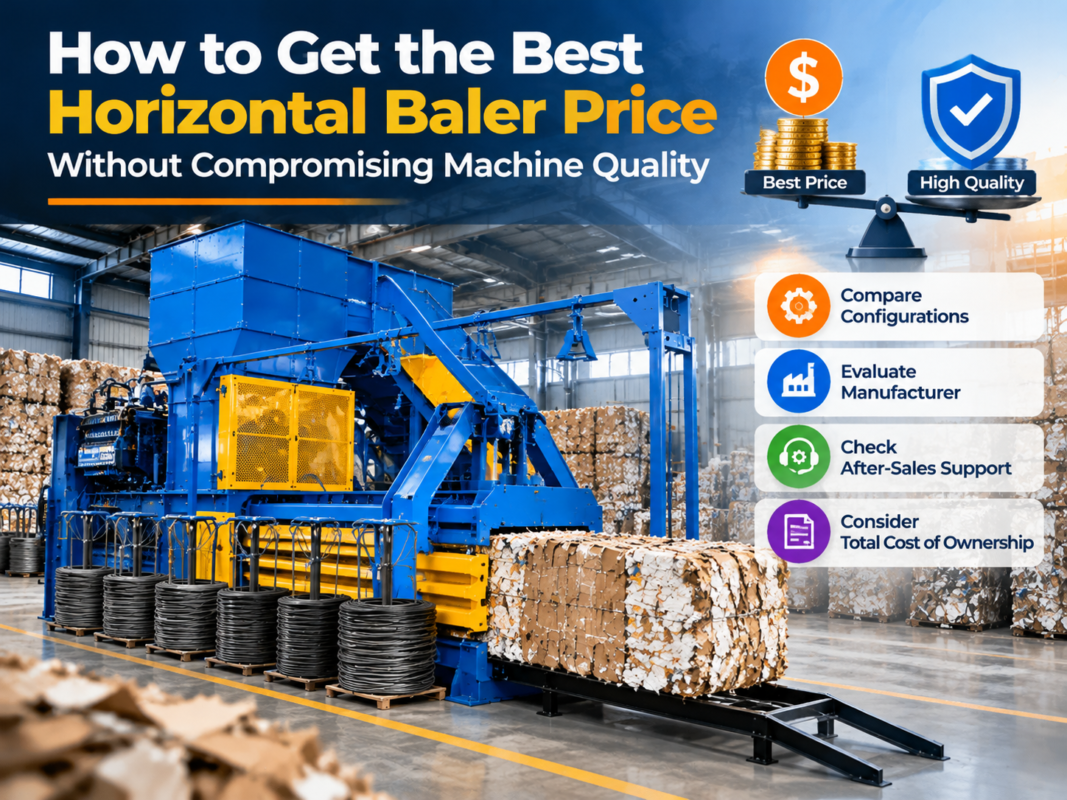
When reviewing quotes, compare them on an “apples-to-apples” basis. Ensure that each quote includes the same features, such as conveyor systems, safety guards, and installation support. If one quote is significantly cheaper, investigate why. Is the steel thinner? Is the hydraulic system less powerful? Is the warranty shorter? Often, the cheapest quote is the most expensive in the long run due to hidden costs and lower durability.
Consider the future growth of your business. If you expect your production volume to increase over the next few years, it may be wise to invest in a baler with slightly more capacity than you currently need. While this increases your initial budget, it prevents the need to replace the machine prematurely when your volume outgrows its capabilities. A scalable solution is often the most budget-conscious choice in the long term.
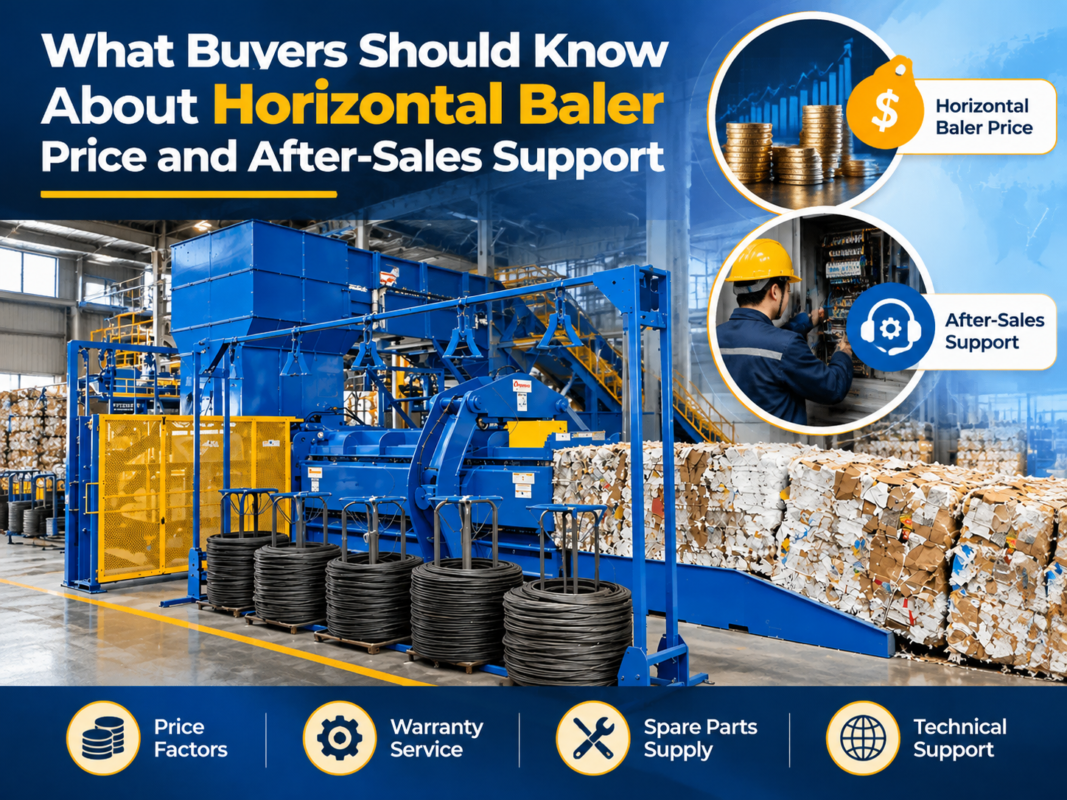
Finally, prioritize the support and service agreement. A baler is a long-term asset, and you need a partner who will stand behind their product. Ask about the availability of spare parts, the response time for service calls, and the availability of remote diagnostic support. A manufacturer that offers comprehensive training for your operators and ongoing technical support will provide much better value than a supplier who simply delivers the machine and disappears.
FAQ: Common Questions About Scrap Metal Baler Budgets
How much does a basic scrap metal baler cost?
A basic vertical baler for light scrap can start around $5,000 to $15,000. However, for industrial-grade metal fabrication, you should expect to budget between $25,000 and $75,000 for a reliable, semi-automatic unit.
Is it better to buy a new or used baler?
New balers offer warranties, modern safety features, and higher energy efficiency. Used balers are cheaper upfront but often carry risks of hidden mechanical issues and higher maintenance costs. For long-term reliability, new is generally recommended.
What is the most important feature to look for?
The hydraulic system’s quality and the structural integrity of the baling chamber are the most critical factors. These determine the machine’s lifespan and its ability to produce high-density, profitable bales.
How do I calculate the payback period?
Calculate the difference in revenue between loose and baled scrap, subtract the operating costs (electricity, maintenance, labor), and divide the total machine cost by this monthly net gain.
Does HARSLE offer financing options?
Yes, many industrial machinery manufacturers, including HARSLE, offer financing or leasing options to help businesses manage their capital expenditure and preserve cash flow while investing in necessary equipment.
How often does a baler need maintenance?
Routine maintenance should be performed according to the manufacturer’s schedule, typically every 500 to 1,000 hours of operation. This includes oil checks, filter changes, and inspecting wear parts.