Case Study On Briquetting Machine Performance In A Stainless Steel Chip Recovery Line

Introduction
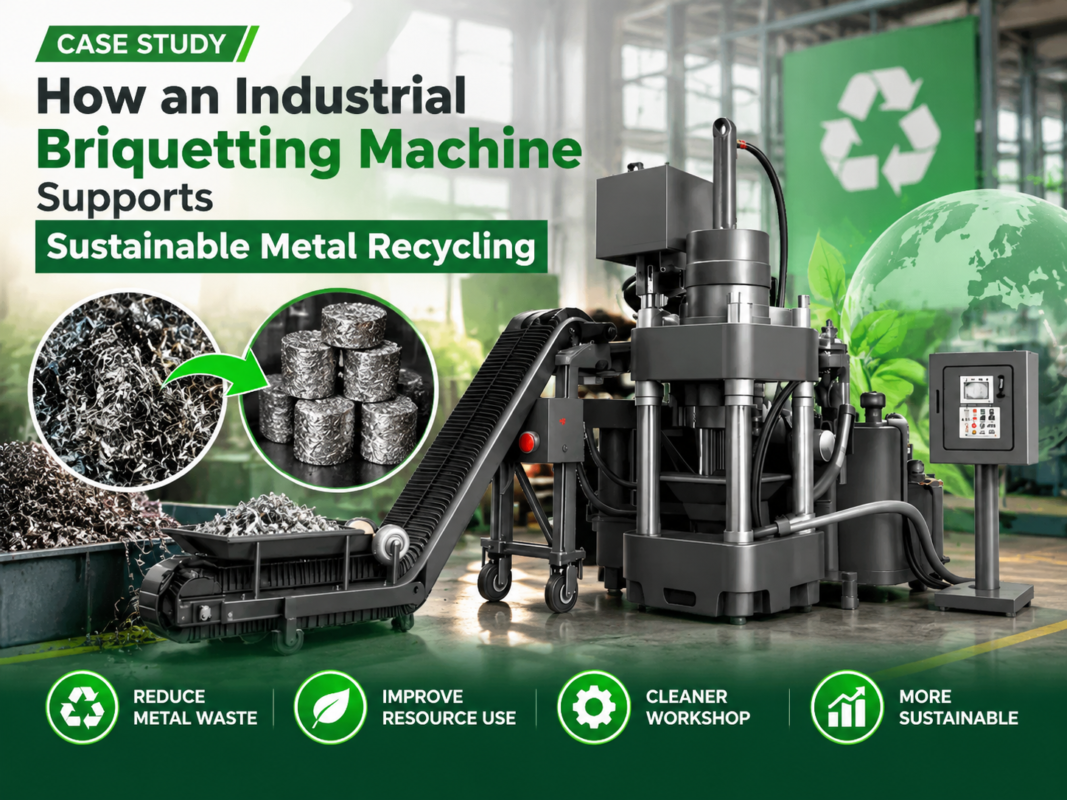
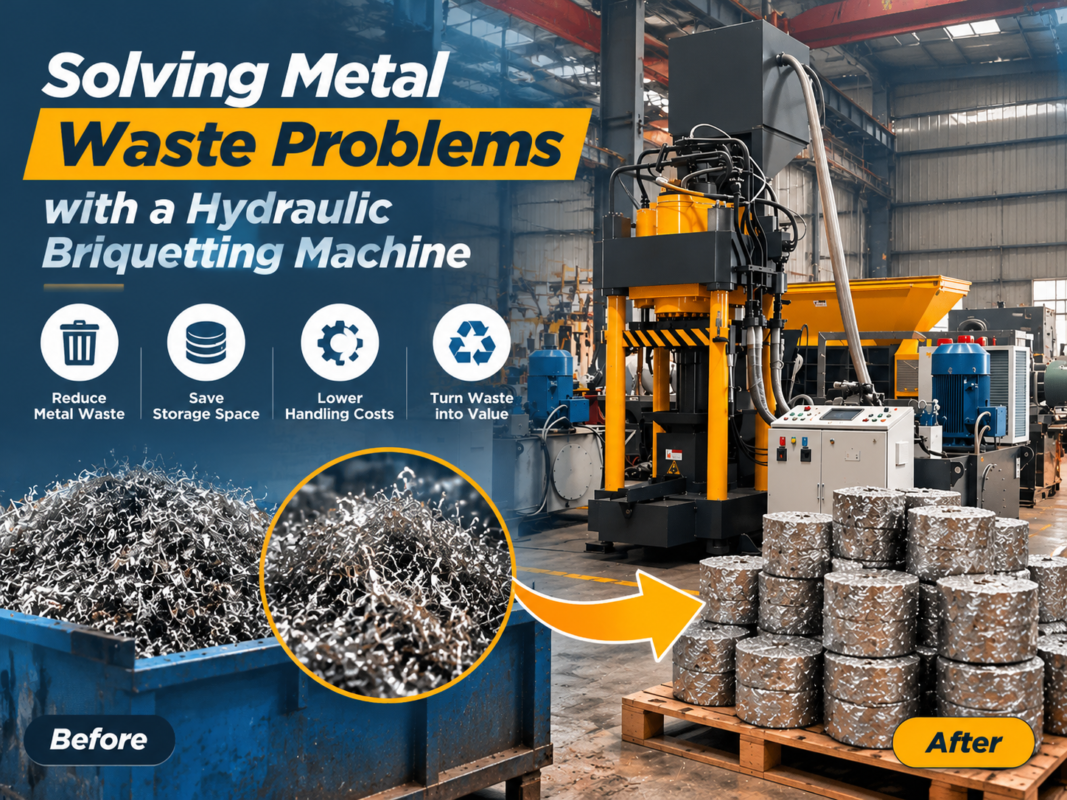
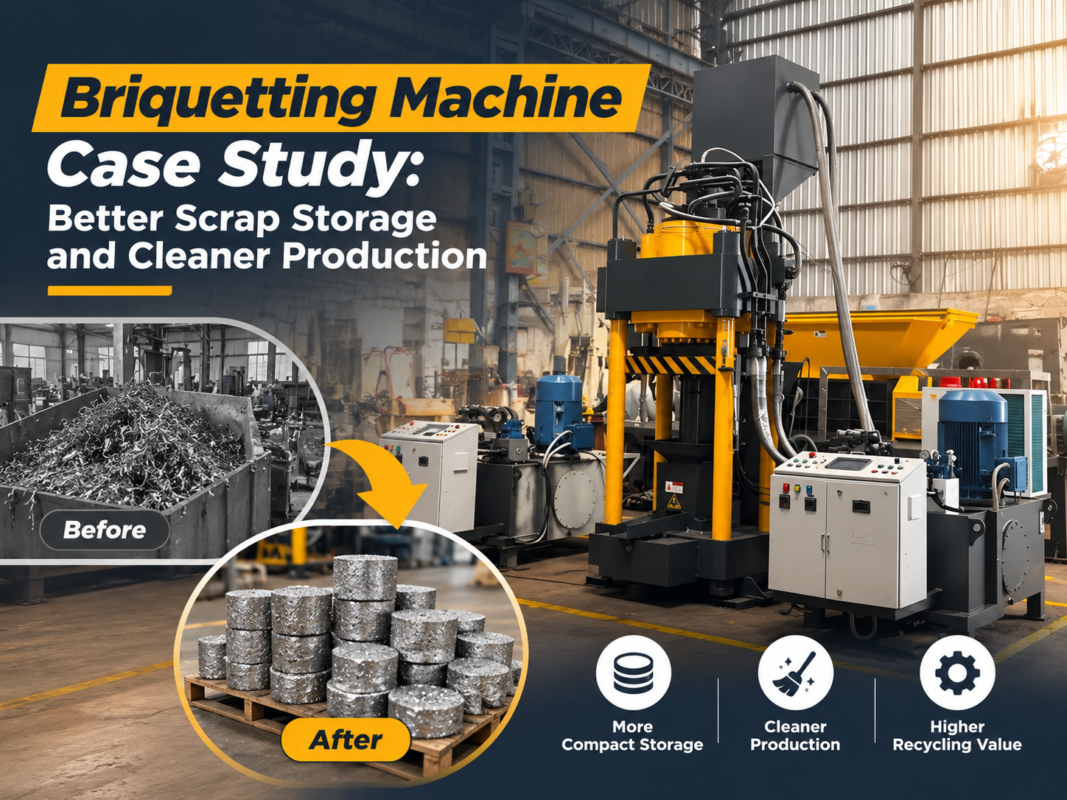
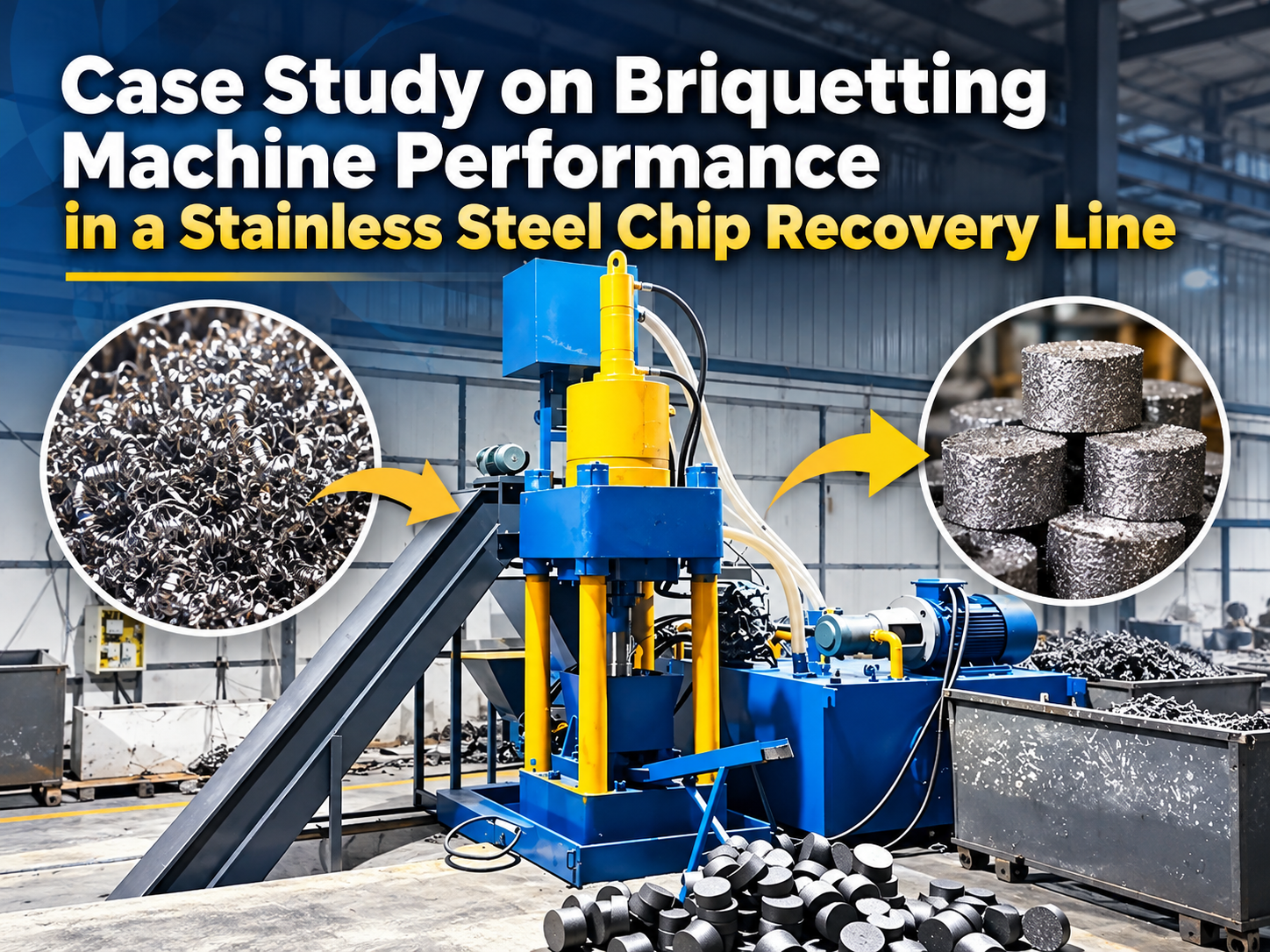
In the modern metal fabrication landscape, the efficient management of waste is no longer just an environmental consideration; it is a critical pillar of operational profitability. Stainless steel, while highly valuable, produces significant volumes of turnings, chips, and swarf during machining processes. Without proper management, these byproducts occupy vast amounts of floor space, pose safety hazards, and result in significant coolant loss. This article presents a comprehensive Case Study On Briquetting Machine Performance In A Stainless Steel Chip Recovery Line, highlighting how HARSLE technology transforms waste management into a revenue-generating asset.
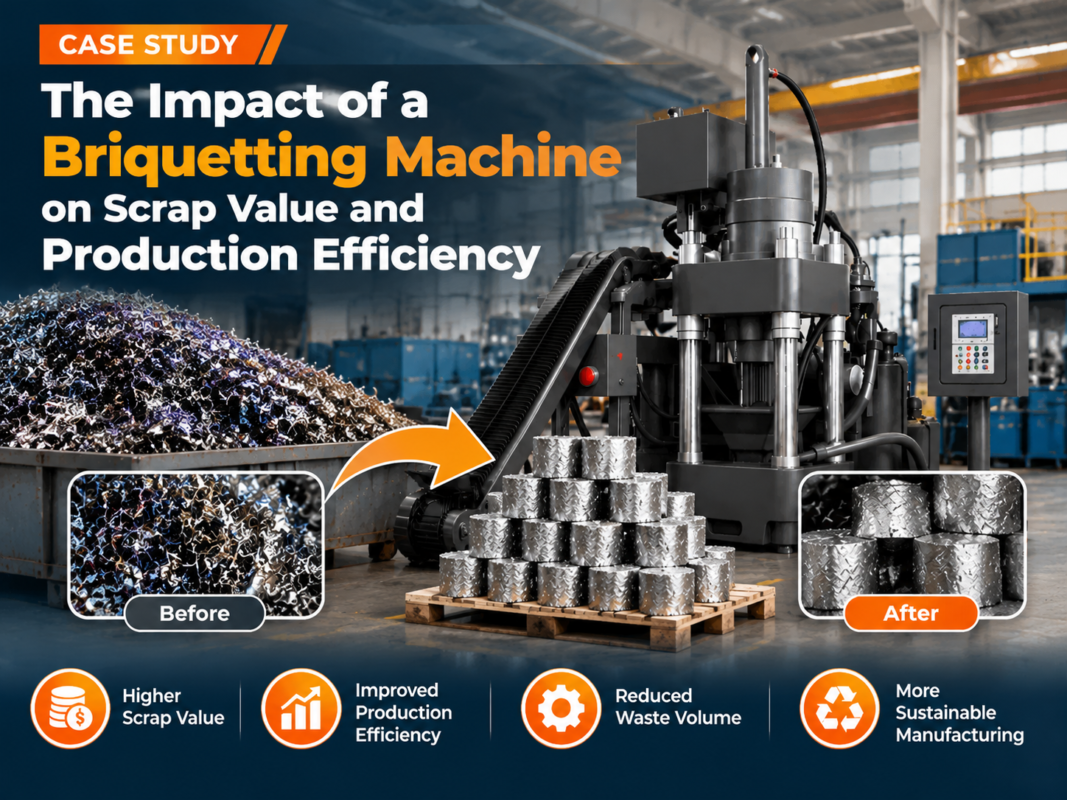
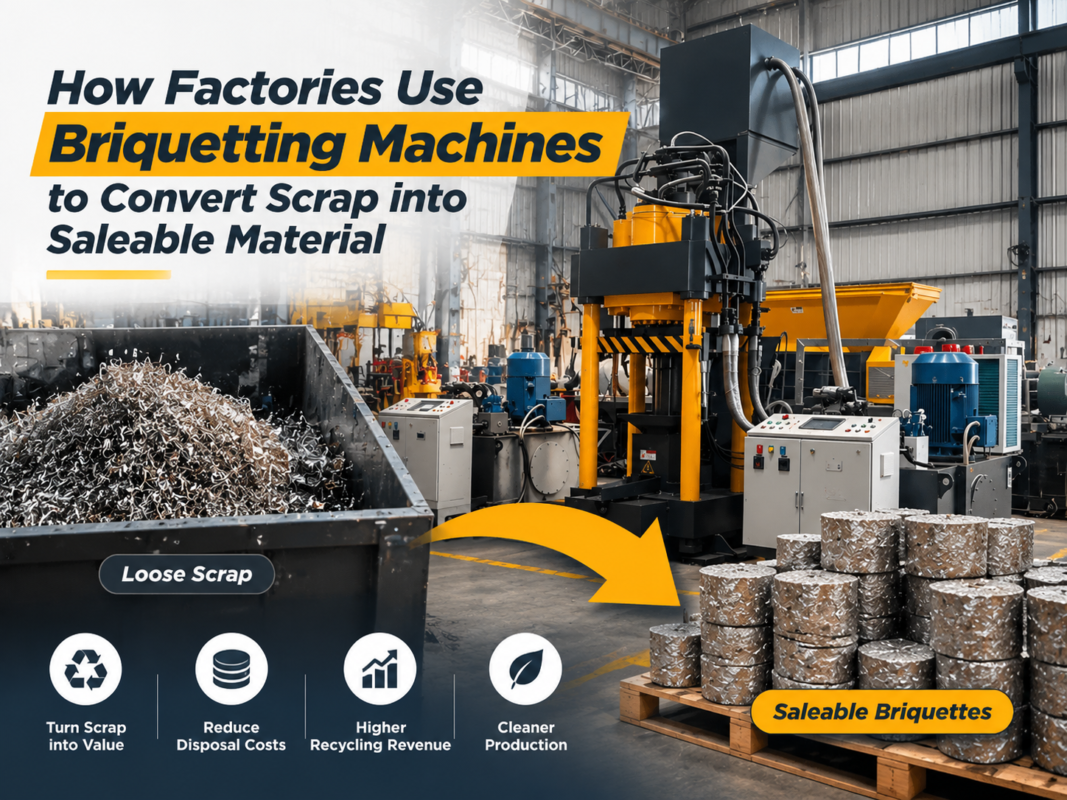
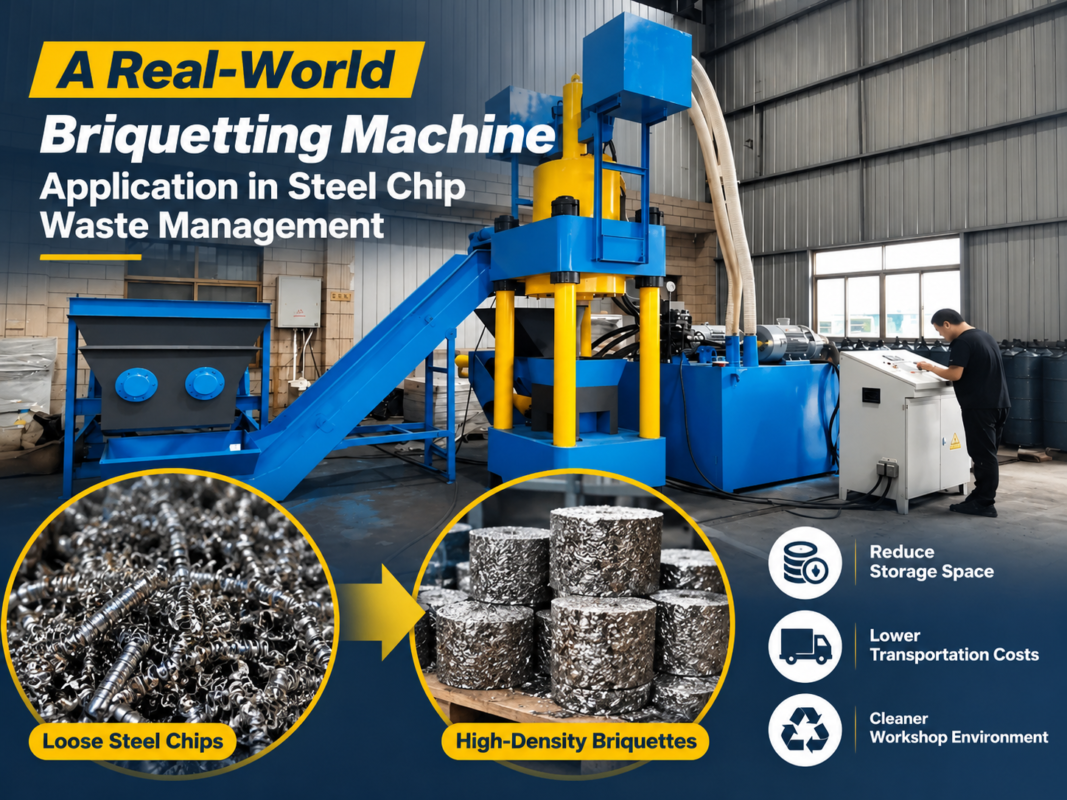
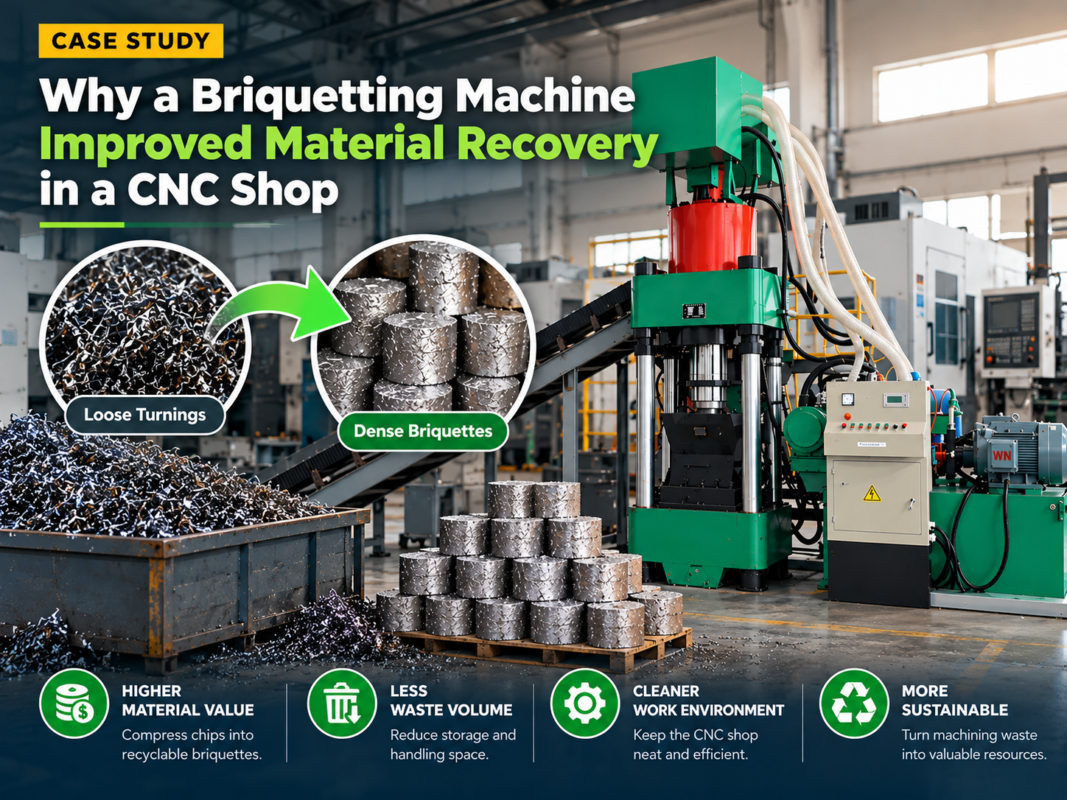
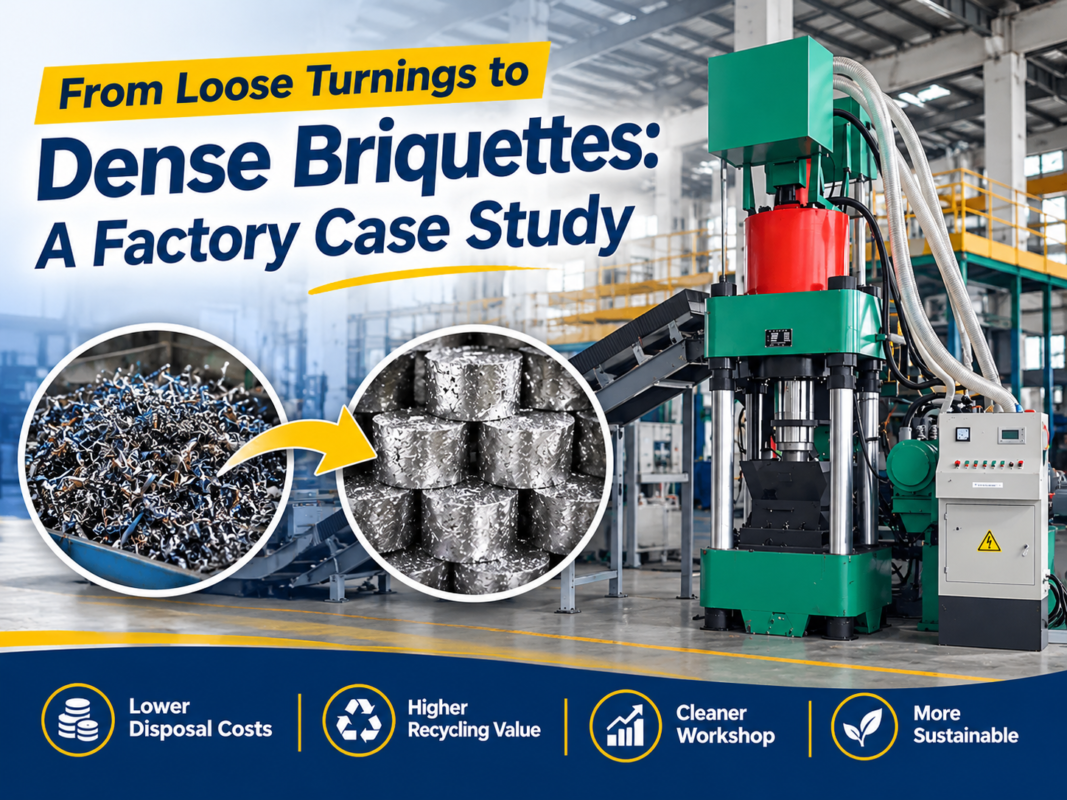
The primary challenge for high-volume stainless steel fabricators is the bulk density of loose chips. Stainless steel chips are notoriously difficult to handle due to their stringy nature and high oil content. When left untreated, they are classified as low-value scrap, often incurring high logistics costs due to their volume. By implementing a high-pressure briquetting system, manufacturers can compress these chips into dense, uniform pucks. This process not only recovers expensive cutting fluids but also upgrades the scrap value significantly, providing a clear return on investment for industrial facilities.
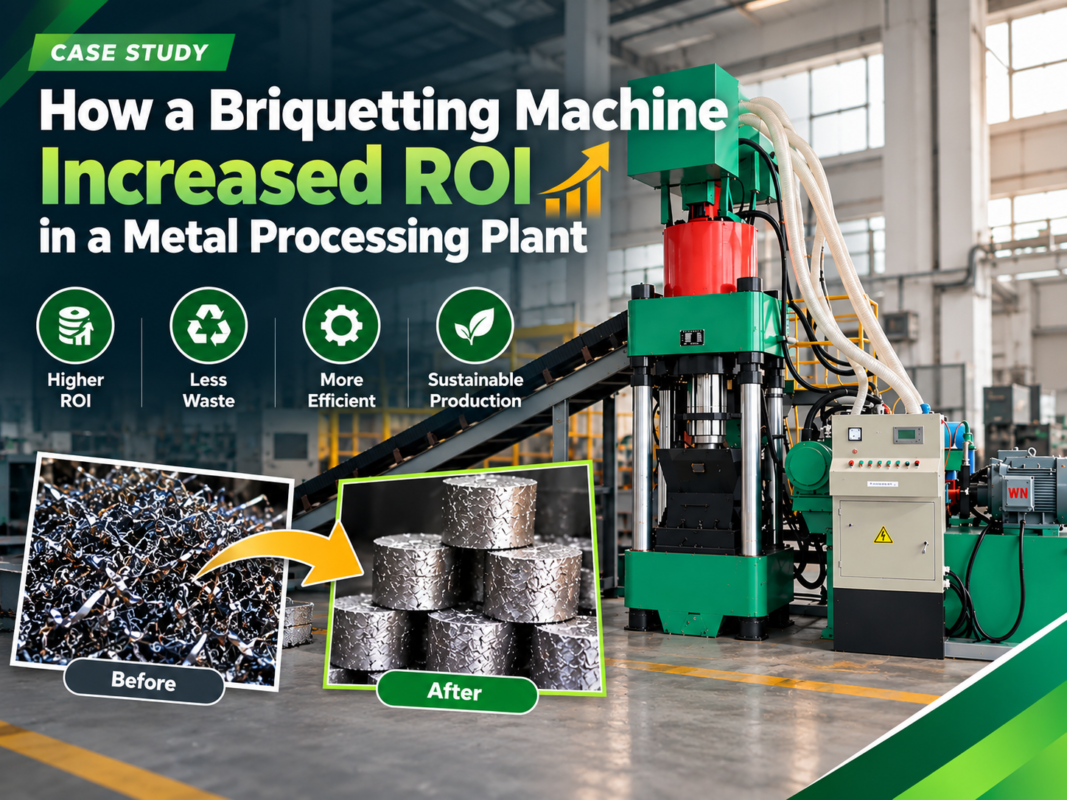
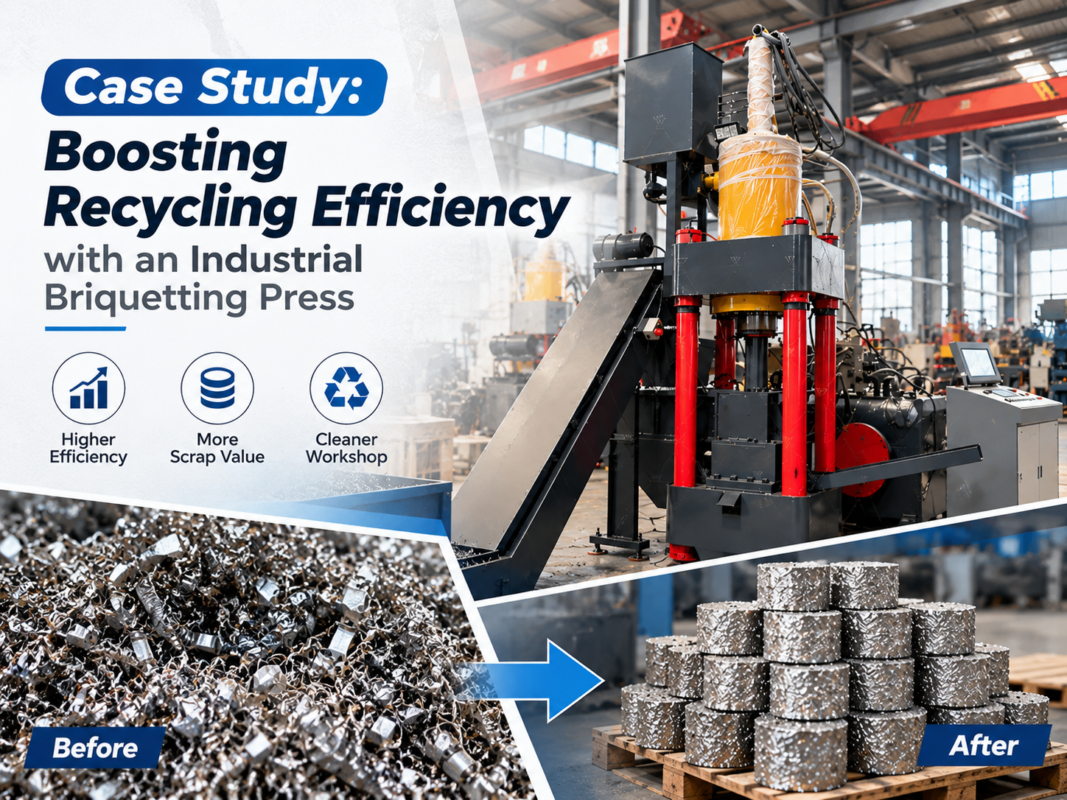
This case study examines a mid-sized aerospace component manufacturer that integrated a HARSLE hydraulic briquetting press into their existing production line. The objective was to reduce waste disposal costs, improve coolant recovery rates, and streamline logistics. Over a twelve-month period, the facility monitored performance metrics, energy consumption, and material handling efficiency. The results provide a blueprint for other fabricators looking to optimize their metal chip recovery lines through advanced mechanical compression.
As we delve into the technical aspects of this implementation, it is essential to understand that a briquetting machine is not merely a compactor; it is a precision-engineered piece of metal fabrication equipment. The integration process requires careful consideration of chip morphology, moisture content, and the specific alloy characteristics of stainless steel. By analyzing this real-world application, we aim to provide actionable insights for plant managers and production engineers seeking to modernize their scrap handling protocols.
Key Considerations for Chip Recovery
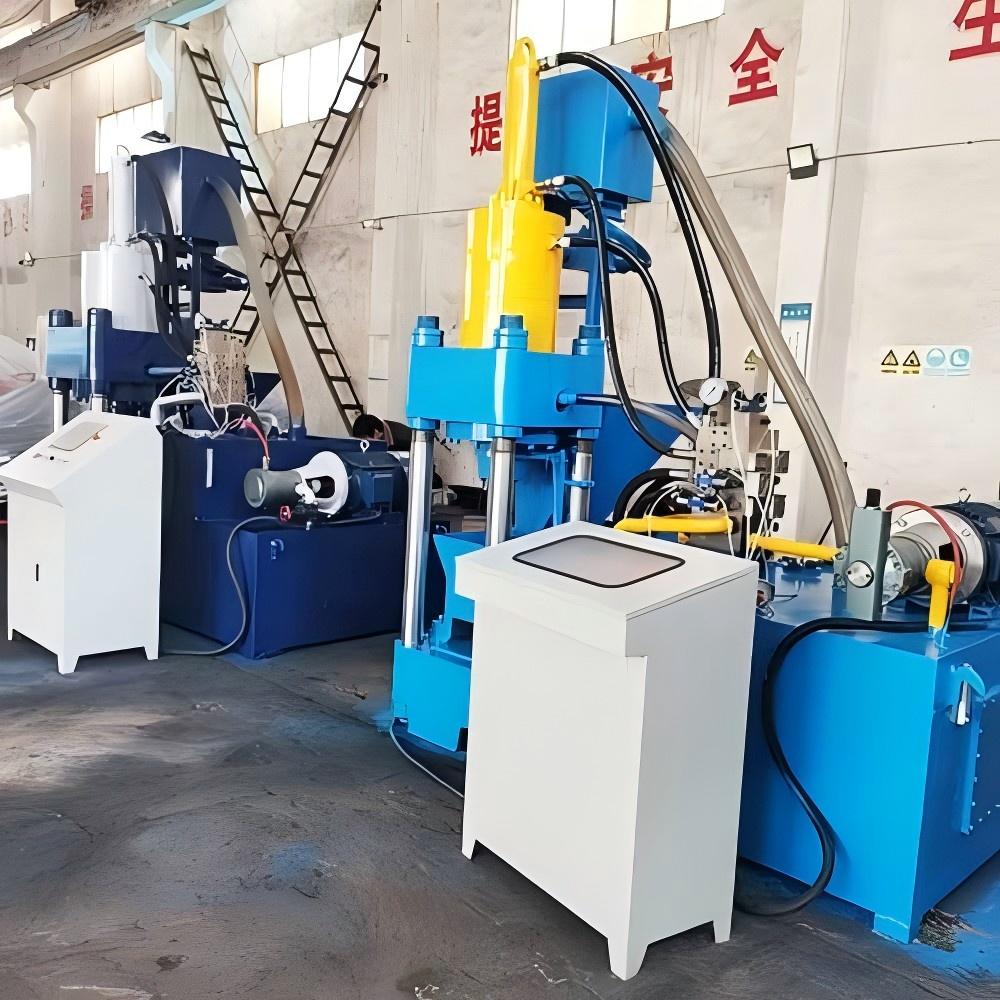
Before selecting a briquetting solution, facility managers must evaluate the physical characteristics of their waste stream. Stainless steel chips vary significantly depending on the machining process—turning, milling, or drilling. Long, stringy turnings require a pre-shredder to ensure consistent feeding into the briquetting chamber, whereas short, granular chips can often be fed directly. Understanding these nuances is the first step in a successful Case Study On Briquetting Machine Performance In A Stainless Steel Chip Recovery Line.
Coolant recovery is perhaps the most significant financial driver in this process. Stainless steel chips are often saturated with high-performance synthetic or semi-synthetic coolants. When chips are loose, this fluid is lost to the scrap bin, representing a recurring operational expense. A high-pressure briquetting machine acts as a mechanical filter, squeezing out up to 95% of the residual coolant. This recovered fluid can be filtered, treated, and returned to the machine tool sump, drastically reducing the need for new coolant purchases.
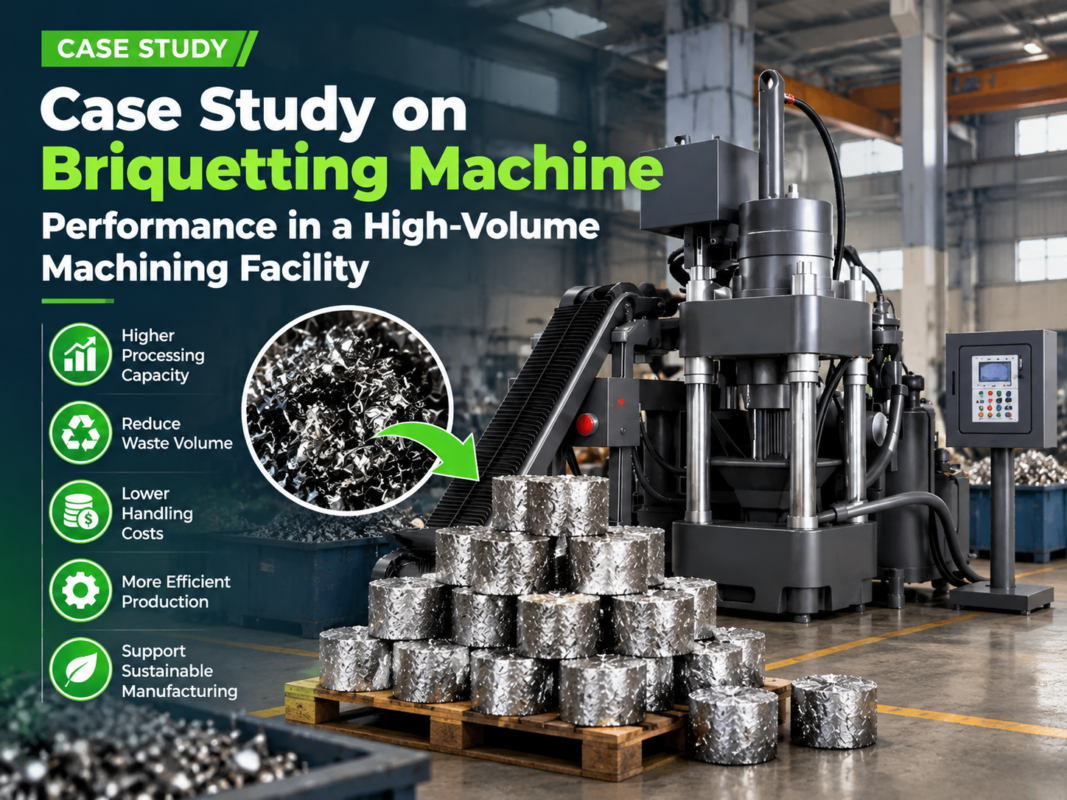
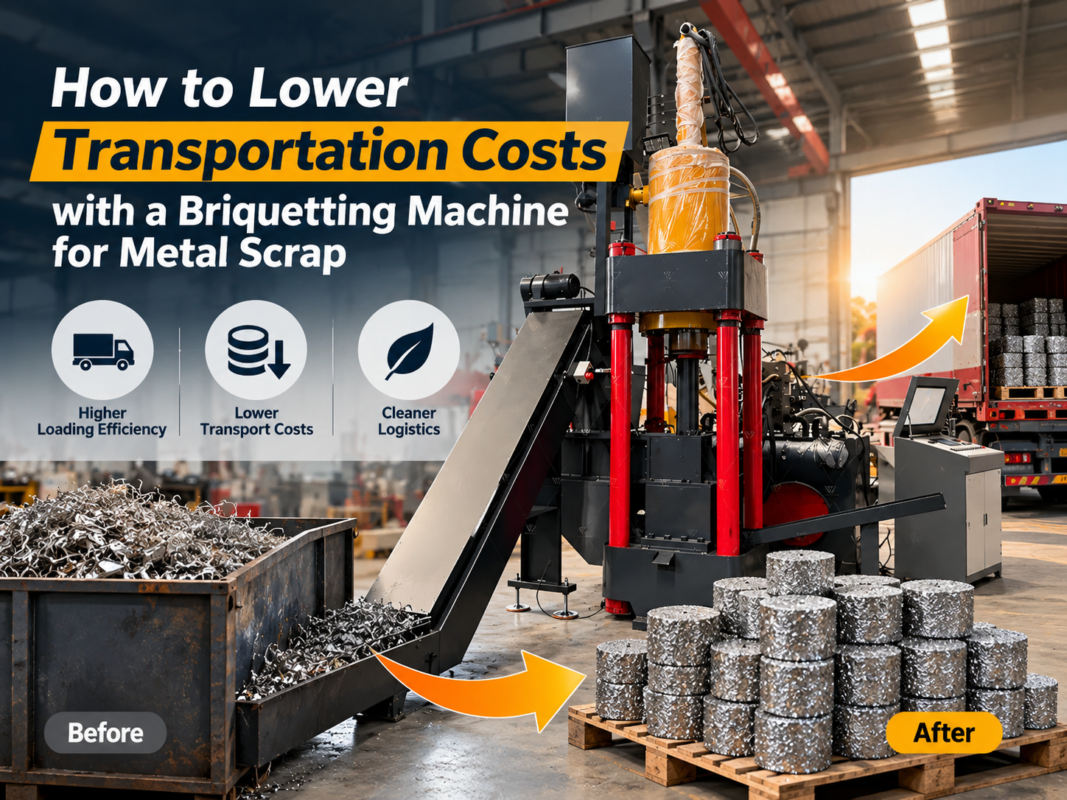
Logistics and storage space represent the hidden costs of metal fabrication. Loose chips have a low bulk density, meaning a standard scrap hopper fills up quickly, requiring frequent transport and high labor costs. By compressing chips into dense briquettes, the volume is reduced by a factor of 10 to 20. This allows for more efficient storage, easier transport, and a cleaner, safer shop floor. Furthermore, briquettes are easier to handle with automated conveyor systems, reducing the reliance on manual labor for scrap removal.
Environmental compliance and safety are also paramount. Loose, oil-soaked chips are a fire hazard and a source of slip-and-fall accidents. They also pose a risk of soil contamination if stored outdoors. Briquetting mitigates these risks by creating a stable, dry, and compact product. In this case study, the client noted a 40% reduction in shop floor accidents related to scrap handling within the first six months of operation, proving that the benefits extend far beyond simple material recovery.
Technical Details of the Briquetting Process
The core of the HARSLE briquetting system lies in its hydraulic pressure capacity. For stainless steel, which has high tensile strength, the machine must exert sufficient force to overcome the material’s elasticity. The hydraulic circuit is designed to provide a sustained, high-pressure stroke that forces the chips into a dense, interlocking structure. This process relies on the material’s own properties, often eliminating the need for binders or additives, which ensures the briquettes remain pure and highly recyclable.
The cycle time and throughput capacity are critical technical parameters. In our case study, the HARSLE system was configured to handle a throughput of 200-300 kg per hour, matching the output of the facility’s CNC machining center. The machine features an automated feeding hopper with an integrated agitator to prevent bridging—a common issue where chips interlock and stop flowing. This automation ensures that the briquetting process runs in parallel with production, requiring minimal operator intervention.
Control systems play a vital role in modern metal fabrication equipment. The HARSLE briquetting machine utilizes a PLC-based control system that monitors pressure, cycle time, and oil temperature. If the material density changes, the system automatically adjusts the stroke length to maintain consistent briquette quality. This level of precision is essential for stainless steel, as inconsistent briquettes can break apart during transport, negating the benefits of the densification process.
Maintenance requirements for these machines are relatively low but must be systematic. The primary wear components include the compression die and the punch. Because stainless steel is abrasive, HARSLE utilizes hardened, wear-resistant alloys for these critical parts. In the case study, the maintenance schedule included weekly inspections of the hydraulic seals and monthly lubrication of the feeding mechanism. By adhering to this schedule, the facility achieved an uptime of over 98%, demonstrating the reliability of the equipment under heavy-duty conditions.
Selection Advice for Briquetting Systems
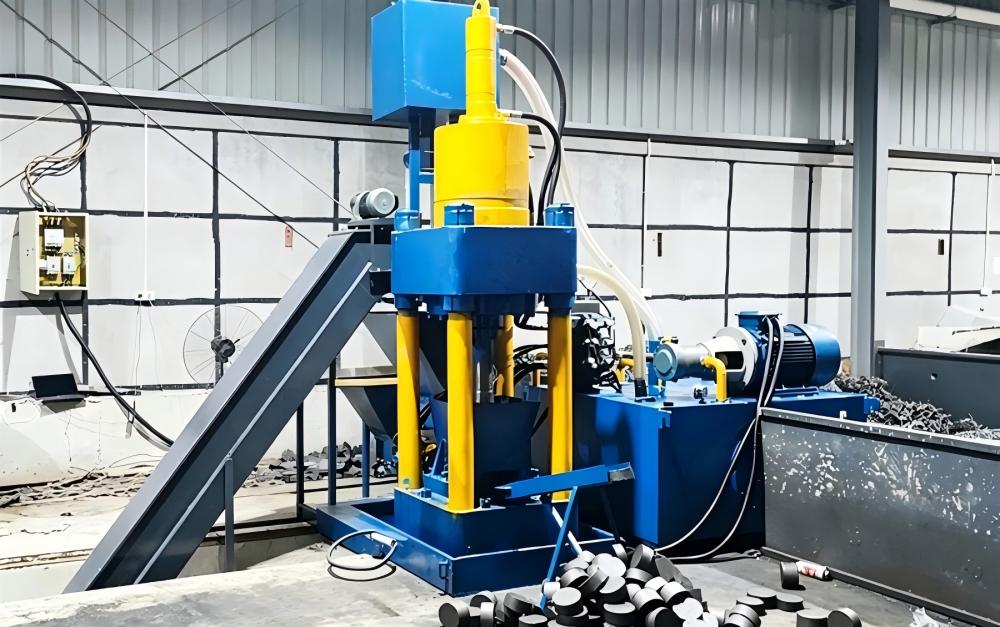
Choosing the right briquetting machine requires a thorough audit of your facility’s output. Start by analyzing the volume of chips generated per day and the specific grade of stainless steel. Some alloys are harder than others, requiring higher compression forces. A Case Study On Briquetting Machine Performance In A Stainless Steel Chip Recovery Line serves as a reminder that one size does not fit all; the machine must be sized according to the peak production load of your machining department.
Consider the integration capabilities of the machine. Does it need to fit under a conveyor? Does it require a specialized hopper for forklift loading? HARSLE offers modular designs that can be customized to fit into existing production layouts. It is often beneficial to involve the manufacturer early in the planning phase to ensure that the briquetting line integrates seamlessly with your existing coolant filtration and scrap handling systems.
Evaluate the total cost of ownership, not just the initial purchase price. This includes energy efficiency, maintenance costs, and the value of the recovered coolant. A machine that is slightly more expensive upfront but offers higher energy efficiency and lower maintenance requirements will almost always provide a better long-term ROI. Look for features like variable frequency drives (VFDs) on hydraulic pumps, which reduce power consumption during idle periods.
Finally, prioritize support and spare parts availability. Metal fabrication equipment is a long-term investment. Ensure that the manufacturer provides comprehensive training for your operators and has a responsive service team. HARSLE’s commitment to after-sales support ensures that any potential issues are resolved quickly, minimizing downtime and keeping your recovery line running at peak performance.
FAQ
What is the primary benefit of using a briquetting machine for stainless steel?
The primary benefit is the significant reduction in waste volume, which lowers logistics costs, and the recovery of expensive cutting fluids, which reduces operational expenses. Additionally, it increases the scrap value of the stainless steel.
Do I need a shredder before the briquetting machine?
If your stainless steel chips are long and stringy, a shredder is highly recommended to ensure consistent feeding. If the chips are short and granular, they can often be fed directly into the briquetting machine.
How much coolant can be recovered?
Depending on the initial saturation level and the pressure of the briquetting machine, you can typically recover up to 95% of the residual coolant from the chips.
Is the briquetting process automated?
Yes, modern HARSLE briquetting machines feature PLC-based automation, allowing them to run continuously with minimal operator intervention, making them ideal for integration into automated production lines.
What is the typical ROI for a briquetting machine?
The ROI varies based on production volume, but many facilities see a full return on investment within 12 to 24 months through a combination of scrap value upgrades and coolant savings.
Wniosek
The Case Study On Briquetting Machine Performance In A Stainless Steel Chip Recovery Line clearly demonstrates that briquetting is a transformative technology for modern metal fabrication. By converting bulky, oil-laden waste into high-density, clean briquettes, manufacturers can unlock significant financial and operational advantages. HARSLE’s commitment to engineering excellence ensures that these systems are not only efficient but also durable enough to withstand the rigors of high-volume stainless steel processing.
As the industry moves toward more sustainable and lean manufacturing practices, the adoption of briquetting technology will become increasingly standard. It represents a shift in perspective: viewing scrap not as a liability to be disposed of, but as a resource to be managed. For any facility looking to improve its bottom line and environmental footprint, investing in a high-quality briquetting solution is a strategic move that pays dividends for years to come.
We encourage production managers to conduct their own internal audit of chip generation and coolant loss. By quantifying these losses, the business case for a HARSLE briquetting system becomes undeniable. Whether you are a small job shop or a large-scale aerospace manufacturer, the principles of efficient chip recovery remain the same. Start your journey toward a cleaner, more profitable shop floor today by exploring the range of industrial briquetting solutions available.