How a Manufacturer Improved Profits Using a Reliable Aluminium Extrusion Press

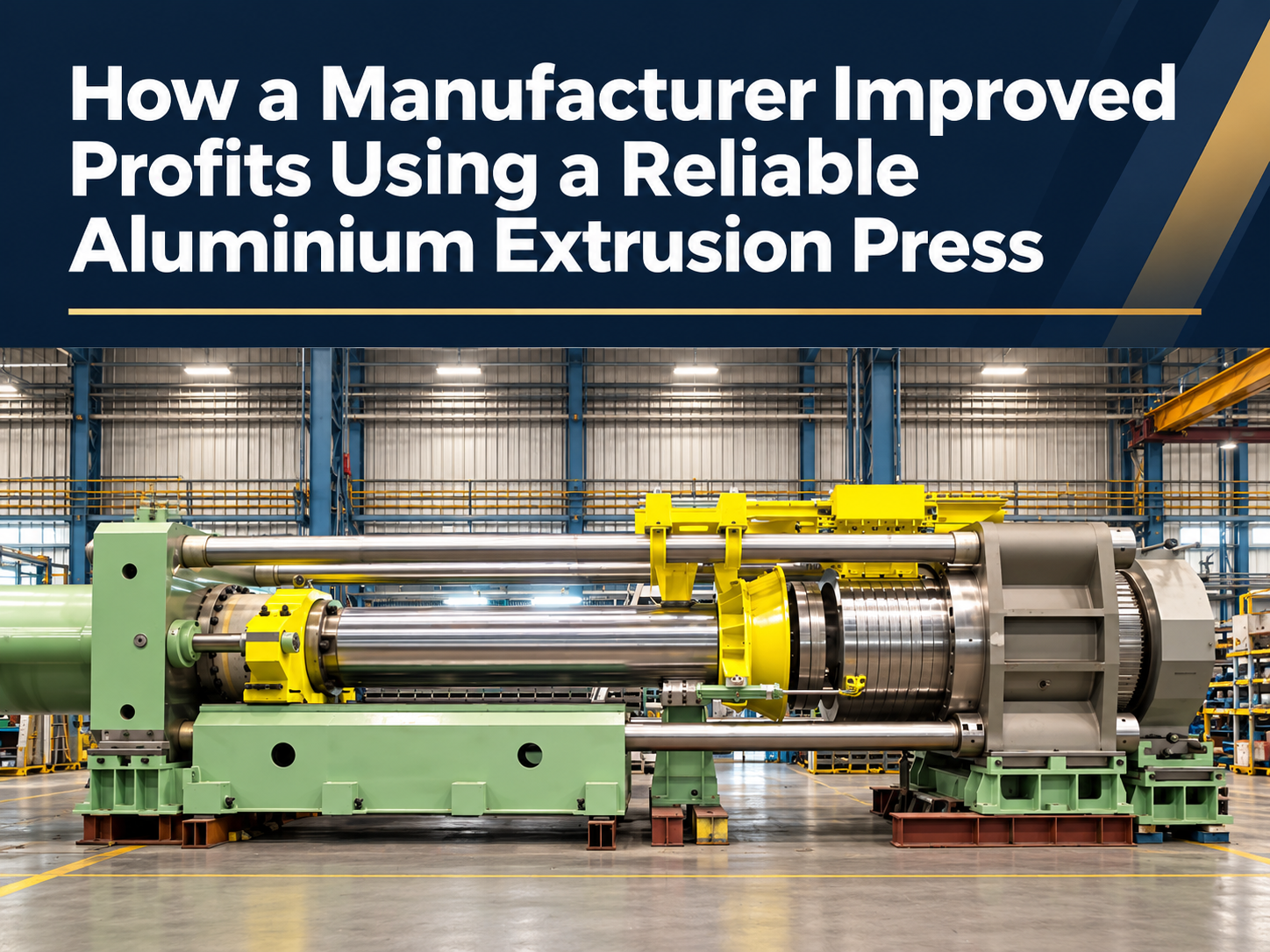
How a Manufacturer Improved Profits Using a Reliable Aluminium Extrusion Press
In the competitive landscape of modern metal fabrication, the difference between stagnant growth and industry leadership often comes down to the efficiency of core production machinery. For many firms, the transition from outdated, manual-heavy processes to a high-performance aluminium extrusion press represents a pivotal moment. This article explores the journey of a mid-sized fabrication plant that transformed its bottom line by investing in advanced extrusion technology, providing a blueprint for how a manufacturer improved profits using a reliable aluminium extrusion press.
The aluminium extrusion process is a cornerstone of the construction, automotive, and aerospace industries. However, the profitability of this process is highly sensitive to downtime, material waste, and energy consumption. By analyzing the operational shifts required to integrate a HARSLE-grade extrusion system, we can uncover the technical and strategic advantages that drive long-term financial success.
Key Considerations for Extrusion Efficiency
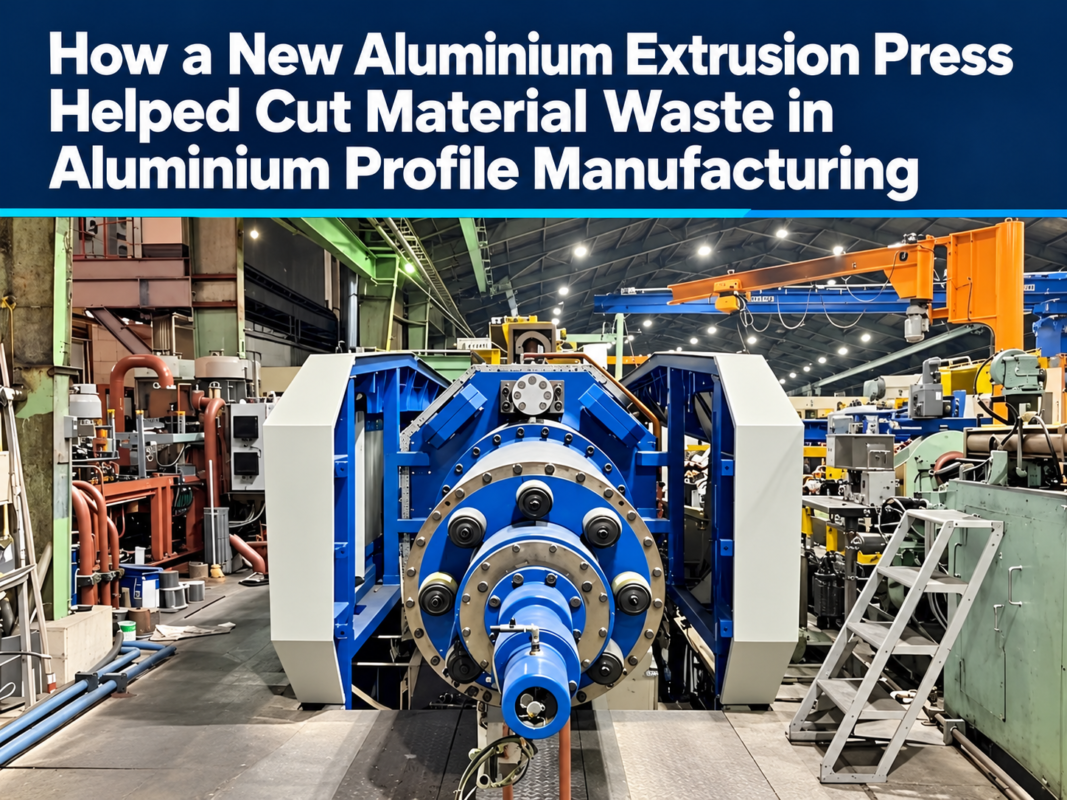
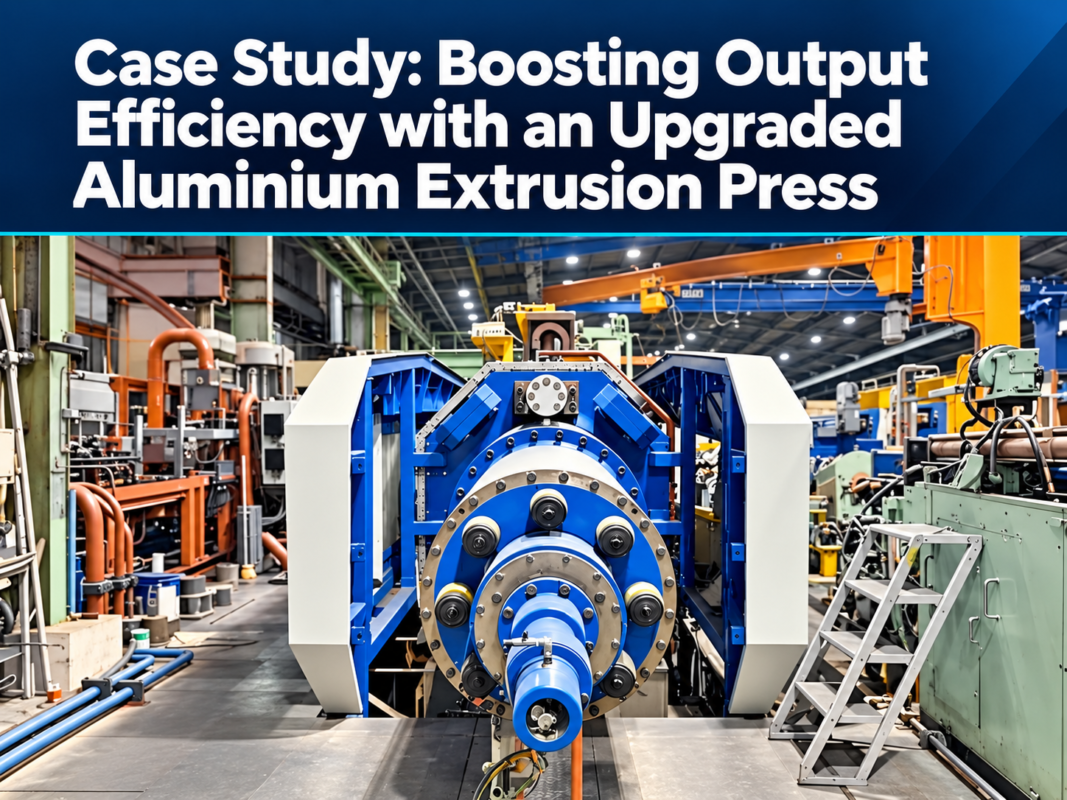
When evaluating how a manufacturer improved profits using a reliable aluminium extrusion press, the first factor to consider is the reduction of scrap rates. In traditional extrusion setups, inconsistencies in pressure and temperature often lead to surface defects or structural irregularities. A reliable press, equipped with modern PLC controls and precise hydraulic regulation, ensures that every billet is processed under optimal conditions, significantly lowering the percentage of defective parts that must be recycled.
Energy efficiency is another critical pillar of profitability. Older hydraulic systems often suffer from energy leakage and inefficient pump cycles. Modern aluminium extrusion presses utilize variable frequency drives (VFDs) and energy-recovery systems that adjust power consumption based on the specific load of the extrusion cycle. This reduction in electricity overhead directly impacts the cost-per-unit, allowing manufacturers to offer more competitive pricing while maintaining healthy margins.
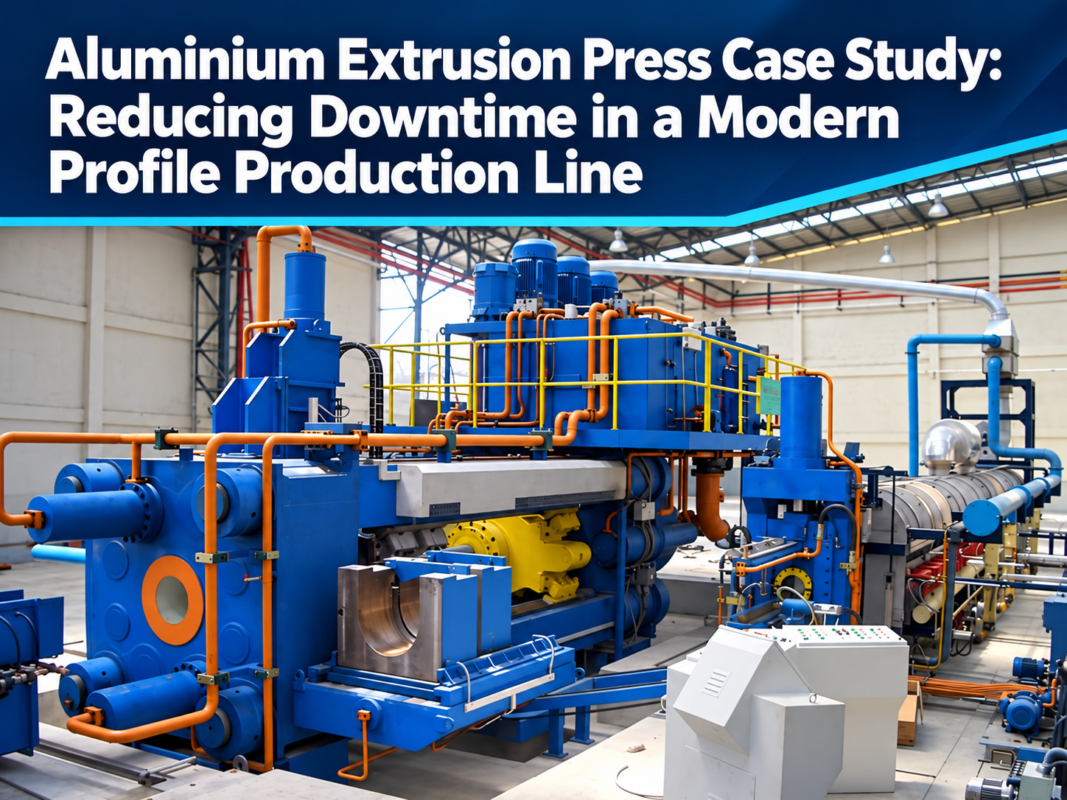
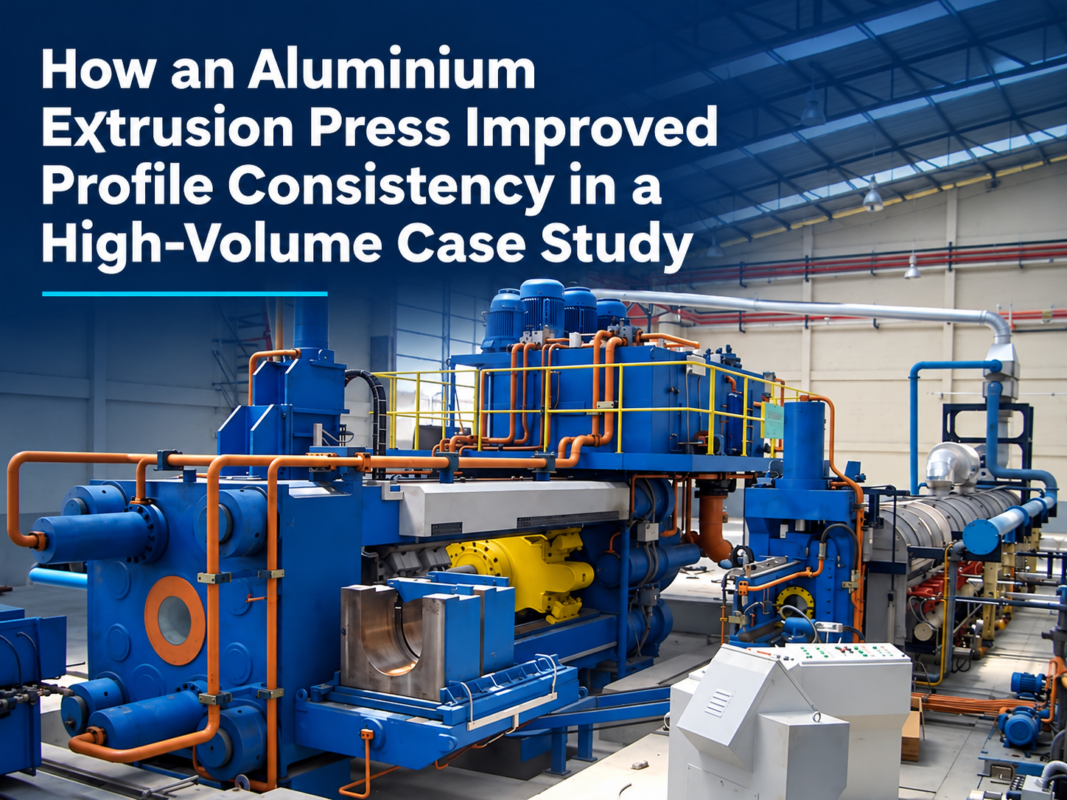
Operational throughput is the third key consideration. A reliable press is not just about speed; it is about consistent, repeatable cycle times. By minimizing the time between billet loading, dummy block placement, and the actual extrusion stroke, manufacturers can increase their daily output without increasing labor hours. This optimization of the production flow is essential for scaling operations to meet high-volume market demands.
Finally, maintenance predictability plays a massive role in profit stability. Unplanned downtime is the silent killer of manufacturing margins. A high-quality press from a reputable manufacturer like HARSLE includes advanced diagnostic sensors that alert operators to potential issues before they cause a catastrophic failure. This shift from reactive to predictive maintenance ensures that the machine remains a profit-generating asset rather than a maintenance liability.
Technical Details of High-Performance Extrusion
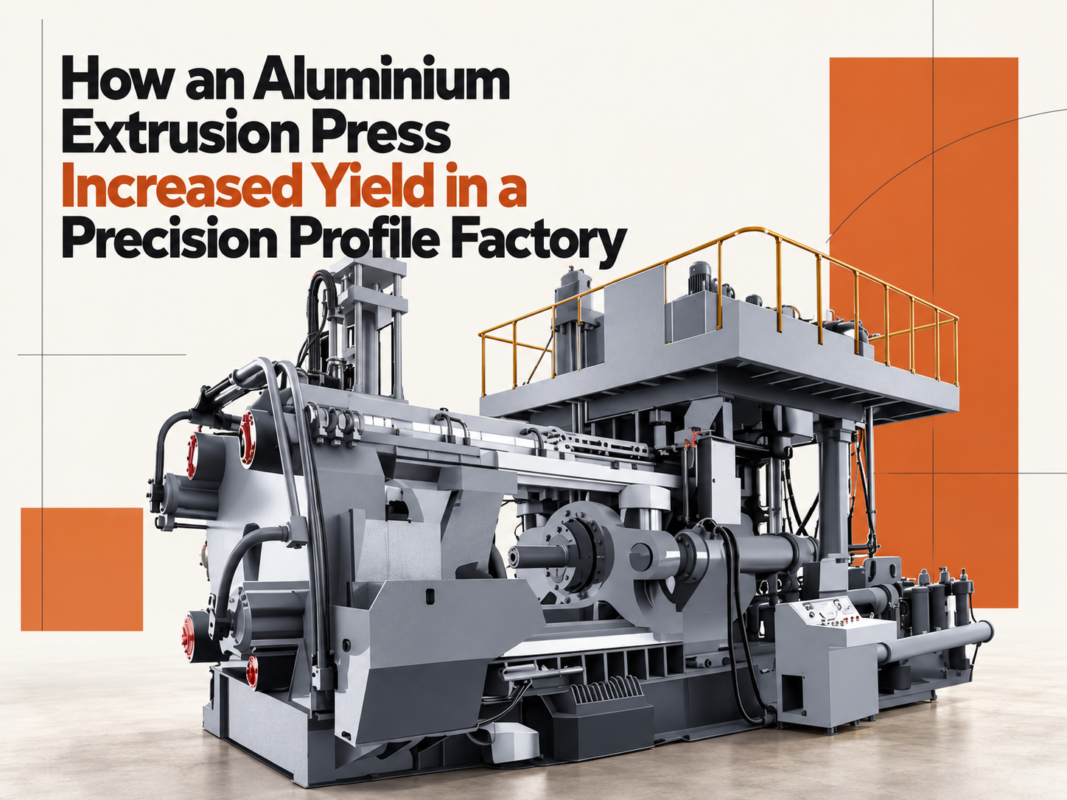
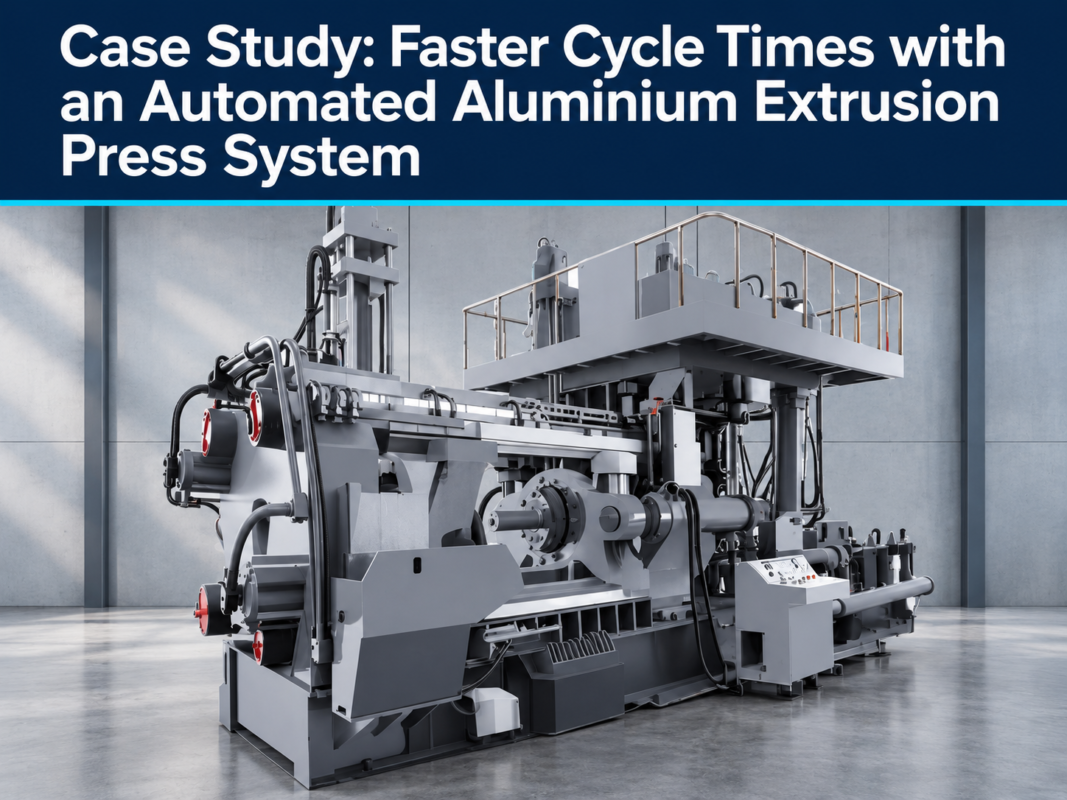
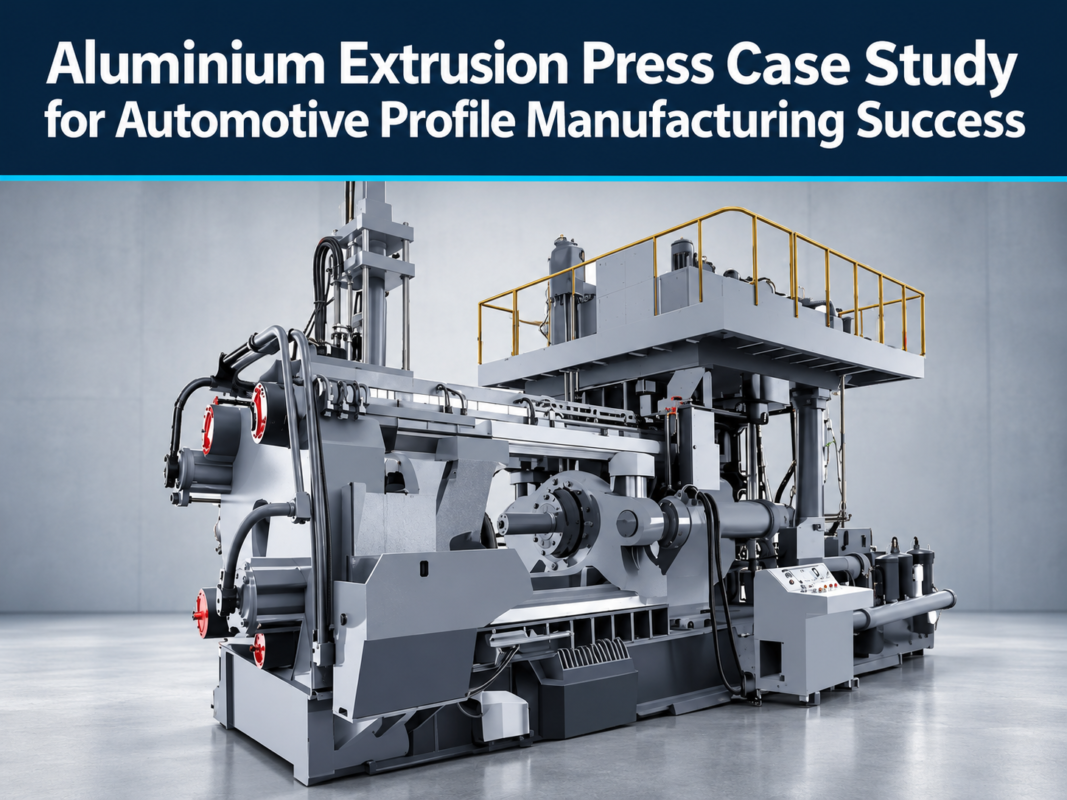
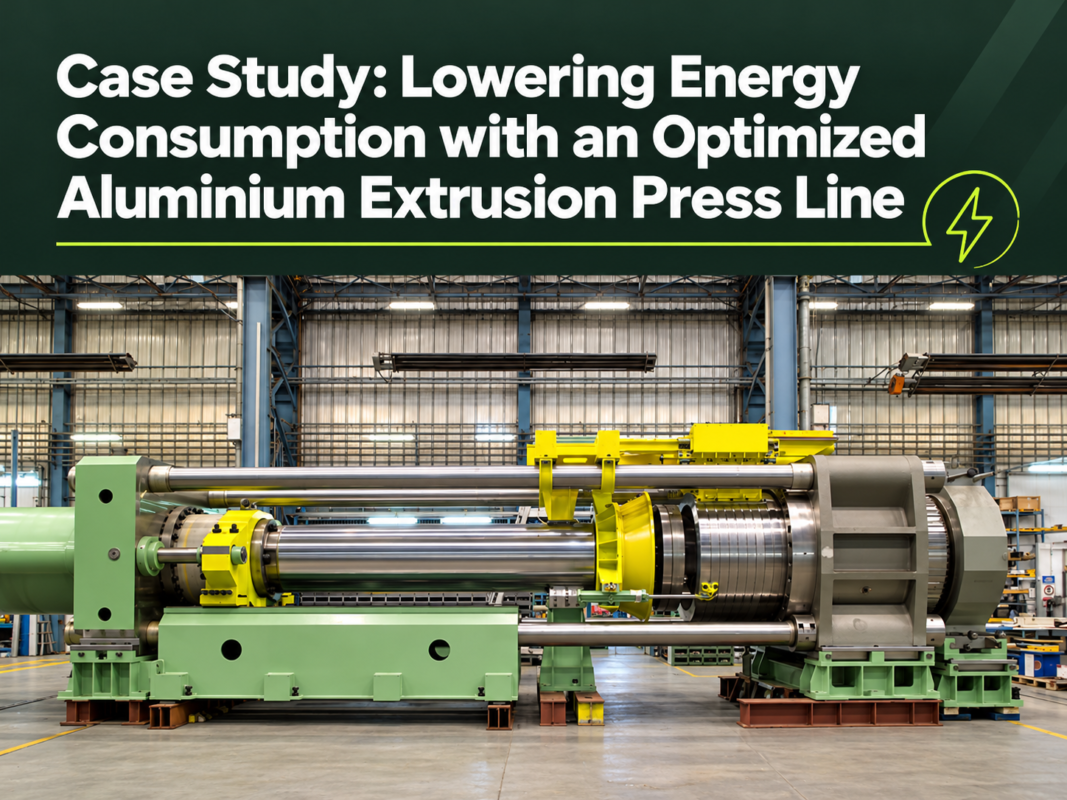
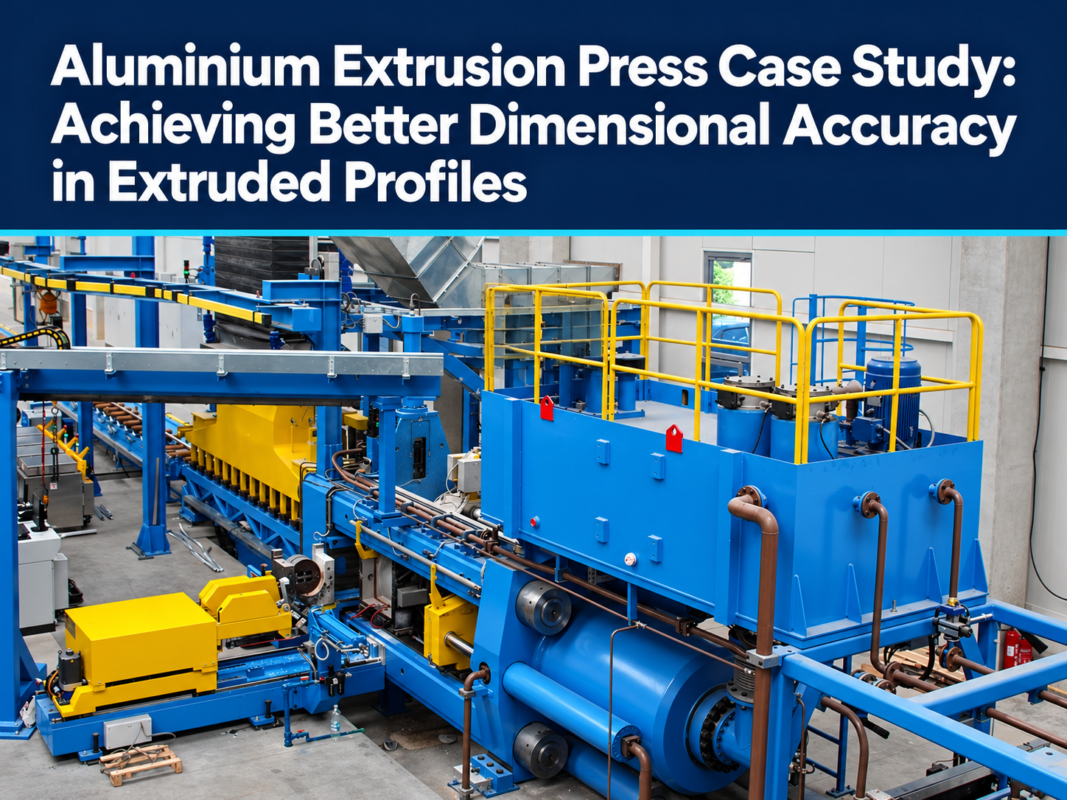
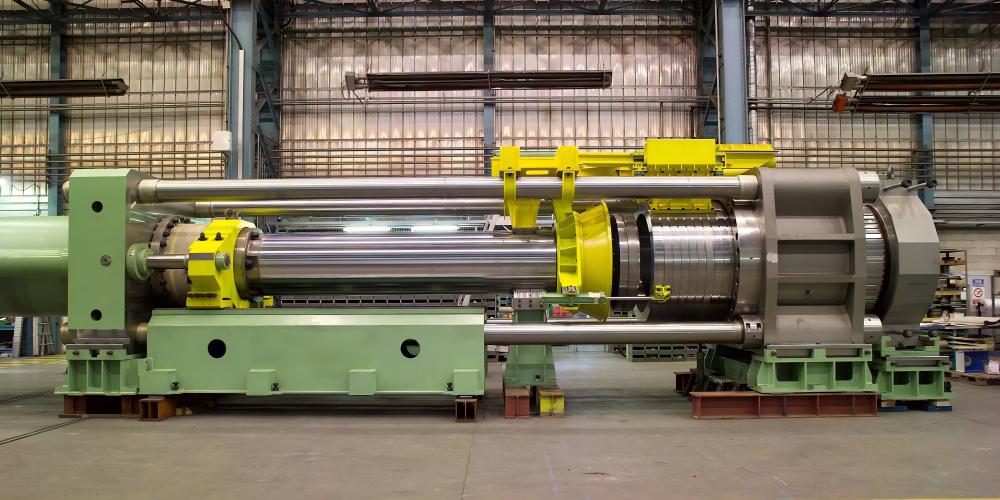
The technical superiority of a modern aluminium extrusion press lies in its hydraulic and control architecture. At the heart of the system is the main cylinder, which must provide consistent force across the entire length of the extrusion stroke. HARSLE-engineered presses utilize high-grade seals and precision-honed cylinders to prevent pressure drops, ensuring that the metal flow remains uniform, which is vital for maintaining tight tolerances in complex profiles.
Temperature control is equally critical. Aluminium alloys require specific temperature ranges to achieve the ideal plastic state for extrusion. Advanced presses feature integrated induction heating systems and precise billet temperature monitoring. By maintaining the billet at the exact required temperature, the press reduces the force required for extrusion, which in turn extends the lifespan of the extrusion die and reduces wear on the press components.
The control system, often the “brain” of the operation, allows for sophisticated data logging and process optimization. Modern interfaces allow operators to store specific recipes for different alloys and profile shapes. This repeatability ensures that when a manufacturer switches from one product to another, the setup time is minimized, and the quality of the first piece is as high as the last. This level of automation is a primary reason why a manufacturer improved profits using a reliable aluminium extrusion press.
Furthermore, the design of the die-handling system and the shear mechanism contributes to overall efficiency. A reliable press incorporates quick-change die systems that allow for rapid transitions between production runs. The shear mechanism, designed for clean, precise cuts, minimizes the amount of material left on the die face, further reducing waste and improving the overall yield of the extrusion process. By integrating automated lubrication systems, the press also ensures that the die remains in peak condition, reducing the frequency of die polishing and replacement.
Strategic Implementation: A Case Study Approach
Consider a hypothetical mid-sized manufacturer that struggled with a 12% scrap rate and frequent hydraulic leaks. By replacing their legacy equipment with a modern, high-tonnage HARSLE press, they achieved several immediate gains. First, the precision of the new hydraulic system reduced the scrap rate to under 3%. Second, the energy-efficient VFDs cut monthly electricity costs by 22%. Third, the integration of automated billet loading reduced the cycle time per billet by 15 seconds. Over a year, these incremental improvements compounded into a significant increase in net profit, allowing the company to reinvest in further automation and workforce training.
Selection Advice for Growing Manufacturers
Choosing the right aluminium extrusion press is a significant capital investment that requires careful analysis of your current and future production needs. The first step in the selection process is defining your required tonnage. While it is tempting to purchase the largest press available, an oversized machine leads to unnecessary energy consumption and higher maintenance costs. Work with HARSLE engineers to calculate the specific pressure requirements based on your alloy types and profile cross-sections.
Consider the level of automation that fits your current workforce. While fully automated lines offer the highest throughput, they require a higher level of technical expertise to maintain. A balanced approach, utilizing semi-automated features for critical tasks like billet loading and profile handling, can often provide the best return on investment for mid-sized manufacturers looking to scale their operations incrementally.
After-sales support and spare parts availability should be non-negotiable criteria. When you are operating a high-output machine, the ability to source a replacement part quickly can save thousands of dollars in lost production. Ensure that your chosen supplier has a robust local presence and a proven track record of providing technical support, training, and maintenance documentation.
Finally, evaluate the total cost of ownership rather than just the initial purchase price. A cheaper machine may seem attractive, but if it requires frequent repairs, consumes excessive energy, or produces a high rate of scrap, it will quickly become more expensive than a premium, reliable press. Look for manufacturers that prioritize build quality, use high-quality hydraulic components, and offer comprehensive warranties on their equipment.
Advanced Maintenance Strategies for Longevity
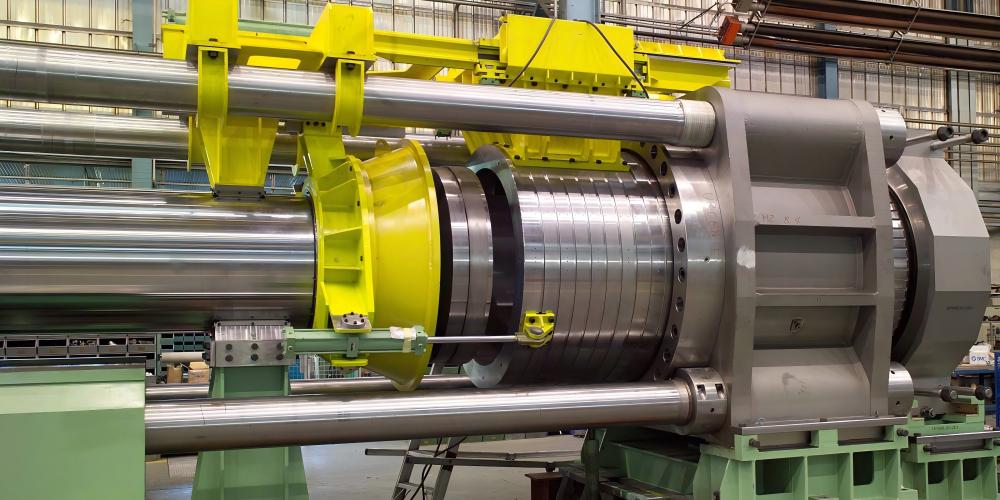
To ensure your press continues to drive profits, implement a rigorous preventative maintenance schedule. This includes daily checks of hydraulic fluid levels and temperatures, weekly inspections of the main ram seals, and monthly calibration of the PLC sensors. Furthermore, training your operators to recognize the subtle signs of wear—such as slight changes in extrusion pressure or unusual vibrations—can prevent minor issues from escalating into costly downtime. Investing in high-quality hydraulic oil and filtration systems is also essential, as clean fluid is the lifeblood of any high-performance extrusion press.
FAQ: Optimizing Your Extrusion Process
How does a reliable press reduce material waste?
A reliable press ensures consistent pressure and temperature, which prevents surface defects and structural inconsistencies. By minimizing these errors, the amount of scrap produced is drastically reduced, leading to higher material utilization rates and better profit margins.
What is the most important factor in maintaining an extrusion press?
Consistent, scheduled maintenance is the most important factor. This includes monitoring hydraulic fluid quality, checking seal integrity, and ensuring that the PLC software is updated and calibrated. Predictive maintenance, supported by the machine’s diagnostic sensors, is key to avoiding unplanned downtime.
Can a new extrusion press help with energy costs?
Yes. Modern presses are designed with energy-efficient hydraulic pumps and variable frequency drives that adjust power usage based on the actual load. This can result in significant energy savings compared to older, less efficient models.
How long does it take to see a return on investment?
The ROI depends on your production volume and the efficiency gains achieved. However, by reducing scrap rates, lowering energy consumption, and increasing throughput, many manufacturers find that a high-quality press pays for itself within 18 to 36 months of operation.
What role does die management play in profitability?
Proper die management, including regular cleaning, nitriding, and storage, is vital. A well-maintained die reduces the extrusion force required, which saves energy and prevents damage to the press, directly contributing to the bottom line.
Wniosek
The story of how a manufacturer improved profits using a reliable aluminium extrusion press is one of strategic investment and operational excellence. By moving away from inefficient, aging equipment and embracing the precision, speed, and reliability of modern HARSLE machinery, manufacturers can unlock new levels of productivity. The combination of reduced scrap, lower energy usage, and minimized downtime creates a compounding effect on profitability that sustains long-term growth.
Investing in the right metal fabrication equipment is not merely an expense; it is a commitment to quality and efficiency. As the industry continues to evolve, those who prioritize the reliability of their core machinery will be the ones who lead the market. Whether you are looking to upgrade your current facility or expand your production capabilities, focusing on the technical and strategic advantages of a high-performance extrusion press is the surest path to achieving superior financial results. By choosing a partner that offers both advanced technology and comprehensive support, you position your business to thrive in an increasingly competitive global market.