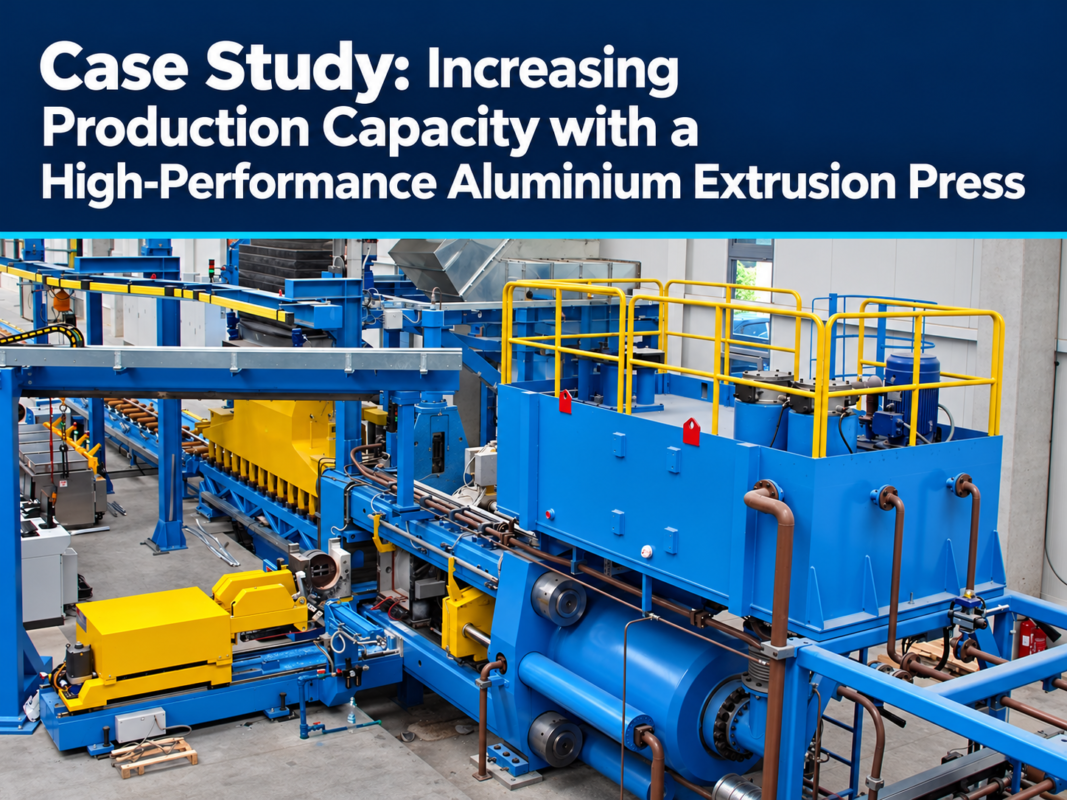
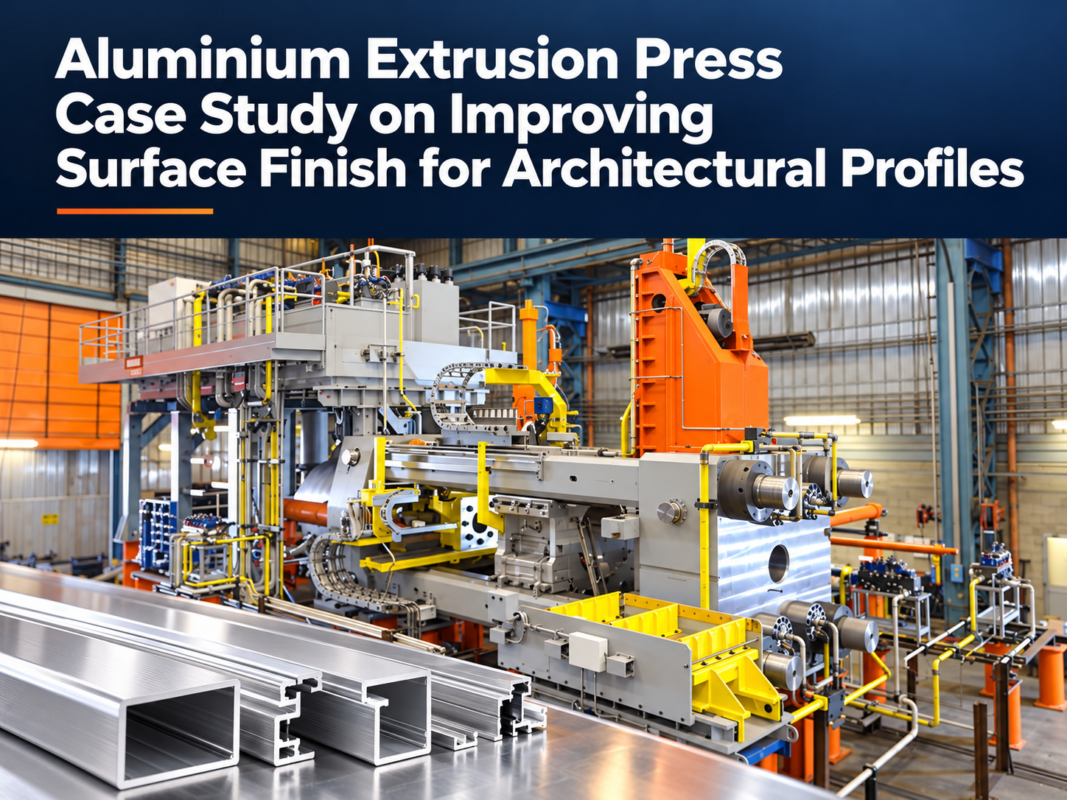
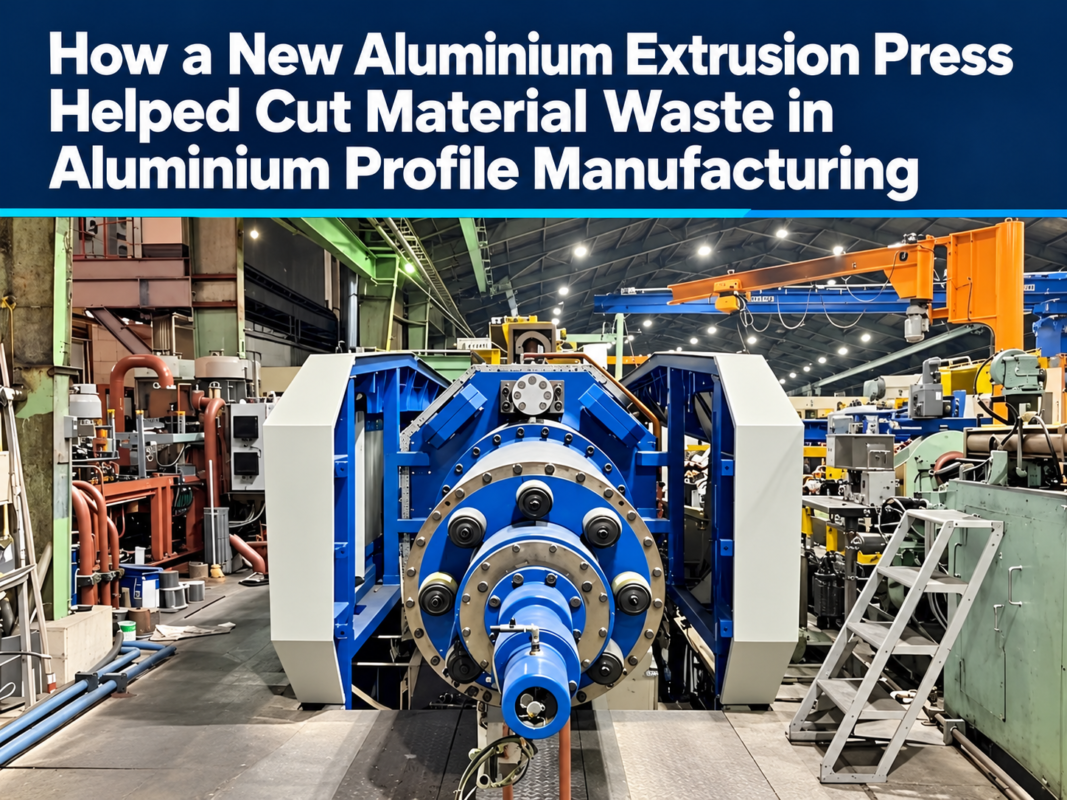
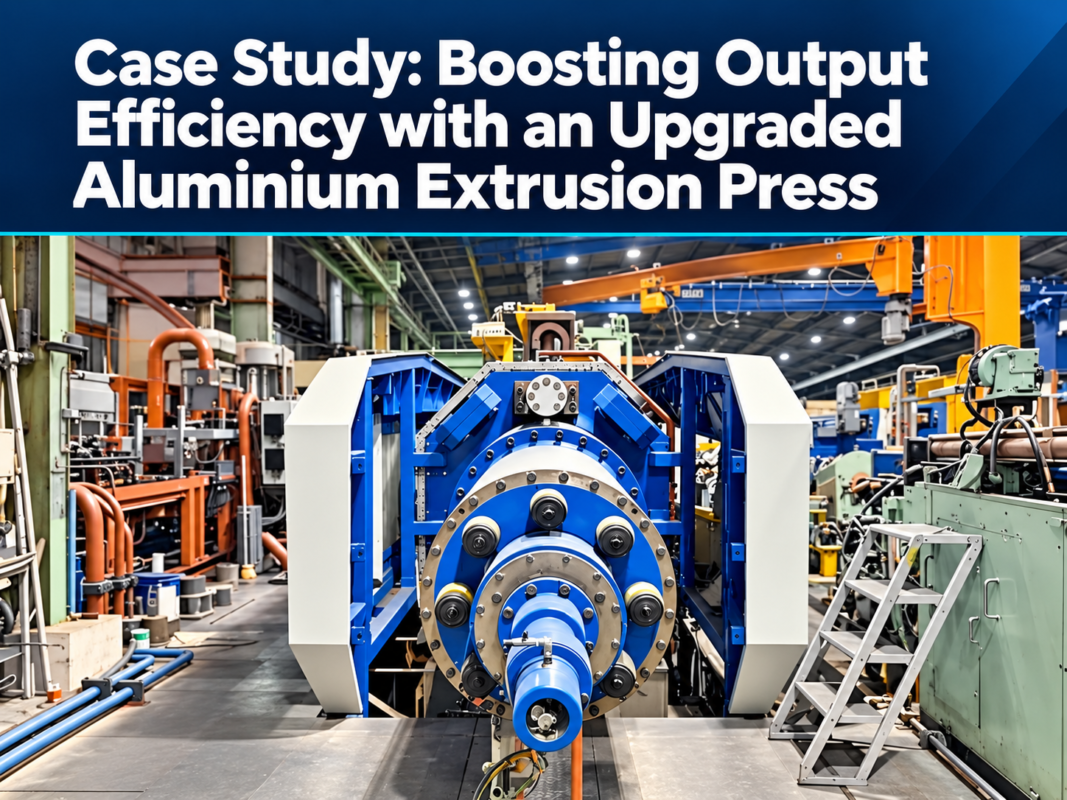
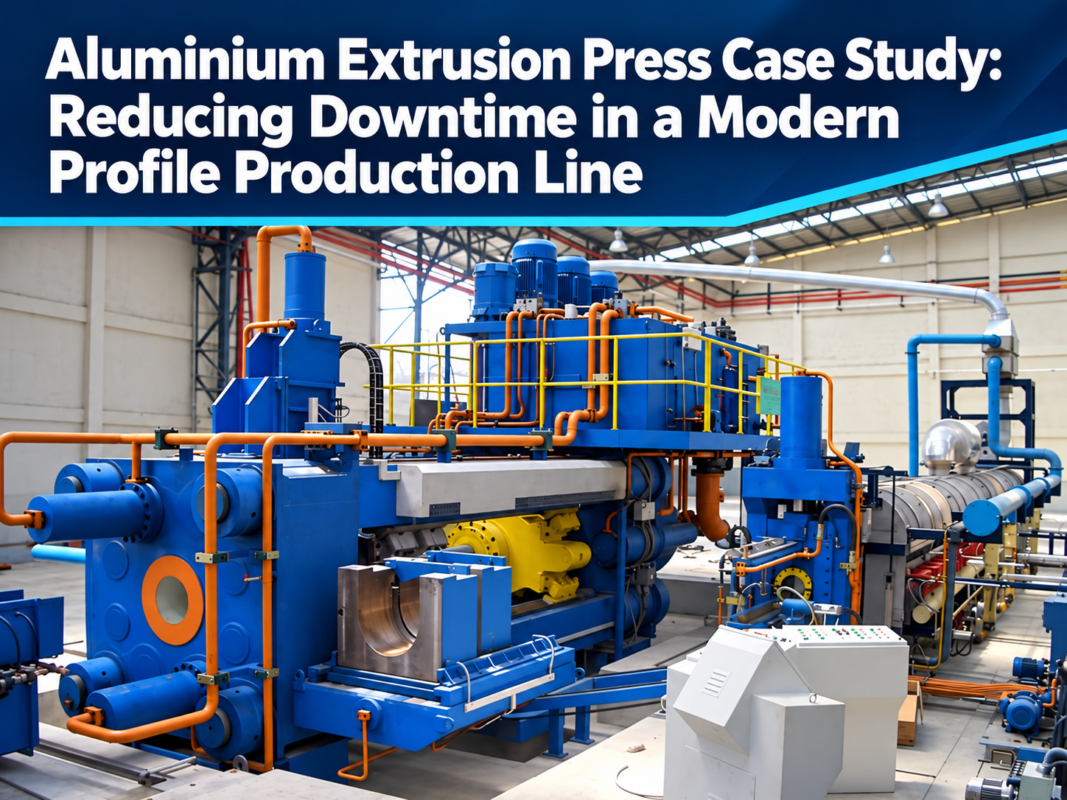
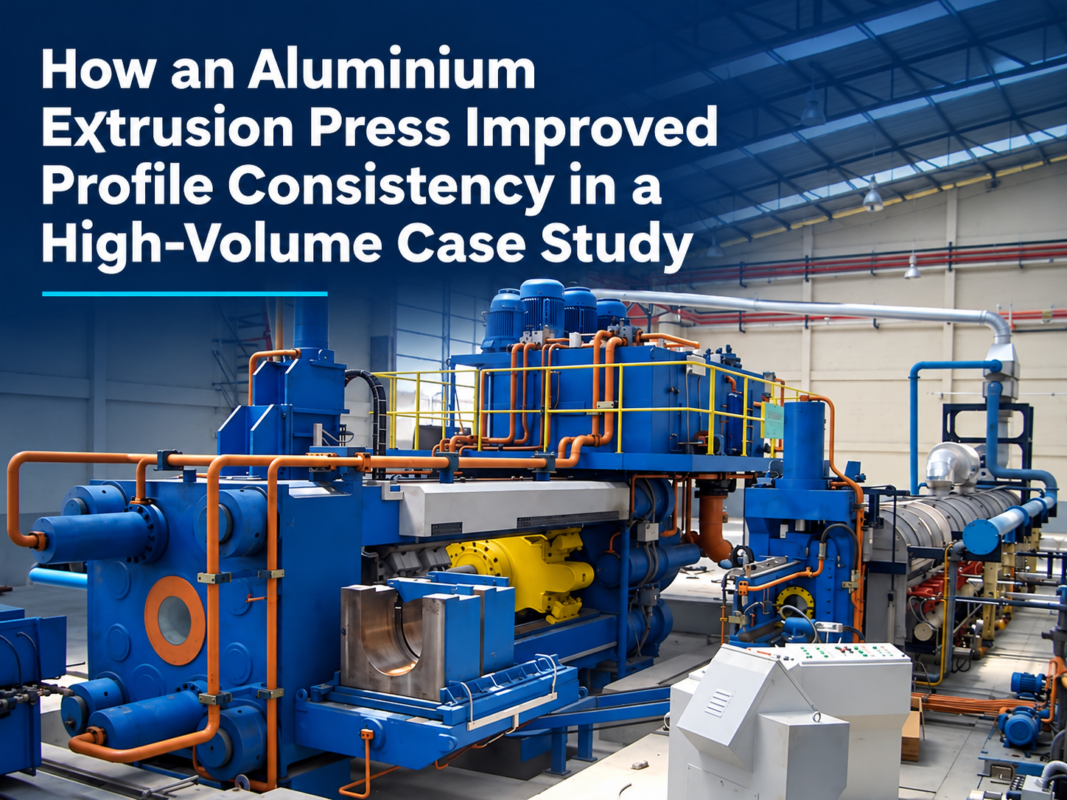
Case Study: Lowering Energy Consumption with an Optimized Aluminium Extrusion Press Line

Introduction
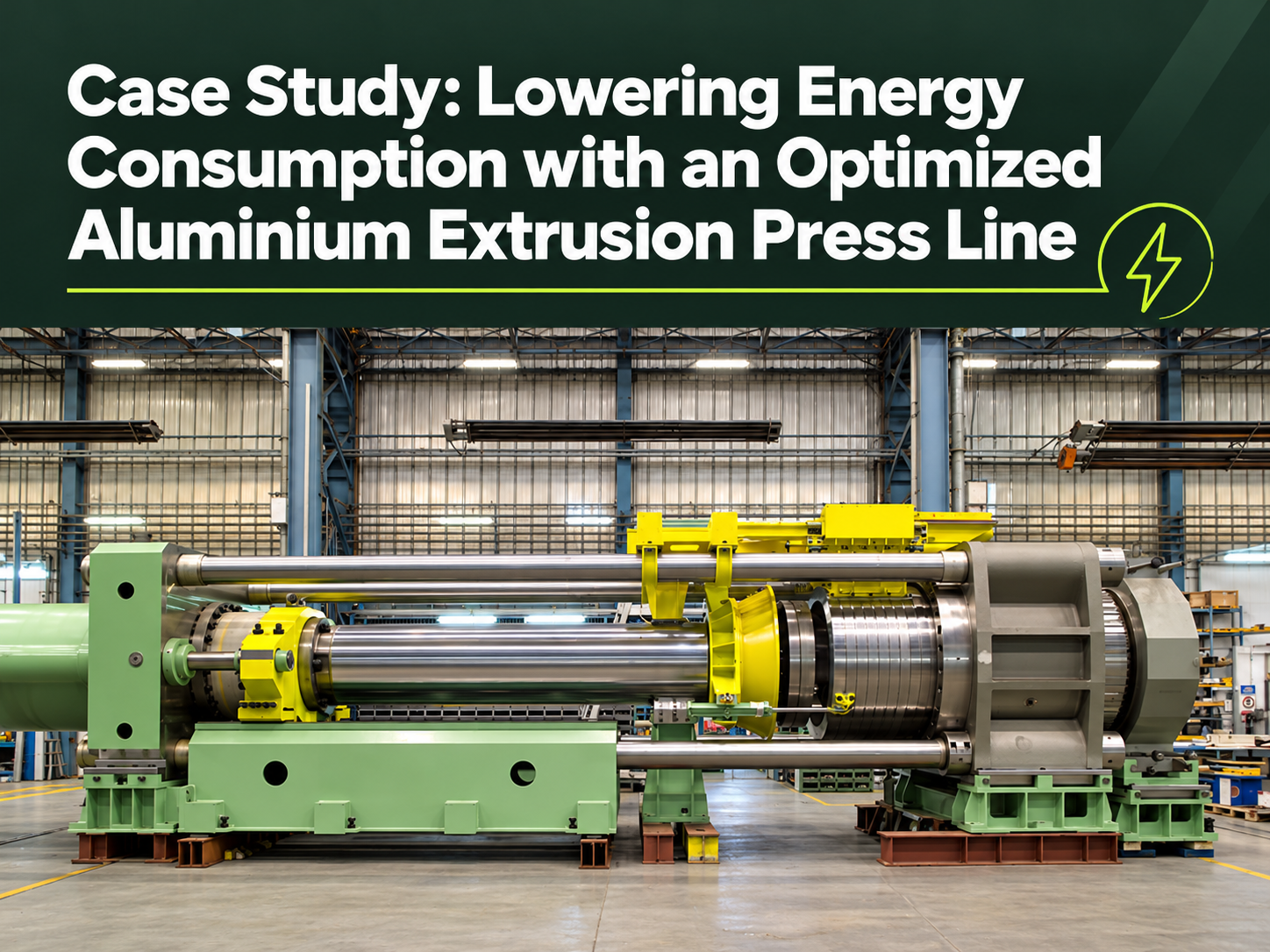
In the modern landscape of metal fabrication, the pressure to balance high-output production with sustainable energy practices has never been greater. For manufacturers operating an aluminium extrusion press, energy costs often represent one of the largest variables in the total cost of ownership. This article explores a comprehensive Case Study: Lowering Energy Consumption An Optimized Aluminium Extrusion Press Line, detailing how HARSLE partnered with a mid-sized automotive parts manufacturer to overhaul their production efficiency.
The challenge was clear: the client’s legacy extrusion lines were consuming excessive electricity during idle cycles and peak extrusion phases, leading to unsustainable operational overheads. By implementing a series of technical upgrades, software optimizations, and hardware replacements, the facility was able to reduce its energy footprint by 28% while simultaneously increasing throughput. This case study serves as a blueprint for industrial facilities looking to modernize their operations.
Energy efficiency in metal fabrication is no longer just a corporate social responsibility goal; it is a fundamental requirement for maintaining competitive pricing in a global market. As energy prices fluctuate, the ability to produce high-quality aluminium profiles with lower kilowatt-hour consumption per ton is a significant differentiator. HARSLE’s approach focuses on the intersection of hydraulic precision and smart control systems.
Throughout this article, we will examine the specific technical hurdles faced during the optimization process, the selection criteria for new components, and the long-term maintenance strategies required to sustain these energy savings. Whether you are managing a single press or an entire extrusion plant, the principles outlined here provide a roadmap for achieving operational excellence through energy-conscious engineering.
Key Considerations for Energy Optimization
When approaching the task of lowering energy consumption, the first step is a comprehensive energy audit. Many manufacturers assume that the primary energy drain is the main motor, but in reality, energy waste is often distributed across hydraulic pumps, cooling systems, and inefficient heating elements. Identifying these ‘hidden’ leaks is critical to the success of any optimization project.
Another key consideration is the duty cycle of the machine. An aluminium extrusion press that runs continuously at high pressure requires a different energy management strategy than one that operates in short, high-intensity bursts. By analyzing the load profile, engineers can determine whether to implement variable frequency drives (VFDs) or switch to servo-hydraulic systems that only draw power when work is being performed.
Material handling and pre-heating processes also play a massive role in the overall energy equation. If the billet heating furnace is not synchronized with the press speed, the press often sits idle while the billet reaches the correct temperature, wasting energy in a ‘ready’ state. Optimizing the synchronization between the furnace and the press is a low-cost, high-impact strategy for reducing idle energy waste.
Finally, the human element cannot be ignored. Operator training on energy-efficient machine operation—such as minimizing unnecessary cycle times or optimizing the extrusion speed for specific alloy profiles—can lead to immediate improvements. A culture of energy awareness, supported by real-time monitoring dashboards, ensures that the gains made during the optimization phase are maintained over the long term.
Technical Details of the Optimization
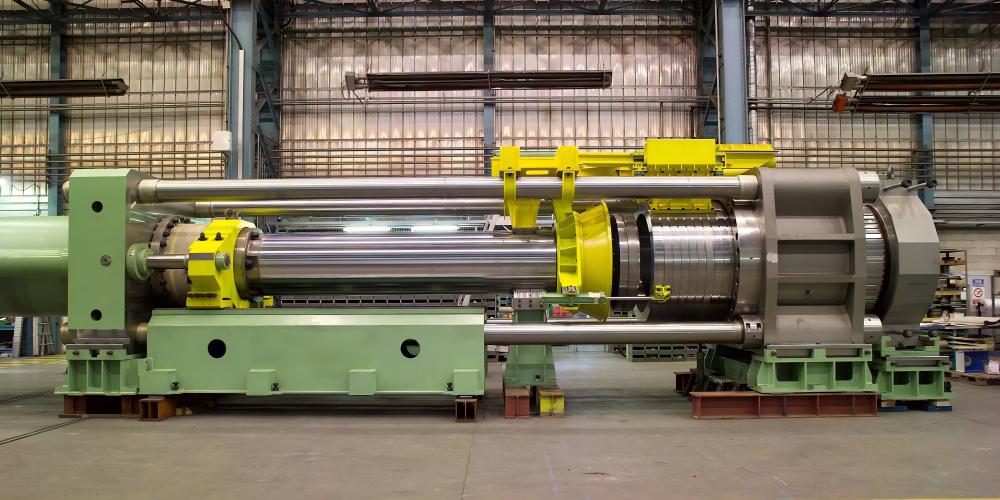
The core of the HARSLE optimization project involved the integration of a high-efficiency servo-hydraulic system. Traditional extrusion presses rely on constant-speed motors that circulate hydraulic fluid even when the press is not moving. By replacing these with servo-driven pumps, the system can adjust the flow rate and pressure dynamically, effectively cutting power consumption to near-zero during the non-productive phases of the extrusion cycle.
Furthermore, the installation of advanced PLC (Programmable Logic Controller) systems allowed for precise control over the ram speed. By utilizing ‘smart’ extrusion profiles, the press can accelerate and decelerate based on the specific resistance of the aluminium alloy being processed. This prevents the motor from overworking during the initial piercing stage and ensures a consistent, energy-efficient flow throughout the extrusion process.
Thermal management was another critical technical focus. The original cooling system was running at full capacity regardless of the actual oil temperature. By installing intelligent thermal sensors and variable-speed cooling fans, the system now only engages the cooling circuit when necessary. This simple change resulted in a significant reduction in auxiliary power consumption, which often accounts for 10-15% of a press’s total energy draw.
Data logging was implemented to provide transparency. By installing power meters at the machine level, the facility managers could track energy consumption per kilogram of extruded aluminium. This data allowed the team to identify which specific profiles were the most energy-intensive, leading to better scheduling and production planning. The ability to visualize energy usage in real-time transformed the way the maintenance team approached their daily tasks.
Selection Advice for Modern Extrusion Equipment
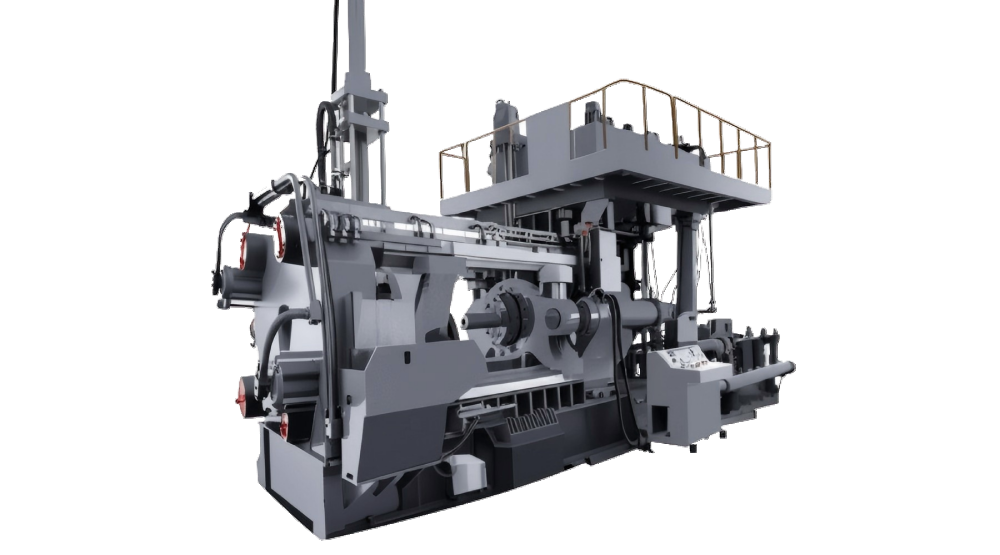
When selecting a new aluminium extrusion press or upgrading an existing one, the focus should be on the total cost of ownership rather than the initial purchase price. A machine that is cheaper to buy but expensive to run will quickly negate its initial savings through high electricity bills and increased maintenance requirements. Always request energy consumption data from the manufacturer for various load scenarios.
Look for modular designs that allow for future upgrades. As technology evolves, the ability to swap out a motor or a control board for a more efficient version without replacing the entire press frame is invaluable. HARSLE emphasizes a ‘future-proof’ design philosophy, ensuring that our presses are compatible with the latest IoT (Internet of Things) monitoring tools that track energy efficiency.
Consider the quality of the hydraulic components. High-quality valves and seals reduce internal leakage, which is a silent killer of energy efficiency. When a hydraulic system leaks internally, the pump must work harder to maintain the required pressure, leading to wasted energy and increased heat generation. Investing in premium hydraulic components is a direct investment in energy efficiency.
Finally, evaluate the manufacturer’s support network. An energy-optimized press is a complex piece of machinery. You need a partner who can provide remote diagnostics, regular software updates, and expert advice on how to tune the machine for new alloys or profiles. HARSLE provides comprehensive training and support to ensure that your equipment remains at peak efficiency throughout its service life.
FAQ: Frequently Asked Questions
How much energy can I expect to save with a servo-hydraulic upgrade?
While results vary based on the age and condition of your current press, most clients see a reduction in energy consumption between 20% and 40% after transitioning to a servo-hydraulic system.
Is it better to retrofit an old press or buy a new one?
This depends on the condition of the press frame and the main cylinder. If the mechanical structure is sound, a retrofit can be a cost-effective way to modernize. However, if the press is nearing the end of its mechanical life, a new, purpose-built energy-efficient press is usually the better long-term investment.
How does the extrusion speed affect energy consumption?
Higher extrusion speeds require more power, but they also reduce the time the machine is running. The goal is to find the ‘sweet spot’ where the machine operates at its most efficient speed for the specific alloy, minimizing both energy draw and cycle time.
What maintenance tasks are most important for energy efficiency?
Regular oil analysis, checking for hydraulic leaks, ensuring the cooling system is free of debris, and keeping the PLC software updated are the most critical tasks for maintaining energy efficiency.
Wniosek
The Case Study: Lowering Energy Consumption An Optimized Aluminium Extrusion Press Line demonstrates that energy efficiency is not a luxury, but a strategic necessity. By focusing on servo-hydraulic integration, smart control systems, and rigorous data monitoring, manufacturers can achieve significant cost savings while improving their environmental footprint. HARSLE remains committed to providing the metal fabrication industry with the tools and expertise needed to thrive in an energy-conscious world.
As we look to the future, the integration of AI and machine learning into extrusion lines will likely provide even greater opportunities for optimization. Imagine a press that automatically adjusts its parameters based on the ambient temperature, the specific alloy composition, and the desired profile shape—all in real-time. This is the direction in which HARSLE is heading, and we invite our partners to join us on this journey toward smarter, more efficient metal fabrication.
If you are ready to evaluate your own production line, start by conducting an energy audit and identifying the areas of highest waste. Whether you need a full system overhaul or targeted upgrades to your existing equipment, HARSLE is here to provide the technical guidance and high-quality machinery required to reach your goals. Contact our engineering team today to discuss how we can help you lower your energy consumption and boost your bottom line.
Ultimately, the success of any optimization project lies in the commitment to continuous improvement. By treating energy as a controllable production variable rather than a fixed cost, you empower your business to remain resilient against market volatility. Let this case study be the catalyst for your own facility’s transformation into a model of modern, sustainable manufacturing.