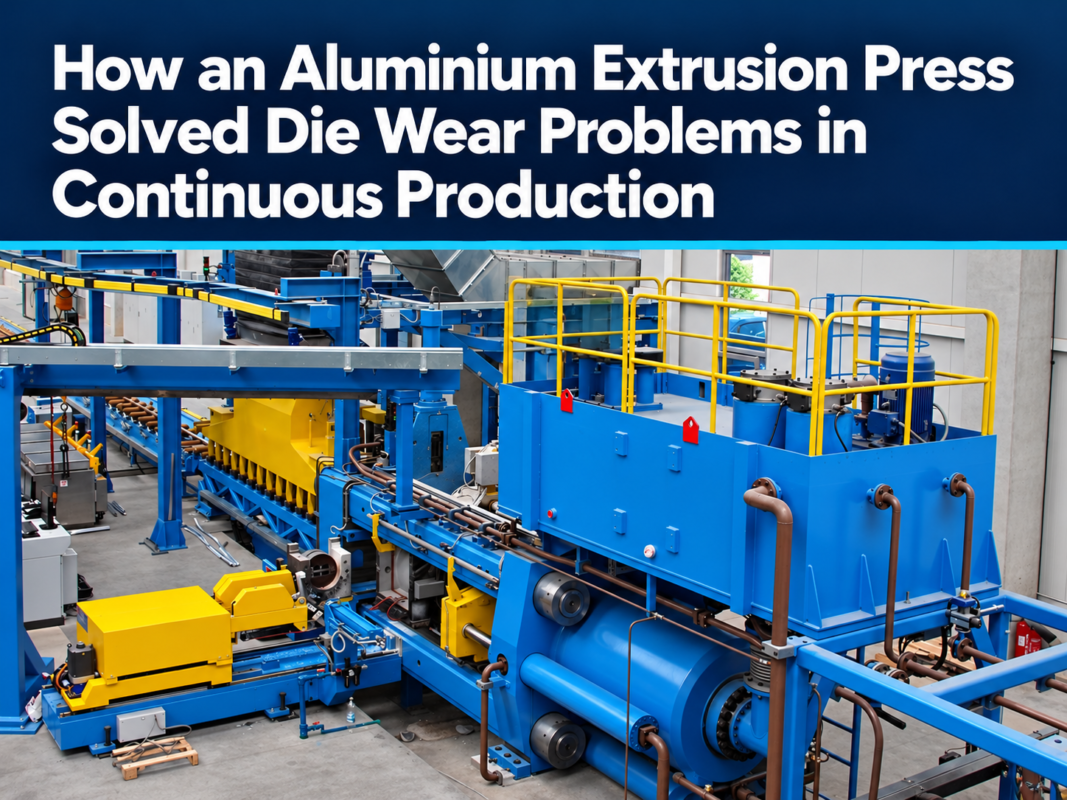
Case Study: Boosting Output Efficiency with an Upgraded Aluminium Extrusion Press

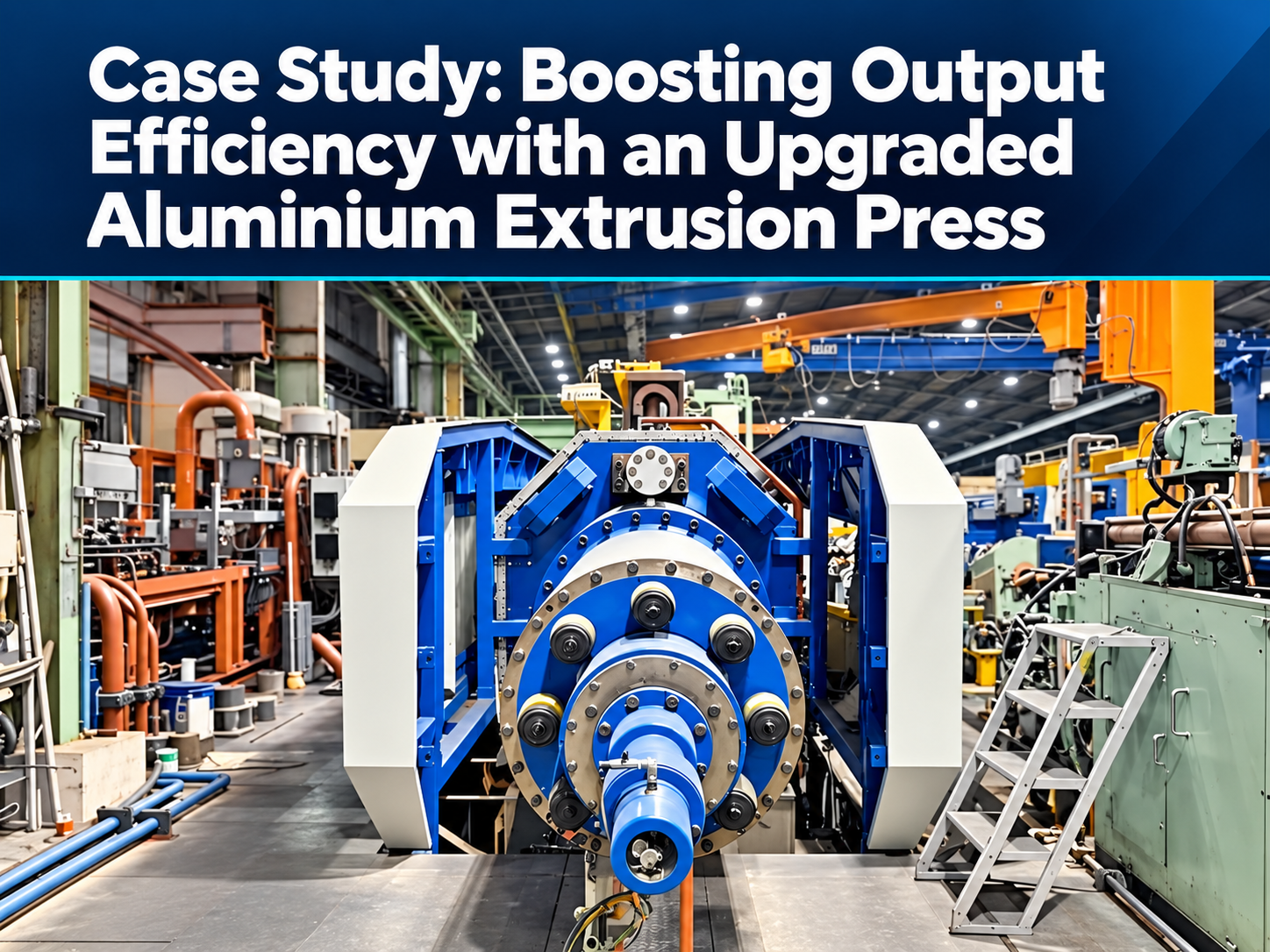
Introduction
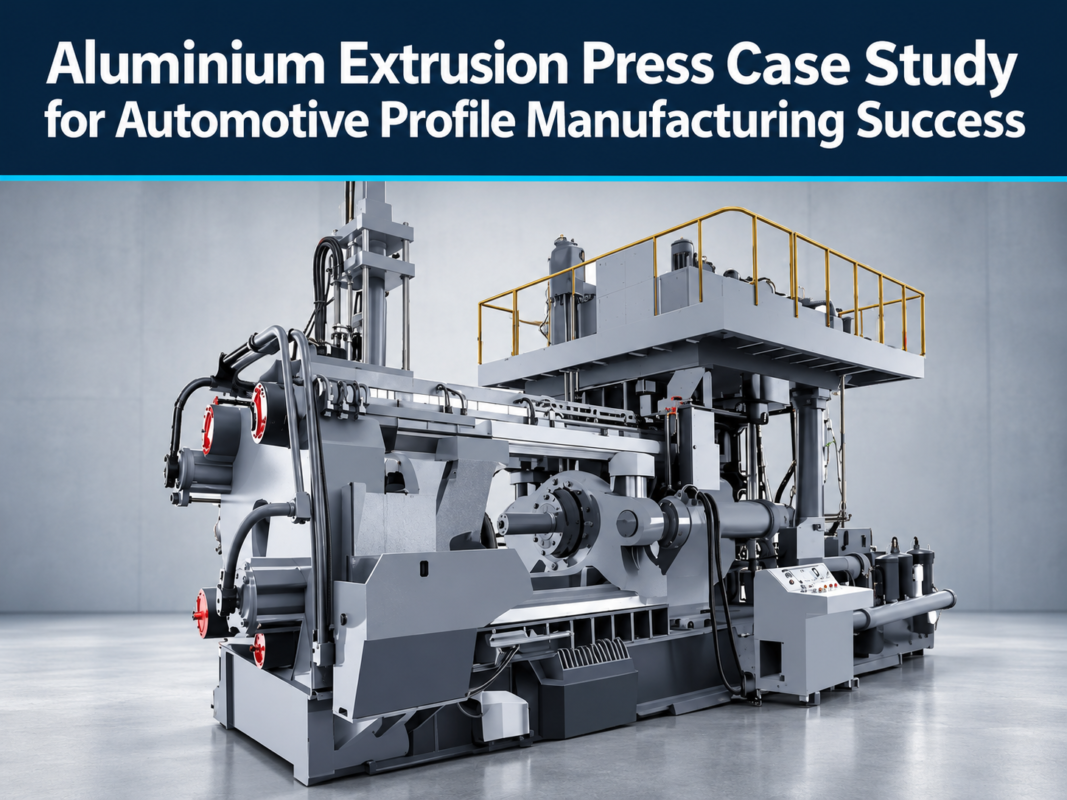
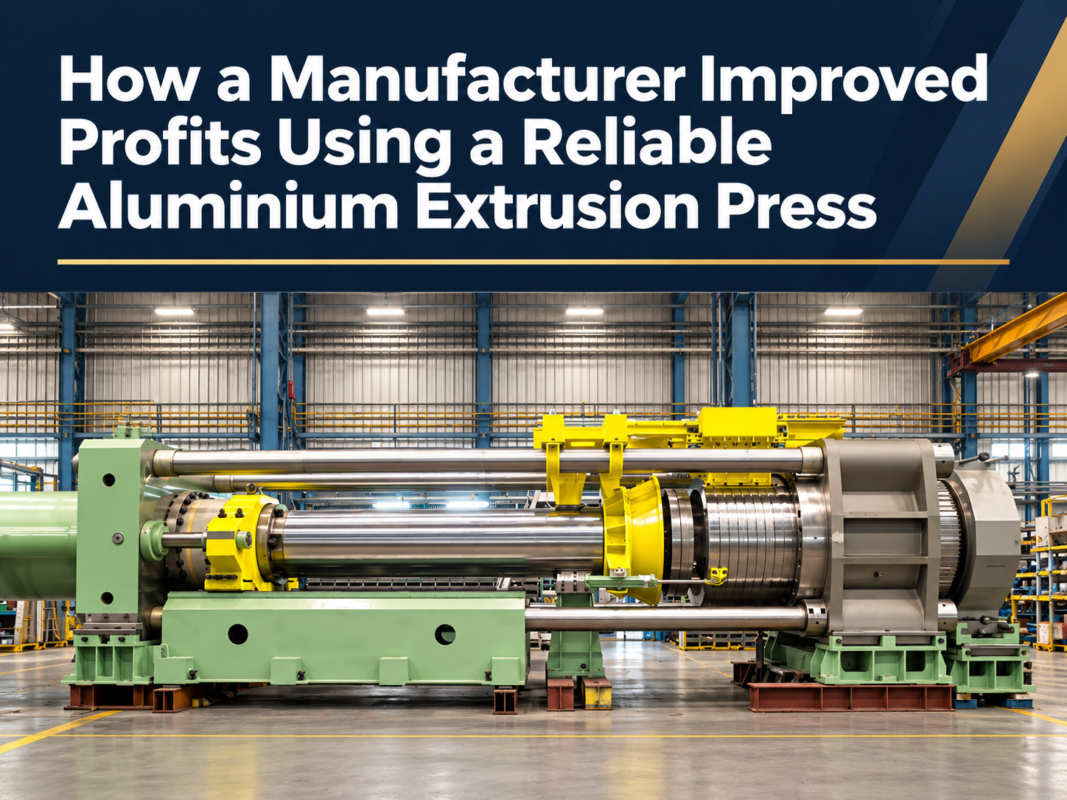
In the competitive landscape of modern metal fabrication, the ability to maintain high throughput while ensuring precision is the hallmark of a successful enterprise. For many manufacturers, the bottleneck often lies in aging machinery that can no longer keep pace with market demands. This article explores a comprehensive Case Study: Boosting Output Efficiency with an Upgraded Aluminium Extrusion Press, focusing on how HARSLE’s advanced engineering solutions transform legacy production lines into high-performance hubs.
The transition from manual or outdated hydraulic systems to modern, automated aluminium extrusion presses represents more than just a capital investment; it is a strategic shift toward Industry 4.0. By integrating sophisticated control systems and high-efficiency hydraulic circuits, manufacturers can significantly reduce cycle times, minimize material waste, and improve the overall structural integrity of the extruded profiles.
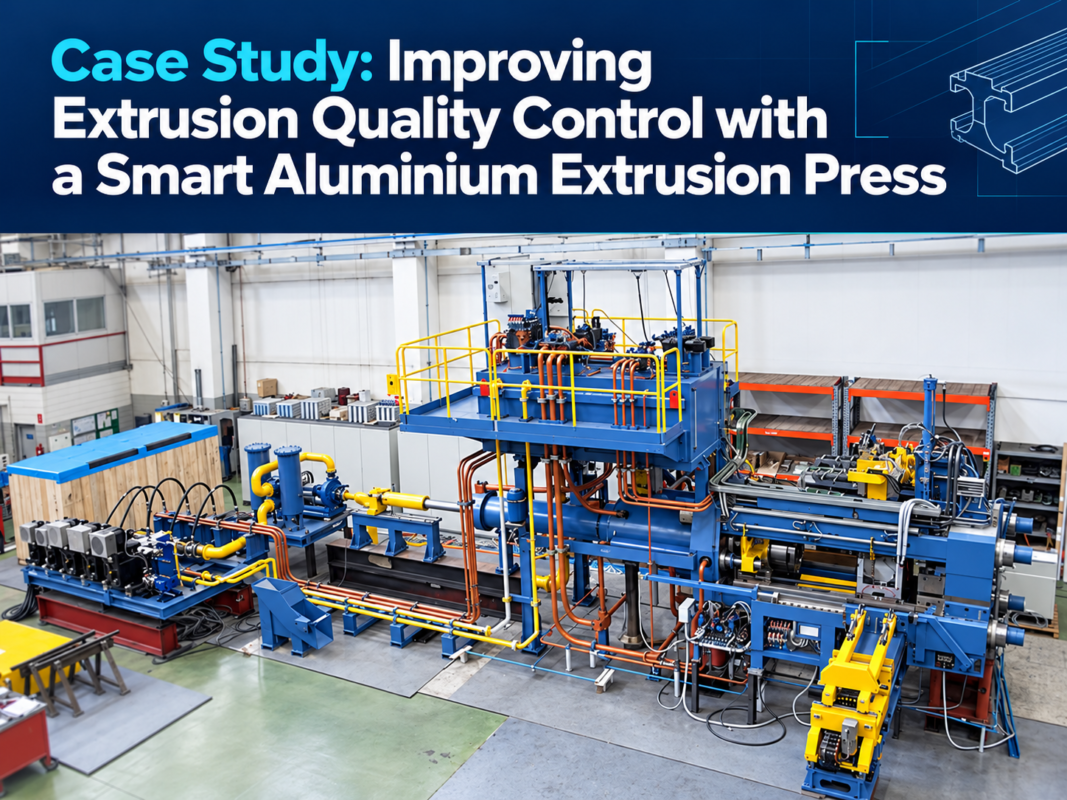
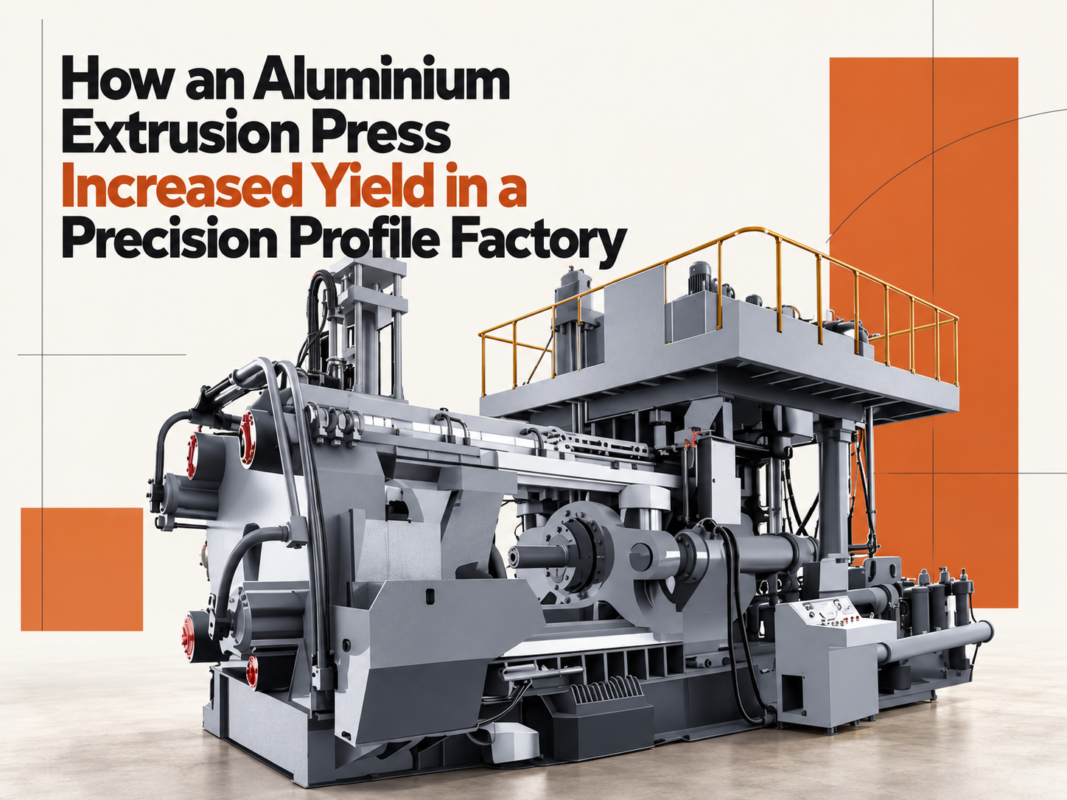
This case study examines a mid-sized fabrication facility that faced declining margins due to frequent downtime and inconsistent extrusion quality. By replacing their legacy equipment with a HARSLE high-speed aluminium extrusion press, the company achieved a 35% increase in output efficiency within the first quarter of operation. We will delve into the technical nuances, the decision-making process, and the long-term operational benefits of this upgrade.
Understanding the impact of such an upgrade requires a deep dive into the mechanical and software improvements that define modern extrusion technology. As we navigate through the technical details and selection criteria, it becomes clear that the right machinery is the foundation of sustainable growth in the aluminium fabrication sector.
Key Considerations for Upgrading Your Extrusion Line
Before committing to a major machinery upgrade, facility managers must conduct a thorough audit of their existing production environment. The primary consideration is identifying the specific pain points that hinder output. Is the issue related to slow ram speeds, excessive die changeover times, or perhaps high energy consumption? Understanding these variables is crucial for selecting the right equipment.
Another vital factor is the integration capability of the new press. Modern aluminium extrusion presses are not standalone units; they are part of a larger ecosystem that includes billet heaters, pullers, cooling tables, and aging ovens. A successful upgrade must ensure that the new press communicates seamlessly with existing downstream equipment to prevent bottlenecks elsewhere in the line.
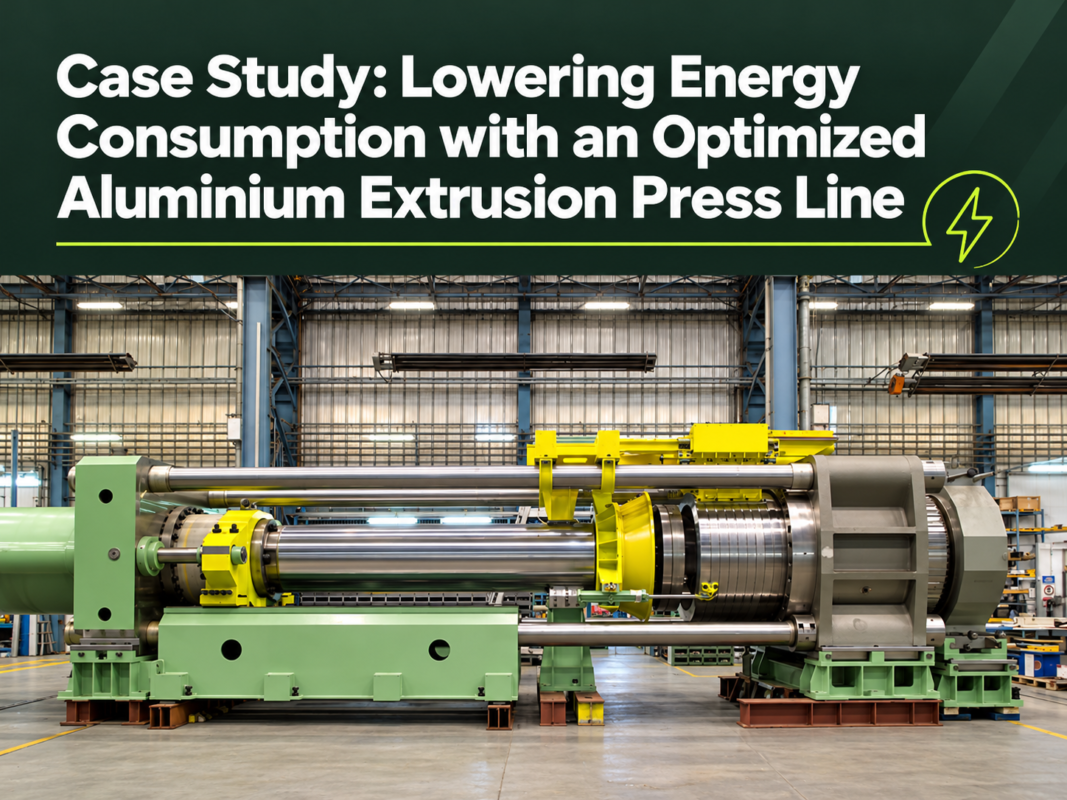
Energy efficiency has become a non-negotiable aspect of industrial procurement. Older hydraulic presses often operate with constant-displacement pumps that waste energy during idle periods. Upgrading to a HARSLE press equipped with servo-driven hydraulic systems allows for precise energy consumption, where power is only drawn when the ram is in motion, leading to significant reductions in utility costs over the machine’s lifespan.
Finally, the human element cannot be overlooked. Upgrading machinery requires a workforce that is trained to operate, maintain, and troubleshoot the new technology. The transition period should include comprehensive training programs provided by the manufacturer to ensure that the team can leverage the full potential of the new press from day one.
Technical Details of the HARSLE Extrusion Upgrade
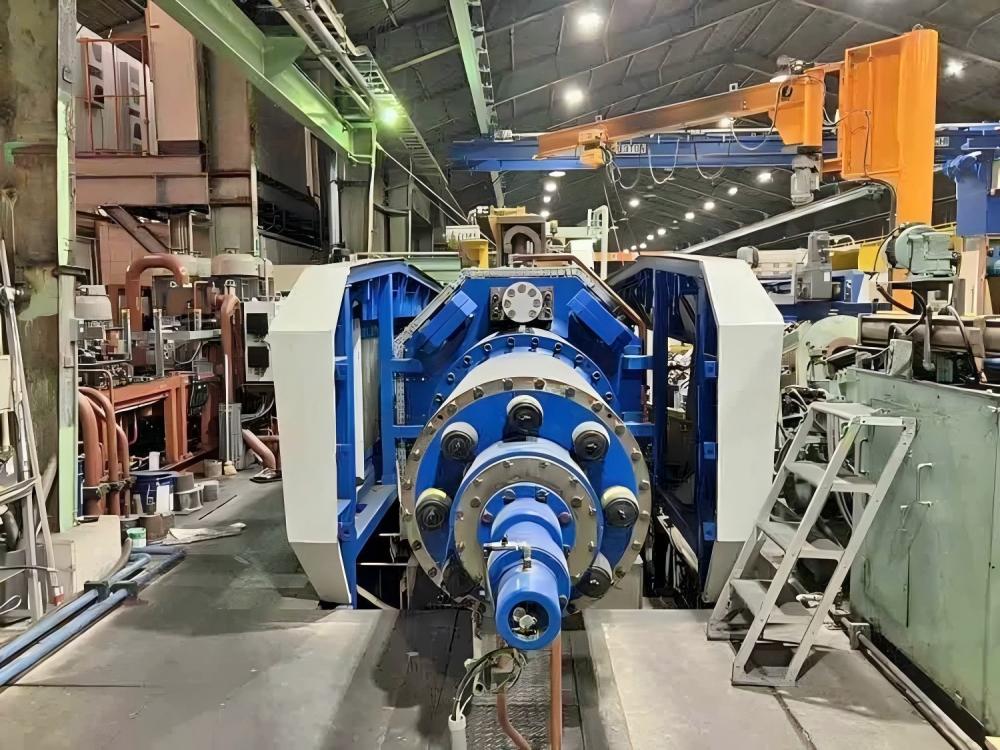
The core of the efficiency boost in our case study lies in the technical specifications of the HARSLE aluminium extrusion press. Unlike older models that rely on simple relay logic, the new system utilizes a high-speed PLC (Programmable Logic Controller) coupled with a proportional valve control system. This allows for real-time adjustments to extrusion speed and pressure, ensuring that the material flow remains constant even when dealing with complex cross-sections.
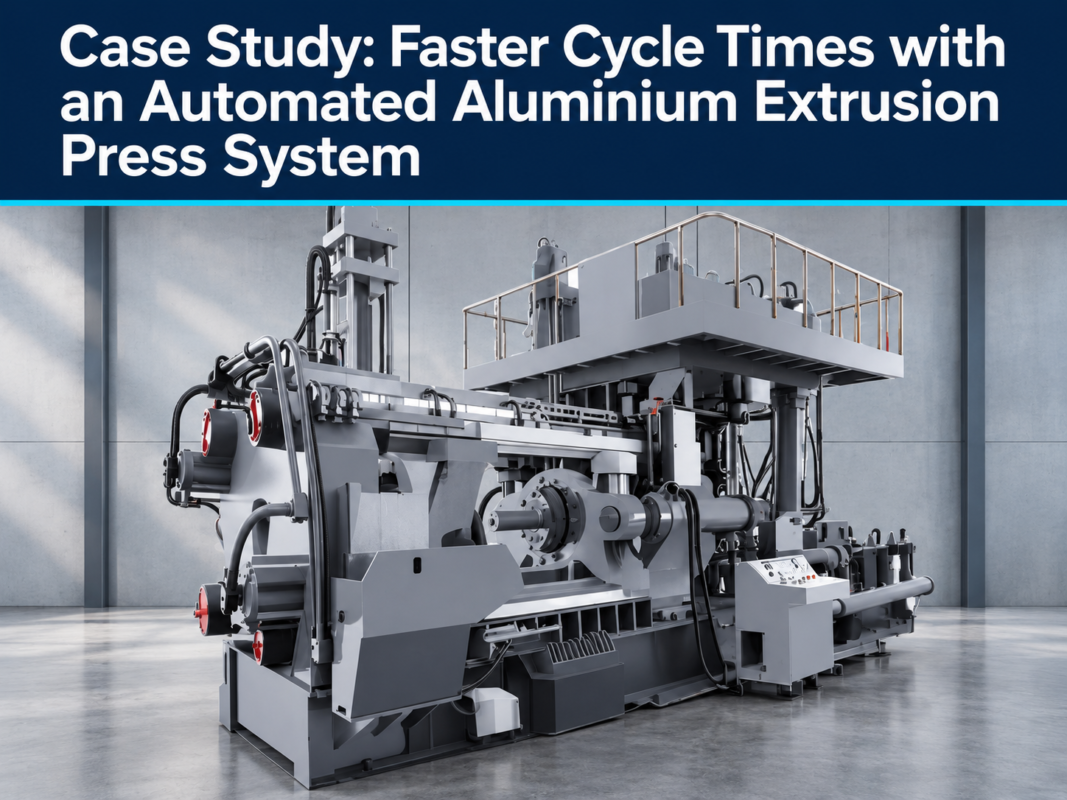
The hydraulic system has been redesigned to minimize pressure drops and heat generation. By utilizing high-efficiency accumulators and advanced manifold blocks, the press achieves faster dry-cycle times. This reduction in non-productive time is a major contributor to the overall increase in output. Furthermore, the inclusion of a closed-loop cooling system ensures that the hydraulic oil remains at an optimal temperature, extending the life of seals and valves.
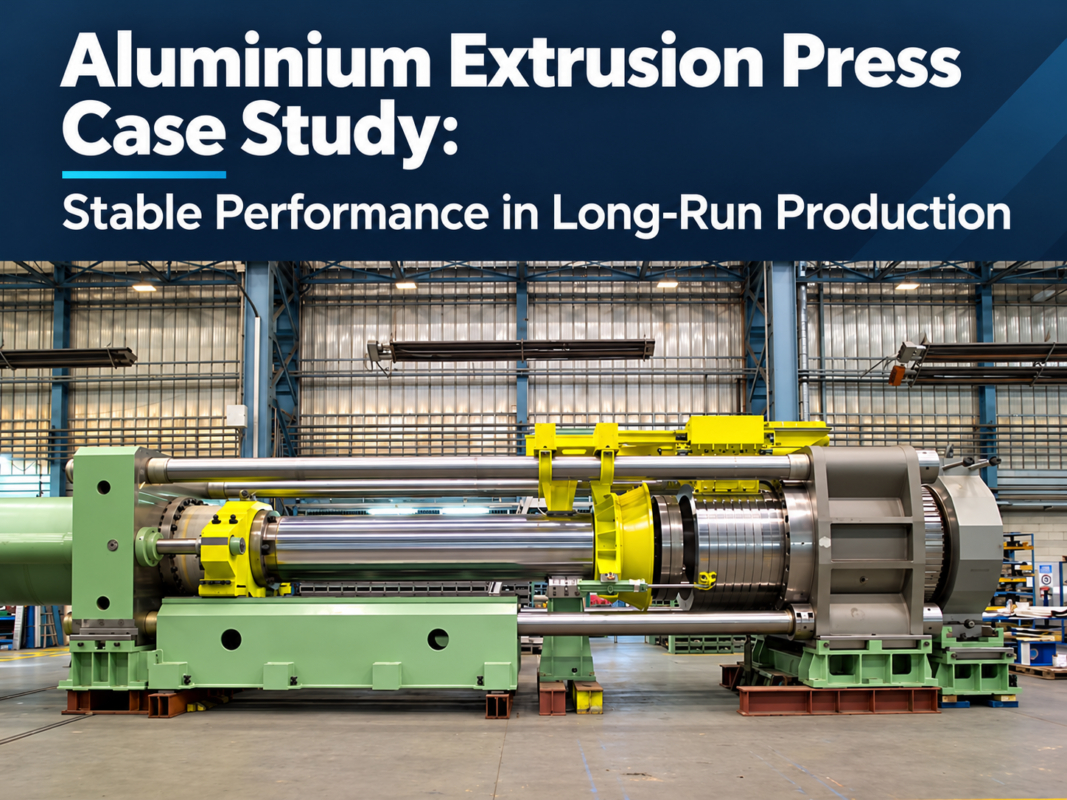
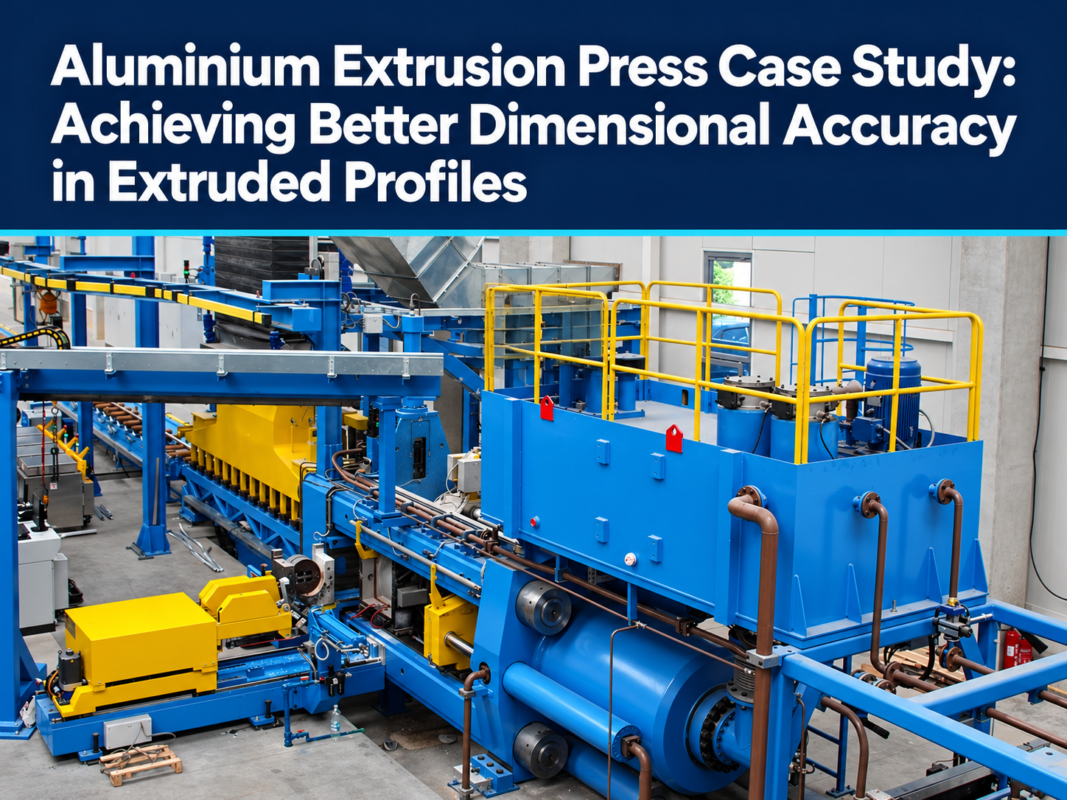
Structural rigidity is another technical advantage. The HARSLE press frame is engineered using finite element analysis (FEA) to withstand the immense forces generated during the extrusion process. This rigidity minimizes deflection, which is critical for maintaining tight tolerances on thin-walled profiles. When the press frame is stable, the die life is significantly extended, as the alignment between the container and the die remains consistent throughout the production run.
Data logging and diagnostics are perhaps the most transformative technical features. The HARSLE control interface provides operators with live feedback on extrusion force, billet temperature, and ram position. This data allows for predictive maintenance, where potential issues are identified and addressed before they lead to catastrophic failure or unplanned downtime. The ability to store and recall extrusion recipes also ensures that quality remains consistent across different batches.
Selection Advice: Choosing the Right Press for Your Needs
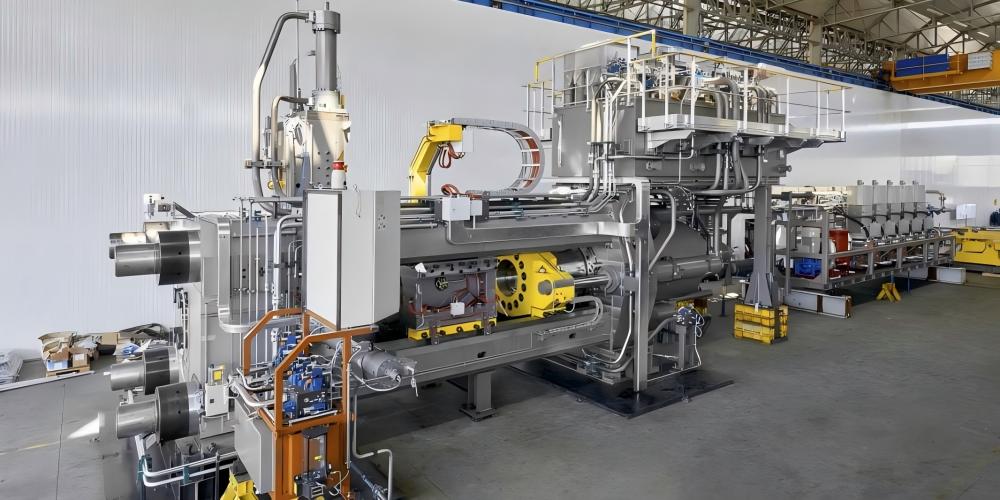
Selecting the correct aluminium extrusion press is a balance between current production requirements and future scalability. The first step is to define the maximum extrusion force required based on the alloy type, billet diameter, and the complexity of the profiles being produced. Over-specifying can lead to unnecessary capital expenditure, while under-specifying will limit your production capabilities.
Consider the level of automation required for your specific application. If your facility produces high volumes of standardized profiles, a fully automated line with robotic billet handling and automatic die changing will yield the highest return on investment. Conversely, if your business model focuses on low-volume, high-mix production, a more flexible, semi-automated system might be more cost-effective.
The reputation and support network of the manufacturer are just as important as the machine’s specifications. A press is a long-term asset, and the availability of spare parts, remote technical support, and on-site service technicians is critical. HARSLE prides itself on providing comprehensive after-sales support, ensuring that our clients are never left with a stalled production line.
Finally, evaluate the total cost of ownership (TCO). This includes not just the purchase price, but also installation, energy consumption, maintenance requirements, and the cost of training. A slightly higher initial investment in a high-quality HARSLE press often results in a lower TCO due to reduced maintenance intervals and higher reliability over a 15-20 year operational lifespan.
Często zadawane pytania (FAQ)
What is the primary benefit of upgrading to a modern aluminium extrusion press?
The primary benefit is a significant increase in production efficiency through faster cycle times, improved material consistency, and reduced energy consumption. Modern presses also offer better data tracking and diagnostic capabilities.
How long does it take to see a return on investment for an extrusion press upgrade?
While this varies based on production volume and operational efficiency, many of our clients see a return on investment within 18 to 36 months due to increased throughput and lower maintenance costs.
Does HARSLE provide training for operators?
Yes, HARSLE provides comprehensive training programs covering machine operation, safety protocols, routine maintenance, and troubleshooting to ensure your team is fully prepared.
Can a new press be integrated into an existing production line?
Absolutely. HARSLE engineers work closely with your team to ensure that the new press is compatible with your existing downstream equipment, such as pullers and cooling tables, through custom interface solutions.
What kind of maintenance does a HARSLE extrusion press require?
Routine maintenance includes regular hydraulic fluid analysis, filter changes, inspection of seals, and lubrication of moving parts. Our control systems also provide alerts for scheduled maintenance tasks.
Wniosek
The Case Study: Boosting Output Efficiency with an Upgraded Aluminium Extrusion Press demonstrates that the path to increased profitability in metal fabrication is paved with technological advancement. By replacing outdated, inefficient machinery with a modern HARSLE aluminium extrusion press, manufacturers can overcome production bottlenecks, improve product quality, and secure a competitive advantage in a demanding market.
Investing in high-quality industrial machinery is a commitment to excellence. With the right technical specifications, a focus on automation, and a reliable partner like HARSLE, your facility can achieve new levels of output and reliability. We encourage all fabrication managers to evaluate their current production lines and consider how an upgrade could transform their operational efficiency.
As the industry continues to evolve, staying ahead of the curve requires proactive decision-making. Whether you are looking to increase your extrusion capacity or simply replace aging equipment, HARSLE is dedicated to providing the solutions that drive your success. Contact our team today to discuss your specific requirements and take the first step toward a more efficient future.