How to Solve Billet Heating Issues in Aluminium Extrusion Press Processing: A Comprehensive Guide


Introduction to Billet Heating in Aluminium Extrusion
In the high-precision world of metal fabrication, the aluminium extrusion process stands as a cornerstone for producing complex profiles used in construction, automotive, and aerospace industries. At the heart of this process lies the billet heating stage. If the billet is not heated to the precise temperature required for the specific alloy and profile geometry, the entire production run can suffer from surface defects, structural inconsistencies, and mechanical failures. Understanding how to solve billet heating issues in aluminium extrusion press processing is not just a technical necessity; it is a critical factor in maintaining operational profitability and product quality.
HARSLE, as a leader in metal fabrication equipment, recognizes that thermal management is the most significant variable in extrusion efficiency. When billets are unevenly heated, the metal flow through the die becomes unpredictable, leading to variations in wall thickness and surface finish. This article explores the technical nuances of billet heating, the common pitfalls manufacturers face, and the advanced strategies required to optimize this stage of the production cycle. By mastering the thermal dynamics of the billet, operators can achieve higher extrusion speeds, lower scrap rates, and superior metallurgical properties in the finished product.
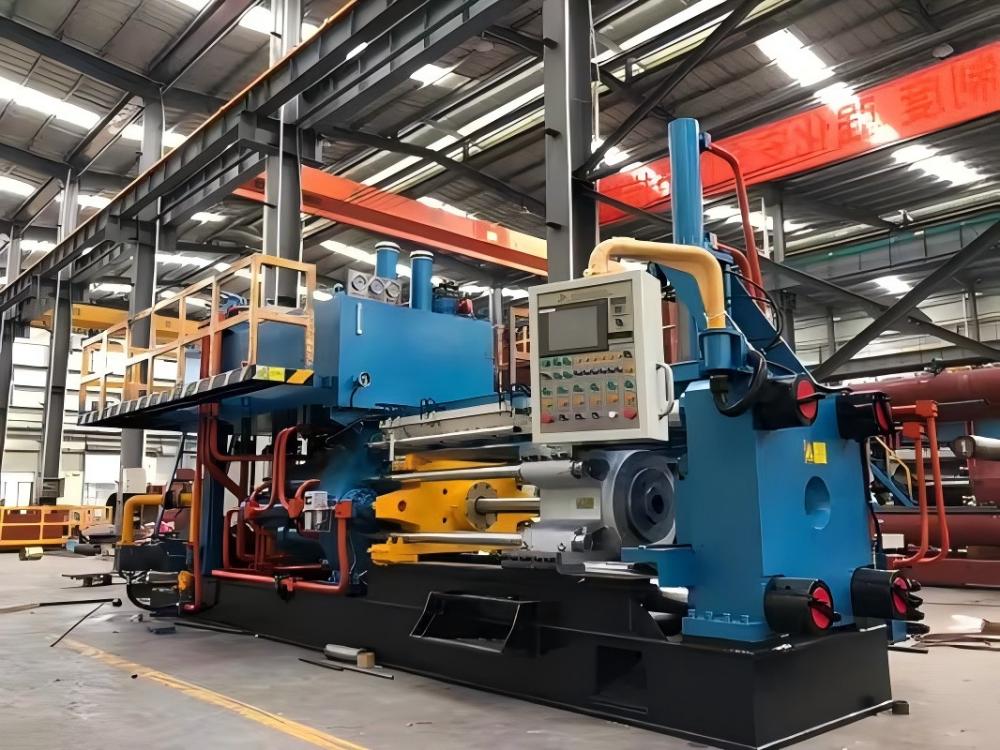
Key Considerations for Optimal Billet Temperature
The primary objective of billet heating is to achieve a uniform temperature distribution throughout the entire volume of the billet. A common mistake in the industry is focusing solely on the surface temperature while neglecting the core temperature. If the core is too cold, the extrusion pressure required increases dramatically, which can lead to excessive wear on the extrusion press components and potential damage to the die. Conversely, if the core is too hot, the material may become too fluid, leading to structural instability during the extrusion process.
Furthermore, the alloy composition dictates the specific temperature window. For instance, 6000-series alloys require different thermal profiles compared to 7000-series alloys. Manufacturers must consider the ‘taper heating’ technique, which involves heating the front of the billet to a slightly lower temperature than the back. This compensates for the heat generated by friction during the extrusion process, ensuring that the metal exits the die at a consistent temperature throughout the entire stroke. Without this gradient, the latter half of the extrusion may suffer from overheating, leading to surface tearing or ‘pick-up’ defects.
Environmental factors also play a significant role. The ambient temperature of the factory floor, the humidity levels, and the duration of time the billet spends in the transfer zone between the furnace and the press all influence the final thermal state. Implementing a robust monitoring system that tracks these variables in real-time is essential for any facility aiming to solve billet heating issues in aluminium extrusion press processing. Furthermore, the heating rate must be controlled. Rapid heating can cause thermal shock, leading to micro-cracks within the billet structure. Conversely, heating that is too slow reduces throughput and increases energy consumption. Finding the ‘Goldilocks’ zone for heating speed is a balancing act that requires high-quality induction or gas-fired furnaces integrated with intelligent control systems.
Technical Details: Troubleshooting Common Heating Defects
When defects appear in the final profile, the heating process is often the first place to look. One of the most frequent issues is ‘surface tearing’ or ‘pick-up,’ which often occurs when the billet surface is overheated relative to the core. This creates a thin, overly soft layer of aluminium that adheres to the die bearing, causing streaks and surface imperfections on the extruded product. To mitigate this, operators should utilize multi-zone induction heating to ensure the surface temperature does not exceed the critical threshold for the specific alloy.
Another technical challenge is the presence of ‘coarse grain’ structures. If the billet is held at a high temperature for too long, grain growth occurs, which significantly reduces the mechanical properties of the final profile. To solve this, operators must ensure that the billet is moved to the press immediately after reaching the target temperature. Automated handling systems are highly recommended to minimize human error and timing inconsistencies. By synchronizing the furnace discharge with the press cycle, manufacturers can ensure that every billet arrives at the press at the exact moment it reaches the optimal metallurgical state.
Temperature gradients across the billet cross-section are also a major concern. If one side of the billet is hotter than the other, the metal will flow faster on the hotter side, causing the profile to curve or twist as it exits the die. This ‘bowing’ effect is notoriously difficult to correct during the stretching and finishing stages. Using multi-zone heating controls in the furnace can help mitigate these gradients by applying localized heat where necessary. Furthermore, regular maintenance of the furnace coils or burners is essential to prevent localized hot spots that can lead to uneven heating.
Lastly, oxidation is a silent killer of quality. Excessive heating in an oxygen-rich environment leads to a thick oxide layer on the billet surface. This layer can break off during extrusion and become embedded in the profile, causing inclusions. Maintaining a controlled atmosphere or using induction heating, which is inherently faster and cleaner, can significantly reduce the formation of these detrimental oxide layers. For high-end applications, inert gas purging within the heating chamber can provide an extra layer of protection against surface oxidation.
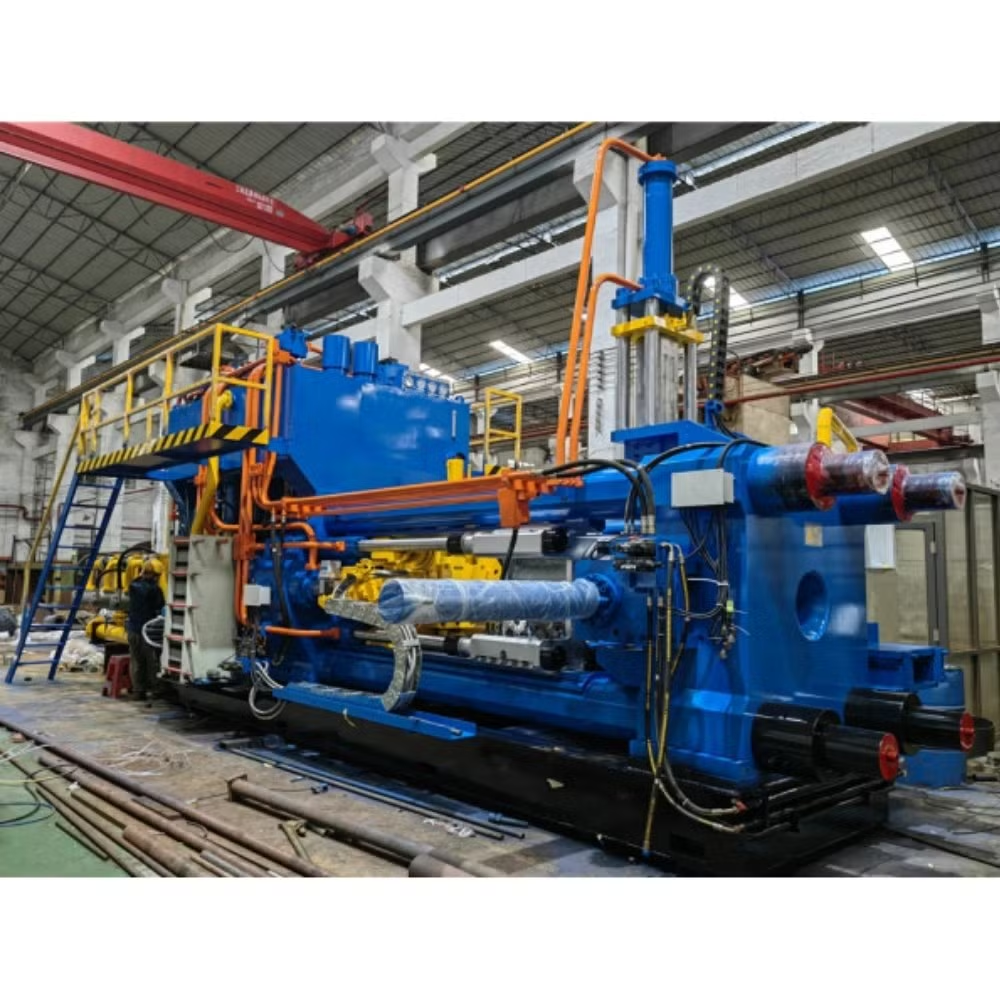
Selection Advice: Choosing the Right Heating Equipment
When looking to solve billet heating issues in aluminium extrusion press processing, the selection of the heating furnace is paramount. There are two main types of heating technologies: gas-fired furnaces and induction heaters. Gas-fired furnaces are traditional and cost-effective for large-scale production, but they often suffer from slower response times and less precise temperature control compared to their modern counterparts. If your facility produces a wide variety of alloys, the flexibility of an induction system is superior.
Induction heating is becoming the industry standard for high-precision extrusion. It offers rapid heating, excellent energy efficiency, and the ability to create precise temperature tapers. For manufacturers working with high-value alloys or complex, thin-walled profiles, the investment in an induction heating system is almost always justified by the reduction in scrap rates and the improvement in surface quality. When evaluating equipment, look for systems that offer integrated pyrometers and closed-loop feedback. These sensors measure the billet temperature at the exit of the furnace and automatically adjust the heating parameters for the next billet. This level of automation is the most effective way to solve billet heating issues in aluminium extrusion press processing, as it removes the variability associated with manual operator adjustments.
Consider the maintenance requirements as well. A furnace that is difficult to clean or calibrate will eventually lead to inconsistent heating. Choose equipment from reputable manufacturers like HARSLE that provide comprehensive documentation, spare parts availability, and technical support. A machine is only as good as the support behind it, especially when dealing with the complex thermal dynamics of aluminium extrusion. When purchasing, prioritize systems with modular designs that allow for easy replacement of heating elements or sensors, ensuring that downtime is kept to an absolute minimum.
Advanced Maintenance and Operational Best Practices
To maintain consistent performance, a preventative maintenance schedule is non-negotiable. This includes regular calibration of all temperature sensors, including infrared pyrometers and thermocouples. Over time, these sensors can drift due to the harsh environment of the extrusion floor. A quarterly calibration cycle is recommended to ensure that the data driving your heating process remains accurate. Additionally, inspect the furnace lining or induction coils for signs of wear or debris accumulation, which can interfere with heat transfer efficiency.
Operator training is another critical component. Even the most advanced equipment can fail if the operator does not understand the relationship between alloy chemistry and thermal profiles. Training programs should cover the basics of metallurgy, the impact of taper heating, and how to interpret data from the control system to make real-time adjustments. By fostering a culture of technical proficiency, manufacturers can empower their teams to identify and resolve heating issues before they result in significant scrap.
FAQ: Frequently Asked Questions
- Q: Why does my aluminium profile have a twist?
A: A twist is often caused by uneven temperature distribution across the billet. Ensure your furnace is calibrated and check for temperature gradients using a thermal imaging camera. - Q: Is induction heating better than gas heating?
A: Induction heating is generally faster, more precise, and more energy-efficient, making it ideal for modern, high-speed extrusion lines. However, gas-fired furnaces may still be suitable for high-volume, less complex profiles where energy costs are the primary concern. - Q: How can I prevent surface tearing?
A: Surface tearing is usually caused by overheating the billet surface. Reduce the furnace temperature or adjust the taper heating profile to ensure the surface is not excessively soft. Also, check for die bearing lubrication issues. - Q: How often should I calibrate my furnace sensors?
A: Sensors should be calibrated at least every quarter, or more frequently if you notice inconsistencies in your extrusion quality or if the furnace has undergone significant maintenance. - Q: What is the benefit of taper heating?
A: Taper heating compensates for the heat generated by friction during the extrusion process, ensuring a uniform exit temperature and consistent profile quality throughout the entire length of the extrusion. - Q: Can I use the same heating profile for all 6000-series alloys?
A: While they share similarities, different 6000-series alloys have varying magnesium and silicon contents, which affect their flow stress. It is best to maintain specific heating profiles for each alloy grade to ensure optimal results.
Wniosek
Solving billet heating issues in aluminium extrusion press processing is a multifaceted challenge that requires a combination of high-quality equipment, precise process control, and a deep understanding of metallurgical principles. By focusing on uniform temperature distribution, implementing automated monitoring, and choosing the right heating technology, manufacturers can significantly reduce scrap rates and improve the overall quality of their aluminium profiles. The transition from manual, experience-based heating to data-driven, automated thermal management is the hallmark of a modern, competitive extrusion facility.
At HARSLE, we are committed to providing the metal fabrication industry with the tools and knowledge necessary to achieve excellence. Whether you are upgrading your existing line or setting up a new facility, our range of extrusion press solutions is designed to meet the rigorous demands of modern manufacturing. Remember, the quality of your final product begins with the heat applied to the billet—master this, and you master the extrusion process. By investing in the right technology and maintaining a rigorous focus on thermal precision, your facility can achieve the consistency and efficiency required to thrive in today’s demanding global market.