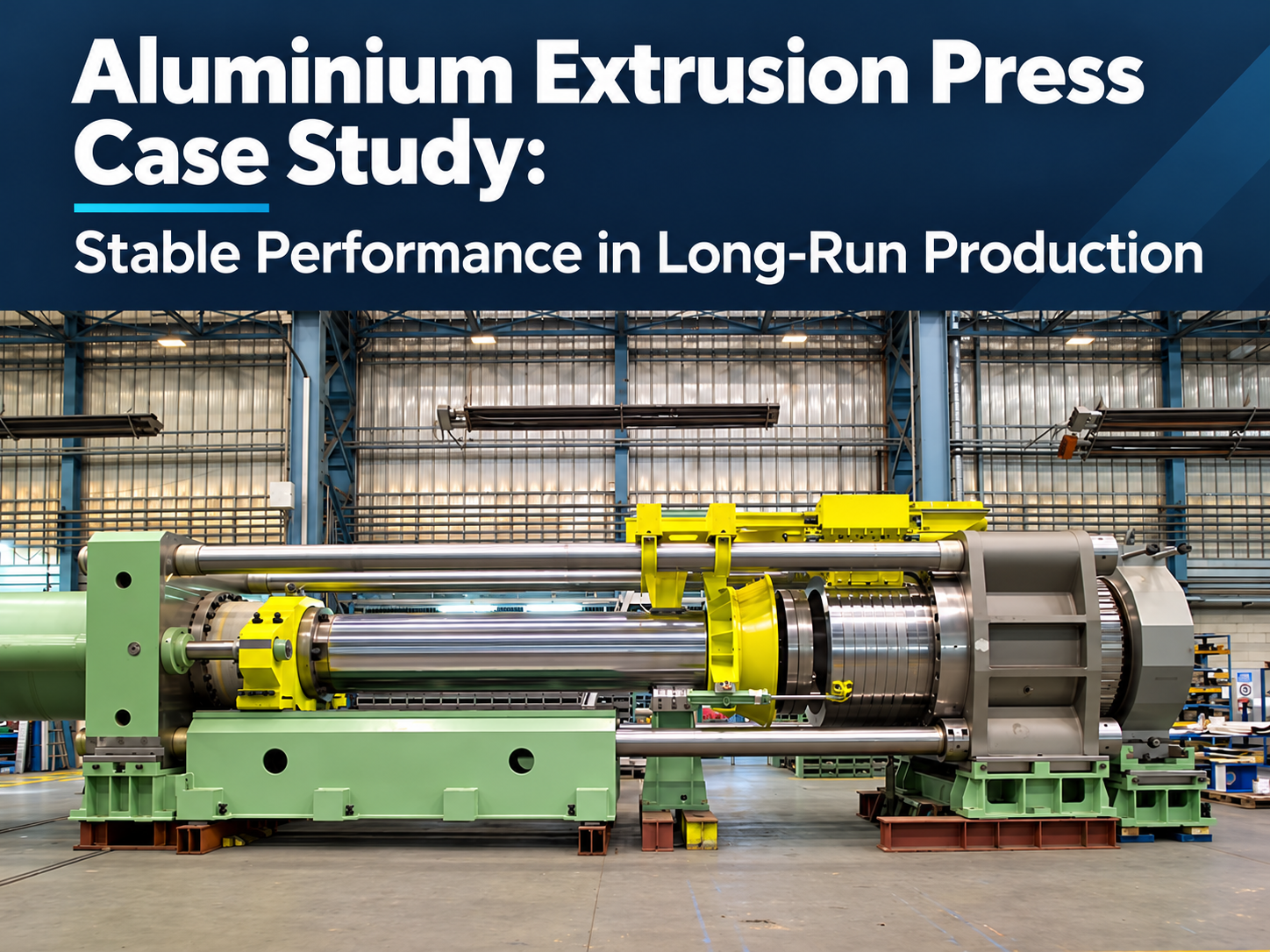
Aluminium Extrusion Press Case Study: Stable Performance In Long-Run Production

Introduction
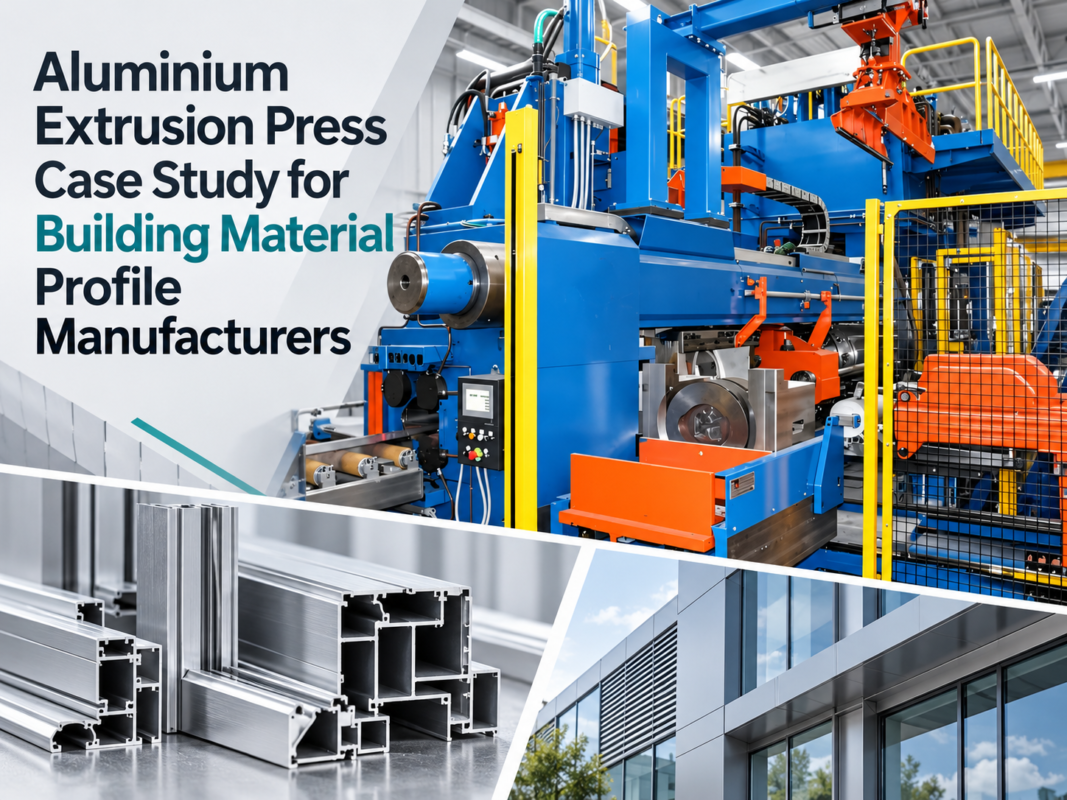
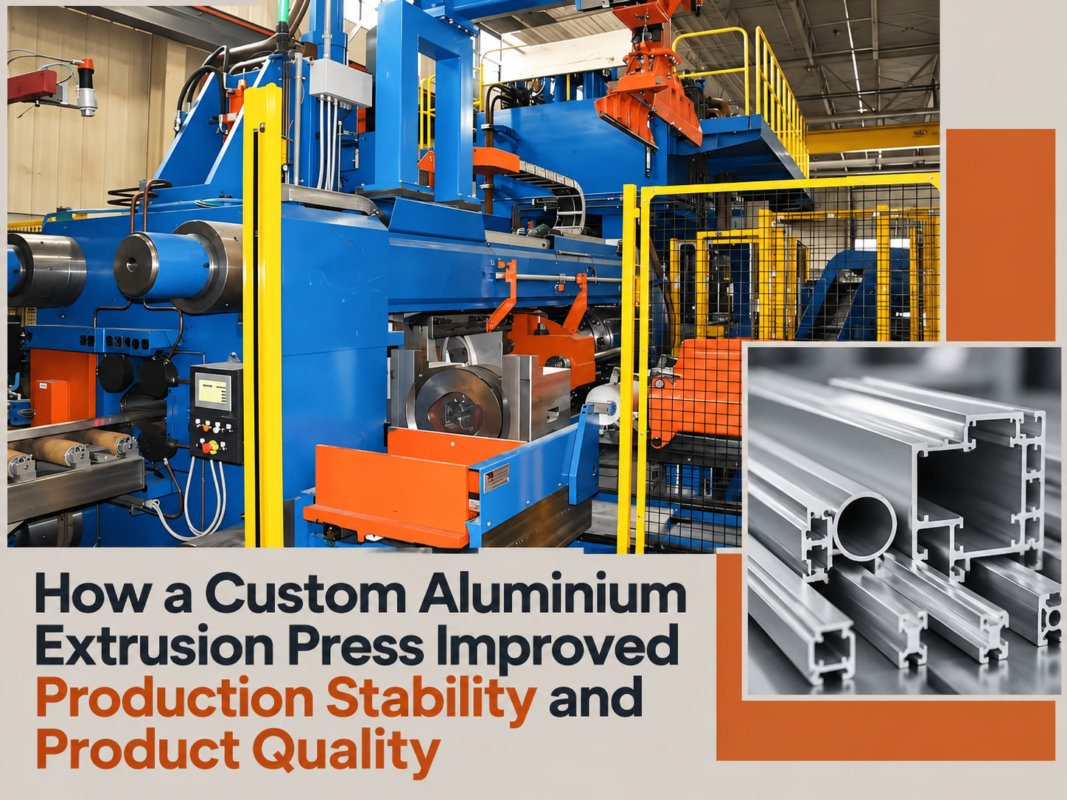
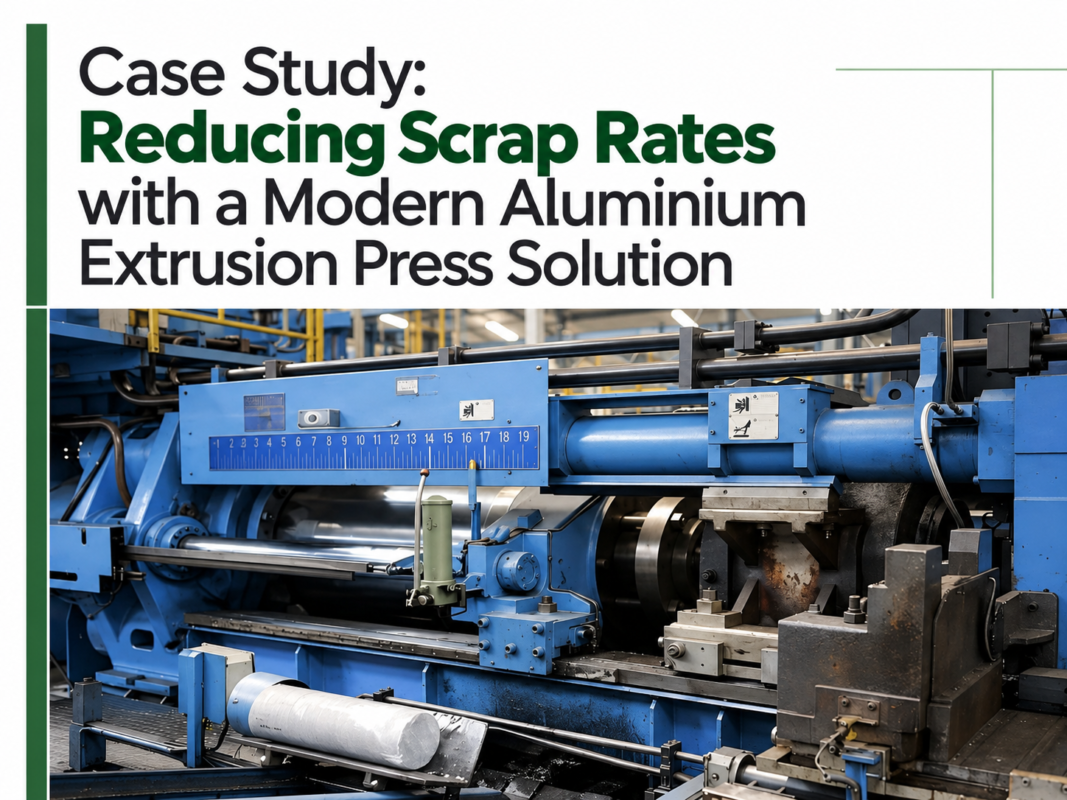
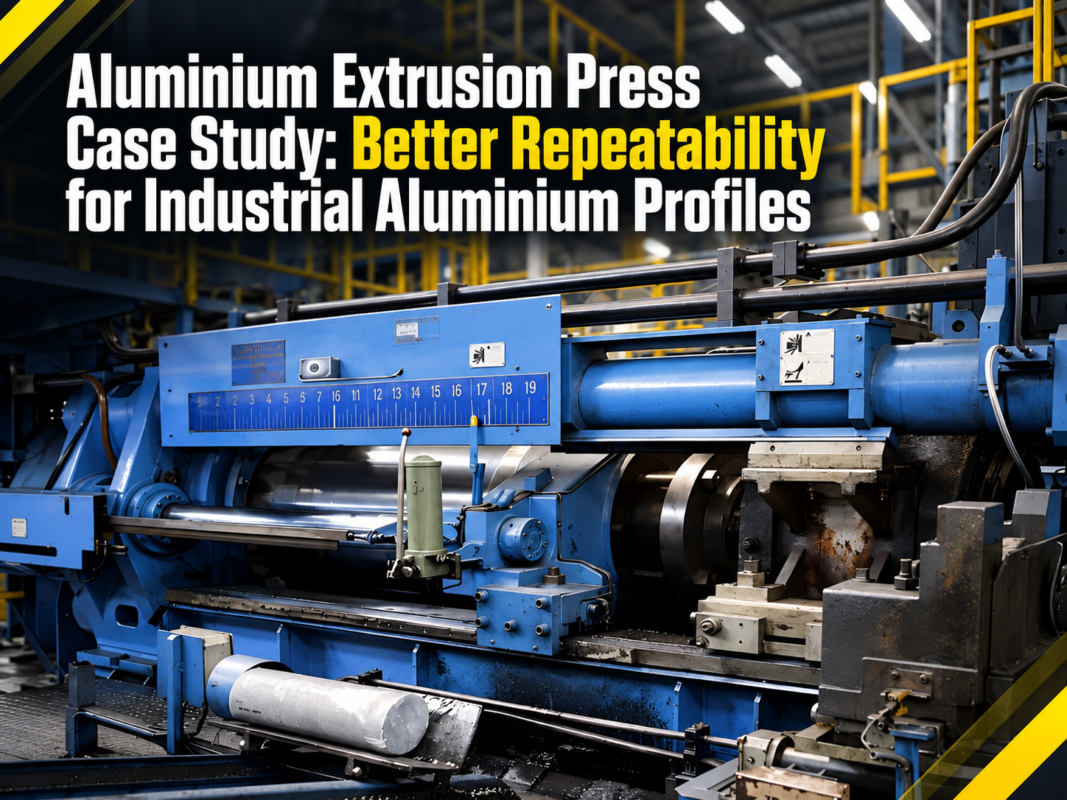
In the competitive landscape of modern metal fabrication, the demand for high-precision aluminium profiles has reached unprecedented levels. Manufacturers are constantly seeking equipment that not only delivers speed but also maintains unwavering consistency over extended production cycles. This Aluminium Extrusion Press Case Study: Stable Performance In Long-Run Production highlights how HARSLE machinery addresses these critical industrial requirements, providing a blueprint for operational excellence in high-volume environments.
The transition from manual or semi-automated systems to advanced, integrated extrusion lines is a significant milestone for any fabrication facility. When a leading aluminium profile manufacturer in Southeast Asia faced challenges with downtime and inconsistent wall thickness in their long-run production, they turned to HARSLE. This case study explores the technical interventions and operational shifts that allowed them to achieve 99.8% uptime over a six-month period.
Understanding the mechanics behind stable performance requires a deep dive into hydraulic systems, thermal management, and control software. By examining this specific case study, we aim to provide plant managers and engineers with actionable insights into how modern extrusion presses can be optimized for continuous, heavy-duty operation without sacrificing product quality or machine longevity.
HARSLE’s commitment to engineering excellence ensures that every press is built to withstand the rigors of 24/7 manufacturing. This article will dissect the key considerations for selecting the right equipment, the technical specifications that drive stability, and the maintenance protocols necessary to sustain peak performance in the long term.
Key Considerations for Long-Run Production
When planning for long-run production, the primary concern is the thermal stability of the extrusion press. Aluminium, when heated to its plastic state, requires precise pressure application to ensure uniform flow through the die. If the hydraulic system fluctuates or the heating elements fail to maintain a steady temperature, the resulting profiles will suffer from surface defects, warping, or inconsistent dimensions. Our case study client identified thermal management as their biggest hurdle before upgrading to HARSLE technology.
Another critical factor is the structural rigidity of the press frame. During long-run production, the cumulative stress on the machine frame can lead to micro-deformations. HARSLE presses utilize high-tensile steel construction and stress-relieved weldments to ensure that the alignment between the ram, container, and die remains perfect, even after thousands of cycles. This structural integrity is the foundation of stable performance.
Energy efficiency also plays a pivotal role in the economic viability of long-run production. Modern extrusion presses must balance power consumption with output speed. By implementing variable frequency drives (VFDs) and intelligent hydraulic circuits, HARSLE equipment reduces energy waste during idle phases and optimizes power delivery during the high-pressure extrusion stroke. This not only lowers operational costs but also reduces the thermal load on the hydraulic oil, extending the life of seals and valves.
Finally, the integration of automation and data monitoring is essential. In a long-run scenario, human error is a significant variable. By utilizing HARSLE’s advanced PLC systems, the client was able to monitor pressure curves, ram speed, and temperature in real-time. This data-driven approach allows for predictive maintenance, where potential issues are identified and addressed before they lead to catastrophic failure or production halts.
Technical Details of HARSLE Extrusion Systems
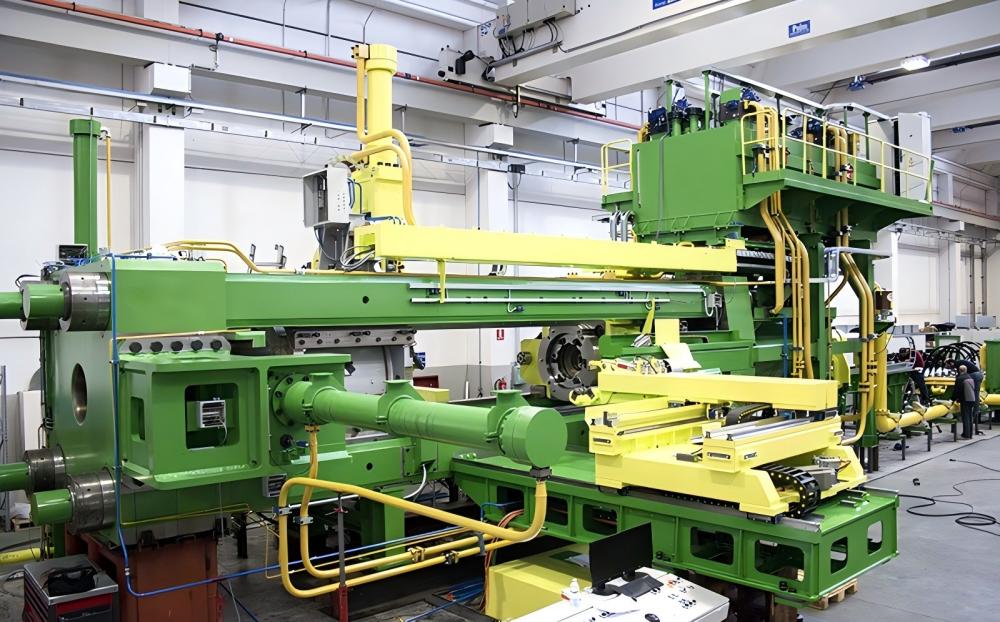
The core of the HARSLE extrusion press lies in its sophisticated hydraulic architecture. Unlike standard presses, HARSLE utilizes a multi-stage pump system that allows for precise control over the extrusion speed. This is particularly important when dealing with complex profiles that require varying pressure profiles to prevent tearing or surface imperfections. The hydraulic system is designed to maintain constant pressure, ensuring that the aluminium flow remains laminar throughout the entire stroke.
The container heating system is another technical marvel. In our case study, the client noted that previous machines suffered from uneven heating, leading to “cold spots” that caused inconsistent extrusion. HARSLE’s induction heating technology provides uniform heat distribution across the entire container length. This ensures that the billet is at the optimal temperature before it hits the die, which is crucial for achieving high-quality surface finishes on long-run batches.
Control software is the brain of the operation. HARSLE’s proprietary interface allows operators to store hundreds of production recipes. Each recipe contains specific parameters for billet temperature, ram speed, and pressure limits. When switching between different profile types, the machine automatically adjusts these settings, minimizing changeover time and ensuring that the first piece of a new run is as accurate as the last piece of the previous one.
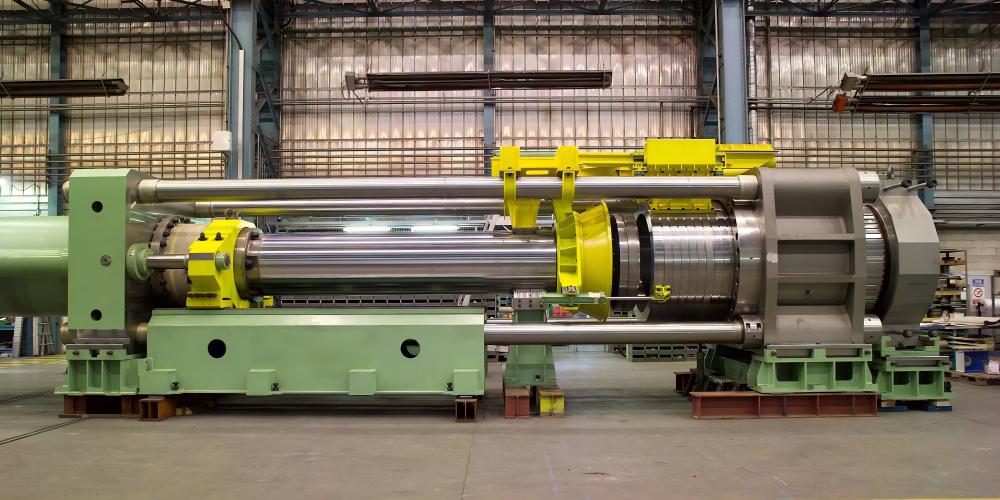
The die-handling mechanism also contributes to stability. HARSLE presses feature a quick-change die system that ensures perfect alignment every time. This reduces the risk of die damage and ensures that the extrusion force is applied symmetrically. By minimizing the mechanical stress on the die, the machine extends the life of the tooling, which is a significant cost-saving factor in long-run production environments.
Selection Advice for Metal Fabrication Equipment
Choosing the right aluminium extrusion press requires a thorough assessment of your production volume and profile complexity. If your facility focuses on high-volume, standardized profiles, prioritize a machine with a robust hydraulic system and high-speed automation capabilities. Conversely, if you produce a diverse range of complex, custom profiles, look for a press with flexible control systems and rapid die-change capabilities.
Consider the total cost of ownership (TCO) rather than just the initial purchase price. A cheaper machine might seem attractive, but if it requires frequent repairs or consumes excessive energy, the long-term costs will far outweigh the initial savings. HARSLE’s design philosophy focuses on durability and ease of maintenance, which significantly lowers the TCO over the machine’s lifespan.
Evaluate the manufacturer’s support network. In long-run production, even a minor technical issue can lead to significant downtime. HARSLE provides comprehensive training for operators and maintenance staff, as well as remote diagnostic support. This ensures that your team can handle routine maintenance and troubleshoot minor issues, keeping the production line moving without waiting for external technicians.
Finally, look for modularity in the design. As your business grows, your needs may change. HARSLE presses are designed to be modular, allowing for the addition of auxiliary equipment such as billet heaters, shear systems, and cooling tables. This scalability ensures that your investment remains relevant and productive as your market demands evolve.
FAQ: Optimizing Extrusion Performance
Q: How does HARSLE ensure consistent wall thickness in long-run production?
A: HARSLE achieves this through a combination of high-precision hydraulic pressure control and rigid machine frame construction. By maintaining constant ram speed and uniform billet temperature, the flow of aluminium through the die remains stable, preventing variations in wall thickness.
Q: What maintenance is required to keep an extrusion press running smoothly?
A: Regular maintenance includes checking hydraulic oil quality, inspecting seals for leaks, monitoring heating element performance, and ensuring the die-change mechanism is properly lubricated. HARSLE provides a detailed maintenance schedule that, when followed, ensures years of reliable operation.
Q: Can HARSLE presses handle different aluminium alloys?
A: Yes, HARSLE presses are highly versatile. The control system allows for the input of specific parameters for various aluminium alloys, ensuring that the pressure and temperature settings are optimized for the specific material properties of each alloy.
Q: How long does it take to change a die on a HARSLE press?
A: With our quick-change die system, changeover times are significantly reduced compared to traditional presses. Depending on the complexity of the setup, most die changes can be completed in under 15 minutes, maximizing production uptime.
Conclusione
The Aluminium Extrusion Press Case Study: Stable Performance In Long-Run Production demonstrates that success in the metal fabrication industry is not just about the speed of the machine, but the reliability of the entire system. By choosing HARSLE, the manufacturer in our case study was able to transform their production capabilities, achieving consistent quality and high uptime that set them apart from their competitors.
Investing in high-quality extrusion machinery is a strategic decision that impacts every aspect of your business, from product quality to operational costs. HARSLE’s dedication to engineering, innovation, and customer support makes us the ideal partner for manufacturers looking to scale their operations and maintain a competitive edge in the global market.
As you evaluate your equipment needs, remember that the goal is to build a production environment that is resilient, efficient, and capable of meeting the demands of tomorrow. Whether you are upgrading your existing line or setting up a new facility, HARSLE provides the technology and expertise to ensure your long-run production is a resounding success. Contact our team today to learn more about how our extrusion presses can be tailored to your specific manufacturing requirements.