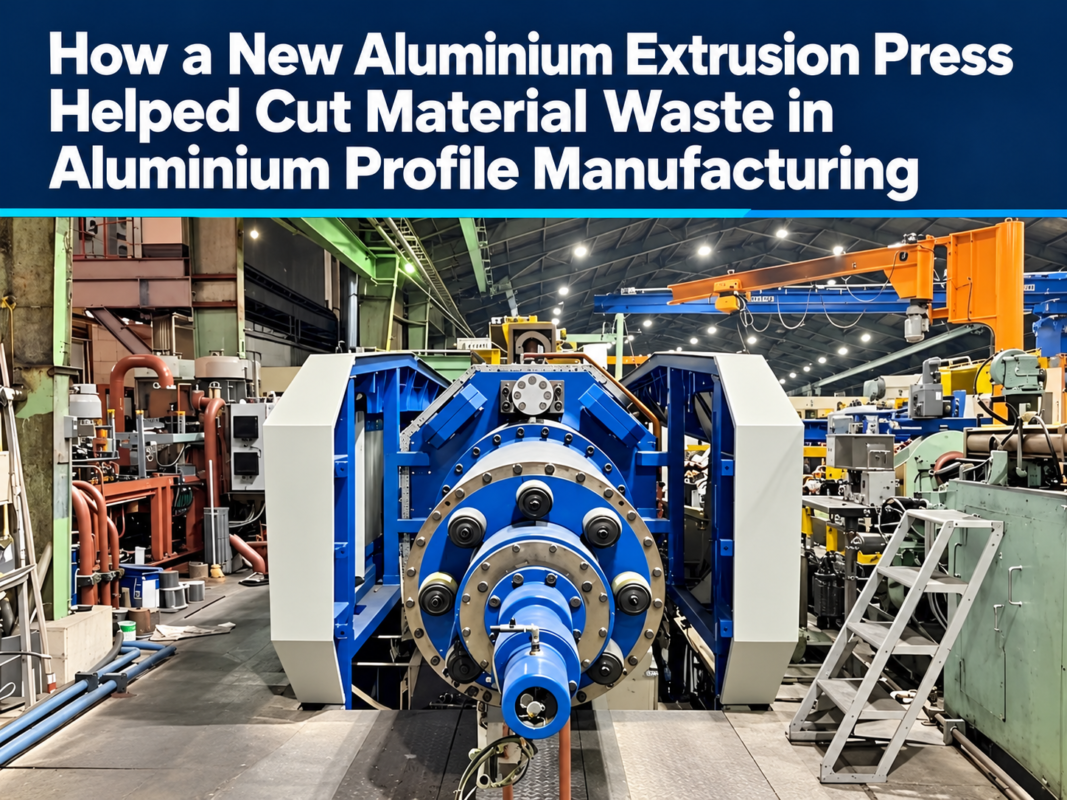
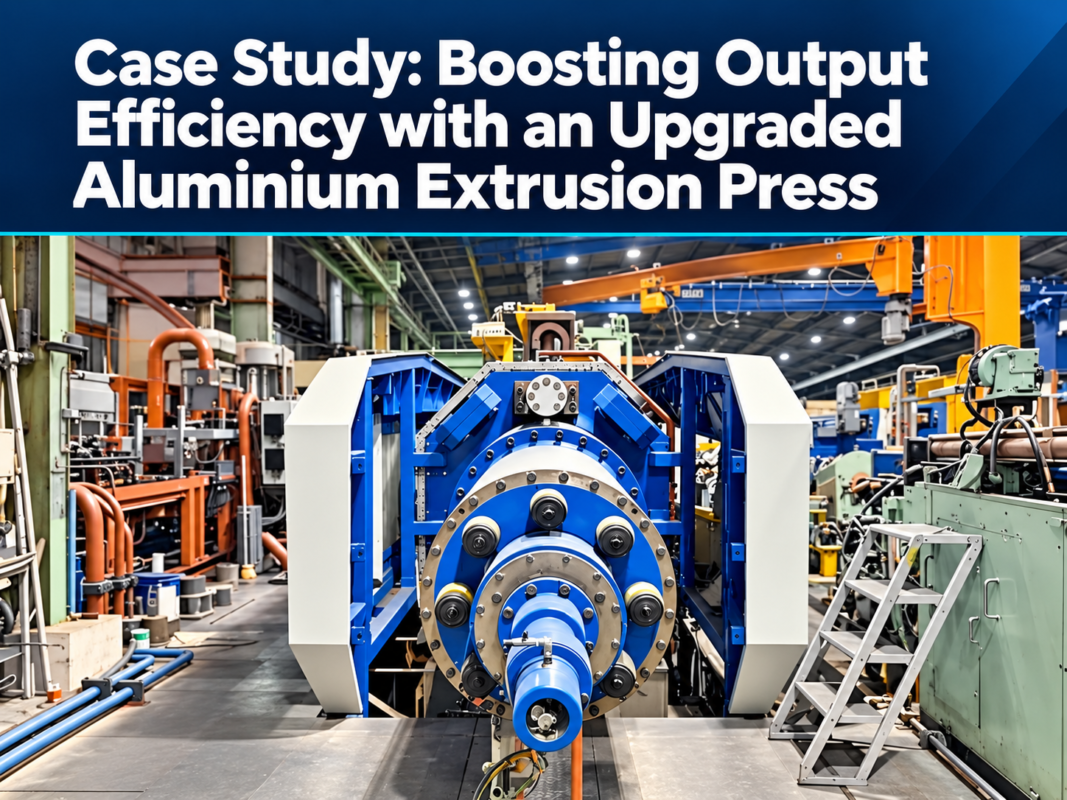
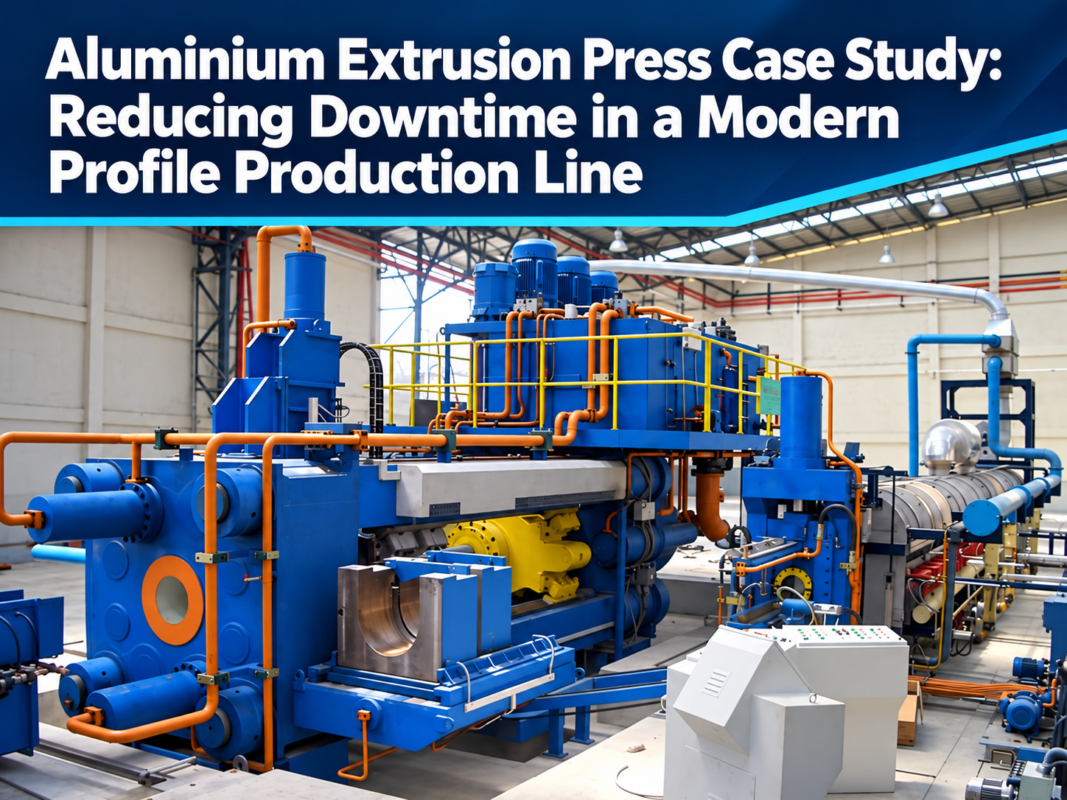
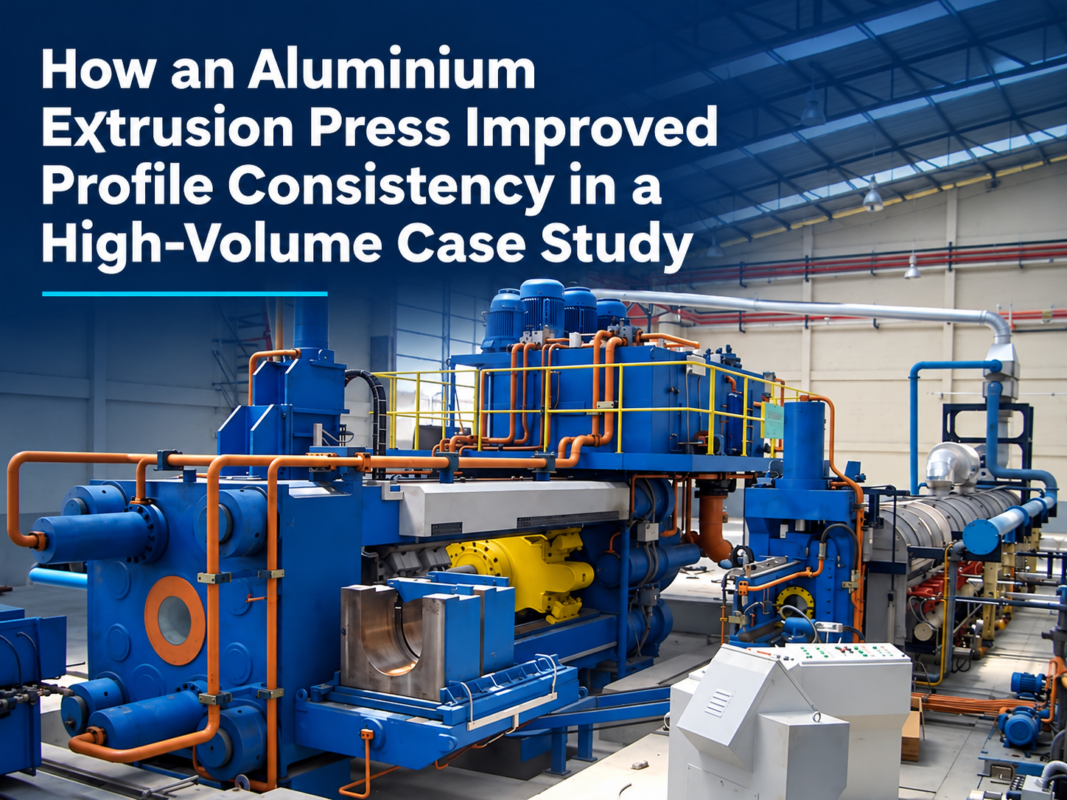
Aluminium Extrusion Press Case Study On Improving Surface Finish For Architectural Profiles

Introduction to Precision Extrusion
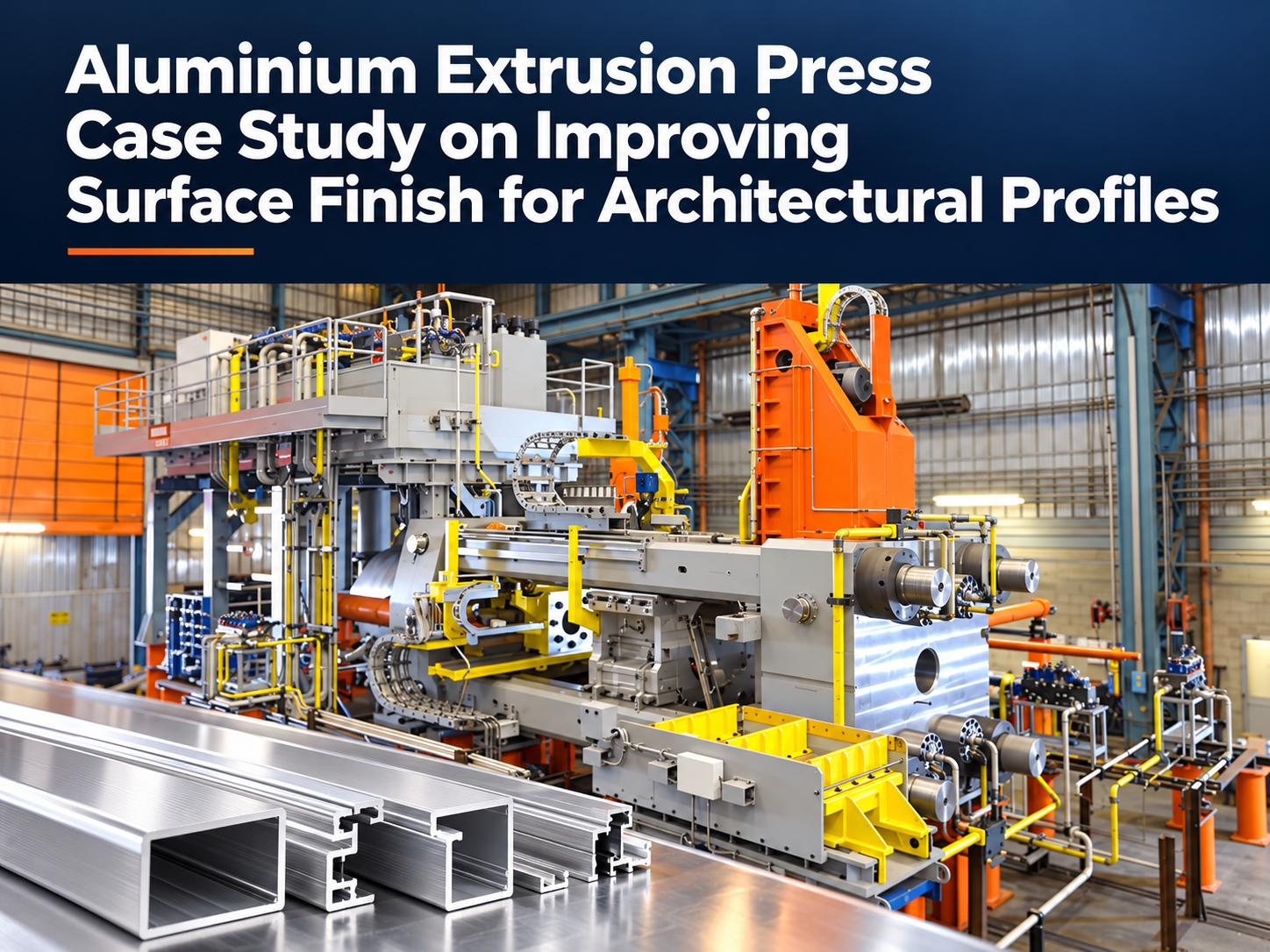
In the competitive world of architectural metal fabrication, the aesthetic and structural integrity of aluminium profiles is paramount. Architects and construction firms demand flawless surface finishes that not only look sophisticated but also provide the necessary durability for exterior applications. This Aluminium Extrusion Press Case Study On Improving Surface Finish Architectural Profiles explores the technical challenges faced by modern manufacturers and how HARSLE’s advanced machinery addresses these critical requirements.
Achieving a high-quality surface finish is not merely a matter of aesthetics; it is a complex engineering task that involves controlling friction, temperature, and pressure during the extrusion process. When profiles are destined for anodizing or powder coating, even the smallest surface defect—such as die lines, pick-up, or tearing—can lead to significant rejection rates. By analyzing the variables involved in the extrusion cycle, manufacturers can implement systemic improvements that drastically reduce waste and enhance product value.
HARSLE has long been at the forefront of providing industrial machinery that bridges the gap between raw material processing and high-end architectural finishing. Through this case study, we examine how specific adjustments to press parameters, die design, and cooling systems can transform the output quality of an aluminium extrusion line. This guide serves as a comprehensive resource for plant managers and engineers looking to optimize their production workflows.
As we delve into the technical nuances, it is important to understand that the extrusion press is the heart of the operation. Whether you are dealing with 6063 or 6061 aluminium alloys, the interaction between the billet, the container, and the die dictates the final surface quality. This article will provide actionable insights into how HARSLE equipment facilitates these improvements, ensuring that your architectural profiles meet the most stringent international standards.
Key Considerations for Surface Quality
The primary challenge in achieving a superior surface finish lies in the management of the extrusion speed and temperature. If the billet temperature is too high, the aluminium becomes overly fluid, leading to surface tearing. Conversely, if the temperature is too low, the pressure required to force the metal through the die increases, potentially causing structural inconsistencies. Balancing these factors is the first step in any successful Aluminium Extrusion Press Case Study On Improving Surface Finish Architectural Profiles.
Die maintenance and design play an equally critical role. The geometry of the die bearing surface must be precisely engineered to ensure uniform metal flow. If the bearing length is inconsistent, the metal will exit the die at varying speeds, creating differential friction that manifests as visible lines on the profile surface. Regular inspection and polishing of the die are essential to prevent the accumulation of aluminium oxides, which are a common cause of surface scratching.
Lubrication management is another key consideration. While some processes utilize dry extrusion, many architectural profiles require specialized lubricants to minimize friction between the billet and the container wall. The choice of lubricant must be compatible with the alloy and the subsequent surface treatment processes, such as anodizing. Improper lubrication can lead to ‘pick-up,’ where aluminium particles weld to the die surface, causing longitudinal streaks on the finished product.
Finally, the cooling process post-extrusion is vital. Rapid and uneven cooling can induce thermal stresses that warp the profile and affect the grain structure of the metal. Implementing a controlled quenching system, integrated directly into the HARSLE extrusion press line, allows for uniform cooling rates. This ensures that the mechanical properties of the aluminium are maintained while the surface remains free from thermal distortion or staining.
Technical Details of the Extrusion Process
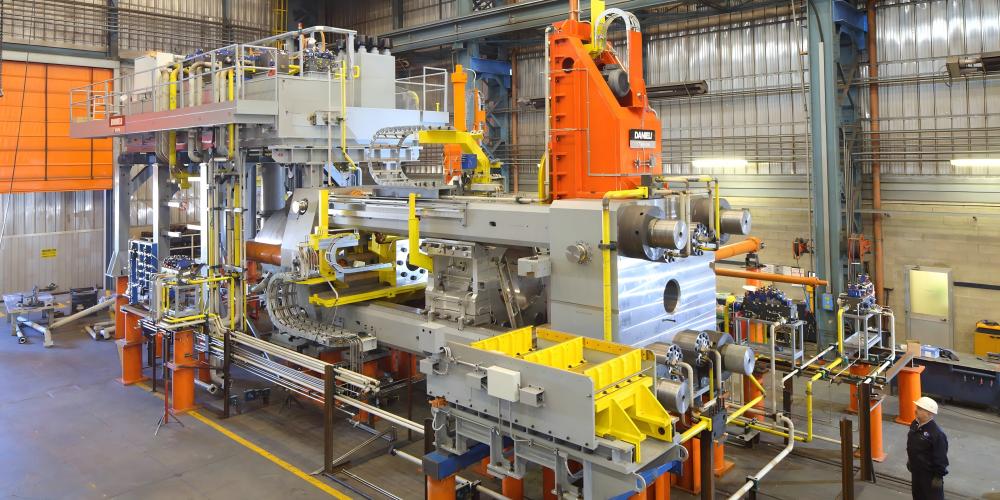
In our analysis of the extrusion process, we focus on the hydraulic control systems that drive the ram. HARSLE presses utilize sophisticated proportional valve technology to ensure smooth, consistent ram speed. Sudden fluctuations in pressure are the primary enemy of a smooth surface finish. By maintaining a constant extrusion rate, the press minimizes the risk of ‘stick-slip’ phenomena, which often result in periodic surface defects known as chatter marks.
The billet heating process must be uniform. Induction heating systems are preferred over gas-fired ovens because they provide precise, repeatable temperature profiles across the entire length of the billet. A temperature gradient within the billet can cause the metal to flow unevenly, leading to internal stresses that manifest as surface irregularities. Advanced HARSLE systems integrate billet temperature monitoring directly into the press control interface, allowing for real-time adjustments.
Die design optimization involves the use of CAD/CAM software to simulate metal flow before the die is even manufactured. By predicting areas of high stress and potential turbulence, engineers can modify the die entry angles and bearing lengths to ensure a laminar flow. This proactive approach is a cornerstone of the Aluminium Extrusion Press Case Study On Improving Surface Finish Architectural Profiles, as it addresses the root cause of surface defects rather than attempting to fix them post-production.
Furthermore, the container liner condition must be monitored. A worn or scored container liner can introduce contaminants into the extrusion process or cause uneven friction. HARSLE recommends a rigorous maintenance schedule for the container, including regular cleaning and the use of high-quality dummy blocks. The dummy block acts as a seal, preventing the oxide layer on the surface of the billet from entering the die, which is essential for achieving a mirror-like finish on architectural profiles.
Selection Advice for Extrusion Equipment
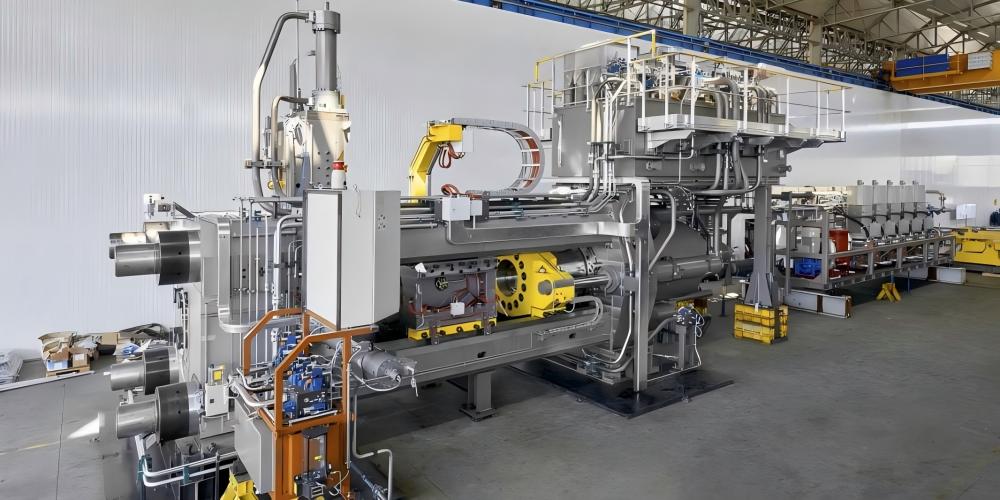
When selecting an aluminium extrusion press, the first factor to consider is the required extrusion force. This is determined by the cross-sectional area of the profiles you intend to produce and the alloy’s resistance to deformation. Over-specifying the press can lead to unnecessary energy consumption, while under-specifying will limit your ability to produce complex, thin-walled architectural profiles that require high pressure.
Automation capabilities are the next major selection criterion. Modern architectural profiles often require complex handling systems, including pullers, cooling tables, and automatic saws. A fully integrated HARSLE line ensures that the profile is handled with care from the moment it exits the die until it is packaged. Reducing manual handling is the most effective way to prevent surface scratches and dents during the production cycle.
Consider the flexibility of the control system. A user-friendly interface that allows for the storage of ‘recipes’ for different profiles is invaluable. This allows operators to quickly switch between production runs without having to manually recalibrate the press. The ability to log data for each extrusion cycle also supports continuous improvement efforts, as it allows you to correlate specific parameters with surface finish quality over time.
Finally, evaluate the manufacturer’s support and maintenance infrastructure. An extrusion press is a significant capital investment, and downtime can be extremely costly. HARSLE provides comprehensive training for operators and maintenance staff, ensuring that your team can perform routine tasks effectively. Access to spare parts and remote diagnostic support is essential for maintaining the high uptime required in a competitive architectural fabrication environment.
Domande frequenti (FAQ)
- What is the most common cause of surface defects in aluminium extrusion? The most common causes are die lines, pick-up, and improper cooling. These are usually addressed by improving die maintenance, optimizing lubrication, and controlling the extrusion speed.
- How does HARSLE technology improve surface finish? HARSLE presses feature precise hydraulic control, advanced temperature management, and integrated automation, all of which contribute to a more stable and consistent extrusion process.
- Why is billet temperature control important for architectural profiles? If the billet is too hot, the surface can tear; if it is too cold, the pressure required can cause structural defects. Precise control is necessary for a uniform, high-quality finish.
- Can I use the same press for different aluminium alloys? Yes, but you must adjust the extrusion parameters, such as speed and temperature, to account for the different flow characteristics of each alloy.
- What maintenance is required to keep the extrusion press running optimally? Regular cleaning of the container, inspection of the die, and calibration of the hydraulic and heating systems are critical for long-term performance.
Conclusione
Improving the surface finish of architectural profiles is a multi-faceted challenge that requires a deep understanding of the extrusion process. As demonstrated in this Aluminium Extrusion Press Case Study On Improving Surface Finish Architectural Profiles, success is achieved through a combination of high-quality machinery, precise process control, and rigorous maintenance standards. By investing in HARSLE technology, manufacturers can ensure that their products meet the highest aesthetic and structural expectations of the architectural industry.
The transition to high-performance extrusion is not just about the equipment; it is about the commitment to continuous improvement. By monitoring key variables such as billet temperature, ram speed, and die condition, your facility can significantly reduce waste and increase the value of your output. Whether you are a small fabrication shop or a large-scale industrial plant, the principles outlined in this guide provide a roadmap for achieving excellence in aluminium extrusion.
We encourage all manufacturers to evaluate their current processes against these standards. The architectural market is constantly evolving, and those who can consistently deliver superior surface finishes will maintain a significant competitive advantage. HARSLE remains dedicated to supporting your growth with innovative metal fabrication equipment and expert technical guidance, ensuring that your production line remains at the cutting edge of the industry.
For further information on our range of extrusion presses and how they can be tailored to your specific architectural profile requirements, please contact our technical sales team. We are committed to helping you achieve the perfect finish, every time, through precision engineering and reliable, high-performance industrial machinery.