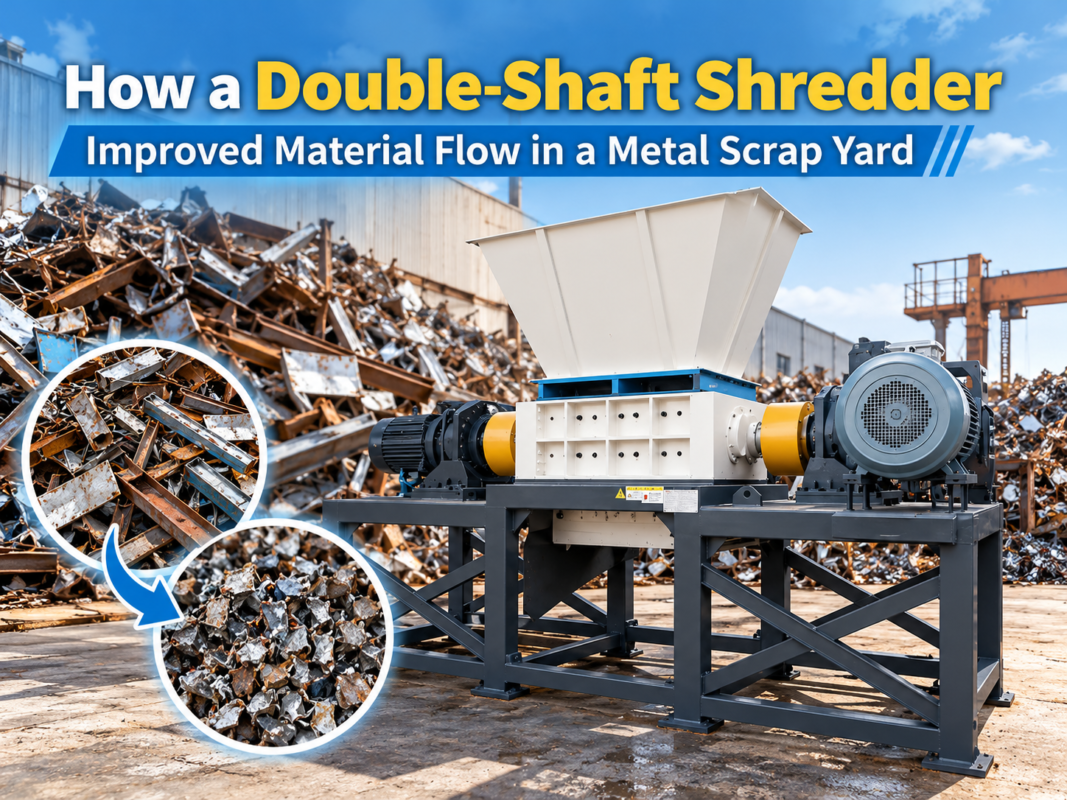
Case Study: Boosting Throughput with a Double-Shaft Shredder in a Metal Recycling Line

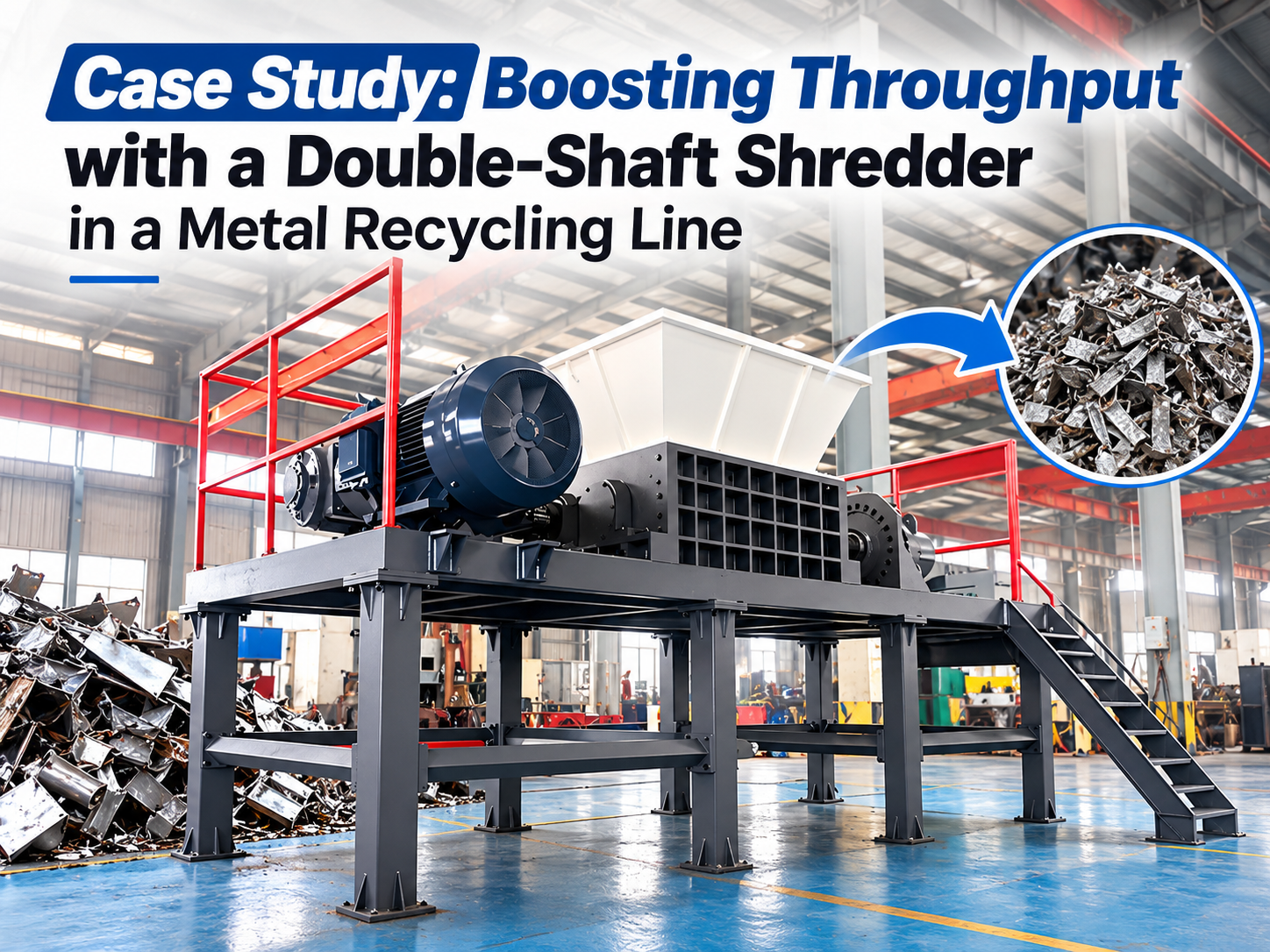
Introduction: The Evolution of Metal Recycling Efficiency
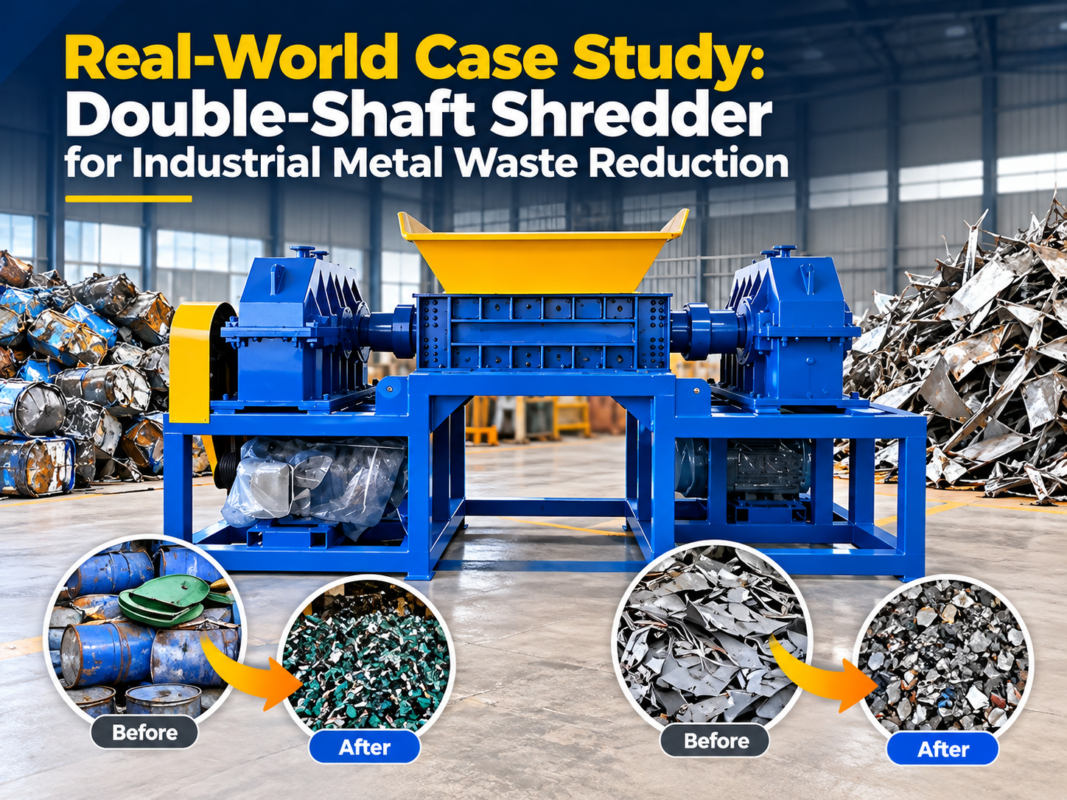
In the modern landscape of metal fabrication and industrial waste management, efficiency is no longer just an advantage—it is a necessity. As global demand for recycled raw materials surges, recycling facilities are under constant pressure to process higher volumes of scrap metal while maintaining strict quality standards. This is where the implementation of advanced machinery, specifically the double-shaft shredder, becomes a game-changer. This article explores a detailed Case Study: Boosting Throughput with a Double-Shaft Shredder in a Metal Recycling Line, illustrating how HARSLE technology transforms operational bottlenecks into streamlined production flows.
The recycling industry faces unique challenges, including the handling of bulky, irregular, and high-tensile scrap materials. Traditional processing methods often struggle with throughput limitations, leading to downtime and increased labor costs. By integrating a high-torque, low-speed double-shaft shredder, facilities can achieve a consistent output size, which is critical for downstream sorting and smelting processes. This case study examines the transition from legacy equipment to HARSLE’s specialized shredding solutions.
HARSLE has long been a leader in metal fabrication equipment, and our foray into heavy-duty shredding technology is built on the same principles of durability and precision. When a mid-sized recycling plant in Europe approached us with a throughput deficit, our engineering team conducted a comprehensive audit of their line. The findings were clear: the primary bottleneck was the initial size reduction phase. By replacing their single-shaft system with a robust double-shaft shredder, the facility saw an immediate shift in operational capacity.
This article serves as an industrial machinery guide for plant managers and facility owners looking to optimize their scrap processing lines. We will delve into the technical specifications, the selection process, and the long-term maintenance strategies that ensure a double-shaft shredder remains a profitable asset for years to come. Through this analysis, we aim to provide actionable insights that help you understand the true value of high-performance shredding technology.
Key Considerations for Metal Recycling Line Optimization
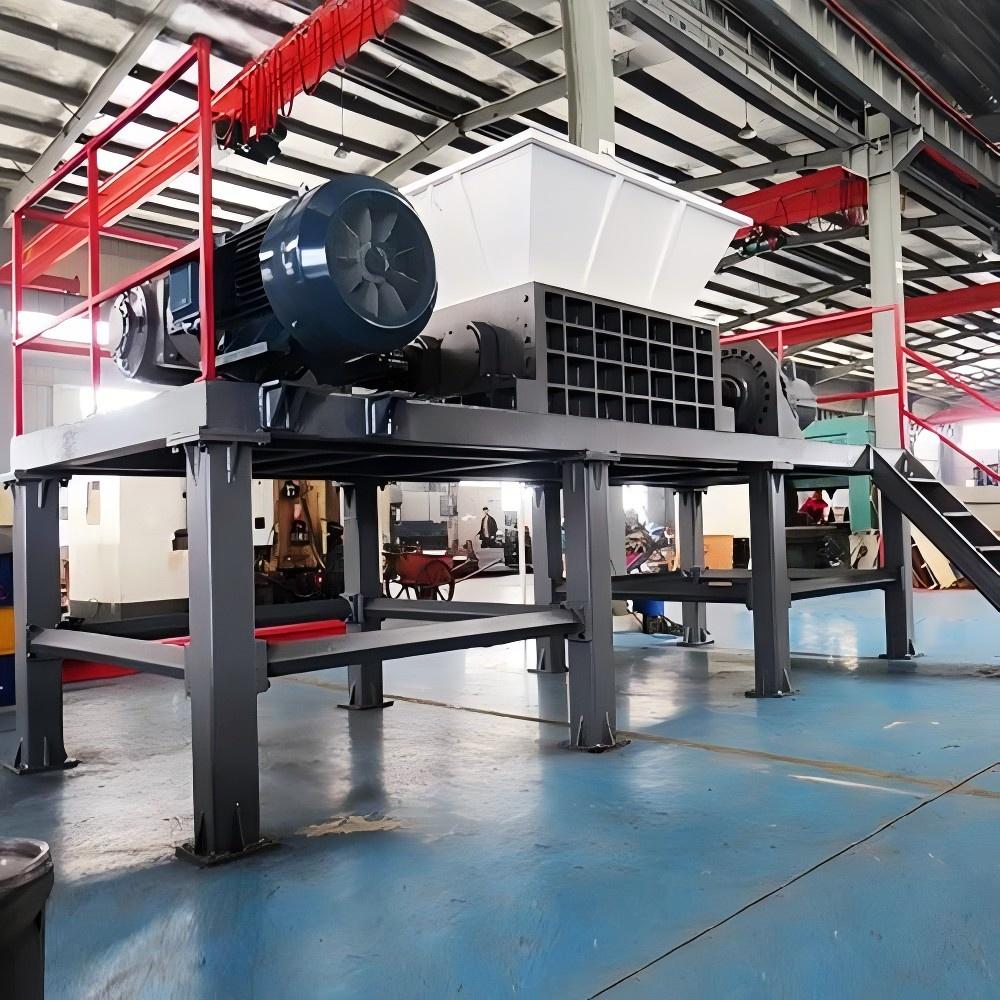
Before investing in new machinery, it is essential to evaluate the current state of your recycling line. The primary goal of any upgrade should be to increase throughput without compromising the integrity of the end product. In our case study, the client identified that their existing shredder was prone to jamming when processing mixed-metal scrap, which led to frequent manual interventions and significant safety risks for the operators.
Material composition is the first key consideration. Metal recycling lines often deal with a heterogeneous mix of ferrous and non-ferrous materials, including aluminum profiles, copper wiring, and steel sheets. A double-shaft shredder excels here because its counter-rotating blades exert immense shearing force, effectively tearing through diverse materials that would stall a less capable machine. Understanding the density and hardness of your typical input stream is vital for selecting the correct motor power and blade configuration.
Throughput requirements must be calculated based on peak demand rather than average daily volume. If your facility processes 10 tons per hour on average but experiences surges of 15 tons, your shredder must be rated for the higher capacity to prevent bottlenecks. Our case study highlights how the HARSLE double-shaft shredder allowed the client to handle these surges seamlessly, thanks to its intelligent control system that adjusts torque based on the load detected at the shafts.
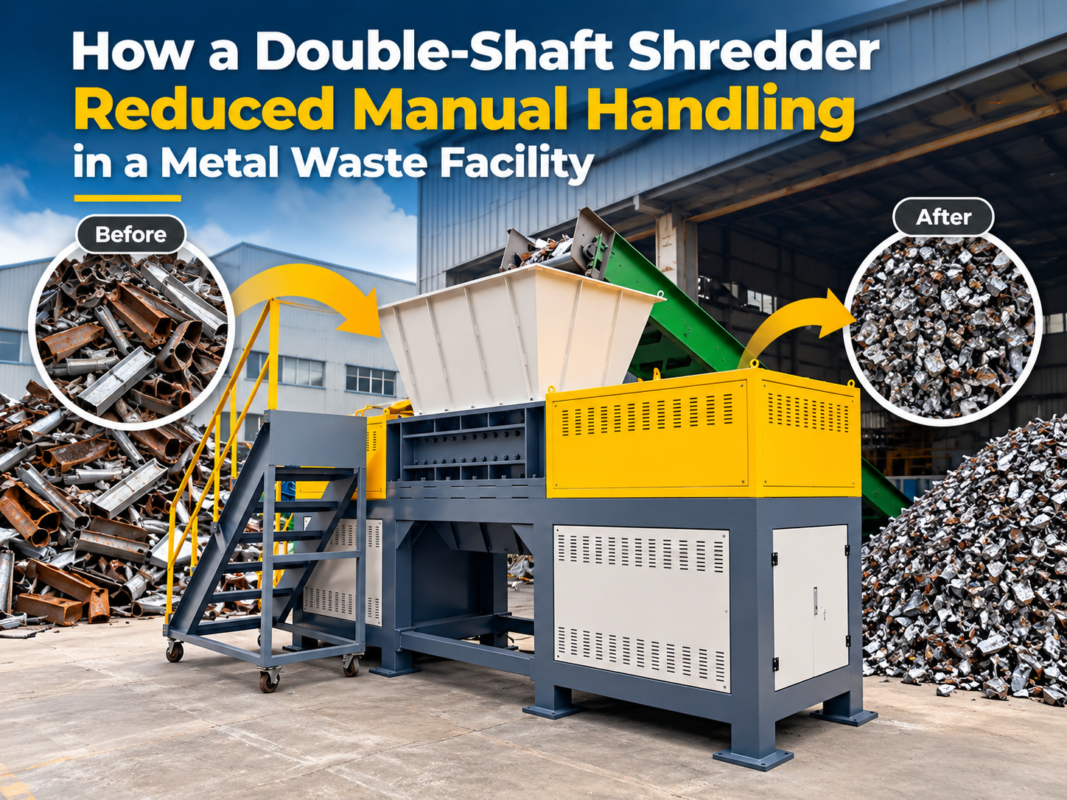
Safety and environmental compliance are equally critical. Modern recycling facilities must adhere to strict noise and dust control regulations. HARSLE’s double-shaft shredders are designed with sound-dampening enclosures and integrated dust suppression systems, ensuring that the increase in throughput does not come at the expense of a safe working environment. By automating the shredding process, the facility also reduced the need for manual handling, significantly lowering the risk of workplace injuries.
Finally, consider the integration of the shredder into the existing conveyor system. A shredder is only as fast as the equipment feeding it and the systems removing the output. The client in our case study had to upgrade their discharge conveyors to handle the increased volume of shredded material. This holistic approach—viewing the shredder as part of an integrated ecosystem—is what leads to the most significant gains in operational efficiency.
Technical Details: How the Double-Shaft Shredder Works
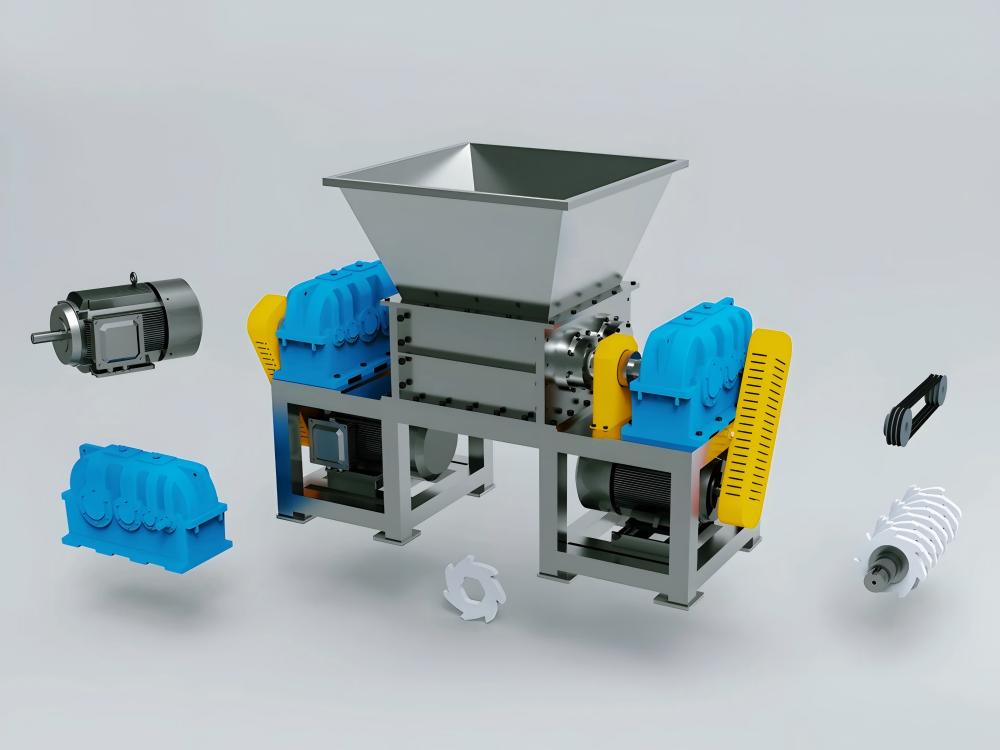
The core of the HARSLE double-shaft shredder lies in its dual-shaft design, which utilizes two parallel shafts equipped with interlocking blades. These blades rotate at low speeds but generate extremely high torque. This combination is ideal for metal recycling because it allows the machine to “bite” into the material, pull it into the cutting chamber, and shear it into smaller, uniform pieces. Unlike high-speed granulators, the double-shaft design is less prone to wear and tear when processing abrasive metals.
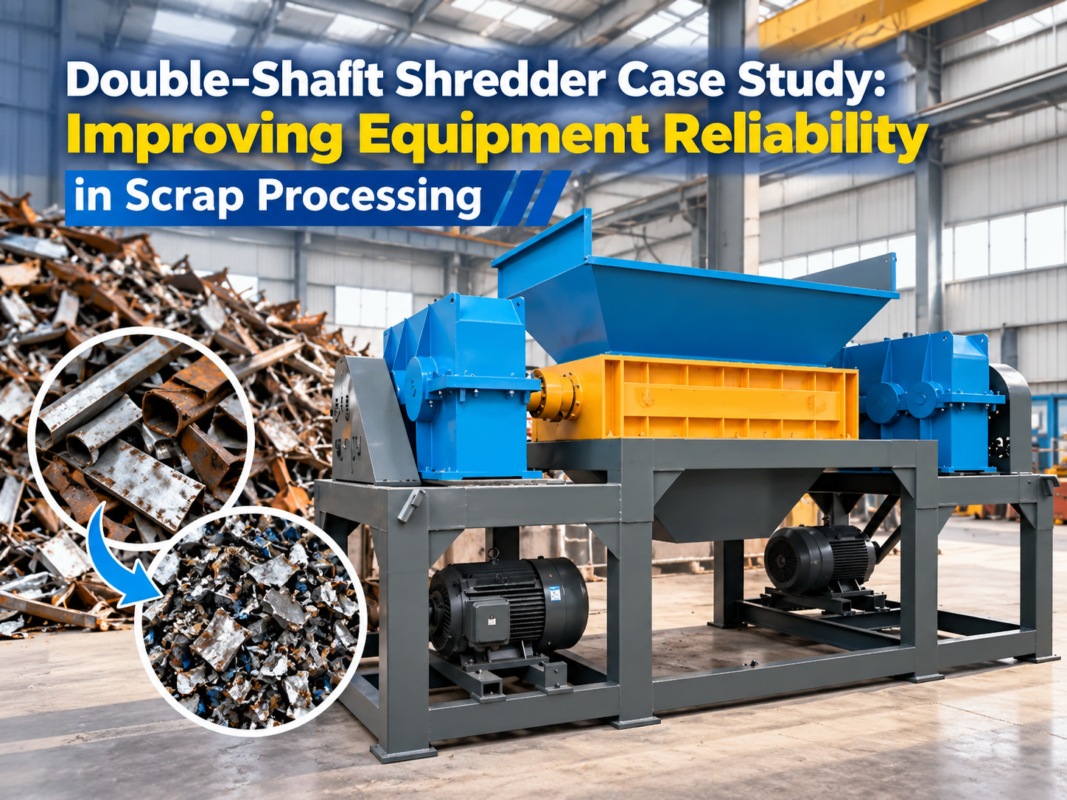
The cutting chamber is constructed from high-strength, wear-resistant alloy steel. The blades are modular, meaning that if a specific section of the shredder experiences more wear due to the nature of the material, individual blades can be replaced without needing to overhaul the entire shaft. This modularity is a key feature that contributed to the success of the case study, as it minimized maintenance downtime and kept the line running at peak capacity.
HARSLE’s control system is the “brain” of the operation. It features an automatic reverse function that triggers if the shredder detects an un-shreddable object, such as a large piece of hardened steel or a foreign contaminant. This prevents damage to the motor and the gearbox, ensuring the longevity of the machine. The PLC (Programmable Logic Controller) also monitors the temperature and oil pressure of the hydraulic system, providing real-time data to the operators.
The drive system is another critical technical component. Our shredders utilize high-efficiency planetary gearboxes that deliver consistent power to the shafts. This ensures that even when the shredder is under heavy load, the cutting speed remains stable. The result is a consistent particle size, which is essential for the efficiency of downstream magnetic separators and eddy current separators. When the output is uniform, the separation process becomes significantly more accurate, leading to higher purity levels in the recycled metal.
Selection Advice: Choosing the Right Equipment for Your Facility
Selecting the right double-shaft shredder requires a deep understanding of your specific application. Not all shredders are created equal, and choosing a machine that is either underpowered or overpowered can lead to significant financial losses. Start by defining the maximum dimensions of the scrap you intend to process. If you are shredding large car bodies or heavy industrial beams, you will require a larger cutting chamber and higher horsepower compared to a facility processing thin-gauge aluminum scrap.
Consider the desired output size. The width and thickness of the shredder blades determine the size of the shredded material. If your downstream process requires a specific particle size for optimal smelting or sorting, ensure that the shredder configuration can be customized to meet those requirements. HARSLE offers a range of blade profiles and thicknesses to accommodate various recycling needs, and our engineers work closely with clients to tailor the machine to their specific output goals.
Evaluate the maintenance requirements and the availability of spare parts. A shredder is a heavy-duty machine that will eventually require maintenance. Choosing a manufacturer like HARSLE, which provides comprehensive after-sales support and readily available spare parts, is crucial. In our case study, the client chose HARSLE specifically because of our reputation for responsive technical support, which ensured that any minor issues were resolved before they could escalate into major production halts.
Don’t overlook the importance of energy efficiency. While shredders are power-intensive, modern designs have made significant strides in reducing energy consumption per ton of processed material. Look for machines with energy-efficient motors and smart control systems that reduce power draw during idle periods. This not only lowers your operating costs but also aligns with the growing industry trend toward sustainable and energy-conscious manufacturing.
Finally, request a trial run or a site visit to a similar facility. Seeing the machine in action, processing materials similar to your own, provides the best evidence of its performance. At HARSLE, we encourage potential clients to visit our testing facilities or existing client sites to witness the throughput capabilities of our double-shaft shredders firsthand. This transparency is a cornerstone of our commitment to providing reliable metal fabrication equipment.
FAQ: Common Questions About Metal Shredding
- What is the primary advantage of a double-shaft shredder over a single-shaft shredder? The double-shaft design provides higher torque and better material intake for bulky or mixed-metal scrap, making it more efficient for primary size reduction in recycling lines.
- How often do the blades need to be replaced? Blade lifespan depends on the hardness and volume of the material processed. However, HARSLE’s modular blade design allows for easy replacement of individual sections, extending the overall life of the shaft.
- Can the shredder handle non-metal contaminants? While designed for metal, the automatic reverse function allows the machine to handle occasional non-metal contaminants without damage. However, it is always best to pre-sort material to maximize efficiency.
- What kind of maintenance is required? Regular lubrication, oil checks for the gearbox, and periodic inspection of the blades for wear are the primary maintenance tasks. HARSLE provides a detailed maintenance schedule with every machine.
- How does the shredder impact downstream sorting? By producing a uniform particle size, the double-shaft shredder significantly improves the efficiency of magnetic and eddy current separators, leading to higher purity in the final recycled product.
Conclusion: Driving Future Growth with HARSLE
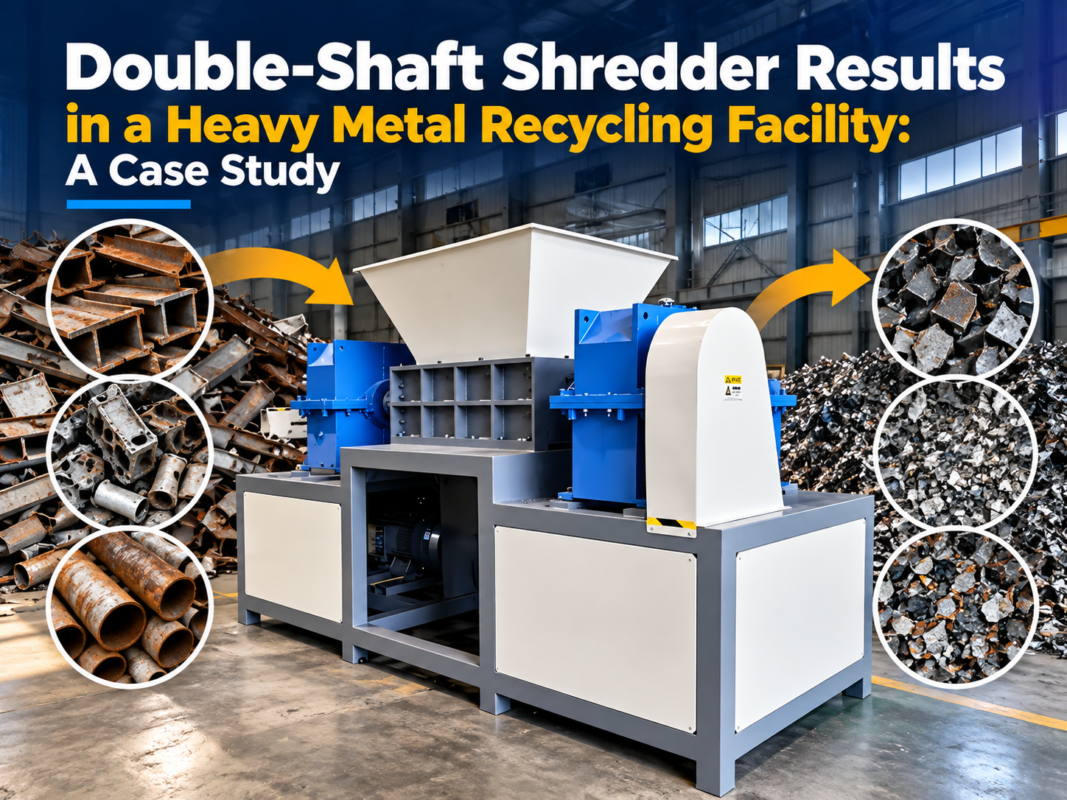
The Case Study: Boosting Throughput with a Double-Shaft Shredder in a Metal Recycling Line demonstrates that the right technology can fundamentally change the economics of a recycling business. By investing in a high-performance HARSLE double-shaft shredder, the facility was able to increase its processing capacity by 30% while simultaneously reducing energy costs and maintenance downtime. This success story is a testament to the power of precision engineering in the metal fabrication industry.
As the recycling industry continues to evolve, the demand for more efficient, reliable, and sustainable processing solutions will only grow. HARSLE remains committed to pushing the boundaries of what is possible in metal recycling. Our double-shaft shredders are designed not just to meet current needs, but to provide the flexibility and durability required to adapt to the challenges of tomorrow. Whether you are looking to optimize an existing line or design a new facility from the ground up, our team is ready to provide the expertise and equipment you need to succeed.
Investing in industrial machinery is a long-term commitment. By choosing HARSLE, you are partnering with a manufacturer that values quality, innovation, and customer success above all else. We invite you to explore our full range of metal fabrication equipment and discover how we can help you achieve your production goals. Let us help you turn your scrap metal processing into a streamlined, profitable, and highly efficient operation.