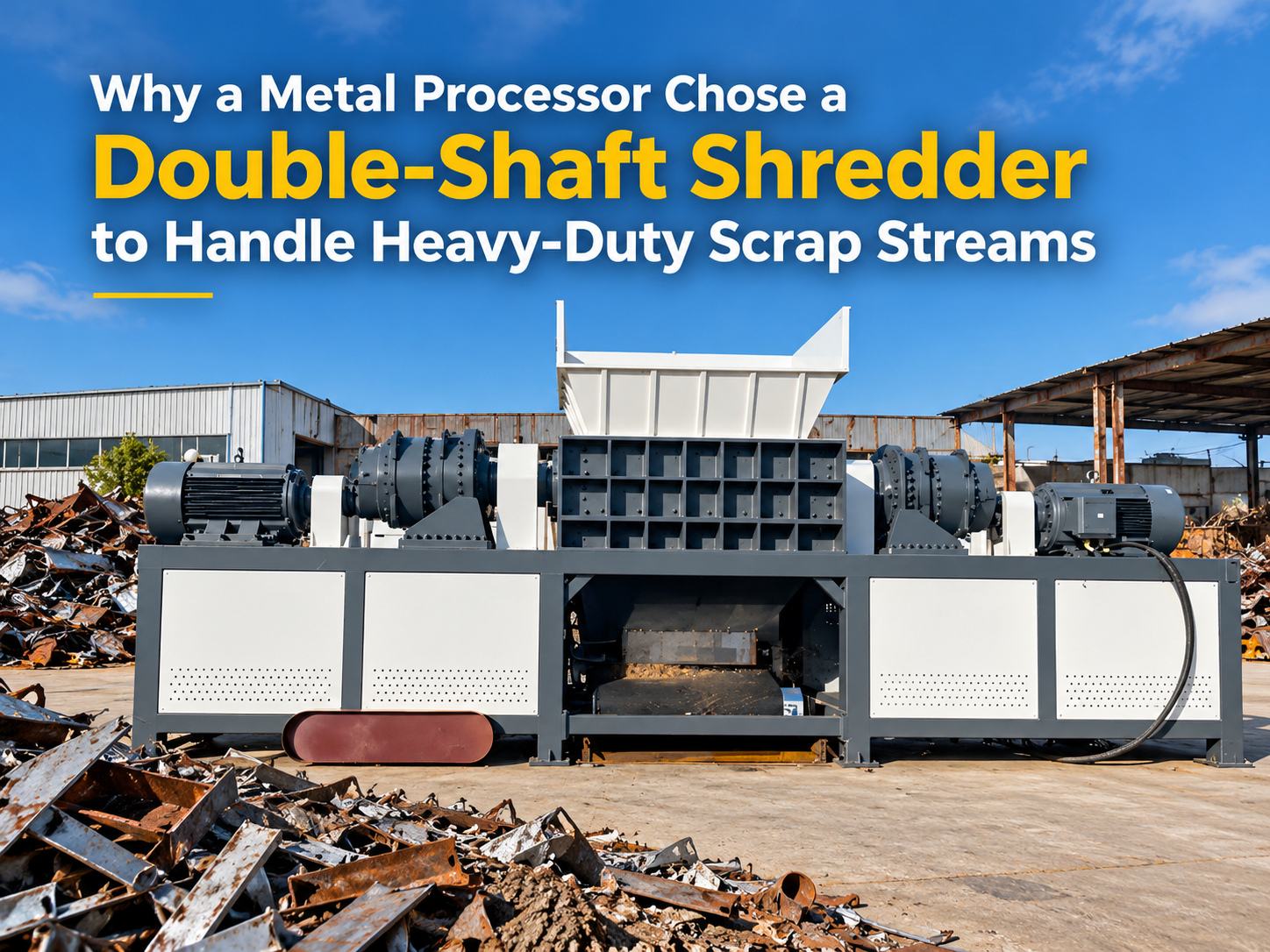
Why a Metal Processor Chose a Double-Shaft Shredder to Handle Heavy-Duty Scrap Streams

Introduction: The Challenge of Heavy-Duty Scrap Management
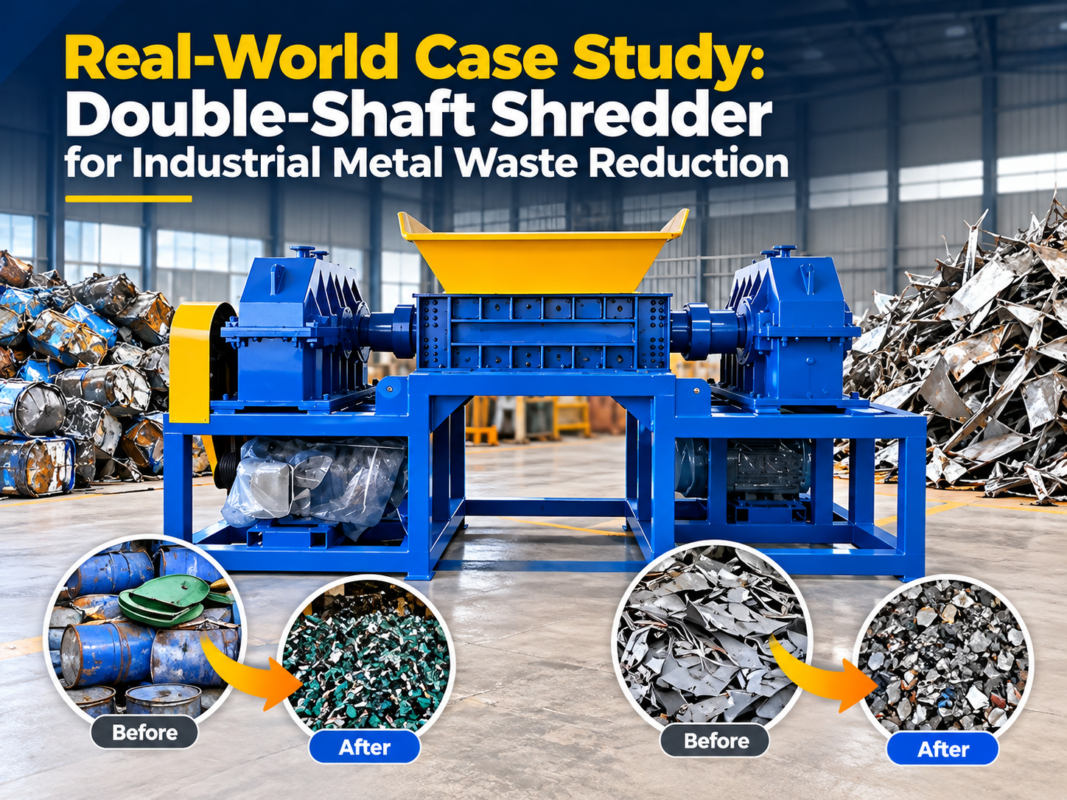
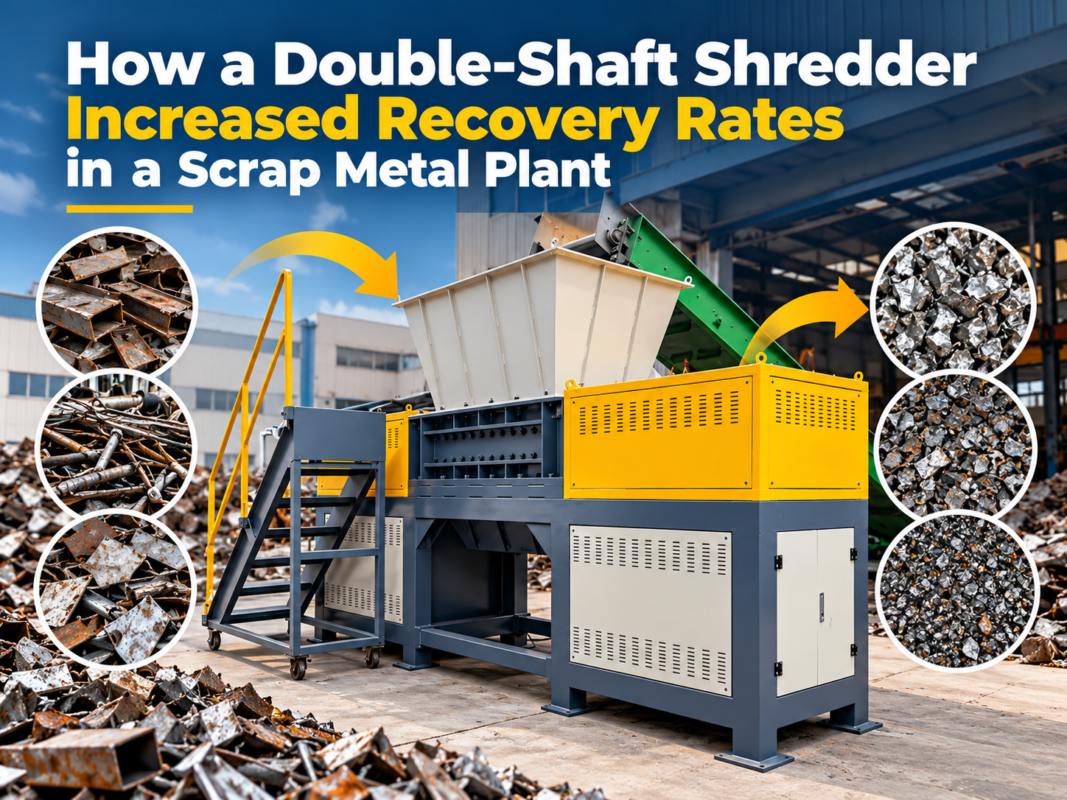
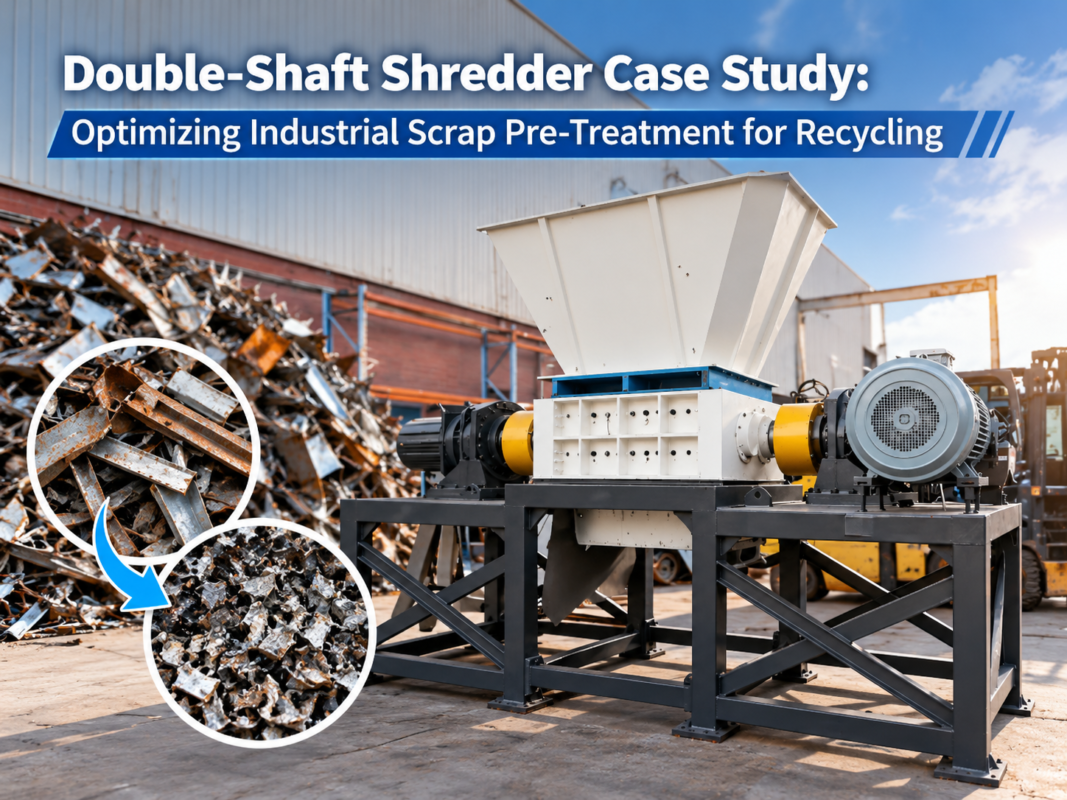
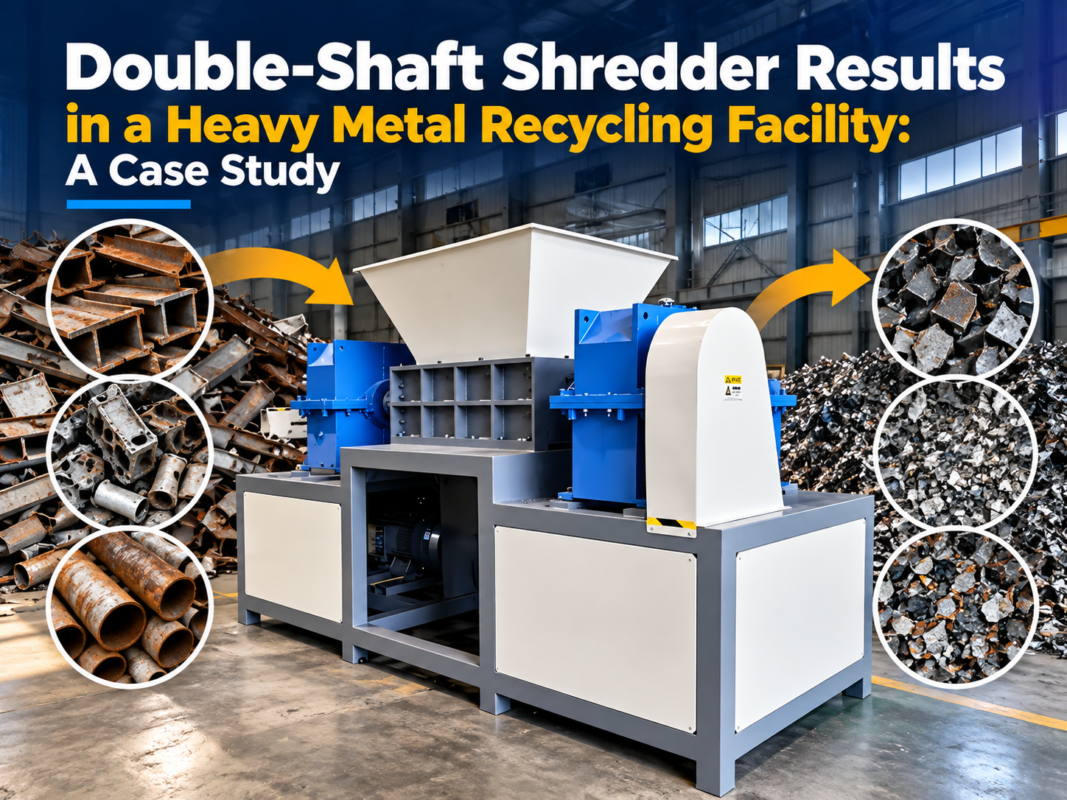
In the modern metal fabrication industry, the management of scrap streams is no longer just a logistical necessity—it is a critical component of operational profitability. For many high-volume metal processors, the sheer volume and density of industrial waste, ranging from thick steel plates to tangled metal turnings, present a significant bottleneck. When a leading metal processor chose a double-shaft shredder to handle heavy-duty scrap streams, they were not merely looking for a piece of equipment; they were seeking a comprehensive solution to transform waste into a high-value, manageable commodity.
The transition from manual scrap handling or outdated shearing methods to automated shredding technology represents a paradigm shift in industrial efficiency. As metal fabrication facilities scale their operations, the need for consistent, high-torque reduction becomes paramount. This article explores the strategic decision-making process behind this investment, the technical advantages of double-shaft technology, and why HARSLE-engineered solutions are setting the standard for heavy-duty scrap processing.
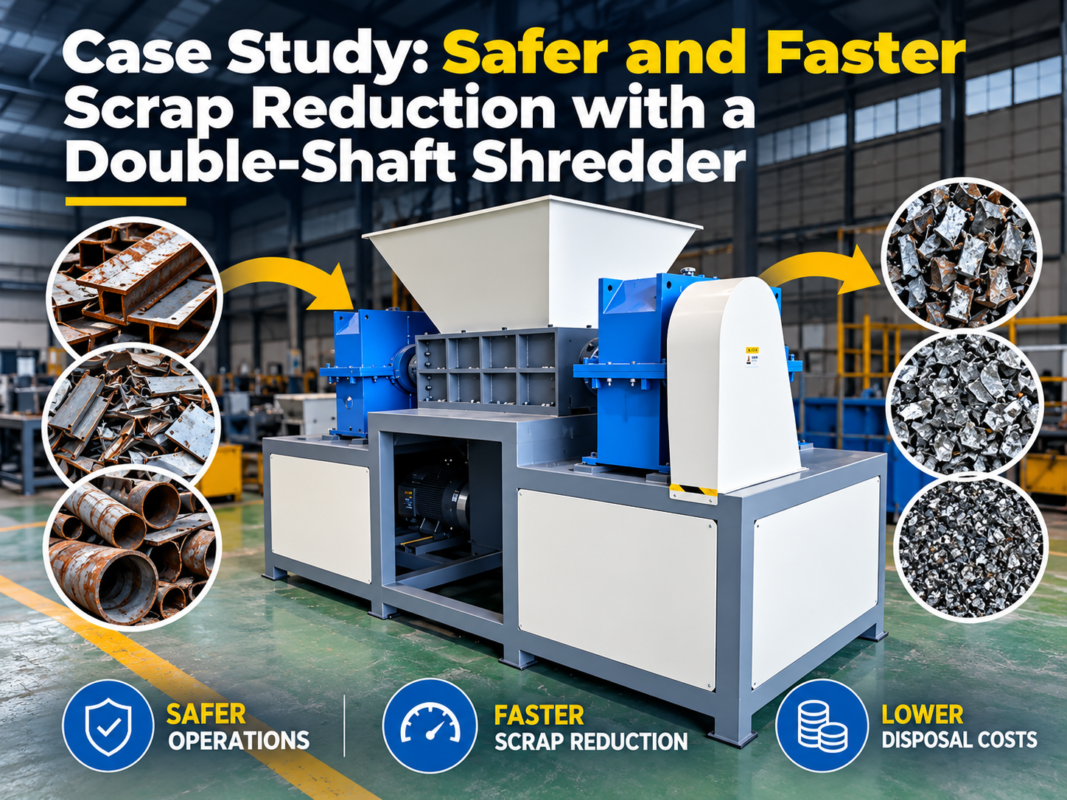
By implementing a robust shredding system, processors can significantly reduce the volume of their scrap, thereby lowering transportation costs and increasing the market value of the processed material. This case study highlights the journey of a processor who faced mounting operational costs and found that the integration of a double-shaft shredder was the key to unlocking sustainable growth and operational excellence.
Key Considerations for Heavy-Duty Scrap Processing
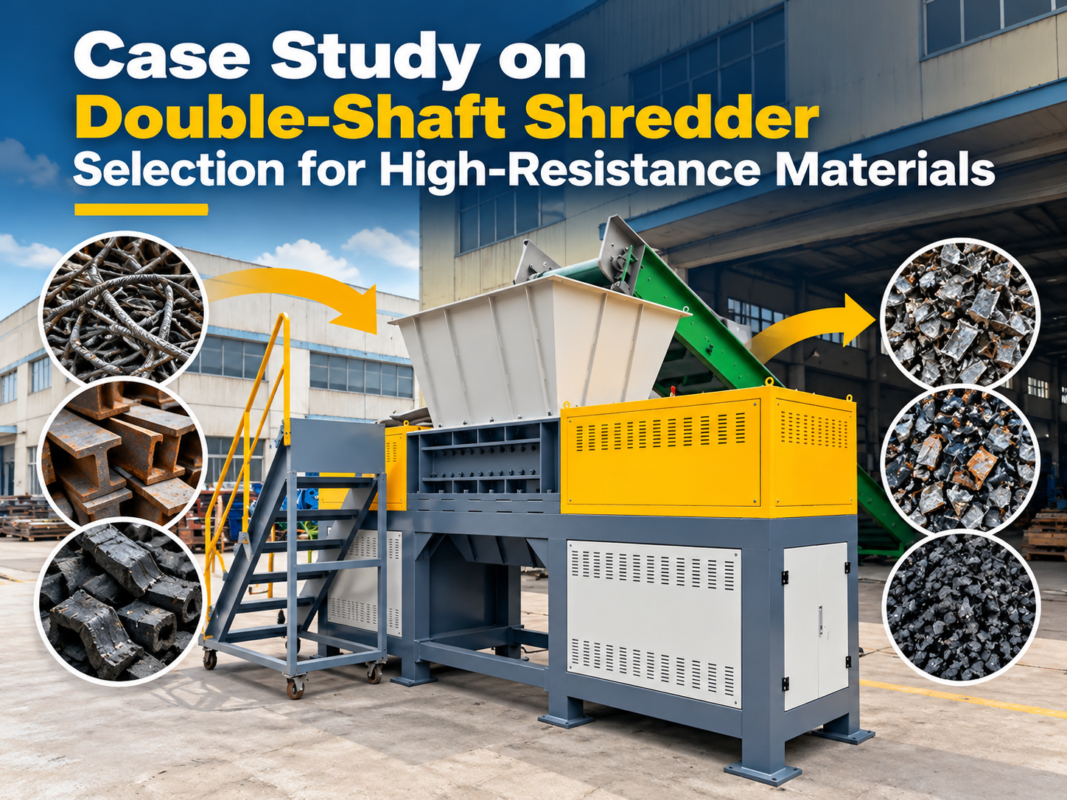
When a metal processor evaluates the need for a shredding system, several key considerations must be addressed. The first is the nature of the scrap stream itself. Is the material primarily light-gauge sheet metal, or does it include heavy, hardened steel components? The physical properties of the scrap dictate the torque requirements and the blade configuration of the shredder. A double-shaft shredder is uniquely suited for this because it utilizes low-speed, high-torque shearing action, which is far more effective for dense metal than high-speed hammer mills.
Another critical factor is the throughput capacity. In a high-volume fabrication environment, the shredder must be able to keep pace with the output of laser cutters, plasma tables, and press brakes. If the shredder becomes a bottleneck, the entire production line suffers. Therefore, the processor must analyze the peak load requirements and ensure that the motor power and chamber size are sufficient to handle surges in scrap volume without stalling or overheating.
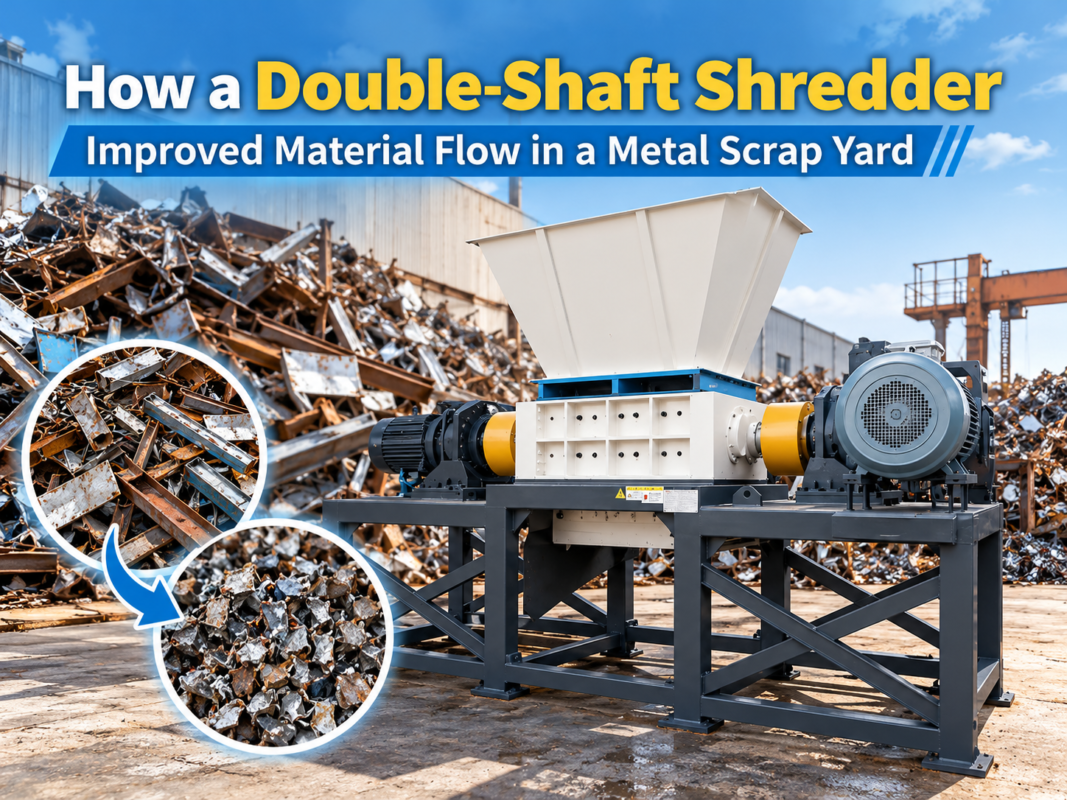
Space constraints and integration into existing workflows are also vital. A well-designed shredding system should fit seamlessly into the facility’s layout, often requiring custom-built conveyors or feeding hoppers. The processor must consider how the scrap will be transported to the shredder and how the shredded material will be discharged—whether into bins, onto a secondary conveyor, or directly into a baler. This holistic view of the material flow is what separates a successful installation from a costly mistake.
Finally, safety and maintenance accessibility cannot be overlooked. Heavy-duty shredding involves immense forces, and the equipment must be built to withstand extreme mechanical stress. The processor must prioritize machines with advanced safety features, such as automatic reverse functions to prevent jams, and easy-access panels for routine blade inspection and maintenance. Choosing a reputable manufacturer like HARSLE ensures that these safety and maintenance protocols are built into the machine’s DNA.
Technical Details: Why Double-Shaft Technology Excels
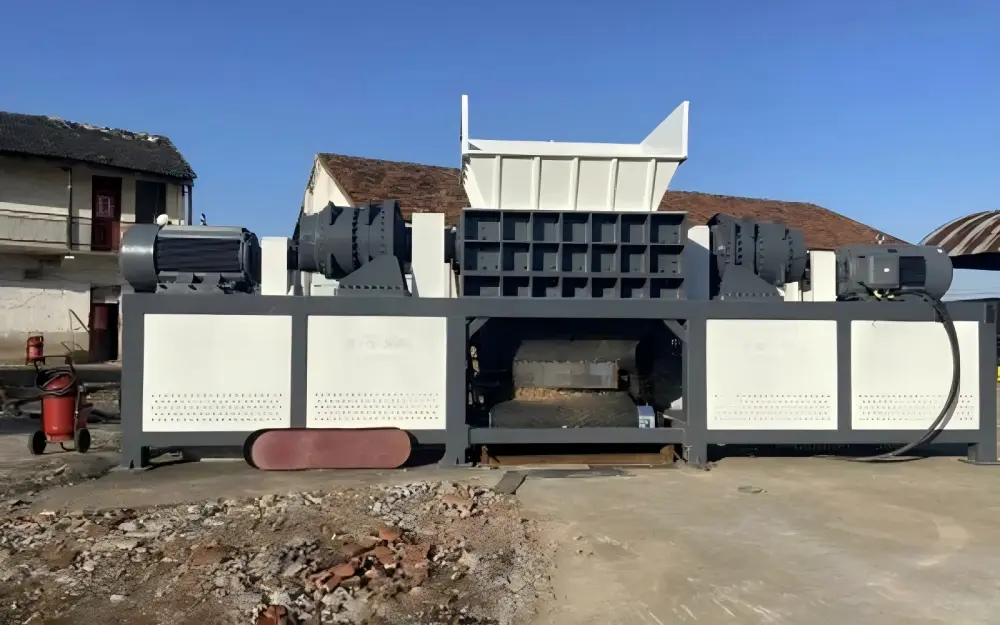
The technical superiority of the double-shaft shredder lies in its dual-rotor design. Unlike single-shaft machines that rely on a screen to control output size, double-shaft shredders use two counter-rotating shafts equipped with interlocking blades. These blades pull the material into the cutting chamber, where it is sheared and torn apart. This design is inherently more efficient for heavy-duty scrap because it does not rely on impact, which can be damaging to the machine when processing high-tensile metals.
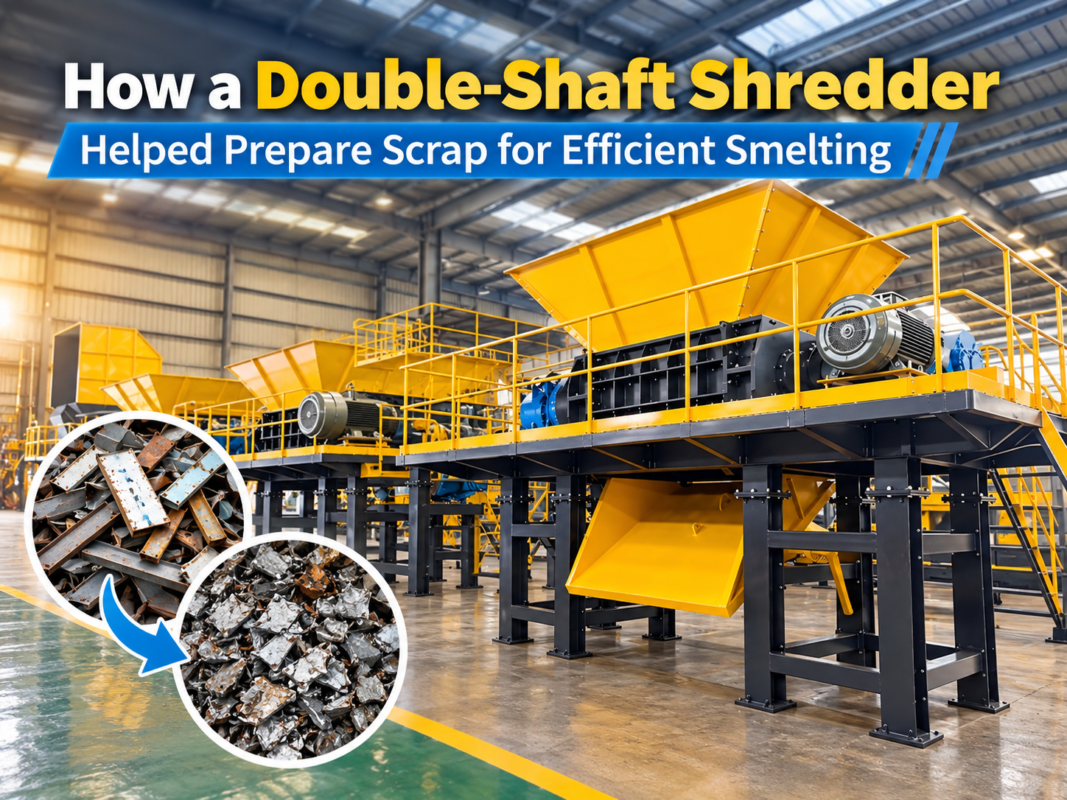
The torque-to-speed ratio is the defining characteristic of this technology. By operating at low speeds, the shredder generates immense torque, allowing it to “bite” through thick steel, pipes, and complex metal assemblies that would cause other machines to seize. This controlled shearing action also results in less dust and noise, creating a safer and more compliant working environment for the facility staff. The precision of the blade geometry ensures that the scrap is reduced to a uniform size, which is essential for downstream sorting and smelting processes.
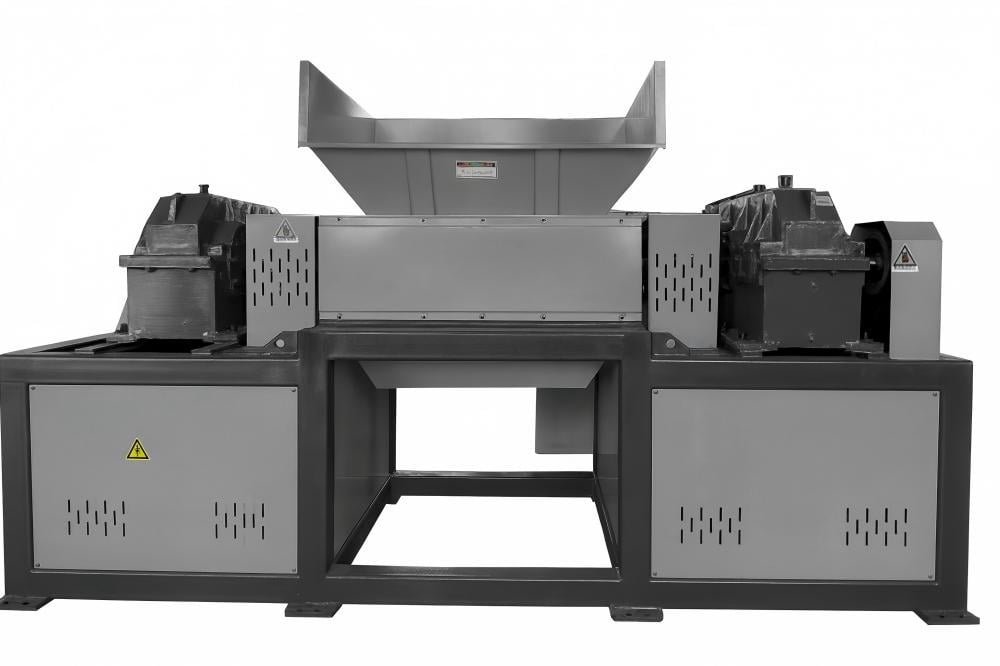
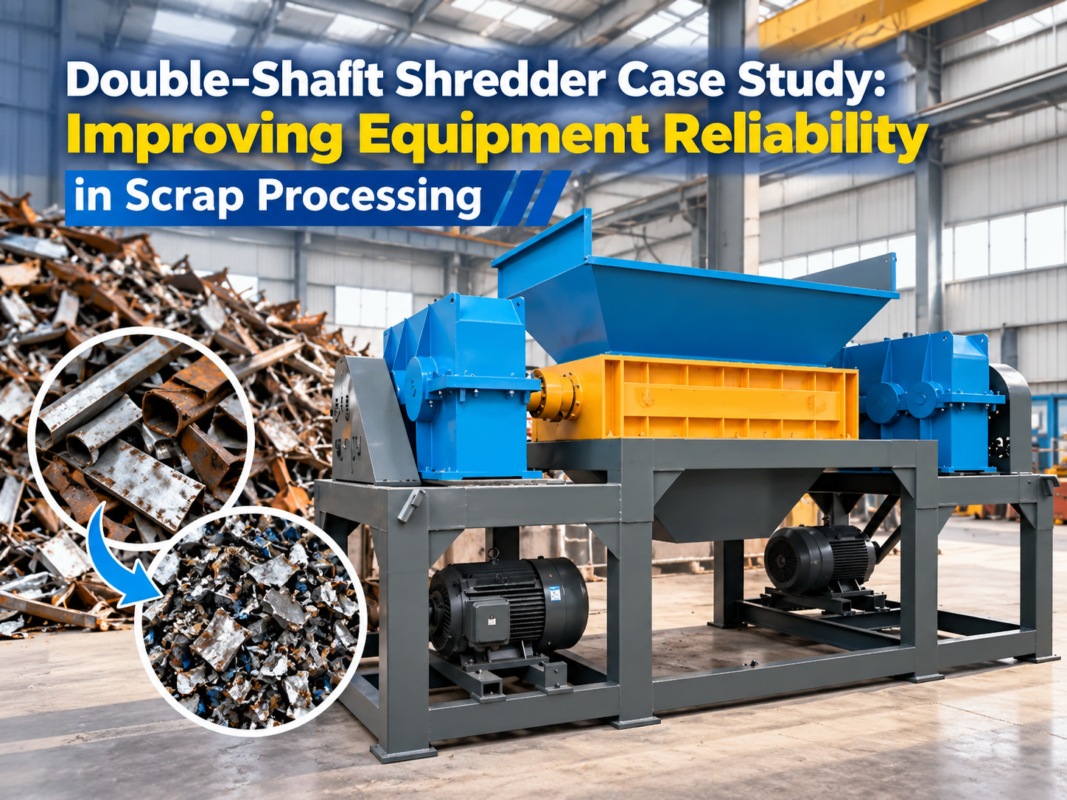
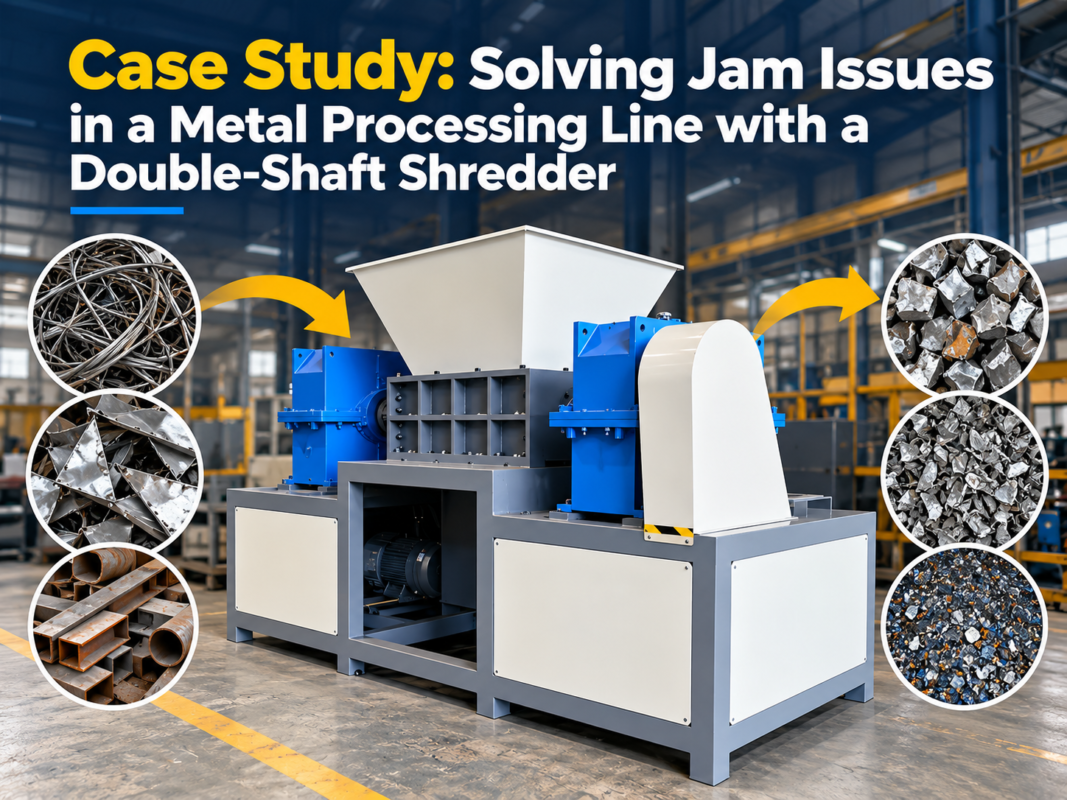
HARSLE’s double-shaft shredders feature advanced PLC (Programmable Logic Controller) systems that monitor the load on each shaft in real-time. If the system detects an un-shreddable object, the shafts automatically reverse, clear the obstruction, and resume operation. This intelligent automation minimizes downtime and protects the drivetrain from catastrophic failure. Furthermore, the use of high-alloy, wear-resistant steel for the blades ensures that the shredder maintains its cutting efficiency even after processing thousands of tons of abrasive metal scrap.
The modular design of the cutting chamber allows for customization based on the specific scrap stream. For example, the number of hooks on the blades can be adjusted to produce a finer or coarser output. This flexibility is a major advantage for metal processors who may handle diverse scrap types throughout the year. By adjusting the blade configuration, the processor can optimize the shredder for everything from aluminum extrusions to heavy steel skeletons, ensuring maximum versatility.
Selection Advice: Choosing the Right Equipment
Selecting the right double-shaft shredder requires a thorough audit of your current scrap output. Before contacting a supplier, document the types of metals you process, the maximum thickness of the material, and the average daily volume. This data will allow the manufacturer to recommend the correct motor size and chamber dimensions. It is always better to slightly over-specify the machine’s capacity to account for future growth rather than under-specify and face constant maintenance issues.
Consider the total cost of ownership, not just the initial purchase price. A cheaper machine may seem attractive, but if it lacks the robust build quality of a HARSLE shredder, the costs associated with blade replacement, motor repairs, and downtime will quickly exceed the initial savings. Look for manufacturers that offer comprehensive support, including spare parts availability and technical training for your maintenance team. A shredder is a long-term asset, and the relationship with the supplier is just as important as the machine itself.
Evaluate the integration capabilities. Will the shredder be fed by a forklift, a conveyor, or a crane? Does the discharge system need to be elevated to feed a baler? These logistical questions should be answered during the planning phase. HARSLE provides engineering support to help clients design the entire scrap processing line, ensuring that the shredder is not an isolated unit but a functional part of a cohesive system. This level of partnership is crucial for achieving the desired ROI.
Finally, prioritize energy efficiency and environmental compliance. Modern double-shaft shredders are designed to be energy-efficient, utilizing high-efficiency motors and intelligent power management. By reducing the energy required to process scrap, you not only lower your operational costs but also improve your facility’s sustainability profile. In an era where environmental regulations are becoming increasingly stringent, investing in efficient, low-emission processing equipment is a smart strategic move for any metal fabrication business.
FAQ: Common Questions About Industrial Shredding
- What is the main advantage of a double-shaft shredder over a single-shaft model? The double-shaft design provides higher torque and better material intake for heavy, bulky scrap, making it more effective for dense metal streams that would stall a single-shaft machine.
- How often do the blades need to be replaced? This depends on the volume and hardness of the material. However, HARSLE uses premium wear-resistant alloys that significantly extend the service life of the blades compared to standard alternatives.
- Can a double-shaft shredder handle non-metal contaminants? While designed for metal, these machines are robust enough to handle occasional contaminants like wood or plastic, though it is best to keep the scrap stream as clean as possible to maximize blade life.
- What kind of maintenance is required? Routine maintenance includes checking the lubrication system, inspecting the blades for wear, and ensuring the PLC sensors are calibrated correctly. HARSLE provides a detailed maintenance schedule with every unit.
- Is the shredder noisy? Because they operate at low speeds, double-shaft shredders are significantly quieter than high-speed hammer mills, making them suitable for indoor industrial environments.
Conclusion: Transforming Scrap into Profit
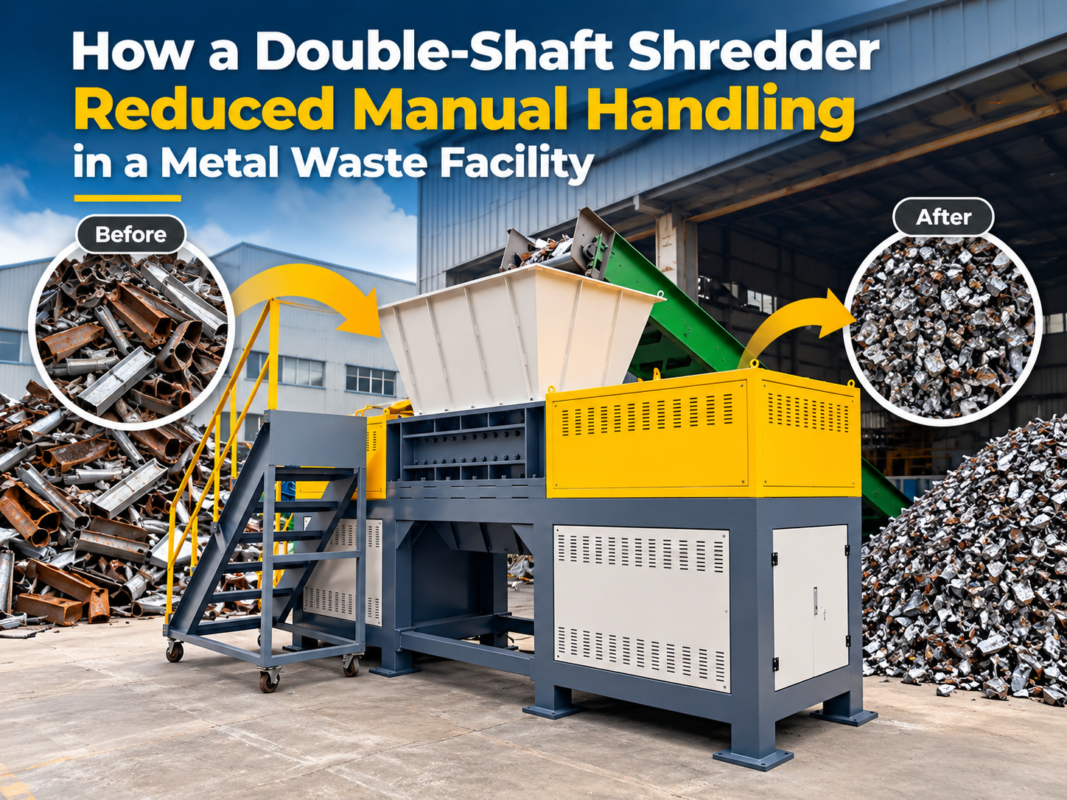
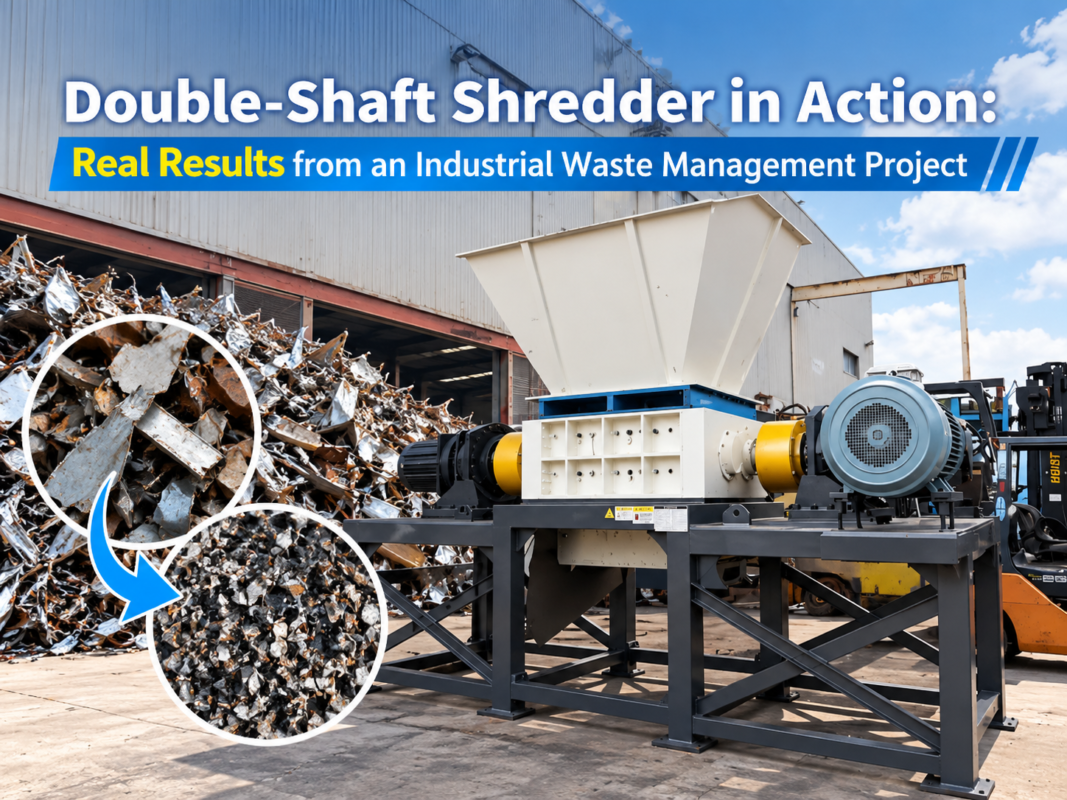
The decision to invest in a double-shaft shredder is a turning point for any metal processor. As demonstrated by the case study of our client, the transition from manual handling to automated, high-torque shredding results in immediate improvements in operational efficiency, safety, and profitability. By choosing a robust, intelligently designed system from HARSLE, the processor was able to turn a logistical burden into a streamlined, value-added process.
The combination of advanced PLC control, high-torque shearing, and durable construction makes the double-shaft shredder an indispensable tool in the modern fabrication shop. It allows for the densification of scrap, which simplifies storage and transport, and prepares the material for more lucrative recycling markets. As the industry continues to evolve, the ability to manage scrap streams effectively will remain a key differentiator for successful metal processors.
If your facility is struggling with the volume and complexity of your scrap streams, it is time to consider the benefits of professional-grade shredding technology. HARSLE is committed to providing the machinery and the engineering expertise necessary to help you optimize your production line. Contact our team today to learn more about how our double-shaft shredders can be tailored to meet the unique demands of your heavy-duty scrap streams and help you achieve your long-term operational goals.