How a Single-Shaft Shredder Supported Sustainable Waste Recovery in a Metal Fabrication Plant

Introduction
In the modern era of metal fabrication, the pressure to adopt sustainable practices is no longer just a corporate social responsibility initiative; it is a fundamental requirement for operational efficiency and regulatory compliance. As fabrication plants generate vast quantities of scrap metal, offcuts, and industrial waste, the traditional method of simply hauling this material to landfills or external recycling centers has become both economically and environmentally unsustainable. This is where the integration of advanced processing technology becomes critical.
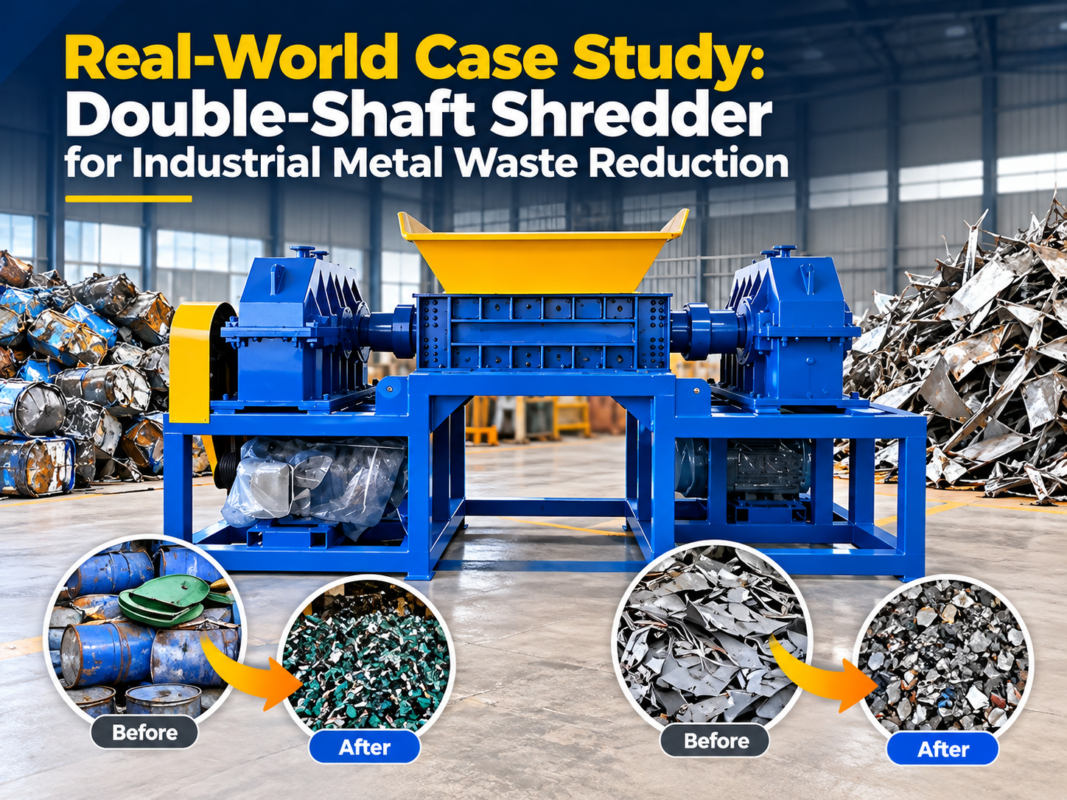
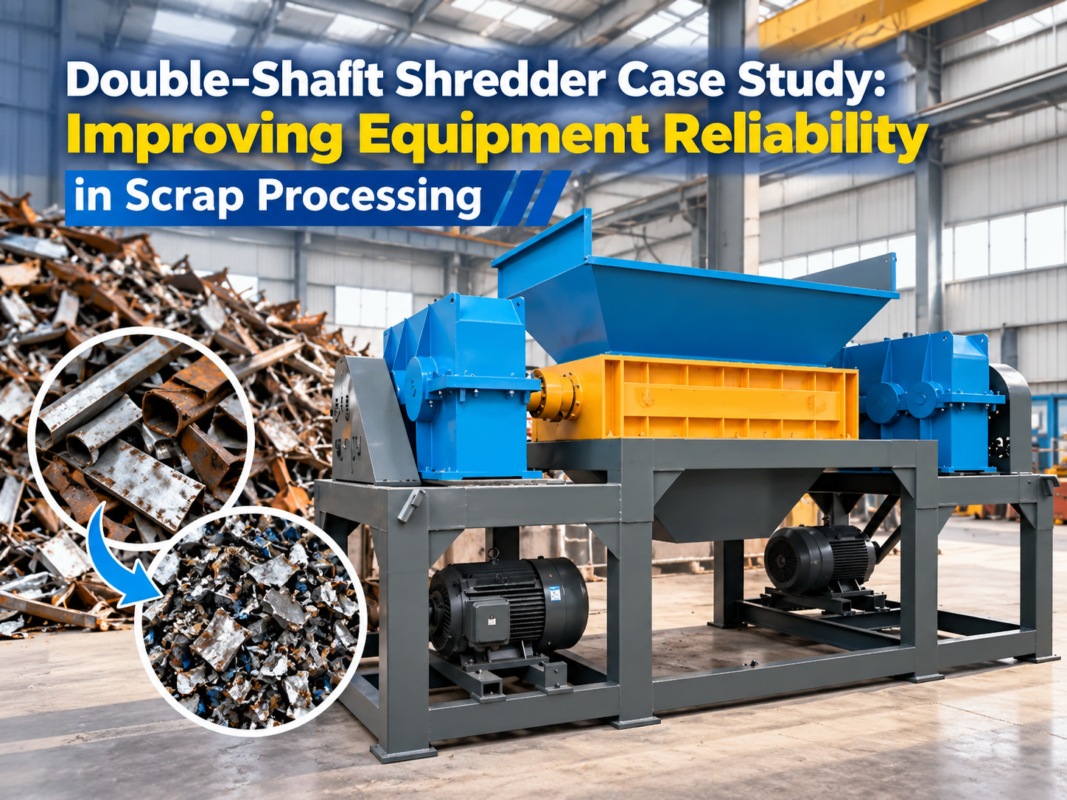
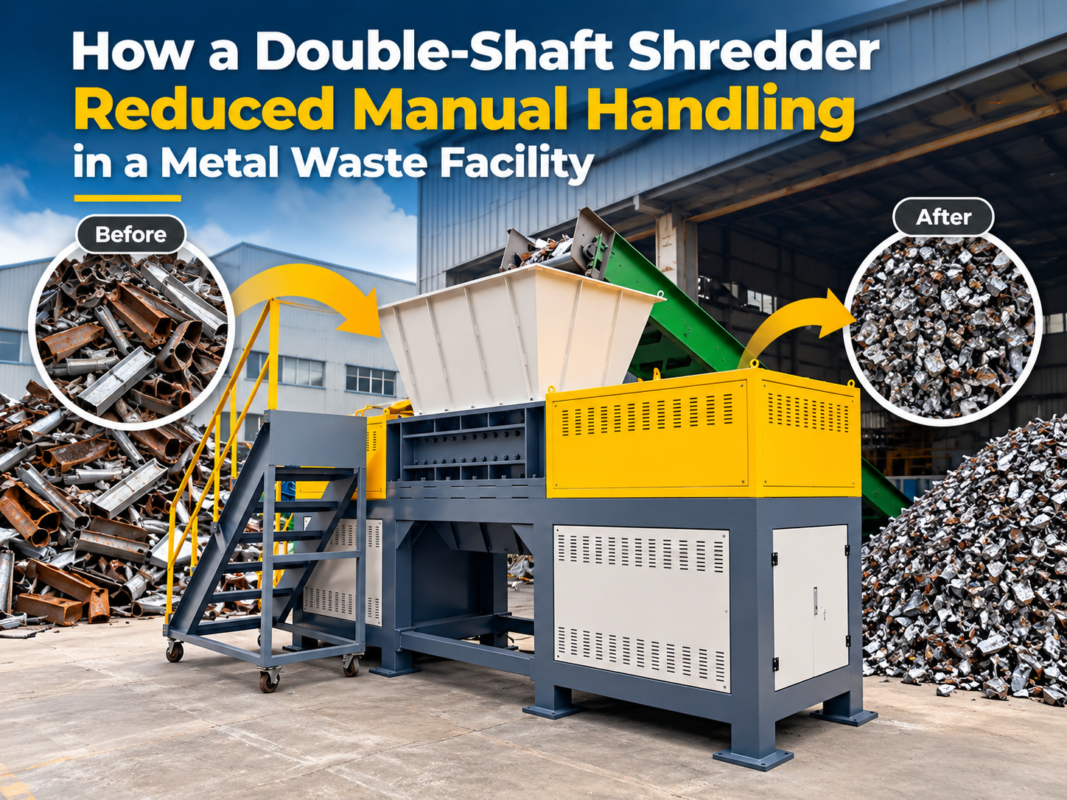
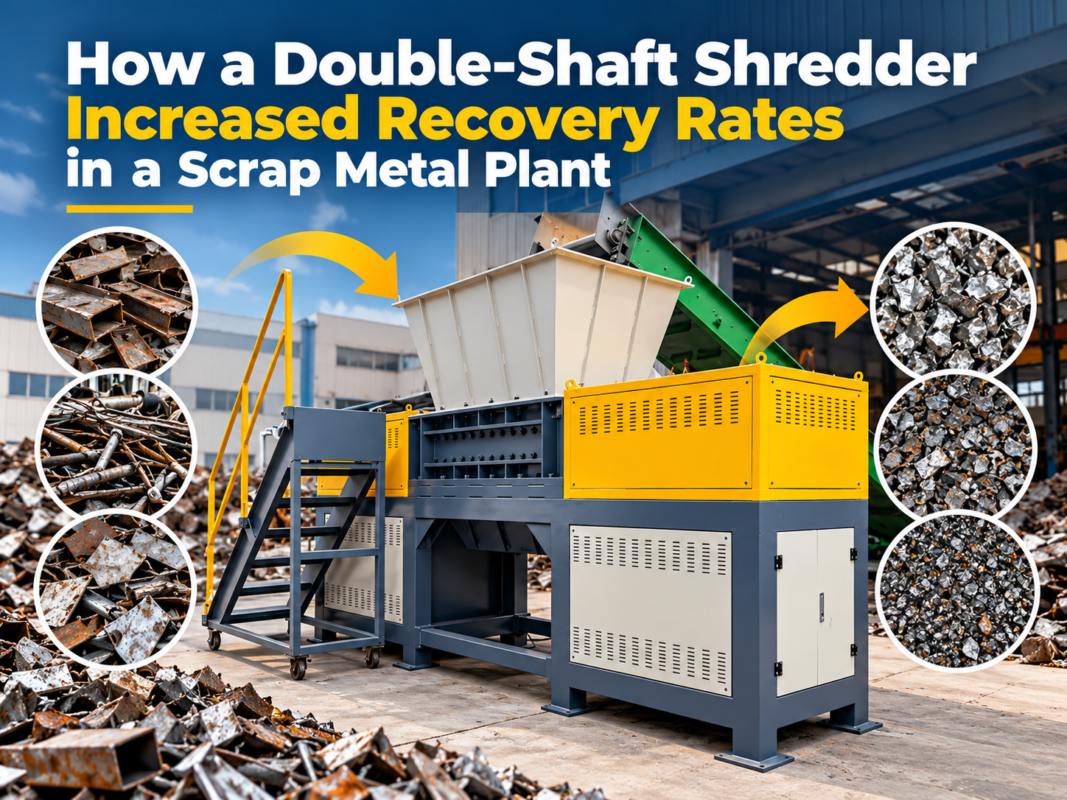
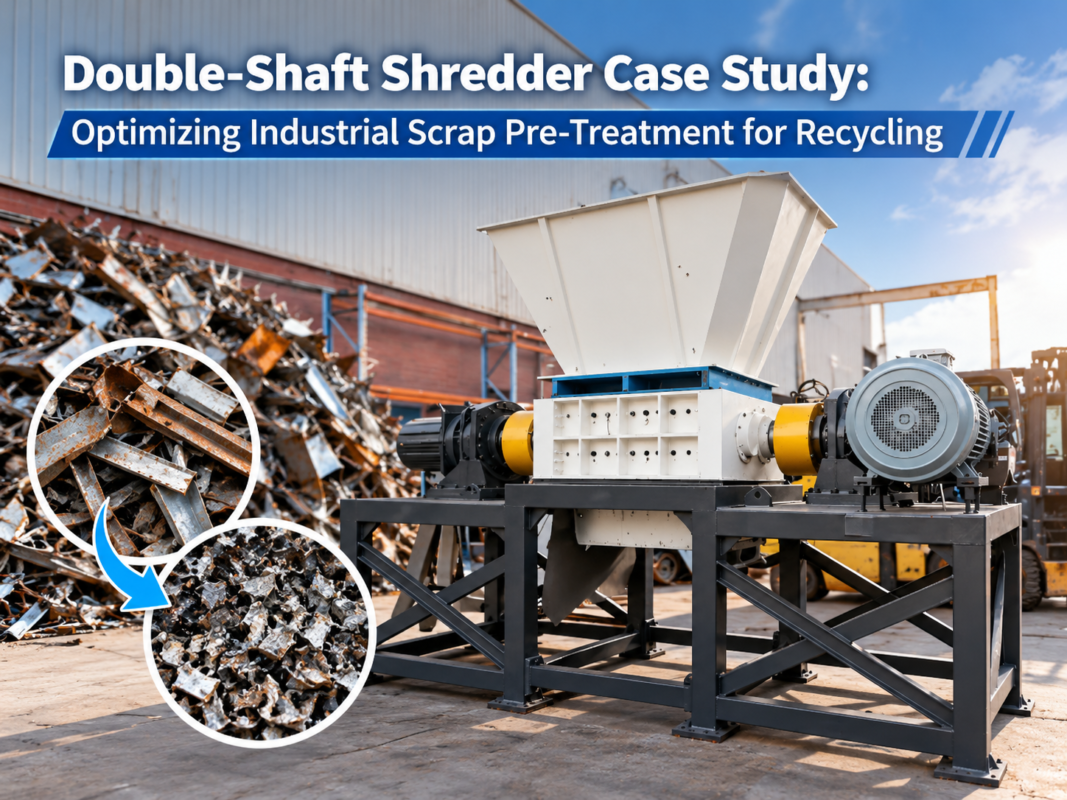
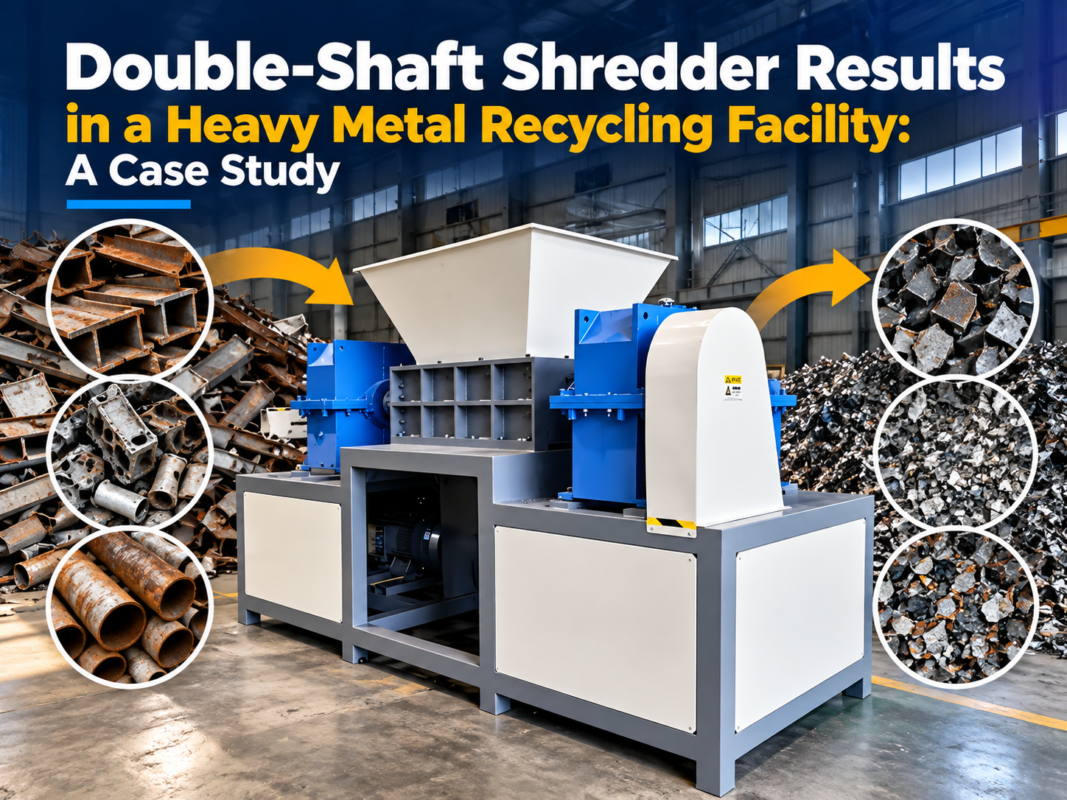
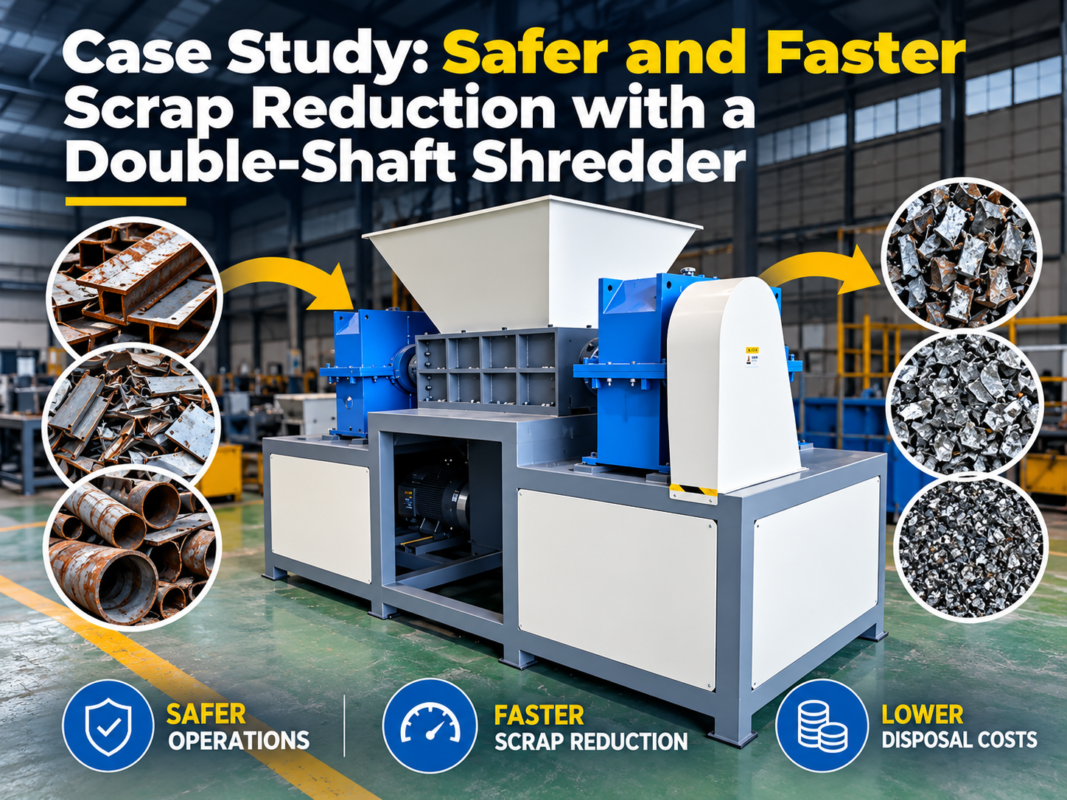
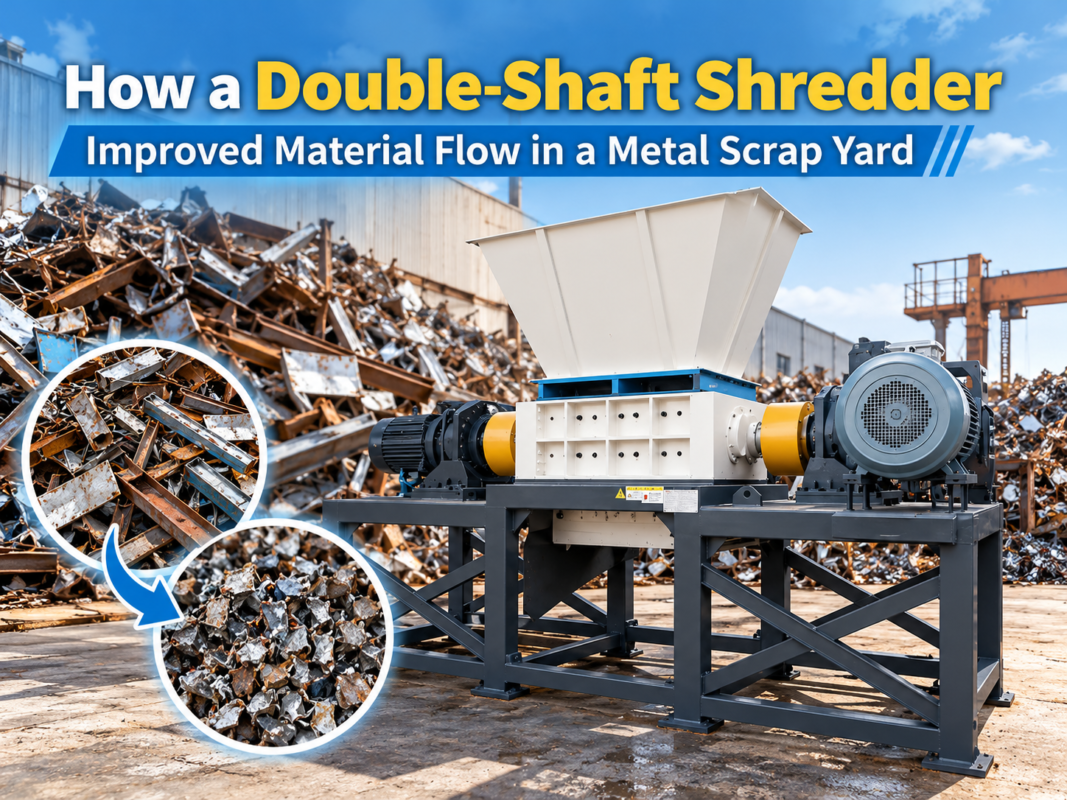
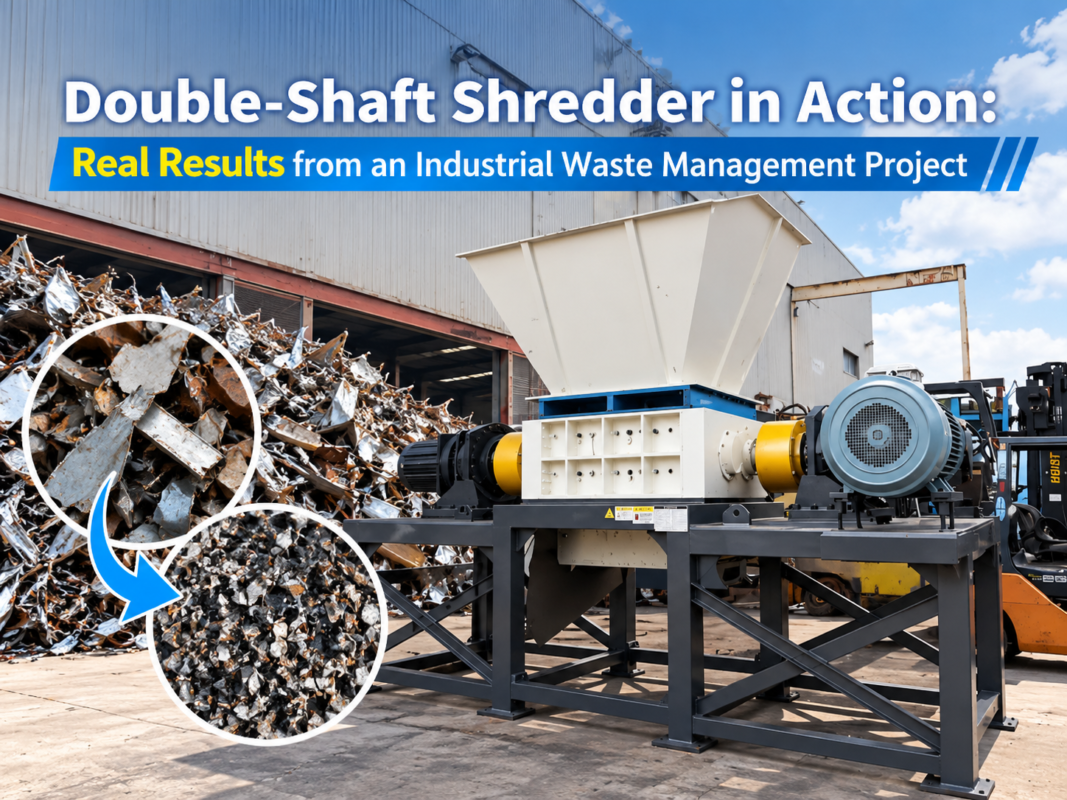
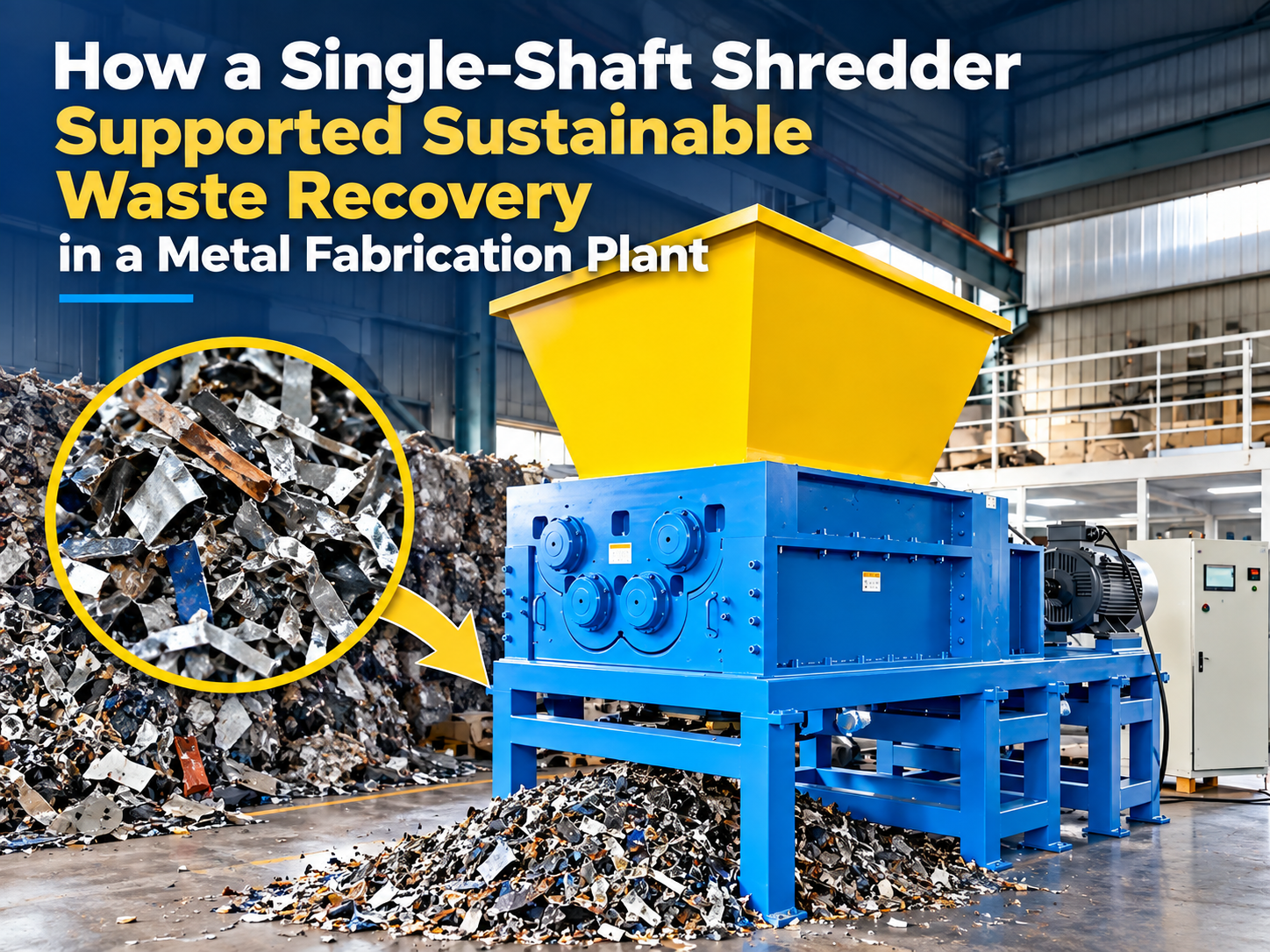
A single-shaft shredder supported sustainable waste recovery in a metal fabrication plant by transforming bulky, unmanageable scrap into uniform, high-density material. By reducing the volume of waste at the source, fabrication facilities can significantly lower their logistics costs, improve the purity of their scrap streams, and increase the value of their recycled materials. This article explores the technical, operational, and environmental benefits of implementing HARSLE shredding solutions in a high-output fabrication environment.
The transition toward a circular economy in metal fabrication requires machinery that can handle diverse materials—from thin aluminum sheets to thick steel skeletons—without compromising on speed or durability. A single-shaft shredder is uniquely positioned to handle these challenges due to its high-torque, low-speed operation, which ensures consistent output and minimal energy consumption. As we delve into the mechanics and strategic advantages of these machines, it becomes clear why they are the cornerstone of modern, sustainable metal fabrication.
Throughout this guide, we will examine how these machines function, the specific criteria for selecting the right model for your facility, and the long-term impact on your bottom line. By optimizing waste recovery, fabrication plants can turn a cost center into a revenue stream, proving that sustainability and profitability are not mutually exclusive goals in the metalworking industry.
Key Considerations for Sustainable Waste Management
Before investing in shredding technology, plant managers must evaluate their current waste stream composition. Metal fabrication plants often deal with a heterogeneous mix of materials, including carbon steel, stainless steel, copper, and various alloys. A single-shaft shredder must be configured with the correct rotor design and screen size to handle the specific tensile strength and thickness of these materials. Failure to match the machine to the material can lead to premature wear or inefficient processing.
Operational space and workflow integration are also paramount. In many fabrication plants, floor space is at a premium. Modern shredders are designed with compact footprints, allowing them to be placed near the point of waste generation—such as near laser cutting machines or press brakes. By reducing the distance that scrap must travel, plants can minimize the risk of workplace accidents and reduce the labor hours associated with material handling.
Another critical consideration is the downstream processing of the shredded material. Once the metal is shredded into uniform pieces, it becomes much easier to sort using magnetic separators or eddy current separators. This purity is essential for metal recyclers, who pay a premium for clean, sorted scrap. By investing in a shredder, a plant can effectively “clean” its waste stream, moving from selling mixed, low-value scrap to selling high-grade, sorted raw materials.
Finally, energy efficiency and maintenance requirements must be analyzed. A sustainable plant is one that minimizes its carbon footprint. HARSLE single-shaft shredders are engineered with energy-efficient motors and robust drive systems that reduce power consumption during peak loads. Furthermore, the modular design of these machines allows for easier maintenance, ensuring that the equipment remains operational for years, thereby reducing the environmental impact associated with manufacturing replacement machinery.
Technical Details of HARSLE Shredding Technology
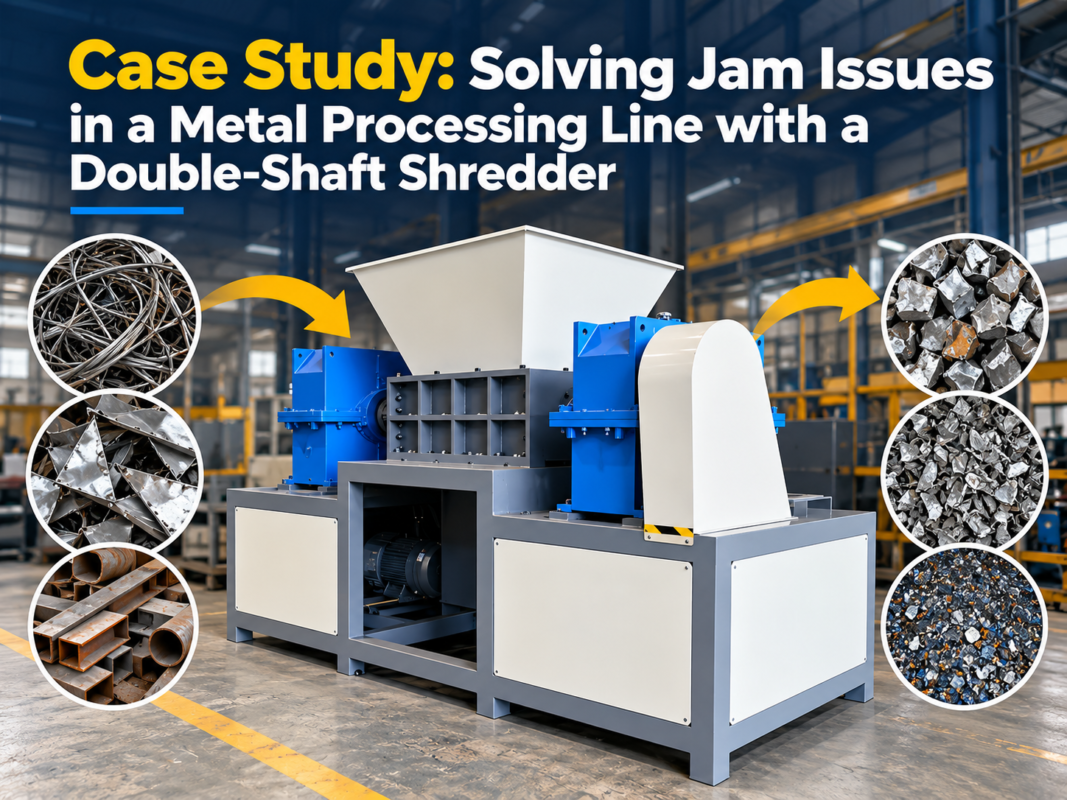
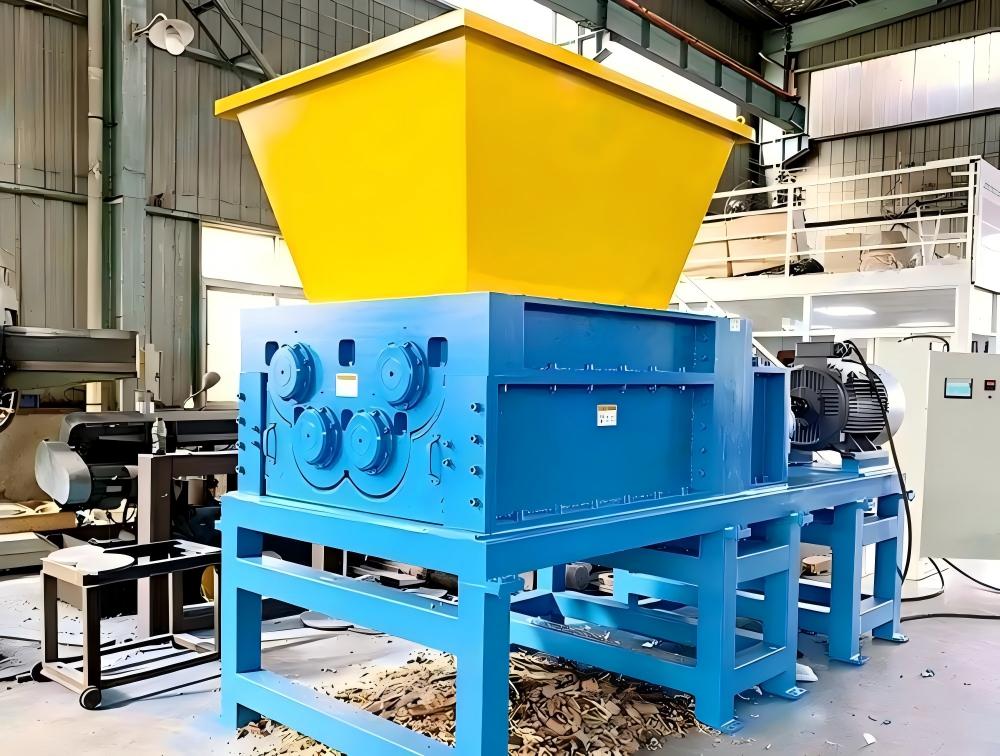
The core of the HARSLE single-shaft shredder lies in its high-torque, low-speed rotor design. Unlike high-speed granulators that rely on impact, the single-shaft shredder uses a shearing action. A series of hardened steel blades mounted on a rotating shaft work in conjunction with a stationary counter-blade to cut through metal. This process is highly effective for thick, bulky scrap that would otherwise jam or damage high-speed equipment.
The rotor is typically equipped with replaceable, indexable cutting inserts. This design is a significant advantage for maintenance teams; when one edge of the blade becomes dull, it can be rotated to a fresh cutting edge without the need for complex sharpening or replacement of the entire blade assembly. This feature ensures that the machine maintains consistent throughput and shredding quality over long periods of operation, which is vital for maintaining a continuous production flow.
HARSLE shredders are also equipped with an intelligent hydraulic ram system. This ram pushes the scrap material against the rotating shaft at a controlled pressure. The system is programmed to automatically reverse if it detects an overload, preventing damage to the motor or the drive train. This “smart” operation allows the shredder to handle varying densities of material without constant manual intervention, making it an ideal solution for automated fabrication lines.
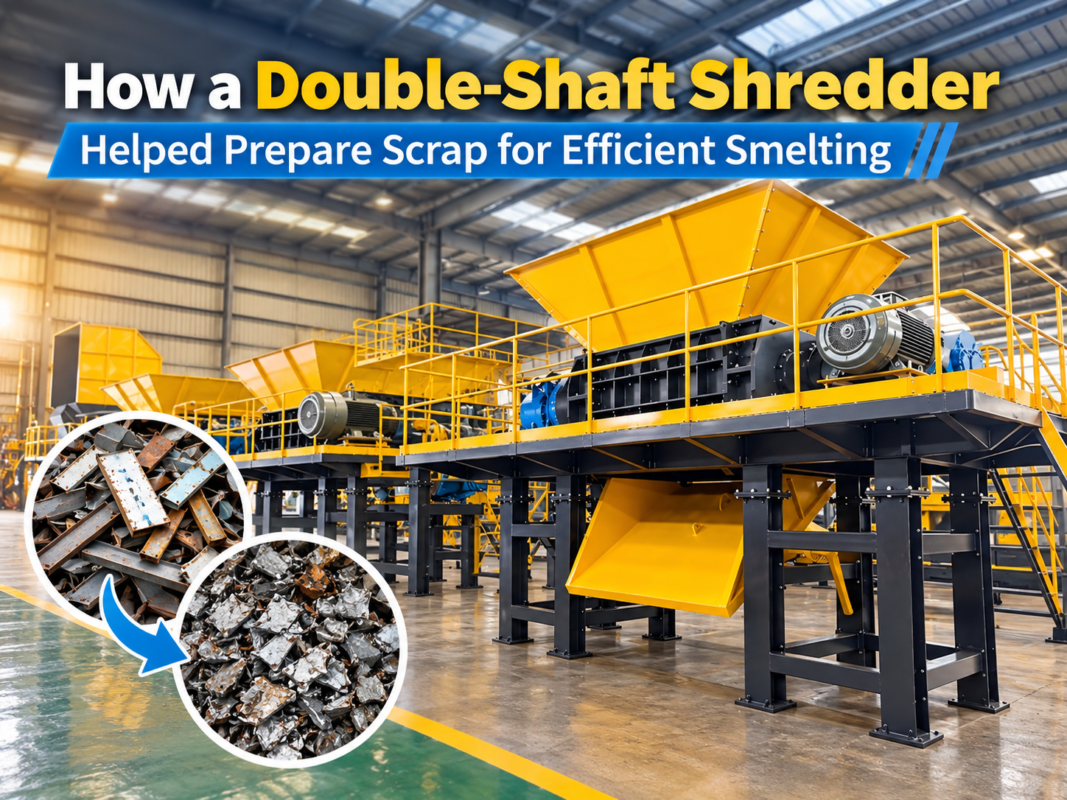
The output size of the shredded material is determined by the screen located beneath the rotor. By selecting a screen with specific hole diameters, operators can control the size of the shredded metal. This is crucial for downstream processes, such as melting or further refining. A smaller screen produces finer particles, which are ideal for high-density briquetting, while a larger screen is suitable for general scrap volume reduction and easier transportation.

Selection Advice: Choosing the Right Shredder
Selecting the right shredder requires a thorough audit of your facility’s daily output. You must calculate the volume of scrap generated in cubic meters or tons per day. A machine that is too small will create a bottleneck in your production line, while a machine that is too large will result in unnecessary capital expenditure and higher energy costs. HARSLE provides a range of models, each tailored to different throughput capacities.
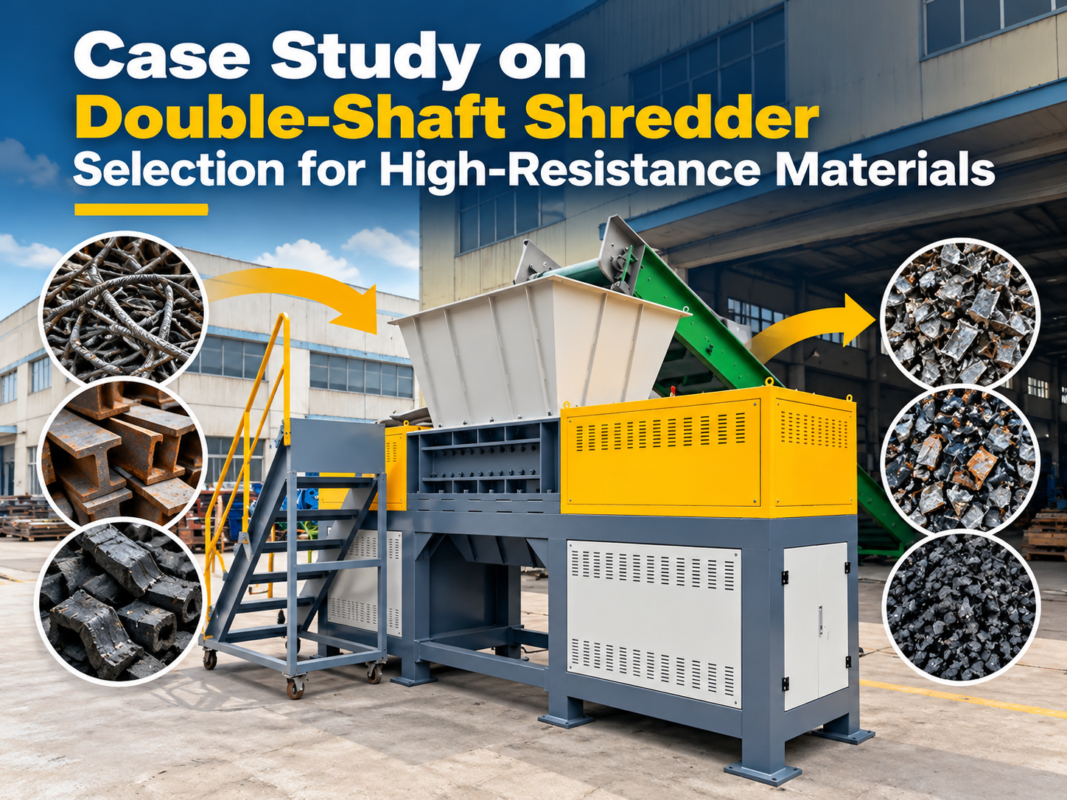
Material hardness is the next factor. If your plant primarily processes hardened steel or high-strength alloys, you will need a shredder with a reinforced rotor and specialized blade materials. Conversely, if you are processing softer metals like aluminum or thin-gauge sheet metal, a standard configuration may suffice. Always consult with the manufacturer regarding the specific tensile strength of your scrap to ensure the drive motor is sized correctly.
Consider the integration of the shredder into your existing facility layout. Will the shredded material be discharged onto a conveyor belt, into a bin, or directly into a briquetting press? The discharge method dictates the height and orientation of the shredder. HARSLE offers customizable discharge configurations to ensure the machine fits seamlessly into your existing material handling workflow, reducing the need for expensive facility modifications.
Finally, look at the support and service infrastructure. A shredder is a long-term investment. You need a partner who provides readily available spare parts, technical support, and training for your maintenance staff. HARSLE’s commitment to after-sales service ensures that your shredder remains a reliable asset, supporting your sustainable waste recovery goals for years to come.
FAQ: Domande frequenti
1. How does a single-shaft shredder improve scrap value?
By shredding scrap into uniform, smaller pieces, the material becomes easier to sort and process. Recyclers prefer clean, uniform scrap, which commands a higher market price compared to bulky, mixed, or contaminated scrap.
2. Can a single-shaft shredder handle mixed materials?
Yes, HARSLE single-shaft shredders are designed to handle a variety of metals. However, it is important to ensure that the machine is configured with the correct blade material and motor power to handle the toughest material in your mix.
3. What is the maintenance frequency for these machines?
Maintenance depends on usage intensity and the abrasiveness of the material. Generally, daily inspections of the blades and hydraulic system are recommended. The indexable blade design significantly extends the time between major maintenance intervals.
4. Is it possible to automate the shredding process?
Absolutely. HARSLE shredders feature PLC-controlled systems that can be integrated with conveyor belts and sensors, allowing for a fully automated, “hands-off” waste processing operation.
5. How much space does a single-shaft shredder require?
HARSLE offers compact models designed for tight spaces. We recommend a site assessment to determine the optimal placement for both the shredder and the associated material handling equipment.
Conclusione
The implementation of a single-shaft shredder is a transformative step for any metal fabrication plant aiming to improve its environmental footprint and operational efficiency. As we have explored, a single-shaft shredder supported sustainable waste recovery in a metal fabrication plant by reducing material volume, increasing scrap purity, and lowering logistics costs. These machines are not merely disposal tools; they are essential components of a modern, efficient, and profitable manufacturing ecosystem.
By choosing HARSLE, you are investing in high-quality engineering that prioritizes durability, energy efficiency, and ease of use. Whether you are looking to comply with new environmental regulations or simply want to maximize the value of your waste stream, our shredding solutions provide the reliability and performance required to succeed in today’s competitive market. We invite you to contact our technical team to discuss your specific waste recovery needs and discover how we can help you build a more sustainable future for your fabrication business.